Best Snorkeling on Maui with Kids

At a Glance
Most popular on Maui
 Central Maui
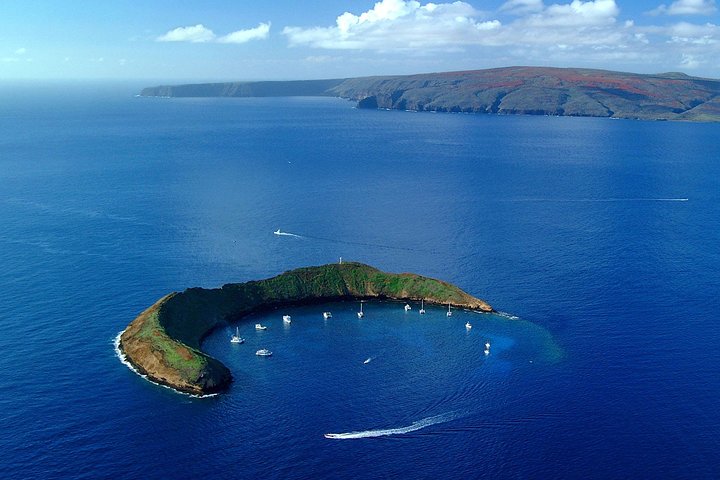
Maui Snorkeling Adventure to Molokini and Turtle Town
Visit Maui's famous snorkeling and diving destinations Molokini Crater and Turtle Town on a snorkeling catamaran, with visibility of 100 feet or more.
 South Maui
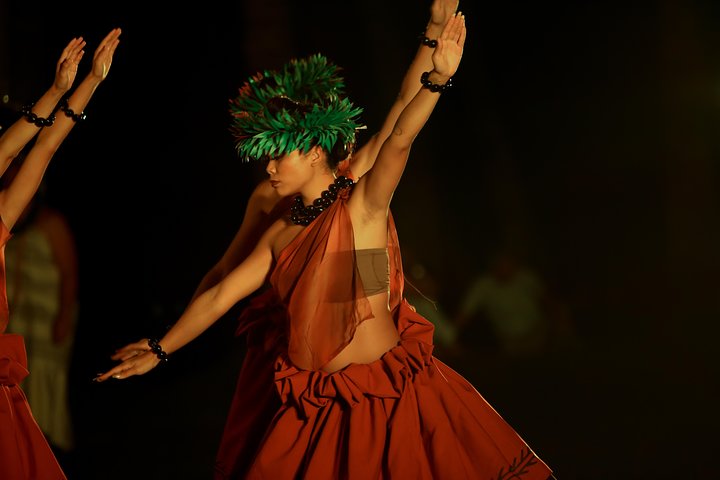
Feast at Mokapu Luau in Wailea
Discover Hawai'i's most authentic luxury luau at Andaz Maui at Wailea Resort — a curated cultural evening with a three-course plated dinner on Mokapu beach.
 South Maui
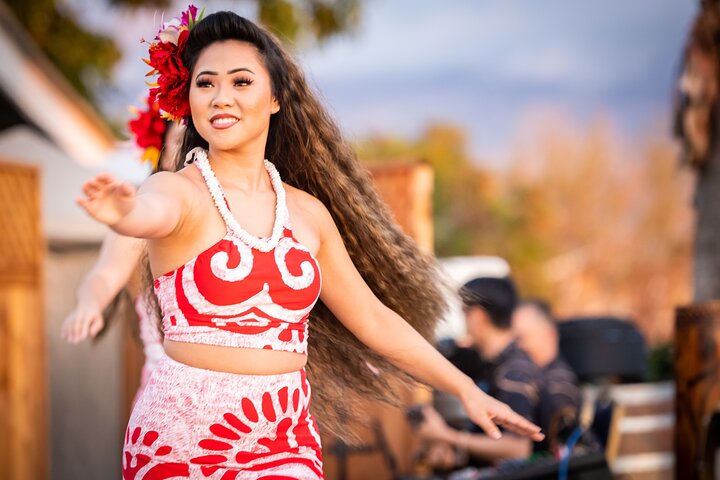
Gilligans' Island Luau in Kihei
An intimate luau experience and the only luau in Kihei — less than a quarter the size of the average Maui luau, so every seat has a great view of the show.
 Road to Hāna
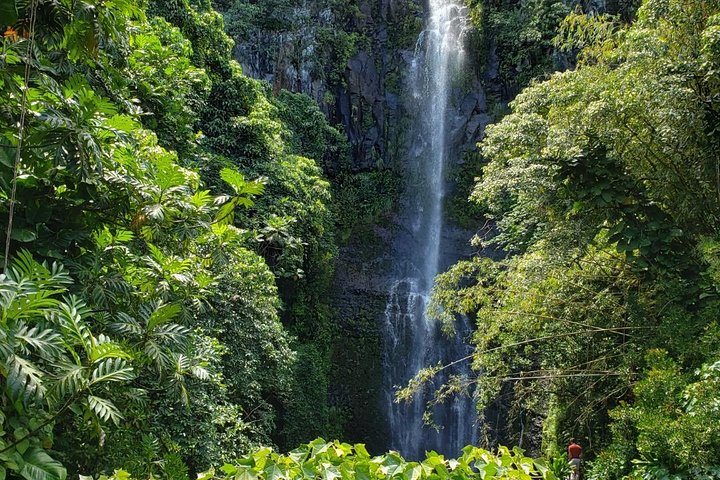
Small-Group Road to Hana Adventure Tour with Pickup & Lunch
Watch the waterfalls, black-sand beaches and rainforest go by without anyone in your group behind the wheel.
 Upcountry
Majestic Haleakalā Sunrise Tour with Pick-up
Ride to the summit for sunrise above the clouds, then unwind over a hot breakfast on the way back down.
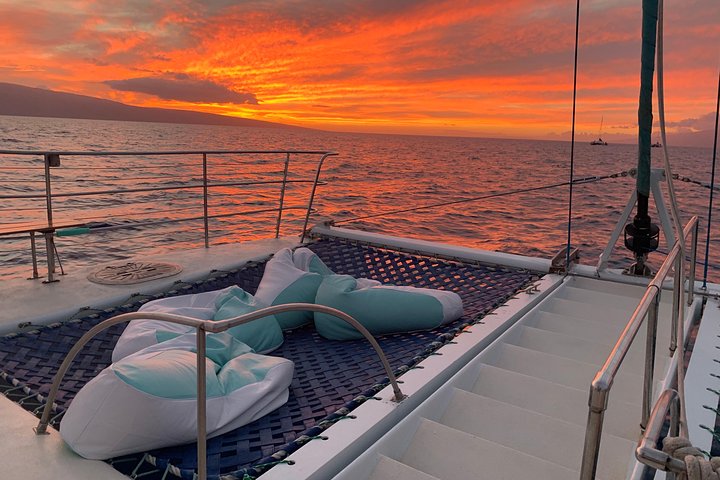 West Maui
Original Sunset Cruise with Open Bar from Kaʻanapali
Sip an unlimited open bar while the sun drops behind Lānaʻi, with pupus and live music twice a week.
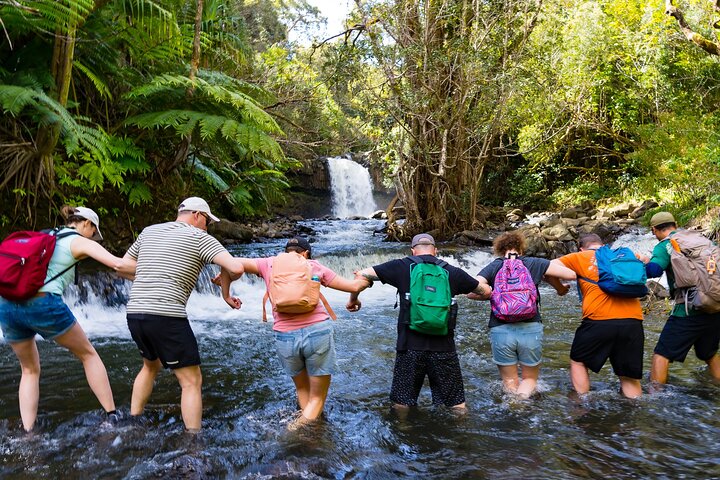 Central Maui
Small Group Waterfall and Rainforest Hiking Adventure
A guided rainforest hike to East Maui waterfalls, with time to swim beneath the falls and a trail lunch included.
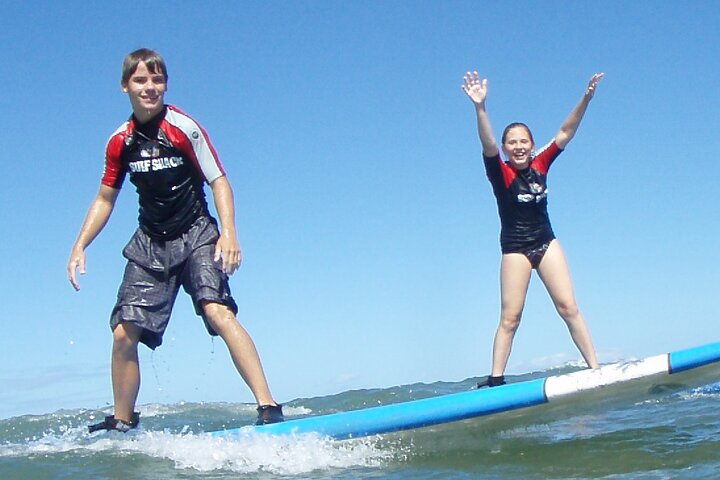 South Maui
Two Hour Beginner Group Surf Lesson in Kihei
A two-hour beginner lesson in calm South Maui water — board, gear and instruction all included.
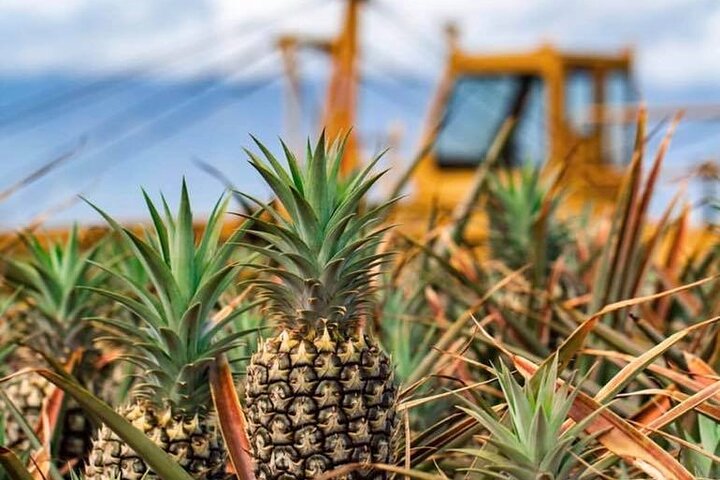 Upcountry
Maui Pineapple Farm Tour in Haliimaile
Tour a working pineapple farm and packing house upcountry, with tastings and a fresh pineapple to take home.
Supervision
One adult, one inexperienced child, eyes on them the whole time. That is the whole method, and it is the part people skip.
- Why it matters — A child in a mask is quieter and harder to read than a child in a pool.
- The experience — You are in the water beside them, not photographing them from the sand.
- The tradeoff — The adult does not get a snorkel of their own that morning.
- The risk — Pool confidence is not ocean confidence, and the gap is invisible until it matters.
Go on a calm morning, at a beach that still works if the snorkeling lasts five minutes.
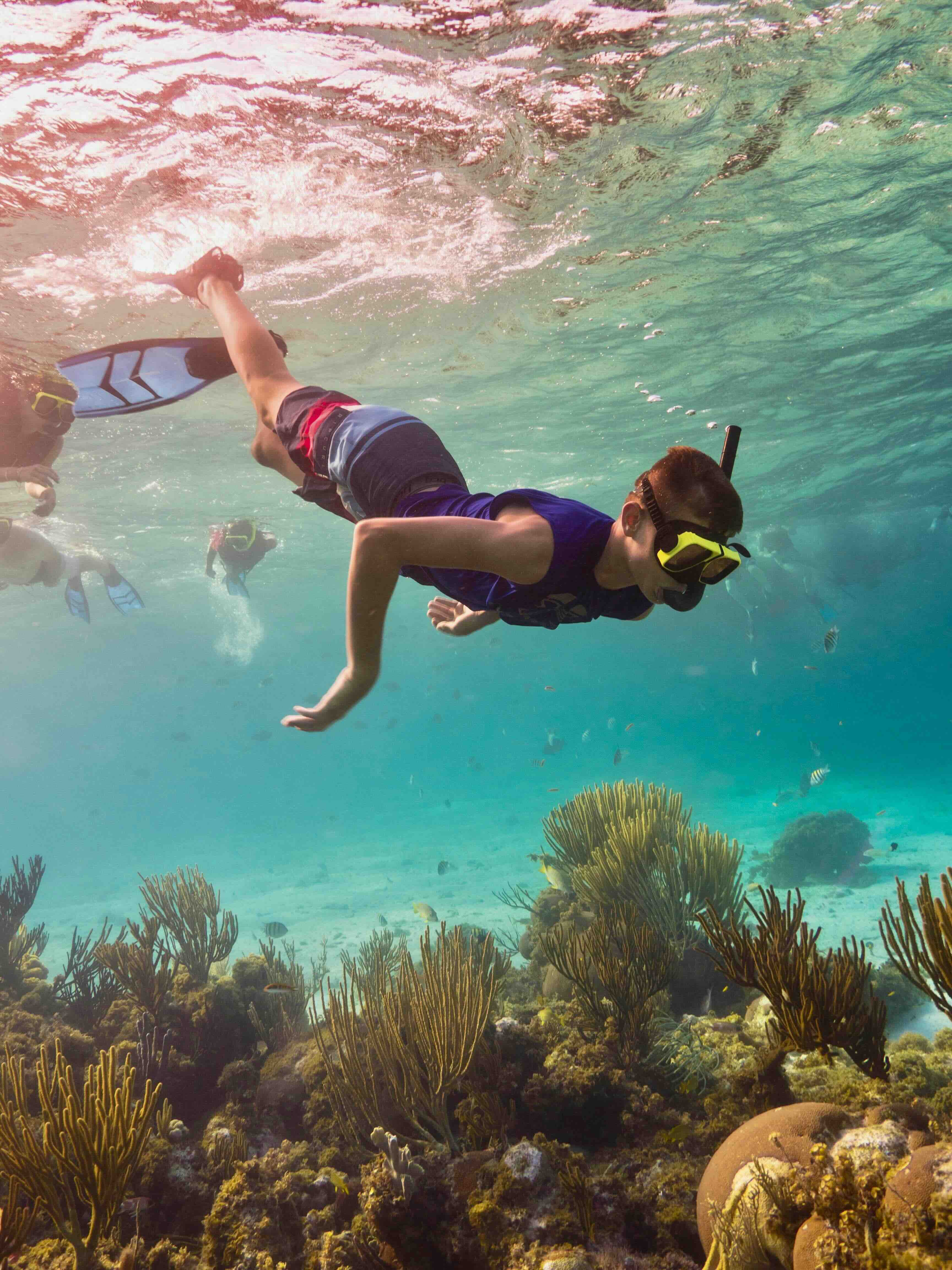
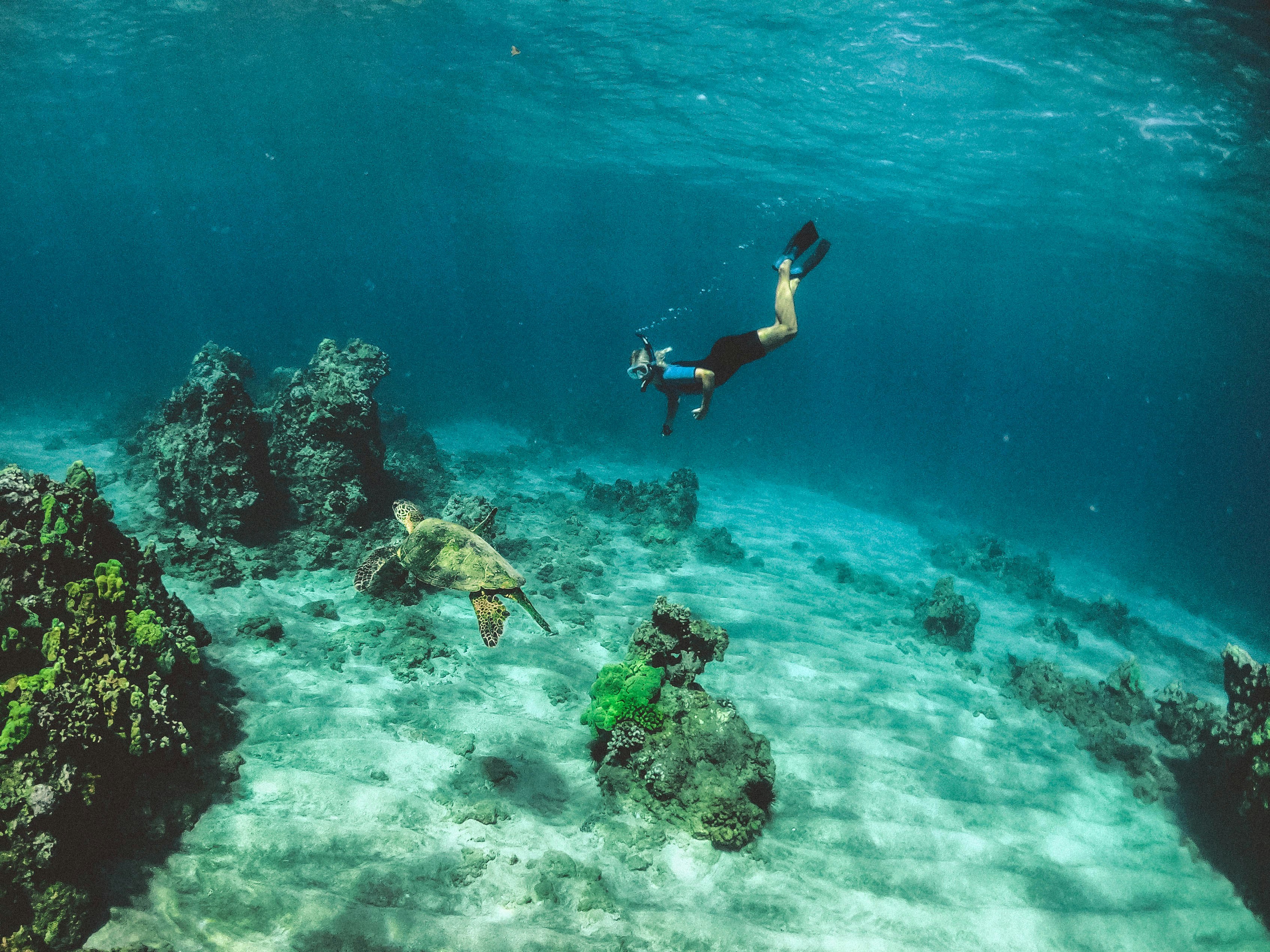
A snorkeler above the reef. Photo: Bridger Bowcutt / Unsplash
One Adult, One Child
If two children are new to it, that is two adults, not one adult moving between them. Put the child in a bright rash guard so you can find them at a glance, and use flotation so they can stop swimming without going under. Stay between them and the open water.
Calling It Early
Twenty happy minutes is a successful snorkel with a child. Stop before the cold, the fatigue and the frustration arrive.
If a child is cold, swallowing water, fighting the mask or hanging on you, the snorkel is over. That judgment matters far more than getting everyone another fifty yards along the reef, and making it early is what gets you a second morning.
This is why the beach matters as much as the reef. A child may decide after five minutes that the mask feels weird, and you want to still be somewhere worth spending the day.
Turtle Rules
Set the rule before you go in, not when a honu appears.
If you see one, you stop, you give it room and you watch. You do not chase it, swim over it or reach for it, and that goes for the adult with the camera as much as the child. Say it on the sand so nobody is negotiating it in the water.
Turtles turn up where they turn up and no trip can promise one. Our guide to where to see turtles on Maui covers where the odds are better.
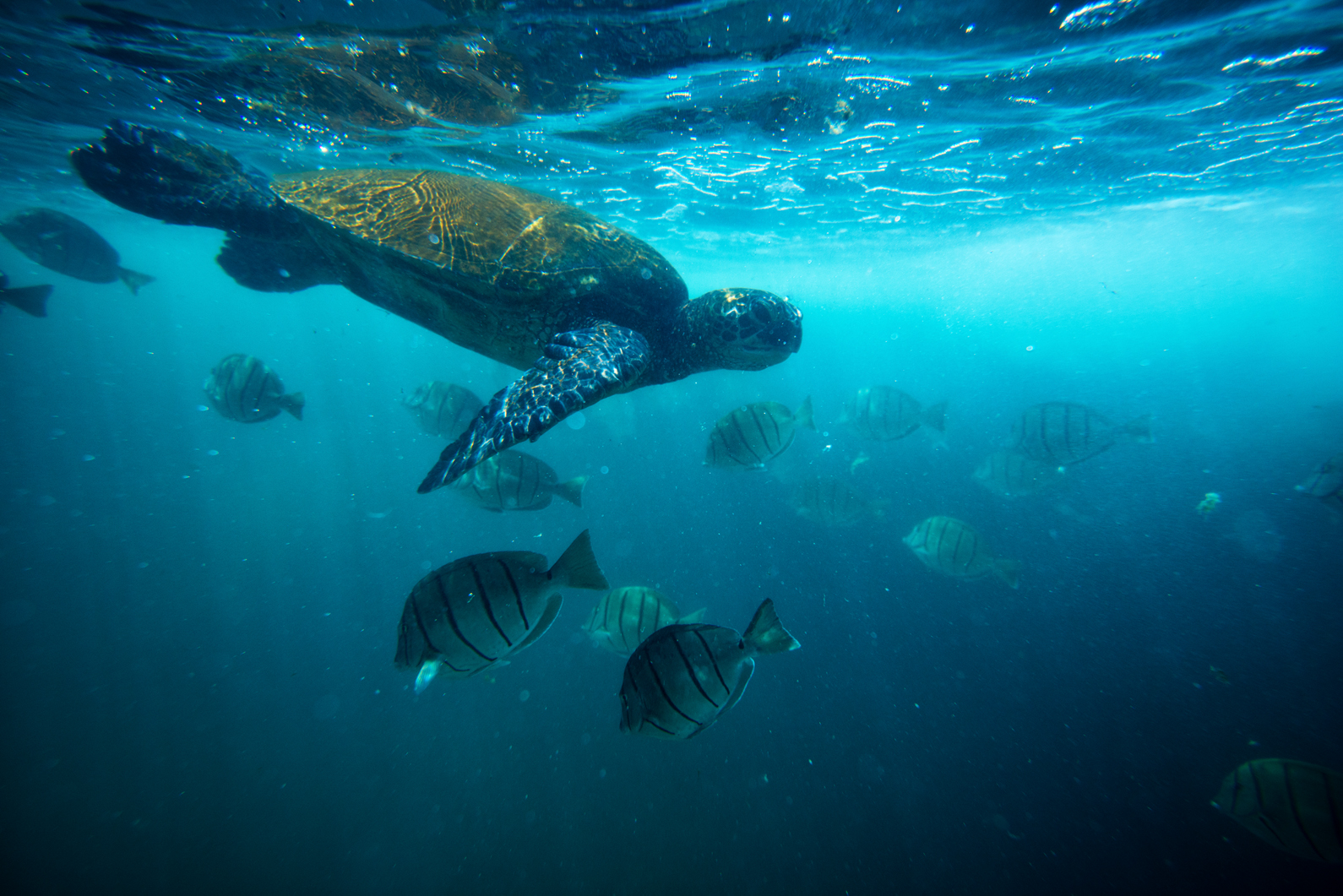
Green sea turtle over the reef. Photo: Hawaii Tourism Authority (HTA)
Where to Start
Pick the beach that survives a failed snorkel.
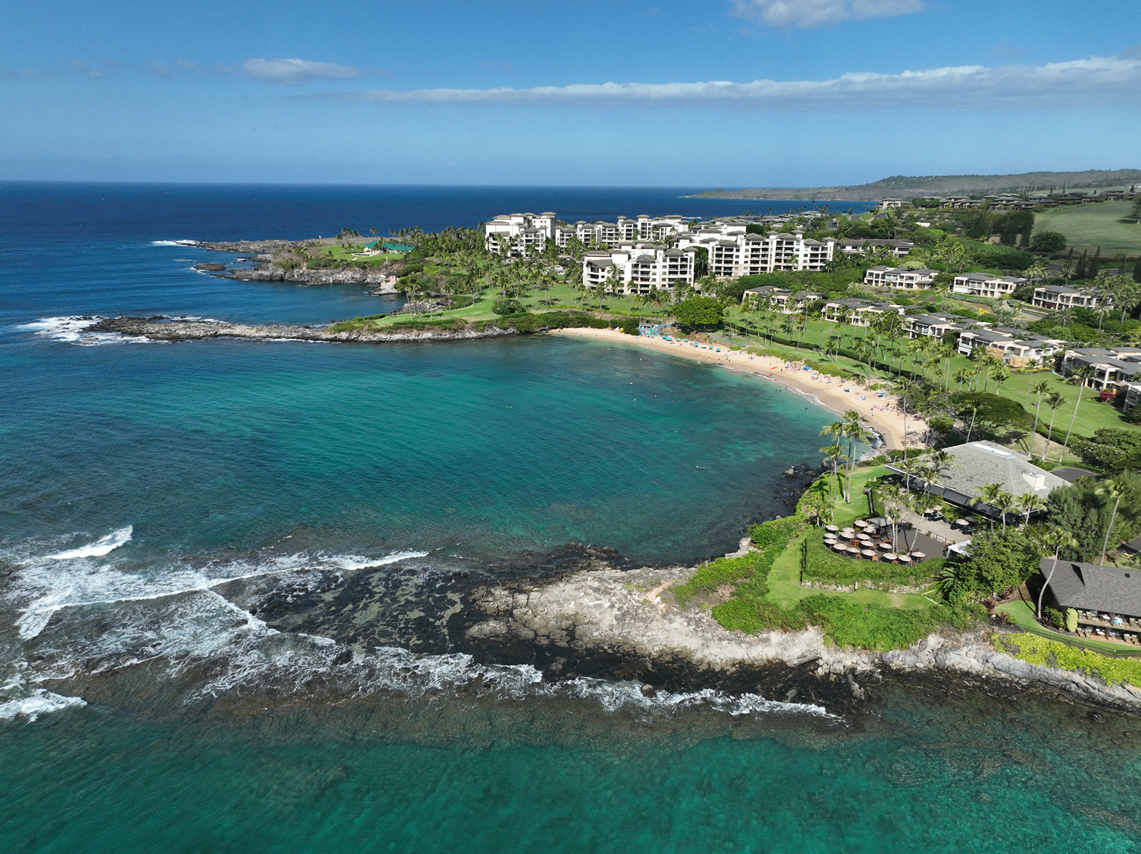
In South Maui, Ulua and Mōkapu are the easiest family pair, and Maluaka gives you a good beach and a reef in one place. In West Maui it is Kapalua Bay. We are naming these, not ranking the reefs — that detail lives in our best snorkeling on Maui guide, and the wider family planning lives in our Maui with kids guide.
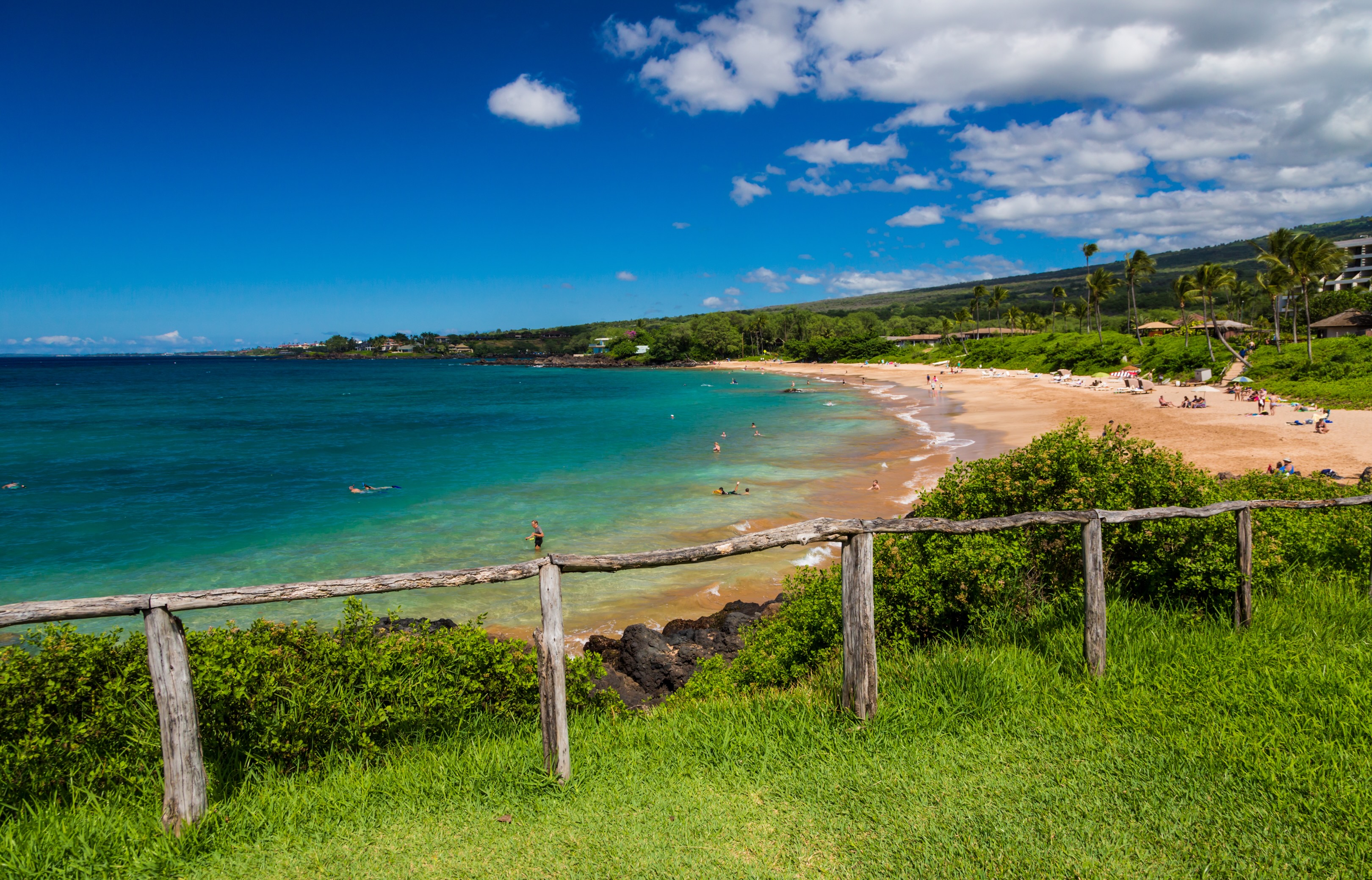
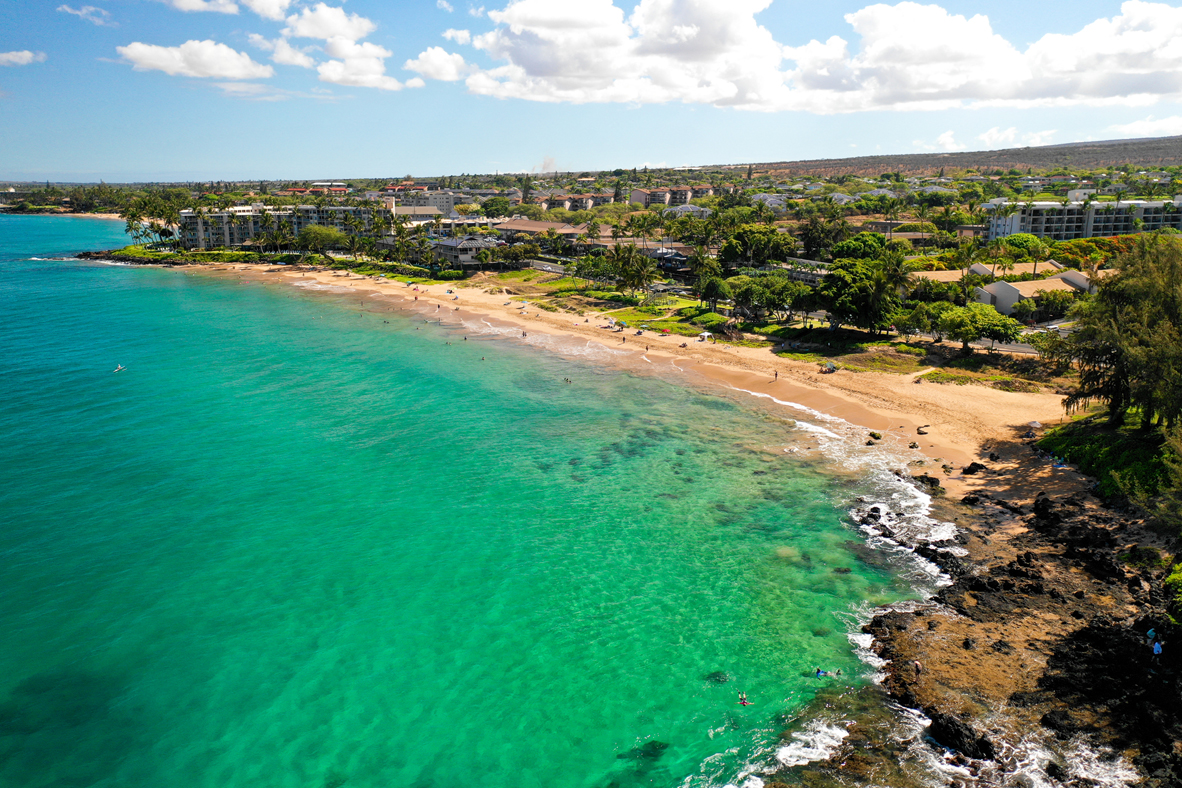
Maluaka, Mākena. Photo: Hawaii Tourism Authority (HTA)
What to Book
Family-friendly snorkel boat.
Private family snorkel.
Gear fitting and rental.
Practical Tips
Put one adult on each inexperienced child. Swapping between two of them is not supervision.
Dress them in a bright rash guard. You will find a lime-green child in the water in a second and a pale one in ten.
Use flotation even if they can swim. It lets a tired child stop without going under.
Agree the turtle rule on the sand. Nobody negotiates it in the water with a honu in front of them.
Call it at twenty good minutes. Ending on a high is what buys you a second morning.
Do not let pool ability set your expectations. Open water is colder, saltier and moves.
Frequently Asked Questions
What age can a child snorkel on Maui?
There is no age that works for everyone. Water comfort, swimming ability and willingness to keep the mask on matter far more than the number.
Where is the easiest place to snorkel with kids in South Maui?
Ulua and Mōkapu on a calm morning, or Maluaka if you want a beach and a reef in the same place.
Where is the easiest place to snorkel with kids in West Maui?
Kapalua Bay.
Is Molokini good with kids?
Yes for water-confident children who are fine on boats. For younger ones a shore morning is usually better, because you can leave the water whenever you need to.
What do I tell a child about turtles before we get in?
If you see one, stop, give it room and watch it. Never chase it, swim over it or reach for it.
How long should snorkeling with a child last?
About twenty good minutes. Stop before the cold and the frustration arrive rather than after.