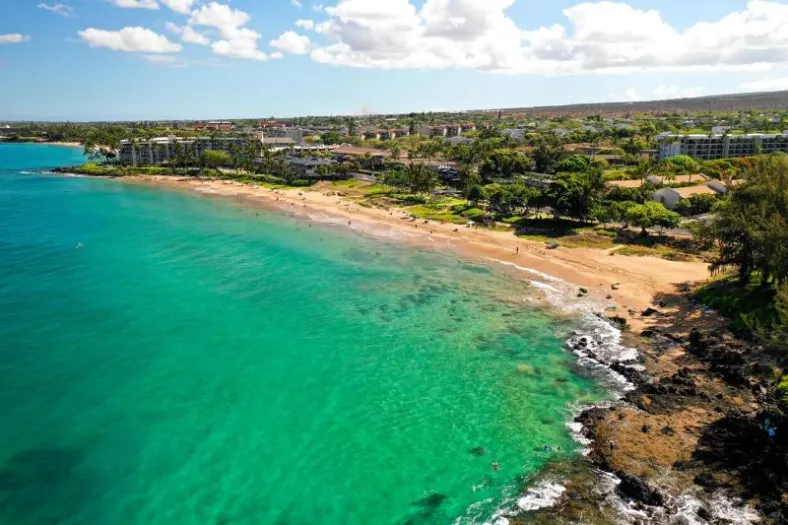
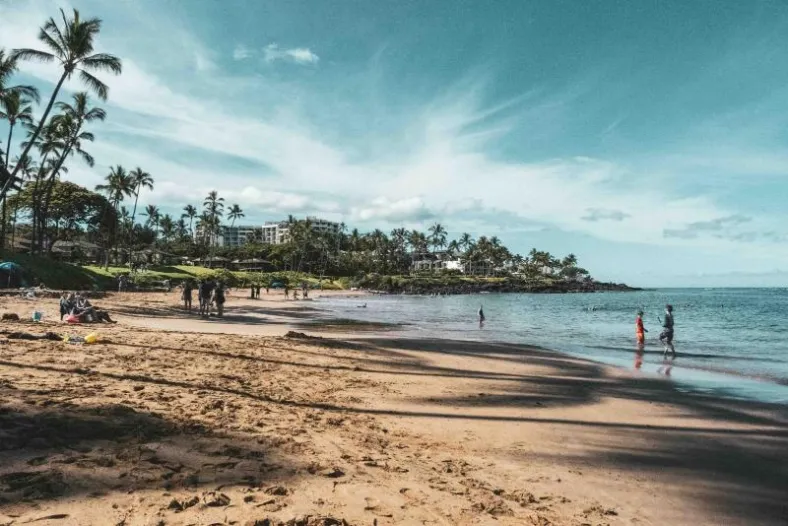
South Maui with Kids


At a Glance
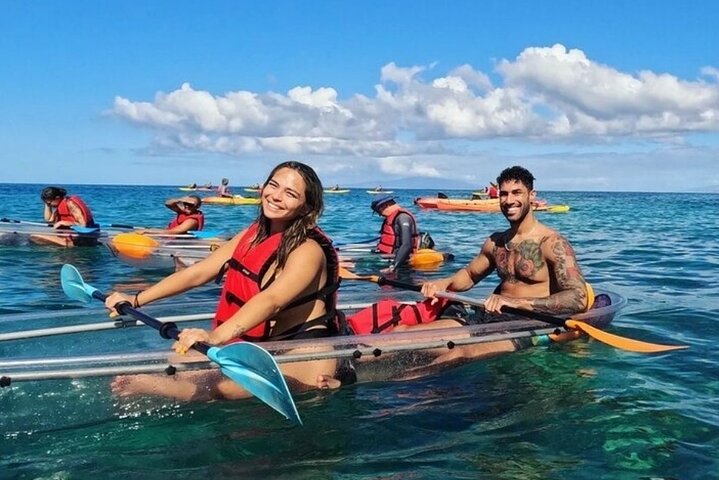
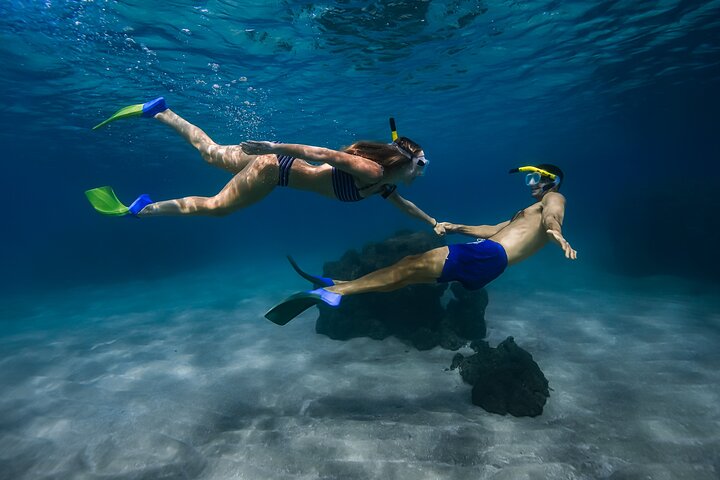
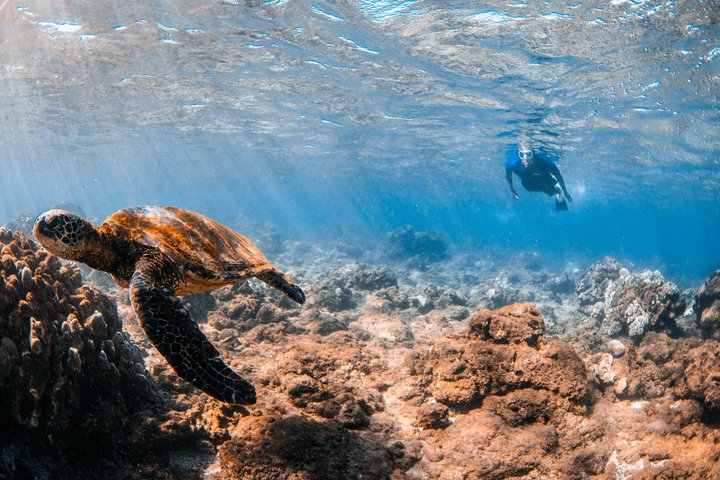
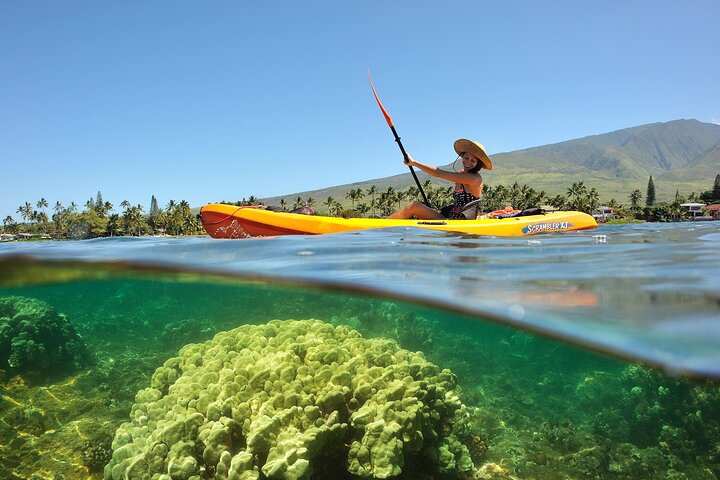
Our pick: Turtle Town Snorkel With Photo and Video: Turtle Guarantee
Best for beginners who want Turtle Town without a boat.
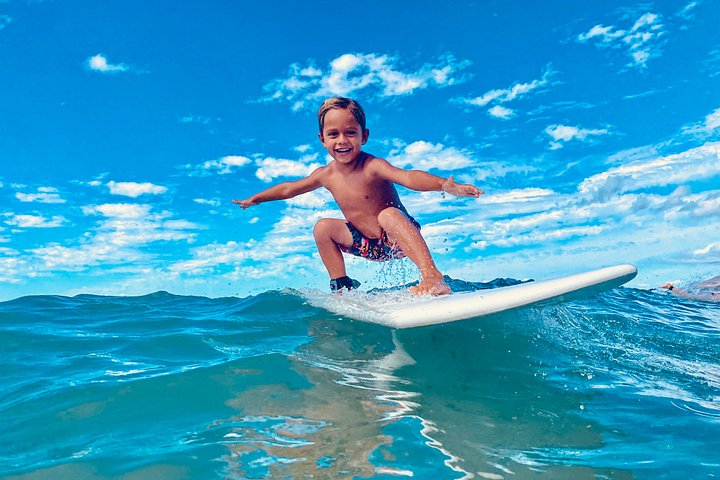
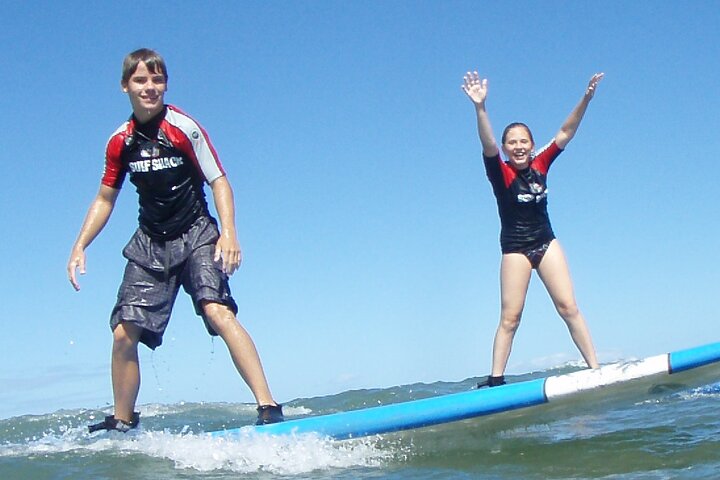
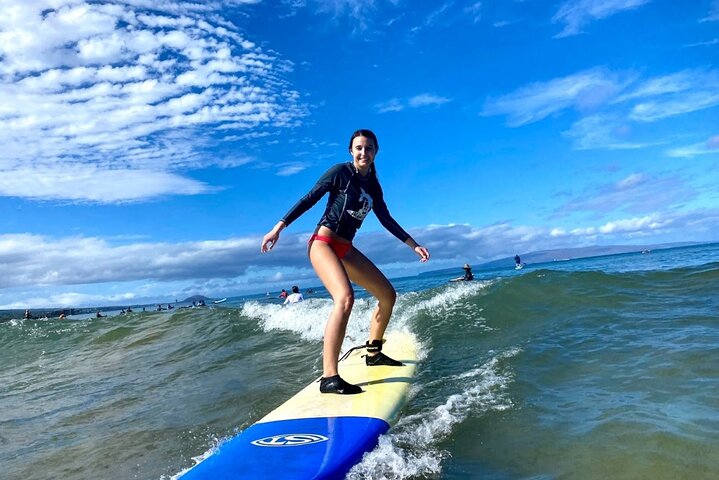
Our pick: Maui: Two Hour Beginner Group Surf Lesson in Kihei
Best for first-time surfers who want a small lesson at Kalama Park; groups max at 6 and most beginners get standing quickly.
Why South Maui Is Easy with Children
Two things make this coast forgiving with kids, and neither is scenery.
- Lifeguards — Kamaʻole I and III are the open Kīhei anchors; the County still lists Kamaʻole II closed
- Short drives — most of the trip happens within a few miles
- Kitchens — Kīhei condos remove three restaurant meals a day
- A reliable backup — Māʻalaea is close when the ocean is out
Where: the Kīhei and Wailea coastline, with Mākena as the occasional excursion.
Hawaiʻi Ocean Safety lists towers at all three Kamaʻole beaches from 8 a.m. to 4:45 p.m. daily, but Maui County still lists Kamaʻole Beach Park II as a long-term storm-related closure. For current planning, Kamaʻole I and III are the guarded Kīhei choices that make this coast work so well for families.
The other argument is boring and matters more: you can walk to things. Groceries, casual food, a beach and a park are all close together in Kīhei, which means a bad morning costs you twenty minutes rather than a whole day.
Kīhei or Wailea
Pick the base for the ordinary day, not for the one big outing.
Kīhei
Our default for families. Condos, kitchens, laundry and two open lifeguarded beach parks close together.
Space and a kitchen stop mattering when you are looking at photos and start mattering enormously on day three. Breakfast and lunch become casual instead of a reservation, and nap time happens where you are staying rather than in the car.
The tradeoff is polish. Kīhei is a working beach town, not a resort strip.
Wailea
The easier resort version, with one thing families underrate: the beach path.
The Wailea Beach Path is flat, paved and modular. Walk twenty minutes, stop at a beach, get a snack, turn around — that is a genuinely useful shape for a day with small children.
For a break from the sand, Lei Poʻo Making at The Shops at Wailea runs Wednesdays, 1:30 to 2:30 p.m. It is open to keiki and adults, first come, first served.
No Wailea beach has a lifeguard. Every one of them is public and none is staffed, which is worth knowing before the resort setting does your risk assessment for you.
The Beaches That Decide Most Days
You will use two or three of these repeatedly. Everything else is a bonus.
- Best open guarded swim — Kamaʻole I
- Best whole-family park — Kamaʻole III
- Best long beach — Keawakapu
- Best older-kid snorkel — Ulua and Mōkapu
Kamaʻole I
The open swim beach. The County lists a lifeguard tower, comfort station, three outdoor showers and a small paved lot with additional parking across the street.
When the water is calm and the point of the morning is simply to get in the ocean, this is the one. The paved lot uses PARK MAUI, so arrive early and know the weekend rule below.
Kamaʻole III
The one that keeps working after the kids are done with sand.
The County lists an 82-space lot, a lifeguard, a comfort station plus two portable toilets, three outdoor showers and a playground swing set. The grass is the real amenity — somewhere to put a towel, eat lunch and let someone have a meltdown away from the water.
Keawakapu
Best for mixed ages and the best sunset — with no lifeguard.
Long enough that older kids can wander and younger ones stay put. Parking sits across Kilohana Drive, with a portable restroom at the Keawakapu II lot and an outdoor shower. Hours are 7 a.m. to 8 p.m.
Treat it as a supervised-by-you beach and it is one of the best family afternoons in South Maui.
Ulua and Mōkapu
Where older kids learn to snorkel, while everyone else stays on the sand.
Public parking, restrooms and showers, partial ADA access, no lifeguard. Reef sits close in around the rocky ends, so a nervous ten-year-old does not have to swim anywhere frightening to see something.
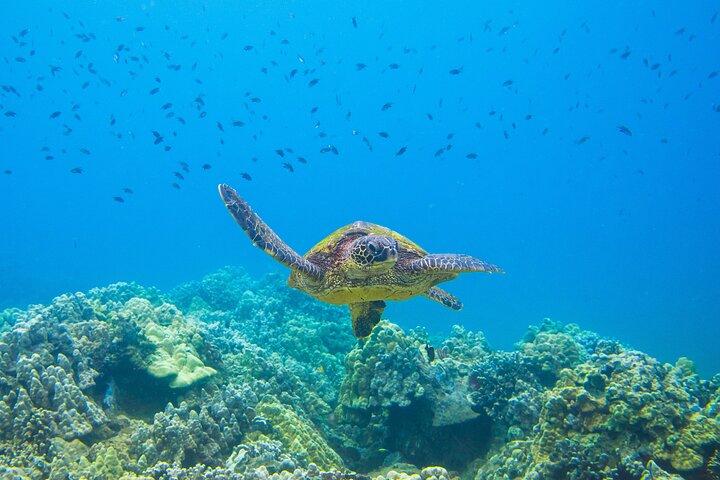
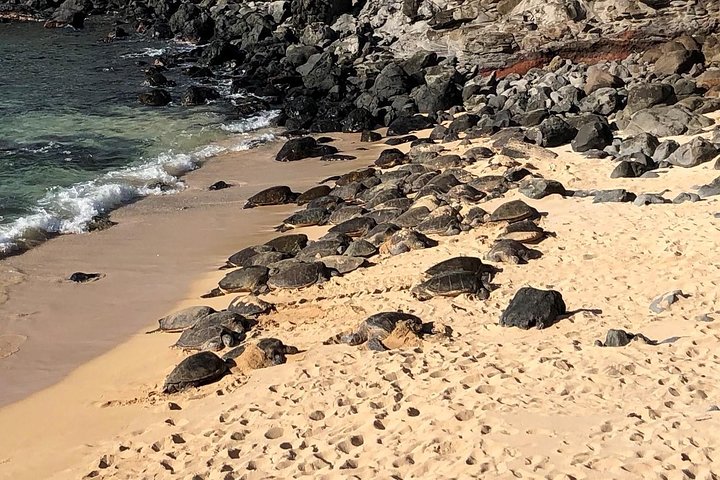
One adult per beginner, flotation on, and the turtle rule agreed before anyone gets in — 10 feet, no touching, no chasing. That is NOAA's distance, not a suggestion.
The Parking Rule That Breaks Family Mornings
This is the one thing on the page most likely to ruin a Saturday, so it gets its own section.
- PARK MAUI — live since 15 July 2026 at the paved Kamaʻole I and III lots
- Nonresidents — $10 a day, $50 a week, $150 a month
- Residents — free after validation
- Weekends and County holidays — those paved lots are resident-only before 10 a.m.
A family that shows up at Kam III at 8:30 on a Saturday with three children and a cooler is going to have a bad ten minutes. Do not try to work around the rule. Keawakapu is a few minutes farther south and works when the water is calm and your group does not need a lifeguard.
At 8:30 on a weekend, we send visitors to Keawakapu if the water is calm and the adults can provide all supervision. If a lifeguard is essential, wait until 10 a.m. and use Kamaʻole I or III rather than searching for a parking workaround.
Do not use Kamaʻole II as the workaround. Maui County still lists the beach park as a long-term storm-related closure as of September 2026.
When the Ocean Says No
Wind, swell and rain all happen, and the families who cope best are the ones with one indoor plan already chosen.
Maui Ocean Center
The easiest full-family pivot on the island, and close enough to South Maui to be a real option.
Open daily 9 a.m. to 5 p.m. with last entry at 4 p.m.; the operator puts a typical visit at 2–2.5 hours, and there is paid on-site parking at 192 Māʻalaea Road.
It is about twenty minutes up the coast from Kīhei and it is rain-or-shine, which is the whole point.
Let the pool count as an activity. On a blown-out day, a pool afternoon is not a failure — it is the reason you booked somewhere with a pool.
What We Would Not Force
Maui has enough good options that nobody needs to suffer for a checklist.
- Big Beach with young swimmers — the shorebreak lands directly on sand and the state warns about it
- A midday Hoapili hike — exposed lava, no shade, no water
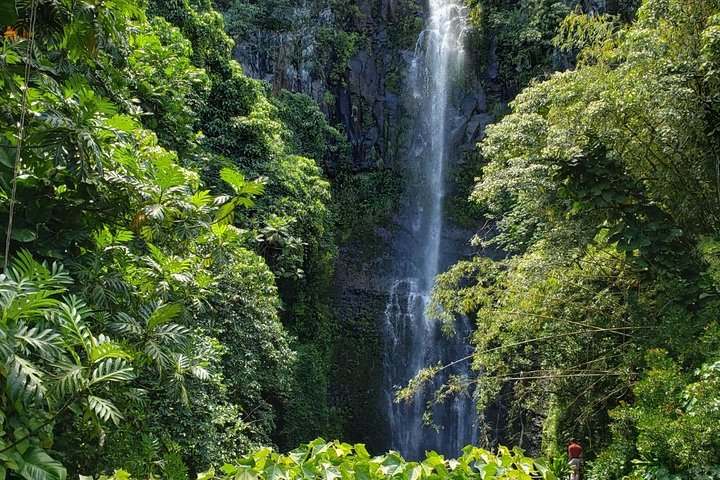
- A full Road to Hāna day — not with a child who gets motion sick
- An afternoon snorkel — the wind will have taken the visibility
Mākena State Park is lifeguarded and still carries the state's own warning that shore break can be very dangerous. Go for the scale, keep small children well up the sand, and do not let the lifeguard tower talk you into the water.
Practical Tips
- Use an open lifeguarded beach when you can. Kamaʻole I, Kamaʻole III and Mākena State Park are the dependable current choices; recheck the Kamaʻole II closure before going.
- Do not plan a weekend morning around the paved Kamaʻole lots. They are resident-only before 10 a.m. on weekends and County holidays.
- Pick Kam I for a straightforward swim and Kam III for a whole outing. That single choice fixes most family beach days here.
- Snorkel early with kids. By early afternoon the wind has taken the visibility.
- One adult per beginner snorkeler, with flotation, every time.
- Agree the turtle rule on the sand — 10 feet, no touching, no chasing — before anyone is in the water.
- Pack a full change of clothes even for a short outing. You will use it.
- Keep Māʻalaea in your back pocket. Maui Ocean Center is twenty minutes away and rain-or-shine.
- Build downtime into every day. The best family trips here look lazier than the itinerary suggested.
One Last Tip
The South Maui family trip is supposed to feel easy, and the coast will let it if you stop adding to it.
Pick a base you can walk around, use two beaches on repeat, snorkel in the morning and keep one indoor plan ready.
The day the plan falls apart and you end up at the pool with shave ice is usually the one they remember anyway.




Frequently Asked Questions
Which South Maui beaches have lifeguards for kids?
Hawaiʻi Ocean Safety lists towers at Kamaʻole I, II and III and Mākena State Park from 8 a.m. to 4:45 p.m. daily. Maui County still lists Kamaʻole Beach Park II as closed, so plan on Kamaʻole I, Kamaʻole III or Mākena State Park. Keawakapu and every Wailea beach are unguarded despite the resorts behind them.
Kamaʻole I or Kamaʻole III with young children?
Kamaʻole I is the better choice when the point is a simple swim in calm water, with a lifeguard, comfort station and three showers. Kamaʻole III when the beach is only part of the day: an 82-space lot, lifeguard, three showers, playground swing set and grass to retreat to once the kids are finished with sand.
What is the parking catch at the Kamaʻole beaches?
The paved Kamaʻole I and III lots joined PARK MAUI on 15 July 2026. Nonresidents pay $10 a day, $50 a week or $150 a month, residents park free after validation, and on weekends and County holidays those paved lots are resident-only before 10 a.m. Keawakapu is the early visitor alternative when calm; Kamaʻole II remains listed closed by Maui County.
What is the best rainy or windy day plan for a family here?
The best rainy or windy day plan for a family here is Maui Ocean Center at Māʻalaea, about twenty minutes from Kīhei. It is open daily 9 a.m. to 5 p.m. with last entry at 4 p.m., the operator puts a typical visit at 2–2.5 hours, and there is paid parking on site at 192 Māʻalaea Road. It is rain-or-shine, which is exactly what you need it to be.
Should we take young kids to Big Beach?
Go for the scale, not for the swimming. Mākena State Park's own page warns that shore break can be very dangerous, and the beach being lifeguarded does not soften a wave that breaks directly onto sand. Keep small children well up the beach, bring your own drinking water — there is none in the park — and let the water on the day decide.
Is South Maui or West Maui easier with kids?
South Maui is easier with kids, mostly because of the lifeguards and the driving. Kamaʻole I and III give families two open staffed parks close together, groceries and casual food are nearby, and the big outings are short drives. West Maui has real advantages of its own, but only two of its beaches are lifeguarded and they sit at opposite ends of the coast.