Ultimate North Shore Maui Guide

At a Glance
Most popular on Maui
 Central Maui
Maui Snorkeling Adventure to Molokini and Turtle Town
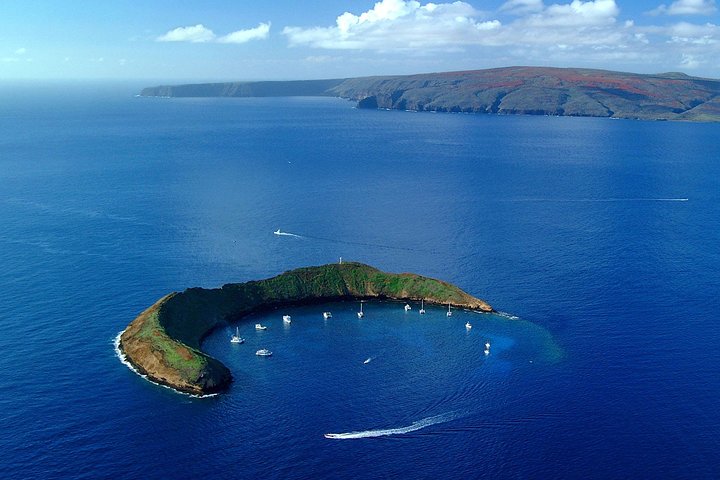
Visit Maui's famous snorkeling and diving destinations Molokini Crater and Turtle Town on a snorkeling catamaran, with visibility of 100 feet or more.
 South Maui
Feast at Mokapu Luau in Wailea
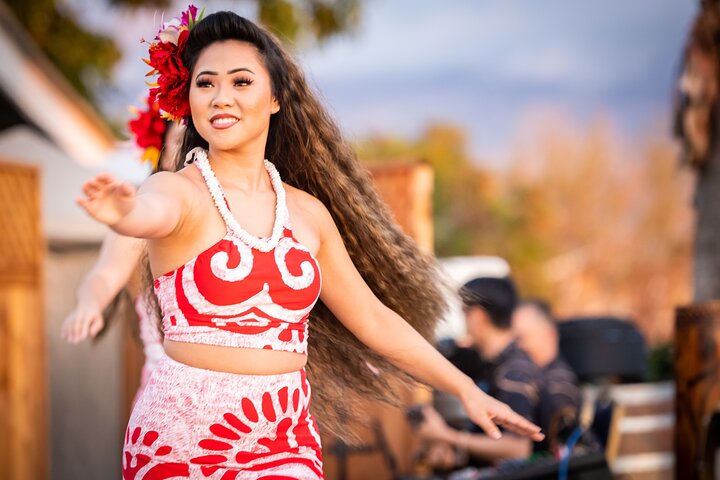
Discover Hawai'i's most authentic luxury luau at Andaz Maui at Wailea Resort — a curated cultural evening with a three-course plated dinner on Mokapu beach.
 South Maui
Gilligans' Island Luau in Kihei
An intimate luau experience and the only luau in Kihei — less than a quarter the size of the average Maui luau, so every seat has a great view of the show.
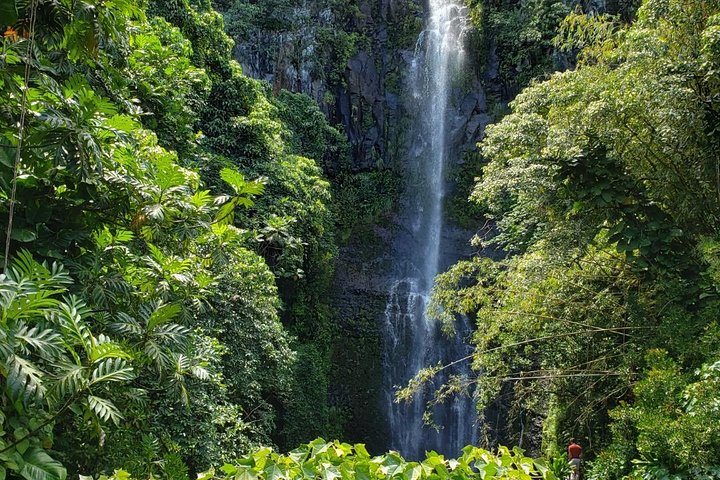 Road to Hāna
Small-Group Road to Hana Adventure Tour with Pickup & Lunch
Watch the waterfalls, black-sand beaches and rainforest go by without anyone in your group behind the wheel.
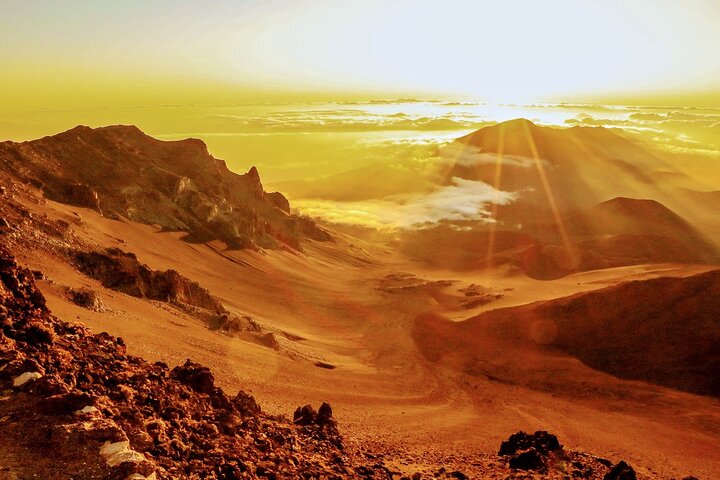 Upcountry
Majestic Haleakalā Sunrise Tour with Pick-up
Ride to the summit for sunrise above the clouds, then unwind over a hot breakfast on the way back down.
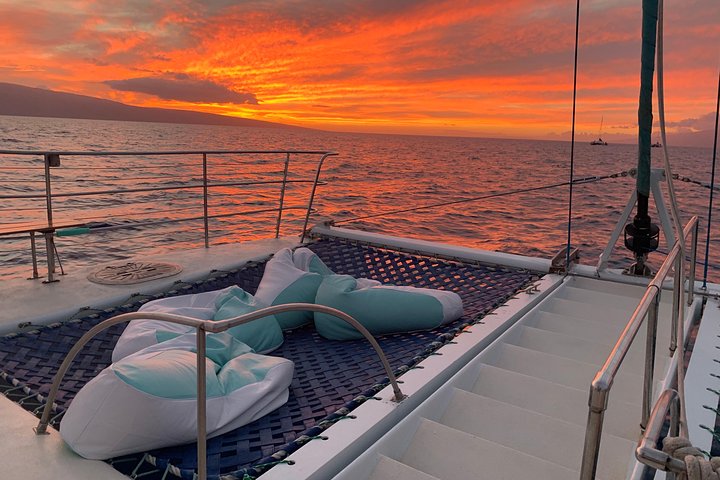 West Maui
Original Sunset Cruise with Open Bar from Kaʻanapali
Sip an unlimited open bar while the sun drops behind Lānaʻi, with pupus and live music twice a week.
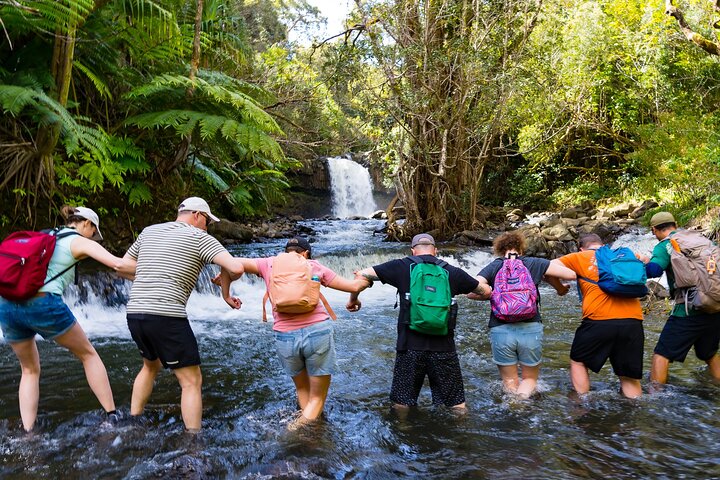 Central Maui
Small Group Waterfall and Rainforest Hiking Adventure
A guided rainforest hike to East Maui waterfalls, with time to swim beneath the falls and a trail lunch included.
 South Maui
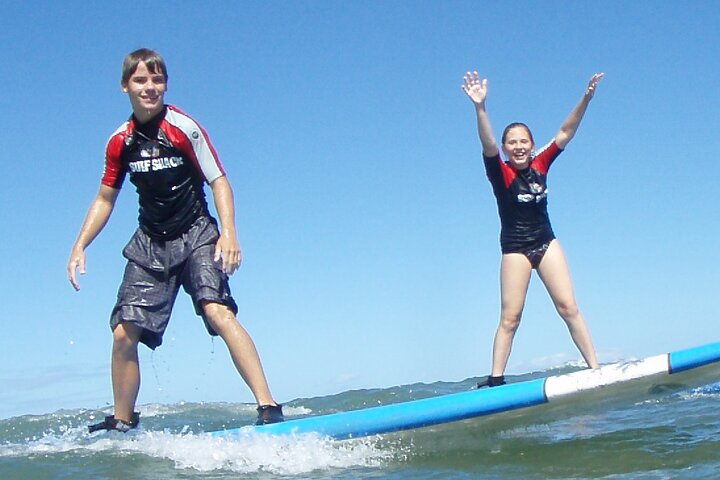
Two Hour Beginner Group Surf Lesson in Kihei
A two-hour beginner lesson in calm South Maui water — board, gear and instruction all included.
 Upcountry
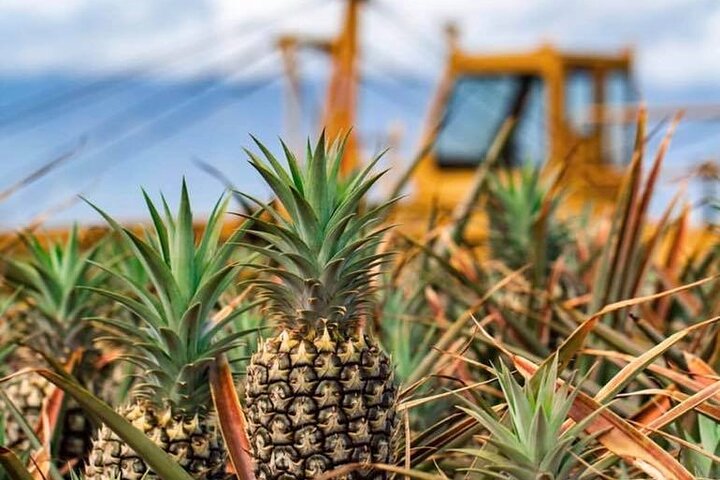
Maui Pineapple Farm Tour in Haliimaile
Tour a working pineapple farm and packing house upcountry, with tastings and a fresh pineapple to take home.
Pāʻia: The Hub
Almost every North Shore day should include Pāʻia — not just as a place to park, but as part of the experience.
- Best for — walking, shopping and the beach-town atmosphere
- Best parking strategy — park once in the town center and walk
- Best picnic stop — Mana Foods
Where: at the junction of Hāna Highway and Baldwin Avenue.
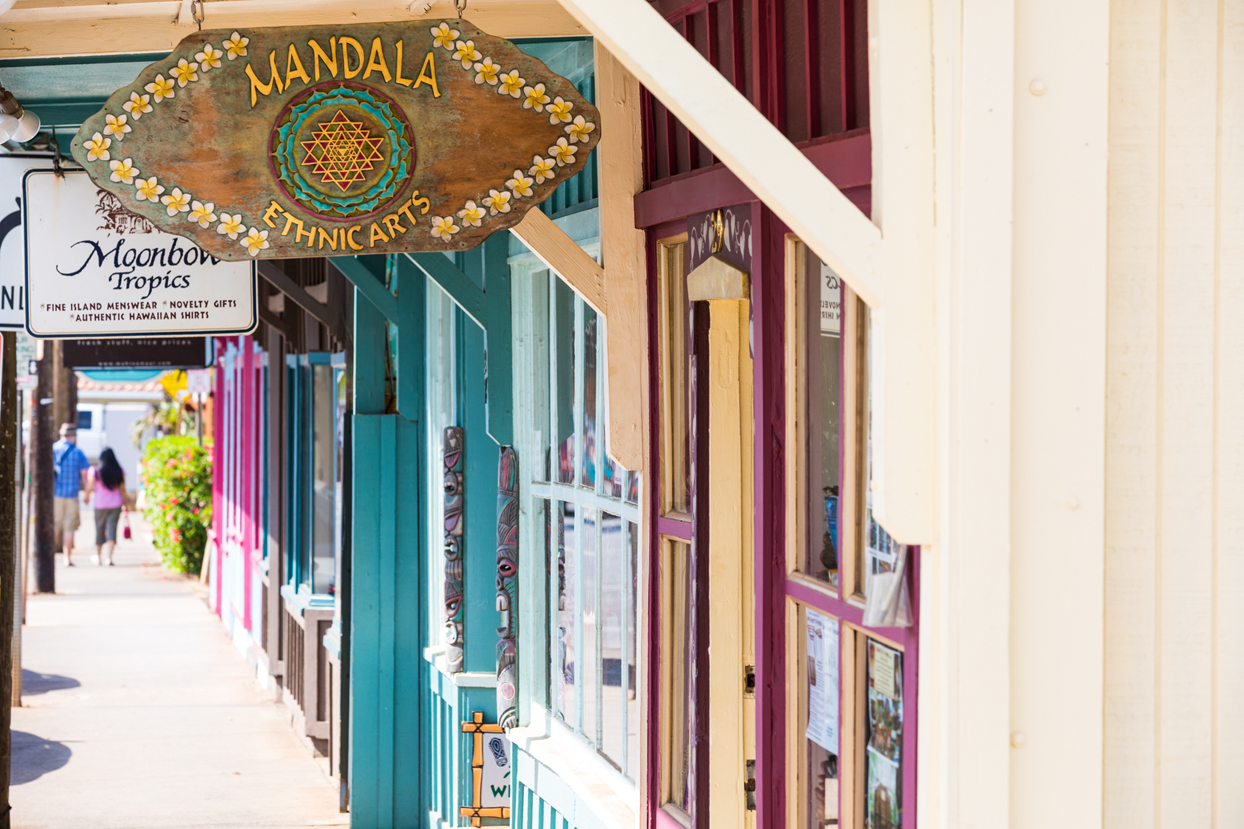
Pāʻia is Maui’s best beach town: compact, historic, casual and full of independent shops, galleries, cafes and older storefronts. Give it time. An hour works if you are passing through; two or three is better if you want to shop and eat.
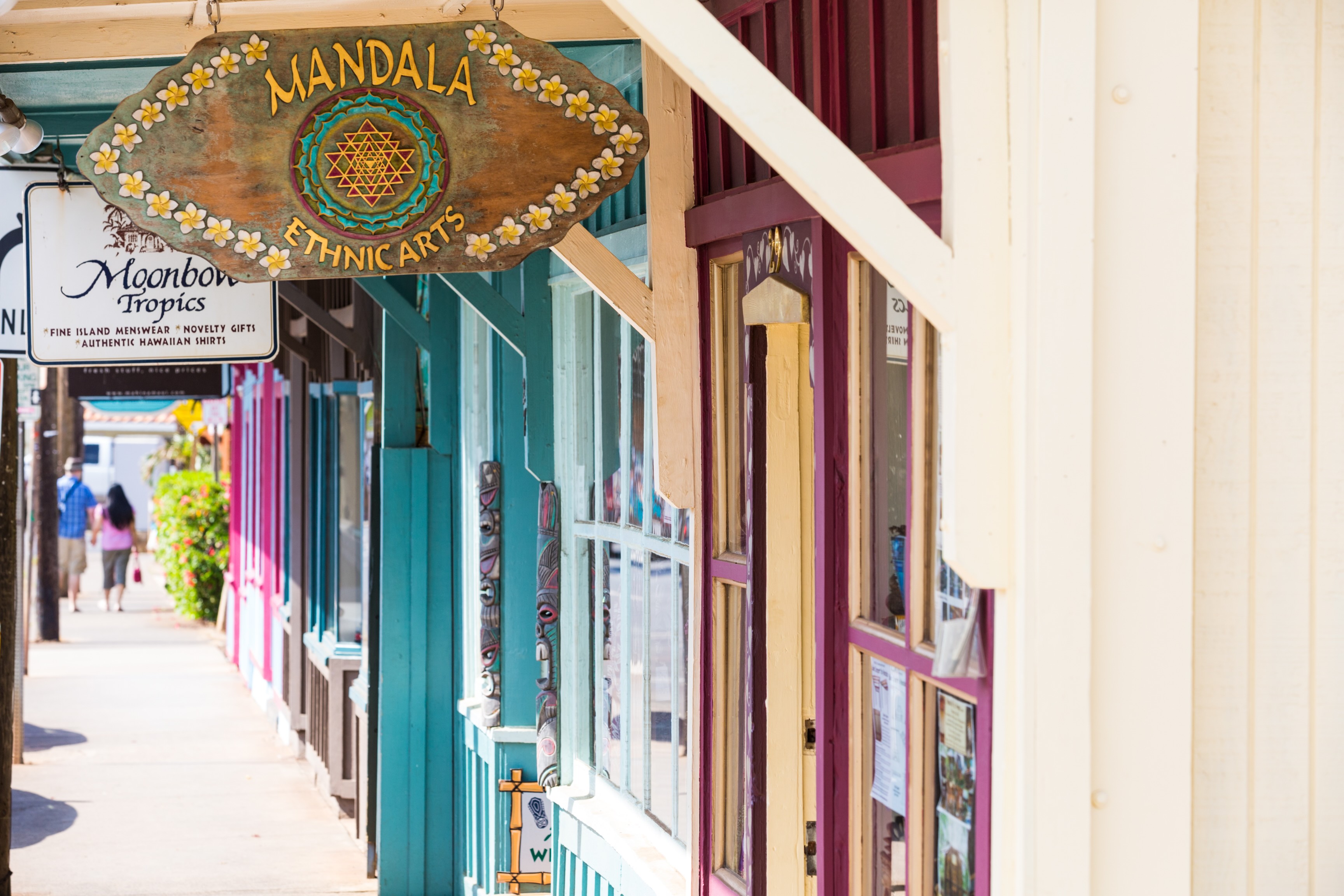
Pāʻia, North Shore. Photo: Hawaii Tourism Authority (HTA)
Our easiest parking strategy is the private lot behind Milagros in the town center. Rules and pricing can change, but the location puts almost everything in Pāʻia within an easy walk. Park once rather than circling town for each stop.
For food, keep it simple. Flatbread is an easy family choice, Café des Amis is a Pāʻia classic, Pāʻia Bay Coffee & Bar is relaxed and spacious, and Mana Foods is one of our favorite island markets for snacks, deli food and beach supplies. Mama’s Fish House in Kūʻau is the destination meal — book far ahead if it matters to you.
Pāʻia is a real town, not a resort village. Around Pāʻia Bay and the south end of town, use normal situational awareness and keep young kids close, especially around traffic and the park area.
Start With the Beaches
Go early. The North Shore is usually at its easiest before the trade winds build around late morning.
- Best all-around — Baldwin Beach Park
- Best with young kids — Baby Beach at Baldwin
- Best little cove — Kūʻau Cove
- Best for watching — Hoʻokipa
- Best for windsports — Kanahā
Baldwin is the classic North Shore beach: long sand, a lifeguard, restrooms, showers and enough room for a real walk. It is also one of the first parking lots to fill on a beautiful morning, so earlier is easier.
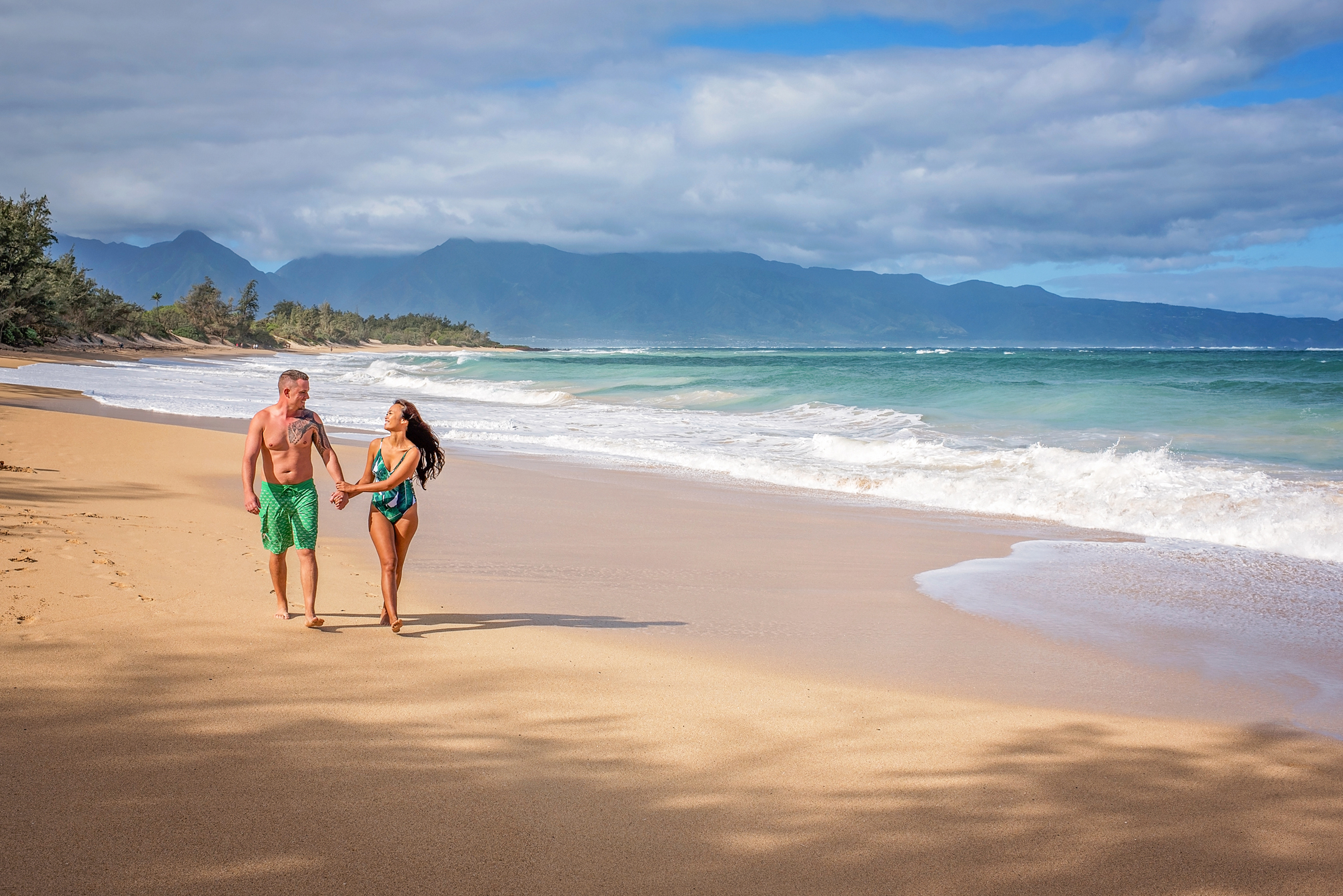
Baldwin Beach, North Shore. Photo: Hawaii Tourism Authority (HTA)
Baby Beach is the family exception on this exposed coast. The reef creates a long shallow pool that can stay relatively calm when the main beach is rough. We prefer the southern access through Spreckelsville via Kealakai Place; parking is along the street and there are no bathrooms or showers at that end, so bring drinking water and a jug for rinsing sandy kids.
Kūʻau Cove, beside Mama’s Fish House, is another gem for little ones when conditions cooperate. Public beach-access parking is available through the Mama’s area, but spaces are limited and there are no beach facilities. Go early.
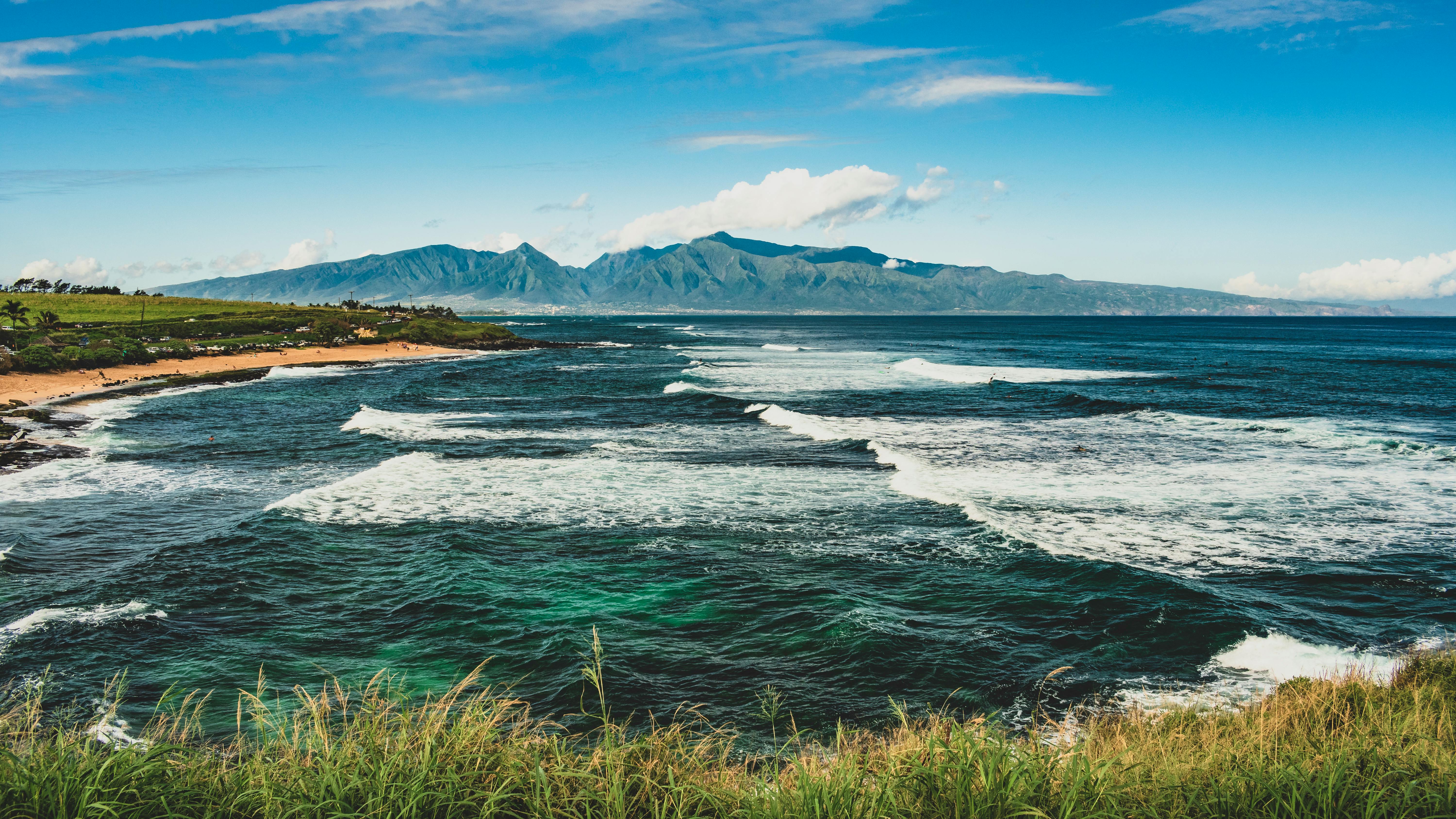
Hoʻokipa is different. Come for the surfers, windsurfers and turtles, and think of the overlook as the attraction. Kanahā, technically closer to Central Maui, belongs in the conversation because it is one of the island’s major windsurfing and kiteboarding beaches and has extensive parking and facilities.
Watch the Show at Hoʻokipa
This is one of the best free stops on Maui — especially once the wind starts working.
The elevated overlook gives you an easy view of surfers, windsurfers and the entire beach. Afternoon often brings the bigger show as the trades build, while the north end of the sand is one of Maui’s most reliable places to see green sea turtles resting on shore.
Treat Hoʻokipa as a viewing stop unless the lifeguards tell you the water suits your ability. Expert riders in the ocean are not a conditions report. Give turtles at least 10 feet of space, follow any volunteer buffer and never stand between a resting turtle and the water.
Get Active: Surf, Windsurf, Kite or Bike
The North Shore is where a lesson can add more value than simply renting gear.
A beginner surf lesson around Pāʻia is a great first step. For windsurfing or kiteboarding, Kanahā is the practical lesson zone: the wind is reliable, the park is set up for water sports and local schools can match the launch to conditions.
On land, the North Shore Greenway is one of Maui’s best dedicated pedestrian and bike routes. The completed shared-use path links the Pāʻia/Baldwin side of the coast toward Kanahā and Kahului, giving you a rare place on Maui to walk or ride away from highway traffic.
Twin Falls + Haʻikū
Twin Falls is the easy waterfall add-on when you want a taste of the Hāna Highway without committing to the whole drive.
The lower falls are reached on a relatively easy farm path, and the stop works well for families and first-time visitors. Go early — parking and crowds build quickly. Twin Falls currently opens at 7:10 a.m., takes its last entry at 4:30 p.m., and reserves the first Saturday of each month for Hawaiʻi residents.
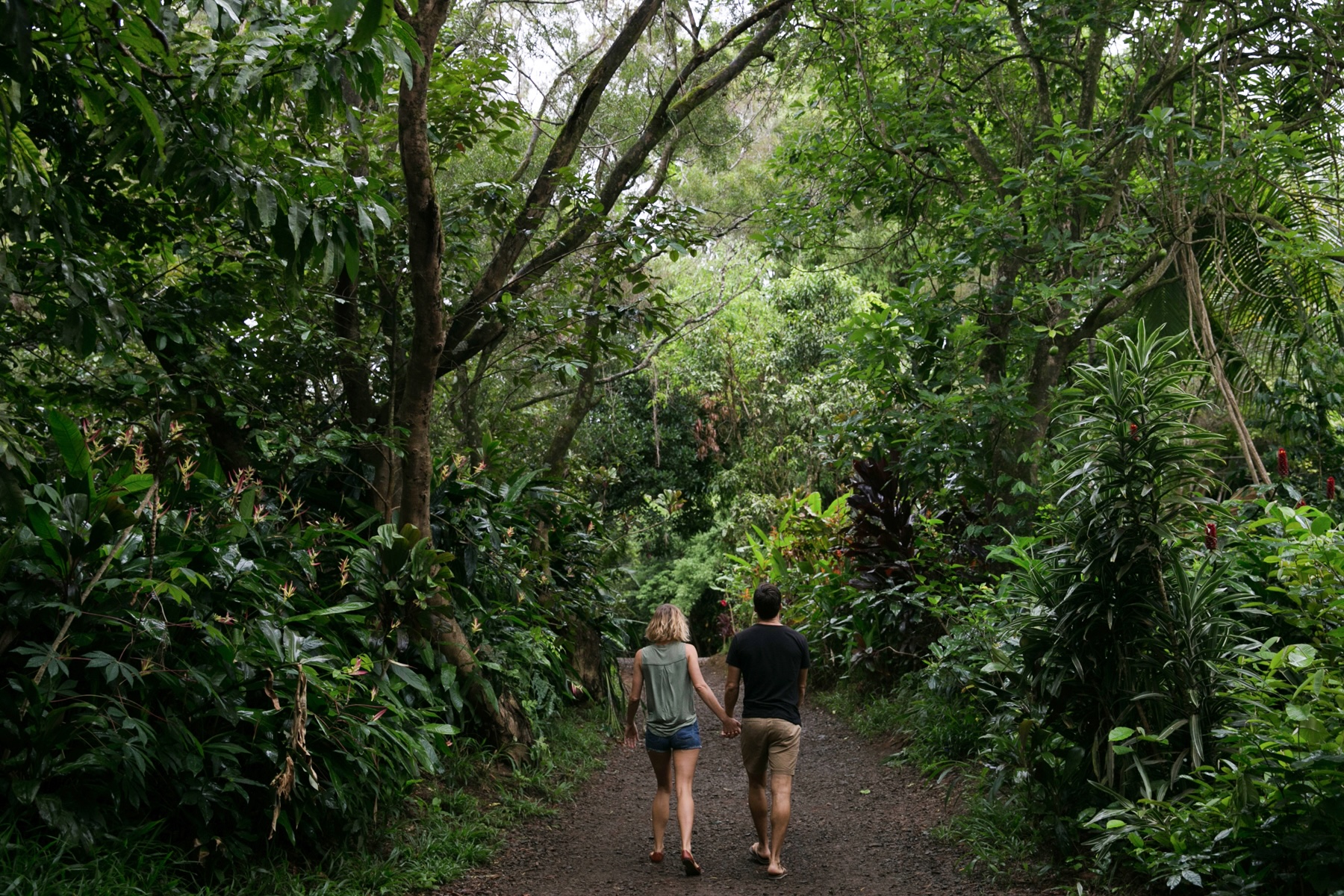
Twin Falls is the easiest waterfall walk on Maui — a flat farm path, with the lower falls close enough that small children manage it. Photo: Hawaii Tourism Authority (HTA)
Do not make it a swimming stop after heavy rain. High water upstream can turn an easy stream visit into a bad idea quickly, and the property may restrict access when conditions warrant.
Farther into Haʻikū, NorthShore Zipline is a good paid land adventure when the ocean is too windy or you simply want something different. The course is family-friendly, but check current age, weight and weather restrictions before booking.
Peʻahi (Jaws): Know Before You Go
Jaws is legendary, but it is not a casual roadside lookout.
Spectator access has never been straightforward. The dirt-road approach is extremely rough, formal public access to the break is limited, and big-swell days bring traffic and crowds that can make the area nearly impossible to navigate.
Unless you have a legitimate local access plan, do not build your day around driving to Peʻahi. When the North Shore is firing, Hoʻokipa Lookout is the easy, legal place to watch serious surf and wind sports without turning the viewing itself into an expedition.
How to Build the Day
Choose the size of the day first. The North Shore punishes over-scheduling.
- Easy half-day — Baldwin or Baby Beach → Pāʻia → Hoʻokipa
- Full North Shore day — add Twin Falls, a lesson or a zipline
- Best pairing — Pāʻia + Hoʻokipa, then head Upcountry
- Hāna day — use Pāʻia as the launch, not another long stop
North Shore and Upcountry fit together especially well: coast and surf first, then Makawao or Kula once the wind comes up. If Hāna is the goal, start early and keep Pāʻia short so the road itself gets the time it deserves.
Practical Tips
- Go early for beaches. Parking is easier and the wind is usually lighter.
- Expect the trades to build by late morning, often around 11 a.m.
- Baldwin and Hoʻokipa are lifeguarded; Baby Beach, Sugar Cove, Tavares Bay and Kūʻau Cove are not.
- Check current Baldwin access before going. The park has had phased dune-restoration work in 2026, although beach access has generally remained open.
- Leave nothing visible in the car, whether you are in town or at a beach lot.
- If streams are high after rain, skip Twin Falls swimming and choose town, Upcountry or the coast instead.
- If the whole North Shore is rough, do not force a beach day. South Maui will often be calmer and drier.
One Last Tip
Let the region change as the day changes.
Beach early, Pāʻia when you want food and shopping, Hoʻokipa when the wind comes up, and one inland stop if you still have energy. That is a complete North Shore day.
Frequently Asked Questions
How long should I give Pāʻia?
An hour works if you are passing through; two or three is better if you want to shop and eat. Park once in the town center rather than circling for each stop — our easiest option is the private lot behind Milagros. Pāʻia traffic stacks up later in the day, so morning is easier.
Which North Shore beach is best with young kids?
Baby Beach at Baldwin. The reef creates a long shallow pool that can stay relatively calm when the main beach is rough. We prefer the southern access through Spreckelsville via Kealakai Place, where parking is along the street and there are no bathrooms or showers — bring drinking water and a jug for rinsing sandy kids.
What are Twin Falls’ current hours?
Twin Falls currently opens at 7:10 a.m., takes its last entry at 4:30 p.m., and reserves the first Saturday of each month for Hawaiʻi residents. Go early, because parking and crowds build quickly. Do not make it a swimming stop after heavy rain.
Can I drive to Peʻahi (Jaws) to watch the surf?
Not casually. The dirt-road approach is extremely rough, formal public access to the break is limited, and big-swell days bring traffic and crowds that can make the area nearly impossible to navigate. Unless you have a legitimate local access plan, use Hoʻokipa Lookout instead — it is the easy, legal place to watch serious surf and wind sports.
When does the wind pick up on the North Shore?
Expect the trades to build by late morning, often around 11 a.m. That is why the coast is usually at its easiest earlier, and why parking is easier then too. Once the wind is up, let the afternoon become the surf show at Hoʻokipa.
Which North Shore beaches have lifeguards?
Baldwin and Hoʻokipa are lifeguarded. Baby Beach, Sugar Cove, Tavares Bay and Kūʻau Cove are not. Treat Hoʻokipa as a viewing stop unless the lifeguards tell you the water suits your ability.