Ultimate South Maui Snorkeling Guide

At a Glance
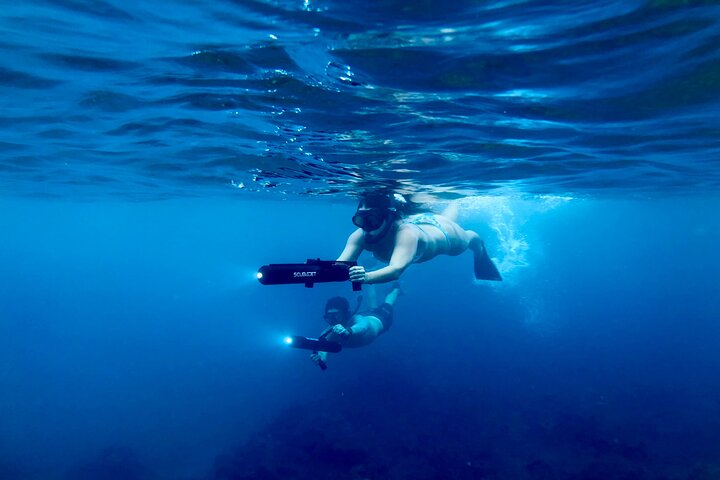
Our pick: Turtle Town Snorkel With Photo and Video: Turtle Guarantee
Best for beginners who want Turtle Town without a boat.
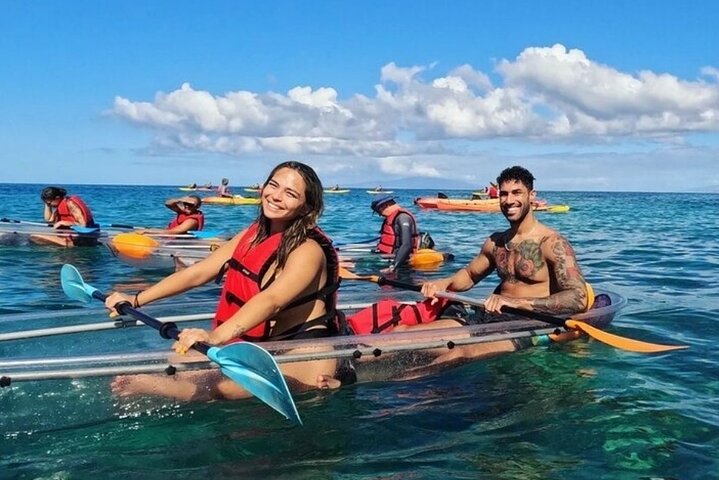
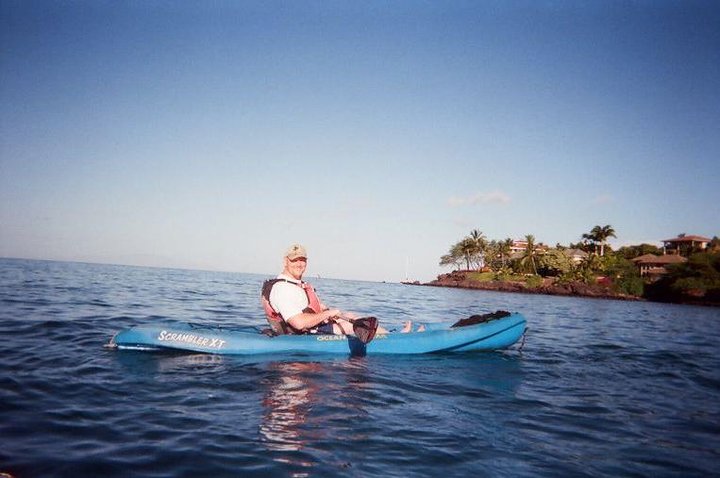
Our pick: Maui Clear Kayak and Snorkel Tour: Swim with turtles (Makena)
Best for beginners and families who want Turtle Town by clear kayak, not boat.
Where We Would Snorkel
South Maui is the easiest snorkeling base on Maui because good shore reef and the offshore boats leave from the same coastline.
- Start here — Ulua and Mōkapu
- Best for honu — Maluaka
- Best protected setting — ʻĀhihi-Kīnaʻu, for confident snorkelers
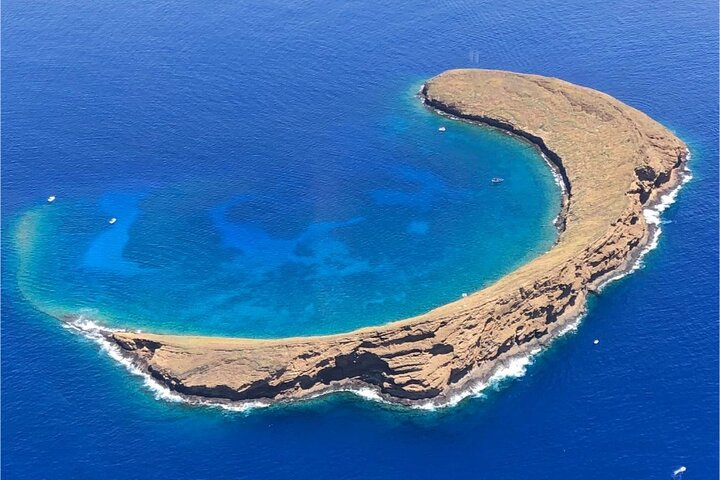
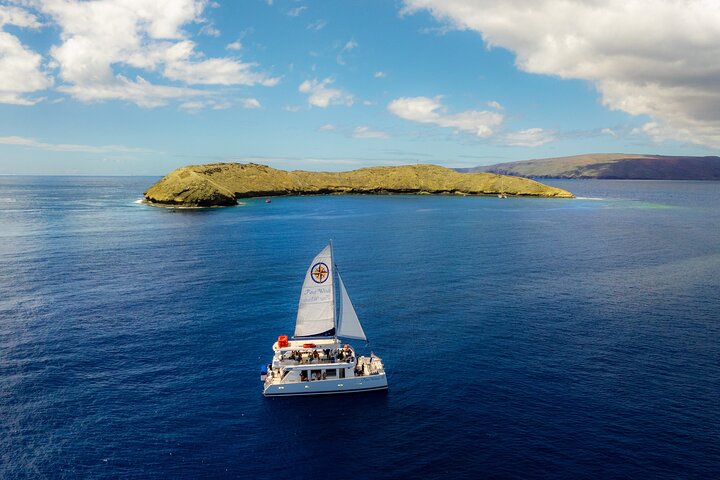
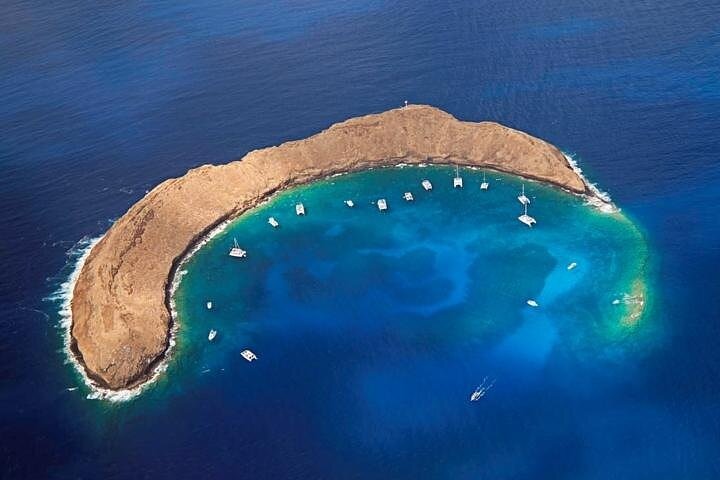
- Best boat — Molokini
- Best timing — early, every time
Where: the Wailea and Mākena coastline, from Ulua south to ʻĀhihi-Kīnaʻu.
None of these sites is lifeguarded. Hawaiʻi Ocean Safety's Maui towers are at Kamaʻole I, II and III and Mākena State Park — swimming beaches rather than the reefs in this guide; Kamaʻole II remains listed closed. Out here you are reading the water yourself.
Morning is not a preference, it is the whole trick. Kīhei and Wailea get an afternoon wind you can set a watch by, and it takes the visibility with it.
Ulua and Mōkapu
Where we send most first-time South Maui snorkelers, and where we would go ourselves on a random Tuesday.
Two connected Wailea beaches with a sandy entry in the middle and reef wrapping the rocky edges at both ends. You do not have to swim far, you do not have to scramble over lava, and you can rinse off afterwards.
The County lists public parking, restrooms and showers, partial ADA access and no lifeguard.
The lot is small and it is the real constraint. On a good-weather morning it is gone well before the water goes off, which is the single best argument for an eight o'clock start.
Work the rocky edge rather than swimming straight out. The interesting part is close in.
Maluaka
The Turtle Town beach — and a good enough beach that a blank morning is still a good morning.
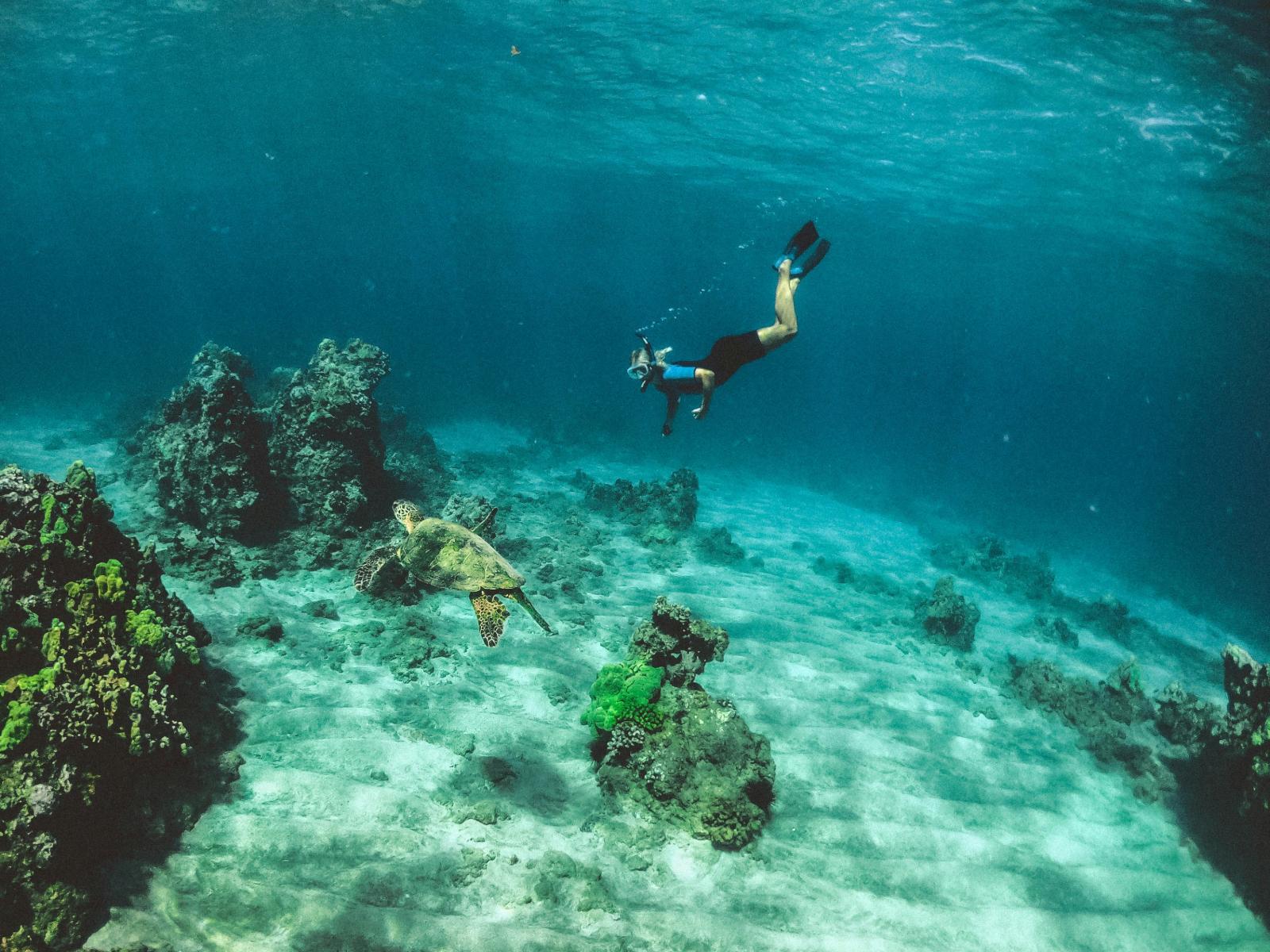
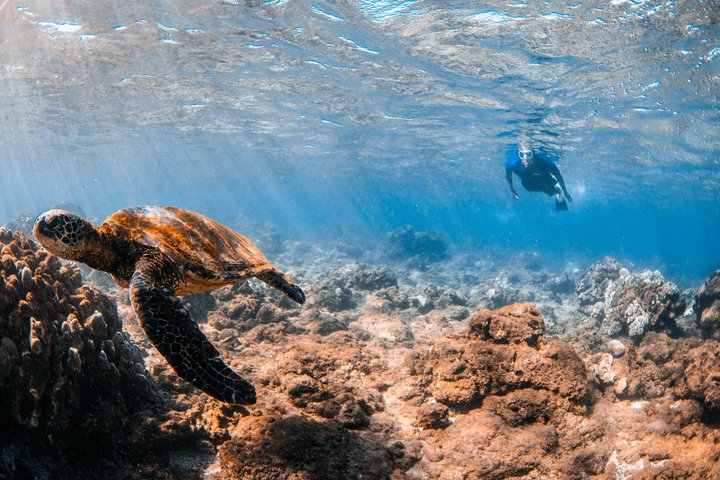
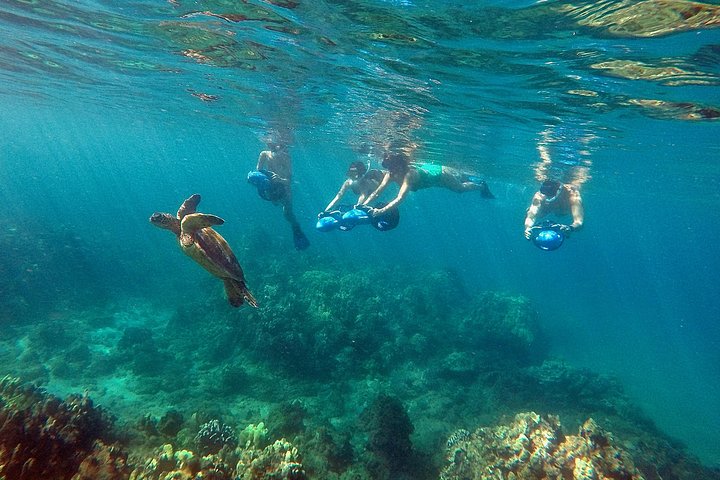
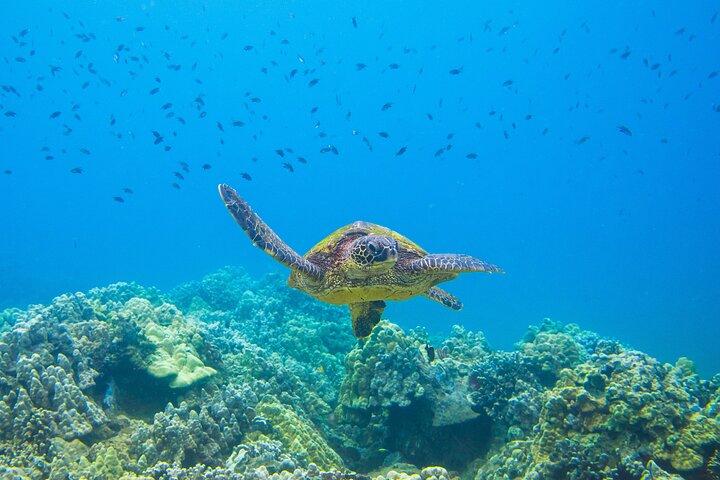
Maluaka is the practical shore access for the broader Mākena reef zone operators call Turtle Town. That name is marketing shorthand rather than a mapped place — there is no official boundary for it — but the habitat is real and honu are commonly seen along the rocky sides.
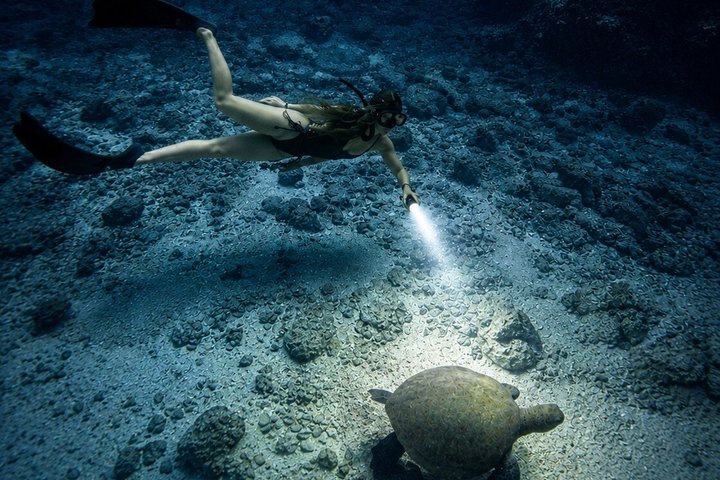
Do not turn the snorkel into a pursuit. NOAA asks for at least 10 feet, on land and in the water, and says never touch, chase or feed. If a turtle changes direction because of you, you are too close.
Parking at Maluaka is limited and fills early. Current official pages do not support a dependable stall count, so arrive early and be prepared to walk.
Mākena Landing
The other Turtle Town entry, and the one to use when Maluaka is full.
A small working landing rather than a beach, with the same reef zone offshore. Entry is easier than it looks and the swim out is short.
Mākena Landing also has limited parking. Treat it as a snorkel entry and short stop rather than a base for the day.
ʻĀhihi-Kīnaʻu: Rules Before Reef
A Natural Area Reserve, not a beach park — and the access rules are the first thing to understand, not the last.
- Visiting hours — 5:30 a.m. to 7:30 p.m. daily
- Day-use fee — $10 per car per day, debit or credit only
- Anchialine pools — closed to all access
- Prohibited — removing, injuring or killing any plant or animal; no fishing
- Also prohibited — introducing any plant or animal, and operating, anchoring or mooring a motorized vessel
Where: the lava coastline south of Mākena, past the end of the developed road.
The fee is card-only, which catches people out — there is nowhere to fix that once you are down there.
ʻĀhihi-Kīnaʻu
Exceptional, and not a beginner site. Lava shoreline, no sand, and a reef that is in better shape than most because of everything above.
A coral survey cited by the state found this was the only reef among its Maui test sites not declining overall. That is the argument for the rules, and the reason to follow them exactly.
Entry is over rock. Wear something on your feet, go on a calm morning, and stay within the posted access areas.
We would not make this anyone's first snorkel on Maui. It is the site you graduate to when you already know what you are doing and you want the good version.
Molokini: The Boat Decision
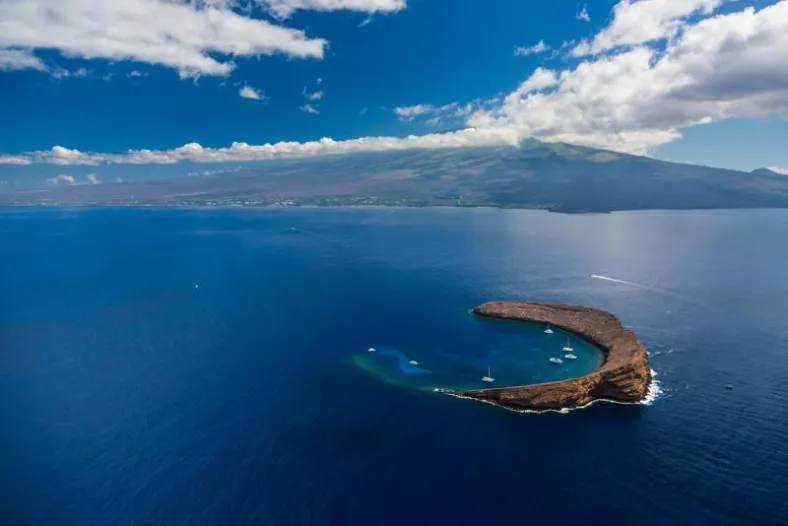
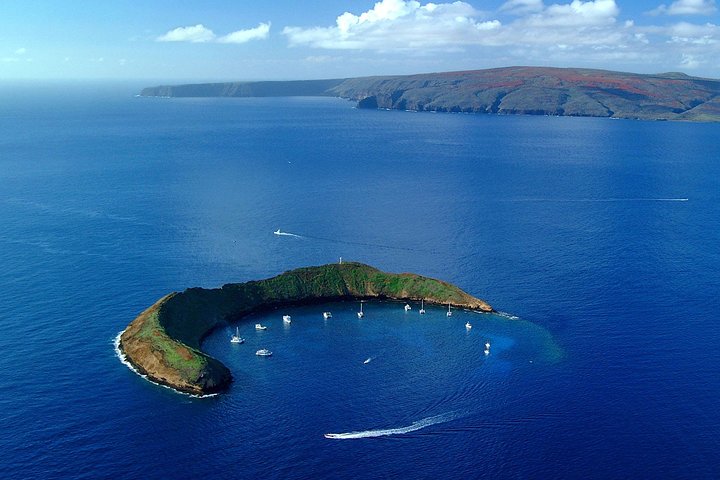
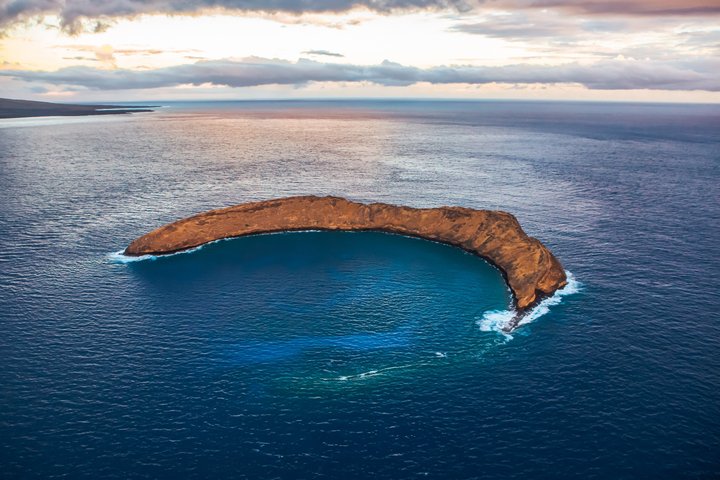
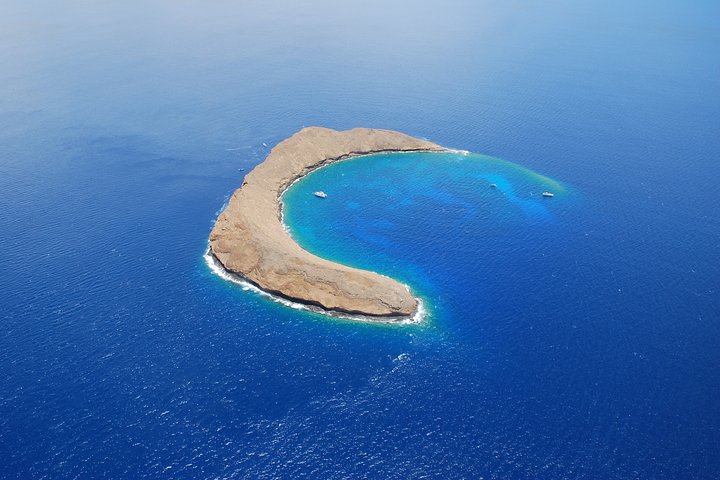
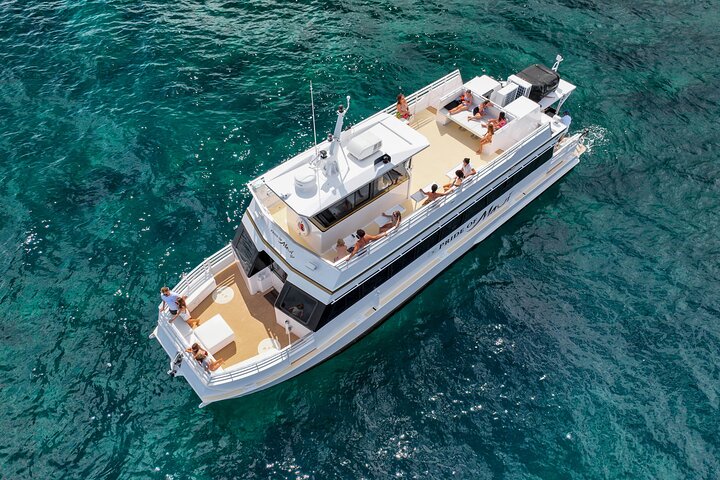
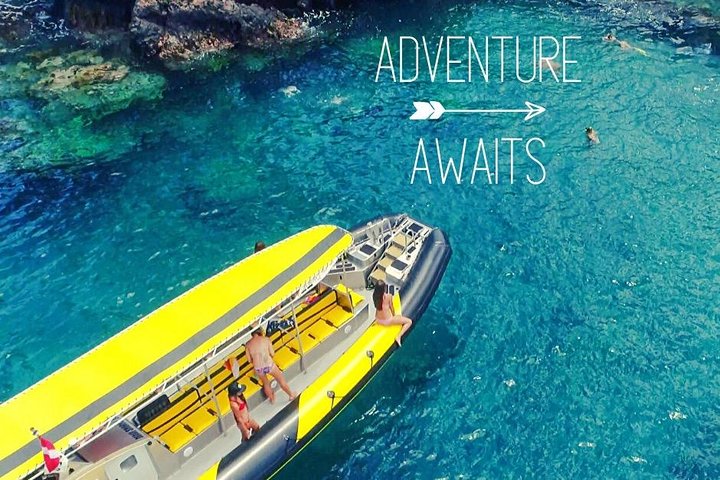
Molokini is the one thing on this coast you cannot do from shore, which is also the only good reason to book it.
- Best for — people who like being on a boat
- Not for — anyone booking it purely because of the name
- Distance — about three miles off the southwest coast
Where: offshore from Mākena and Māʻalaea; every trip leaves from a harbor, not a beach.
The crater is a Marine Life Conservation District with two subzones. Taking marine life is prohibited except limited trolling in Subzone B, and taking or altering sand, coral or geological features and feeding aquatic organisms are prohibited. Commercial in-water activities — which is every snorkel trip out there — require a permit, and boats may not anchor where moorings exist.
Choose the boat, not the destination. Group size, deck stability, shade, bathrooms and where the second stop goes will shape your morning far more than the word Molokini in the listing.
If you already snorkel well from shore and you do not especially want a boat day, you are allowed to skip it. South Maui's shore reef is genuinely good.
Reading the Morning
The useful skill on this coast is not picking the best site. It is knowing when to go somewhere else.
Look at the water before you unpack. If it is churned, brown or wind-chopped at Ulua, it will be the same at Maluaka twenty minutes later, because the whole coast faces the same way.
What changes between sites is exposure. A south swell reaches Mākena more directly than Wailea, so Maluaka and ʻĀhihi-Kīnaʻu are the first sites we drop. If Ulua and Mōkapu are already wind-chopped, we stop driving south in search of a miracle and choose a land day.
When the ocean is wrong everywhere, that is a boat day, a Maui Ocean Center day or a morning off. It is not a day to prove something at ʻĀhihi-Kīnaʻu.
Turtles Without Chasing Them
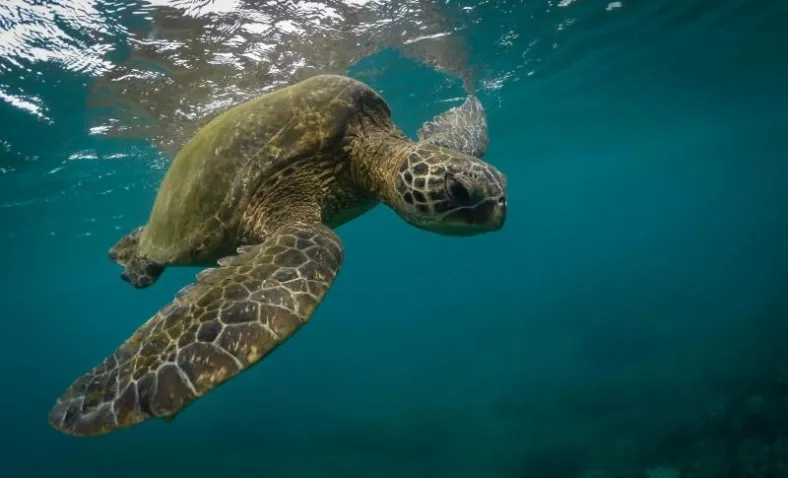
Honu are the thing everyone wants and the thing most likely to make a good snorkeler behave badly.
The distance is 10 feet — 3 meters — on land and in the water, and it is NOAA's number, not ours. Never touch, chase, feed or surround one, and never join a ring of people who already have.
If a honu swims toward you, stop and let it pass. Use the camera zoom instead of the fins.
Go somewhere you would be happy snorkeling anyway, then let the turtle be the bonus. Every site on this page is worth the morning without one.
Practical Tips
- Be in the water by eight. The wind and the parking both turn against you at roughly the same hour.
- Start at Ulua and Mōkapu if you have not snorkeled South Maui before.
- Work the rocky edges. Swimming straight offshore takes you away from the reef, not toward it.
- Bring a card for ʻĀhihi-Kīnaʻu. The $10 day-use fee is debit or credit only.
- Stay out of the closed anchialine pools and inside the posted access areas at the reserve.
- Give honu 10 feet and never crowd one because other people already are.
- Never stand on coral. If you need to rest, go back to sand.
- Never snorkel alone, and remember that none of these sites has a lifeguard.
- Switch beaches rather than force one. The whole coast faces the same way, so if the water is wrong it is wrong — take the day off.
One Last Tip
South Maui makes snorkeling easy enough that the only way to get it wrong is to over-plan it.
Pick the site that suits your ability, get in early, stay close to the rocky edges and get out when the wind arrives.
Do that three mornings in a row and you will have seen more than the people who drove all over the island chasing a name.
Frequently Asked Questions
Where should I snorkel first in South Maui?
Snorkel first at Ulua and Mōkapu in Wailea. The middle of the beach gives you a sandy entry, reef wraps the rocky ends, and there is public parking with restrooms and showers. There is no lifeguard and the lot is small, so the practical advice is to be there by eight — the parking decides your morning more often than the ocean does.
What are the rules at ʻĀhihi-Kīnaʻu?
ʻĀhihi-Kīnaʻu is a Natural Area Reserve with posted hours, a day-use fee and strict rules. Posted visiting hours are 5:30 a.m. to 7:30 p.m. daily and the day-use fee is $10 per car per day, debit or credit only. The anchialine pools are closed to all access. Removing, injuring or killing any plant or animal is prohibited — that means no fishing — as is introducing any plant or animal or operating, anchoring or mooring a motorized vessel.
Is ʻĀhihi-Kīnaʻu good for beginners?
No, ʻĀhihi-Kīnaʻu is not good for beginners. The shoreline is lava rather than sand, the entry is over rock, and there is no lifeguard and nothing forgiving about the site. It is the reef you graduate to once you are comfortable — and a state-cited coral survey found it was the only Maui test site whose reef was not declining overall, which is exactly why the access rules matter.
Do I need a boat to Molokini if I can snorkel from shore?
You only need the boat to Molokini if you want the boat. Molokini is about three miles offshore and reachable no other way, and it is a Marine Life Conservation District where commercial in-water activity requires a permit. But South Maui's shore reef is genuinely good, so book Molokini because you like being on the water — and choose the vessel on group size, stability, shade and the second stop rather than on the name.
How close can I get to a sea turtle?
NOAA asks for at least 10 feet, or 3 meters, on land and in the water, and says never touch, chase or feed. If a honu swims toward you, stop and let it pass rather than following. Use your camera zoom instead of closing the distance, and do not join a group that has already formed around one.
What is Turtle Town, exactly?
Turtle Town is operator shorthand for the reef zone off Mākena, roughly between Mākena Landing and the southern end of Maluaka. There is no official boundary for the name — it is not a government place designation — but the habitat is real and honu are commonly seen there. Maluaka is the practical shore entry; Mākena Landing is the alternative when Maluaka is full.