Kapalua Bay Guide


At a Glance
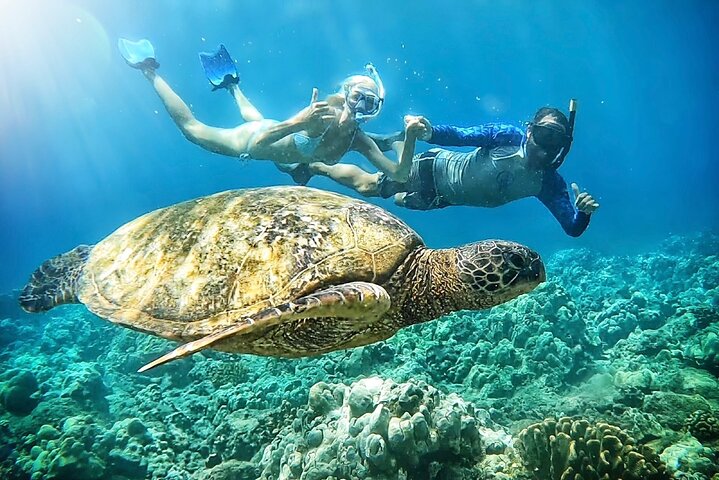
Our pick: Turtle Town Coastal Kayak & Snorkel: Turtles Guaranteed
Book this in whale season if you want a beginner-friendly kayak from Olowalu plus turtle snorkeling in one trip.
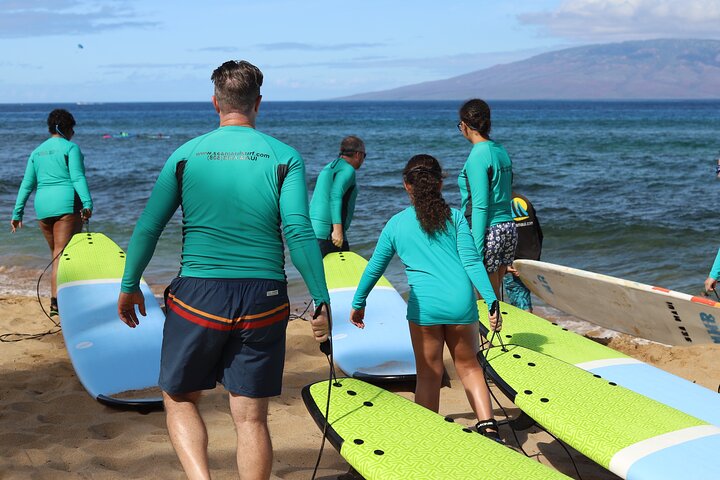
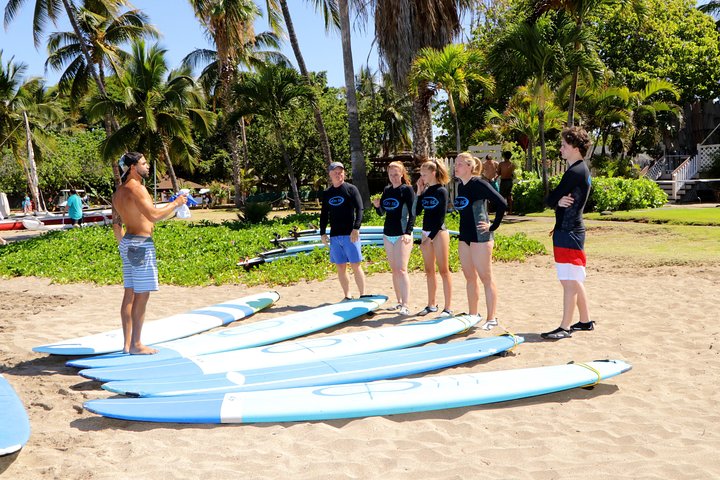
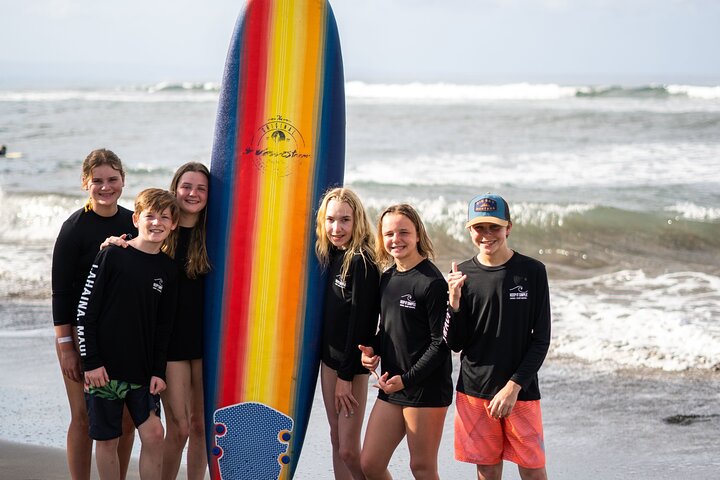
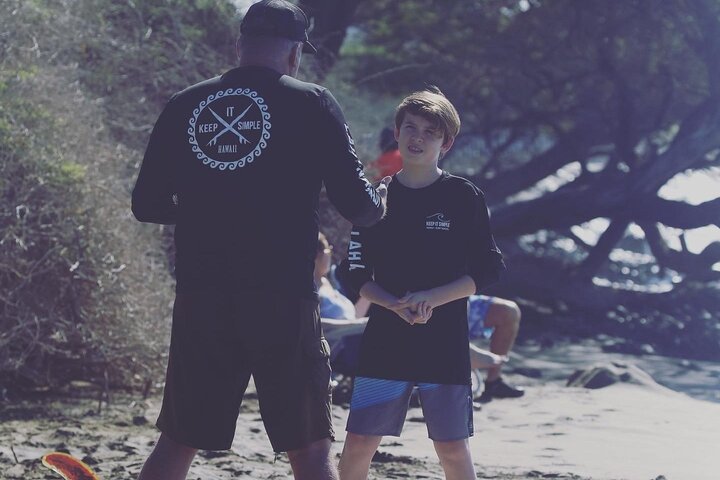
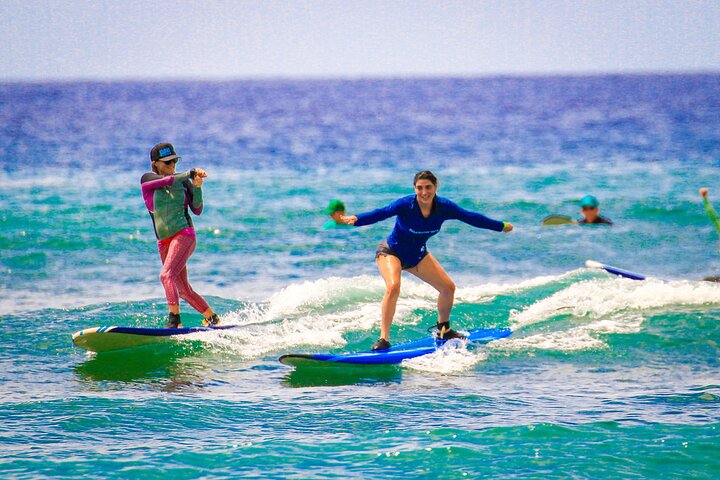
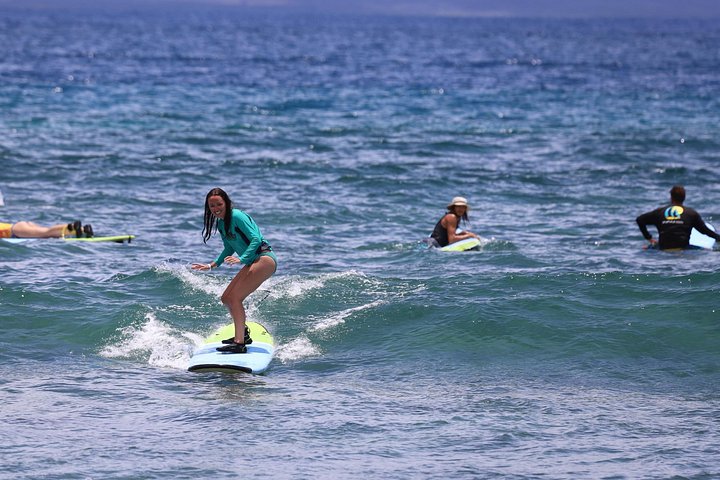
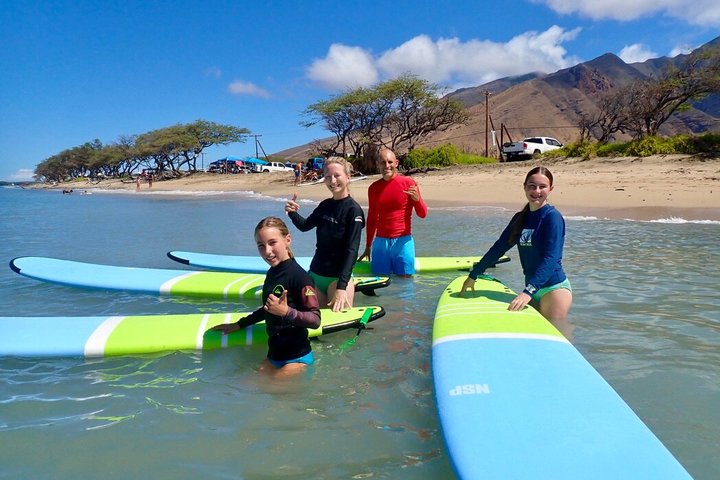
Our pick: 2 Hour Beginner Group Surf Lessons
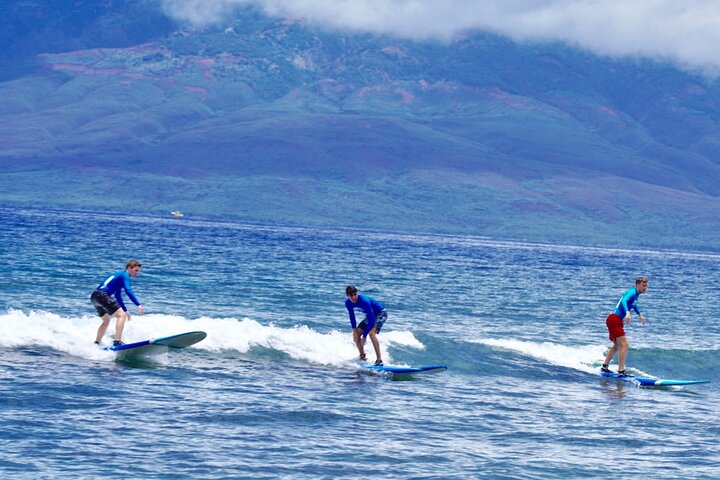
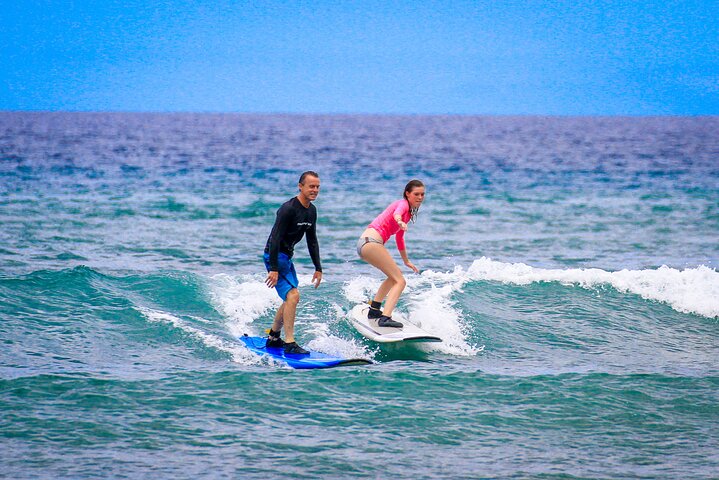
Best for first-timers age 9+ who want a very small lesson near Puamana at Guardrails; max 5, with patient, low-pressure instruction.
What Kapalua Bay Actually Is
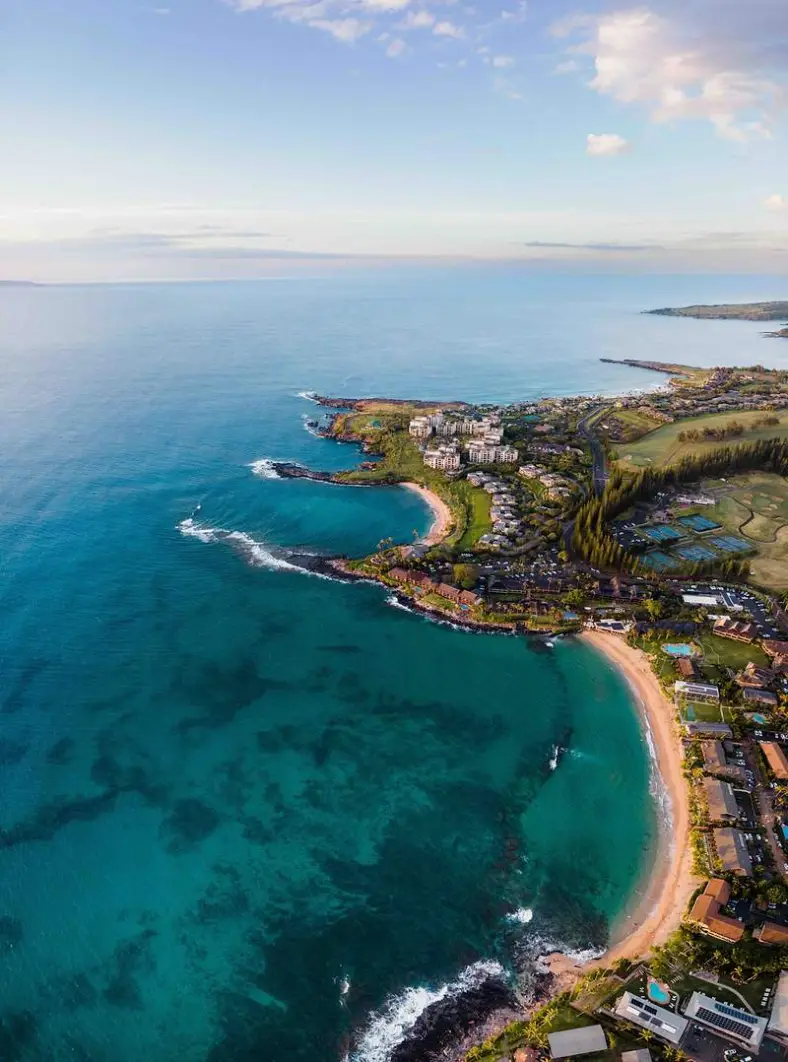
A small crescent, not a resort beach — and it rewards two hours rather than a whole day.
- Best for — beginners, couples and confident kids
- Best time — early morning
- Biggest constraint — parking
- Lifeguard — none
Where: the northern end of West Maui, between Nāpili and D.T. Fleming.
Parking: use the south entrance lot, or the Kapalua Resort parking across the road, which has more room. All of it is paid by QR code, and you want to be parked by 8 a.m., or 7:30 on weekends and holidays.
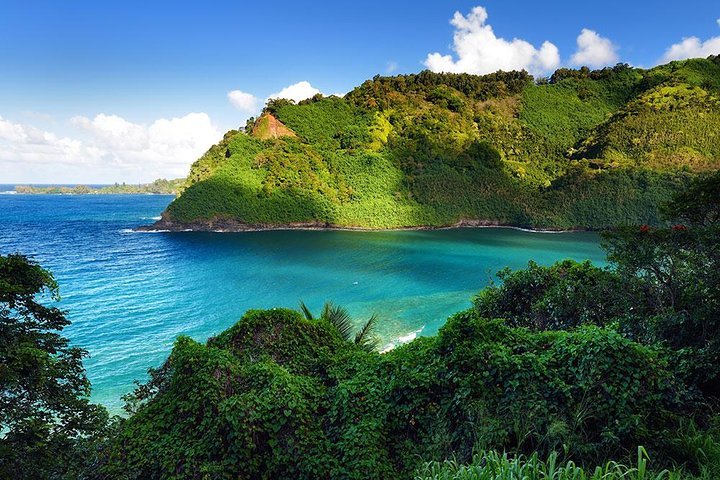
The bay is compact and framed by greenery and low resort development. Rocky arms reach out on both sides, which is what makes the middle feel sheltered and puts reef within easy reach of a beginner.
This is a two-hour beach, not an all-day production. Snorkel, dry off, get a coffee, go and do something else. People who come expecting a Kāʻanapali-scale beach day are the ones who leave disappointed.
Parking: The Real Constraint
The least romantic part of Kapalua Bay is the part that decides whether you get to enjoy it.
Public shoreline parking is limited and fills early. Current official sources do not provide a dependable stall count.
Our planning target is parked by 8 a.m., and closer to 7:30 on weekends and holidays. That is MauiBookIt guidance, not an official cutoff.
If the spaces are gone, continue to Nāpili Bay or Kahekili instead of circling.
Getting In and Where to Snorkel
Enter in the middle, work toward the edges, and resist the instinct to swim out.
- Enter — the sandy middle of the beach
- Snorkel — along either rocky side
- Do not — swim toward the mouth of the bay
Kapalua Bay
The gentlest real snorkel in West Maui, on the right morning.
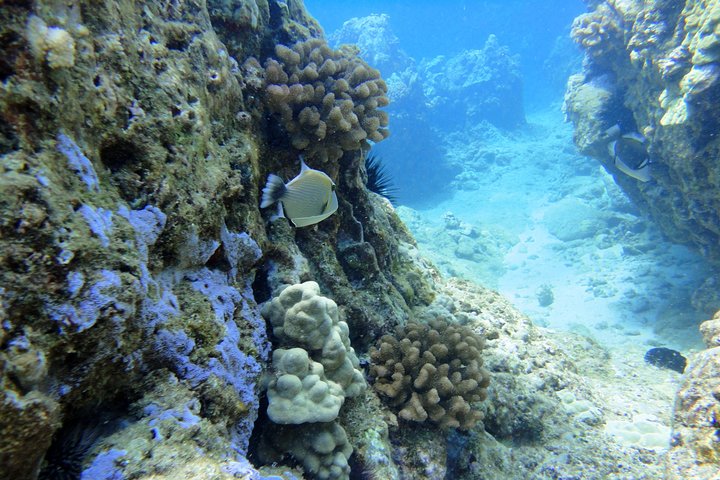
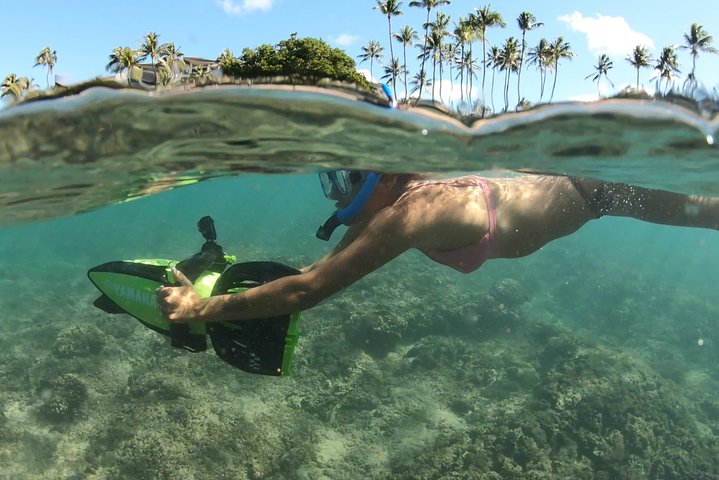
Start where you can stand. Sort out the mask, get comfortable breathing, and only then move slowly toward one of the rocky sides. The reef is along the edges, not out in the middle, so the interesting part of the bay is also the shallow part.
Work parallel to the shore. There is no reason to swim toward open water, and the protected shape of the bay ends where the arms end.
There is no lifeguard. The bay is sheltered, not enclosed — calm conditions still matter, and a swell wrapping in changes the whole feel of it.
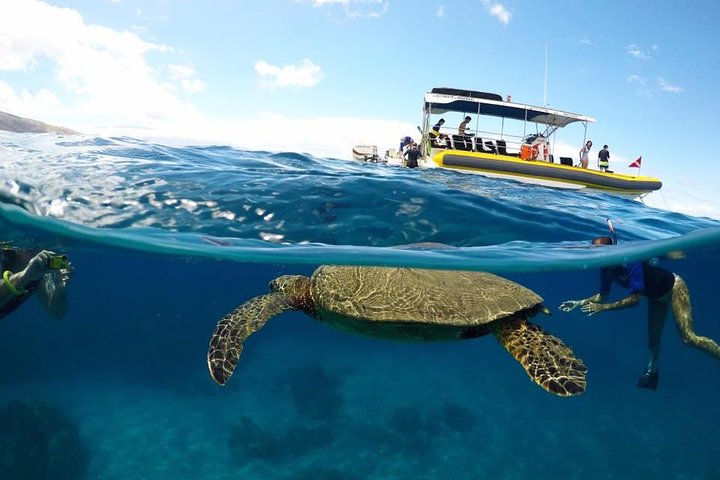
Honu turn up here. NOAA asks for at least 10 feet, on land and in the water, and says never touch, chase or feed. Sightings are never guaranteed and should not be the reason you came.
With Kids and First-Timers
This is where we would put a nervous first snorkel, and the reasons are structural rather than sentimental.
A child can stand up in the entry. The reef is reachable without a frightening swim. The bay is small enough that an adult on the sand can see everyone in it. And if the snorkeling lasts ten minutes, you are still on a good beach.
One adult per beginner, flotation on, and the turtle rule agreed before anyone gets in. That is the whole method.
Older, confident kids will outgrow this bay quickly — Kahekili gives them considerably more reef to explore once they are comfortable.
When Kapalua Is the Wrong Call
No beach is always calm, and this one has a specific failure mode.
- North swell — the whole north end of the coast changes
- Afternoon — wind chop takes the visibility
- A full parking lot — go somewhere else rather than circling
- A big beach day — this bay is too small for it
Winter north swell affects this end of West Maui far more dramatically than Kāʻanapali. A bay that was easy and clear in July can be a completely different proposition in January.
Look at the water before you unpack. If it is moving through the bay or the visibility is obviously gone, the right answer is a different beach, not a shorter snorkel.
Your Backup Plan
Three alternatives, all within about ten minutes, all better than circling the lot.
Nāpili Bay
The closest swap, and a better plain beach. Five minutes south.
A larger crescent with swimming in the middle and reef around the rocky edges. No lifeguard, and the shorebreak sharpens on swell, but as a place to spend a morning it holds up better than Kapalua does.
Kahekili (airport beach)
The better snorkel, and the right next step for anyone who has outgrown Kapalua.
Reef starts close to shore and runs along a long stretch of beach, with a proper beach-park setup behind it. More water, more reef, more parking. No lifeguard.
Oneloa Beach (Ironwoods)
When you want space rather than a snorkel. Wide, open and usually much quieter.
More exposed, with stronger shorebreak, and the coastal trail runs along the bluff above it. Think of it as a walking and scenery beach rather than a swimming one.
Practical Tips
- Be there by eight. The parking is the thing that decides this beach, not the ocean.
- Enter in the sandy middle and only then work toward a rocky side.
- Do not swim toward the mouth of the bay. The shelter ends where the arms end.
- Have a backup chosen before you leave — Nāpili, Kahekili or Oneloa.
- Treat it as a two-hour beach, not an all-day one.
- No beach is always calm. Look at the water before you unpack.
- Give honu 10 feet and never touch, chase or feed.
- Bring your own gear. Rental availability right at the beach can vary.
- Use reef-safe sun protection and never stand on coral. If you need to rest, go back to sand.
One Last Tip
Kapalua Bay is the beach we recommend most often in West Maui and the one people most often get wrong.
Go early, snorkel the edges, stay two hours and leave happy.
Go at eleven expecting a beach day and you will spend the morning looking for a parking space instead.


Frequently Asked Questions
Is Kapalua Bay good for snorkeling?
Yes, and it is our first choice in West Maui for beginners when conditions are calm. There is a sandy entry in the middle of the beach and reef along both rocky sides, so you do not need to swim far or scramble over lava. Enter where you can stand, work slowly toward one of the edges, and stay parallel to the shore rather than heading toward the mouth of the bay.
How bad is the parking at Kapalua Bay?
Parking at Kapalua Bay is bad enough to plan around. Public shoreline parking is limited and fills early, and current official sources do not provide a dependable stall count. Aim to park by 8 a.m., earlier on weekends and holidays, and choose a backup before leaving your hotel.
Is there a lifeguard at Kapalua Bay?
No, there is no lifeguard at Kapalua Bay. The only two lifeguarded beaches in West Maui are Hanakaʻōʻō Beach Park at the south end of Kāʻanapali and D.T. Fleming Beach Park to the north. Kapalua Bay is sheltered rather than enclosed, so calm conditions still matter and nobody is watching the water for you.
Can we see turtles at Kapalua Bay?
You can sometimes see turtles at Kapalua Bay, but never reliably. Honu do turn up along the rocky sides, but a sighting is a bonus rather than a reason to come. NOAA asks for at least 10 feet on land and in the water and says never touch, chase or feed — if a turtle changes direction because of you, give it more room.
What should we do if the parking is full?
If the parking is full, leave rather than circle. Nāpili Bay is about five minutes south and is the better plain beach; Kahekili has more reef, more beach and a proper beach-park setup; Oneloa is wide, quiet and better for a walk than a swim. Any of the three beats forty minutes in a parking lot.
When is Kapalua Bay the wrong choice?
On north swell, in the afternoon, or when you want a full beach day. Winter swell changes this end of West Maui far more than Kāʻanapali, afternoon wind chop takes the visibility, and the bay is too small to absorb a whole day. Look at the water before you unpack and be willing to switch.