Best Snorkeling on Maui for Beginners

At a Glance
Most popular on Maui
 Central Maui
Maui Snorkeling Adventure to Molokini and Turtle Town
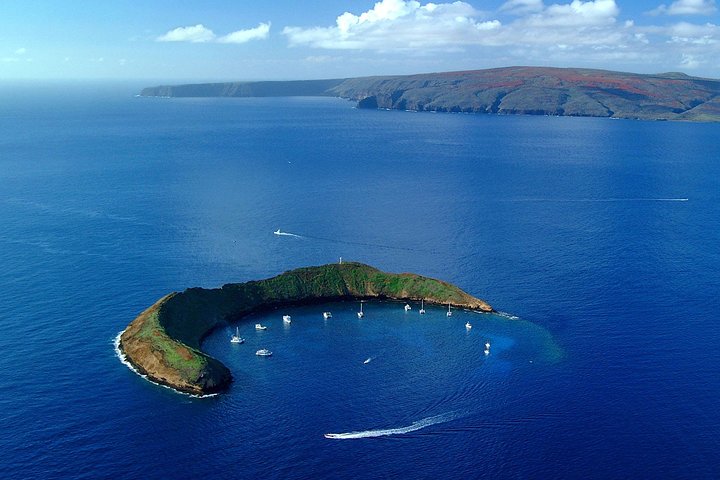
Visit Maui's famous snorkeling and diving destinations Molokini Crater and Turtle Town on a snorkeling catamaran, with visibility of 100 feet or more.
 South Maui
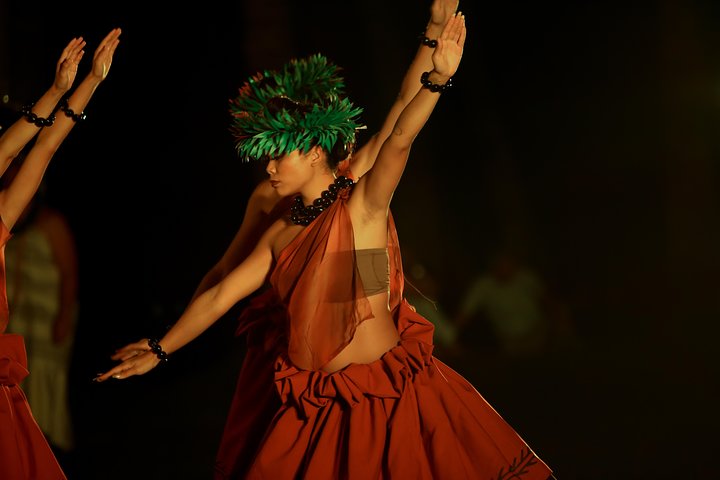
Feast at Mokapu Luau in Wailea
Discover Hawai'i's most authentic luxury luau at Andaz Maui at Wailea Resort — a curated cultural evening with a three-course plated dinner on Mokapu beach.
 South Maui
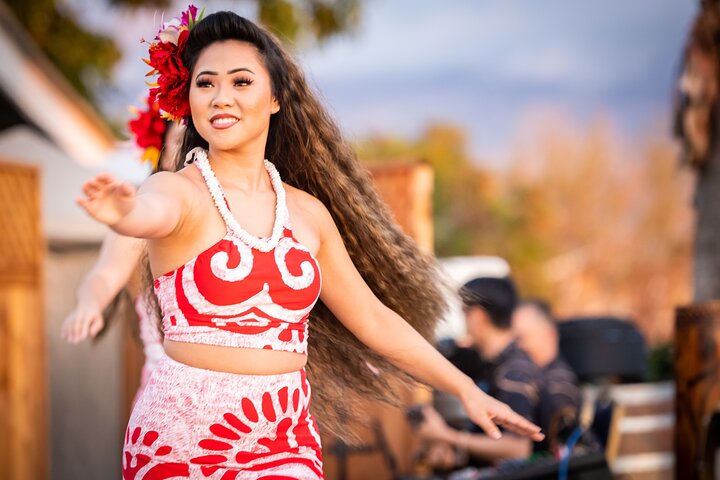
Gilligans' Island Luau in Kihei
An intimate luau experience and the only luau in Kihei — less than a quarter the size of the average Maui luau, so every seat has a great view of the show.
 Road to Hāna
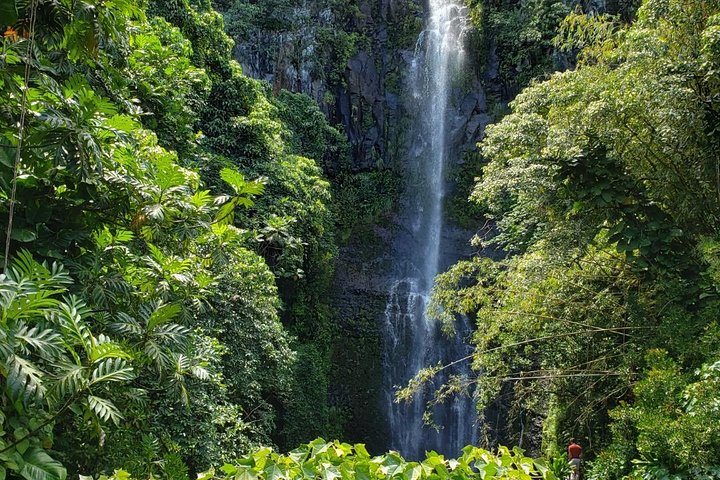
Small-Group Road to Hana Adventure Tour with Pickup & Lunch
Watch the waterfalls, black-sand beaches and rainforest go by without anyone in your group behind the wheel.
 Upcountry
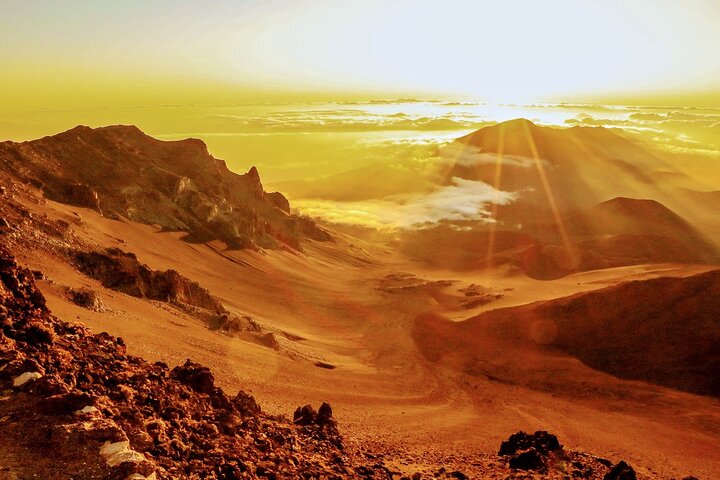
Majestic Haleakalā Sunrise Tour with Pick-up
Ride to the summit for sunrise above the clouds, then unwind over a hot breakfast on the way back down.
 West Maui
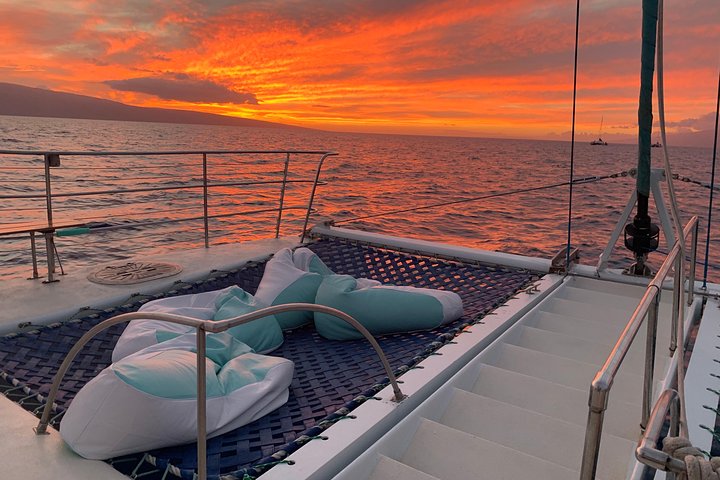
Original Sunset Cruise with Open Bar from Kaʻanapali
Sip an unlimited open bar while the sun drops behind Lānaʻi, with pupus and live music twice a week.
 Central Maui
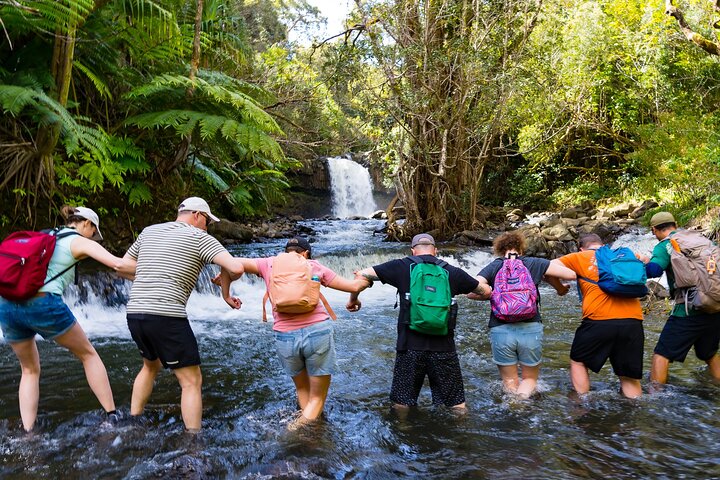
Small Group Waterfall and Rainforest Hiking Adventure
A guided rainforest hike to East Maui waterfalls, with time to swim beneath the falls and a trail lunch included.
 South Maui
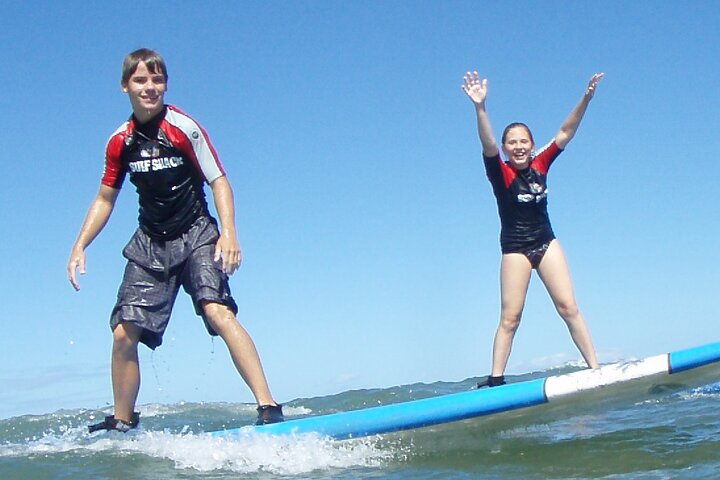
Two Hour Beginner Group Surf Lesson in Kihei
A two-hour beginner lesson in calm South Maui water — board, gear and instruction all included.
 Upcountry
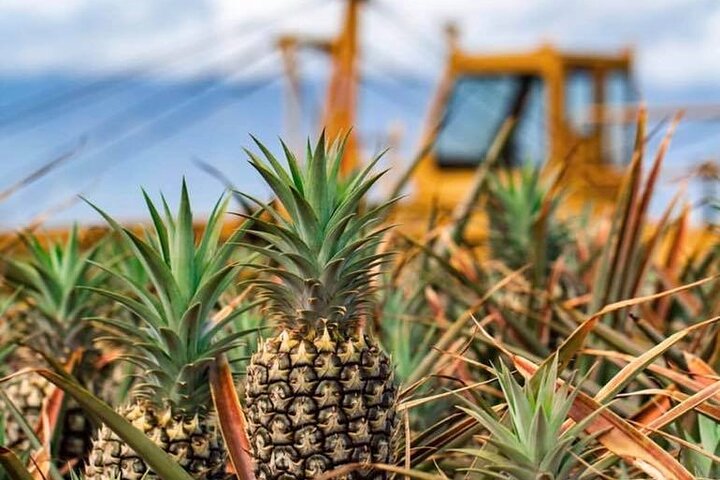
Maui Pineapple Farm Tour in Haliimaile
Tour a working pineapple farm and packing house upcountry, with tastings and a fresh pineapple to take home.
What Makes a First Snorkel Easy
Your first snorkel should feel almost boringly easy at the entry. The skill is breathing calmly with your face in the water, and no reef teaches you that faster.
- Why it matters — Nearly every bad first snorkel is a gear or a nerves problem, not a reef problem.
- The experience — Stand in waist-deep water, get the mask sealed, breathe, then float.
- The tradeoff — You will spend your first twenty minutes not going anywhere.
- The risk — Swimming out before you are comfortable is how a first snorkel becomes a last one.
Do it on a calm morning, on a sandy entry, close to shore, where standing up is always an option.
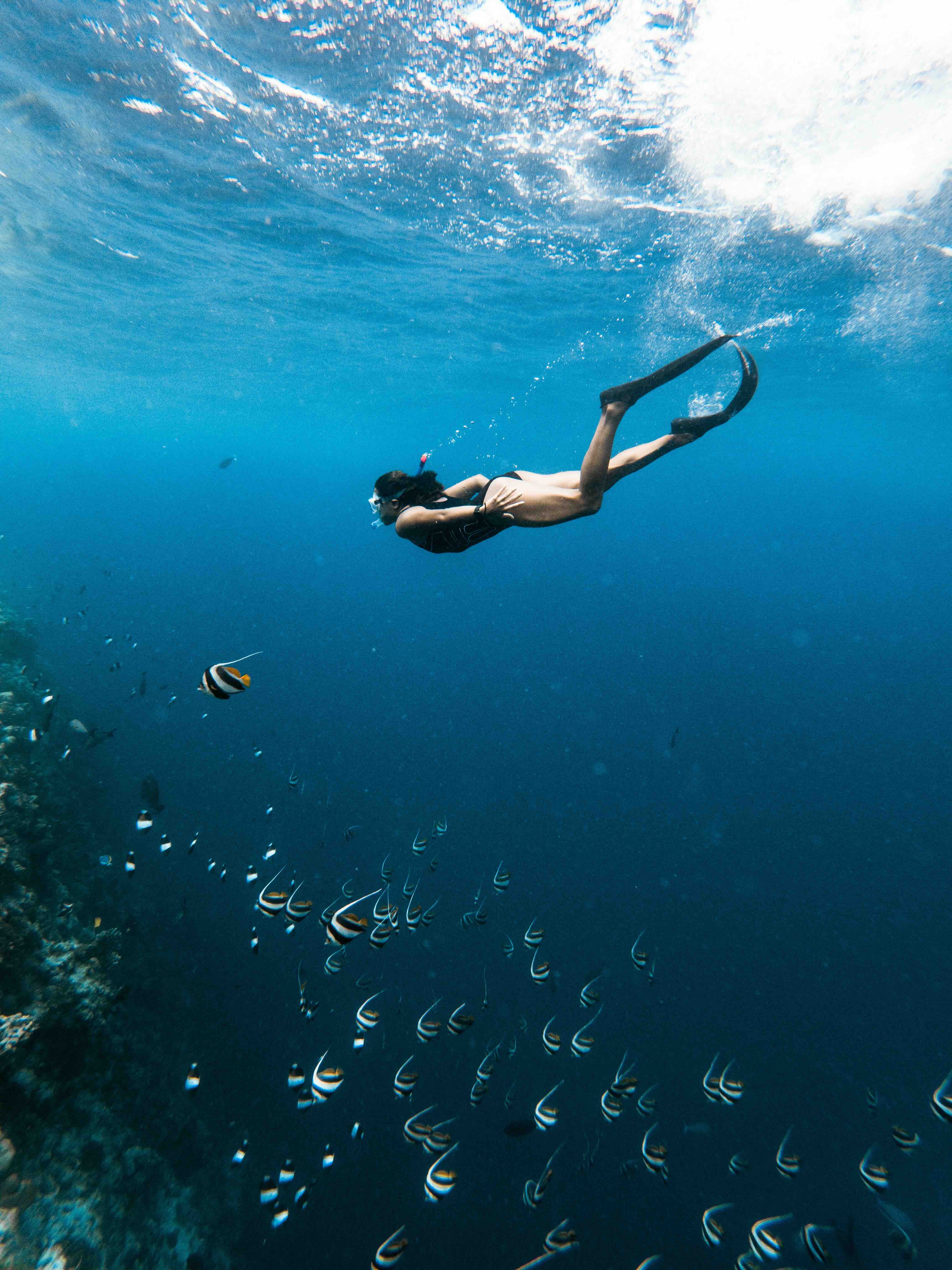
A snorkeler at the surface. Photo: Zunnoon Ahmed / Unsplash
The Mask
A leaking mask ruins more first snorkels than a mediocre reef ever has. Press it to your face without the strap and breathe in through your nose: if it holds on its own, it fits. Hair under the seal breaks it, and so does sunscreen on your forehead.
Breathing
Put your face in while you can still stand and just breathe through the snorkel until it stops feeling strange. Slow and deep beats fast and shallow every time. If you get water in the tube, stand up — clearing it properly is a later lesson.
Fear
Being uneasy face-down in open water is normal and it is not a character flaw. Flotation fixes most of it: a vest or a noodle lets you stop swimming and still stay up, which is what the fear is really about. Pride has no role in ocean safety.
When Instruction Beats a Destination
If the problem is the mask, the breathing or the nerves, a guide is a better purchase than a better reef.
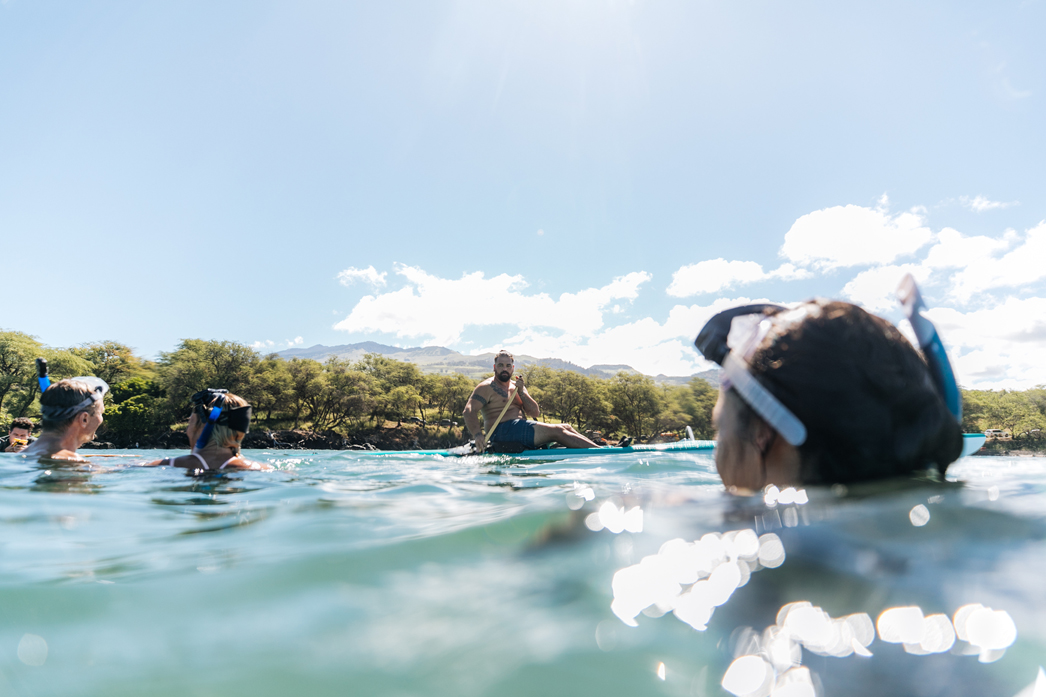
A guide fixes fit in two minutes, brings flotation that suits the person rather than the shop, and stops a beginner making the classic mistake of swimming too far too early. For a nervous adult or a weak swimmer, that is worth more than any site on a list.
What we would not do is send a first-timer to a famous rocky entry because the fish are supposedly better there. The beginner's first job is to relax and breathe.
Where to Start
Pick an easy beach, not a famous reef.
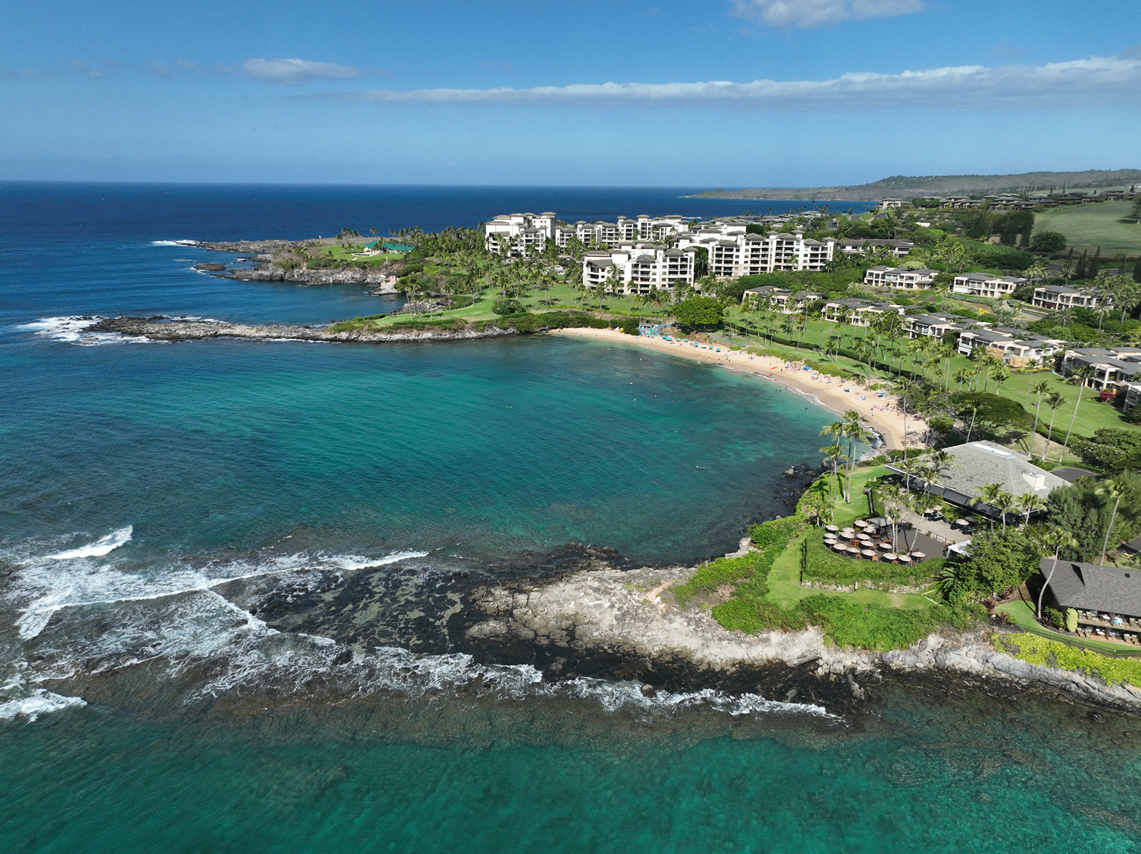
In South Maui, Ulua and Mōkapu are the easiest starting pair on a calm morning. In West Maui it is Kapalua Bay. Once a beginner is comfortable, Kahekili is the natural next step.
We are naming these, not describing them — which beach suits which conditions, where to park and what the reef actually does is the job of our best snorkeling on Maui guide.
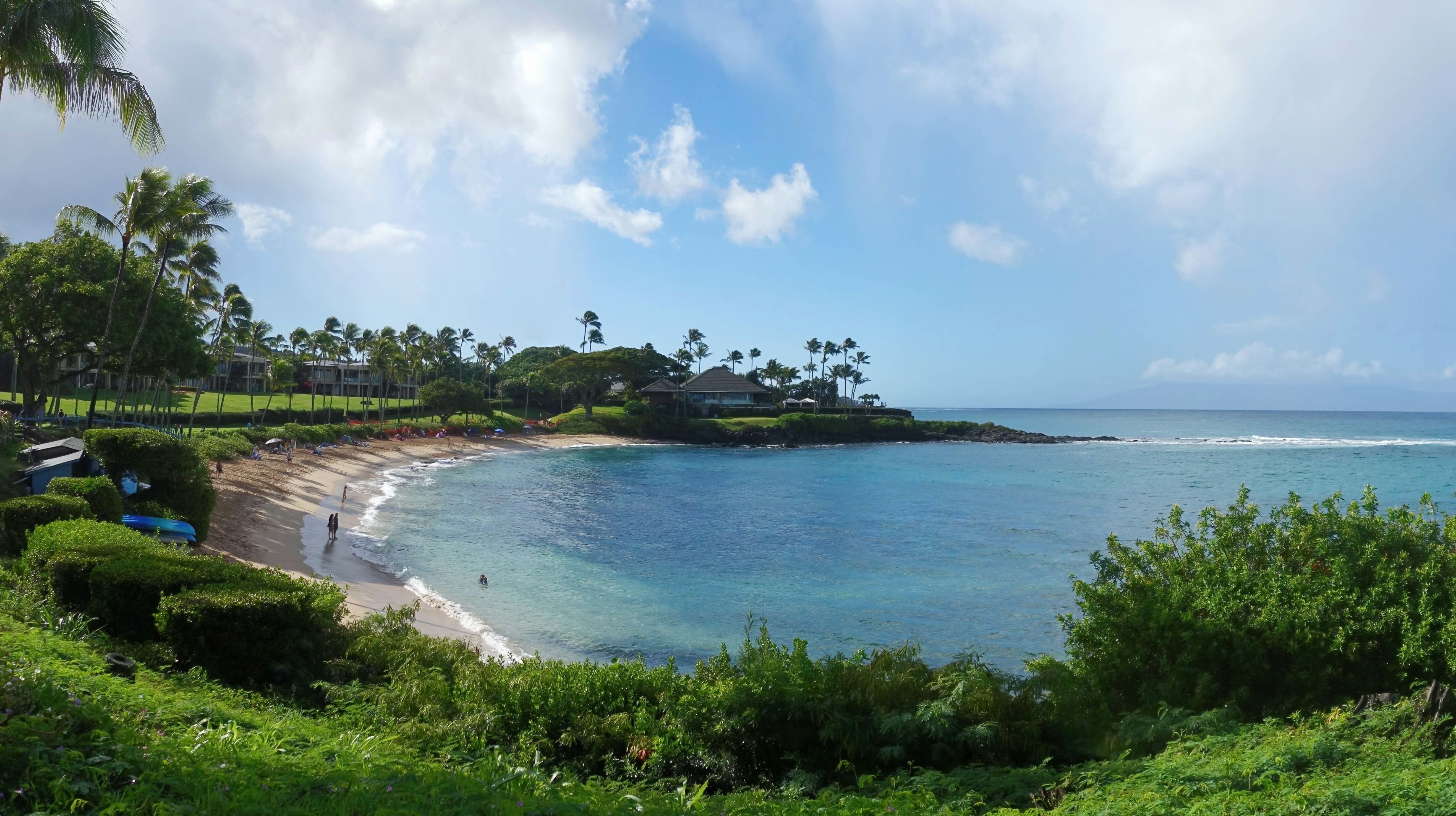
Ulua and Mōkapu, Wailea. Photo: Hawaii Tourism Authority (HTA)
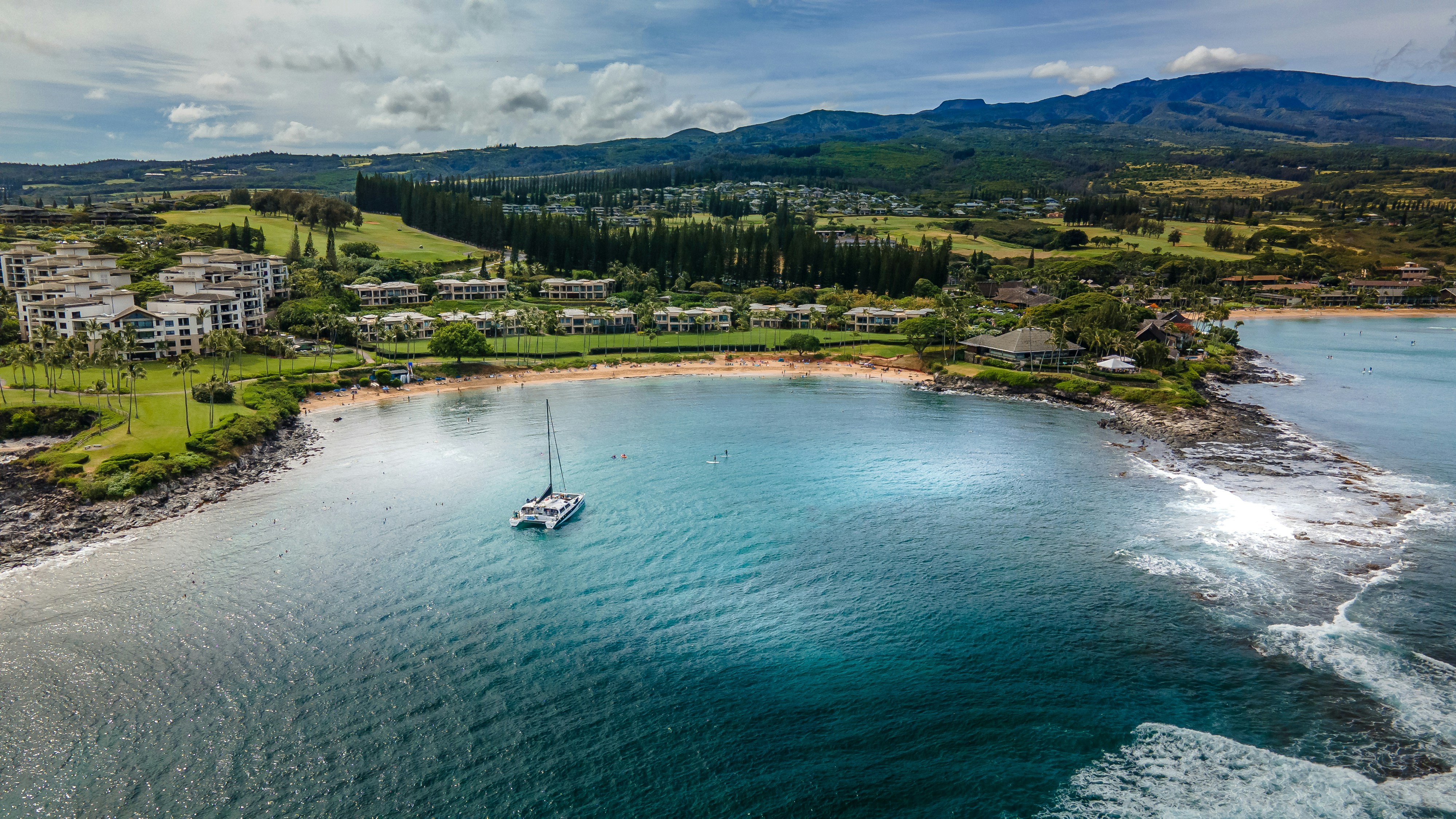
Kapalua Bay, West Maui. Photo: John Bell / Unsplash
What to Book
Beginner-friendly guided snorkel.
Properly fitted snorkel gear.
Practical Tips
Practise in shallow water before you swim over reef. Ten minutes standing up saves the whole morning.
Fix the mask before you go anywhere. A leak you keep stopping to clear will end the snorkel for you.
Use flotation if you want it. Nobody in the water is judging your vest.
Go in the morning. The wind is usually lighter and the water usually calmer before the trades fill in.
Stay where you can stand until breathing feels normal. Distance is the reward, not the test.
Frequently Asked Questions
Can I snorkel on Maui if I am not a strong swimmer?
Only with flotation and somebody beside you. A guided snorkel is the smarter choice, because the guide brings the flotation and watches you use it.
Where is the easiest place to snorkel in South Maui for a beginner?
Ulua and Mōkapu in Wailea, on a calm morning.
Where is the easiest place to snorkel in West Maui for a beginner?
Kapalua Bay.
Is Molokini good for beginners?
It can be, because the crew provides flotation and supervision. A calm shore entry is still the easier place to learn the basics.
Is ʻĀhihi-Kīnaʻu good for beginners?
Not our first choice. The access and the entry are harder than Ulua and Mōkapu, and it is a protected reserve with posted rules.
What should a beginner do first, pick a beach or take a lesson?
If the mask, the breathing or the nerves are the problem, take the lesson. The beach only matters once you are comfortable face-down in the water.