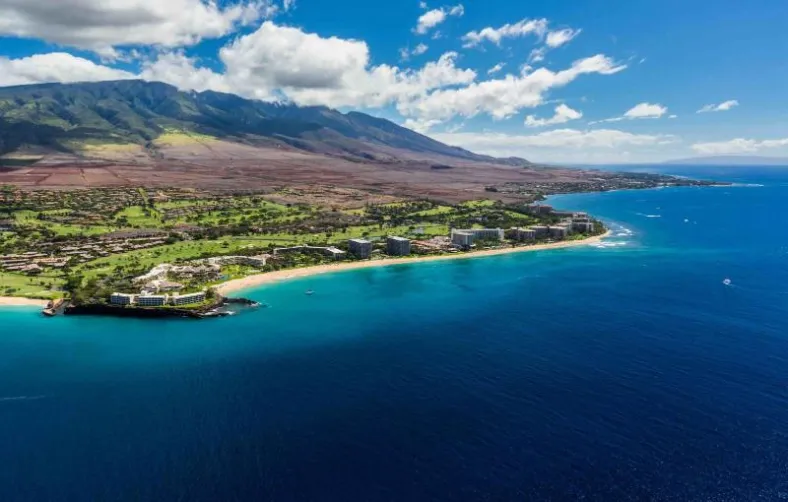
At a Glance
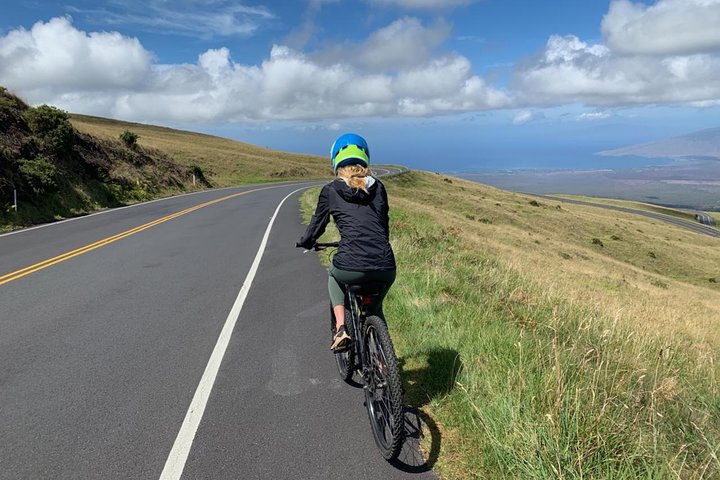
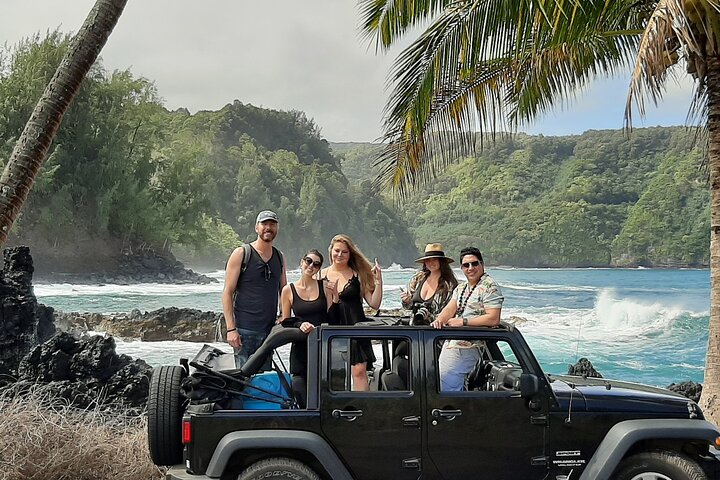
Our pick: Road to Hana Adventure Maui Tour with Lunch
Best for first-time Hāna visitors who want a larger guided day with hotel pickup, breakfast and lunch included.
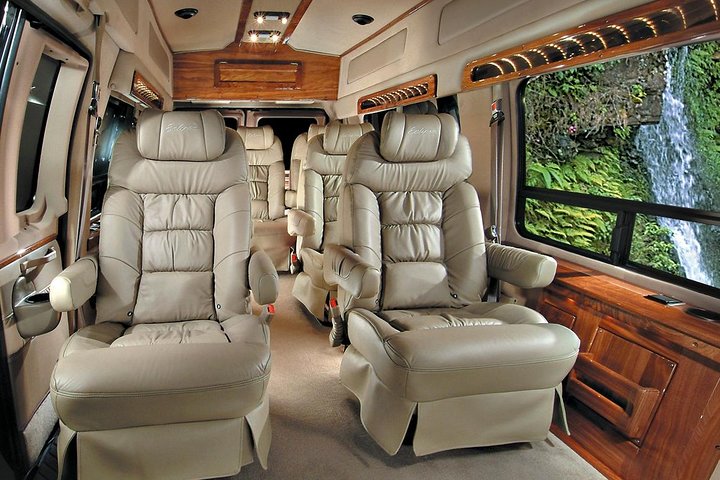
Our pick: Maui: VIP Private Road to Hana Tour with Pick Up
Best for families or couples who want a fully private Hāna day built around their pace.
First: What Kind of Maui Trip Do You Want?
This decision should come before your itinerary.
Are you coming as a couple or with young kids? Do you want to explore every day, or would you happily spend half the vacation between the beach and pool?
Maui works for all of those trips, but they shouldn't have the same itinerary.
A family with toddlers might build the week around beaches, pools, a luau and one boat trip.
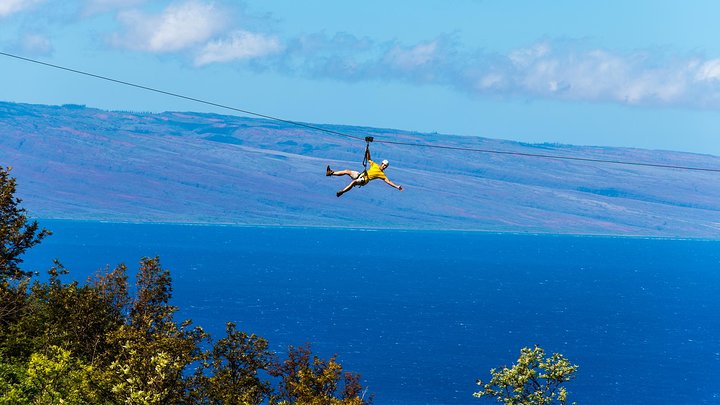
An adventurous couple might snorkel Molokini, hike Pīpīwai, explore Upcountry and spend a day on the Road to Hāna.
A couple staying at a great Wailea or Kapalua resort may be happiest doing considerably less.
Our Best Things to Do on Maui guide is a good place to choose the experiences that fit your group.
South Maui or West Maui?
This is the big accommodation decision for most visitors.
South Maui
Kīhei • Wailea • Mākena
South Maui has a calmer, more subtle feel, lots of excellent beaches close together and easier access to other parts of the island.
Kīhei is casual and practical, especially for condos and families.
Wailea is the polished resort experience.
Mākena gets quieter and less developed as you continue south.
South Maui is our choice for travelers who want to mix beach time with exploring, because North Shore, Upcountry, Māʻalaea and Haleakalā are easier to work into the trip.
West Maui
Kāʻanapali • Nāpili • Kapalua
West Maui gives you more of the classic Maui resort-coast experience.
Kāʻanapali is the easiest place to park the car and spend the day walking between the resort, beach, pool, restaurants and shopping.
Nāpili feels smaller and more intimate.
Kapalua is greener, quieter and one of Maui's most relaxed luxury resort areas, although it can also be breezier and wetter.
The beaches are terrific on both sides. Don't choose based on someone telling you one coast has “better beaches.”
Choose based on how you want your vacation to feel.
Our South Maui vs. West Maui guide goes much deeper into this decision.
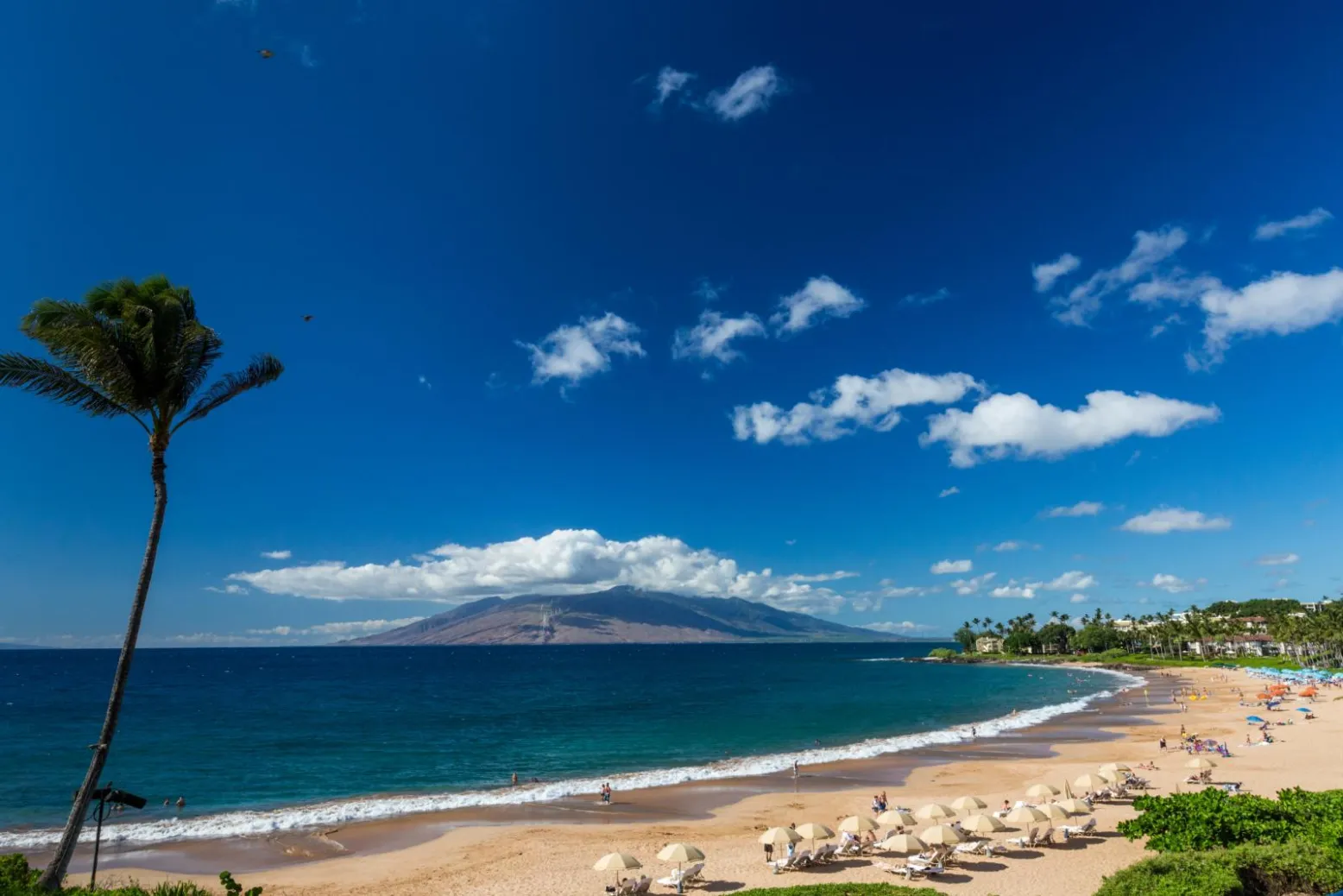
South Maui is the drier, sunnier side; West Maui has the stronger classic-resort corridor. Photo: Hawaii Tourism Authority (HTA)
Build the Trip Around the Beach
The beach isn't filler between Maui attractions.
For a lot of visitors, it's what they'll miss most when they leave.
Don't schedule an activity every morning simply because you think you should.
A morning at Keawakapu, Kamaʻole, Wailea, Kāʻanapali, Nāpili or Kapalua followed by lunch and an afternoon at the pool is a completely successful Maui day.
Our rule is simple:
One big thing per day is enough.
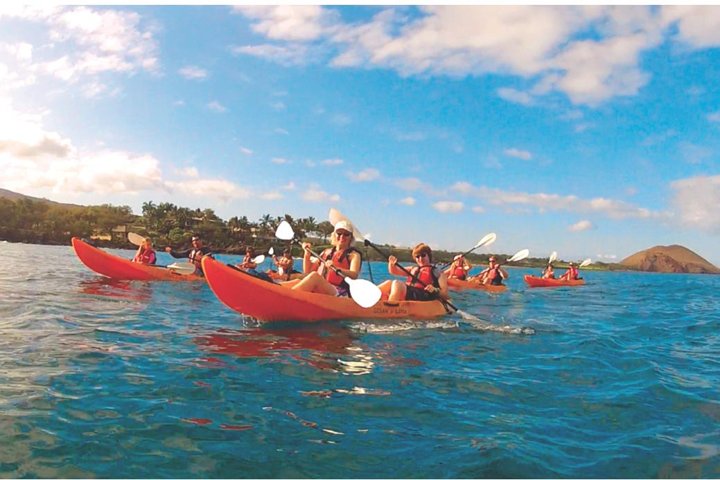
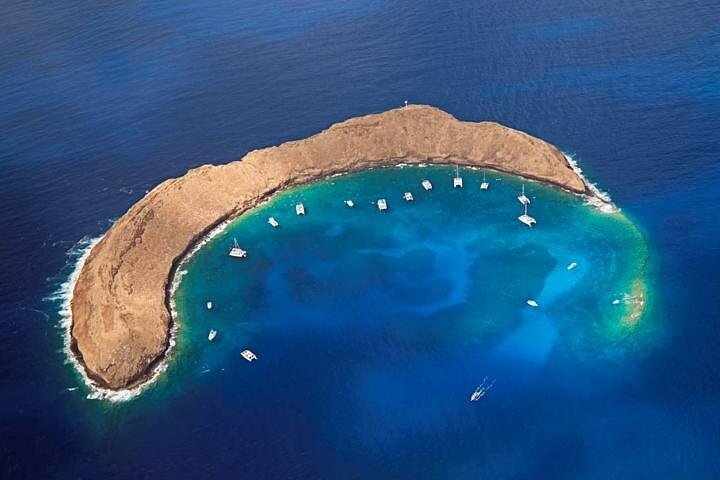
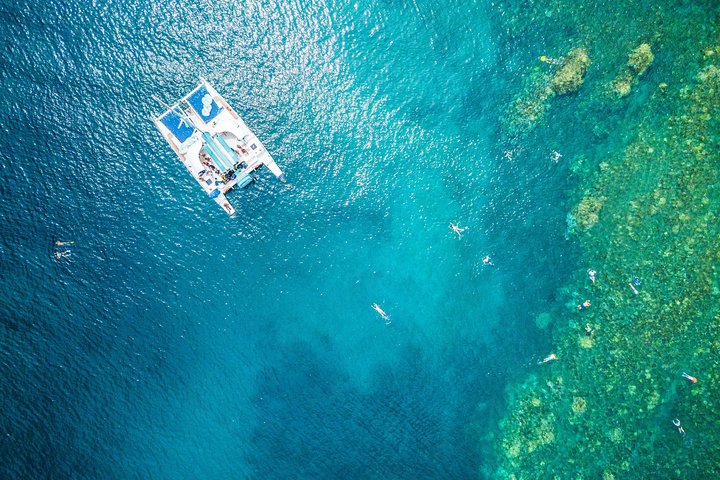
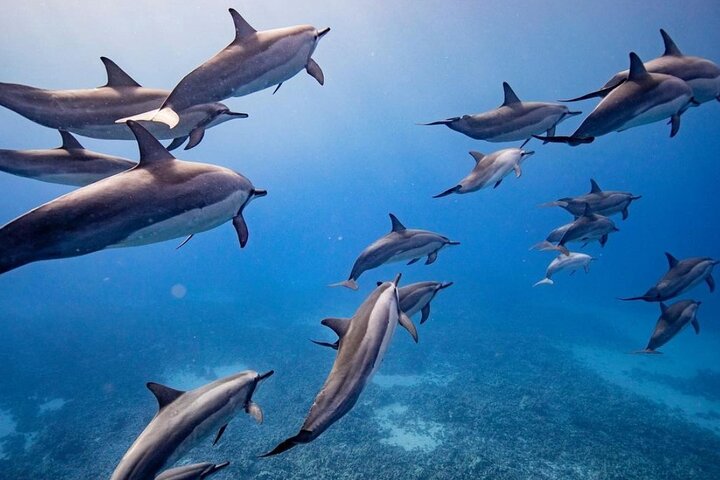
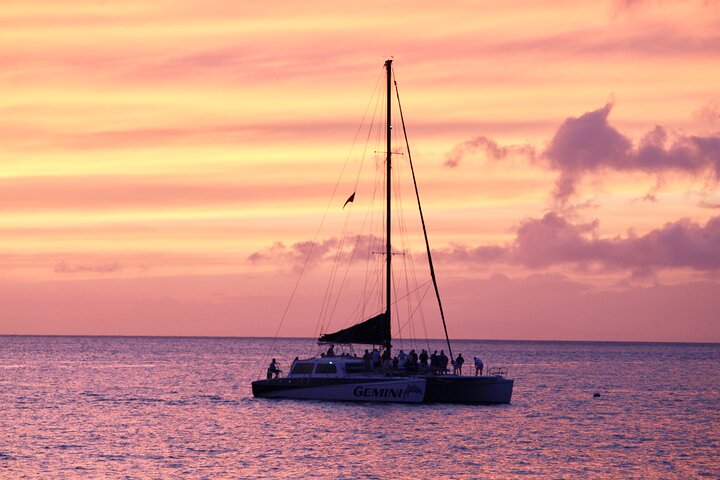
Take One Snorkel Boat
If you love the ocean, we'd put this high on the list.
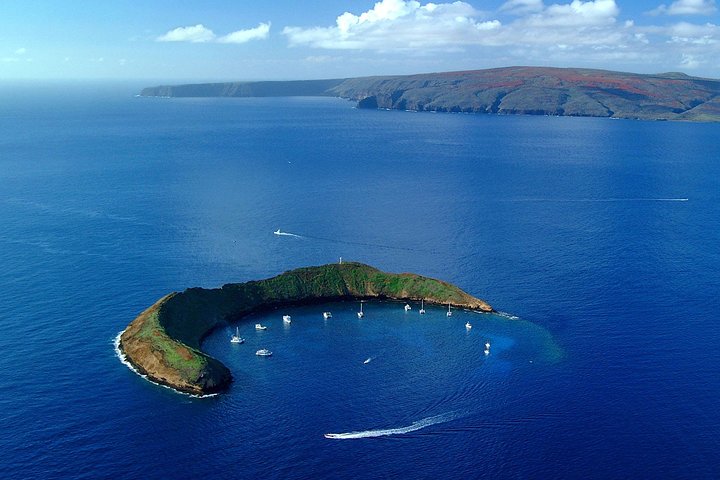
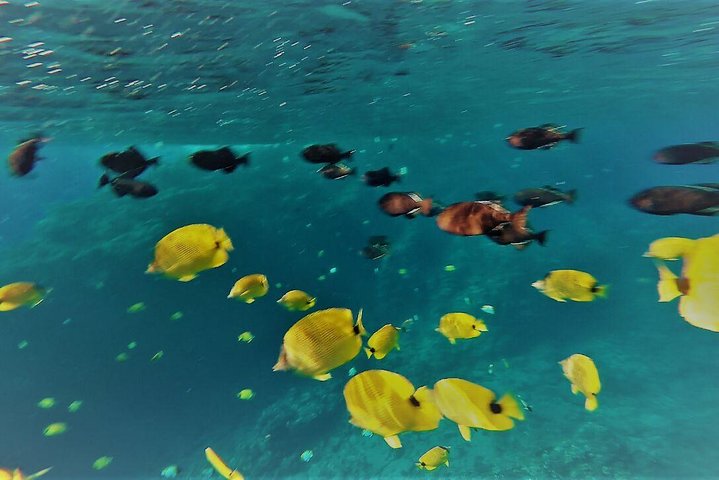
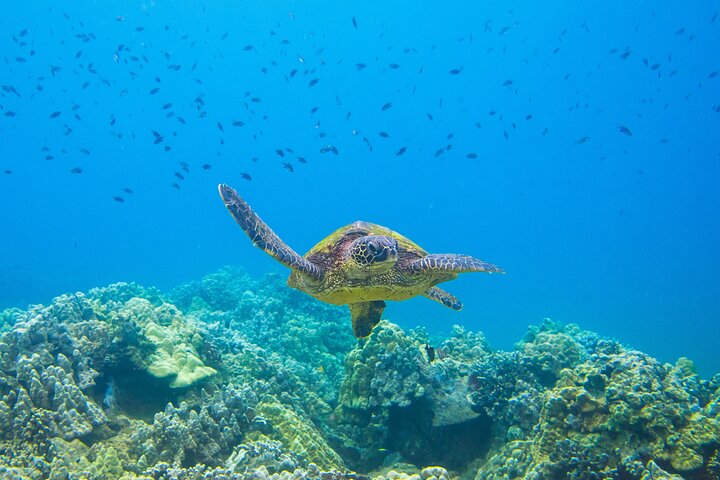
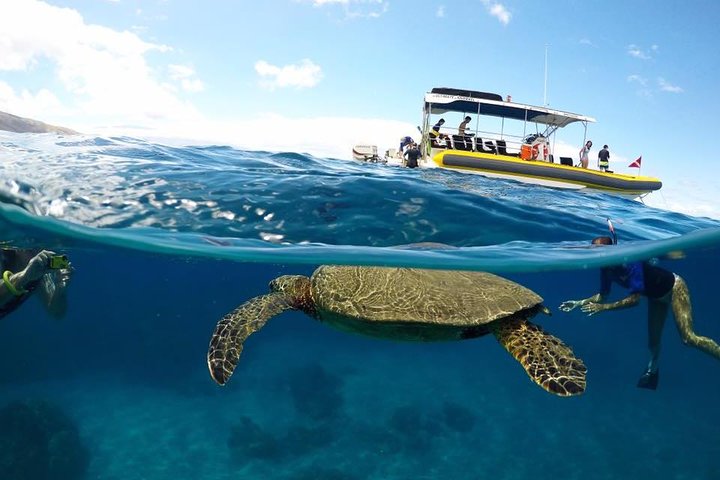
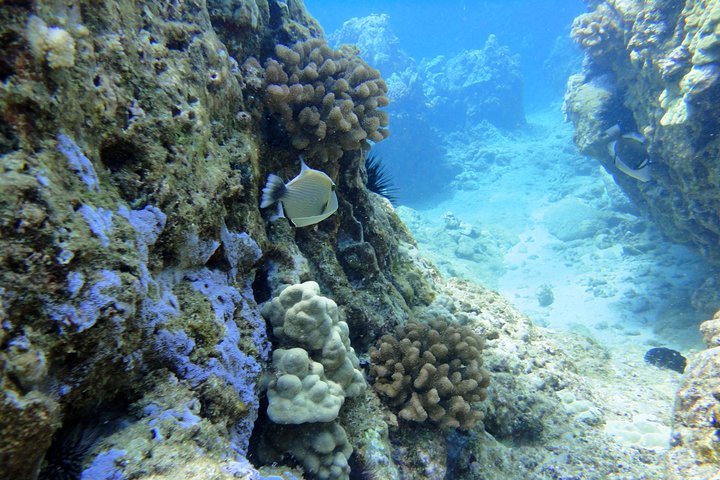
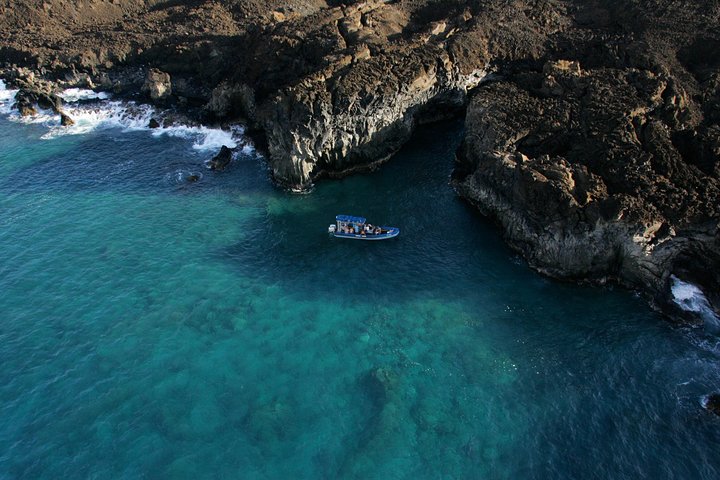
Maui has excellent shore snorkeling, but a boat gives you access to offshore and boat-accessed reefs that are generally more vibrant than what you'll find along many shoreline reefs.
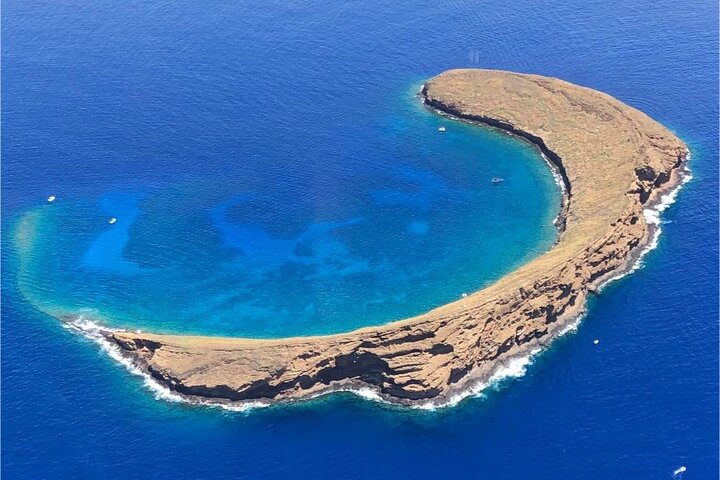
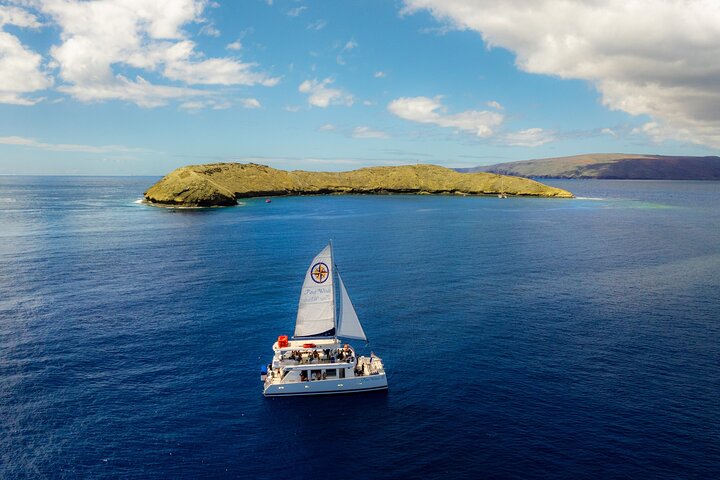
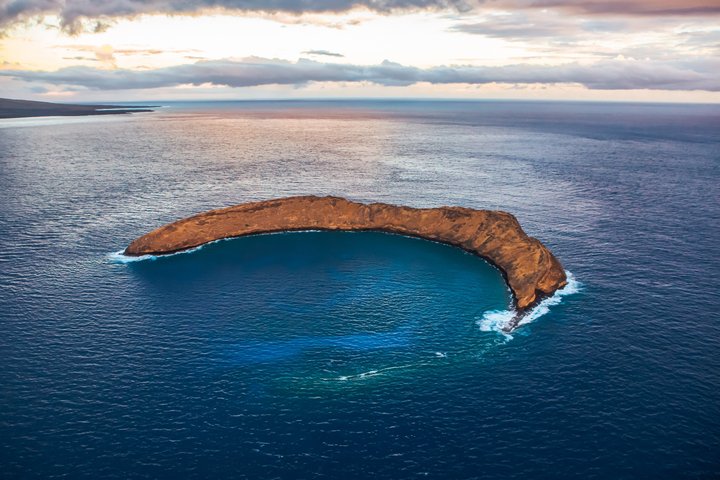
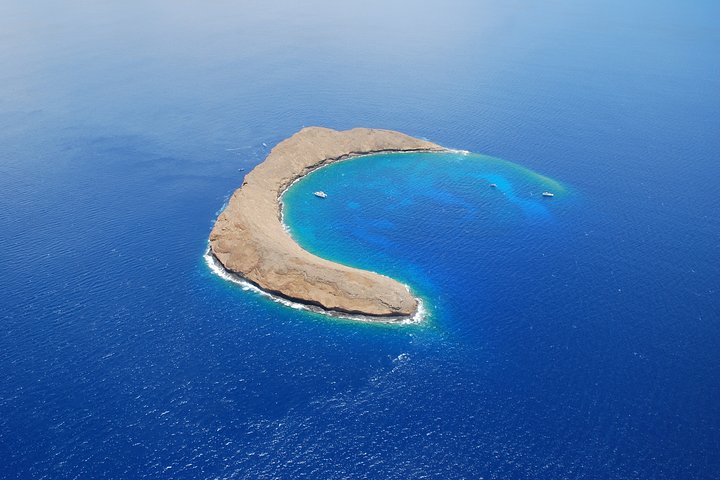
Molokini is the classic. Most trips also include a second snorkel location such as Turtle Town or Coral Gardens, depending on the boat, departure point and conditions.
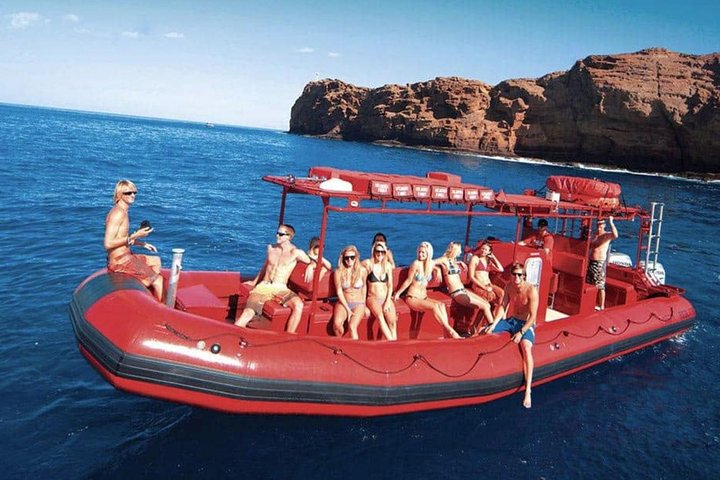
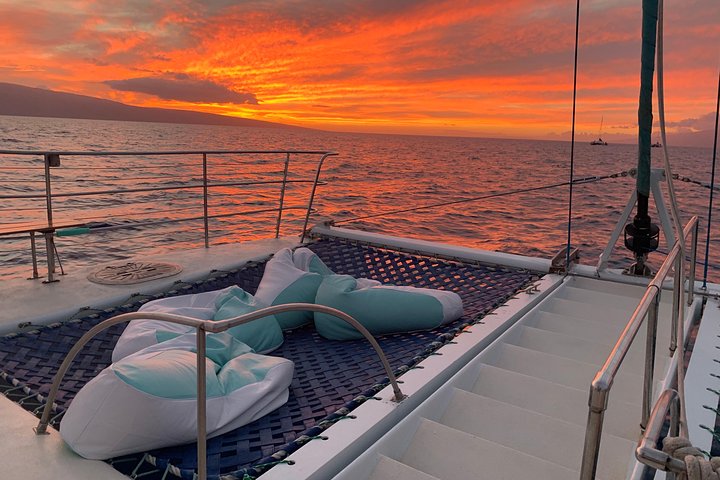
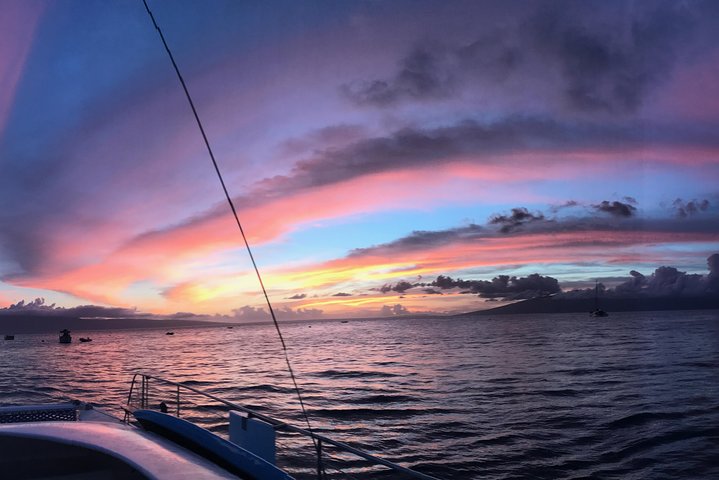
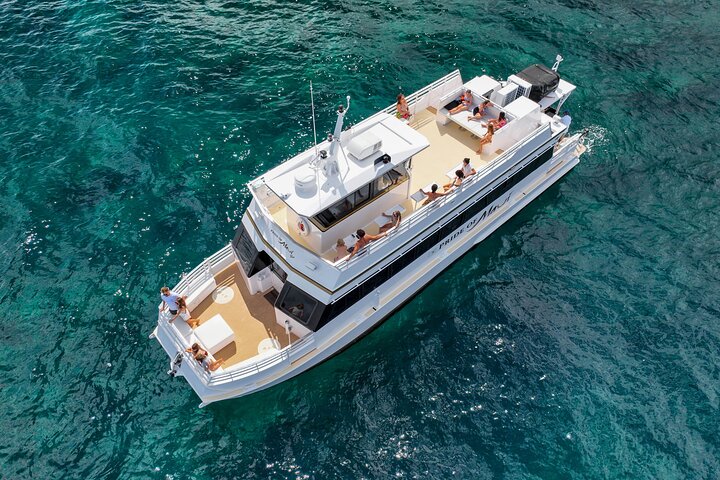
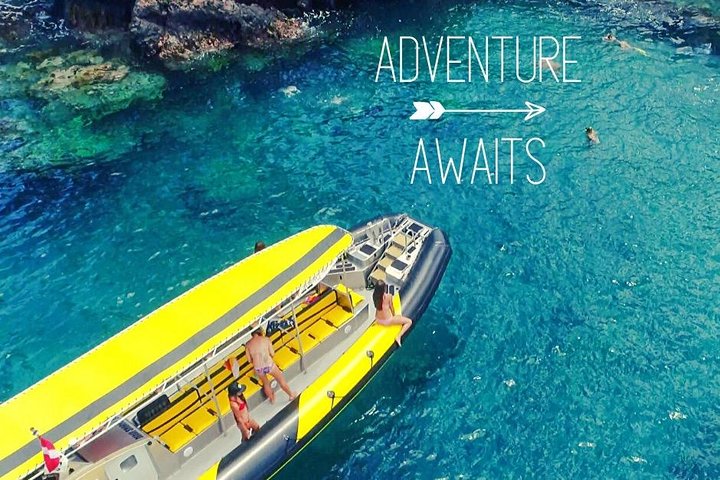
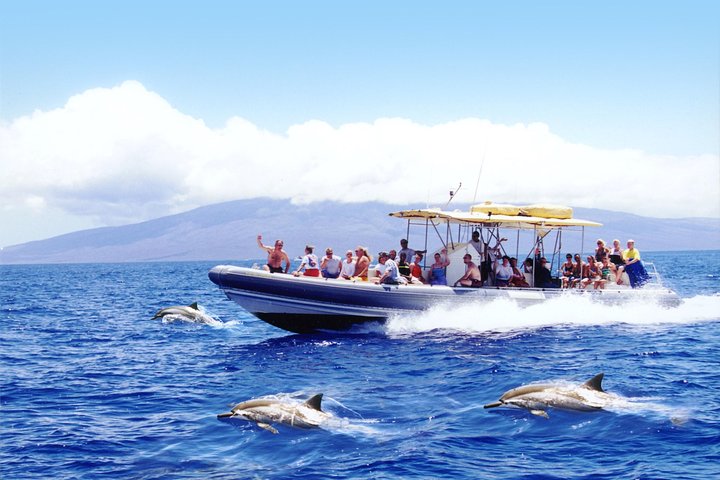
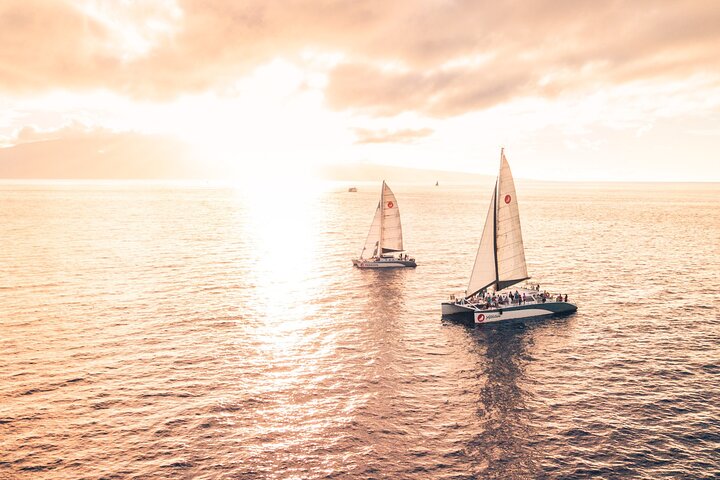
The vessel matters too. Larger boats work well for families, catamarans are our favorite middle ground for most visitors, and smaller rafts offer a faster, more adventurous experience.
During whale season, there's another big advantage: the ride to Molokini and between snorkel sites can also include whale sightings.
Then keep snorkel gear available and explore Maui's shore reefs at your own pace for the rest of the trip.
Our Best Snorkeling on Maui and Ultimate Molokini Snorkeling Guide explain the difference.
Go to a Luau
Especially if it's your first Maui trip.
Luaus are expensive, but we think they're worth doing once.
You get Hawaiian and Polynesian culture, hula, music, storytelling, food and a memorable night together. For families, it's often one of the highlights of the trip — and usually one of the nights everyone actually gets dressed up and takes pictures.
Keep the rest of the day easy:
Beach → Pool → Downtime → Luau
Whale Watching
If you're here during whale season, get on the water.
You may see whales from beaches and resort balconies, and a snorkel boat can give you sightings along the way.
But if whales are one of the main reasons you're visiting, book a dedicated whale watch.
A dedicated trip can spend its time looking for whales rather than continuing on to a snorkeling destination.
Explore North Shore + Upcountry
One of our favorite ways to see a completely different Maui without committing to an enormous day.
Start around Pāʻia and Hoʻokipa, then head uphill toward Makawao and Kula.
You can mix beaches and surf culture with coffee, farms, small towns, lunch and cooler Upcountry scenery.
From South Maui, this works particularly well as a half-day adventure. From West Maui, allow more time.
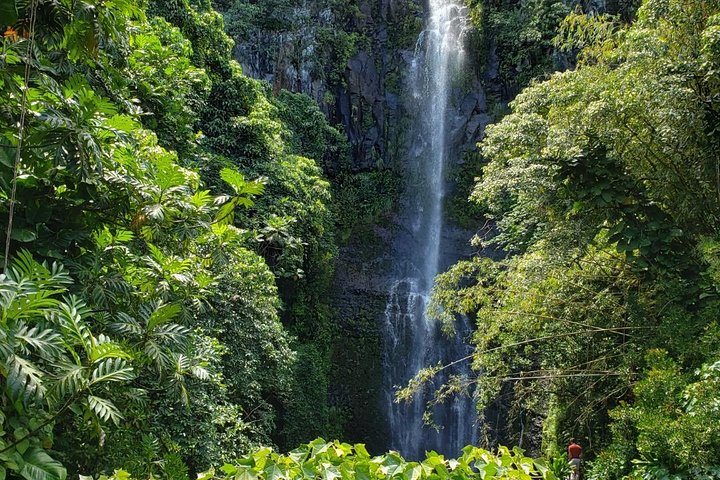
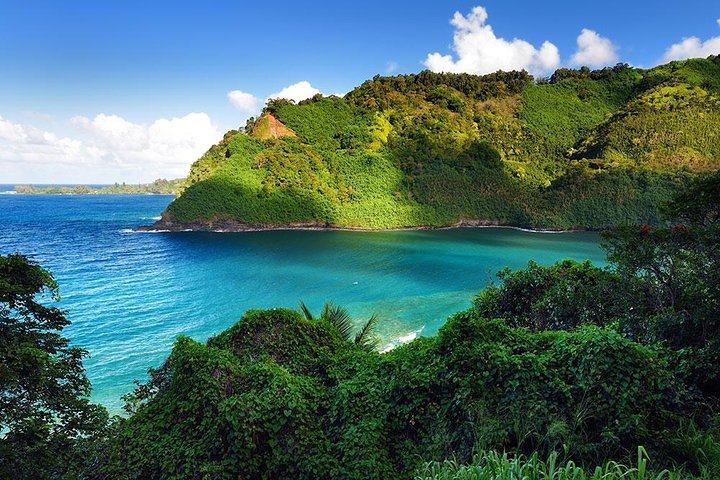
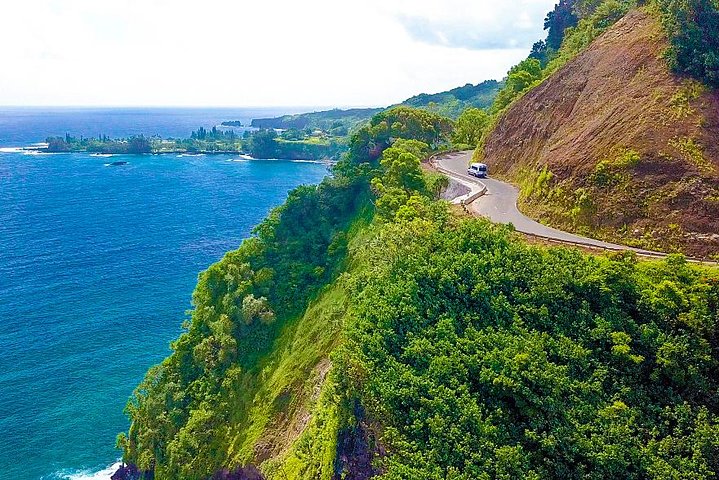
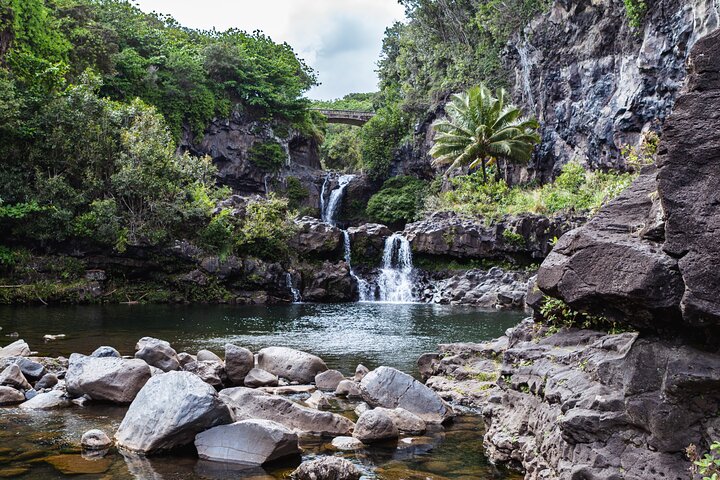
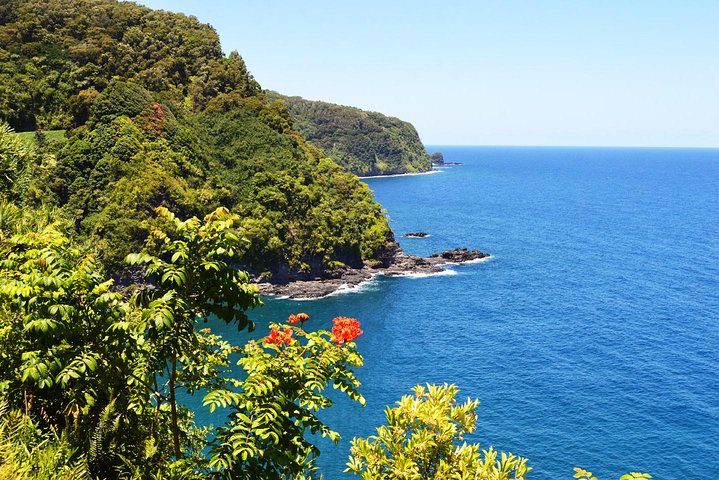
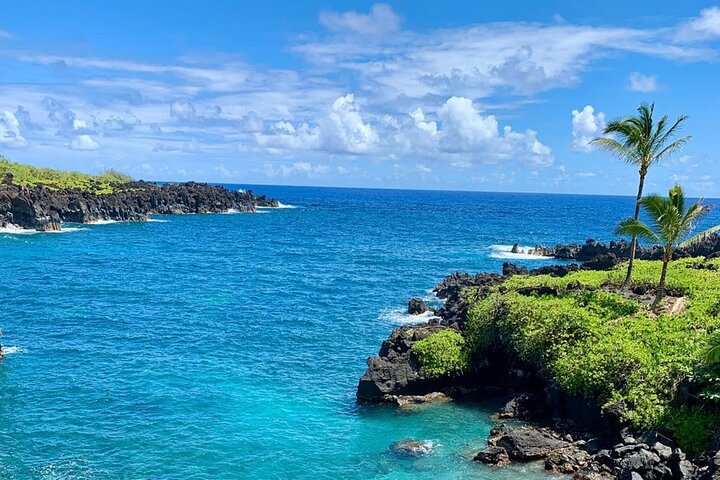
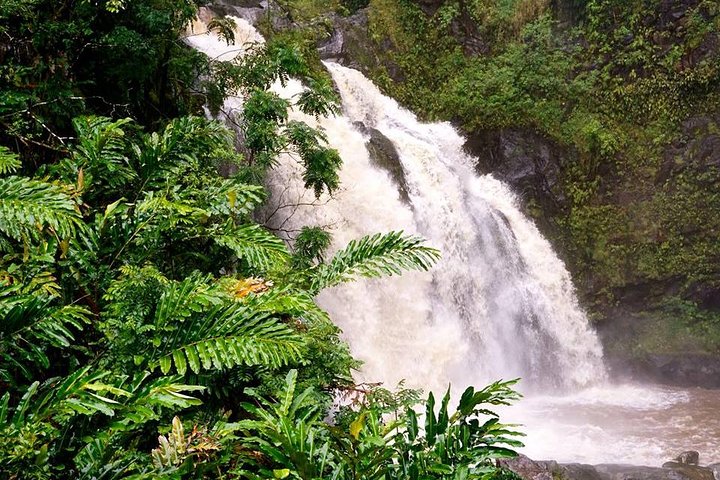
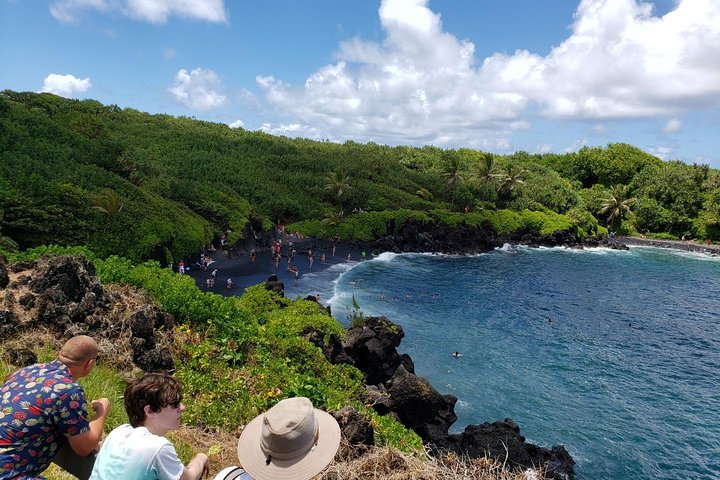
Road to Hāna
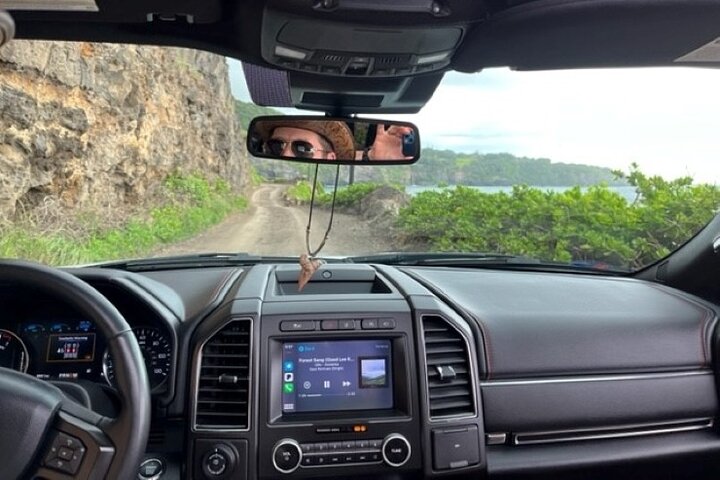
Do it because you want the journey, not because Hāna is a place you need to reach.
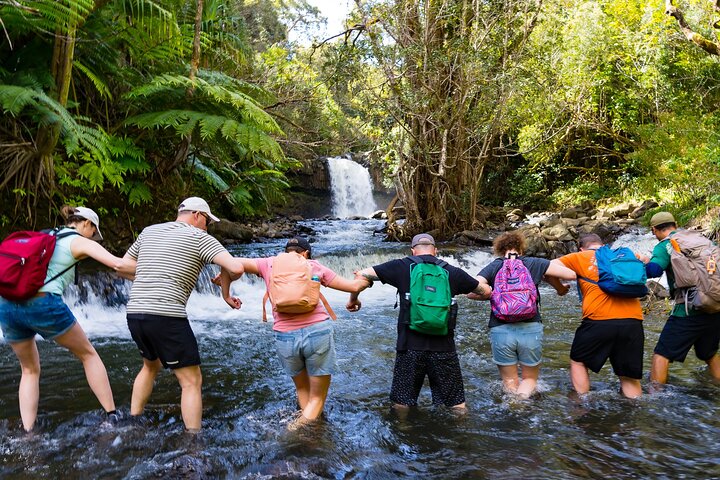
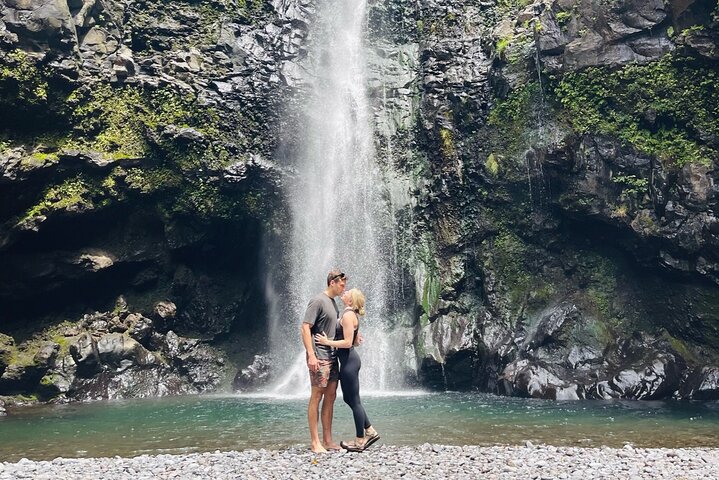
The experience is the rainforest, waterfalls, coastal scenery, roadside food and stops along the way.
Start early and pick four or five good stops rather than trying to collect every pin on a map.
With younger kids or anyone who hates winding roads, think carefully before committing. A North Shore + Upcountry day can give you a great Maui adventure with considerably less time in the car.
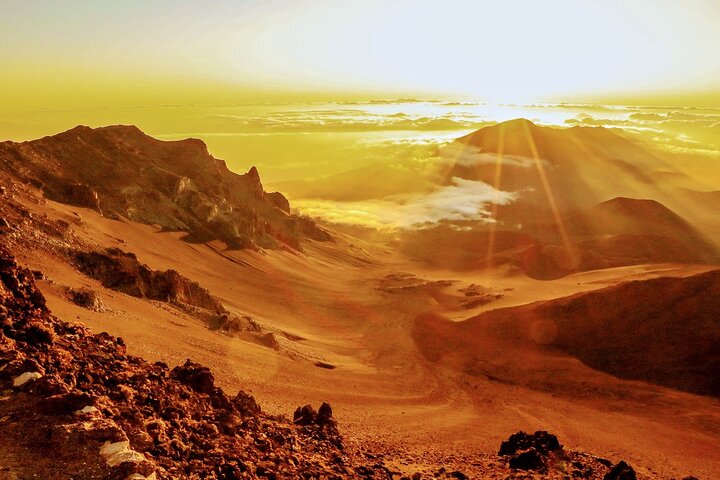
Haleakalā
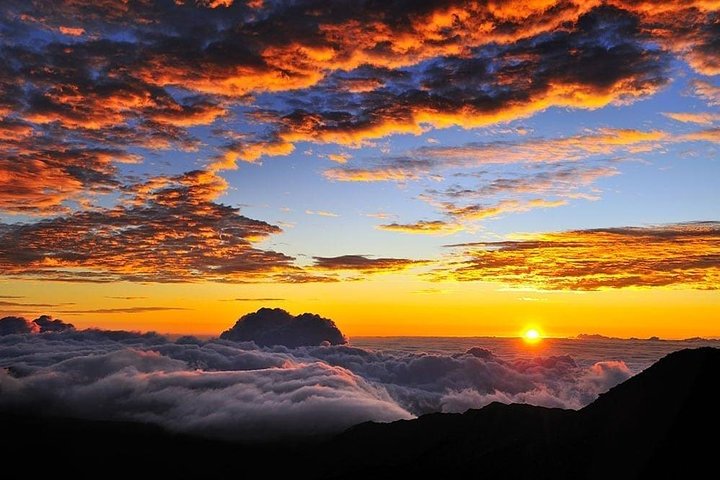
One of Maui's most extraordinary landscapes — but it doesn't have to be sunrise.
Sunrise is iconic but requires an extremely early start.
For many visitors, we prefer sunset. You can explore Upcountry during the day, drive up in daylight and stay for the stars.

Sunrise is famous and needs a reservation. Sunset gets you the same landscape with none of the 3 a.m. cost. Photo: Hawaii Tourism Authority (HTA)
If hiking is the priority, visit during the day.
Whatever time you go, bring real warm layers.
Our Haleakalā Guide breaks down sunrise, sunset and hiking.
How We'd Plan Seven Days
Don't assign an attraction to every day. Give the trip a rhythm.
A good first week might look something like:
Day 1 — Arrive + easy beach
Day 2 — Beach + shore snorkeling
Day 3 — Snorkel boat or whale watch
Day 4 — Open day
Day 5 — North Shore + Upcountry
Day 6 — Road to Hāna or Haleakalā
Day 7 — Beach + pool + favorite dinner
Swap in a luau one evening and adjust everything for your family, weather and interests.
The important part isn't the exact order.
It's that the trip has room to breathe.
Do You Need a Rental Car?
Most visitors will appreciate having one.
You can absolutely do Maui without a car if you're staying around a Wailea or Kāʻanapali resort. Resort shuttles, activity pickups, private transportation and Uber/Lyft can cover a lot.
But if you want to explore beaches, Upcountry, North Shore, Haleakalā or Hāna on your own schedule, the freedom of a rental car is worth it.
Our Do You Need a Rental Car on Maui? and Getting Around Maui guides cover the details.
What Should You Book Ahead?
Book the things that can actually sell out or control the rest of the day.
That generally means:
Snorkel boats and whale watches
Luaus
Haleakalā sunrise
Waiʻānapanapa reservations
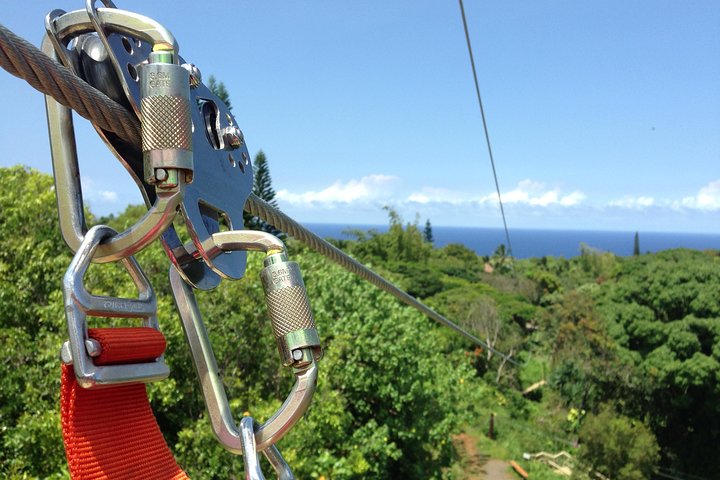
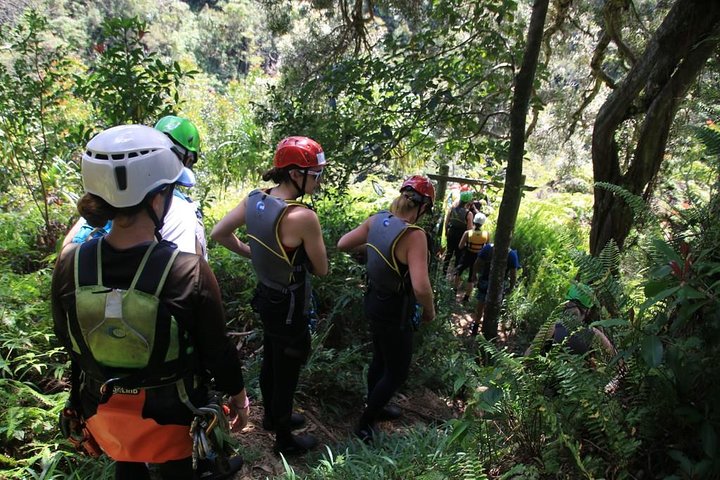
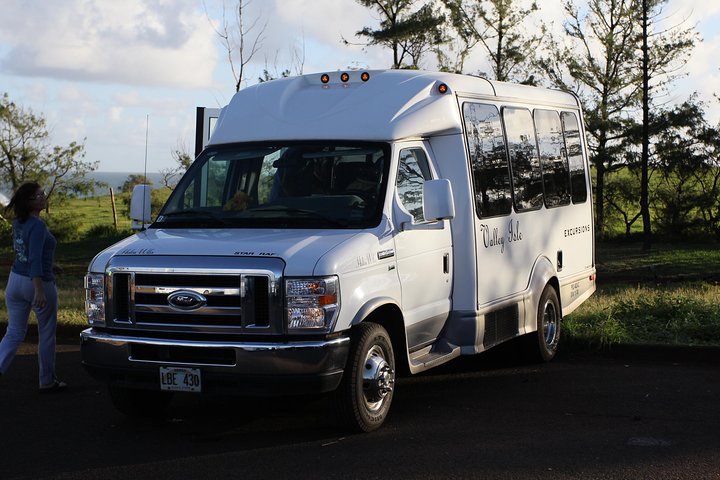
Guided Road to Hāna tours
Surf lessons or other must-do activities
A few restaurants you really care about
You do not need to reserve every hour of the vacation.
Beaches, coastal walks, casual restaurants, shore snorkeling and afternoons at the pool are where the flexibility pays off.
Plan by Region
Don't bounce across Maui every day.
Group things geographically.
- South Maui: Kīhei → Wailea → Mākena
- West Maui: Kāʻanapali → Nāpili → Kapalua
- North Shore + Upcountry: Pāʻia → Hoʻokipa → Makawao → Kula
- East Maui: Road to Hāna → Kīpahulu
If you're staying in South Maui, don't drive to Kapalua for breakfast and then back to Wailea for the afternoon.
Maui isn't enormous, but driving back and forth can quietly consume the vacation.
Practical Tips
Do ocean activities early. Mornings generally give you the best chance at calmer water.
Leave one day open. Weather changes, kids get tired and sometimes you'll simply want another beach day.
Let locals pass on the Road to Hāna. People live and work along the highway.
Don't chase bad weather. Maui has dramatic microclimates; another coast may be sunny.
Respect the ocean. Conditions matter more than your itinerary.
Don't overpack. Maui is casual, and most forgotten items can easily be bought or rented.
Don't schedule an ambitious dinner after Hāna or a long Haleakalā day. You may not want it by the time you get back.
One Last Tip
Don't judge your Maui vacation by how much of the island you covered.
If you planned to explore Upcountry but everyone wants another morning at the beach, go to the beach.
If the water is perfect, snorkel.
If the kids want the pool, let them have the pool.
And if you find a beach you love, go back tomorrow.
The best Maui itinerary isn't the one that sees the most. It's the one that gives you enough time to enjoy where you are.














Frequently Asked Questions
How many days do you need on Maui?
Five days is workable; seven gives a first-time visitor much better balance. With ten days, you can slow down and repeat favorite beaches instead of constantly moving.
South Maui or West Maui?
Choose South Maui for a sunnier, drier feel, Kīhei value and Wailea luxury. Choose West Maui for Kāʻanapali resort energy, Nāpili's smaller scale and Kapalua's greener, quieter setting.
Do I need a rental car?
For most visitors, yes, you need a rental car. You can reduce driving by staying somewhere walkable, but Haleakalā, Upcountry and the Road to Hāna are much easier with a car or guided tour.
What should I book first?
Lodging, rental car, Haleakalā sunrise (60 days ahead, with a second batch two days ahead) and Waiʻānapanapa (30 days ahead), and the one or two activities you would be disappointed to miss.