Ultimate West Maui Snorkeling Guide

At a Glance
Most popular on Maui
 Central Maui
Maui Snorkeling Adventure to Molokini and Turtle Town
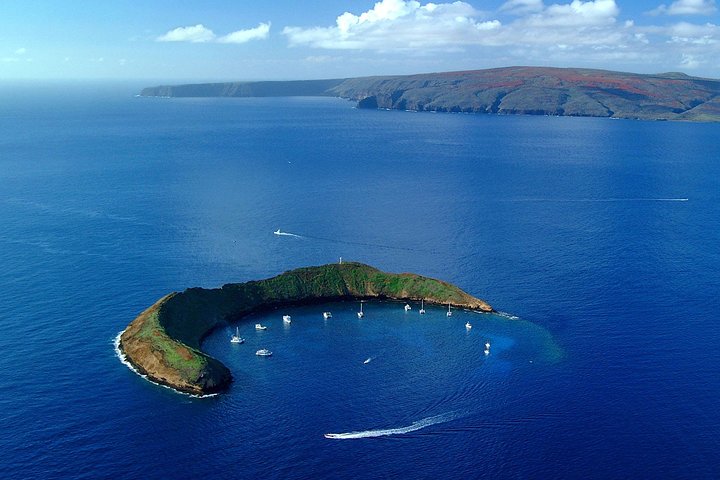
Visit Maui's famous snorkeling and diving destinations Molokini Crater and Turtle Town on a snorkeling catamaran, with visibility of 100 feet or more.
 South Maui
Feast at Mokapu Luau in Wailea
Discover Hawai'i's most authentic luxury luau at Andaz Maui at Wailea Resort — a curated cultural evening with a three-course plated dinner on Mokapu beach.
 South Maui
Gilligans' Island Luau in Kihei
An intimate luau experience and the only luau in Kihei — less than a quarter the size of the average Maui luau, so every seat has a great view of the show.
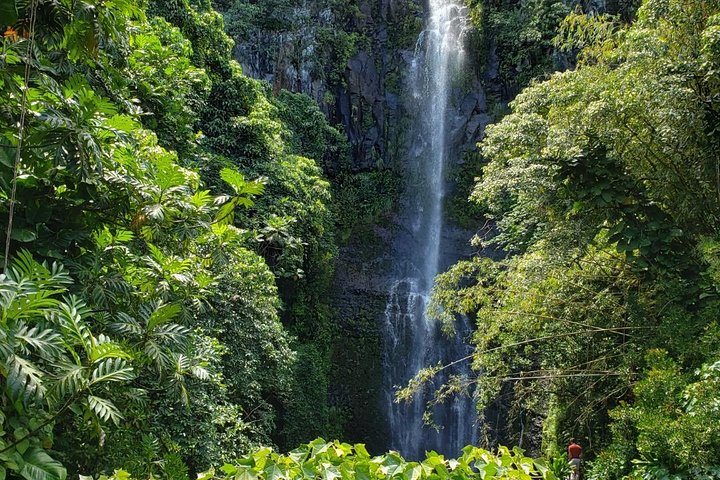 Road to Hāna
Small-Group Road to Hana Adventure Tour with Pickup & Lunch
Watch the waterfalls, black-sand beaches and rainforest go by without anyone in your group behind the wheel.
 Upcountry
Majestic Haleakalā Sunrise Tour with Pick-up
Ride to the summit for sunrise above the clouds, then unwind over a hot breakfast on the way back down.
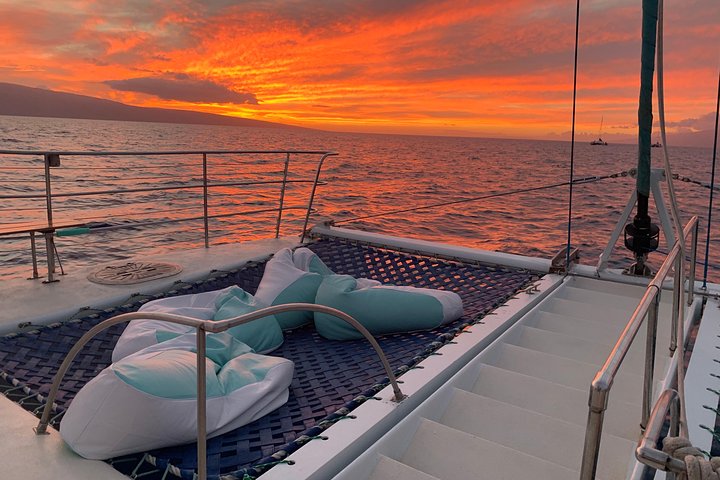 West Maui
Original Sunset Cruise with Open Bar from Kaʻanapali
Sip an unlimited open bar while the sun drops behind Lānaʻi, with pupus and live music twice a week.
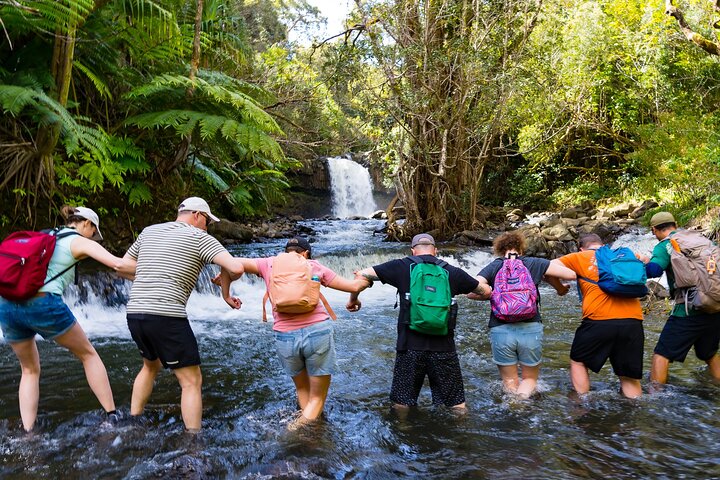 Central Maui
Small Group Waterfall and Rainforest Hiking Adventure
A guided rainforest hike to East Maui waterfalls, with time to swim beneath the falls and a trail lunch included.
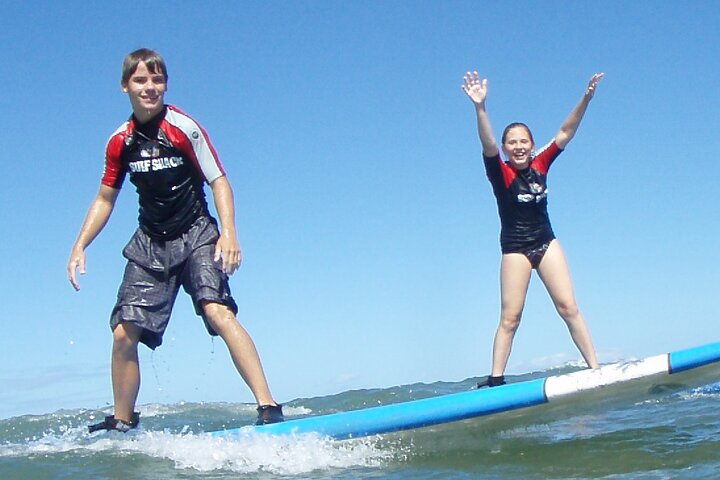 South Maui
Two Hour Beginner Group Surf Lesson in Kihei
A two-hour beginner lesson in calm South Maui water — board, gear and instruction all included.
 Upcountry
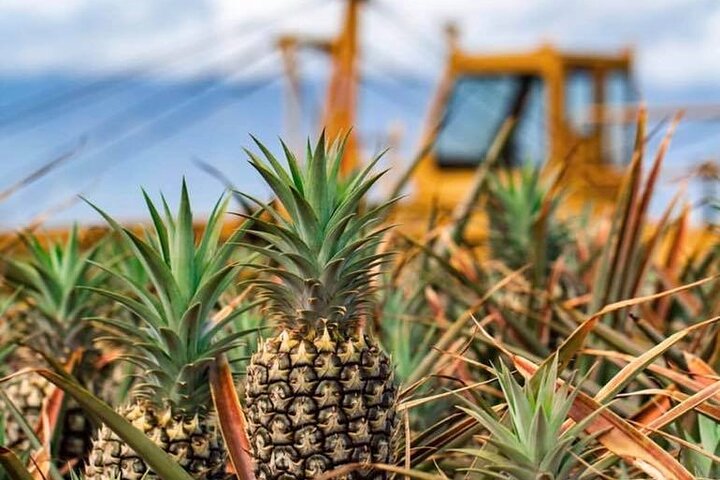
Maui Pineapple Farm Tour in Haliimaile
Tour a working pineapple farm and packing house upcountry, with tastings and a fresh pineapple to take home.
Start Here: Kahekili
If you only snorkel once in West Maui, do it here, early, on a calm morning.
- Best all-around — Kahekili Beach Park (Airport Beach). Reef straight off the sand, a park behind it, and forgiving entry.
Where: just north of Kāʻanapali, off Honoapiʻilani Highway.
The reef at Kahekili starts close to shore, which is the whole argument for it. You are over live coral and fish within a minute of getting in, you do not need to be a strong swimmer, and there is a park behind you rather than a hotel frontage. Dive operators use it as a training site, which tells you how accessible and reliable the reef is.
Snorkel early. On this coast the water is clearest and flattest before the trades fill in, and that is worth more than any choice between sites.
Kahekili Beach Park (Airport Beach)
Our practical all-around pick for West Maui.
Swim out gently and work parallel to shore rather than straight offshore — the best coral is not far out, and staying shallow keeps you clear of boat traffic. Turtles are common along this stretch.
There is no lifeguard here, and current parking, restroom and shower details are not published by the managing agency in a form we can verify. Plan on arriving early rather than on finding a space.
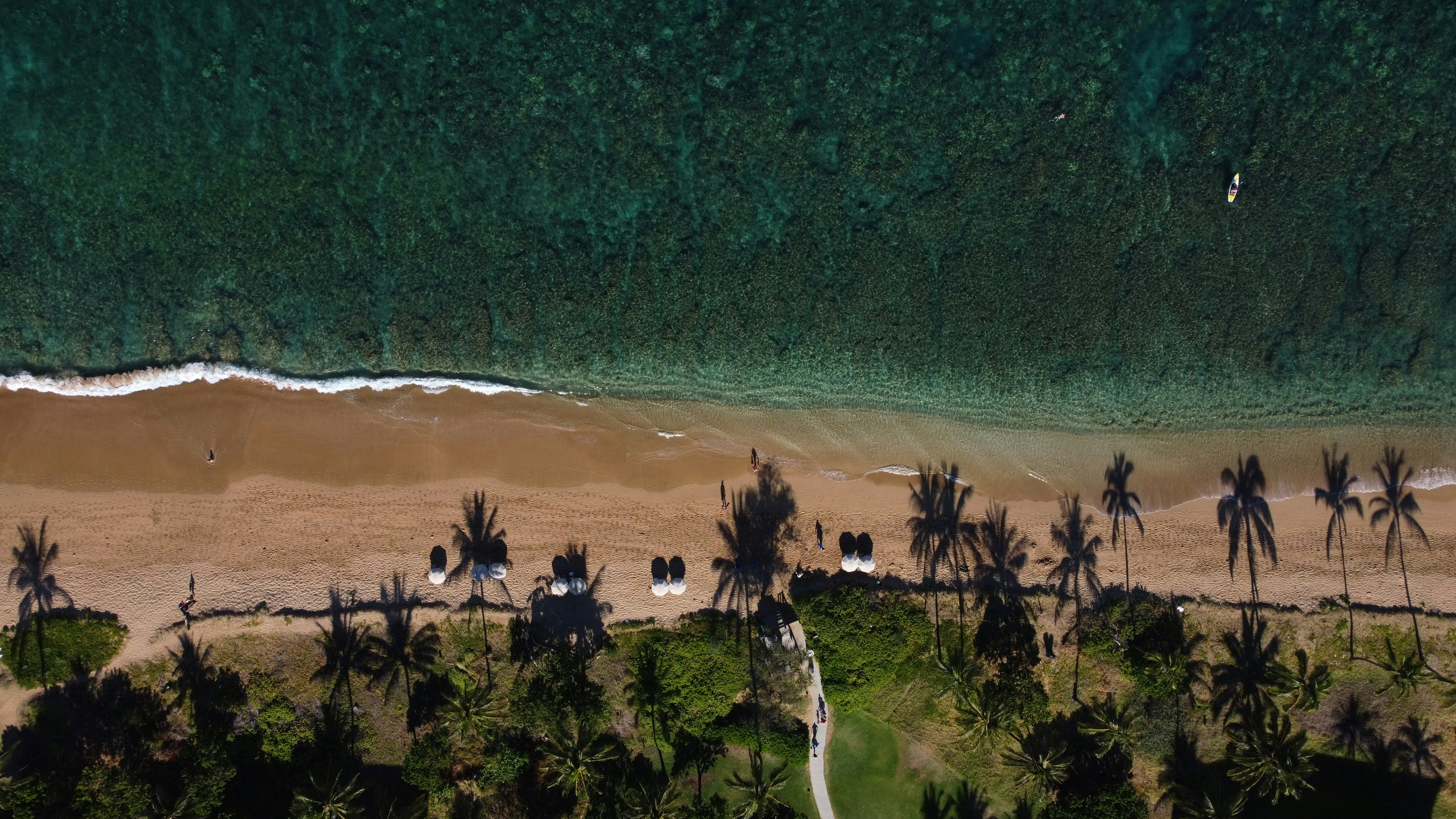
Kahekili (Airport Beach), West Maui. Photo: Josh Williams / Unsplash
Kapalua Bay: Where Beginners Should Go
The most forgiving snorkel entry in West Maui, and the one we send nervous first-timers to.
- Best for beginners — Kapalua Bay. Protected shape, reef along both sides, sandy walk-in.
Where: at the north end of the resort coast, below the hotels.
The bay protects itself. Rocky points at each end knock down the swell, the reef runs along both sides, and the middle is sand you can walk in from. Start close to shore and follow the rocks — most people find their best fish within thirty metres of the beach and never need to swim to the mouth of the bay.
Kapalua Bay
Build confidence here before you try anywhere else on this coast.
Go left or right along the reef edge and stay in water you are comfortable standing up in at the start. If you are teaching someone to snorkel on Maui, this is the bay to do it in.
Parking is the constraint, not the water — the public lot is small and fills early. Published stall counts exist for this bay but come from a 2005 state environmental document, so we will not repeat them as current. There is no lifeguard.

Kapalua Bay from the Coastal Trail lookout, West Maui. Photo: MauiBookIt
Black Rock: Convenient, Busy, Worth It
The snorkel you can walk to from a Kāʻanapali hotel, and the trade-off is company.
- Best from a Kāʻanapali base — Puʻu Kekaʻa (Black Rock). Reef wrapping a lava promontory, straight off the beach.
Where: the north end of Kāʻanapali Beach.
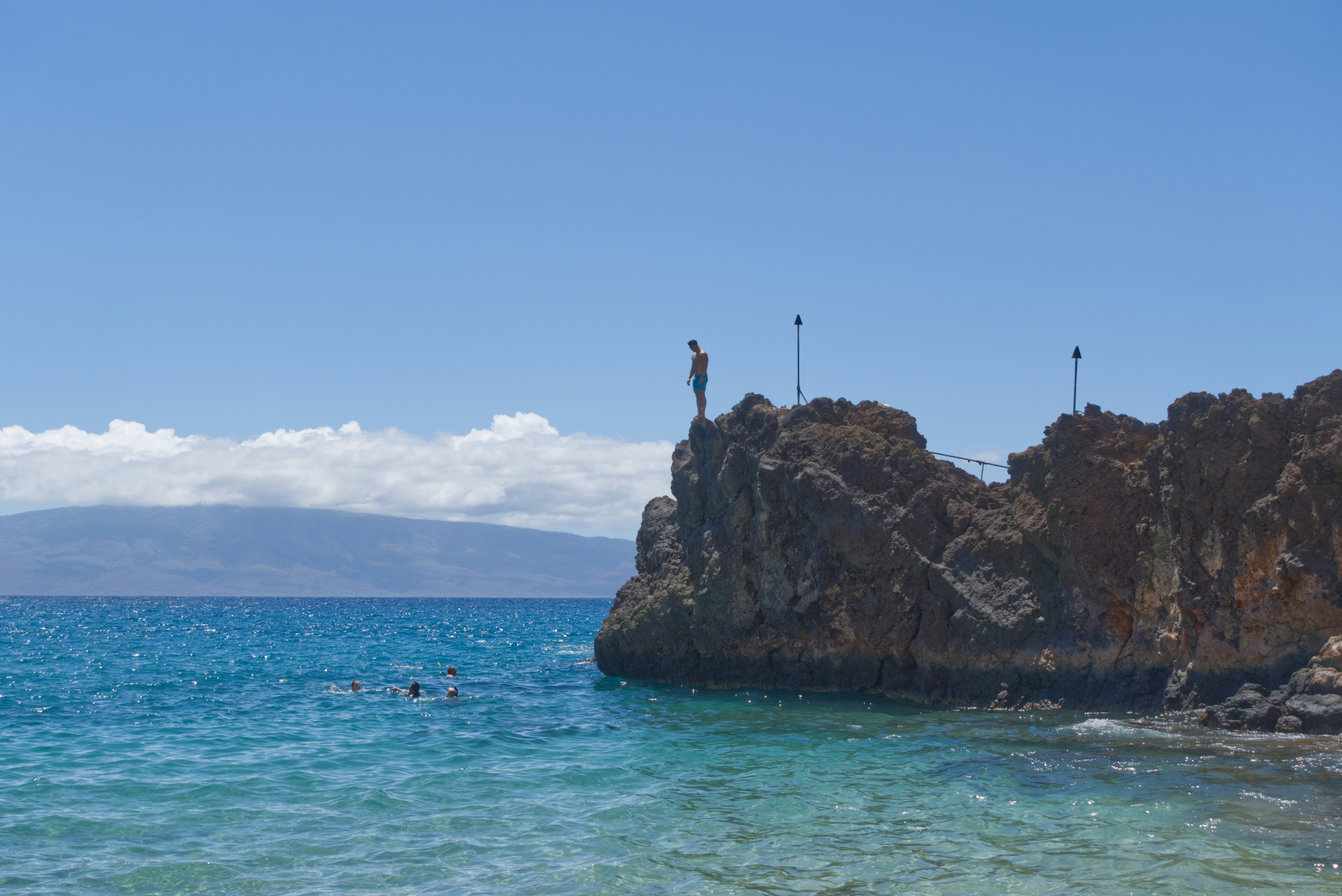
The reef around the promontory holds a lot of life for how easy it is to reach, which is exactly why it gets crowded. Go at opening time and you get the same reef with a fraction of the people.
Puʻu Kekaʻa (Black Rock)
Full of fish, and it asks for a bit of judgment.
Current can run around the point when there is any swell, and the rock is also a cliff-jumping spot, so keep clear of the base and of anything moving. Work the sheltered side and turn back before you are tired.
There is no lifeguard on this stretch of Kāʻanapali. Hawaiʻi Ocean Safety’s advice applies with force here: choose a lifeguarded beach where you can, never swim alone, obey posted signs, and ask a lifeguard about conditions before getting in.
Nāpili Bay: The Easy Afternoon
Not the best reef on the coast, but the easiest one to enjoy without planning anything.
- Best low-effort snorkel — Nāpili Bay. Reef along both edges of a small, sheltered crescent.
Where: between Kahana and Kapalua, off the highway.
Nāpili is a good second stop rather than a destination. The reef runs along the edges of the bay, turtles come through regularly, and you can be in the water two minutes after parking. It is also where people end up when the north end is too rough.
Nāpili Bay
Snorkel the edges, not the middle.
The centre of the bay is sand. Follow the rocks on either side and stay out of the shorebreak at the sand, which can be abrupt when a swell is running.
There is no lifeguard at Nāpili — it does not appear on Hawaiʻi Ocean Safety’s list of lifeguarded beaches.
Honolua Bay: Exceptional, and Seasonal
The best reef in West Maui in summer, and the wrong place entirely in winter.
- Best reef when calm — Honolua Bay. A marine conservation district, for confident swimmers only.
Where: past Kapalua at the north end of the highway.
Honolua–Mokulēʻia Bay is a Marine Life Conservation District. Taking or injuring marine life is prohibited, and so is altering or taking coral, sand or any geological feature. Hawaiʻi’s Division of Aquatic Resources states there are no facilities at the bay and advises avoiding the water in winter, when high surf is common.
Honolua Bay
Check the north swell before you drive up here.
The walk in is through trees and the entry is over rock, so it is not a casual family snorkel. When the bay is flat, the right-hand reef is the best shore snorkeling on this side of the island. When a north swell is running, it becomes a surf break and snorkelers should stay out — not as a matter of preference but of safety.
No restrooms, no showers, no lifeguard. Bring water and take everything out with you.
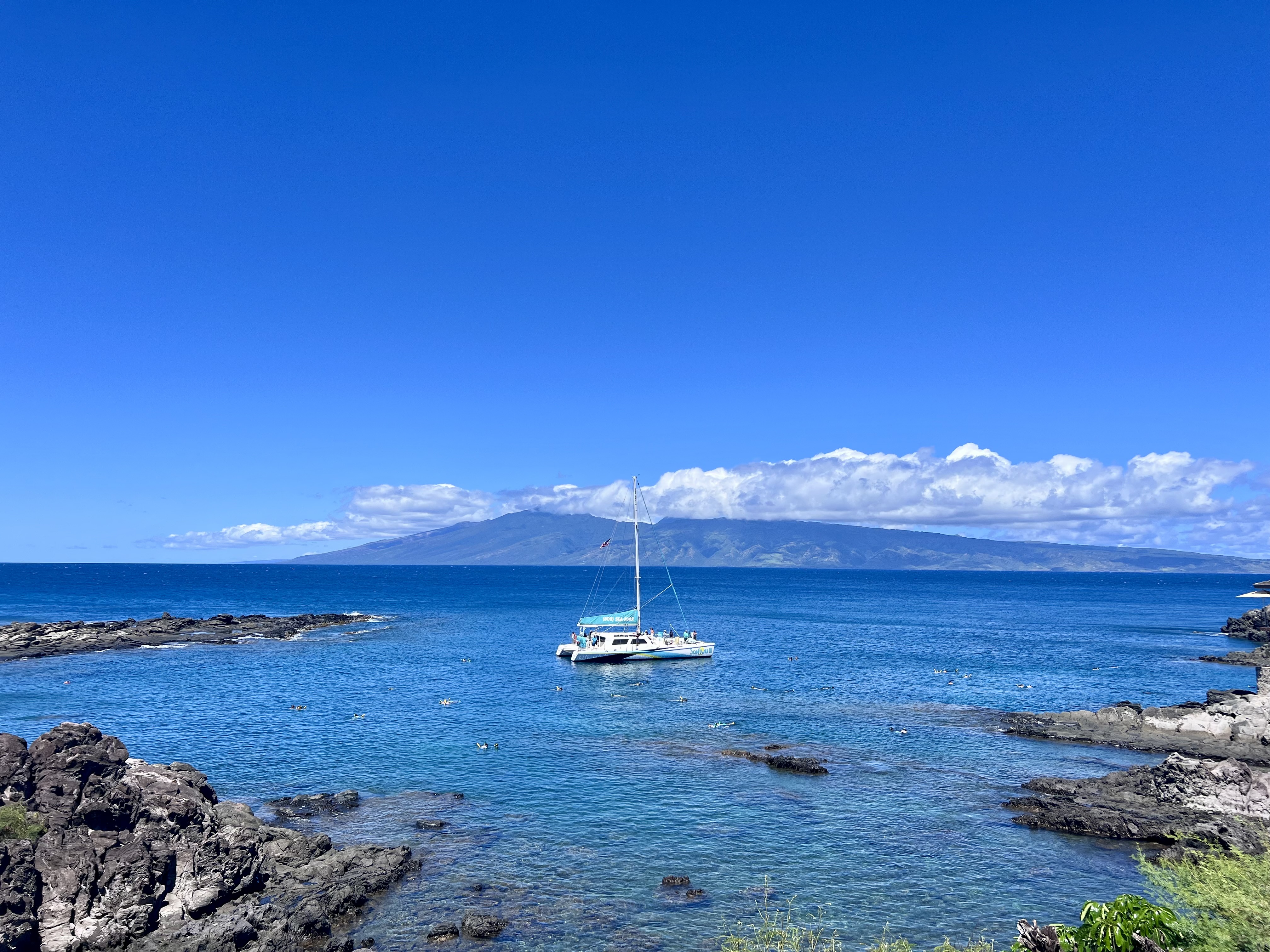
Snorkel catamaran off Kapalua, West Maui. Photo: MauiBookIt
Snorkeling West Maui Well
Four habits matter more than which beach you pick.
Go early. Calm water, clear water and a parking space are all the same decision.
Never snorkel alone. Hawaiʻi Ocean Safety asks visitors to swim with a buddy, use lifeguarded beaches, obey posted warning signs and ask about conditions before entering — and on this coast only Hanakaʻōʻō and D.T. Fleming have lifeguards.
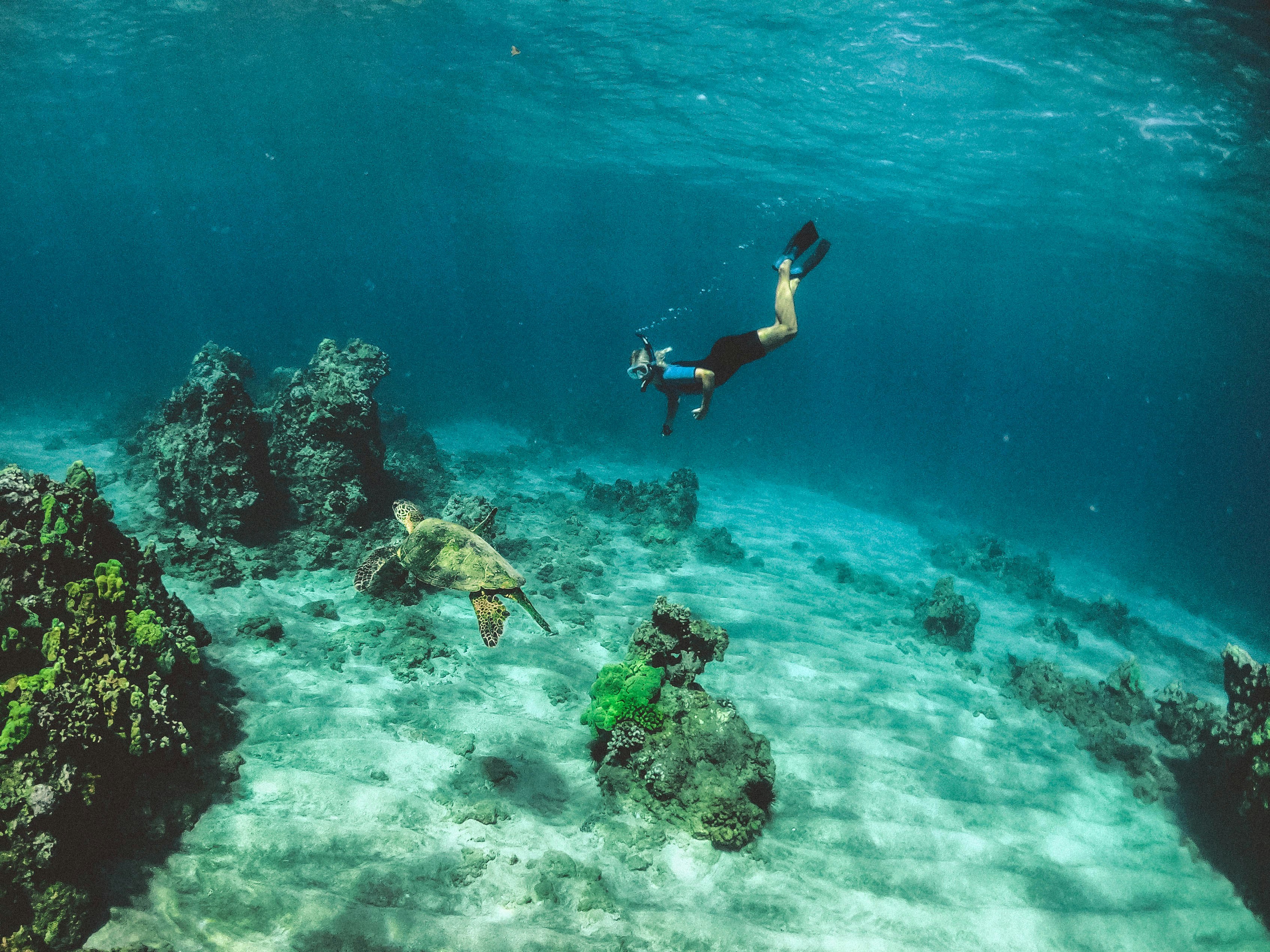
Give turtles room. NOAA asks people in Hawaiʻi to stay at least 10 feet — about 3 metres — from sea turtles on land and in the water, and never to touch, chase or feed them. If a turtle swims toward you, hold still and let it pass.
Do not stand on coral. It is alive, it is slow-growing, and at Honolua taking or breaking it is against the law as well.
Frequently Asked Questions
Where should beginners snorkel in West Maui?
Kapalua Bay when it is calm. The bay is protected at both ends, the entry is sand, and the reef starts close enough that you never have to swim far out of your depth.
Where is the best reef?
Honolua Bay in calm summer conditions, by some margin — but it suits confident swimmers and is a rocky entry with no facilities. Kahekili is the easier, more practical answer on most days.
What changes in winter?
North swell. Exposed north-facing sites, Honolua above all, can go from outstanding snorkeling to a surf break within a day, and Hawaiʻi’s own Division of Aquatic Resources advises staying out of the water there in winter high surf.
How close can I get to a turtle?
No closer than about 10 feet, or 3 metres. That is NOAA’s guidance for Hawaiʻi, on land and in the water, and it applies whether or not anyone is watching.