Best Beaches on Maui for Kids

At a Glance
Most popular on Maui
 Central Maui
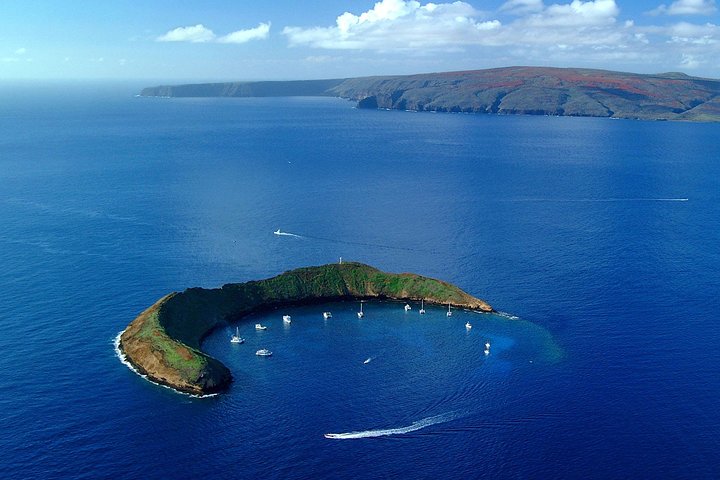
Maui Snorkeling Adventure to Molokini and Turtle Town
Visit Maui's famous snorkeling and diving destinations Molokini Crater and Turtle Town on a snorkeling catamaran, with visibility of 100 feet or more.
 South Maui
Feast at Mokapu Luau in Wailea
Discover Hawai'i's most authentic luxury luau at Andaz Maui at Wailea Resort — a curated cultural evening with a three-course plated dinner on Mokapu beach.
 South Maui
Gilligans' Island Luau in Kihei
An intimate luau experience and the only luau in Kihei — less than a quarter the size of the average Maui luau, so every seat has a great view of the show.
 Road to Hāna
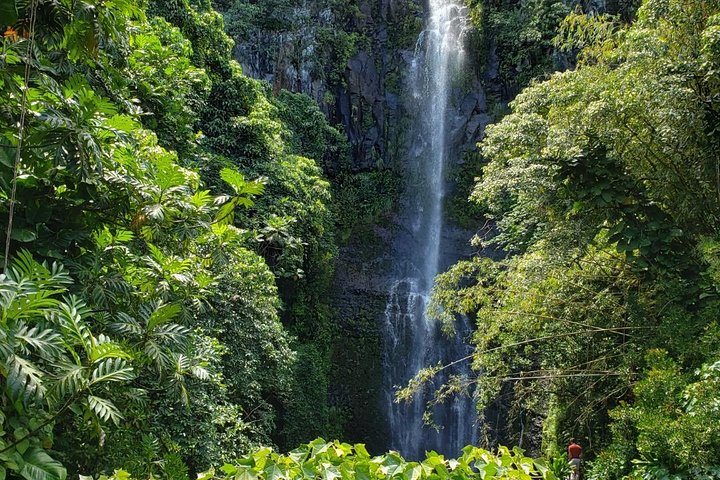
Small-Group Road to Hana Adventure Tour with Pickup & Lunch
Watch the waterfalls, black-sand beaches and rainforest go by without anyone in your group behind the wheel.
 Upcountry
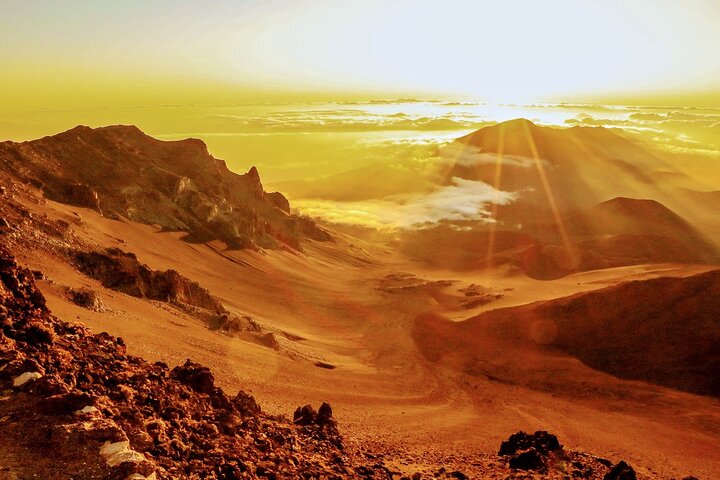
Majestic Haleakalā Sunrise Tour with Pick-up
Ride to the summit for sunrise above the clouds, then unwind over a hot breakfast on the way back down.
 West Maui
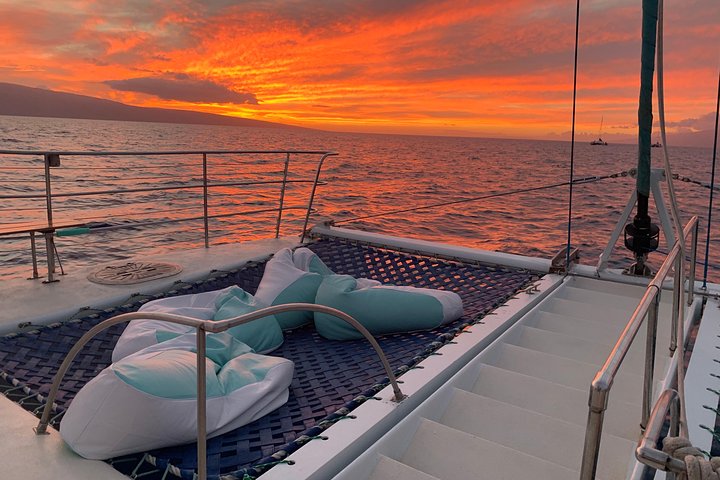
Original Sunset Cruise with Open Bar from Kaʻanapali
Sip an unlimited open bar while the sun drops behind Lānaʻi, with pupus and live music twice a week.
 Central Maui
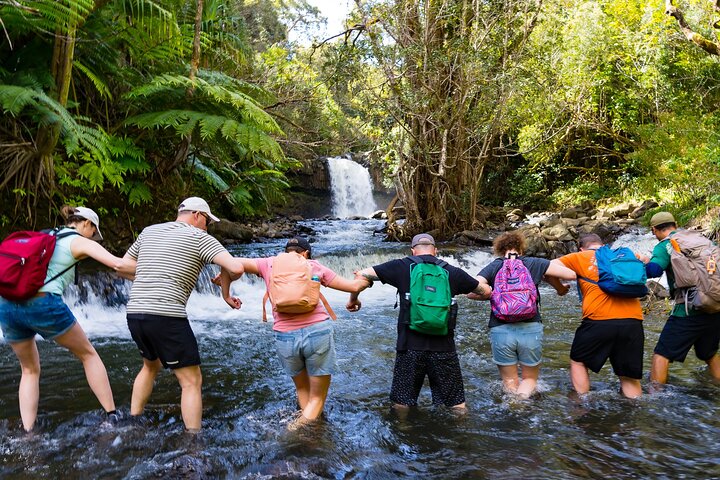
Small Group Waterfall and Rainforest Hiking Adventure
A guided rainforest hike to East Maui waterfalls, with time to swim beneath the falls and a trail lunch included.
 South Maui
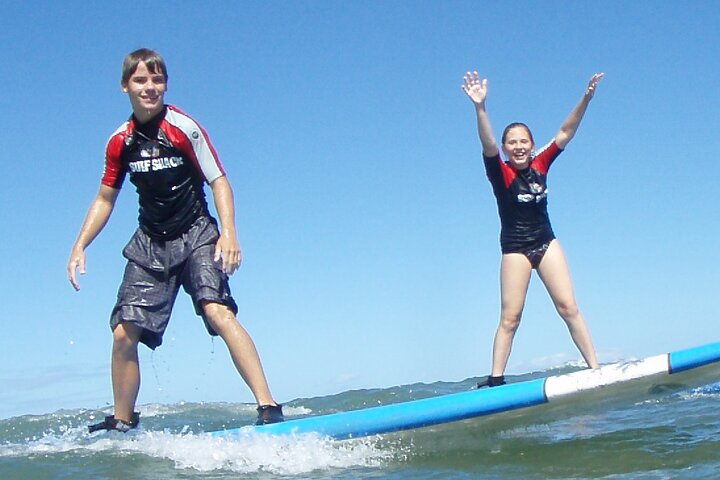
Two Hour Beginner Group Surf Lesson in Kihei
A two-hour beginner lesson in calm South Maui water — board, gear and instruction all included.
 Upcountry
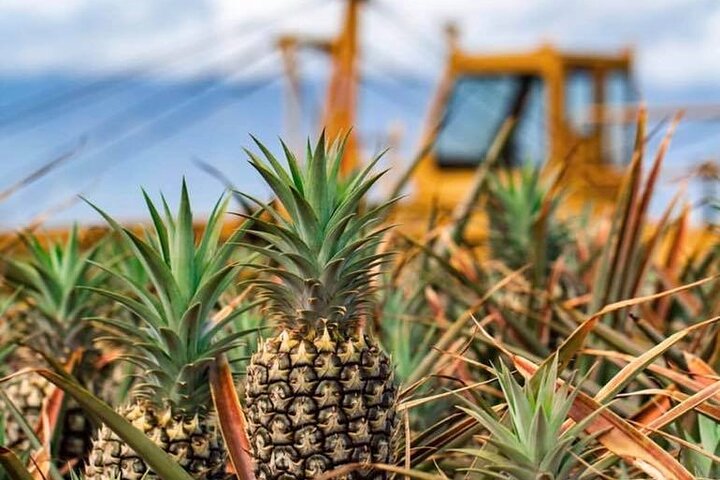
Maui Pineapple Farm Tour in Haliimaile
Tour a working pineapple farm and packing house upcountry, with tastings and a fresh pineapple to take home.
What Actually Decides a Family Beach Day
Not the water colour. Entry, lifeguards, shade, parking and how fast you can leave when a child is done.
- Entry and supervision — A gentle entry and a lifeguard tower beat a prettier beach without either.
- Shade and space — Somewhere to retreat to when the sand stops being fun.
- Parking — With gear and small children, a lot you can reach matters more than the reef.
- Bail-out speed — How quickly you can be back in the car without a scene.
Which beach is the prettiest is our best beaches on Maui guide; the wider family planning is our Maui with kids guide. This page is the logistics.
The Kamaʻole Beaches
Three guarded beaches in a row, which exists nowhere else on the island.
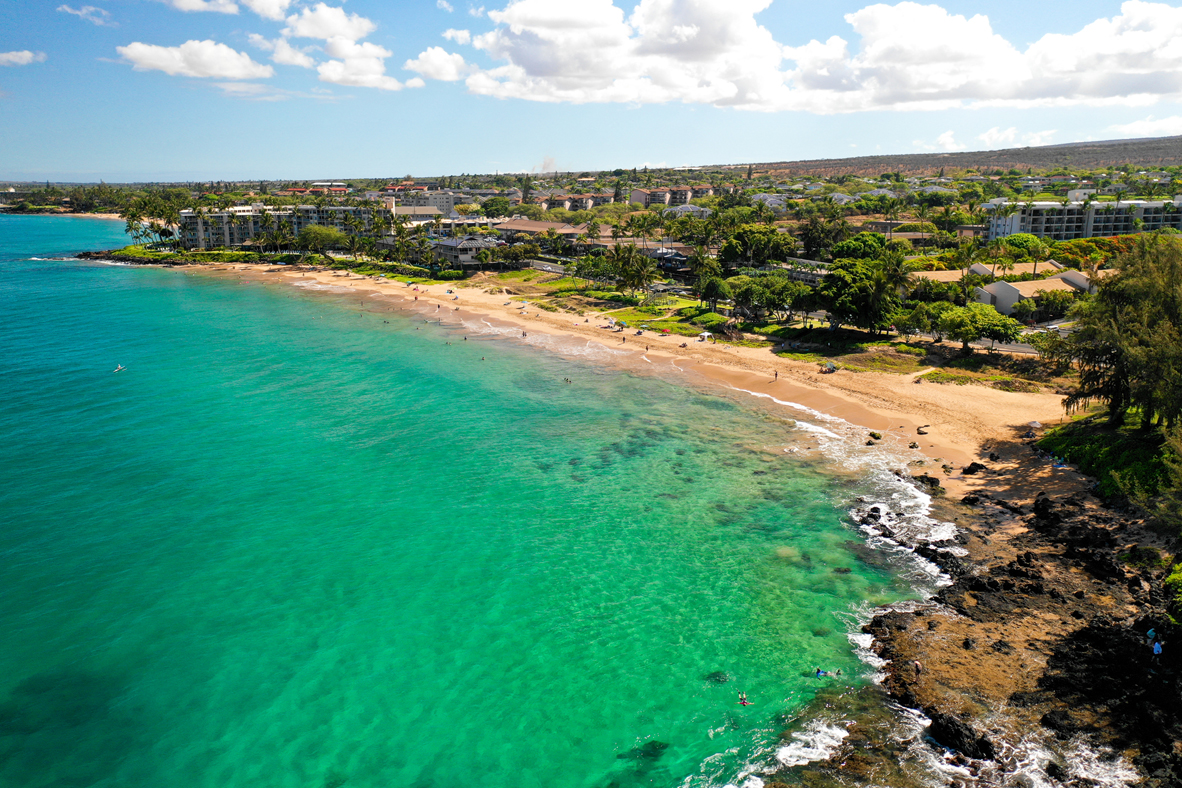
Kamaʻole I, II and III all have lifeguards and bathrooms. That is the fact that should decide a Kīhei family beach morning before anything else does.
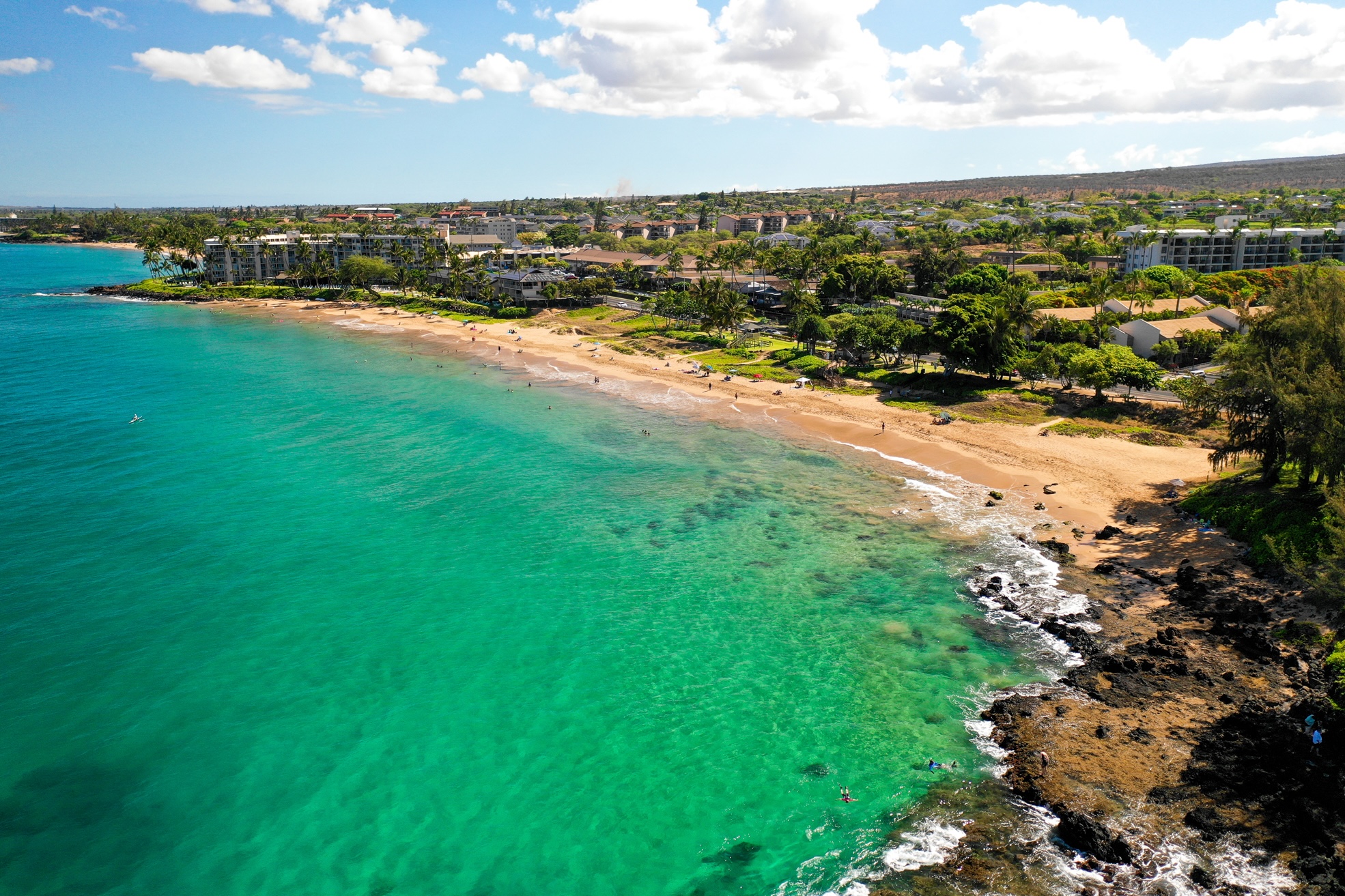
Kamaʻole II, Kīhei. Photo: Hawaii Tourism Authority (HTA)
Kam II or Kam III
Kamaʻole II is the straightforward swim-and-sand morning. Kamaʻole III has the most parking and the most shade, plus grass and room to move when the kids need a break from the sand — which is why it is the one to pick with young children.
The deciding fact is parking. Kamaʻole II has street parking only and no lot at all, and with a family and a car full of gear that is the difference between an easy morning and a hot walk carrying everything.
Lots and Hours
The Kamaʻole lots open at 7 a.m. and close at 8 p.m. PARK MAUI applies at the paved Kamaʻole I and III lots, so budget for it or use Kam II's street parking. Do not overthink the choice if you are staying across the road from one of them: a calm beach you can walk to beats loading the family into the car for a marginally better one.
Keawakapu
The best mixed-age beach in South Maui, with one thing missing.
Keawakapu is long enough for adults to walk, has plenty of sand for children and sits between Kīhei and Wailea. It has no lifeguard, so use it differently from the Kamaʻole parks — closer in, and with an adult in the water rather than on the towel.
Wailea
The resort-family advantage is that the day does not need a second drive.
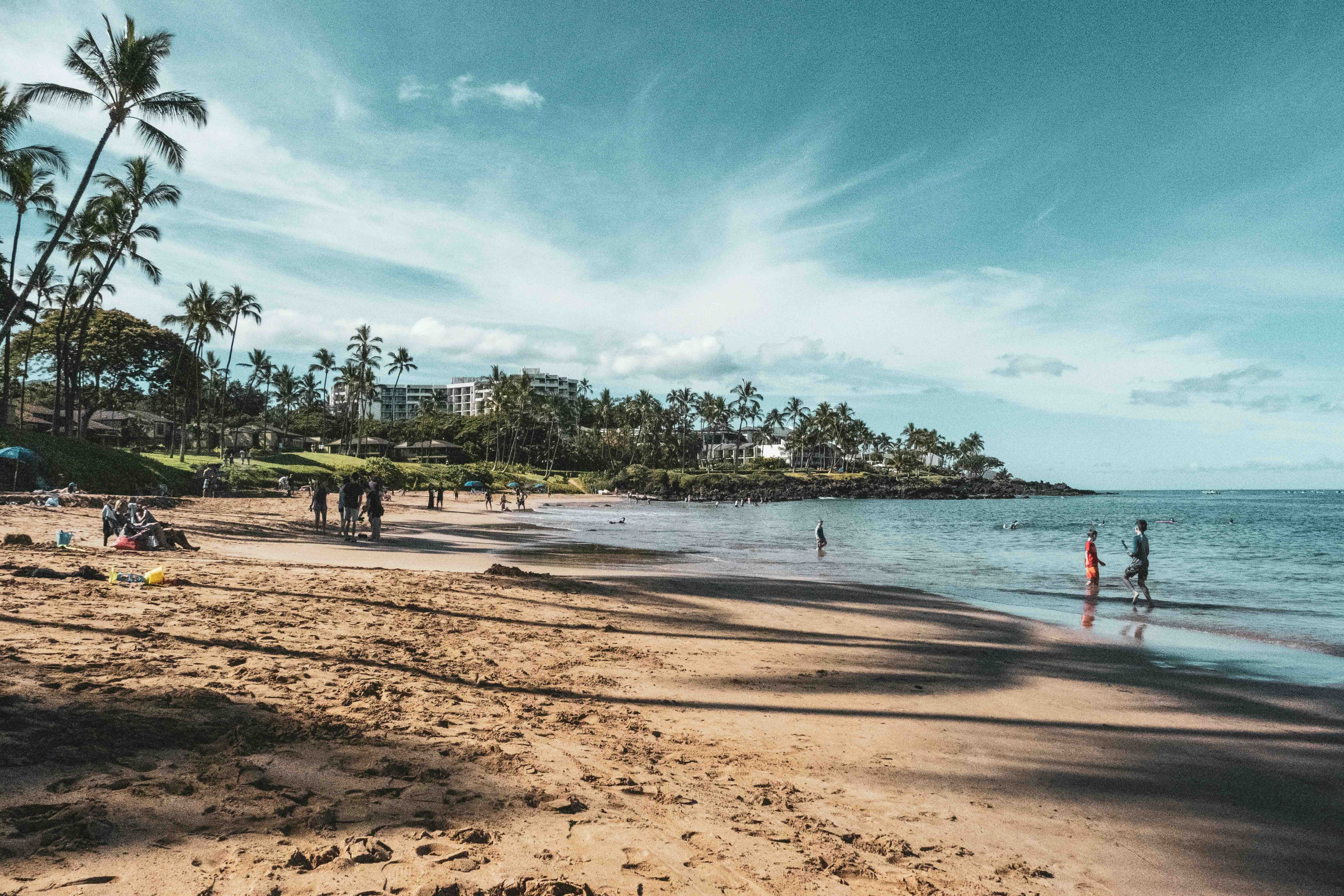
Ulua and Mōkapu are the useful pair for older kids who want to try snorkelling: an approachable entry in calm water and reef close enough that nobody has to swim offshore. Neither has a lifeguard. Wailea Beach and Polo sit in the same strip and all of them stitch into breakfast, a pool reset, lunch or the Wailea Beach Path without creating another driving day.
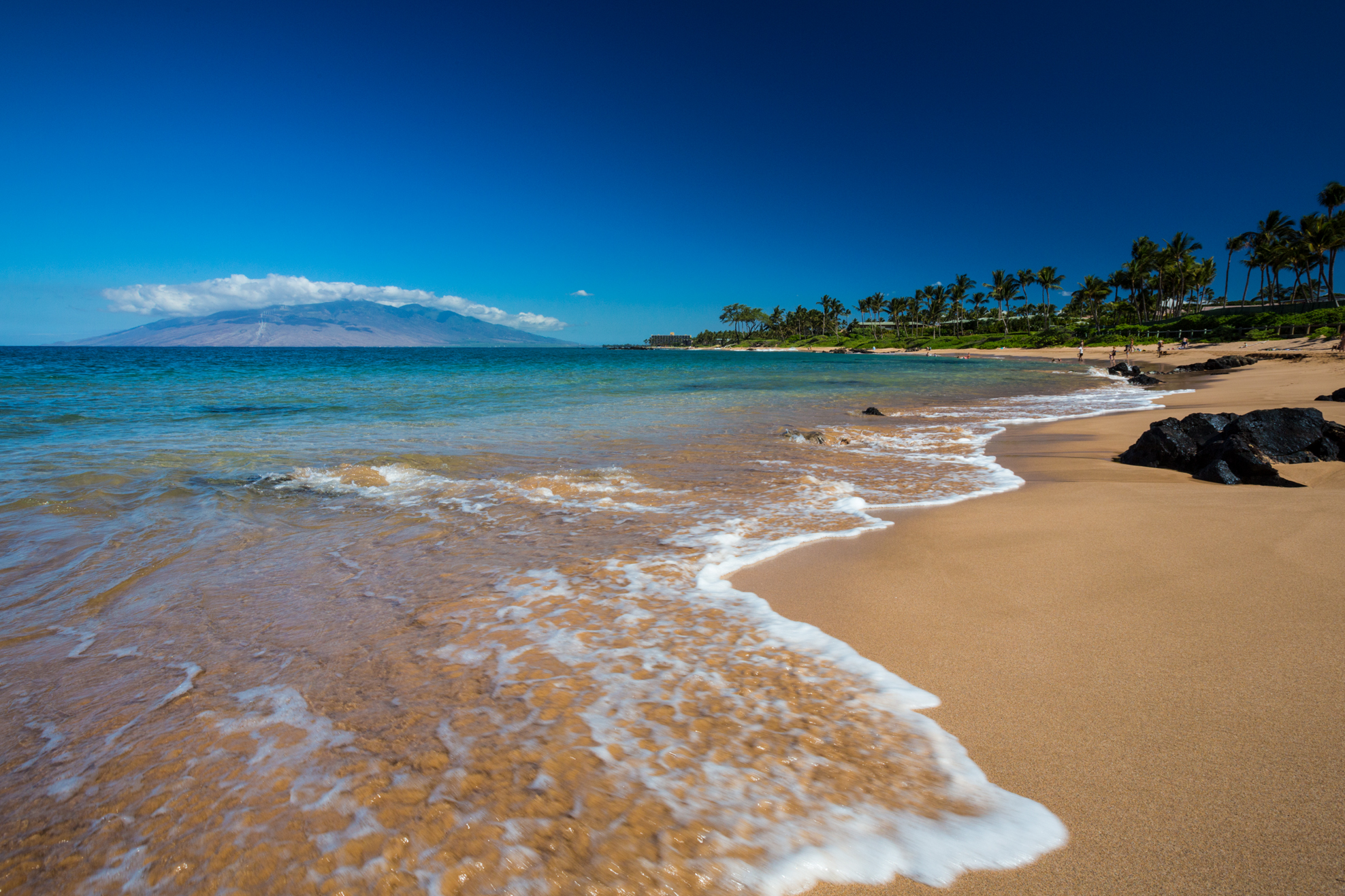
Mōkapu, Wailea. Photo: Hawaii Tourism Authority (HTA)
West Maui
One beginner bay, one relaxed bay, and one that wins on convenience alone.
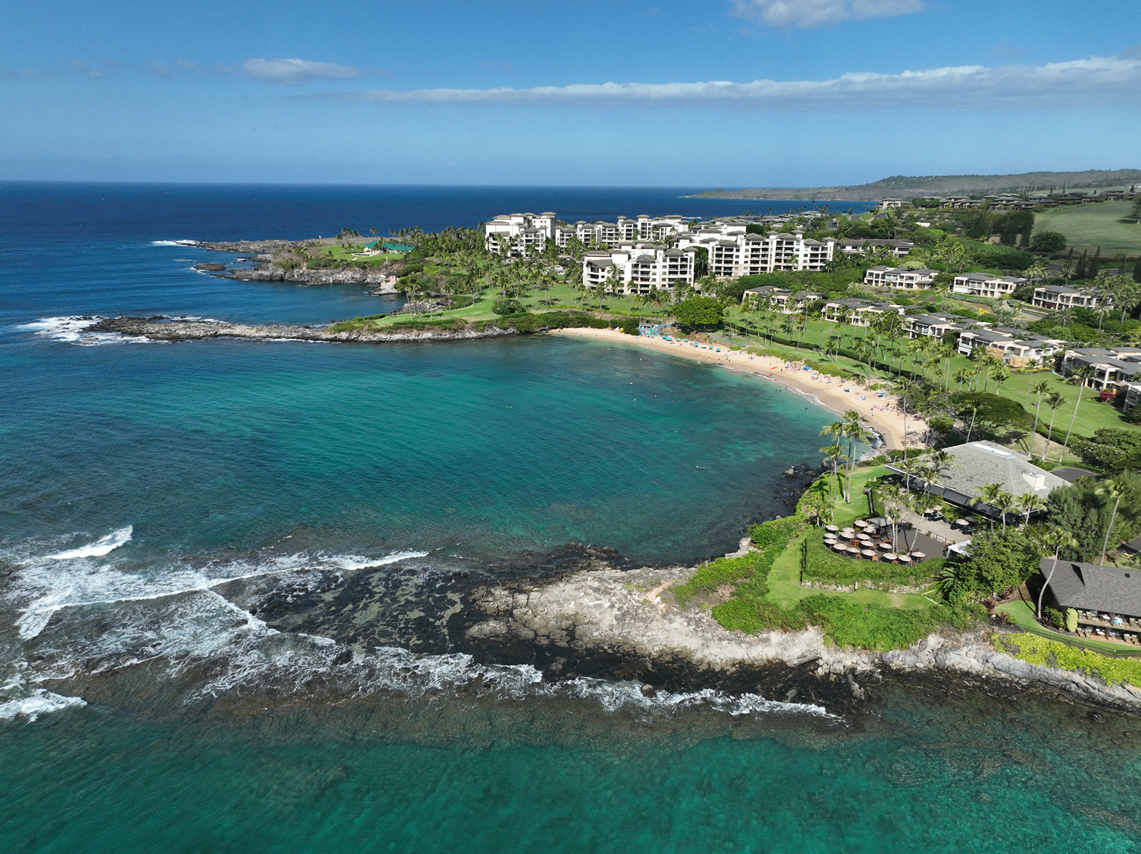
Kapalua Bay is our favourite place for a child's first real snorkel on a calm morning. Nāpili is the other relaxed family bay. Kāʻanapali wins on pure convenience, because pools, restaurants and the beach walk are all in one place — which matters more with young children than the beach itself does.
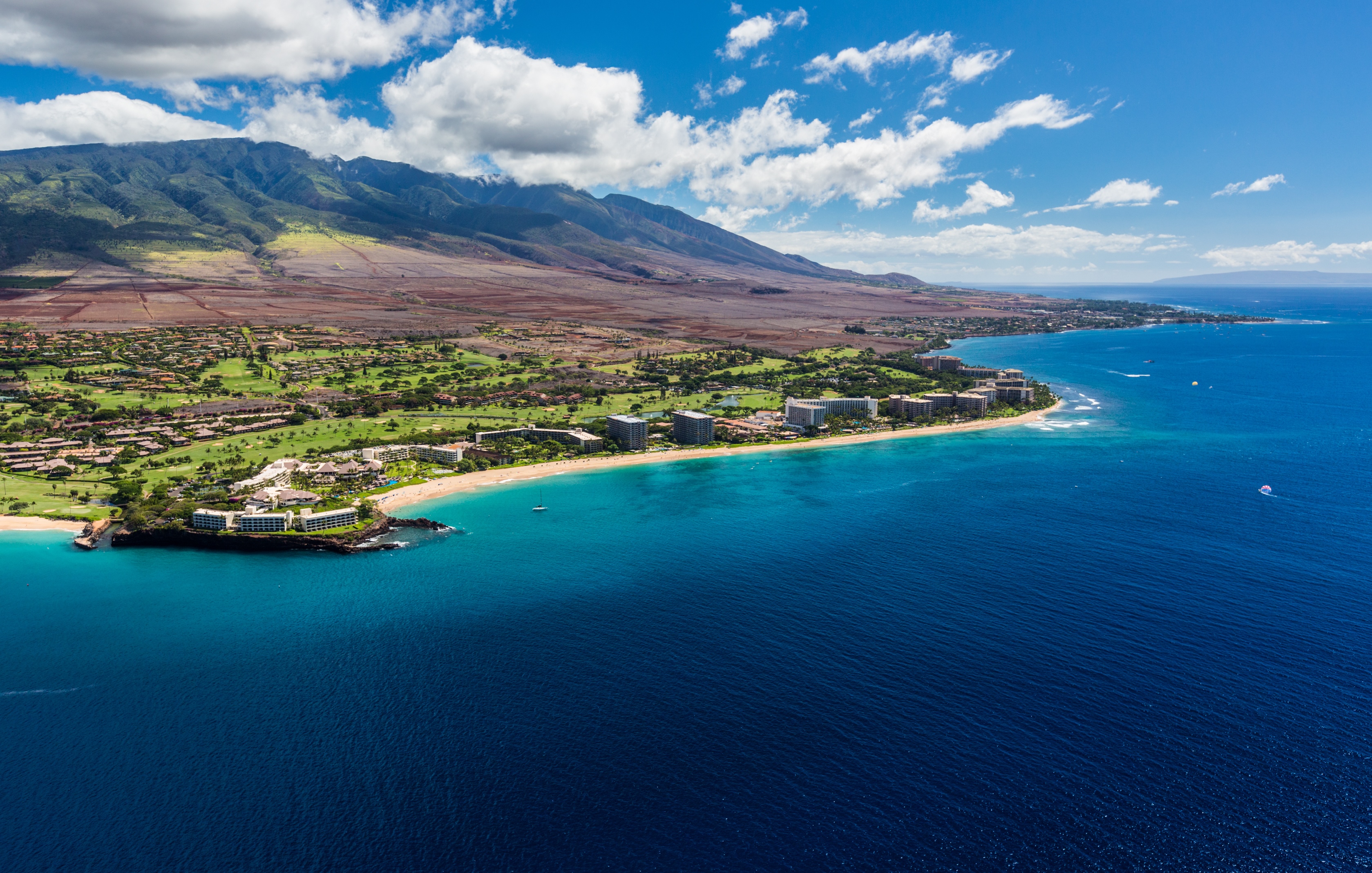
Kāʻanapali, West Maui. Photo: Hawaii Tourism Authority (HTA)
Where We Are More Cautious
Two beaches worth knowing properly rather than simply avoiding.
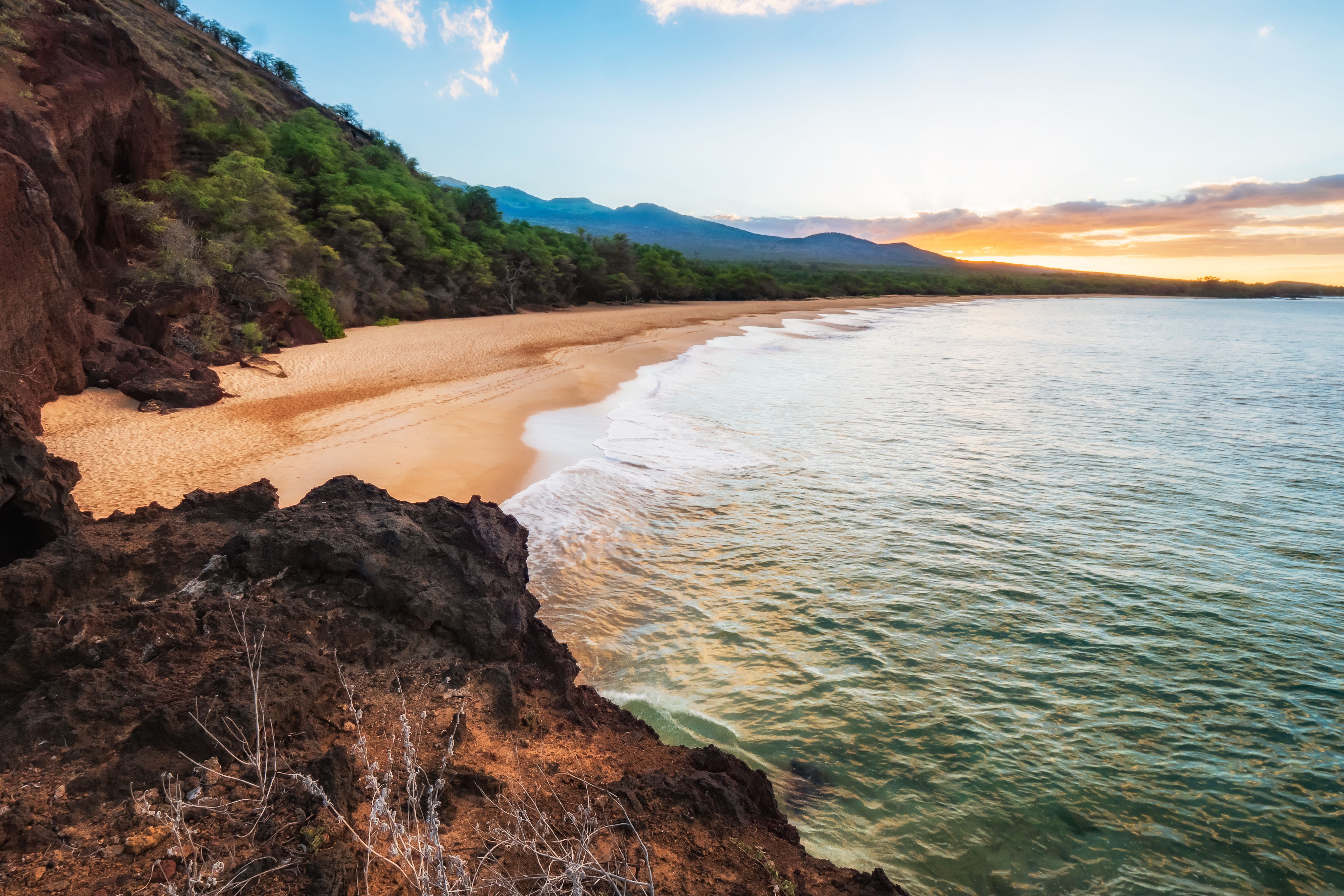
Big Beach is gorgeous and has two lifeguards, which is more than almost anywhere in South Maui. It is still not our young-child swimming default, and the reason is the shorebreak rather than any absence of supervision — it can be severe, and it breaks directly onto sand.
D.T. Fleming is lifeguarded and has the best facilities of any West Maui beach, and it can also be rough. Both things are true, and a parent should have both before deciding. Exposed North Shore beaches deserve the same caution. A child seeing other people in the water is not evidence that the water suits that child.
Practical Tips
Keep young children within arm's reach in the ocean. Not within sight — within reach.
Use a lifeguarded beach when you have the choice. On this island that usually means one of the Kamaʻole parks.
Go earlier. The water is calmer, the parking is easier and nobody has melted down yet.
Bring dry clothes and snacks for the car. A beach morning ending well is mostly about the ten minutes after it.
Check the lot before you load the car. Kamaʻole II has no lot at all and PARK MAUI applies at Kam I and III.
Frequently Asked Questions
Which Kīhei beach is best with kids, Kamaʻole II or III?
Kamaʻole III, for most families. It has the most parking and the most shade, while Kamaʻole II has street parking only and no lot.
Do the Kamaʻole beaches have lifeguards?
Yes, all three, along with bathrooms. That is the strongest run of guarded beaches anywhere on Maui.
Is Kapalua Bay always calm enough for children?
No. It is protected relative to most West Maui beaches, but winter swell and changing conditions still matter.
Is Big Beach in Mākena safe for young children?
It has two lifeguards, which is more than most of South Maui, and it is still not our default young-child swim beach. The shorebreak is the reason.
Does Keawakapu have a lifeguard?
No. It is an excellent mixed-age beach, but supervise it yourself rather than treating it like the Kamaʻole parks.
Which West Maui beach has the best facilities for families?
D.T. Fleming, which is also lifeguarded. It can be rough, so check conditions rather than assuming facilities mean calm water.