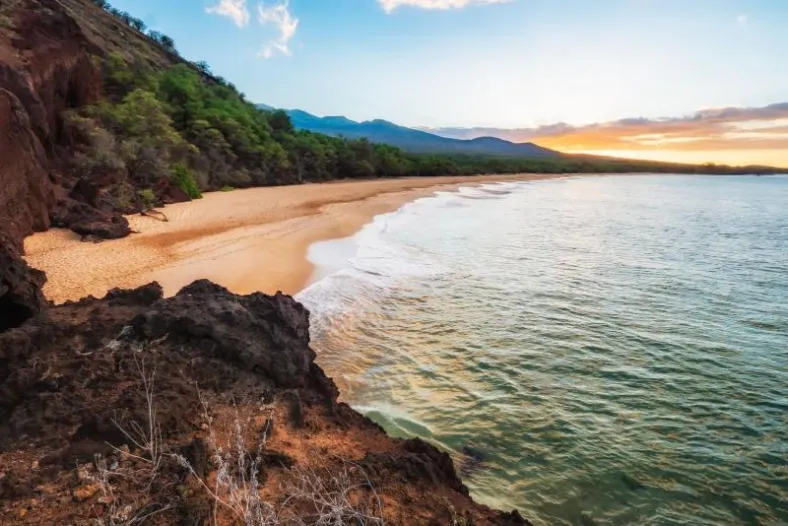
Best Easy Hikes on Maui
Quick answer
- Wailea Beach Path is Maui's easiest coastal walk, Kapalua Coastal Trail adds more scenery and Twin Falls is the simplest waterfall outing.
- Pīpīwai doesn’t qualify as easy just because it’s popular, and the Hoapili Trail isn’t easy just because it’s relatively flat.
- Coastal and lava walks are usually better early, before the heat builds.

At a Glance
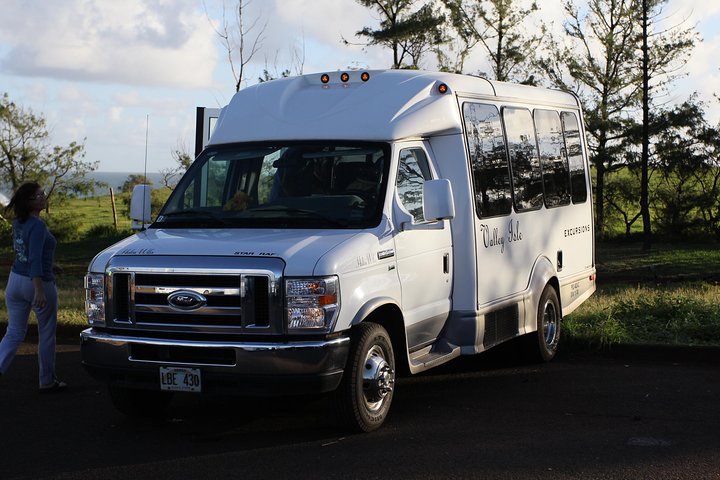
Our pick: Maui: Famous Road to Hana Waterfalls and Lunch by Mercedes Van
Best for first-time Hāna visitors who want a small-group Mercedes Sprinter tour capped at 14.
Our pick: Road To Hana: Maui Waterfall Hiking Tour in Private Jeep
Best for active couples or families who want a private Jeep day focused on hiking, bamboo forest and hidden waterfalls—not reaching Hāna itself.
What We Mean by Easy
Easy should actually feel easy. We’re looking for walks around two miles or less, modest elevation, manageable footing and the ability to turn around whenever you want. Distance alone doesn’t tell the whole story — heat, lava, mud and exposure matter too.
Our easiest overall picks are the Wailea Beach Path and Kapalua Coastal Trail. Twin Falls is the easiest waterfall walk. And if you simply want a long, beautiful walk without a trailhead, the beach may be your best trail.
Pīpīwai doesn’t qualify as easy just because it’s popular, and the Hoapili Trail isn’t easy just because it’s relatively flat.
South Maui: The Beach Is the Trail
For an easy walk with almost no planning, walk the beach. South Maui has miles of sand and you can turn around whenever you want.
- Best long beach walk — Keawakapu. Beautiful, flat and long enough to feel like a real walk.
- Best easy stroll — Poʻolenalena (Chang’s Beach). Short, scenic and easy underfoot.
- Biggest beach — Big Beach. Walk the sand from end to end; whether you swim depends on the shorebreak.
- Longest stretch of sand — Sugar Beach. Our pick if distance is the goal; Mai Poina Beach Park is the parking and entry point.
Where: Kīhei to Mākena, about 20–30 minutes from Kahului Airport.
Keawakapu is our favorite all-around beach walk: easy to reach, beautiful and simple to pair with breakfast or lunch in Kīhei.

Keawakapu, Kīhei. Photo: Olivier Koning
Wailea & Mākena: Easy Path vs. Rugged Lava
Two completely different walks: Wailea is paved and effortless; Hoapili is hot, exposed and rugged.
- Easiest walk on Maui — Wailea Beach Path.
- Best South Maui real hike — Hoapili Trail (King’s Trail).
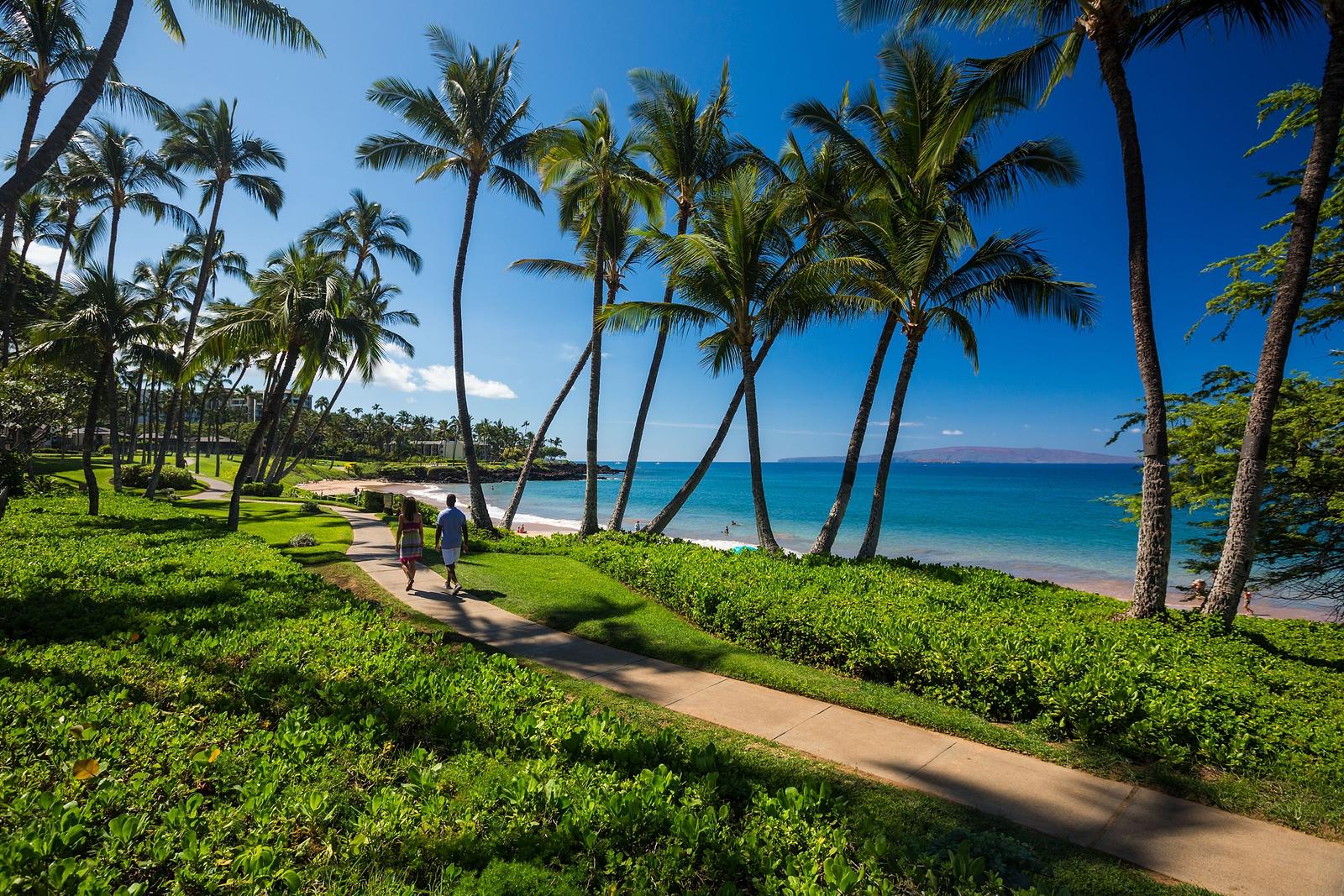
The Wailea Beach Path follows the shoreline through Wailea, connecting beaches and resorts. A full Andaz-to-Fairmont-and-back walk is about 3.2 miles, but you can walk for 20 minutes and turn around. Go in the morning for exercise or around sunset for the views. Ulua/Mōkapu, Wailea Beach and Polo Beach are all along the broader route, making it easy to combine with a beach or dinner.
The Hoapili Trail is the opposite. It begins at La Pérouse Bay and crosses rough lava along portions of Maui’s historic King’s Trail. Families can walk roughly a quarter mile to the first bay for a worthwhile taste of the trail. Beyond that, it becomes much more rugged.
The full out-and-back to Kanaio Beach is about 5.5 miles. There isn’t much elevation, but the rough lava, sun and heat make it harder than the numbers suggest. Wear sturdy shoes, carry plenty of water and go early.
West Maui: Coastal Trail & Boardwalk
West Maui has some of the island’s best easy coastal walking — from rugged ocean scenery in Kapalua to an effortless resort stroll in Kāʻanapali.
For a guided way into the West Maui Mountains, see the West Maui Mountain Waterfall and Ocean Tour via Horseback.
- Most scenic easy walk — Kapalua Coastal Trail.
- Best long easy stroll — the Kahekili (Airport Beach) beach path.
- Best short lava walk — Makāluapuna Point (Dragon’s Teeth).
- Shortest resort stroll — Kāʻanapali Beach Walk.
Where: Kāʻanapali through Nāpili and Kapalua, about 50–60 minutes from Kahului Airport.
The Kapalua Coastal Trail combines lava, cliffs and ocean views without requiring a serious hike. Parts are rock and packed dirt with a little up and down, so sneakers are better than flip-flops.

Kapalua Coastal Trail, West Maui. Photo: MauiBookIt
The official coastal route runs north from Kapalua Bay, crosses the dunes at Oneloa and continues through the resort to D.T. Fleming Beach Park. Oneloa is a useful quieter access point, but it is not the northern endpoint. Public-access parking is limited, so start early and use marked access only.

Kapalua Bay from the Coastal Trail lookout, West Maui. Photo: MauiBookIt
The Kahekili (Airport Beach) beach path is the other one worth planning a morning around. It runs most of the length of the beach, the sand is soft, the view is the reason you came, and it is far less crowded than the Kāʻanapali strip a few minutes south. It is one of the best easy strolls on the west side.

Makāluapuna Point (Dragon’s Teeth). Photo: Hawaii Tourism Authority (HTA)
Dragon’s Teeth at Makāluapuna Point is an easy half-mile round trip from the public-access parking near the Ritz-Carlton. Follow the trail beside the golf course to the jagged lava formations, staying on the marked path and away from the Honokahua burial grounds and golf course.
Want to keep walking? Head toward D.T. Fleming Beach, or walk about a quarter mile along Lower Honoapiʻilani Road to Kapalua Place and connect with the northern end of the Kapalua Coastal Trail.
The Kāʻanapali Beach Walk is the shortest of these. It is a paved stroll connecting the resorts, with restaurants and places to stop along the way — an easy way to start the day rather than a walk you set aside time for. If you want distance, take the Kahekili path or the Coastal Trail.
North Shore: An Easy Waterfall Walk
Twin Falls gives you an easy waterfall walk without committing to a full Hāna day. Pair it with Pāʻia and Hoʻokipa for an easy North Shore outing.
- Best easy waterfall walk — Twin Falls.
- Best long beach walk — Baldwin Beach.
Where: Pāʻia, Hoʻokipa and the beginning of the Hāna Highway, about 15–30 minutes from Kahului Airport.
Twin Falls is on private land at Wailele Farm. A maintained dirt path leads through tropical greenery to the lower falls, which are close to the parking area and the easiest part of the property to visit. The upper falls require a longer walk with slippery riverbed sections.
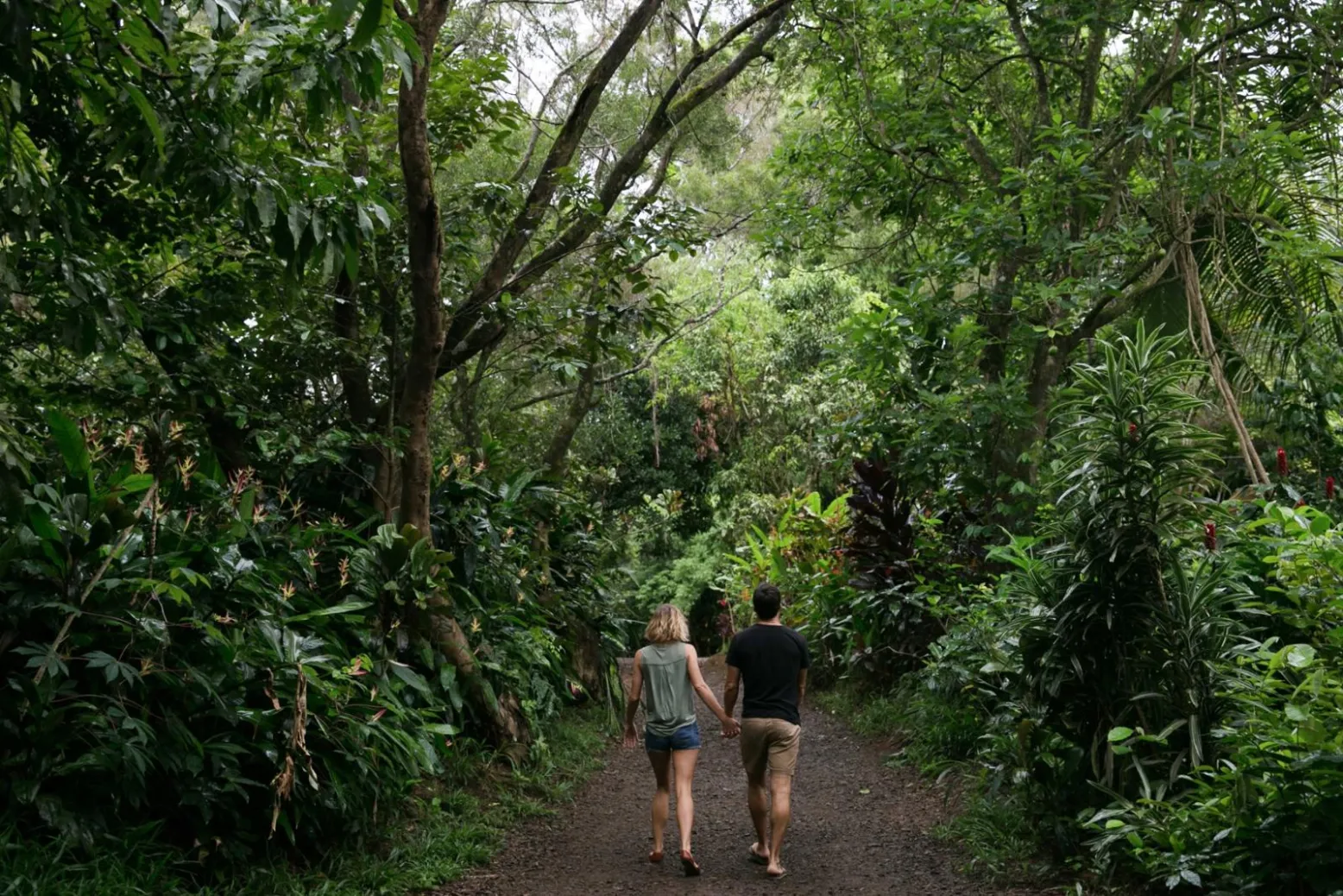
Twin Falls is the easiest waterfall walk on Maui — a flat farm path, with the lower falls close enough that small children manage it. Photo: Hawaii Tourism Authority (HTA)
Go early because parking fills. Gates open at 7:10 a.m., last entry is 4:30 p.m. and everyone must leave by 5 p.m. The first Saturday of every month is reserved for Hawaii residents only, so check the farm’s website before going.
Rather than making Twin Falls a day by itself, combine it with Pāʻia, Hoʻokipa or both.
Central Maui: Easy Nature
ʻĪao Valley, Keālia Pond and Maui Tropical Plantation give you plenty of scenery without a serious hike.
- Best easy nature walk — ʻĪao Valley.
- Flattest walk — Keālia Pond.
- Best shaded family stroll — Maui Tropical Plantation.
Where: About 20 minutes from Kahului Airport to ʻĪao Valley, 15 minutes to Maui Tropical Plantation in Waikapū.
ʻĪao Valley has mostly paved paths and stairs with an excellent scenery-to-effort ratio. Allow roughly 60–90 minutes. Nonresidents need advance reservations for entry and parking, and visitors without one are turned away.
Keālia Pond sits between Kīhei and Māʻalaea. The boardwalk is completely flat and works best as a quick 30-minute wildlife stop rather than a destination on its own.

The Keālia Pond boardwalk is the flattest walk in this guide — a level crossing of the wetland, and half an hour start to finish. Photo: Hawaii Tourism Authority (HTA)
Maui Tropical Plantation offers an easy, shaded walk through plantation grounds in Waikapū. There’s no trail to commit to, plus food and places to sit, making it especially easy with kids or mixed-age groups.
Upcountry: Forest & Open Country
Cooler temperatures, forest and rolling countryside make these feel completely different from Maui’s coastal walks.
- Best country stroll — Thompson Road.
- Best forest walk — Waihou Spring Trail.
Where: About 35 minutes from Kahului Airport to Thompson Road, 30 minutes to Waihou Spring Trail.
Thompson Road is one of our favorite easy Upcountry walks, near Grandma’s Coffee House. Park along the road and walk as far as you like through rolling countryside, open pastures and lava-rock walls.
Morning and sunset are especially beautiful. There’s no destination to reach — the walk itself is the point.
Waihou Spring Trail is a cool, shaded forest walk in the Makawao Forest Reserve. It can get muddy after rain, so save it for a dry day and pair it with Makawao or another Upcountry stop.
Stay in the Region
Don’t cross Maui just for an hour-long walk. Build these into the part of the island you’re already exploring.
Twin Falls fits a North Shore day. Waihou and Thompson Road fit an Upcountry day. Wailea and Kapalua are best when you’re already spending time in South or West Maui.
Coastal and lava walks are usually better early, before the heat builds. Forest and plantation walks stay comfortable later into the day.
Practical Tips
Go early for Hoapili. It’s hot, exposed and has very little shade.
Wear the right shoes. Closed-toe shoes for lava; sneakers are better than flip-flops on Kapalua Coastal Trail.
Stay on marked trails. Archaeological sites and private land border some routes.
Reserve ʻĪao in advance. Nonresidents without a reservation are turned away.
Rain changes easy trails quickly. Forest and streamside walks can become muddy and slippery even after a short shower.
One Last Tip
Stay in the region you are already exploring.
A short walk becomes a bad trade when it requires hours of driving. Pair the trail with the coast, town or mountain day around it.














Frequently Asked Questions
What is the easiest South Maui hike?
Wailea Beach Path, though it is really a coastal promenade rather than a trail.
Is South Maui’s Hoapili Trail (King’s Trail) easy because it is flat?
No, the Hoapili Trail (King's Trail) is not easy just because it is flat. Rough lava, sun and heat make it more demanding than the elevation profile suggests. It is relatively easy with families as far as the first bay, about a quarter mile in — past that it turns rugged on lava.
Can I do a short walk on South Maui’s Hoapili Trail (King’s Trail)?
Yes, you can do a short walk on the Hoapili Trail (King's Trail). The first bay, roughly a quarter mile in, is a worthwhile walk on its own. You do not need to complete the full route to enjoy the lava coast and history.
Is Pīpīwai in East Maui an easy hike?
No, Pīpīwai is not an easy hike. It is a real hike and one of Maui’s best, but it does not belong on an easy-hikes list.