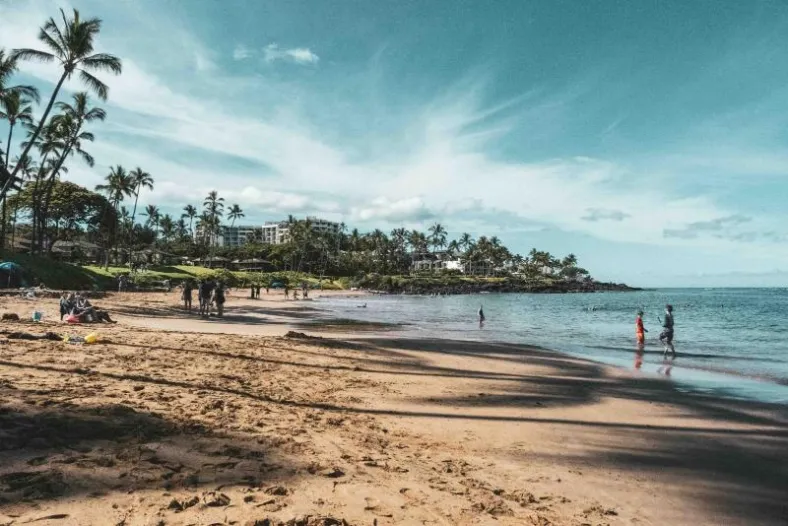
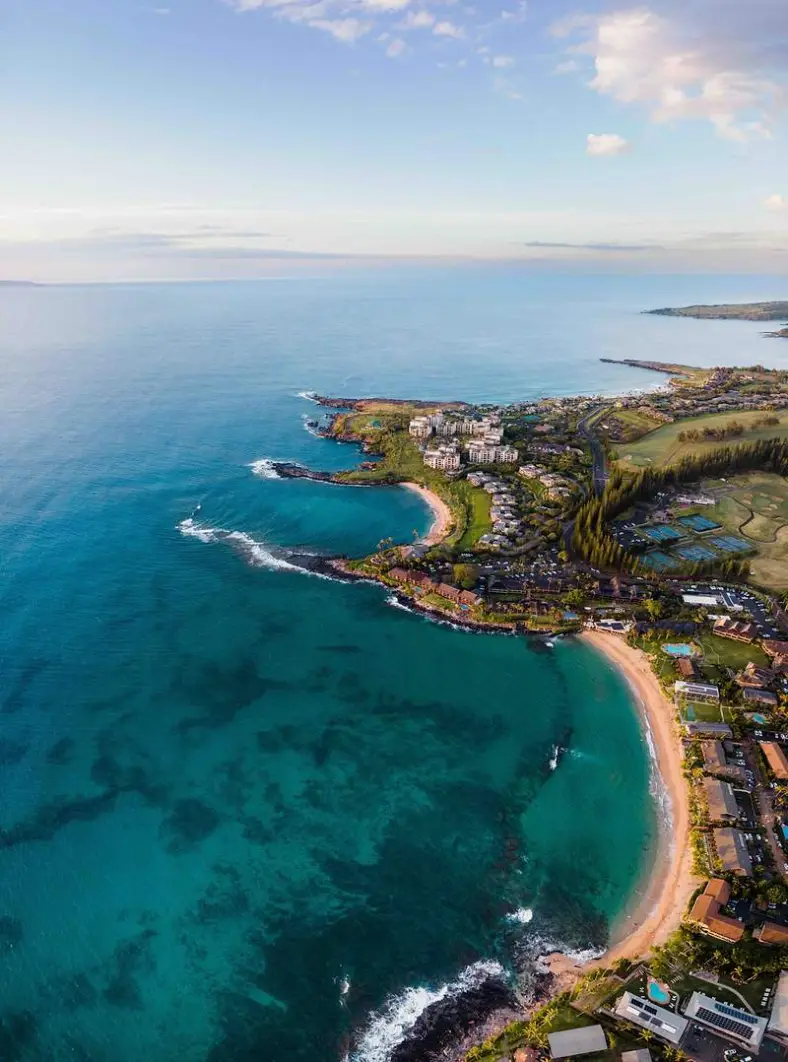
West Maui with Kids


At a Glance
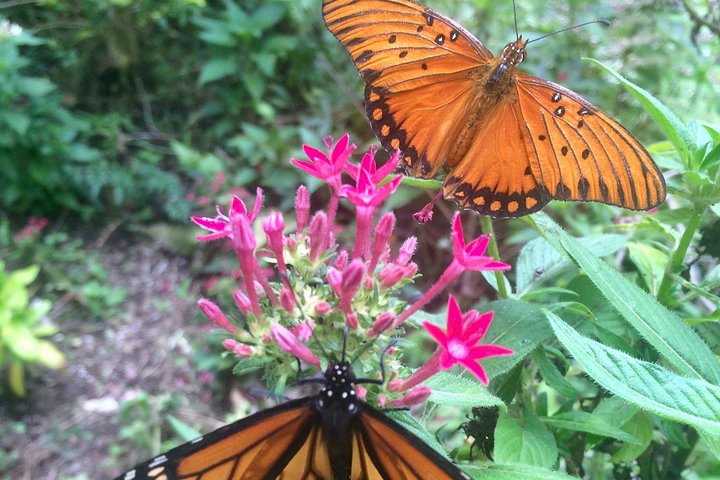
Our pick: The Maui Butterfly Farm Tour
Best for families with young kids who want a short, hands-on Olowalu stop.
Our pick: Lahaina: Maui Ku'ia Estate Guided Cacao Farm Tour and Tasting
Best for food-curious families who want to see cacao growing, not just eat chocolate.
Choosing the Base for the Kids You Have
All three West Maui areas work with children. They just fail in different ways.
- Easiest logistics — Kāʻanapali
- Smallest and calmest — Nāpili
- Quietest, with the best first snorkel — Kapalua
- Best car-free day — Kāʻanapali
Where: the West Maui coast north of Lāhainā, from Hanakaʻōʻō up through Kapalua.
Kāʻanapali's advantage with kids is that the day can collapse and still work. Pool, beach, lunch, shop and sunset are all reachable on foot, so a blown-out morning costs you nothing but a change of plan.
On Fridays, the free ʻUkulele Playing at Whalers Village session runs 10:30 to 11:30 a.m. in the ʻOhana Courtyard, and on Saturdays, 11 a.m. to noon, Hula Dancing at Whalers Village is a free hula lesson with live music. Both are easy to drop into, and everyone can come and go freely.
Nāpili trades that infrastructure for a smaller bay and a shorter walk to the water. Kapalua trades it for quiet, greenery and the best beginner snorkeling on this side of the island — and more driving when you want anything else.
For a stroller and a toddler, Hanakaʻōʻō is the easiest public setup on this coast. The County lists paved and gravel parking, accessible restrooms, covered picnic pavilions, two outdoor showers and a lifeguard. It is less postcard-perfect than the small northern bays and much easier to use.
The Water, by Age
Start easy. A first snorkel that goes badly costs you the rest of the week.
- First snorkel — Kapalua Bay, when calm
- Best beach morning — Nāpili Bay
- Best next step — Kahekili (airport beach)
- Best with a lifeguard — Hanakaʻōʻō Beach Park
Kapalua Bay
Where we would put a nervous first-timer, on a calm morning, and nowhere else.
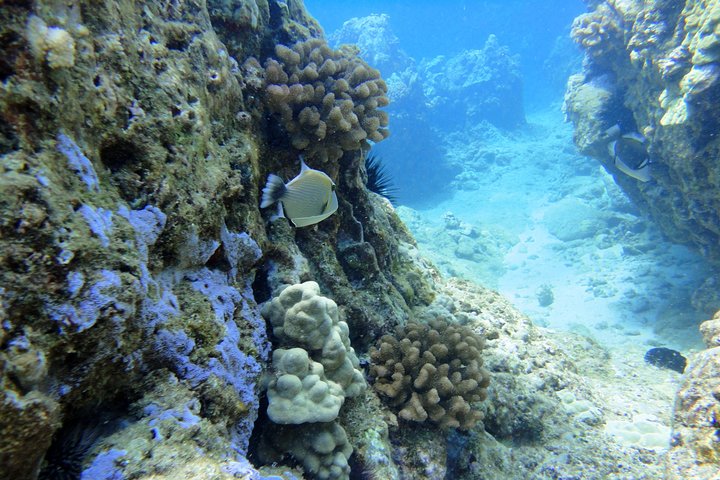
A protected crescent with a sandy entry in the middle and reef along both rocky sides. A child can stand up, sort out the mask, and work toward the edge without ever being out of their depth.
There is no lifeguard, and the bay opens to the ocean, so calm still matters. Parking is small and fills early — that is the whole reason to be there at eight.
It is also a good enough beach that a ten-minute snorkel is still a good morning, which is exactly what you want when the snorkeling might not take.
Nāpili Bay
The best plain beach morning on this coast for mixed ages.
A golden crescent with low-rise buildings behind it, calm in the middle, with reef and fish around the rocky edges for whoever wants to look.
No lifeguard, and the shorebreak sharpens noticeably when a swell is running. Go early — the bay is popular and the parking is not generous.
Kahekili (airport beach)
The step up once the mask stops being a problem.
Reef starts close to shore and runs along a long stretch of beach, so a confident child has somewhere to explore without a swim that frightens anyone. It is a proper beach park, which helps for a full morning.
No lifeguard. Work parallel to the shore rather than heading out.
Hanakaʻōʻō Beach Park
The lifeguarded option at the Kāʻanapali end, and underused by families.
Open 7 a.m. to 8 p.m. with a lifeguard, a 33-space paved lot, a 20-space gravel lot by the canoe pavilions, more gravel parking, public restrooms and two outdoor showers. Lifeguard hours are 8 a.m. to 4:45 p.m.
If you are already staying on Kāʻanapali Beach there is usually no reason to drive here. If you are not — or if a guarded beach is what you want that day — this is the one.
The Only Two Lifeguarded Beaches
This is the number that surprises visiting families, so it is worth saying plainly.
- South end — Hanakaʻōʻō Beach Park (Canoe Beach)
- North end — D.T. Fleming Beach Park
- Everywhere else — unguarded, including Kāʻanapali's main resort stretch
Hawaiʻi Ocean Safety lists exactly two West Shore towers, both staffed 8 a.m. to 4:45 p.m. daily.
D.T. Fleming Beach Park
Lifeguarded, well equipped — and the most exposed beach on this list.
Wide sand, facilities and a tower. It also takes north swell straight on, and the shorebreak can be powerful when it is running.
Do not read the lifeguard as an all-clear. Come for the scenery, then look at the water before anyone goes past their knees. On a big north-swell day this is a beach to walk, not to swim.
Boat Days and Whale Season
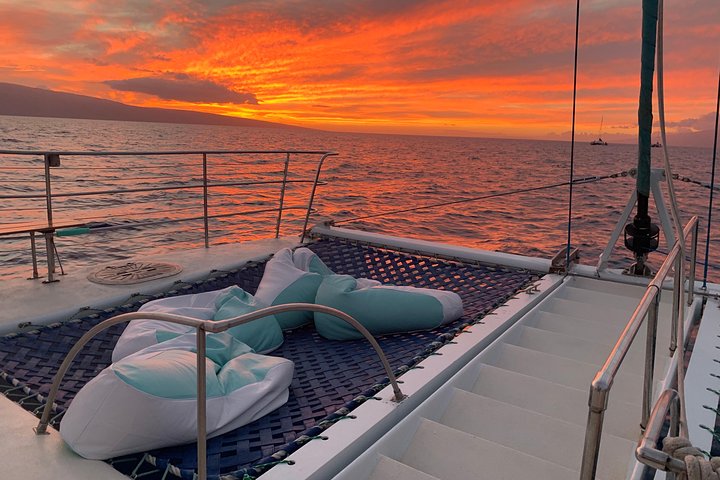
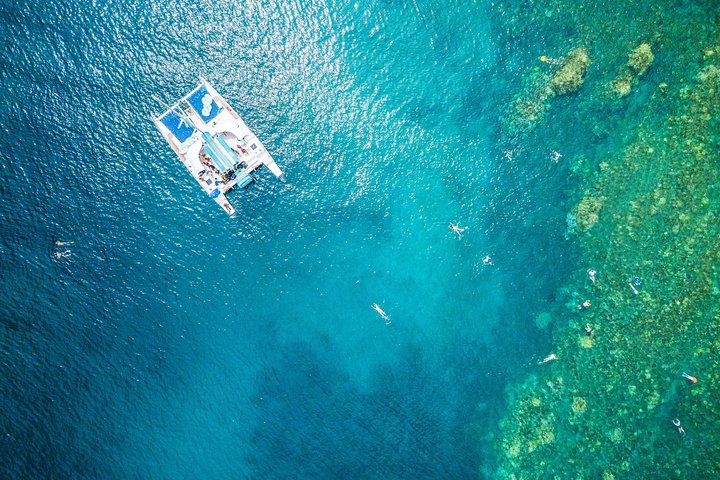
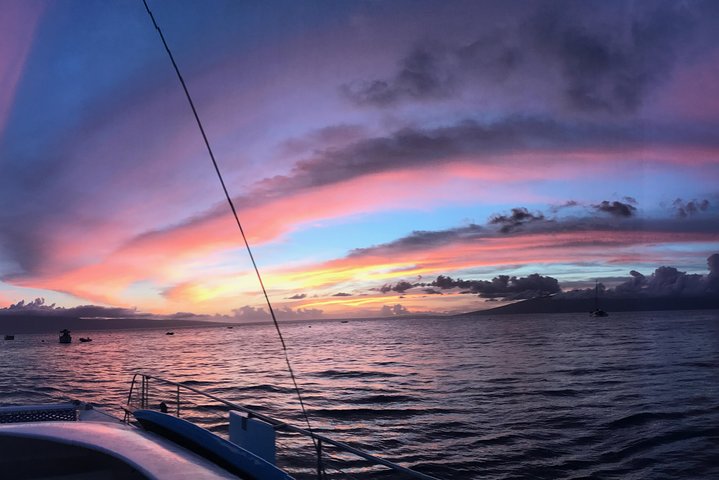
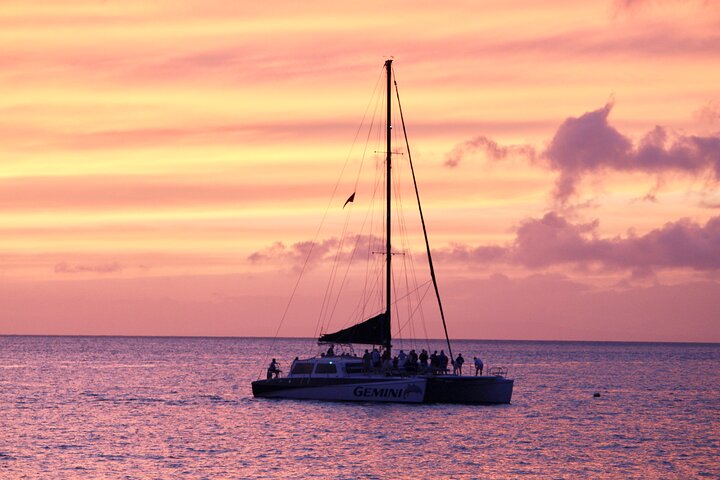
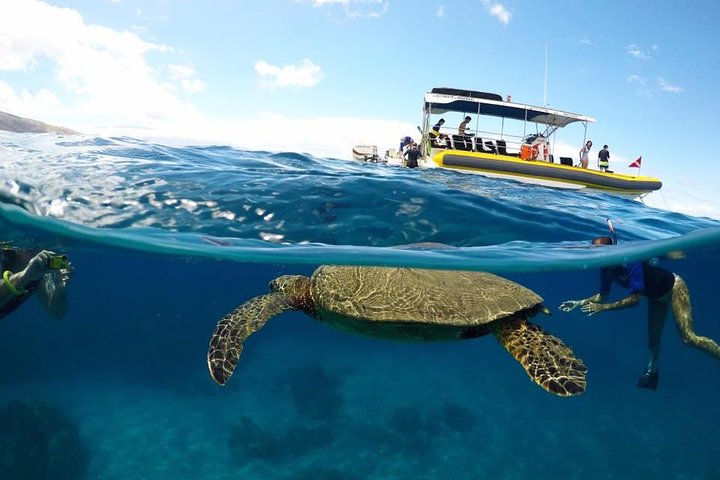
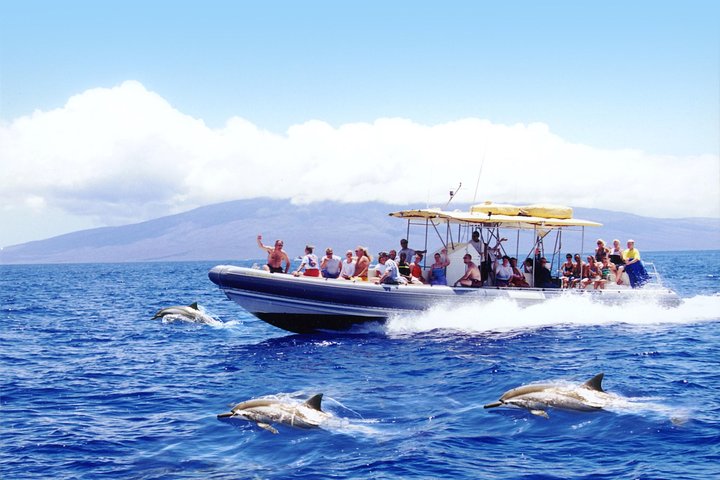
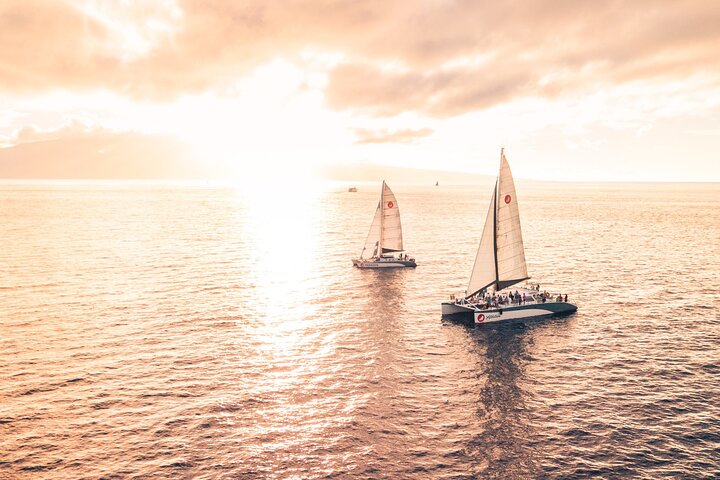
A boat is the one paid thing on this coast that reliably lands with children — if you pick it for the youngest person aboard.
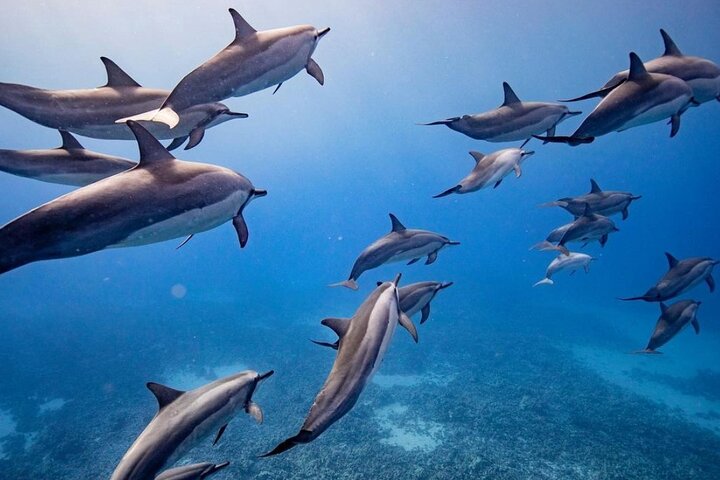
- Whale season — generally November through April
- Peak — January through March
- Choose on — trip length, deck stability and shade
Season dates are NOAA's, from the Hawaiian Islands Humpback Whale National Marine Sanctuary.
A two-hour whale watch in February is a genuinely great thing to do with a six-year-old. A long snorkel charter in a chop is not. Pick the duration for the youngest traveler and everything else follows.
The Rainy or Windy Day
West Maui's weak spot with children is that there is not much indoors, so the plan has to be made before you need it.
The island-wide family backup is Maui Ocean Center at Māʻalaea — open daily 9 a.m. to 5 p.m., last entry 4 p.m., a typical visit of 2–2.5 hours, paid parking on site. From Kāʻanapali it is a real drive rather than a quick pivot, so it is a day, not an afternoon rescue.
Closer to home, the honest answer is the pool, the beachwalk and a long lunch. On this coast the pool is a legitimate activity, not a consolation prize.
Lāhainā, With Children
Lāhainā is reopening in stages, and how you visit matters more than whether you do.
Front Street from Pāpalaua to Shaw reopened to vehicle traffic on 1 August 2026, along with Dickenson and Prison streets; Market, Papelekane and Mokuhinia remained closed for ongoing recovery work including harbor dredging, and the County asks the public to stay off private property and out of fenced areas.
Because access can change around active construction, verify the business and route the same day. Use signed public or business parking only, and follow temporary closures rather than a saved map.
Verify that the specific business you are driving to is open before you go, keep children out of fenced areas, and treat the town as a place people live rather than a sightseeing stop.
Practical Tips
- Know the two lifeguarded beaches. Hanakaʻōʻō and D.T. Fleming — that is the entire list for West Maui.
- Put the first snorkel at Kapalua Bay on a calm morning, and nowhere else.
- Go early for parking at Kapalua and Nāpili. Both bays fill well before the water turns.
- Use bright rash guards so you can find a snorkeling child at a glance.
- One adult per beginner, with flotation, every time.
- Do not let a lifeguard tower override the water. D.T. Fleming can have powerful shorebreak on north swell.
- Pick the boat for the youngest person aboard, not the longest itinerary.
- Build downtime into every day and let the pool count as an activity.
- Check that a Lāhainā business is open before you drive there, and keep kids out of fenced recovery areas.
One Last Tip
West Maui is easy with children as long as you stop treating it as a base camp for the rest of the island.
Get in the water early, use the beach in front of you when it is good, keep one lifeguarded option and one indoor option in mind, and let the afternoon be slow.
The families who have the best week here are the ones who drove the least.




Frequently Asked Questions
Which West Maui beaches have lifeguards?
Two West Maui beaches have lifeguards, Hanakaʻōʻō Beach Park (Canoe Beach) at the southern end of the Kāʻanapali coastline and D.T. Fleming Beach Park at the north end. Hawaiʻi Ocean Safety staffs both 8 a.m. to 4:45 p.m. daily. Kāʻanapali's main resort stretch, Nāpili Bay, Kapalua Bay, Kahekili and Oneloa are all unguarded.
Where should my child snorkel for the first time in West Maui?
Kapalua Bay on a calm morning is the place for a child's first snorkel in West Maui. It has a sandy entry in the middle, a protected shape and reef along both rocky sides, so a child can stand up, sort out the mask and work toward the edge without ever being out of their depth. There is no lifeguard and parking is small and early, and the beach is good enough that a ten-minute snorkel is still a worthwhile morning.
Is Kāʻanapali or Nāpili better with young kids?
Kāʻanapali if you want the day to survive a change of plan — pool, beach, lunch, shops and sunset are all reachable on foot, so a blown-out morning costs you nothing but a rethink. Nāpili if you want a smaller bay, a shorter walk to the water and less resort scale, accepting fewer places to eat and less to fall back on.
Is D.T. Fleming safe for children because it has a lifeguard?
D.T. Fleming is not automatically safe for children just because it has a lifeguard. It is well equipped and staffed, and it is also the most exposed beach on this list — it takes north swell straight on and the shorebreak can be powerful. Come for the scenery, then look at the water before anyone goes in. On a big north-swell day it is a beach to walk rather than swim.
When can we see whales with the kids?
Humpbacks are generally around Hawaiʻi from November through April, with the peak from January through March, on NOAA's sanctuary figures. A short whale watch lands well with young children; choose the trip on its length, deck stability and shade rather than its itinerary, and pick for the youngest person aboard.
What do we do on a rainy or windy day in West Maui?
On a rainy or windy day in West Maui, plan on the pool, the beachwalk and a long lunch, because there is not much indoors on this coast. The island-wide family backup is Maui Ocean Center at Māʻalaea, open 9 a.m. to 5 p.m. with last entry at 4 p.m. and a typical visit of 2–2.5 hours, but from Kāʻanapali that is a day out rather than a quick pivot.