At a Glance
Our pick: 5 Hour Molokini Snorkel & Turtle Tour in Maui
Best for strong swimmers who want a fast 20-guest boat from Kīhei and more reef time than the big catamarans.
Our pick: Sea Scooter Snorkeling Tour with Photo and Video - Wailea Beach
Best for beginners and non-swimmers who want Wailea snorkeling with less effort.
Day-by-day itineraries: 1–3 days · 4–5 days · 6–7+ days
Why Stay in South Maui?
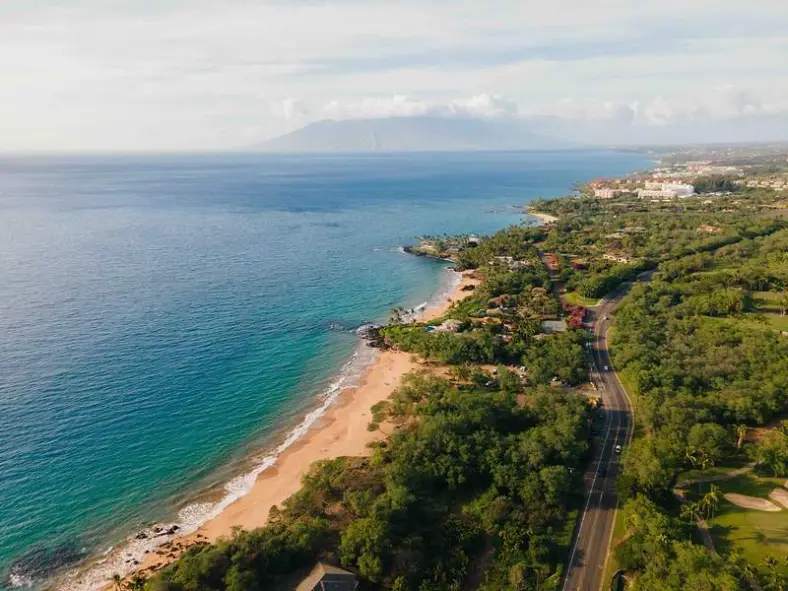
South Maui has a relaxed, understated feel that's different from Maui's larger resort corridors.
You can feel it driving south along the coast.
Kīhei mixes condos, homes, beaches, restaurants and local businesses. Wailea becomes more polished and resort-oriented. Continue toward Mākena and everything starts thinning out again.
That gives you a surprising amount of variety within a relatively small area.
It's also one of South Maui's biggest advantages:
You don't have to drive very far to have a completely different day.
Kīhei, Wailea or Mākena?
They're all South Maui, but they're very different places to stay.
- Best for casual + convenient — Kīhei. Condos, restaurants, groceries and easy access to the Kamaʻole beaches.
- Best resort base — Wailea. The polished resort experience, great pools, restaurants and beaches.
- Best for quiet + coastline — Mākena. Less development, beautiful beaches and a more natural feel.
Where: Kīhei through Wailea and Mākena.
Kīhei
Kīhei gives you vacation rentals, kitchens, groceries, coffee shops, casual restaurants and a long string of beaches.
The Kamaʻole beaches make it particularly easy for families, and staying in a condo can mean more space, laundry and considerably more flexibility than a resort.

Kamaʻole II, Kīhei. Photo: Hawaii Tourism Authority (HTA)
Kīhei stretches farther than it looks on a map, so where you stay within Kīhei matters.
Wailea
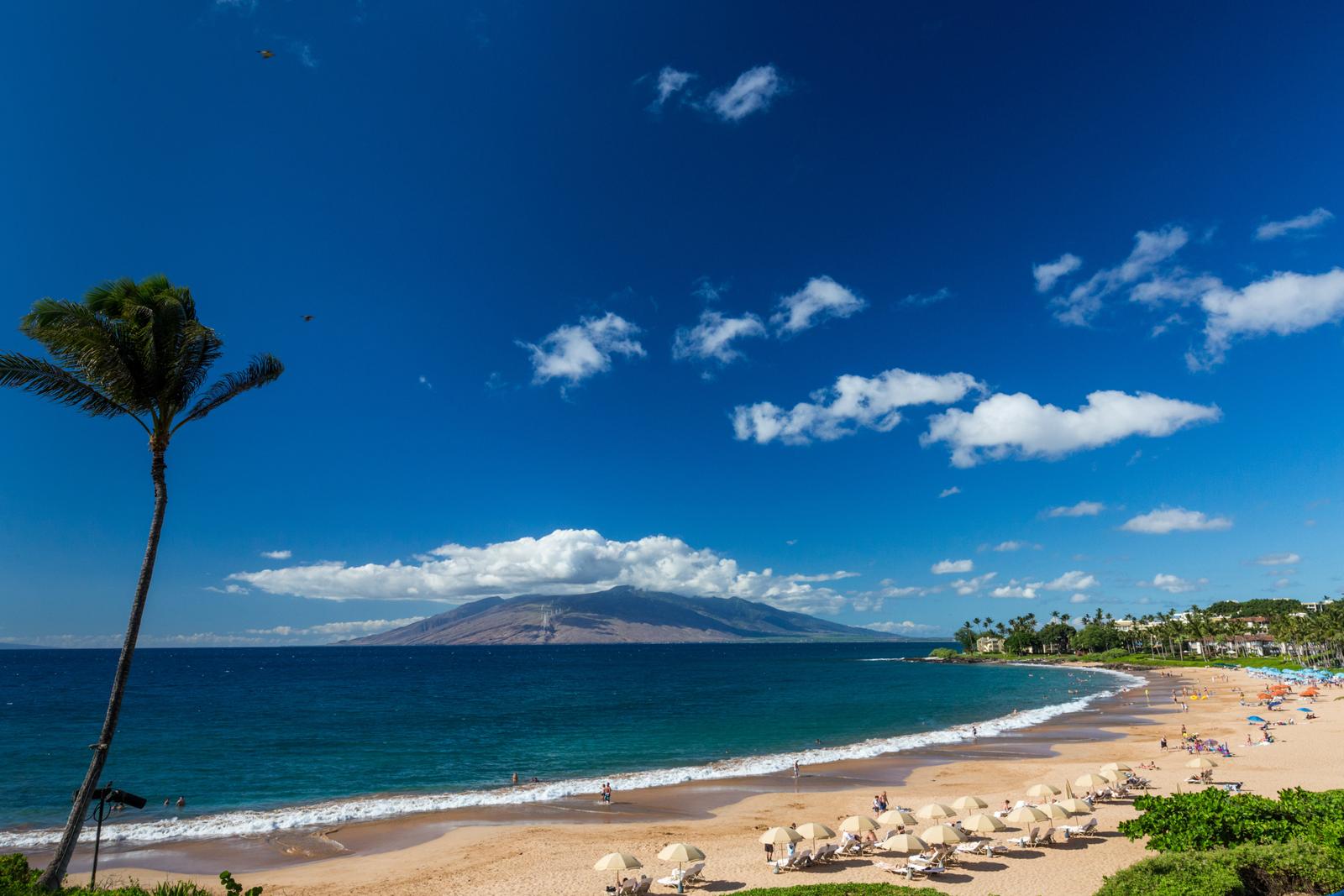
Wailea gives you luxury hotels, pools, spas, golf, excellent restaurants and beautiful beaches, all connected by the Wailea Beach Path.
Wailea’s beaches are public, but beach parking is limited and none of them has a lifeguard.
Wailea Beach, Wailea. Photo: Hawaii Tourism Authority (HTA)
It's polished without feeling completely separated from the rest of South Maui. Kīhei is only minutes away when you want something more casual.
For couples, Wailea is one of our favorite places to stay on Maui.
For families, Grand Wailea is our favorite Maui resort for kids, largely because the pool complex becomes an activity of its own.
Mākena
Continue south from Wailea and restaurants, shops and resorts quickly disappear.
That's the appeal.
Mākena gives you beautiful beaches, lava coastline and a more natural side of South Maui. Just expect to drive north toward Wailea or Kīhei for most meals and shopping.
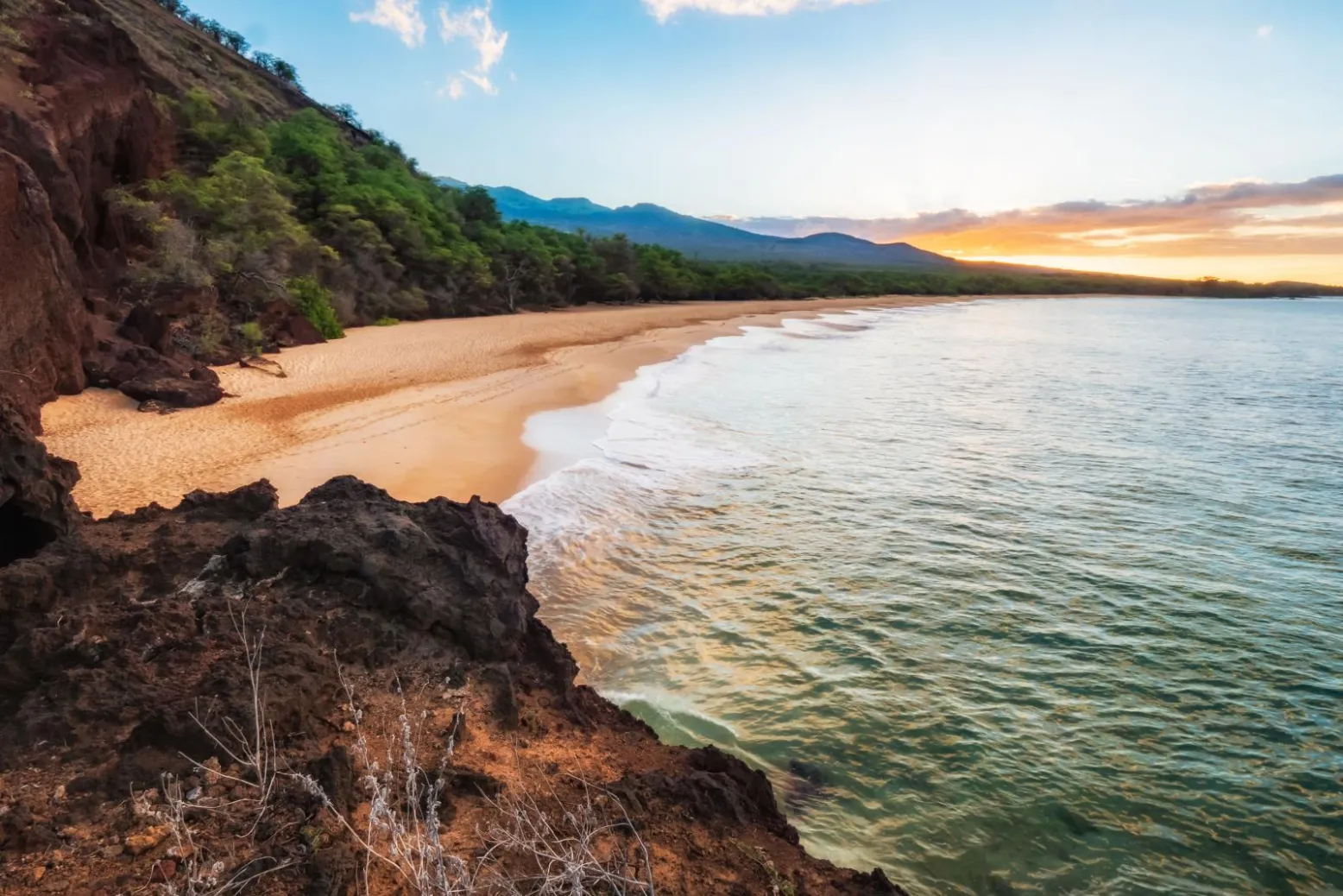
Big Beach, Mākena. Photo: Hawaii Tourism Authority (HTA)
The Beaches Are the Main Event
South Maui's biggest strength is the number of excellent beaches packed into one coastline.
You don't need to find “the best” one. Pick based on what you want to do that day.
Keawakapu is our favorite all-around South Maui beach — long, beautiful and great for swimming, walking and spending a few hours.
Kamaʻole I, II & III are easy family choices with lifeguards and facilities.
Ulua & Mōkapu are two of our favorite places for an easy morning snorkel.
Wailea Beach gives you the classic resort-beach setting.
Polo Beach is another excellent family option and one of the easier Wailea beaches for public access.
Maluaka is one of our Mākena favorites and gives you access to the broader Turtle Town reef area.
Big Beach is the dramatic one. It's spectacular, but the shorebreak can be powerful. Some days are for swimming; others are for sitting on the sand and watching it.
Our Best Beaches in South Maui guide breaks these down by swimming, snorkeling, families, facilities and parking.
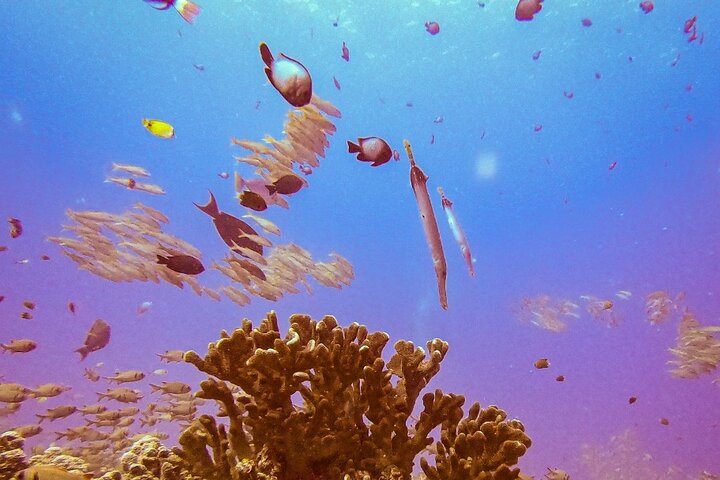
South Maui Is Excellent for Snorkeling
You can have great snorkeling here without ever getting on a boat.
Ulua and Mōkapu are our favorite easy all-around choices.
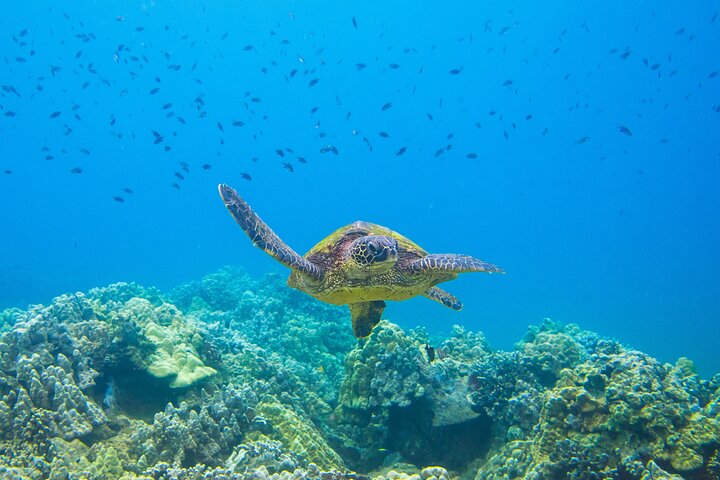
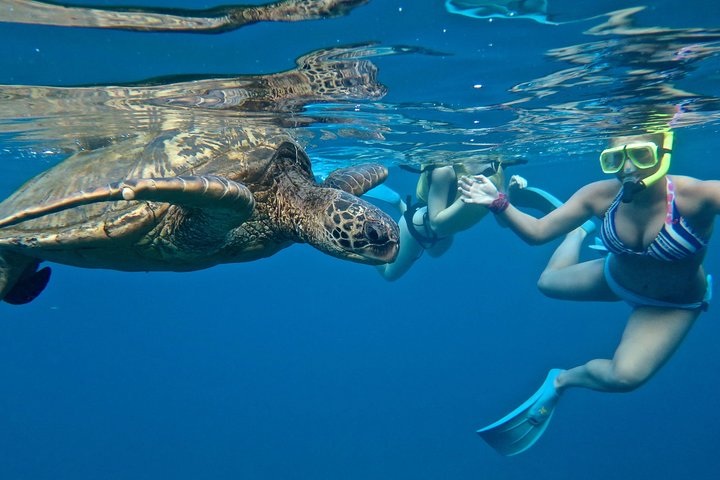
Maluaka and the broader Mākena coastline are good places to look for turtles.
ʻĀhihi gives confident snorkelers a more rugged, protected marine environment.
The beauty of shore snorkeling is your own schedule.
Go early, look at the water and get in if conditions are good. Stay for twenty minutes or two hours. If the water isn't right, try another beach.
Our Best Snorkeling on Maui guide covers the individual reefs and who they're best for.
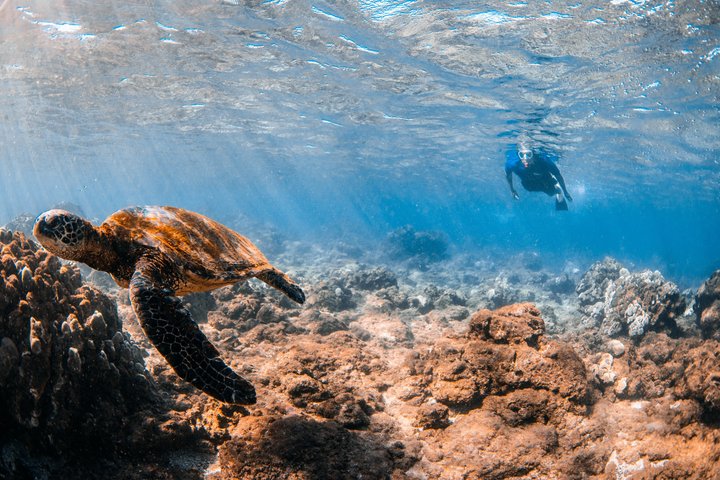
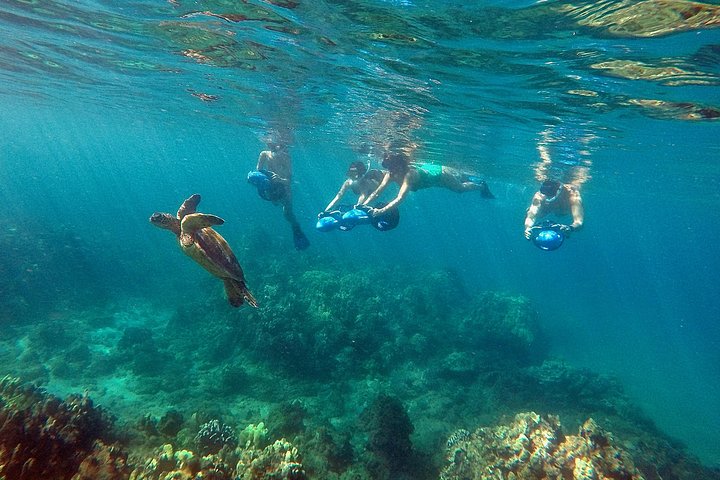
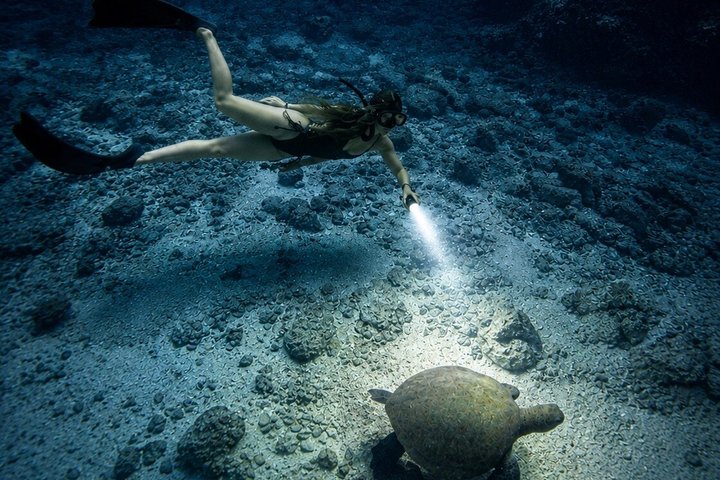
Turtle Town
Turtle Town isn't one specific place.
It's a nickname used for a series of reefs along the Mākena coastline, and different boats may visit different areas depending on conditions.
From shore, Maluaka Beach and Mākena Landing are two places to start.
But turtles are wildlife, not an attraction with an address. They can be common here without ever being guaranteed.
Take One Snorkel Boat
South Maui is also one of Maui's best bases for a snorkel boat day.
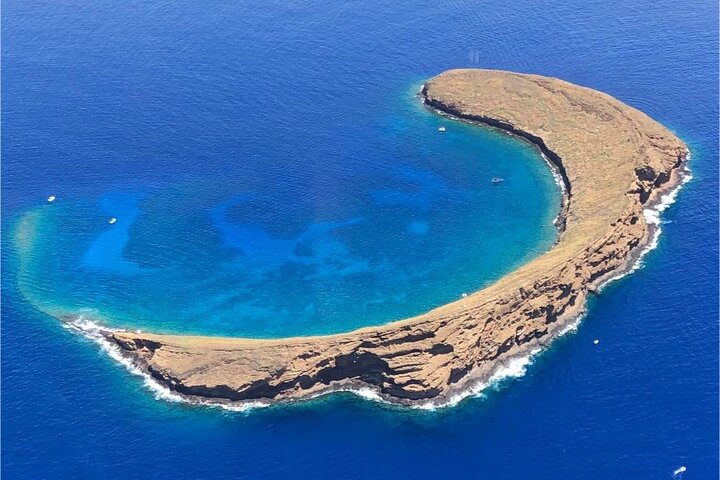
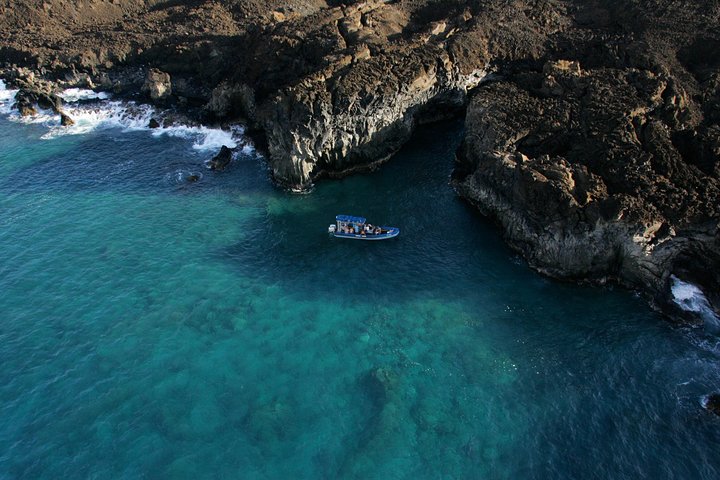
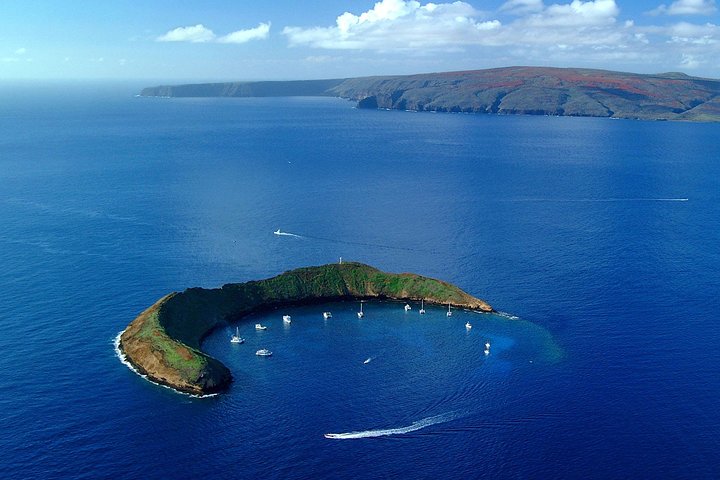
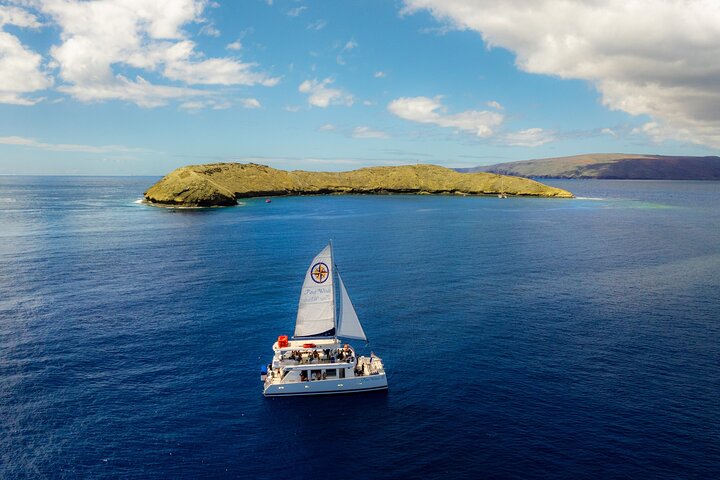
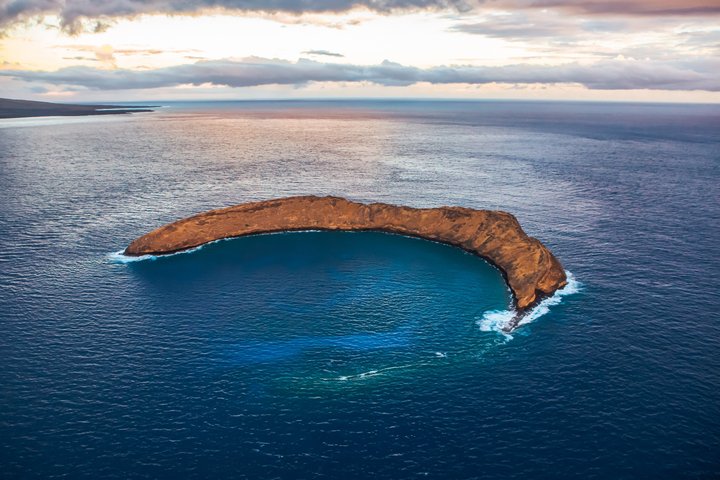
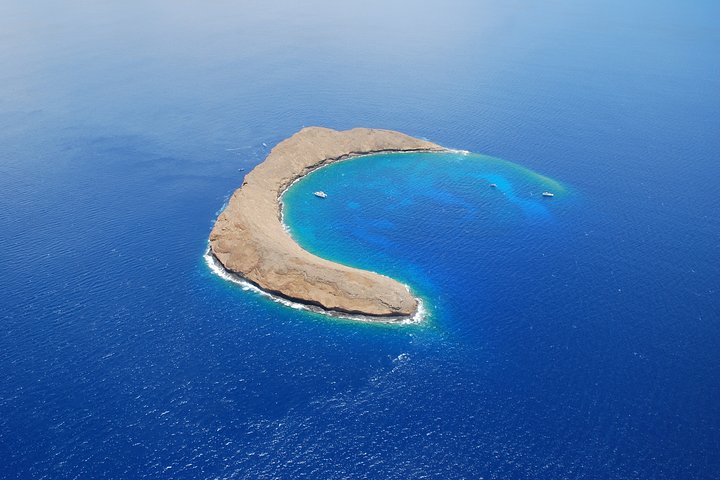
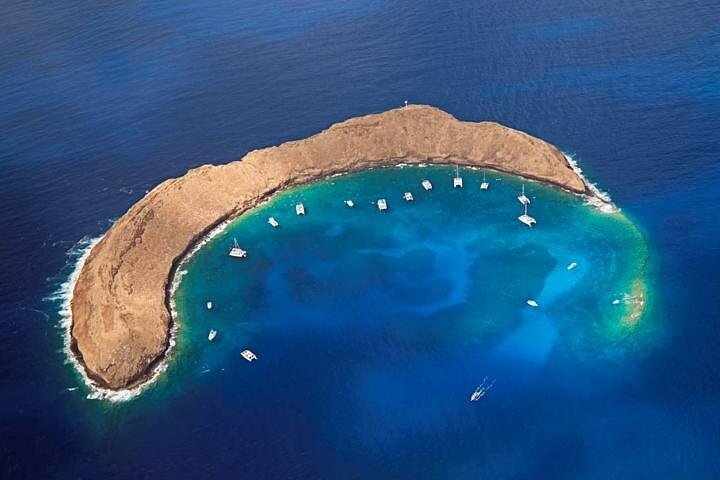
Molokini sits offshore, and most morning trips combine the crater with a second reef.
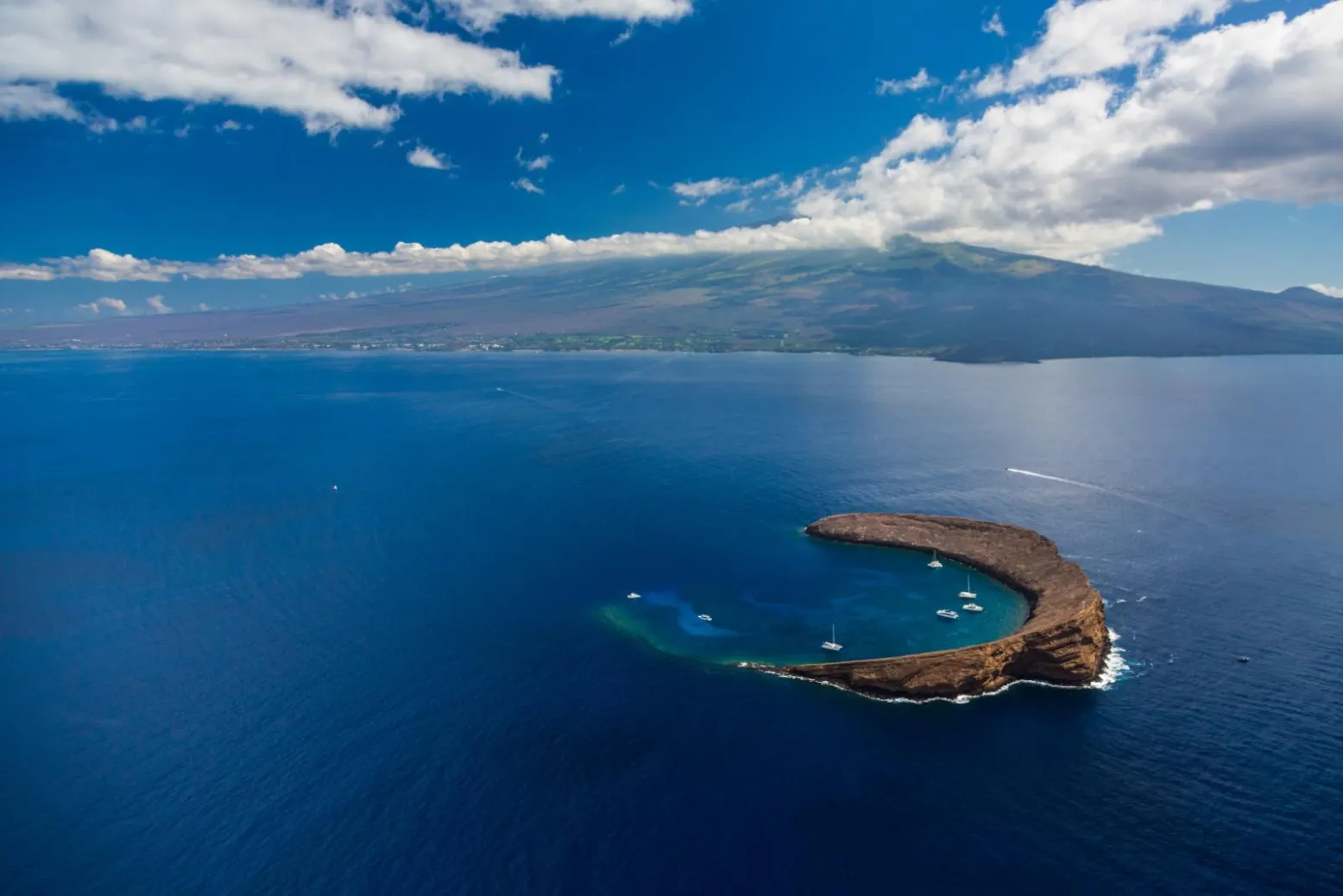
Molokini, off South Maui. Photo: Hawaii Tourism Authority (HTA)
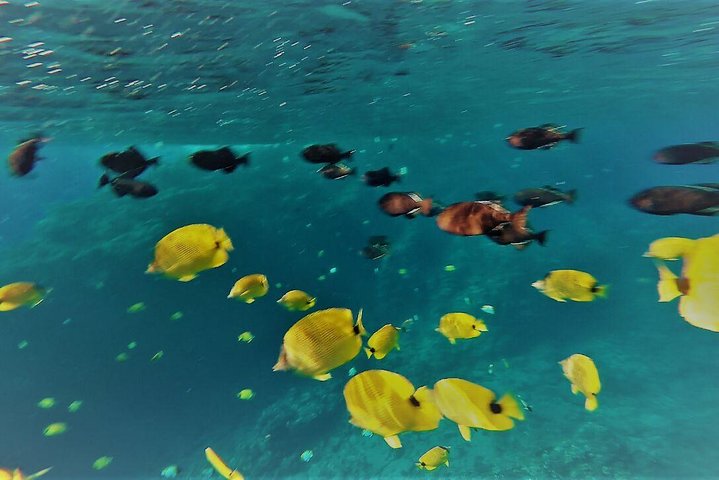
South Maui departures commonly pair Molokini with Turtle Town, while boats from Māʻalaea may use Coral Gardens or another location depending on conditions.
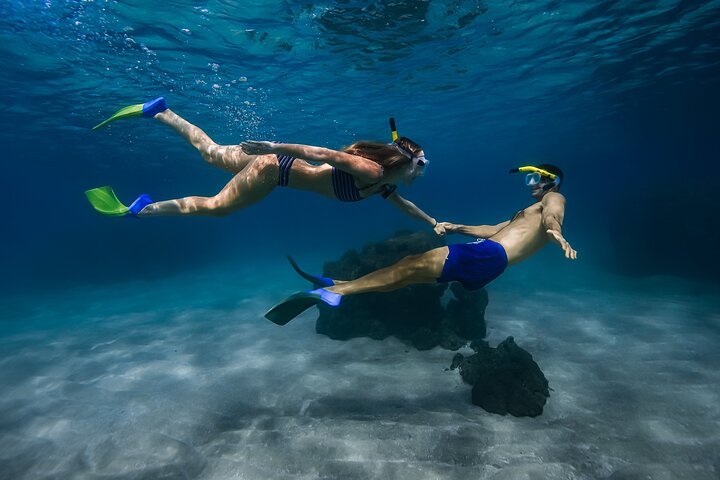
These offshore and boat-accessed reefs are generally more vibrant than many shoreline reefs, and the boat adds gear, flotation, crew support and access you can't get from the beach.
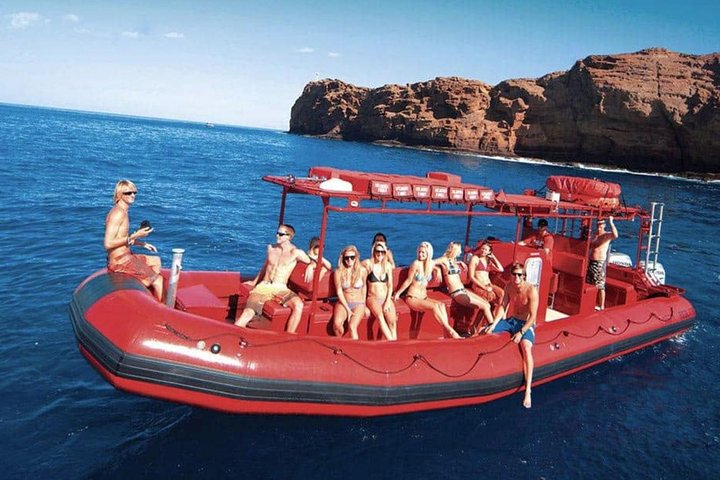
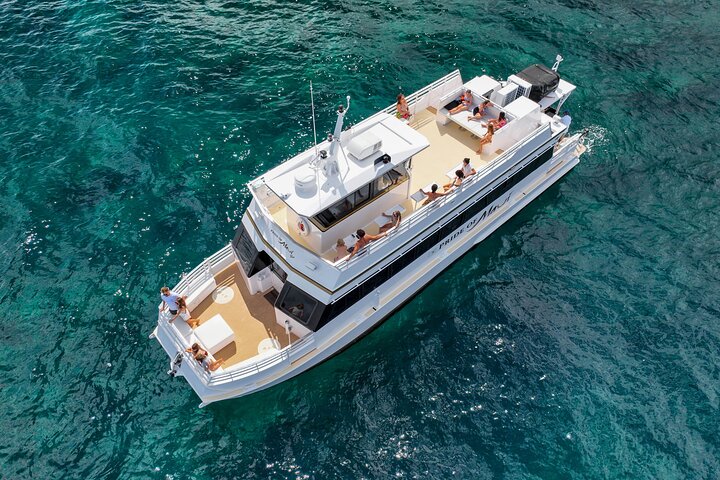
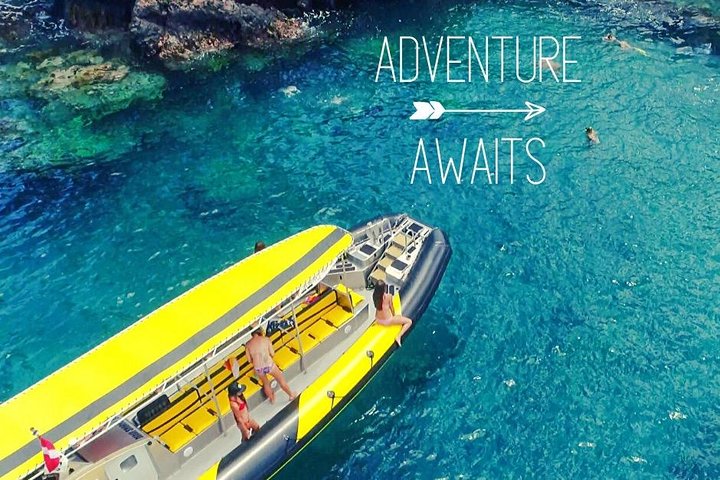
The vessel matters too. Larger boats work well for families, catamarans are our favorite middle ground for most visitors, and smaller rafts offer a more adventurous experience.
During whale season, the ride gets even better. You're traveling through whale habitat, so the trip can include whale sightings along the way.
Our favorite combination is:
One snorkel boat early in the vacation + shore snorkeling whenever conditions look good afterward.
Our Ultimate Molokini Snorkeling Guide breaks down the boats, second stops and different types of trips.
Get in the Water Early
Build South Maui mornings around the ocean.
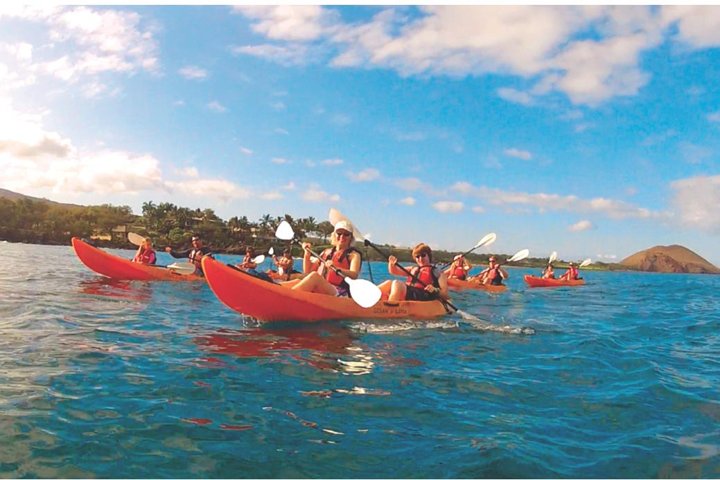
Trade winds often strengthen later in the day, so we'd rather swim, snorkel, paddle or take a boat in the morning.
Then let the afternoon become whatever feels right:
Lunch → Beach → Pool → Nap → Explore
Don't force an afternoon snorkel simply because it was on the itinerary.
Look at the water.
Explore the Coast
South Maui isn't only about getting in the ocean.
The Wailea Beach Path is our favorite easy coastal walk, especially early in the morning or around sunset.
For something more adventurous, continue south into Mākena toward La Pérouse Bay and the Hoapili Trail, where the landscape changes completely to exposed lava coastline.
Bring real shoes and water and avoid the hottest part of the day.
ʻĀhihi-Kīnaʻu is another reminder that the farther south you travel, the more natural the coastline becomes. It's a protected reserve, so use designated parking and access areas and follow posted rules.
South Maui Is a Great Base for Exploring
This is one of the biggest reasons we'd choose South Maui over West Maui for an active trip.
You don't have to dedicate every excursion to a full day away from your hotel.
From Kīhei, Pāʻia + North Shore or Makawao + Upcountry can easily become a half-day adventure with enough time to get back to South Maui for the beach or pool.
Māʻalaea is close for boat departures.
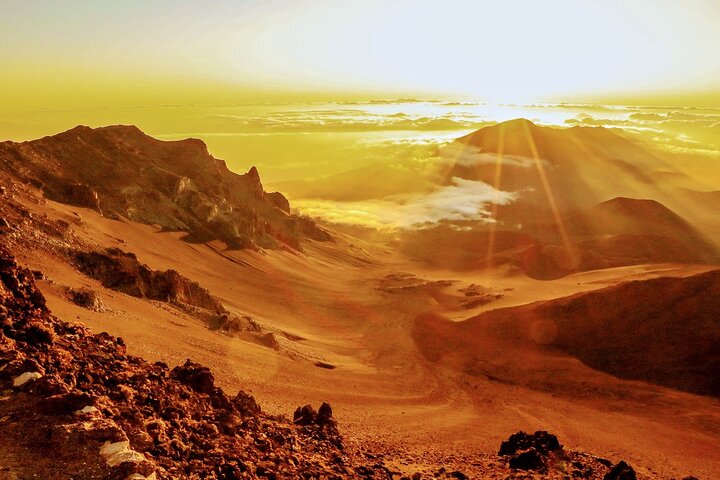
Haleakalā is easier to reach.
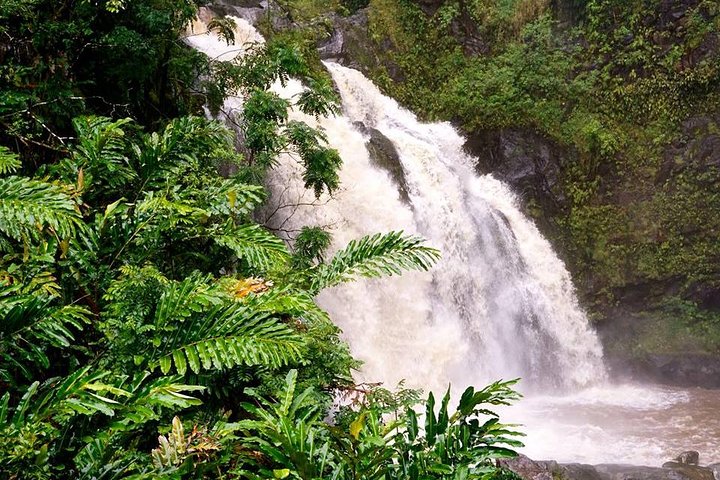
And you're better positioned for the start of a Road to Hāna day than you would be from West Maui.
That makes South Maui particularly good for travelers who want to explore Maui without feeling like they're constantly driving across it.
Eating in South Maui
Kīhei for casual. Wailea for polished. Mix the two.
Kīhei has the greater variety of everyday restaurants, food trucks, poke, breakfast and casual dinners.
Wailea adds resort restaurants, nicer dinners and more polished settings.
You don't need to choose one or the other.
A typical trip might mean breakfast and lunch around Kīhei, sunset drinks or a nicer dinner in Wailea and absolutely nothing complicated after a long beach day.
Mākena has fewer options, so staying farther south means driving north more often for meals.
A Good South Maui Day
Don't make this harder than it is.
Get up early and look at the ocean.
If it's calm, snorkel.
If you want an adventure, take a boat.
Have lunch somewhere casual.
Spend the afternoon at the beach or pool.
Walk the Wailea Beach Path around sunset.
Then go somewhere good for dinner.
That's not an empty day on Maui. That's one of the good ones.
How We'd Spend a Few Days
If South Maui is your home base, don't leave it every morning.
A good rhythm might be:
Day 1 — Kīhei + Kamaʻole beaches
Day 2 — Morning snorkel + Wailea beach/pool
Day 3 — Molokini/Turtle Town boat + easy afternoon
Day 4 — North Shore + Upcountry half-day
Day 5 — Mākena + Maluaka + sunset
Save Road to Hāna and Haleakalā for bigger dedicated days if they're priorities.
And leave room to repeat whatever you liked most.
Practical Tips
Do ocean activities early.
Keep your snorkel gear handy. Calm water can decide the morning for you.
Use Piʻilani Highway when you need to move quickly; use South Kīhei Road when you're staying along the coast.
Don't drive across Maui for something you can do just as well in South Maui.
Bring shoes and water when exploring the lava coast south of Mākena.
Check current parking rules at popular beaches before you go.
Leave some mornings unplanned.
One Last Tip
South Maui is at its best when you stop trying to turn every day into an excursion.
The region already gives you beaches, snorkeling, boat trips, restaurants, resorts, coastal walks and easy access to the rest of Maui.
Explore when you want to.
But when the water is calm and the beach in front of you looks perfect, stay right where you are.




Frequently Asked Questions
Kīhei or Wailea?
Choose Kīhei for value, condos and casual convenience, and Wailea for resort service, polish and walkable resort amenities.
Do I have to pay to park at the Kamaʻole beaches?
Since 15 July 2026, nonresidents pay $10 a day to park at the paved Kamaʻole I and III lots. On weekends and County holidays those lots are resident-only until 10 a.m.
What is the best beach in South Maui?
Keawakapu is our best all-around choice, but Kamaʻole III is easier for many families, Ulua and Mōkapu are better for an early snorkel, and Big Beach is better for scenery than guaranteed swimming.
Which South Maui beaches have lifeguards?
Kamaʻole I, II and III in Kīhei and Big Beach in Mākena have lifeguards. Keawakapu, Ulua, Mōkapu, Wailea and Polo do not.
Can you snorkel in South Maui without a boat tour?
Yes, you can snorkel in South Maui without a boat tour. Ulua, Mōkapu, Maluaka and several Mākena reefs can be good from shore when the ocean is calm. Go early and stay out if surf, wind or visibility is poor.
Where do I park for ʻĀhihi Bay?
Park for ʻĀhihi Bay just past the cove rather than before it. Drive a little further than feels right, and use only the designated reserve parking.
Is the La Pérouse walk hard?
It is flat but it is lava, not sand. The lighthouse is 1.5 miles out, roughly 35 minutes each way, with no shade — which makes a cloudy day the good one.
What is the best time of day for the beach here?
Morning for the water, late afternoon for the walk and the sunset. The middle of the day is when the wind decides things.
Where is Turtle Town on Maui?
Turtle Town is not one marked beach. It is a nickname for reef areas along the Mākena coast; Maluaka Beach and Mākena Landing are common shore-access starting points.