At a Glance
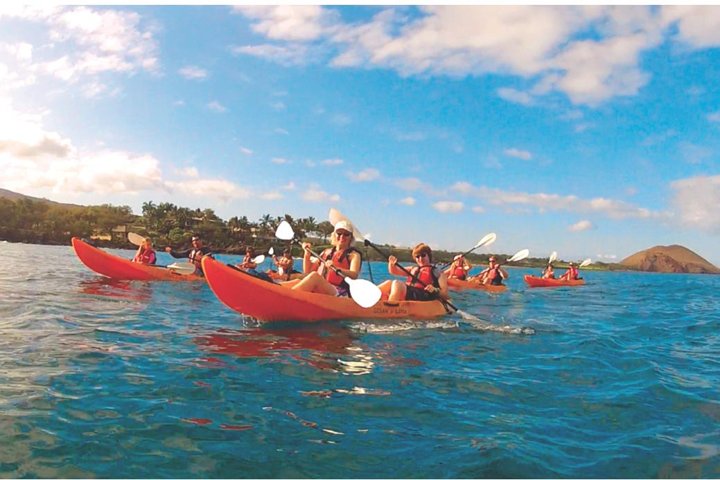
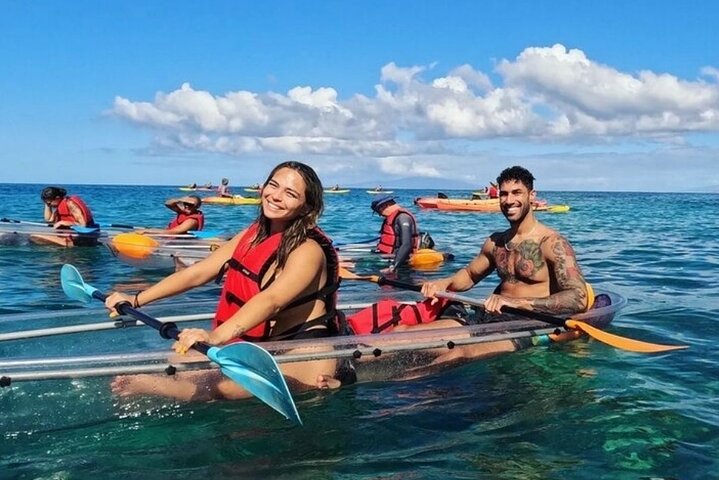
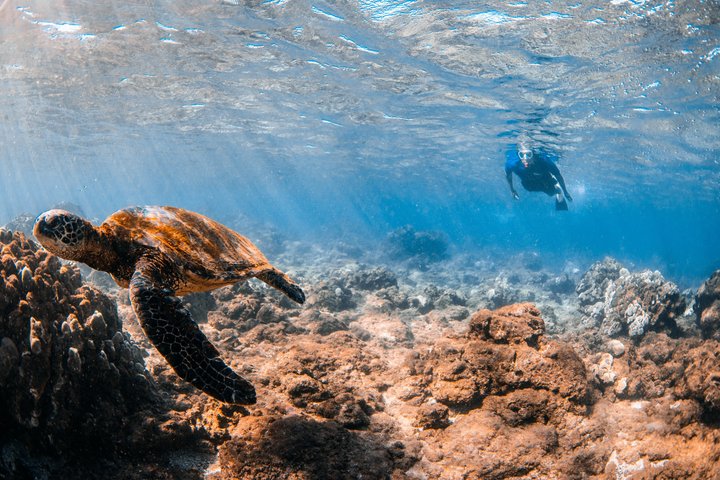
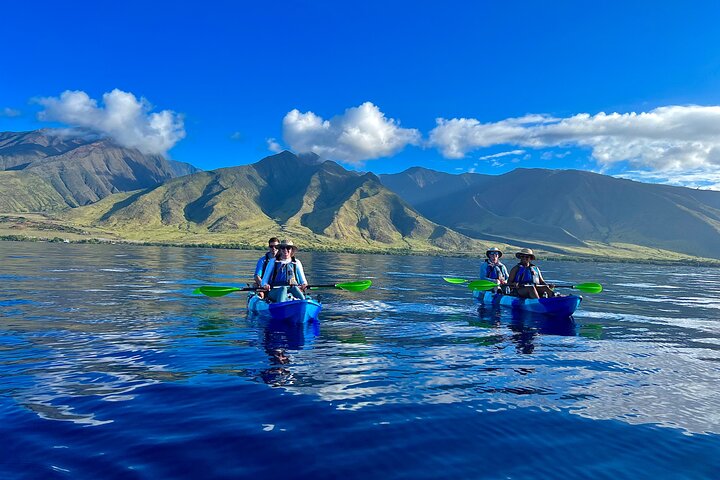
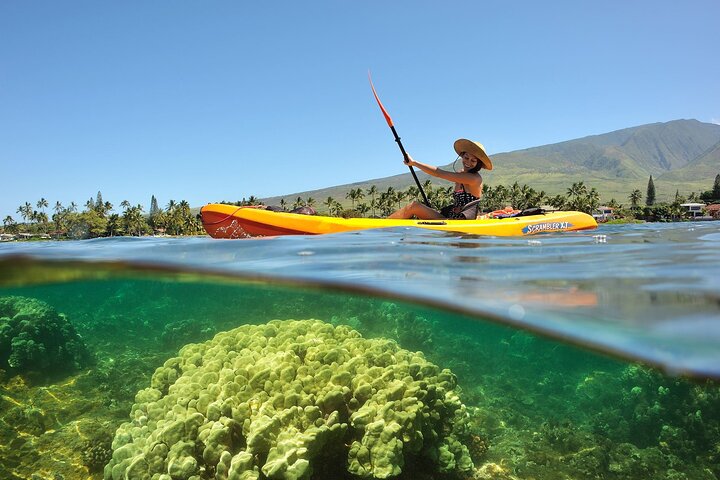
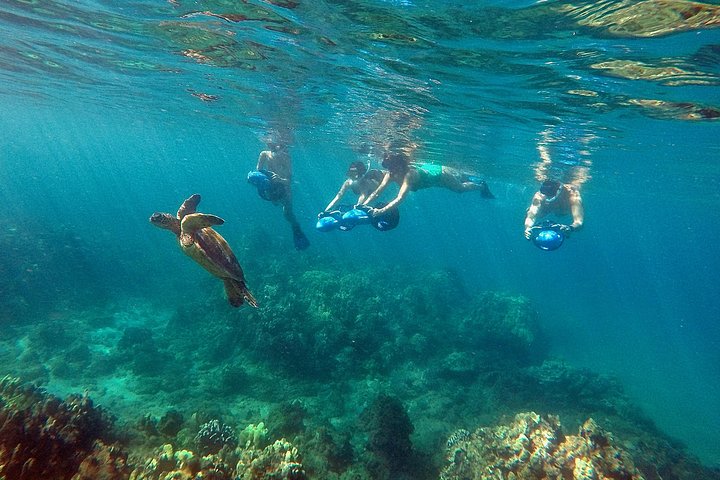
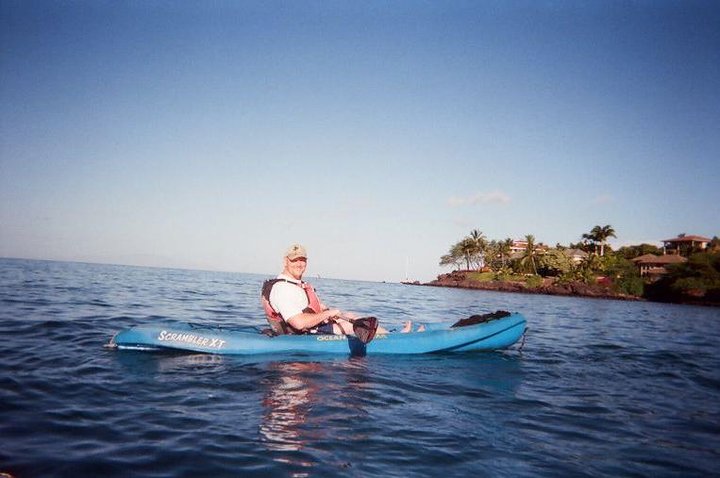
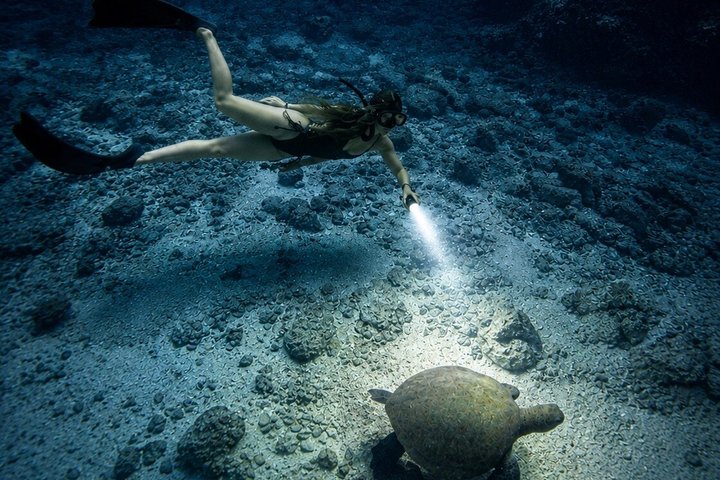
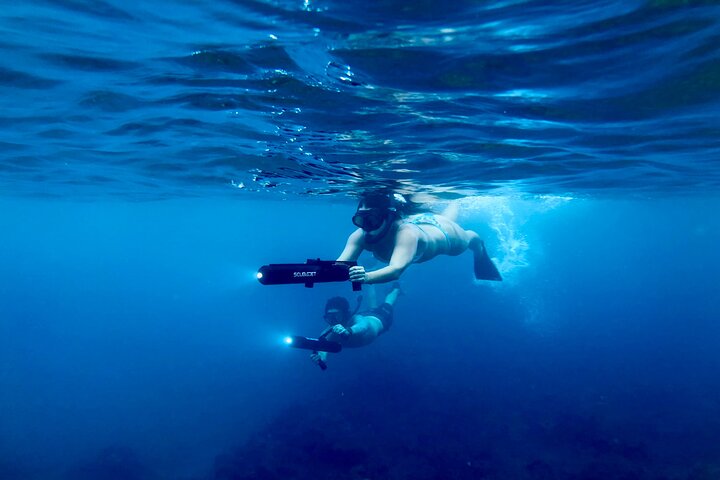
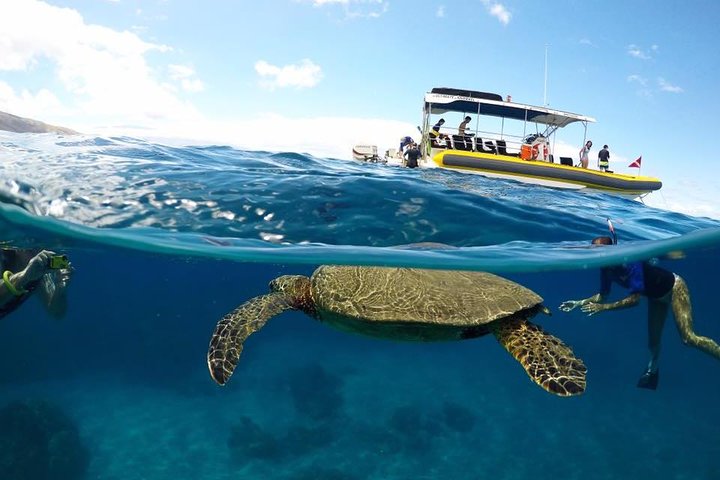
Our pick: Makena Turtle Town Eco Adventure in Maui
Best for beginners who want a small-group kayak-and-snorkel from Mākena Landing.
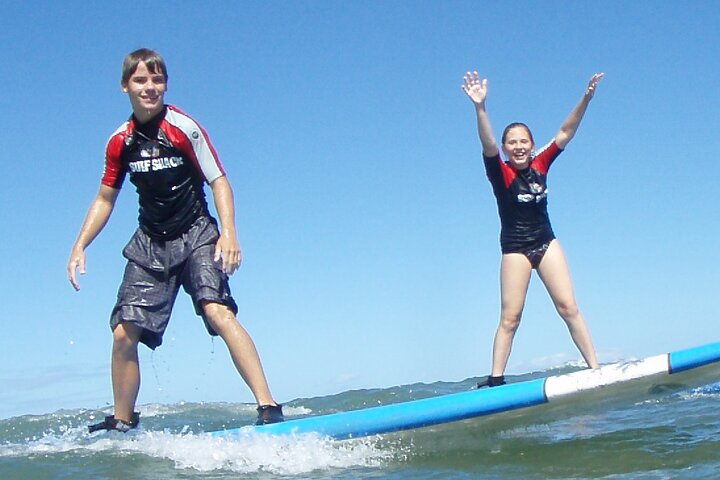
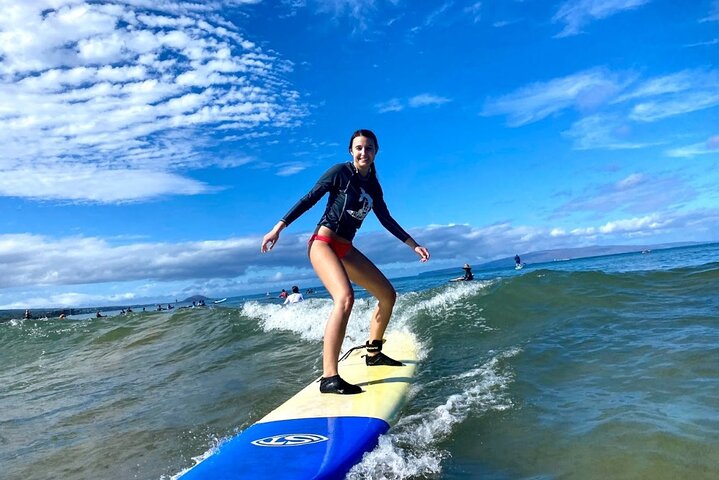
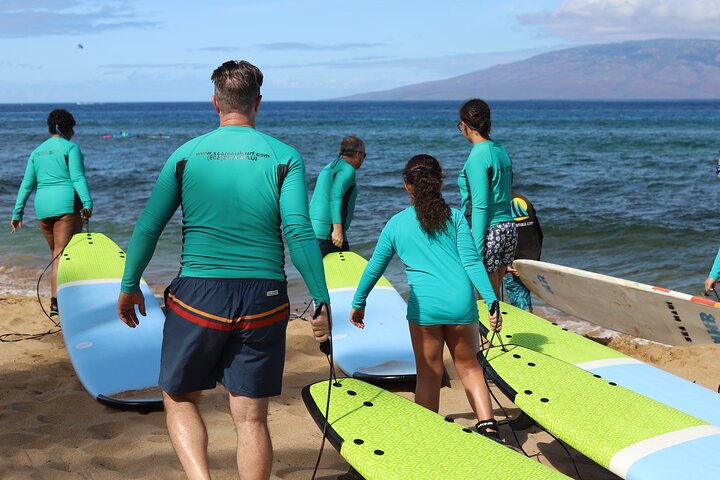
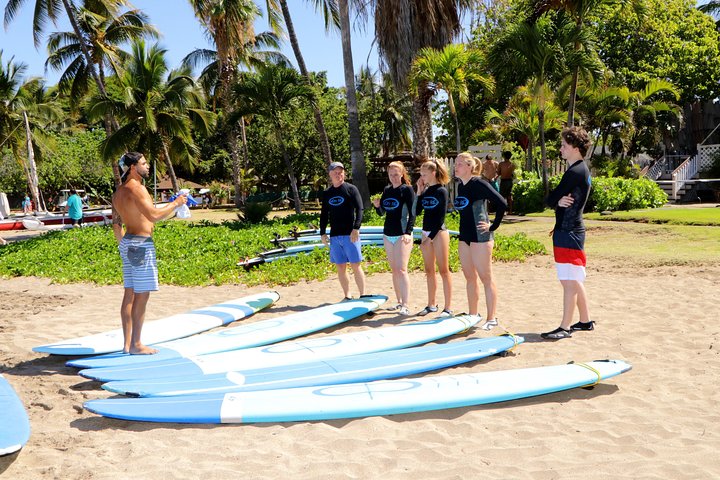
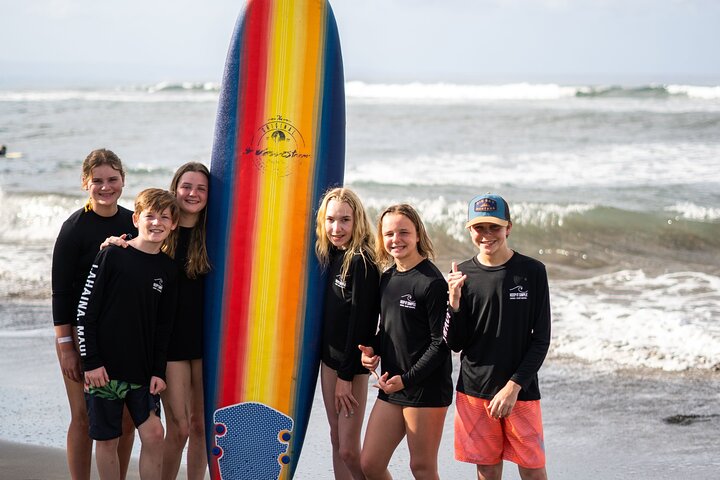
Our pick: Group Surf Lesson at Kalama Beach in Kihei
Best for first-timers and families who want a small Kalama Beach lesson capped at 6.
South Maui: The Deepest Bench
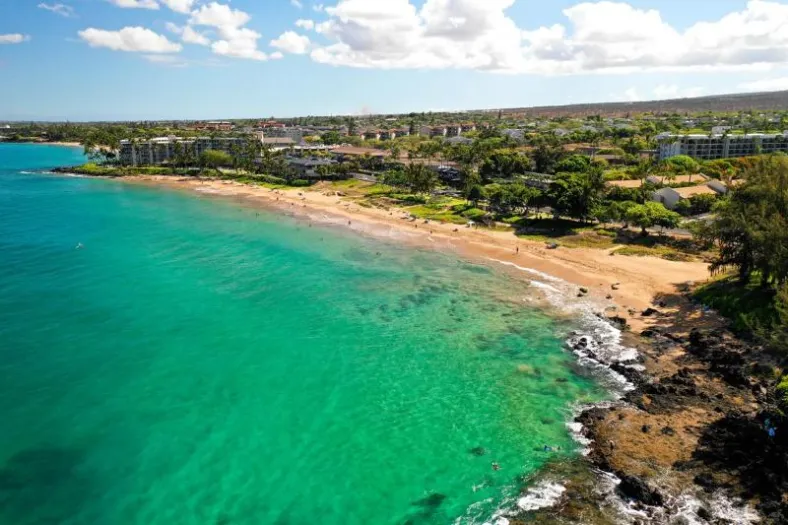
If you want one part of Maui where it’s hard to go wrong, choose South Maui. Calm mornings, plenty of beach choices, good parking and several lifeguarded beaches make this the easiest coastline to build a beach vacation around.
- Best all-around — Keawakapu. Long, beautiful and easy to pair with Kīhei or Wailea.
- Best with kids — Kamaʻole I, II & III. Lifeguards and restrooms at all three; Kam III adds more parking, grass, shade and a playground.
- Longest stretch of sand — Sugar Beach. Our pick if distance is the goal; Mai Poina Beach Park is the best parking and entry point.
Where: Kīhei to Mākena, about 20–30 minutes from Kahului Airport.
South Maui is where we send first-time visitors who want plenty of good beaches close together. Kīhei starts with the Kamaʻole beaches, followed by Keawakapu, Ulua/Mōkapu, Wailea Beach, Polo and the quieter beaches of Mākena.
Keawakapu
Our favorite all-around South Maui beach.
Keawakapu is long enough for a real beach walk, generally feels less resort-dominated than Wailea Beach and is easy to combine with lunch in Kīhei or dinner in Wailea.
You can rent paddleboards and snorkel gear on the water in front of Mana Kai. The easiest parking and access are at Mana Kai or Parking Lot II.

Keawakapu, Kīhei. Photo: Olivier Koning
Kamaʻole I, II & III
The Kamaʻole beaches are practical — and that’s exactly why families love them.
All three have lifeguards and restrooms. Kamaʻole II is our pick for a straightforward family swim when conditions are calm. Kamaʻole III gives you more park space, grass, shade and a playground when the kids need more than just the water.
When the paved Kamaʻole lots are resident-only, don’t try to work around the rule. Head to Keawakapu or one of Wailea’s public beach accesses, or simply come back later.
Kalama Beach Park
Come here for a surf lesson, not a full beach day.
Kalama Beach Park is where many Kīhei surf schools meet their students. There’s a playground, shade and plenty of park space, but only a small beach.
Wailea: Easy, Polished & Public
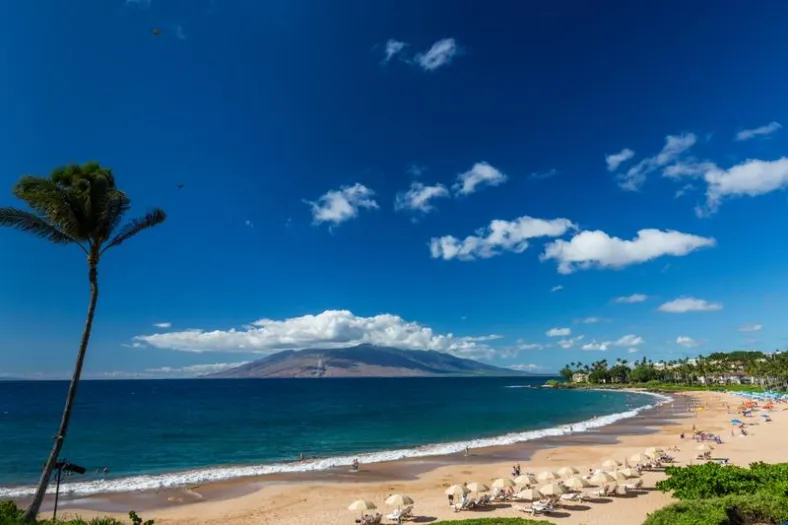
Wailea gives you sheltered coves, easy public access and some of South Maui’s most polished beach days. Every beach is public — even when there’s a resort behind it.
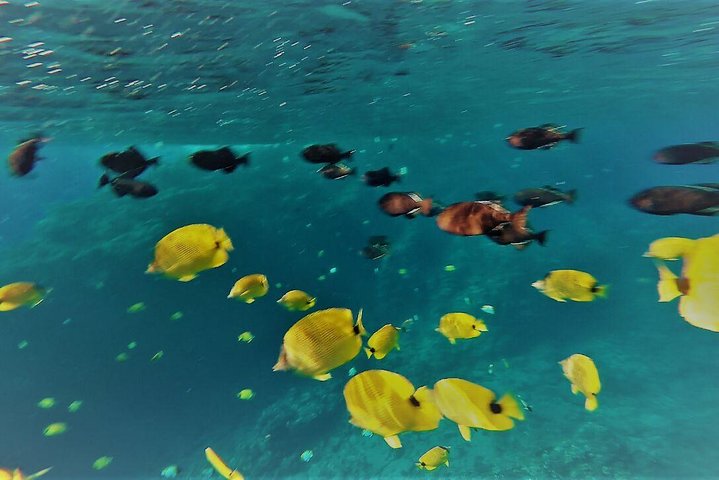
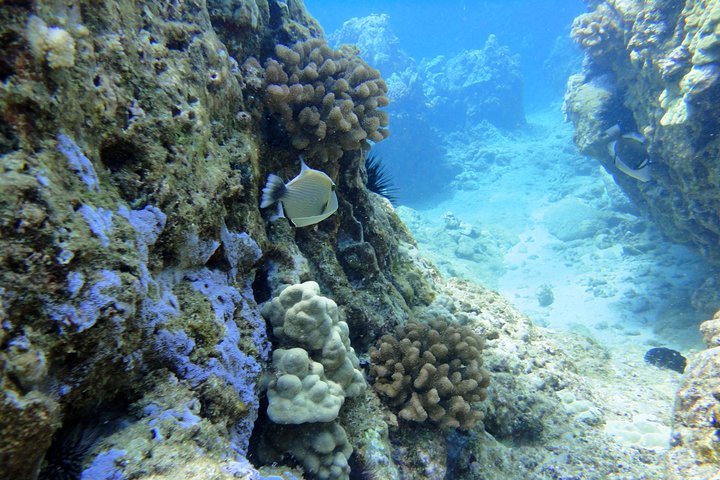
- Best easy snorkel morning — Ulua & Mōkapu. The reef between the two is our favorite snorkel in Wailea.
- Best classic beach day — Wailea Beach. Wide, beautiful and better for the beach itself than the snorkeling.
- Quietest — Polo Beach. Farther south with parking, restrooms and showers.
Where: The coves between Keawakapu and Mākena, about 30–40 minutes from Kahului Airport.
Ulua & Mōkapu
Our Wailea pick when snorkeling is part of the morning.
The reef between Ulua and Mōkapu is easy to reach and works for beginners and experienced snorkelers when the ocean is calm. Public parking, restrooms and showers make the logistics easy, and snorkel gear and paddleboards can be rented at Mōkapu in front of the Andaz.
There is no lifeguard, so don’t let the resort setting give you a false sense of security.
Wailea Beach & Polo Beach
Wailea Beach is the classic resort beach. Polo is the quieter alternative.
Wailea Beach is wide and photogenic, and we like it more for a straight beach day than for snorkeling. There is no lifeguard.
Polo Beach sits at the southern end of Wailea and tends to feel quieter. It has public parking, restrooms and showers, but no lifeguard.
The practical difference between these beaches often comes down to who is already there. Wailea Beach serves the Grand Wailea, Four Seasons and Marriott Elua area. Polo sits in front of the Fairmont. Keawakapu draws a broader mix — one reason it remains our favorite all-around choice.
Mākena: More Space, More Consequence
Mākena feels bigger, quieter and wilder than Wailea. Come for space and scenery, but pay more attention to the ocean — especially at Big Beach.
- Best snorkel day — Maluaka. Beautiful beach, reef access and the broader Turtle Town area.
- Best easy stroll — Poʻolenalena (Chang’s Beach).
- Most dramatic — Big Beach. Incredible scenery, but the shorebreak decides whether you swim.
Where: South of Wailea through Mākena State Park, about 30–40 minutes from Kahului Airport.
Poʻolenalena (Chang’s Beach)
One of our favorite easy beach walks and one of Maui’s prettiest stretches of sand.
There’s no lifeguard and no facilities, so bring what you need. From the north end, a short walk over the rocks leads to Secret Beach — small, unmarked and one of the most enchanting little beaches on Maui.

Poʻolenalena (Chang’s Beach), Mākena. Photo: Hawaii Tourism Authority (HTA)
Maluaka
Our favorite Mākena choice when snorkeling is part of the day.
Maluaka combines a beautiful beach with reef access and the broader Turtle Town area. It’s a better fit for a relaxed beach-and-snorkel morning than anyone looking for a big resort scene.
Big Beach
One of Maui’s most dramatic beaches — and one of the easiest to underestimate.
Big Beach at Mākena State Park has a powerful shorebreak that can cause serious injuries. When a south swell arrives, it can change from a great beach recommendation to a bad swimming recommendation very quickly.
Let the warning signs and actual ocean conditions make the decision.
West Maui: Bays, Reef & Resort Convenience
One long coast that changes character every few miles — busy and convenient at the Kāʻanapali end, quieter and better in the water the further north you go.
- Best all-around — Kahekili (Airport Beach). Soft sand, reef along almost the whole beach and far less crowded than Kāʻanapali.
- Best resort convenience — Kāʻanapali Beach. Everything on the sand, and busy because of it.
- Best hidden gem — Oneloa Beach (Ironwoods). The quiet one in Kapalua.
- Best with small children — Honokōwai Beach Park. A barrier reef does the work.
- Best for lifeguards & facilities — D.T. Fleming Beach. One of only two lifeguarded beaches in West Maui, along with Hanakaʻōʻō (Canoe Beach).
Where: Kāʻanapali through Nāpili to Kapalua, about 50–60 minutes from Kahului Airport.
Kāʻanapali Beach
One of Maui’s most convenient beaches — and one of its busiest.
If you’re staying at a beachfront resort, Kāʻanapali is hard to beat. You can walk straight from your room to the beach, rent snorkel gear nearby, and even board some boat excursions directly from the sand. Whalers Village is right behind the beach, with shopping and restaurants including Monkeypod and Ulu Kitchen.
The tradeoff is the crowds. Kāʻanapali can feel busy, especially around the resorts and Whalers Village.
For snorkeling, head to Puʻu Kekaʻa (Black Rock) at the north end of the main beach. Go early and be aware of currents, swimmers and cliff divers.
Kahekili (Airport Beach)
One of our favorite West Maui beaches — beautiful, relaxed and great for snorkeling.
Kahekili has soft sand, great views and generally feels quieter than Kāʻanapali just to the south. The reef runs along much of the beach, so you don’t have to swim far to find good snorkeling.
It’s also one of our favorite West Maui beaches for a long walk, with a beach path running along much of the coastline. Duke’s Beach House at the Outrigger is our pick for an easy beachfront lunch or dinner.
Honokōwai Beach Park
A little gem for families with young kids.
The offshore reef helps protect the shallow water, making this one of the easier West Maui beaches for little kids when conditions are calm. There’s also a playground and facilities.
It’s more neighborhood beach park than postcard beach — which is exactly why families like it.
Nāpili Bay
A beautiful little bay that’s best early in the day.
Nāpili’s protected shape often keeps the water calmer than more exposed West Maui beaches, making it a great choice for swimming, snorkeling and families when conditions cooperate.
For snorkeling, try the rocky north side of the bay. Go early — Nāpili is small, parking is limited and the beach can feel crowded by midday.
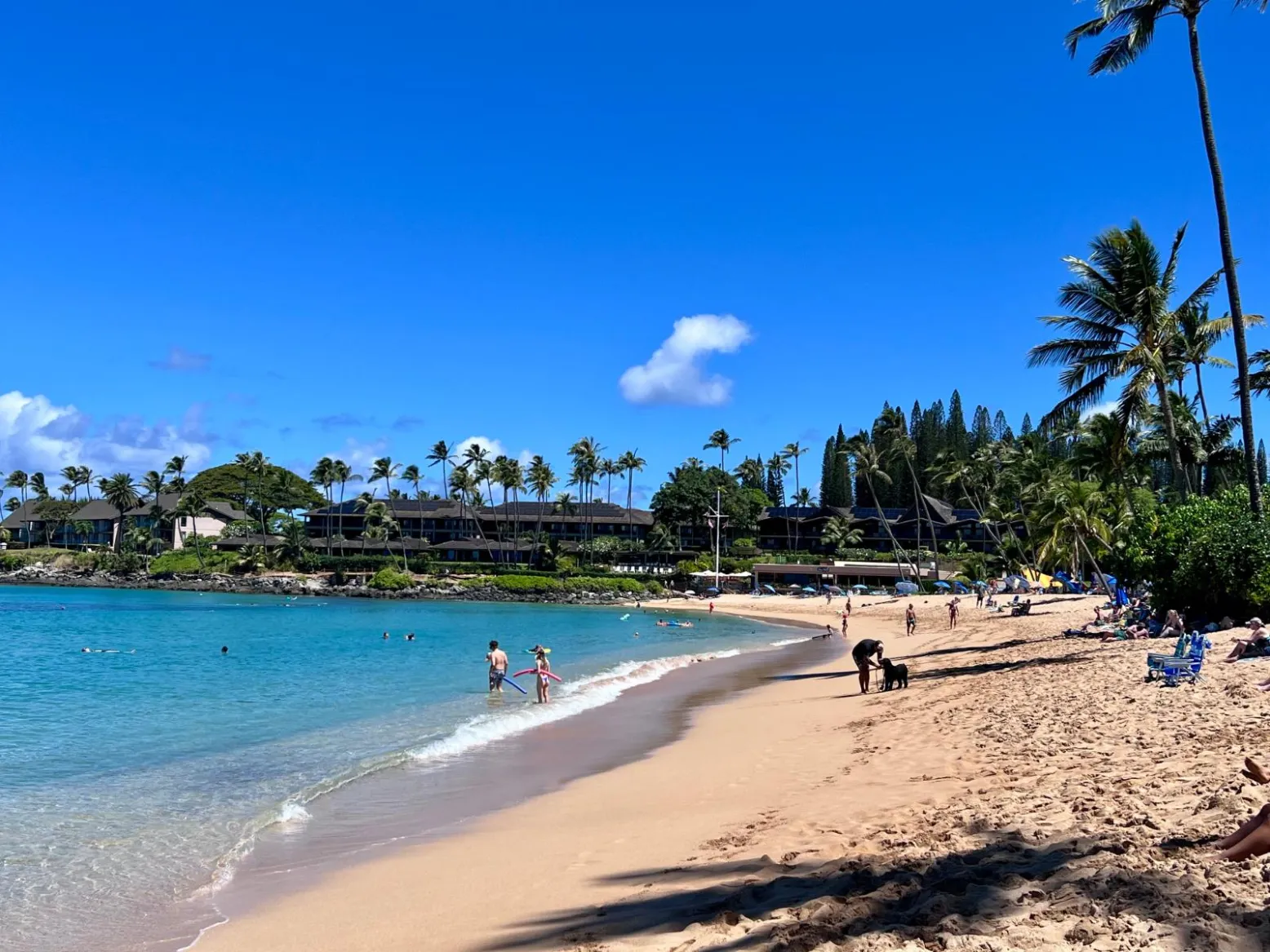
Nāpili Bay, West Maui. Photo: MauiBookIt
Kapalua Bay Beach
Terrific, and crowded by late morning.
Another delayed-trades cove, so the calm window runs through the morning. Snorkel and beach-activity rentals are on site, and there is plenty of paid parking at the south end. It is also the south entry point of the Kapalua Coastal Trail. Great for kids.
For snorkeling, head to the reef along the northern side of the bay.
Oneloa Beach (Ironwoods)
Your move on a weekend, or any day Nāpili Bay and Kapalua Bay are full.
That is the whole reason to know about it. Parking is nearly always easy when the other two have given up, and the beach stays mostly secluded even when the coast either side of it is busy. It is the north entry point of the Kapalua Coastal Trail, and from here you can carry on along Lower Honoapiʻilani Road toward Makāluapuna Point (Dragon’s Teeth) and D.T. Fleming.

Oneloa (Ironwoods) Beach and the Coastal Trail, Kapalua. Photo: MauiBookIt
North Shore & East Maui: Beauty First, Swimming Second
This is Maui’s wilder coastline. Come for scenery, surf culture and the experience of exploring — then decide whether you’re getting in the water once you see the conditions.
- Best for watching, not swimming — Hoʻokipa. Especially when the surf is up.
- Best with small children — Baldwin. The Baby Beach pocket is more protected; the lifeguard is on the main beach, not at Baby Beach.
- Most beautiful beach on Maui — Hamoa. Soft sand, turquoise water, shade much of the day and our favorite swimming beach in East Maui.
- Best for wild Maui scenery — Koki Beach. Come for the setting more than the swimming.
North Shore: Pāʻia and Hoʻokipa, about 15–30 minutes from Kahului Airport.
East Maui: Hāna and beyond, about 2–2½ hours from Kahului Airport.
Hoʻokipa & Baldwin
Hoʻokipa is the perfect example of why "beautiful beach" and "good swimming beach today" are not the same thing.
When the surf is up, Hoʻokipa can be spectacular to watch and completely wrong for casual swimming.
Baldwin is the more practical family option. The protected Baby Beach pocket can work well with younger kids, although the lifeguard station is on the main beach rather than at Baby Beach.

Baldwin Beach, North Shore. Photo: Hawaii Tourism Authority (HTA)
Hamoa, Koki & Waiʻānapanapa (Black Sand Beach)
East Maui beaches are part of the adventure, not necessarily where we’d send a nervous swimmer for an easy beach day.
Hamoa is our standout — beautiful sand, turquoise water, shade and some of the best swimming in East Maui when conditions cooperate.
Koki and Waiʻānapanapa (Black Sand Beach) show you a much wilder side of Maui. Visit them for the scenery and the broader Hāna experience, and make the decision about swimming once you’re there.
Lifeguards, Parking & Hours
Lifeguards are the exception on Maui, not the rule. County coverage generally runs 8 a.m.–6:45 p.m. from March 16 through September 15 and 7:30 a.m.–6:15 p.m. from September 16 through March 15, but staffing and conditions can change. Check the posted tower hours and choose your beach accordingly.
South Maui
- Kamaʻole I, II & III — Open 7 a.m.–8 p.m. Lifeguards and restrooms at all three. PARK MAUI applies at the Kamaʻole I and III paved lots, which are resident-only before 10 a.m. on weekends and County holidays. Kamaʻole II has street parking only. Kamaʻole III adds shade and a playground.
- Keawakapu — Open 7 a.m.–8 p.m. No lifeguard. Best parking and access at Mana Kai or Parking Lot II. Portable restroom and outdoor shower.
Wailea
- Ulua & Mōkapu — No lifeguard. Public parking, restrooms and showers. Partial ADA access.
- Wailea Beach — No lifeguard. Public parking, restrooms and showers.
- Polo Beach — No lifeguard. Parking, restrooms and showers, with easier access and more parking than Wailea Beach, Ulua or Mōkapu.
Mākena
- Mākena State Park / Big Beach — Open 5 a.m.–7 p.m., extended to 7:45 p.m. from May through July. Lifeguarded, with portable toilets; the shorebreak can still be dangerous.
- Poʻolenalena (Chang’s Beach) — No lifeguard and no facilities.
West Maui
- Hanakaʻōʻō (Canoe Beach) — Open 7 a.m.–8 p.m. Lifeguard, paved and gravel parking, restrooms and outdoor showers.
- D.T. Fleming Beach Park — Open 7 a.m.–8 p.m., with a lifeguard tower, restrooms, outdoor shower, wheelchair access and public parking. North swell can create powerful shorebreak.

D.T. Fleming Beach, Kapalua. Photo: Hawaii Tourism Authority (HTA)
North Shore & East Maui
- H.A. Baldwin — Open 7 a.m.–7 p.m. Lifeguard on the main beach only; no lifeguard at Baby Beach. Shoulder and sand-lot parking, restrooms, portable toilets and outdoor shower.
- Hoʻokipa — Open 7 a.m.–8 p.m., with a lifeguard tower, parking, restrooms and outdoor showers. County lifeguard coverage is seasonal, so check posted hours.
- Hamoa — No lifeguard. Street parking and portable toilets.
What It Costs to Park
Most beaches are still free to access, but there are two parking systems visitors should know about.
Kamaʻole I & III
PARK MAUI launched at the paved Kamaʻole I and III lots on July 15, 2026. Kamaʻole I has 18 stalls, with plenty of overflow in the dirt lot across the street.
- Nonresidents — $10/day, $50/week or $150/month.
- Hawaiʻi residents — Free after validation, by scanning a Hawaiʻi driver’s license at a pay station or in the app.
- Weekends & County holidays — Paved lots are resident-only before 10 a.m.
Mākena State Park
Mākena State Park charges nonresidents a $10 vehicle parking fee plus a $5 per-person entrance fee; children age 3 and under are free. Hawaiʻi residents are free with a valid State of Hawaiʻi driver's license or ID. Fees can change, so verify the official State Parks page before going.
Practical Tips
Use a lifeguarded beach when possible. Ask the lifeguard about current conditions before getting in.
Go early. Morning is generally the best starting point for calmer water and snorkeling.
Remember that Hawaiʻi’s beaches are public. Access, parking and facilities vary from beach to beach.
Never judge the ocean by what other people are doing. This is especially important at Big Beach — if the shorebreak looks powerful, stay out.
One Last Tip
The best beach is the one that fits today's water and your actual group.
A famous beach in the wrong conditions is a poor choice. A nearby beach that lets everyone relax is usually the better Maui day.





Frequently Asked Questions
Which South Maui beach is best for kids?
Kamaʻole I, II and III all have lifeguards and restrooms. Kamaʻole II is a strong swimming choice when calm; Kamaʻole III is better if park space, grass and playground access matter most.
Which Wailea or Mākena beach is best for snorkeling?
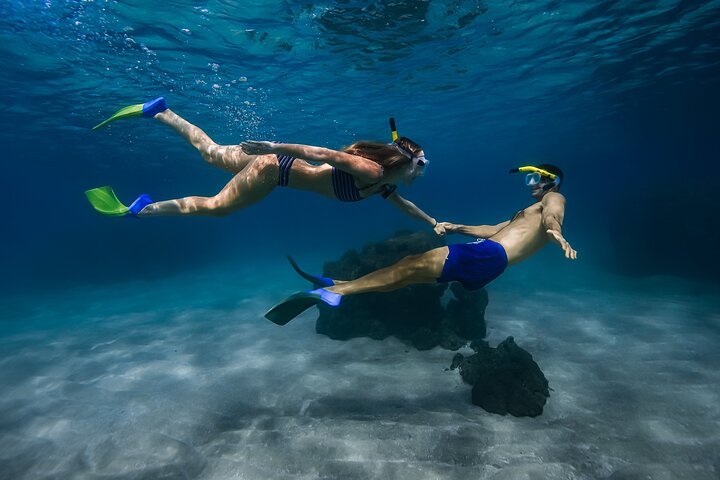
Ulua/Mōkapu and Maluaka are both strong choices in the right conditions.
Where is the best snorkeling in West Maui?
Kahekili (Airport Beach) and Kapalua Bay are both strong choices in the right conditions. Honolua is not a beach at all — it is a rocky-entry snorkel spot that only works in calm water, so it lives in our Maui snorkeling guide rather than here.
What beach would you pick for a simple South Maui day?
For a simple South Maui day, pick Keawakapu.
Is Big Beach in Mākena worth visiting?
Big Beach is worth visiting for the scenery and scale. Swimming depends entirely on shorebreak conditions.