Ultimate Road to Hāna Guide


At a Glance
Our pick: Small-Group Road to Hana Adventure Tour with Pickup & Lunch
Best for first-time Hāna visitors who want a small-group tour capped at 15, with hotel pickup, breakfast and lunch included.
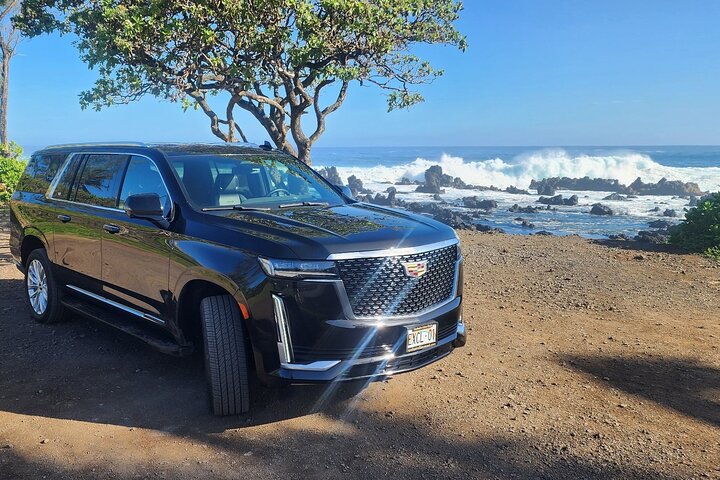
Our pick: Maui by Storm: Epic Private Luxury Road to Hana Adventure Tour
Best for families or couples who want a fully private Hāna day for up to 6.
Day-by-day itineraries: 1 day · 2 days · 3+ days
Is This Day Right for Your Trip?
The Road to Hāna is the best day on Maui for some people and the worst day for others, and the difference is almost never the road.
- Go if: your group likes long drives, rainforest and exploring
- Go if: you have a full day you are willing to give up entirely
- Think twice if: anyone in the car gets motion sick
- Think twice if: you only have four or five days on Maui
- Skip it if: the plan is to "see Hāna" and be back for a 4 p.m. reservation
Where: the Hāna Highway (Route 360) east from Pāʻia, then the Piʻilani Highway beyond Hāna to Kīpahulu.
Our own planning number is about 2 to 2.5 hours of driving from Kahului airport to East Maui.
Deciding whether to rent a car for the whole trip? See Do You Need a Rental Car on Maui?
That is one way before waterfalls, food stands, short walks or traffic. Treat Hāna as a day you spend, not an outing you fit between other plans.
Nobody regrets the drive. People regret the schedule they strapped to it. If your trip is short and you want beach days, snorkeling and a sunset that is not spent on a cliff road, it is completely reasonable to skip Hāna and come back for it.
The One Decision That Shapes the Day
How far east you go decides everything else: when you leave, what you skip and whether you drive home in the dark.
- Shortest honest version: turn around at Keʻanae or Puaʻa Kaʻa
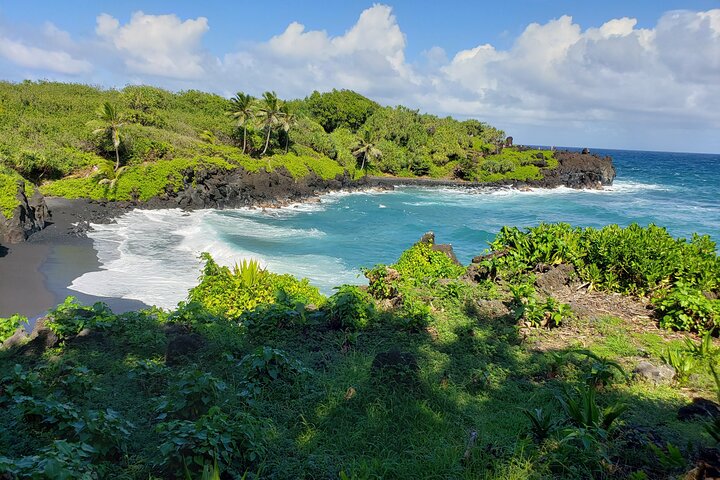
- Standard day: Hāna town, Hāna Bay and Hamoa, then back
- Long day: continue to Kīpahulu for the Pīpīwai Trail
- Different trip entirely: stay a night in Hāna
Turning Around Before Hāna
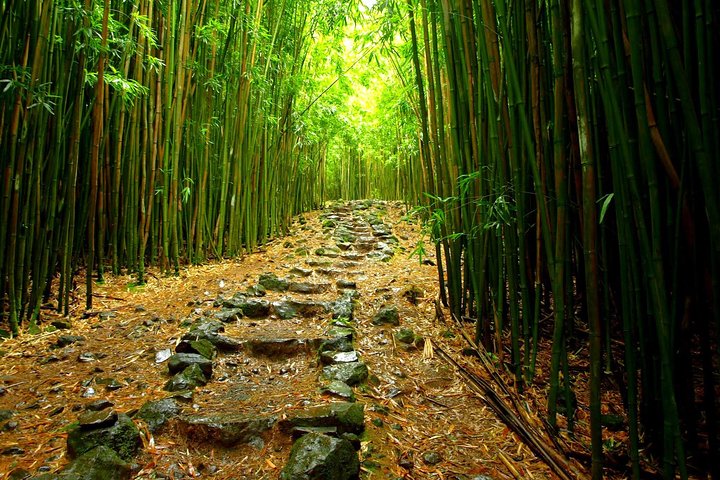
Underrated, and not a failure. The rainforest half of the road is the half most people remember.
If the car is miserable by late morning, turning around is the right call and you have still had the drive. We would rather you enjoy two thirds of the road than resent all of it.
Going All the Way to Kīpahulu
Commit to it before you leave, or do not do it. Kīpahulu is well past Hāna town and it is the part of the day that gets cut first.
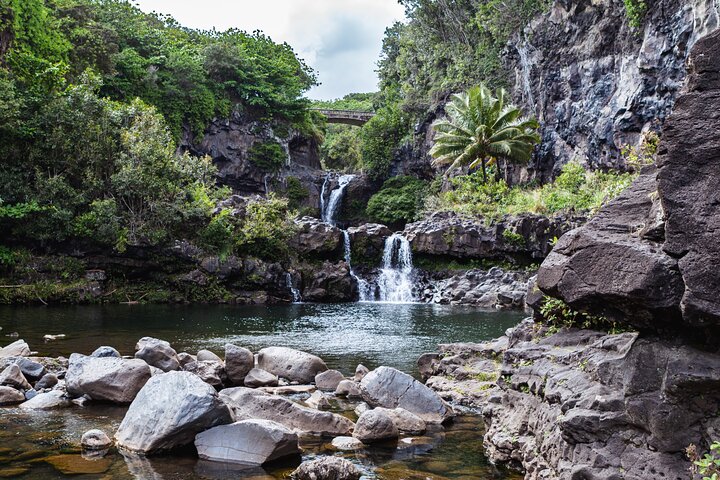
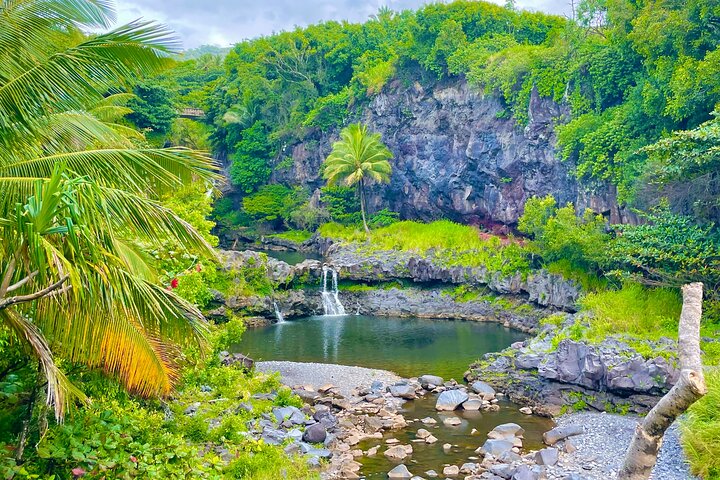
The Pīpīwai Trail is 4 miles round trip with about 800 feet of elevation change, on National Park Service figures. That is a real hike on top of a real drive, and the pools at ʻOheʻo are not accessible for swimming. The Park Service says they can be viewed from the Kūloa Point Trail, which is a half-mile loop.
If Pīpīwai is why you are going, it is the first thing on the schedule and the roadside stops are what you trade away.
When to Leave
Early, and earlier than you think if you are going past Hāna town.
There is no single correct departure time because it depends on where you are staying and how far east you intend to get. What does not change is the shape of the day: the road gets busier as the morning goes on, parking at the good stops fills, and every delay compounds eastward.
Our working departures are about 5:45 a.m. from Wailea, 6 a.m. from Kīhei, 5:15–5:30 a.m. from Kāʻanapali and 6:30–6:45 a.m. from Pāʻia. These are planning targets, not official drive times. If we reach Hāna after noon, we turn back rather than add the Pīpīwai Trail to an already long day.
What You Have to Book Before You Go
One reservation can decide your whole schedule, and it is not the one most people expect.
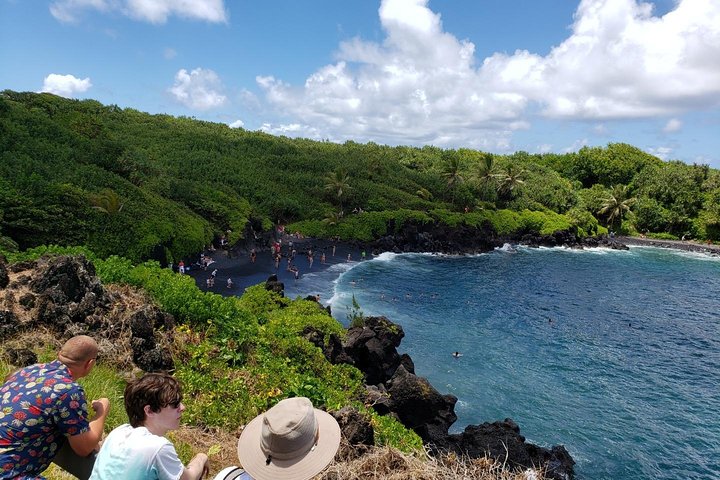
- Waiʻānapanapa State Park: nonresidents driving in need both entry tickets and a parking reservation
- Release window: 30 days ahead, one day at a time, at midnight HST
- Same-day entry: unavailable; reserve at least one day ahead
- Time slots: arrive and leave within the purchased slot; buy consecutive slots if you want a longer visit
Everything else about the park, what the slot actually buys you and whether to bother, lives in our Waiʻānapanapa State Park Guide, and we would rather send you there than half-explain it here.
The reservation is a scheduling constraint. If the available slot conflicts with Kīpahulu, choose a different day or skip the park. State Parks says reservations cannot be changed and sales are final.
Driving the Road to Hāna
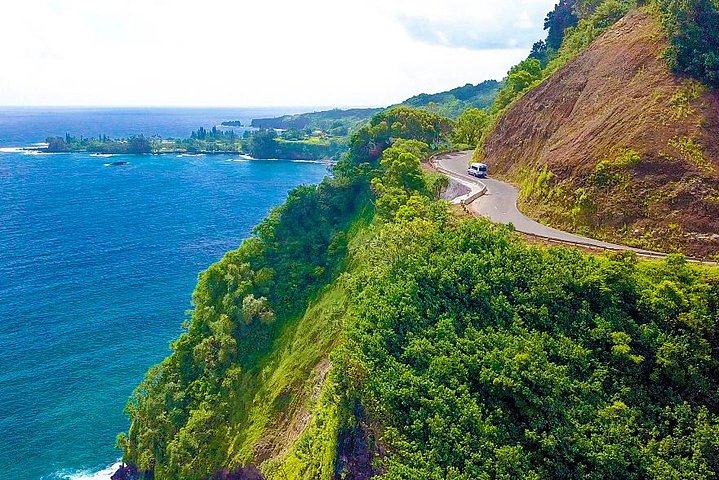
The challenge is repetition: curves, one-lane bridges, wet pavement and hours of attention.
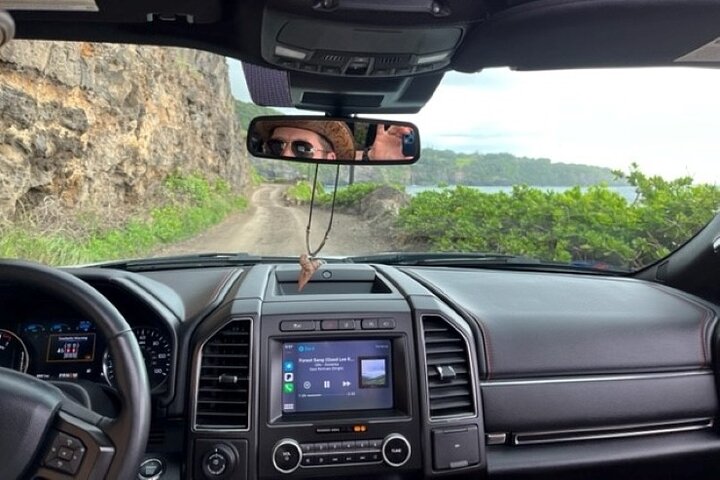
The front side is paved and manageable in a normal car or midsize crossover. You do not need 4WD for the standard route to Hāna and Kīpahulu. The road is not inherently dangerous when driven patiently, but distraction and poor parking create unnecessary risk.
One-Lane Bridges
Yield early and clearly. If cars are already committed from the other side, let them clear. Never stop on a bridge for a photo.
Let Local Traffic Pass
If open road is in front of you and a line is behind you, use the next safe pullout. Residents are commuting, working and taking children to school. Letting them by removes pressure from you and friction from the road.
Parking and Waterfall Traps
Park only in legal lots and pullouts. Never park in the road, stay off private property and never stop on bridges. If there is no legal space, skip the stop.
In our experience, the waterfalls visible right beside a bridge are usually the least worthwhile stops anyway. They create traffic, unsafe pedestrian movement and resident frustration. Use real destinations such as Puaʻa Kaʻa, Keʻanae and Wailua Falls instead.
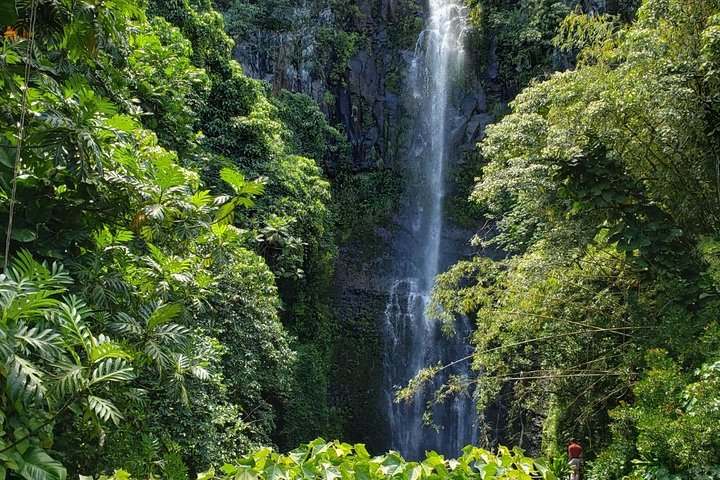
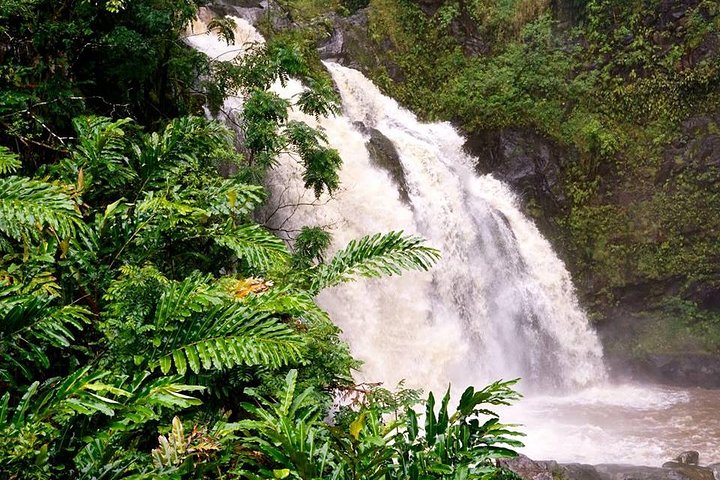
Wailua Falls: one of the few bridge-side falls we think is worth a quick photo when a legal space is available.
Phone Service and Maps
Service begins to get unreliable around Twin Falls. You may see pockets around Keʻanae, Hāna Farms and Hāna town, but do not plan navigation around having data. Download offline maps and screenshot any reservations before leaving.
Fuel, Water and Restrooms
Start with a full tank before Pāʻia or Haʻikū. This is not the road to test your range. Carry more water than you think you need.
Puaʻa Kaʻa State Wayside has restrooms. Hāna Farms has restrooms too, but expect long waits.
Weather and Road Status
East Maui is wet and changeable, and rain raises streams fast. Check Hawaiʻi DOT road notices and Maui County road notices the same morning for weather, landslides and closures.
Skip the drive in severe weather, during closures or when the driver is tired. That is a better call than pushing through.
The Back Side Through Kaupō
Our preference can be the full loop, but only when the road, the rental agreement and the driver all say yes.
The landscape beyond Kīpahulu is extraordinary, particularly around Kaupō. It is also where the road becomes a more serious commitment. There are rough, narrow and exposed stretches, side roads can wash out, and services are limited. Weather and repair work can change access quickly.
Do not assume it is a shortcut. Check current closures the same day and read your rental agreement before continuing, because some rentals restrict it. Unless conditions clearly support it, plan to return through Hāna. This is for experienced drivers only.
Kaupō General Store Site: a useful landmark for the back-side drive; the store itself is no longer operating. Around mile marker 32, a few miles past this point, the scenery opens dramatically. Stop only at obvious safe pullouts and stay off tempting 4WD side tracks.
Before You Start the Engine
- Check road notices for weather, landslides and closures.
- Download offline maps and screenshot any reservations.
- Take motion-sickness medication before the curves, not after symptoms start.
- Fill the tank and pack more water than you think you need.
- Do not leave visible luggage or valuables in the car.
Food Stops in Order
Eat a real breakfast before you start, then pick two or three stops, not every stand on the route. Hāna vendors close without notice, so check hours before you go and carry backup food.
Pāʻia and Haʻikū
- Pāʻia Corner Cafe: the earliest pre-Hāna stop; opens around 6am, check before you go
- Pāʻia Bay Coffee & Bar: a sit-down breakfast; opens around 7:30am, check before you go
- Mana Foods: the best market for Hāna supplies, and the deli burritos travel well; opens around 8am, check before you go. There is no full supermarket east of Pāʻia.
- Baked on Maui, Haʻikū: pastries for an early start; opens around 6:30am, check before you go
- Jaws Country Store, Haʻikū: the best early breakfast beyond Pāʻia; opens around 7am, check before you go
Along the Road
- Huelo Lookout stand
- Aunty Sandy's Banana Bread, Keʻanae: the signature banana bread stop, off the highway on Keʻanae Road; closed Sunday and can sell out
- Coconut Glen's, mile marker 27.5: our favorite, with coconut-milk ice cream, and worth the line
- Nāhiku Marketplace, mile marker 29: the barbecue is pricey but it is the draw
- Hāna Farms, mile marker 31: pizza when it is available, Wi-Fi and restrooms, with long restroom waits
Hāna and Koki
- Hāna Food Trucks North: the best coffee in town, and the easiest flexible meal stop
- Hāna Ranch Restaurant: the sit-down option
- Thai Food by Pranee: the best Thai stop
- Hāna Food Trucks South: ʻŌrale Taco is the standout
- Huli Huli Chicken at Koki: our favorite huli huli chicken; not guaranteed to be open
For banana bread backups, dinner in Hāna and more detail, see Best Food and Banana Bread on the Road to Hāna.
Where Each Question Gets Answered
This guide decides the shape of the day and how to drive it. Seven others do the work inside it, and we would rather point you at the right one than repeat it badly here.
- Which stops are worth it: Best Road to Hāna Stops
- Drive or take a tour: Road to Hāna: Drive Yourself vs. Guided Tour
- With children: Road to Hāna with Kids
- Hiking: Best Hikes on the Road to Hāna
- Beaches and swimming: Best Beaches and Swimming Spots on the Road to Hāna
- The reservation park: Waiʻānapanapa State Park Guide
- The far end: Pīpīwai Trail and Kīpahulu Guide
If you read one more, make it the stops guide. Together with the driving section above, that changes the day more than anything we could add.
What the Day Actually Costs
Hāna is cheap by Maui standards, but it is not free and the charges arrive in an awkward order.
- Waiʻānapanapa: $10 vehicle parking plus $5 entry per nonresident age four and older
- Haleakalā National Park: the Kīpahulu District is inside the park and the entrance fee applies
- Cash: several roadside stands do not take cards, and service is unreliable
- Twin Falls: uses a paid, first-come lot
Budget for food along the way rather than packing everything. The small businesses on this road are a real part of why the drive is worth doing.
Safety, Briefly
The two recurring visitor hazards we focus on here are fast-rising streams and open-ocean conditions.
The first is water. Streams on the east side rise fast and without warning; do not get into one during heavy rain or a flash-flood watch, and do not judge a stream by how it looked an hour ago.
The second is the ocean. East Maui is not resort water. Hāna Bay is the one lifeguarded beach on this side of the island. Hawaiʻi Ocean Safety lists it with the state's other Maui towers at 8 a.m. to 4:45 p.m. daily. Everywhere else out here you are on your own judgment.
Practical Tips
- Decide the turnaround point at breakfast, not at mile 30. Every good Hāna day is a day somebody chose in advance.
- Carry cash. Some of the best food on the road cannot take your card.
- Drive predictably. Skip any stop where parking is unsafe or full.
- Stay out of streams in heavy rain. Flash flooding is the real hazard on this drive.
- Book Waiʻānapanapa around your day, not the other way around.
- If Pīpīwai is the priority, sacrifice the roadside stops. You cannot have both and daylight.
- Turning back early is a legitimate outcome. It is not a wasted day.
One Last Tip
The Road to Hāna rewards the people who decide what kind of day they want before they start the engine.
Pick your turnaround point. Pick two or three things you actually care about. Leave early enough that none of it is a scramble. Then drive it like you live there: predictable, patient and considerate. That one mindset solves most of what people complain about on this road.
And let the road be the thing you came for, because it is.















Frequently Asked Questions
How long does the Road to Hāna take?
Plan a full day, about 10 to 12 hours from South or West Maui with stops. Hāna is 52 miles from Kahului, and our planning number is about 2 to 2.5 hours of driving from Kahului airport to East Maui, one way, before any stops.
What time should you start the Road to Hāna?
Aim to leave about 5:45 a.m. from Wailea, 6 a.m. from Kīhei, 5:15–5:30 a.m. from Kāʻanapali or 6:30–6:45 a.m. from Pāʻia. The road gets busier and parking fills as the morning goes on. If you reach Hāna after noon, skip the Pīpīwai Trail and turn back.
Do I need a 4WD vehicle for the Road to Hāna?
No, you do not need a 4WD vehicle for the Road to Hāna. The front side is paved and manageable in a normal car or midsize crossover, and the standard route to Hāna and Kīpahulu does not need 4WD. The back side through Kaupō is for experienced drivers only, after checking closures and your rental agreement.
What do I have to reserve in advance?
You have to reserve Waiʻānapanapa State Park in advance. Nonresidents driving in need entry tickets and a parking reservation. Dates open 30 days ahead at midnight HST, there is no same-day entry, and sales are final. If the slot does not fit your day, pick another date or skip the park.
Where can I get gas, food and restrooms on the Road to Hāna?
Fill the tank before Pāʻia or Haʻikū. Stock up at Mana Foods in Pāʻia, since there is no full supermarket east of Pāʻia. Puaʻa Kaʻa State Wayside and Hāna Farms have restrooms. Hāna vendors close without notice, so check hours before you go and carry backup food and cash.
What is the etiquette on the Road to Hāna?
Yield early at one-lane bridges and never stop on one. When a line builds behind you, use the next safe pullout and let local traffic pass. Park only in legal lots and pullouts; if there is no legal space, skip the stop.
Can I swim at the Pools of ʻOheʻo?
No, you cannot swim at the Pools of ʻOheʻo. The National Park Service says the pools at ʻOheʻo are not accessible for swimming. They can be viewed from the Kūloa Point Trail, a half-mile loop. Hāna Bay is the only lifeguarded beach on this side of the island.
Related MauiBookIt Guides
wailua-falls|20.683662874044675|-156.03048418474668|17;kaupo-general-store-site|20.635995802931895|-156.12381067492427|17