At a Glance
Our pick: Maui: Molokini & Turtle Town Snorkel & Waterslide Adventure
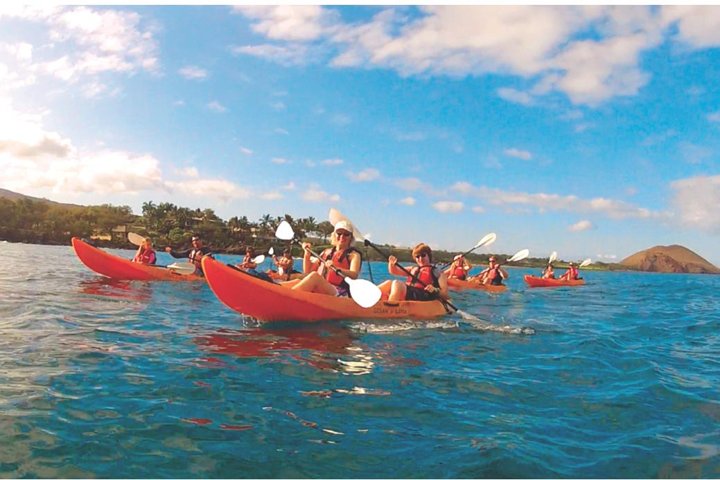
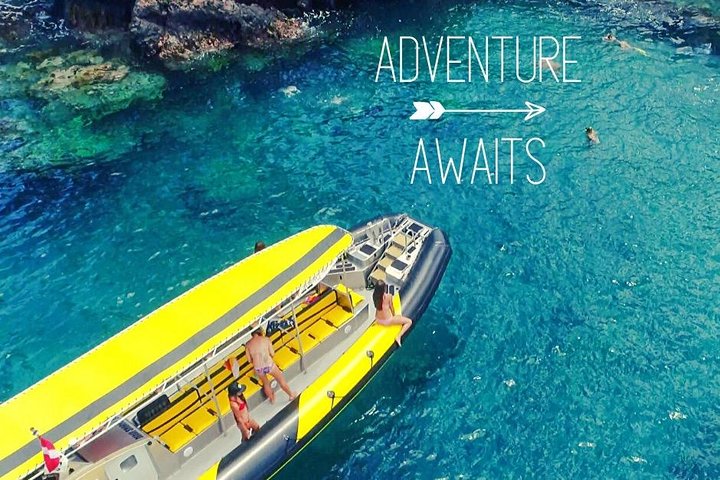
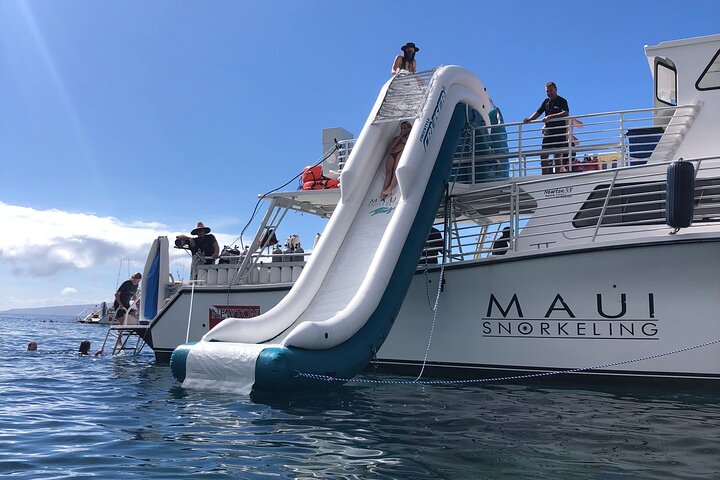
Best for families who want a 5-hour Molokini trip on the 53-ft Lani Kai II from Māʻalaea.
Our pick: 5 Hour Molokini Snorkel & Turtle Tour in Maui
Best for strong swimmers who want a fast 20-guest boat from Kīhei and more reef time than the big catamarans.
Shore Snorkeling vs. Boat Snorkeling
They're two different Maui experiences, and we like both.
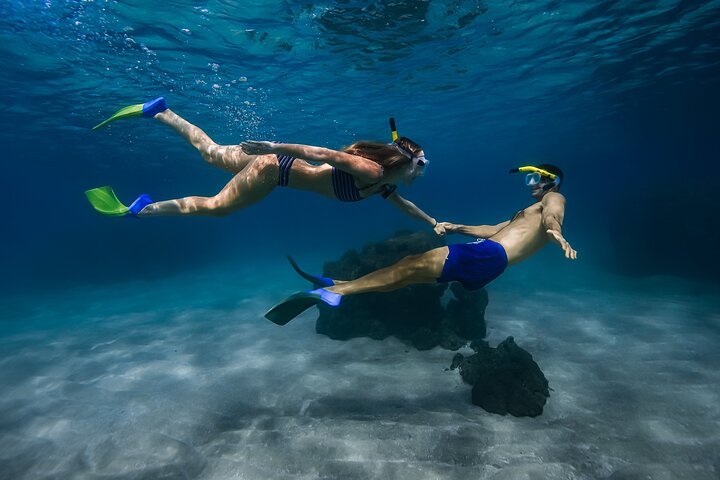
Shore snorkeling gives you complete freedom. Wake up, look at the water, grab your gear and go. Snorkel for twenty minutes or two hours, then spend the rest of the morning at the beach.
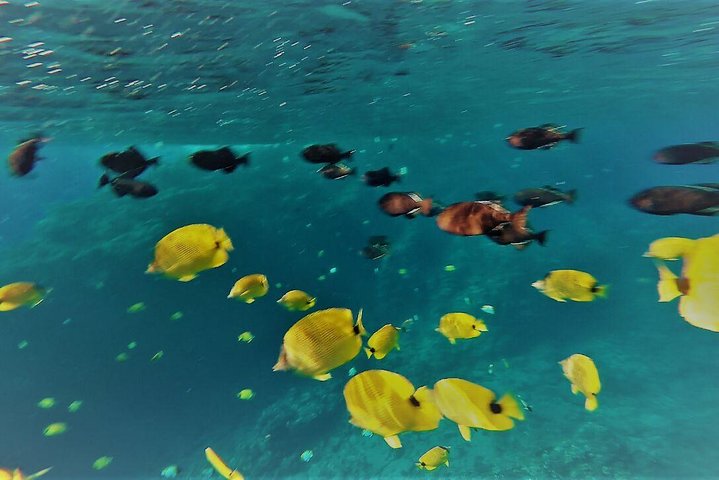
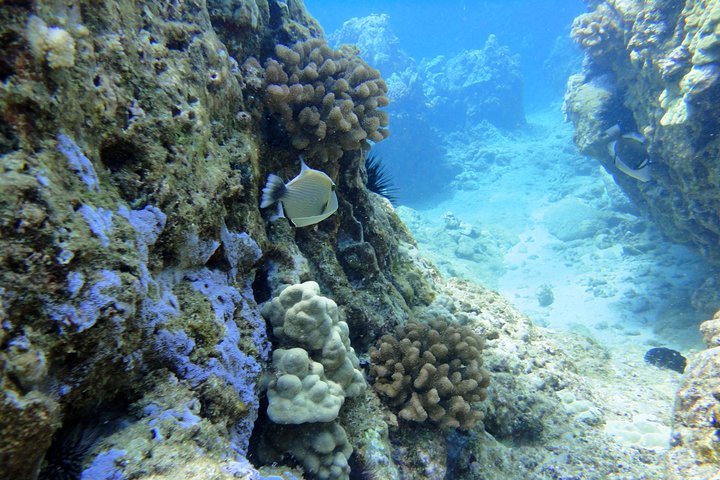
A boat takes more commitment, but it gets you to reefs you can't reach from the sand. Molokini, Turtle Town, Coral Gardens and other boat-accessed reefs are generally more vibrant than what you'll find along many of Maui's shoreline reefs.
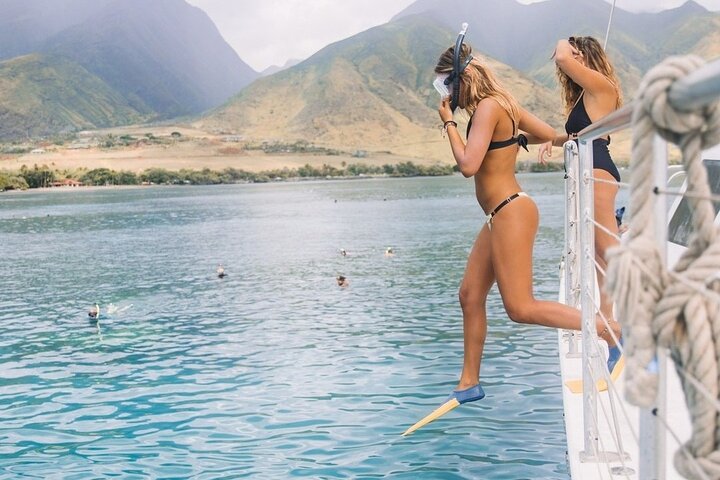
You also get gear, flotation, crew support and usually more than one snorkel location.
If snorkeling is a priority, our favorite approach is simple:
Book one boat morning early in the vacation, then shore snorkel whenever the ocean looks good for the rest of the trip.
South Maui Snorkeling
South Maui is our favorite area for easy shore snorkeling.
- Best all-around — Ulua & Mōkapu. Beginners, families and easy morning snorkeling.
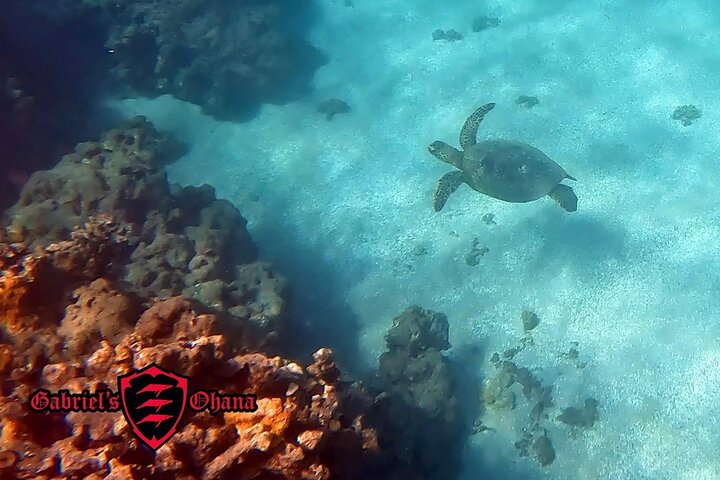
- Best for turtles + beach time — Maluaka & Turtle Town. Turtles, beach-and-snorkel days and confident beginners.
- Best for confident snorkelers — ʻĀhihi Cove. A more natural setting with a rockier entry.
Where: Wailea through Mākena.
There are several good reefs close together, many have easy sandy entries, and you can snorkel without turning it into a half-day activity.

Snorkelers, South Maui. Photo: Hawaii Tourism Authority (HTA)
Ulua & Mōkapu
Our favorite all-around South Maui choice.
Both beaches have easy entries, public parking, restrooms and showers, with reef between them. You don't have to swim far to find fish, making this a great choice for beginners and families.
Go early for easier parking and generally calmer water.
Maluaka & Turtle Town
Our pick for turtles and a beautiful beach day.
Maluaka is one of our favorite shore entries along the broader area commonly called Turtle Town. We'd start around the reef at the south end of the beach.
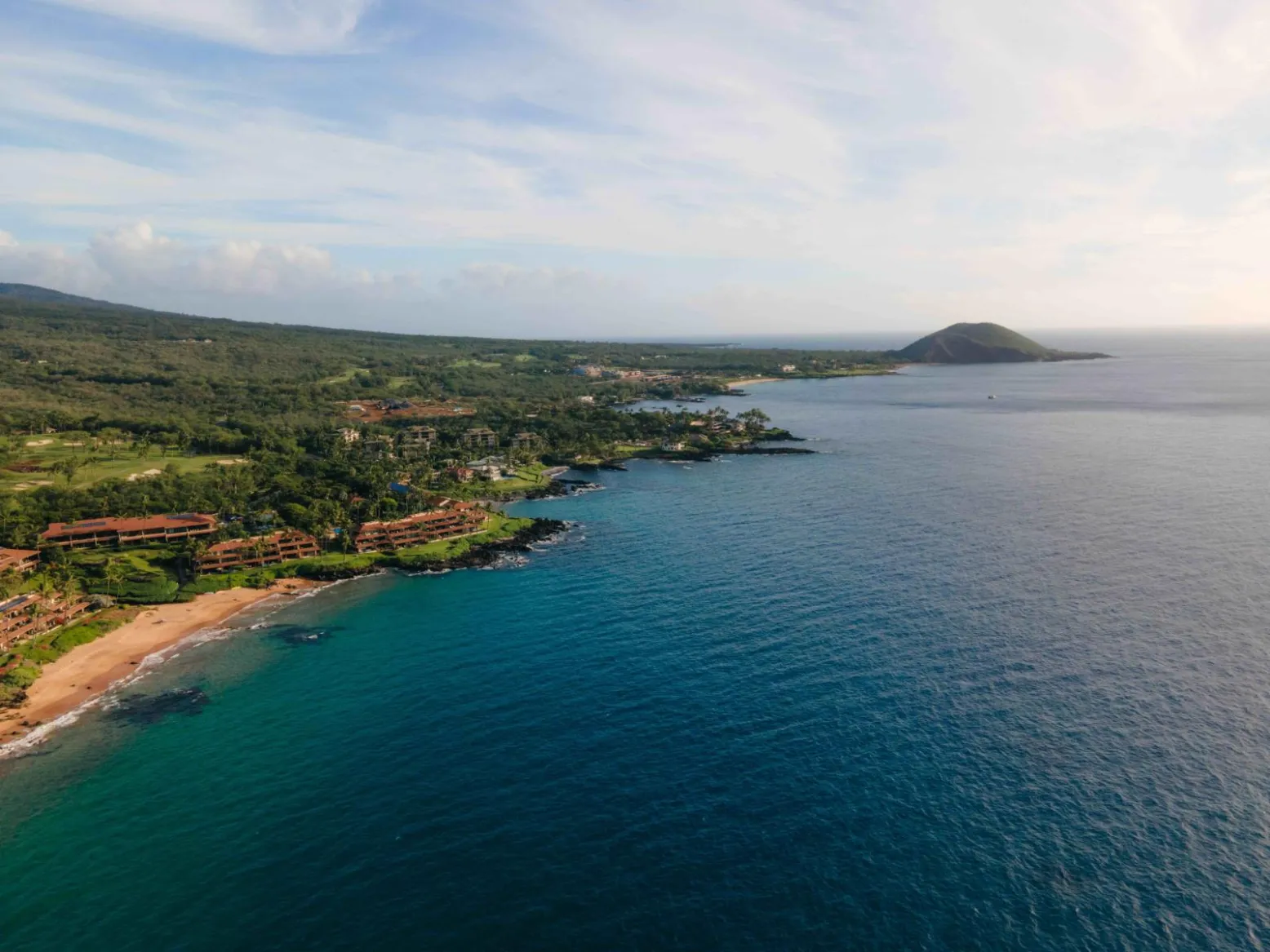
Turtle Town, Mākena. Photo: Hawaii Tourism Authority (HTA)
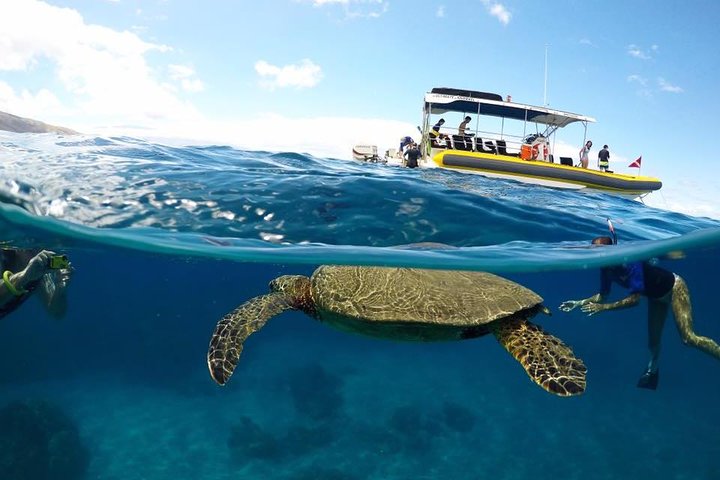
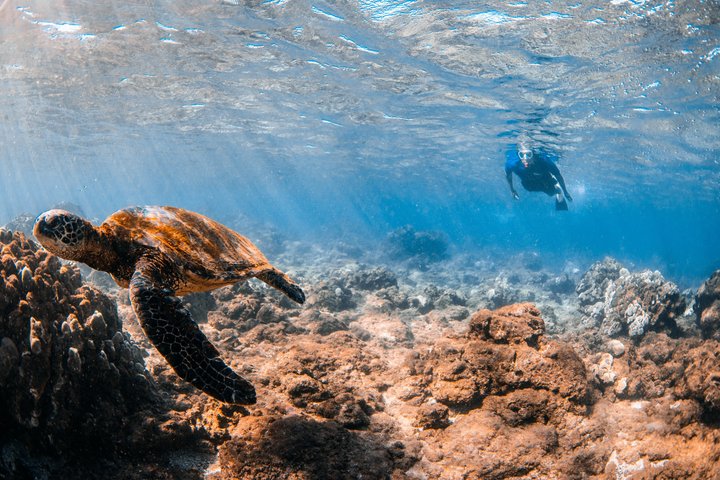
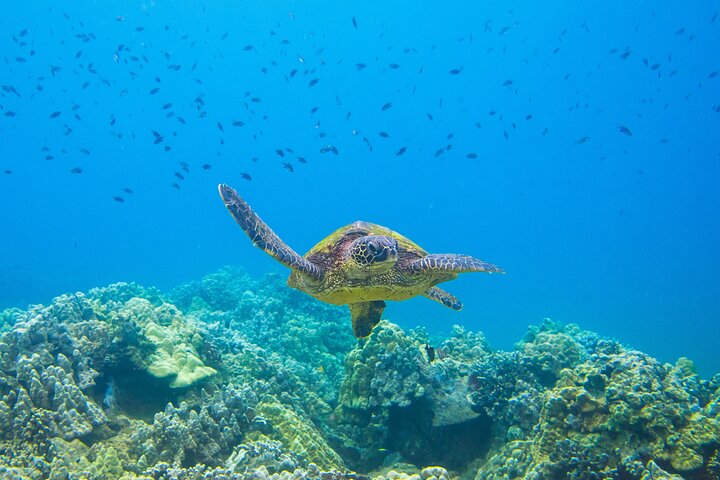
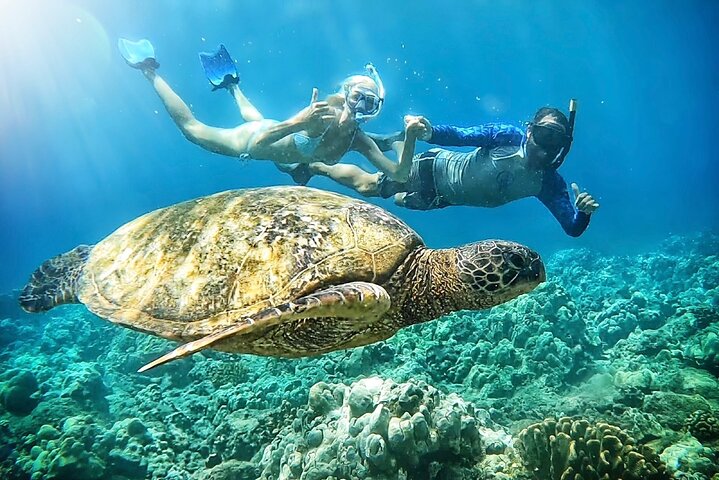
Just understand that Turtle Town isn't one specific reef. It's a nickname used for several reefs along the Mākena coastline, and boat operators may use different locations depending on conditions.
Mākena Landing is another shore entry into this area.
ʻĀhihi Cove
Our pick for confident snorkelers in South Maui.
The rocky lava coastline and protected marine environment make ʻĀhihi feel completely different from the resort beaches farther north.
The entry isn't as easy as Ulua or Maluaka, so we prefer it for comfortable swimmers.
This is a protected natural reserve. Use designated parking and access points, follow posted rules and never touch or remove marine life.
West Maui Snorkeling
West Maui gives you everything from protected bays to more adventurous reefs.
- Best all-around — Kahekili (Airport Beach). Easy access, good reef and all-around snorkeling.
- Best for beginners — Kapalua Bay. Beginners, families and first-time snorkelers.
- Best beach + snorkeling — Nāpili Bay. Beach days, families and casual snorkeling.
- Best if you are staying in Kāʻanapali — Puʻu Kekaʻa (Black Rock). Easy access for Kāʻanapali resort guests.
- Best on the right calm day — Honolua Bay. Confident snorkelers when conditions cooperate.
Where: Kāʻanapali through Kapalua.
Conditions matter more here. Kapalua might be perfect one morning while Honolua is a complete no-go.
Kahekili (Airport Beach)
Our favorite all-around West Maui snorkel spot.
Reef runs along much of the beach, so you don't have to hunt for one small snorkeling area. Parking, restrooms and showers also make it easy.

Kahekili (Airport Beach), West Maui. Photo: Josh Williams / Unsplash
It's generally more relaxed than Kāʻanapali and one of our first choices if we're driving somewhere specifically to snorkel.
Kapalua Bay
Our favorite West Maui choice for beginners.
The sandy entry and protected shape of the bay make Kapalua one of the least intimidating places to try snorkeling when the water is calm.
Follow the rocky sides rather than swimming straight through the middle.
Nāpili Bay
A beautiful little bay with good snorkeling when it's calm.
Nāpili is an easy place to combine a beach morning with casual snorkeling. The better snorkeling is generally around the rocky sides of the bay.
It's a small beach and gets busy, so go early.
Puʻu Kekaʻa (Black Rock)
The place to snorkel if you're staying in Kāʻanapali.
The reef around Puʻu Kekaʻa at the north end of Kāʻanapali Beach is the main snorkeling area and couldn't be more convenient for resort guests.
It's also busy. Swimmers, cliff jumpers and current around the point can make it less relaxing than other West Maui choices.
If you're staying in Kāʻanapali, give it a try. If you're getting in the car specifically to snorkel, we'd usually choose Kahekili instead.
Honolua Bay
Potentially spectacular — but entirely dependent on conditions.
When Honolua is calm, it can be one of Maui's best snorkeling experiences.
But this isn't an everyday recommendation. The shoreline is rocky, the entry isn't ideal for beginners and winter north swells can completely change the bay.
If there's surf, surge or rough water, don't snorkel it.
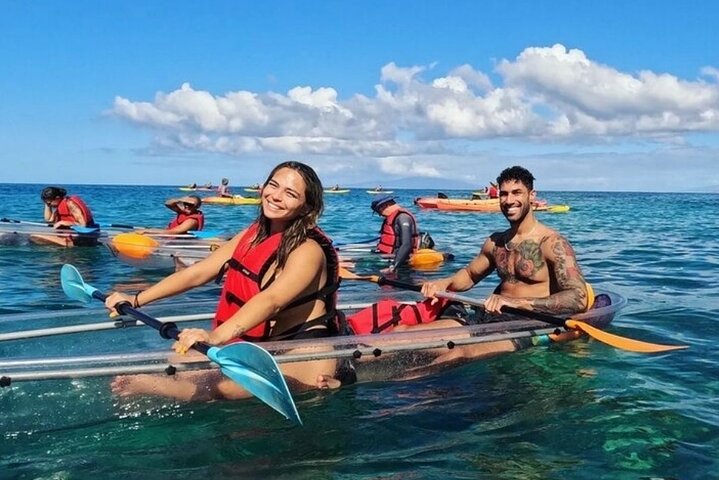
Taking a Snorkel Boat
If snorkeling is one of the reasons you're coming to Maui, we'd take one boat trip.
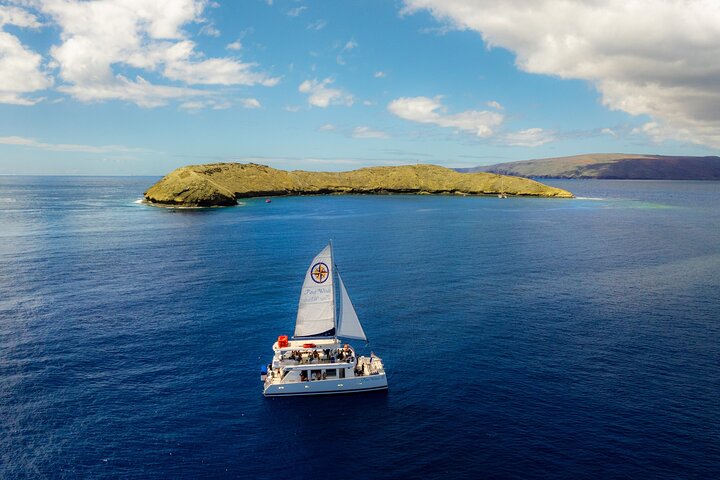
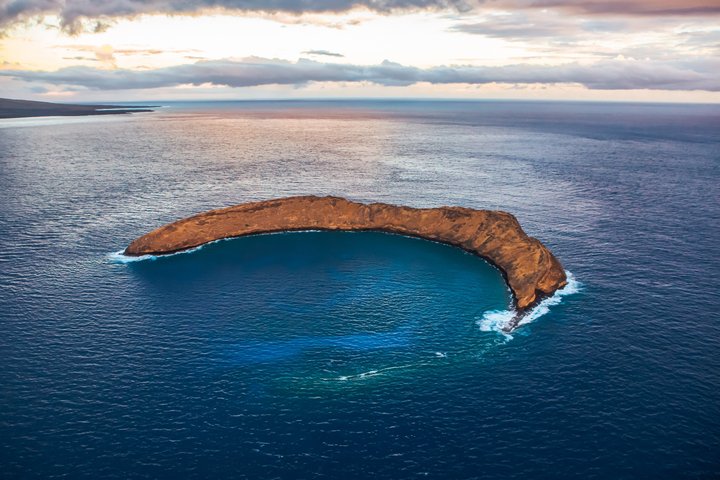
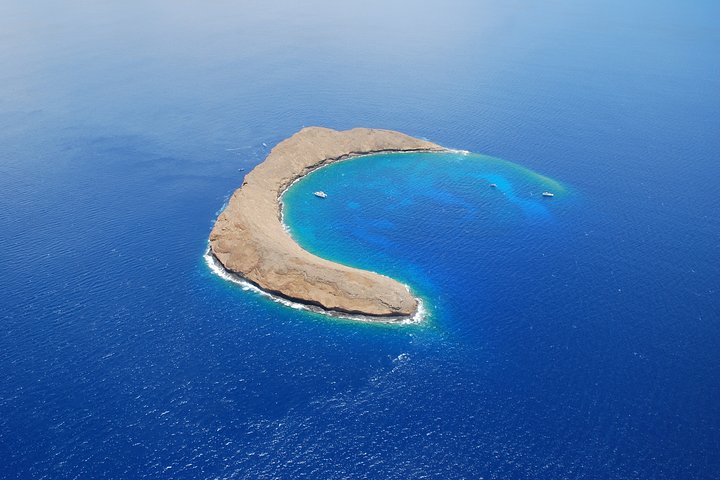
The advantage isn't simply having someone drive you to Molokini.
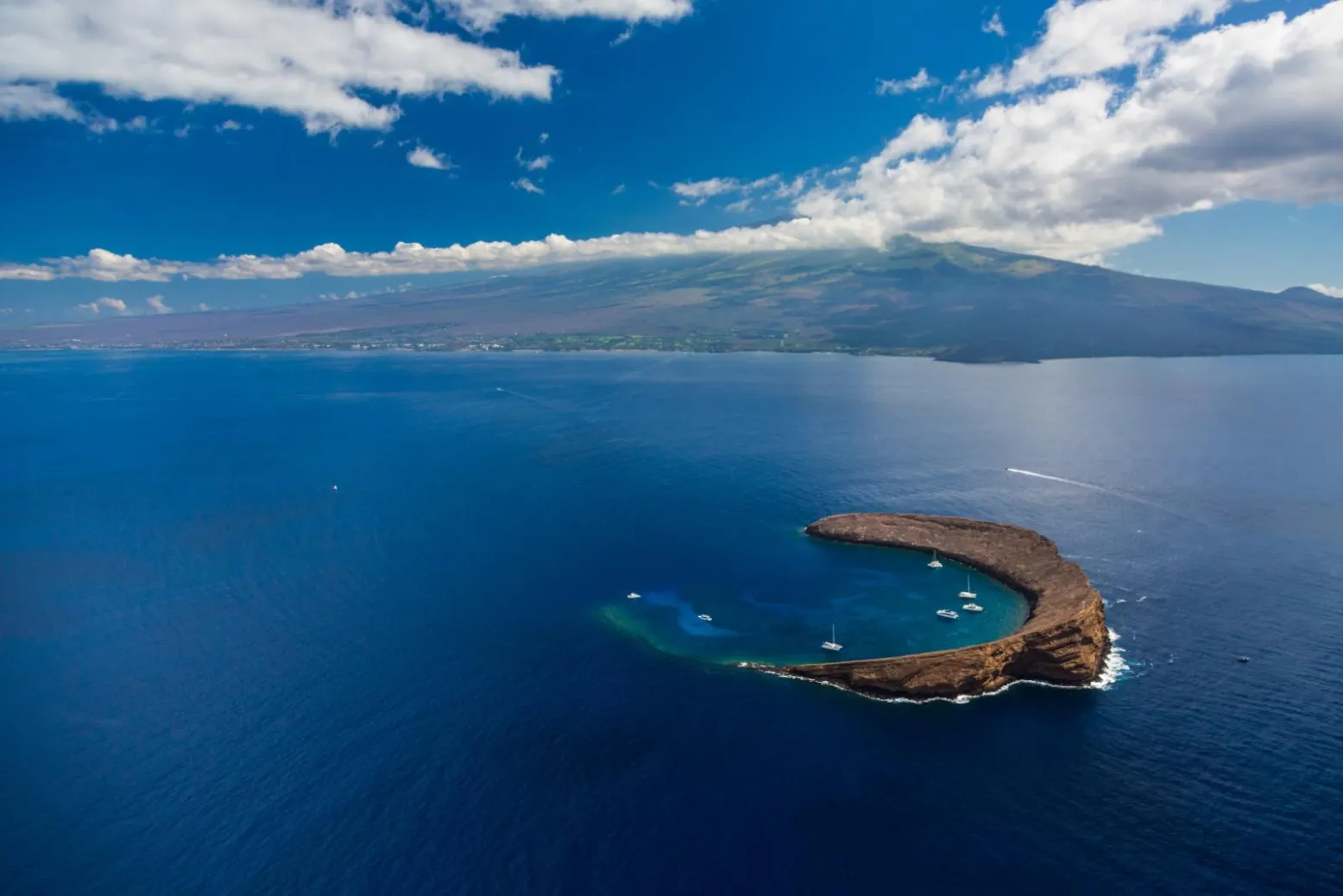
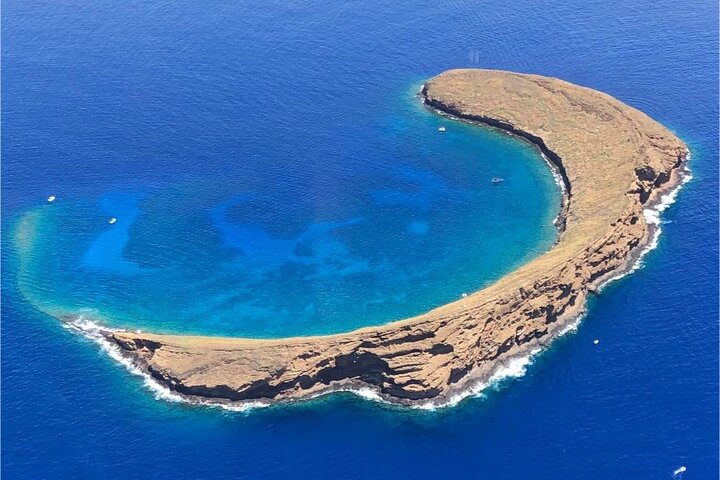
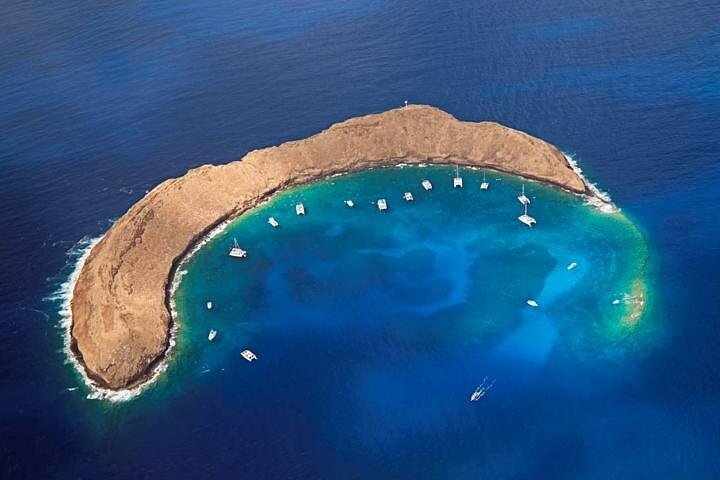
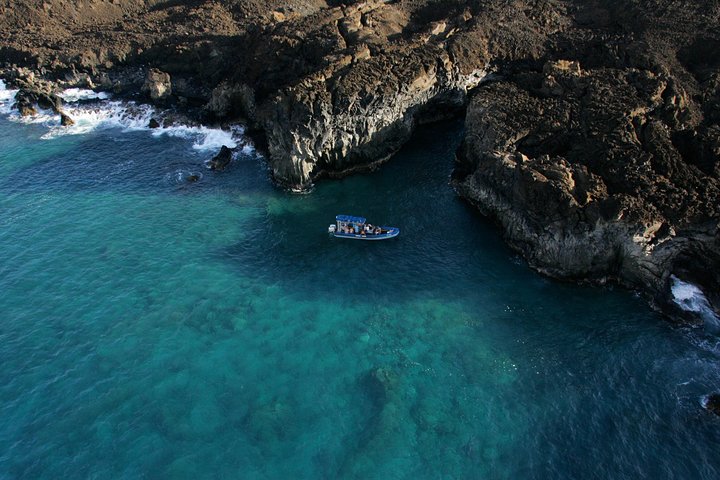
Molokini. Photo: Hawaii Tourism Authority (HTA)
You're getting access to offshore and boat-accessed reefs that are generally more vibrant than many shoreline reefs, plus multiple snorkel locations, equipment, flotation and a crew that can adjust the plan based on conditions.
Most standard Molokini mornings also include a second stop.
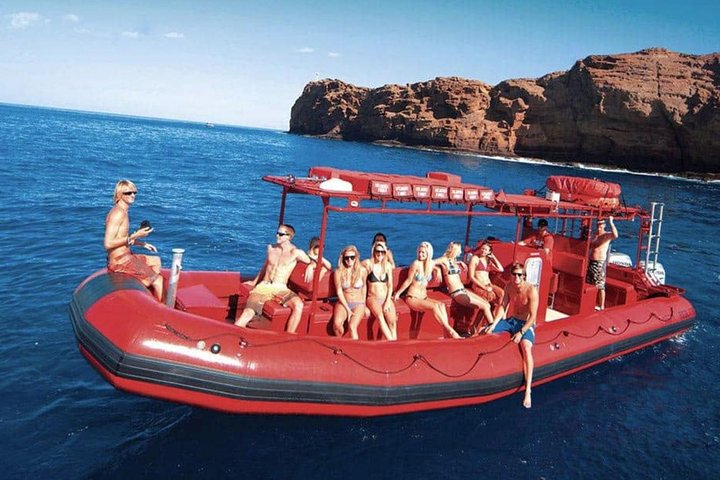
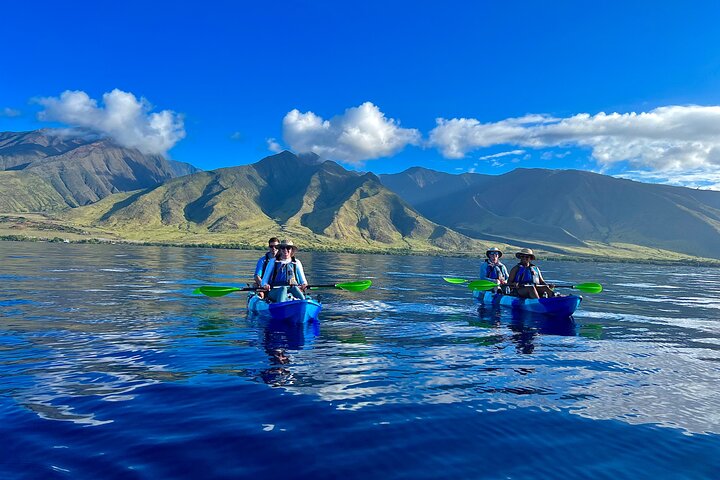
South Maui departures commonly pair Molokini with Turtle Town along the Mākena coast. Māʻalaea departures may visit Coral Gardens or another protected reef depending on conditions. Smaller rafts can offer different experiences, including Molokini's Back Wall when the ocean allows.
The boat matters too.
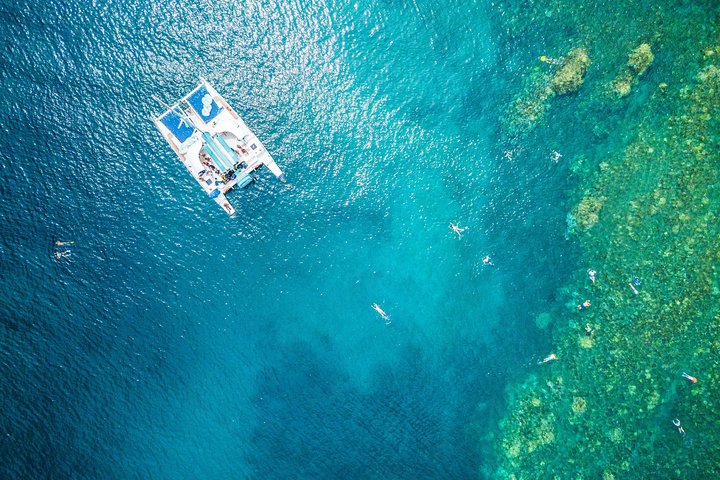
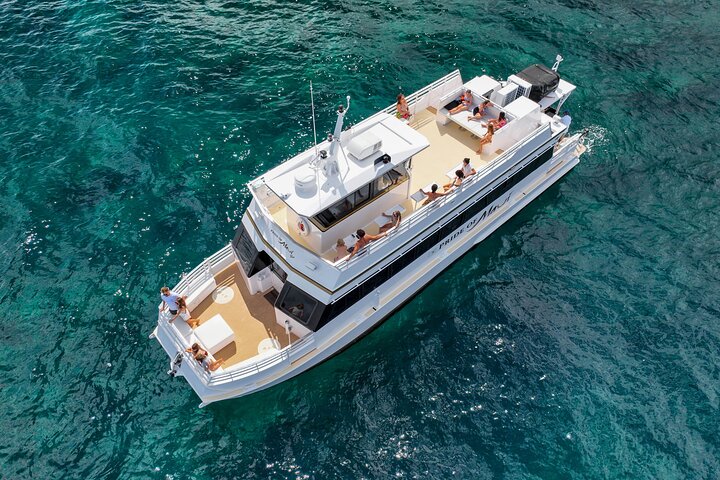
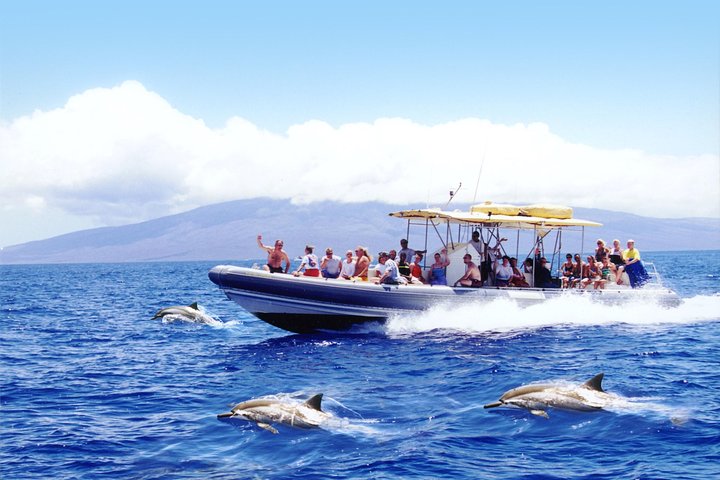
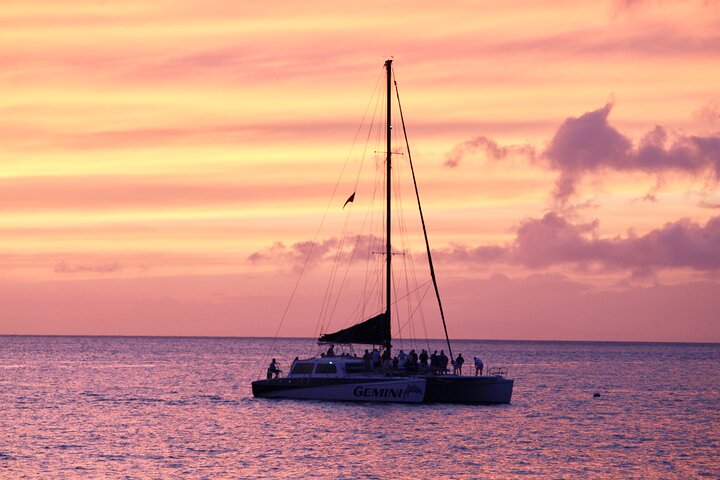
Larger boats are generally better for families and anyone wanting stability and amenities. Catamarans are our favorite middle ground for most visitors. Smaller rafts are faster and more adventurous but also wetter and bumpier.

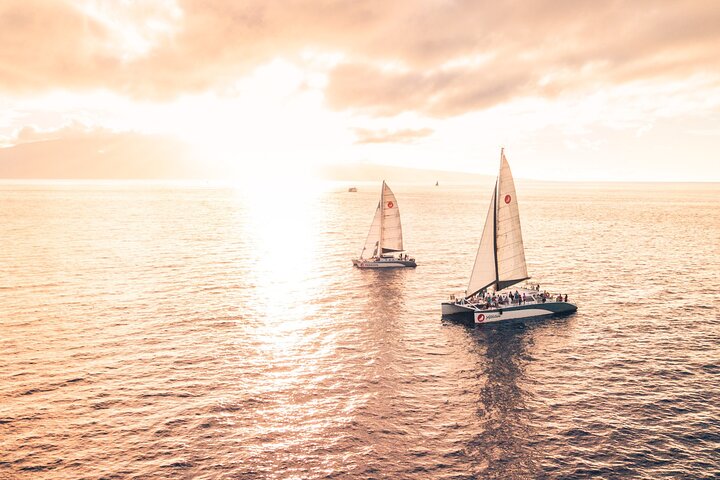
Snorkel catamaran off Kapalua, West Maui. Photo: MauiBookIt
Our Ultimate Molokini Snorkeling Guide breaks down the vessels, second stops and which type of trip we'd choose.
Whale Season Is a Bonus
During whale season, a snorkel boat gets even better.
You're already spending several hours traveling across open water between Maui, Molokini and your second snorkel stop.
A snorkel trip isn't a dedicated whale watch and sightings are never guaranteed, but the boat ride can essentially double as a whale-watching experience when humpbacks are around.
For families especially, that's a big win:
Boat ride + Molokini + second reef + potential whales.
Why Shore Snorkeling Still Wins Some Days
Your own pace.
This is the advantage no boat can match.
There's no check-in, departure time or four-hour commitment.
If you find calm water at Ulua at 7:30 in the morning, get in.
If you love it, stay.
If your kids last fifteen minutes, get out and enjoy the beach.
If conditions aren't good, try somewhere else.
And once you've rented gear, you can snorkel every calm morning of the vacation without booking another excursion.
When to Snorkel
Morning is usually our first choice, but conditions matter more than the clock.
Maui's trade winds often build later in the day, so earlier water can be calmer and visibility better.
But always look at the ocean first.
Wind, swell, waves, current and visibility matter more than a beach's reputation.
That's also why we don't recommend building your entire trip around one famous snorkel location.
Maui gives you options. Use them.
Where We'd Go
- South Maui — Best all-around: Ulua & Mōkapu
- South Maui — Best for turtles: Maluaka / Turtle Town
- South Maui — Best for confident snorkelers: ʻĀhihi Cove
- West Maui — Best all-around: Kahekili
- West Maui — Best for beginners: Kapalua Bay
- Kāʻanapali — Best from your resort: Black Rock
- West Maui — Best when conditions are perfect: Honolua Bay
Best boat experience: Molokini + a second snorkel stop
Snorkeling Safety
Snorkeling looks easy, but you're still entering the ocean.
Never snorkel alone.
Look at the water before getting in.
Stay within a distance you can comfortably swim back.
If you're unsure about conditions, don't enter.
Never stand on or touch coral.
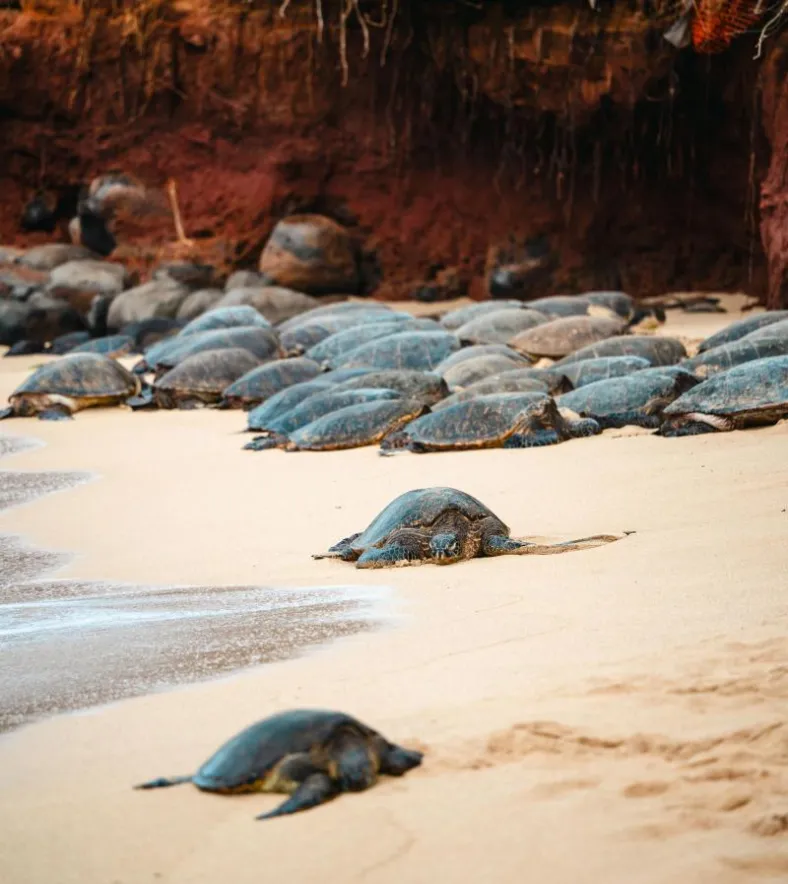
Give turtles and other wildlife plenty of space.
Follow posted rules in protected areas like ʻĀhihi-Kīnaʻu.
Practical Tips
Go early, but let the water—not the clock—make the final decision.
Start from shore and stay close enough to exit comfortably.
Never stand on coral or touch marine life.
Give honu at least 10 feet / 3 metres on land and in the water.
If conditions are wrong, choose another reef or another morning.
One Last Tip
Don't make snorkeling more complicated than it needs to be.
Take one great boat trip to experience the offshore reefs, then keep your gear handy and watch the water each morning.
The boat gives you the adventure. The shore gives you the freedom. Maui is best when you take advantage of both.


Frequently Asked Questions
Where is the best snorkeling in South Maui?
Ulua and Mōkapu are the easiest starting point, and the best reef there is the stretch in between the two beaches. Maluaka and Mākena Landing put you on the broader Turtle Town coastline. ʻĀhihi Cove is the most protected water, but it suits experienced snorkelers who will follow the reserve's posted rules.
Where is the best snorkeling in West Maui?
Kahekili (Airport Beach) has real reef directly offshore plus restrooms and parking, which makes it the most practical choice. Kapalua Bay is the easier beginner bay when calm. Honolua Bay can be outstanding in calm-season conditions, but it is a rocky entry with no beach.
Where can I snorkel with turtles in South Maui?
Maluaka and Mākena Landing are the two entries we use for the Turtle Town reef, which is a stretch of the Mākena coastline rather than one marked spot. Sightings are never guaranteed, and honu should be given room rather than followed.
Is Molokini worth the boat trip?
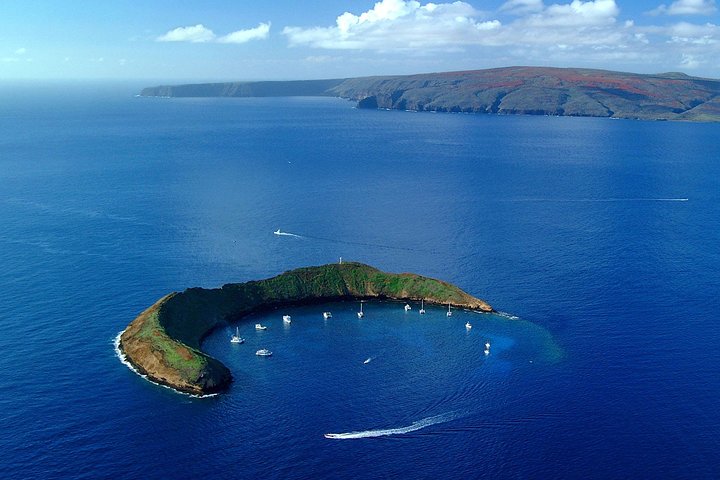
Yes if you want an offshore boat day — the crater is reachable only by water, and a crew handles the gear and the navigation. No if your only goal is an hour in the water, in which case a calm shore morning does the same job for nothing.
What time of day is best for snorkeling on Maui?
Morning is the best time to snorkel almost everywhere on Maui. Trade winds often build later in the day, and wind is the factor most likely to turn a good site into a poor one. Actual conditions still decide the final answer.
Do I need to bring snorkel gear to Maui?
No, you do not need to bring snorkel gear to Maui. There is a public snorkel rental operator in front of the Andaz at Mōkapu, and rentals and returns there are easy. A mask that actually fits matters more than anything else you carry.
What sunscreen can I use snorkeling in Hawaiʻi?
Hawaiʻi bans the sale of any sunscreen containing oxybenzone or octinoxate without a prescription, under a 2018 law whose prohibition took effect on 1 January 2021. A mineral sunscreen or a rash guard is the simple way to stay on the right side of it.