At a Glance
Winter: Whales & Big Surf
Come in winter for the whales. Just know that the ocean gets bigger too, especially along Maui's north-facing shores.
- Best month for whales — February.
- Best for big surf — Hoʻokipa. Winter swells can turn it into a spectacle.
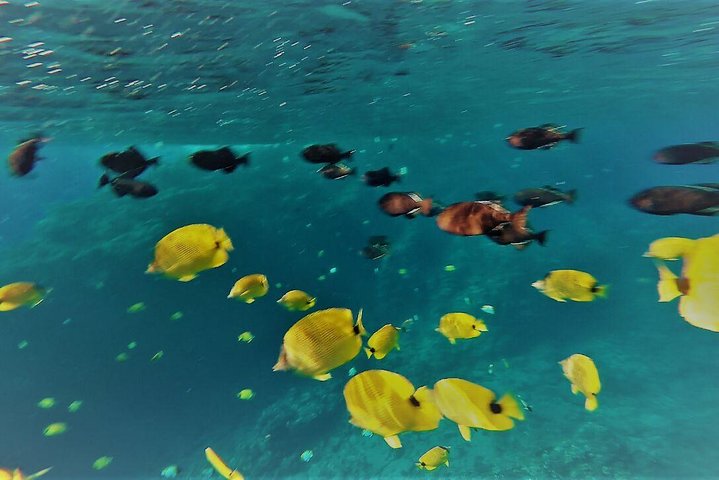
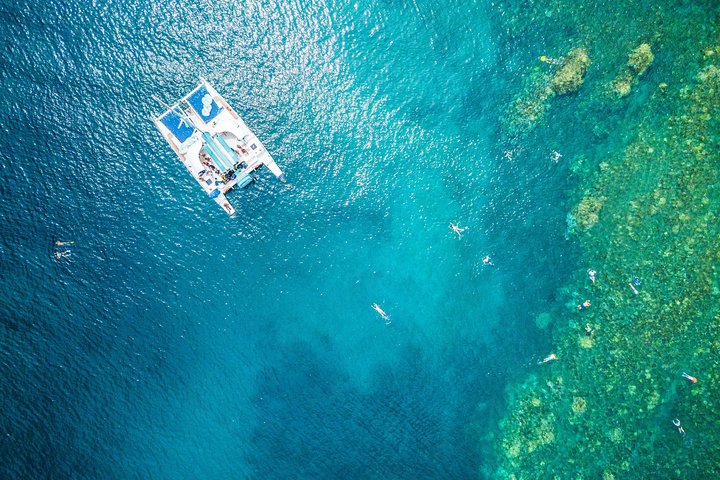
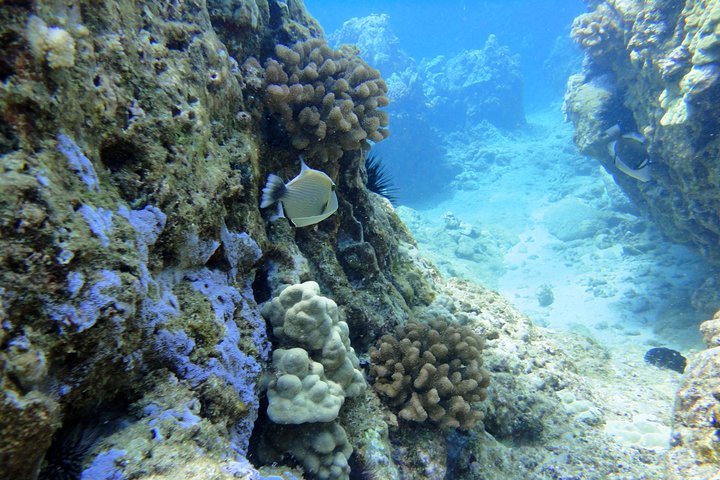
- Don't force the snorkeling — Honolua can be excellent when calm, but winter north swells can make it a completely different place.
November through April is Maui's broad humpback season, with the strongest period generally January through March. Winter also brings bigger north swells and wetter weather on the windward side. South and West Maui still get plenty of beautiful beach days, but ocean conditions play a bigger role in your plans.
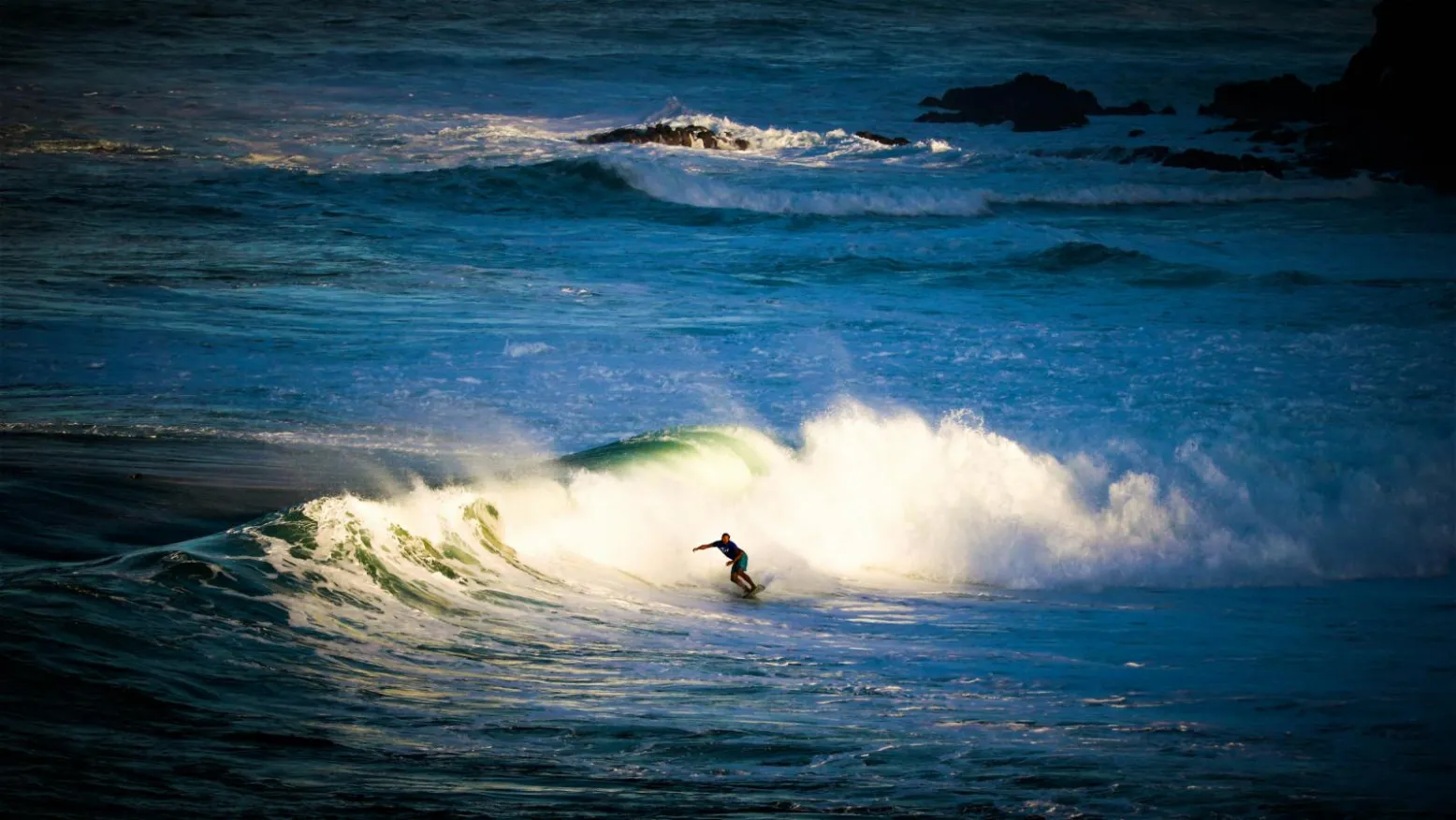
North Shore surf. Photo: Hawaii Tourism Authority (HTA)
Spring: Green, Beautiful & Less Busy
One of our favorite times to visit. Maui is green, whale season is winding down and crowds ease after spring break.
- Best window — Late April into May.
- Best chance for late-season whales — March.
- Watch for — Spring break, when crowds and prices jump.
March through May is a great middle ground. Once spring break passes, late April into May offers good weather without the pressure of the major holiday periods.
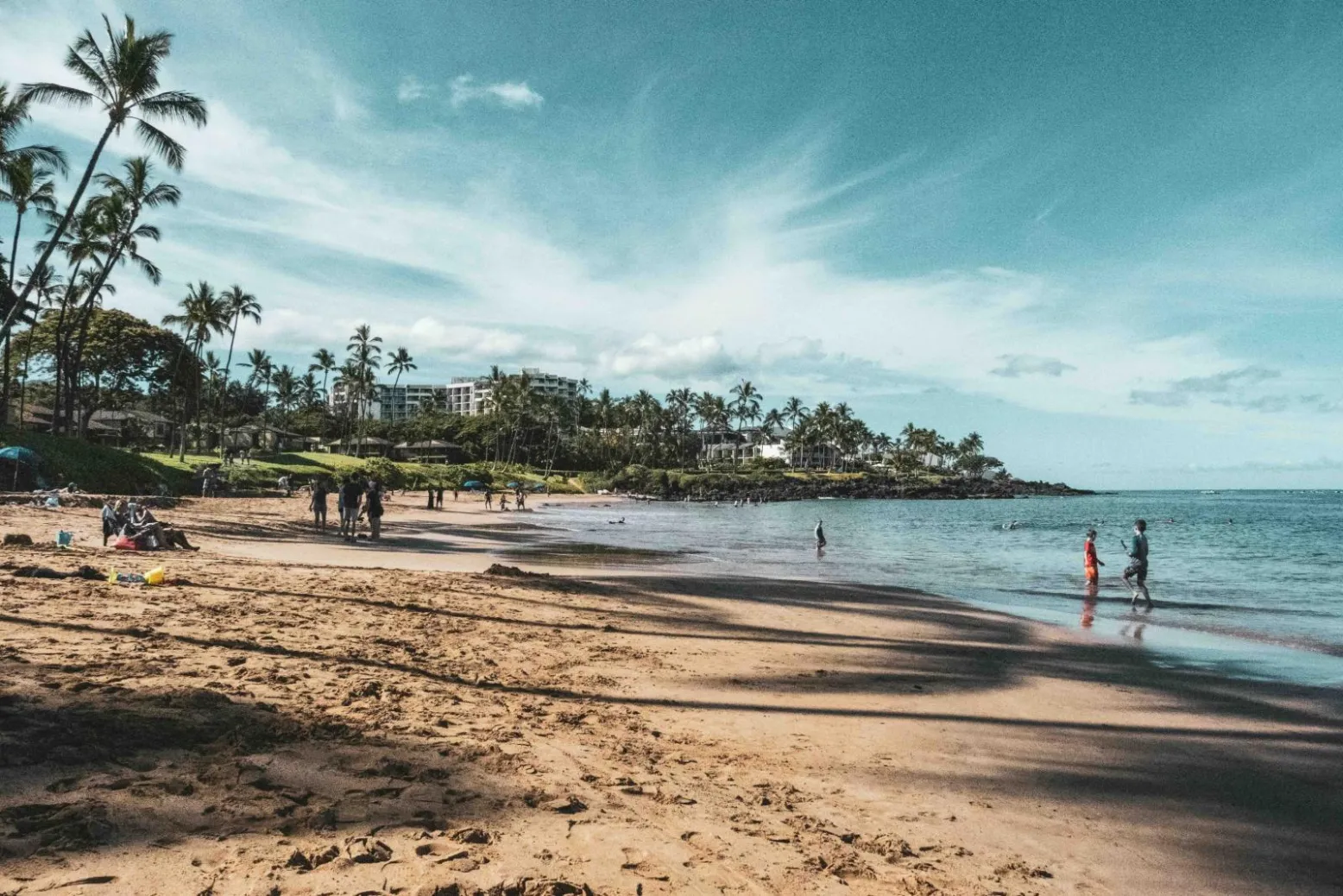
Wailea Beach, South Maui. Photo: Alan Rodriguez / Unsplash
Summer: Beach Vacation Season
Long days, generally dry weather on the South and West sides, and plenty of beach time. Summer is an easy choice for families.
- Best easy beach day — Mōkapu in Wailea.
- Best big-beach scenery — Big Beach, although the shorebreak can be powerful.
- Best escape from the heat — Head Upcountry or up Haleakalā.
June through August is generally dry along leeward South and West Maui. The tradeoff is summer heat and more families traveling during school break.
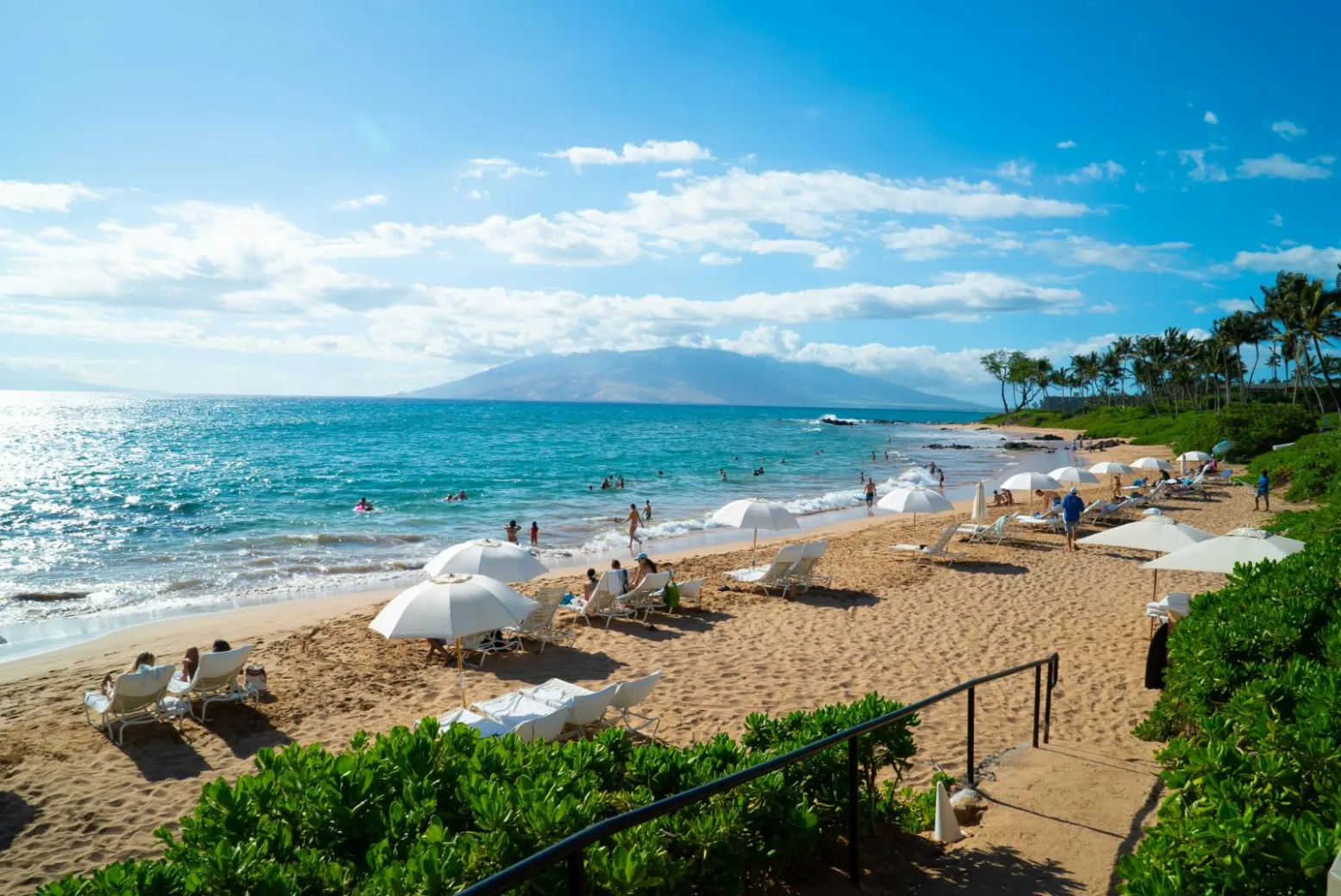
Mōkapu Beach, Wailea. Photo: Kenneth Oh / Unsplash
Fall: Quieter & Easy
Our other favorite time to visit. Fall gives you great beach weather without the summer and holiday rush.
- Best window — Late September into October.
- Best for couples — Fall is hard to beat.
- Worth considering — Early November, before the holiday season begins.
September through November sits between summer vacation and the winter holidays. Late September through October is our sweet spot.
The Times We'd Pick
If your dates are completely flexible, we'd choose late April into May or late September into October. Both offer a great balance of weather and lighter crowds.
If seeing humpback whales is the priority, forget the shoulder seasons and come in February.
When Maui Feels Busiest
Christmas through New Year is the busiest stretch of the year, followed by spring break and peak summer weeks.
During these periods, restaurants, rental cars, popular beaches and Haleakalā reservations all require more planning.
Where You Stay Matters Too
The month is only part of Maui's weather story. Where you stay matters just as much.
South Maui is generally sunny and dry. West Maui gets greener as you move north toward Kapalua. The North Shore and East Maui are wetter, while Upcountry is cooler.

Kapalua Bay, West Maui. Photo: John Bell / Unsplash
A rainy forecast somewhere on Maui doesn't mean your whole day — or vacation — will be rainy.
Practical Tips
Avoid major holiday weeks if your dates are flexible. Crowds and prices can change more than the weather does.
Check ocean conditions every day. Winter swells can completely change snorkeling and swimming conditions.
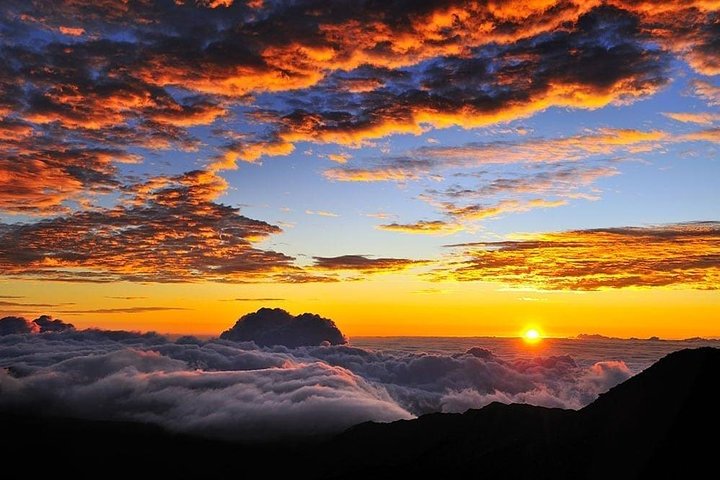
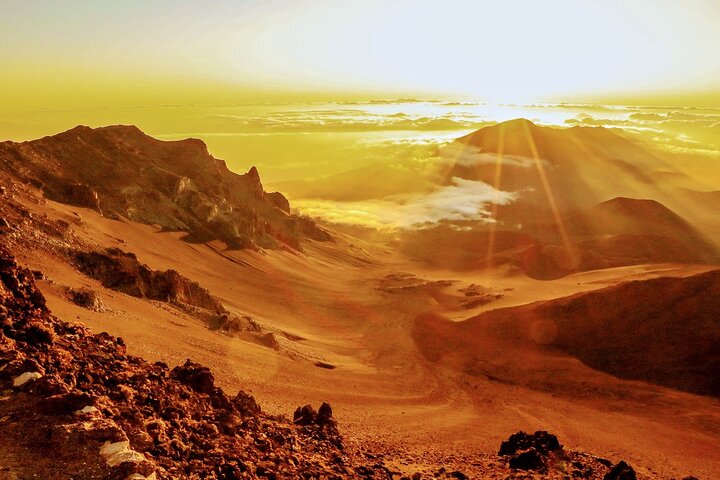
Bring layers for Haleakalā year-round. The summit can be dramatically colder than the beach.
Whales are wildlife. February is our favorite month, but sightings are never guaranteed.
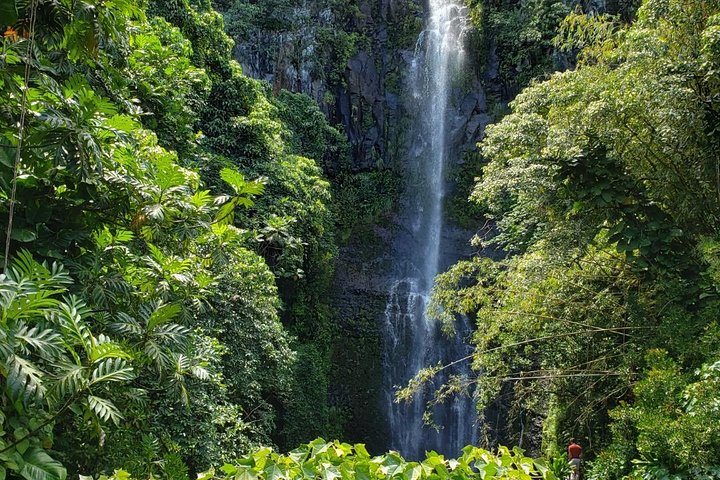
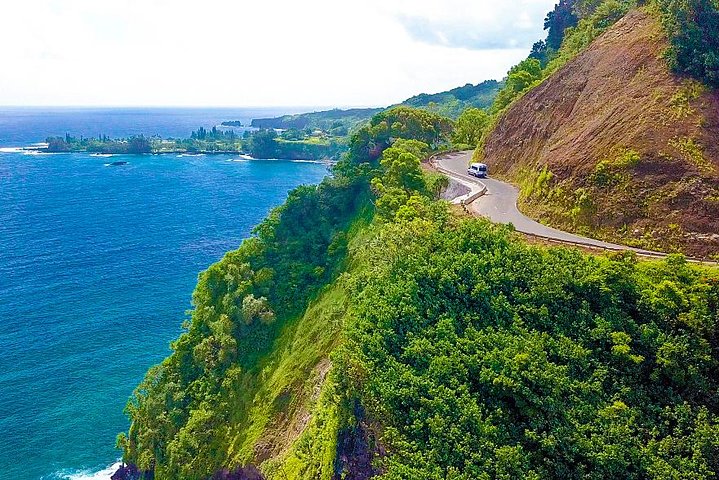
Take heavy rain seriously on the Road to Hāna. Streams can rise quickly and flash flooding is possible.
One Last Tip
Do not chase a perfect-weather month.
Choose the season that matches your priority—whales, family beach time, lighter crowds or winter surf—and keep the daily plan flexible.














Frequently Asked Questions
When is whale season on Maui?
Humpbacks are generally around Hawaiʻi from November through April, with the strongest period usually January through March. February is an excellent whale month, but wildlife is never guaranteed.
Which month is best for whale watching on Maui?
February is the best month for whale watching on Maui. It's the peak of the season and the cleanest single-month pick if humpbacks are the priority.
Are spring and fall cheaper than peak season?
Pricing changes constantly, but the non-holiday shoulder months — late April into May and late September into October — often give you a better chance at lower lodging and airfare than peak school and holiday weeks.
Is summer too hot on Maui?
It is warm at sea level in June through August, but trade winds, the ocean and Maui's elevation changes give you options. Upcountry and Haleakalā can feel dramatically cooler.
Which spring and fall weeks have the best weather?
There is no single winner, and where you stay on Maui matters just as much as the month. If you want a shortlist, late April into May and late September into October give the best balance of weather, crowds and availability.
Is Christmas to New Year worth avoiding?
It is the busiest stretch of the year by a clear margin, and the one week-to-week period we would plan around if the dates are flexible.