Maui Weather by Month

At a Glance
Most popular on Maui
 Central Maui
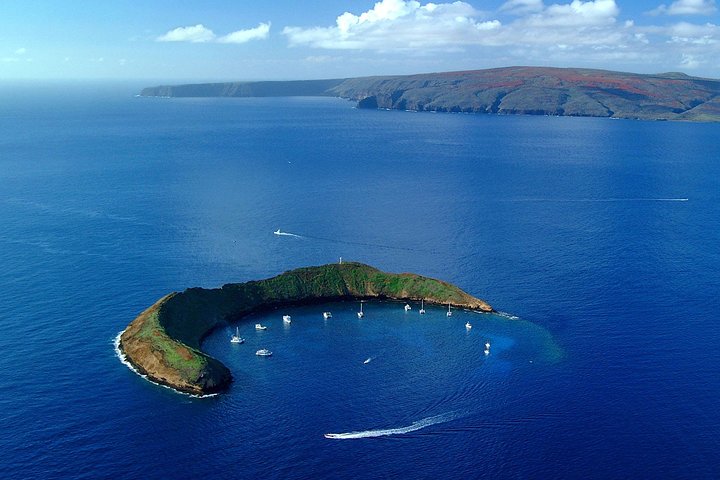
Maui Snorkeling Adventure to Molokini and Turtle Town
Visit Maui's famous snorkeling and diving destinations Molokini Crater and Turtle Town on a snorkeling catamaran, with visibility of 100 feet or more.
 South Maui
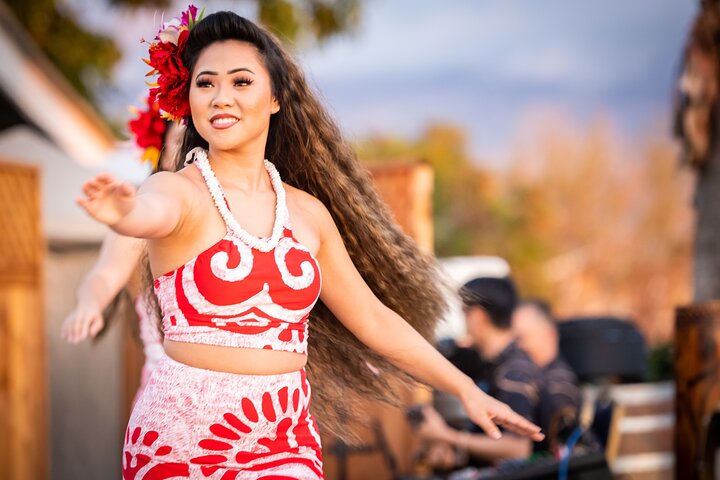
Feast at Mokapu Luau in Wailea
Discover Hawai'i's most authentic luxury luau at Andaz Maui at Wailea Resort — a curated cultural evening with a three-course plated dinner on Mokapu beach.
 South Maui
Gilligans' Island Luau in Kihei
An intimate luau experience and the only luau in Kihei — less than a quarter the size of the average Maui luau, so every seat has a great view of the show.
 Road to Hāna
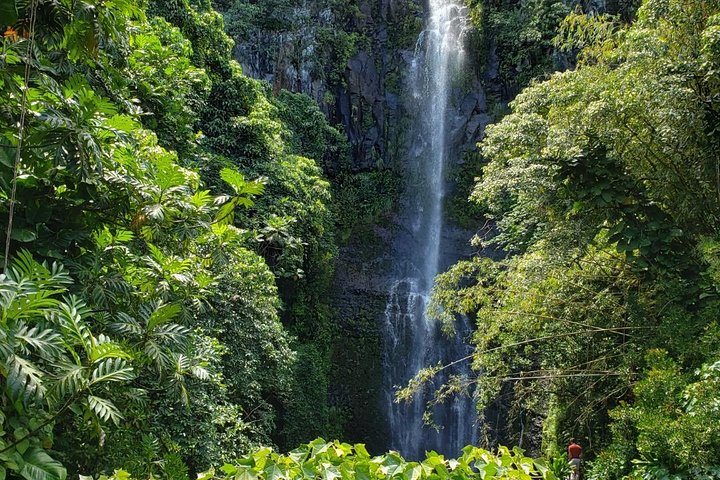
Small-Group Road to Hana Adventure Tour with Pickup & Lunch
Watch the waterfalls, black-sand beaches and rainforest go by without anyone in your group behind the wheel.
 Upcountry
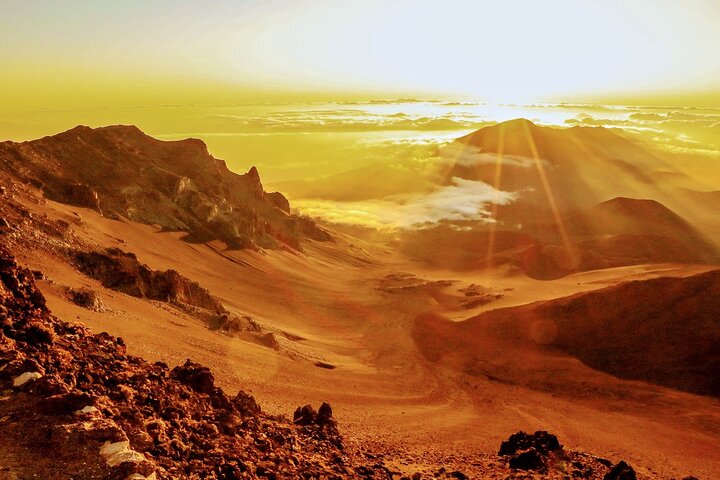
Majestic Haleakalā Sunrise Tour with Pick-up
Ride to the summit for sunrise above the clouds, then unwind over a hot breakfast on the way back down.
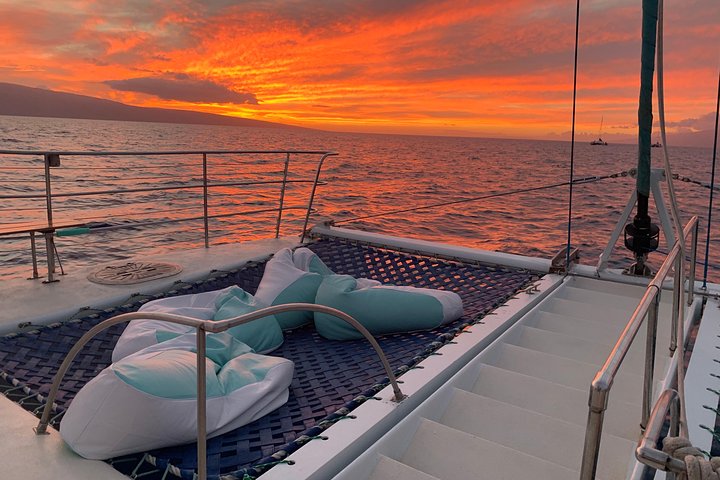 West Maui
Original Sunset Cruise with Open Bar from Kaʻanapali
Sip an unlimited open bar while the sun drops behind Lānaʻi, with pupus and live music twice a week.
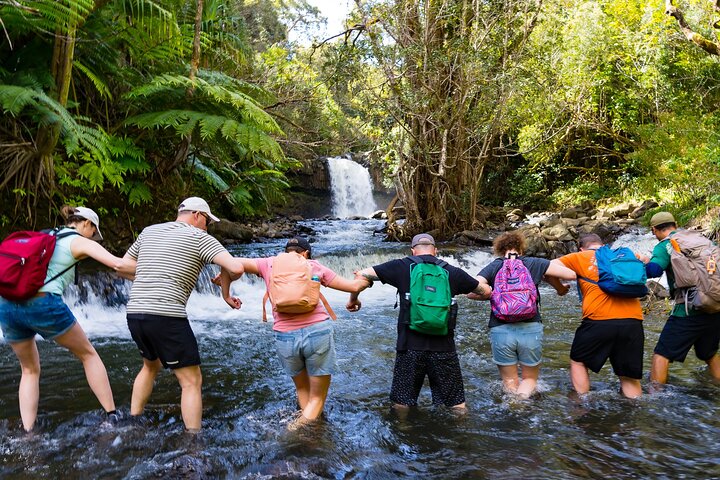 Central Maui
Small Group Waterfall and Rainforest Hiking Adventure
A guided rainforest hike to East Maui waterfalls, with time to swim beneath the falls and a trail lunch included.
 South Maui
Two Hour Beginner Group Surf Lesson in Kihei
A two-hour beginner lesson in calm South Maui water — board, gear and instruction all included.
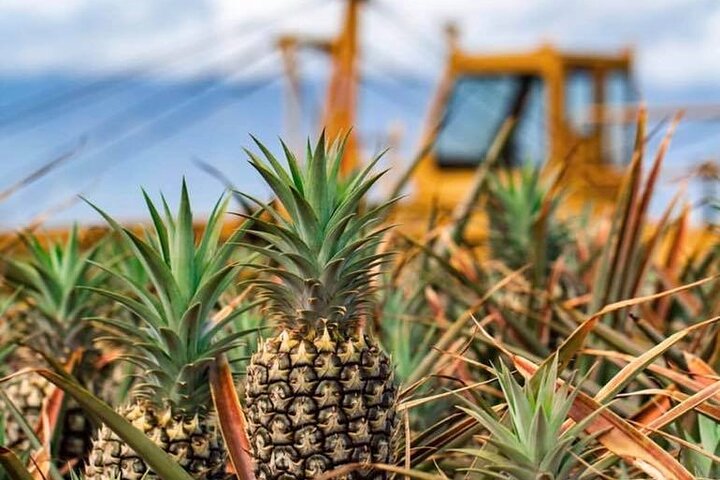 Upcountry
Maui Pineapple Farm Tour in Haliimaile
Tour a working pineapple farm and packing house upcountry, with tastings and a fresh pineapple to take home.
Winter — December Through March
The swell season, and the one time of year the calendar genuinely changes what you can do.
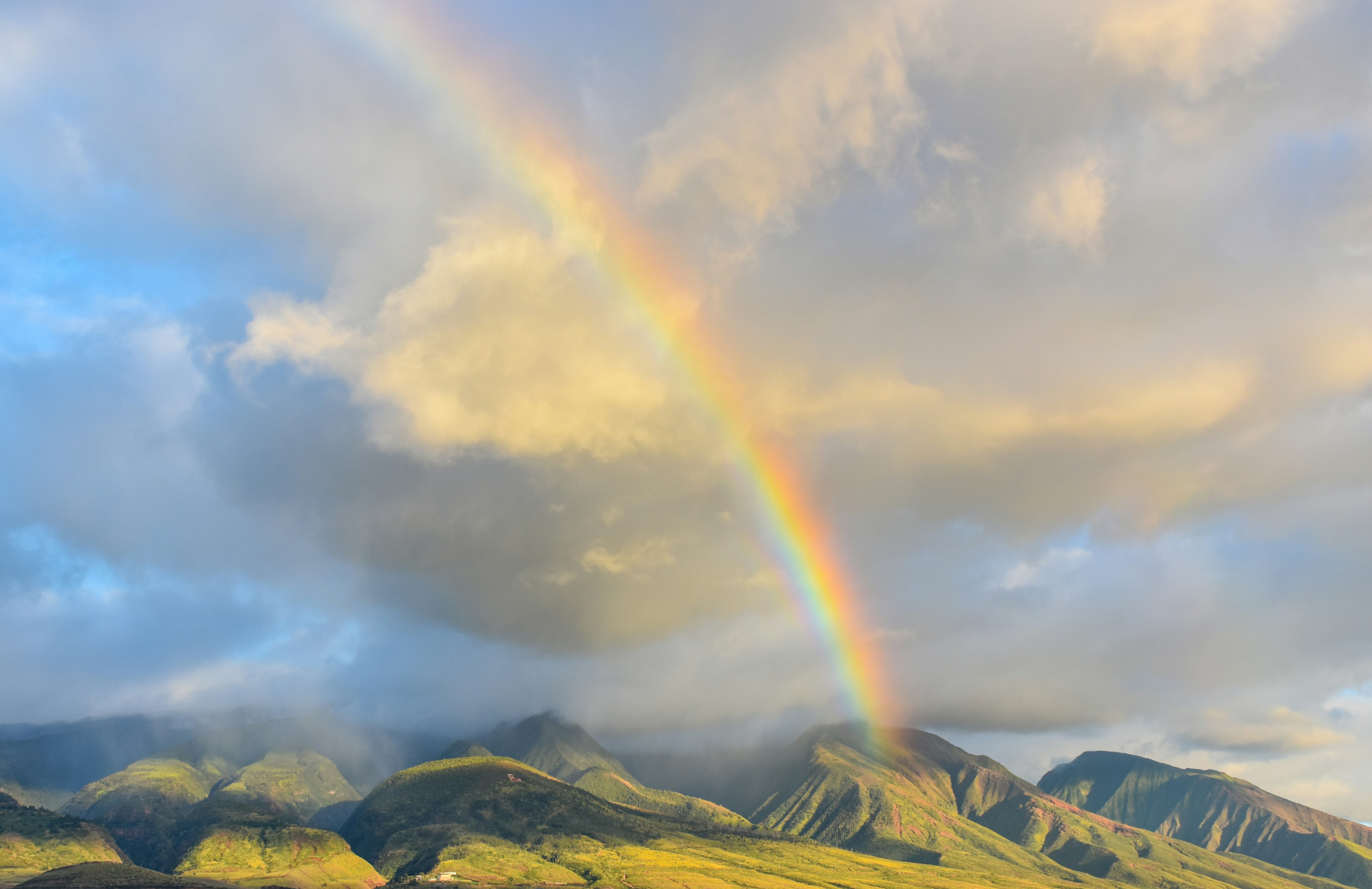
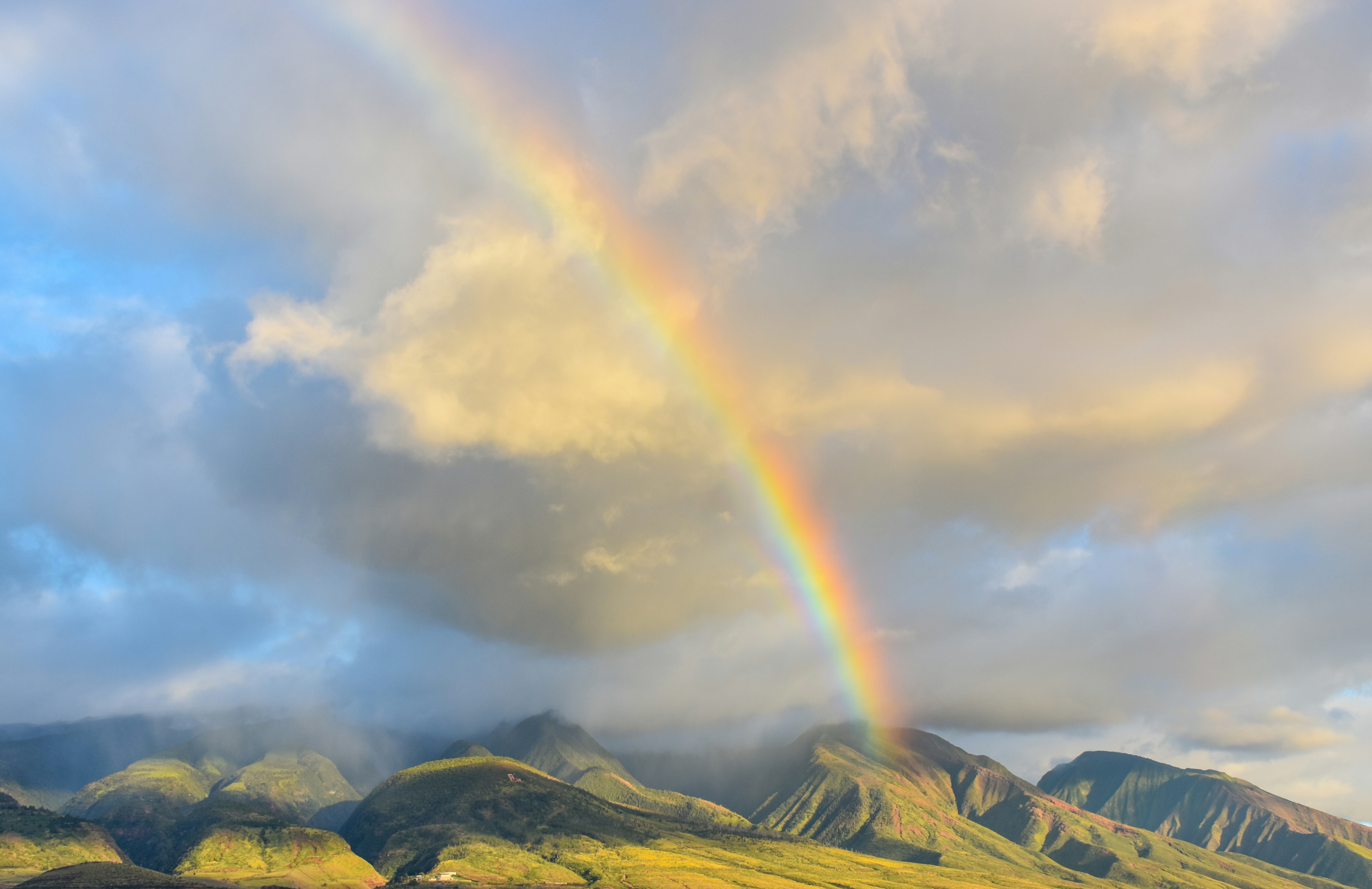
Winter rain is mostly windward and mostly brief. The leeward beaches usually stay open for business. Photo: Hawaii Tourism Authority (HTA)
- North swells arrive, and exposed north-facing snorkel spots can be completely wrong on a swell day.
- Protected leeward beaches still work — Kīhei and Wailea are usually fine on the same day the North Shore is not.
- Rain is more likely windward, which does not mean South Maui is washed out.
- Waterfalls run hard up-country, and East Maui streams rise fast.
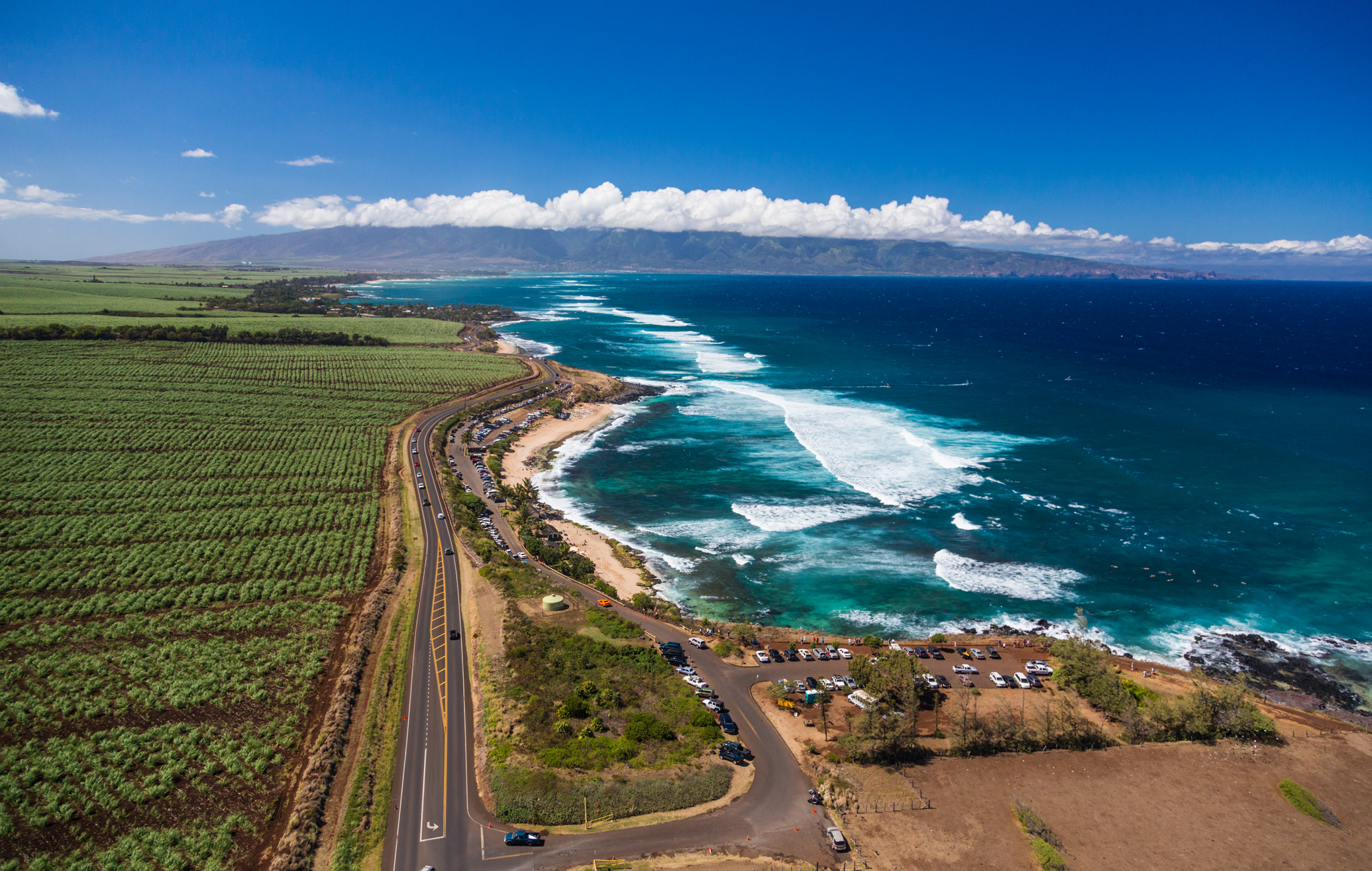
Hoʻokipa, North Shore. Photo: Hawaii Tourism Authority (HTA)
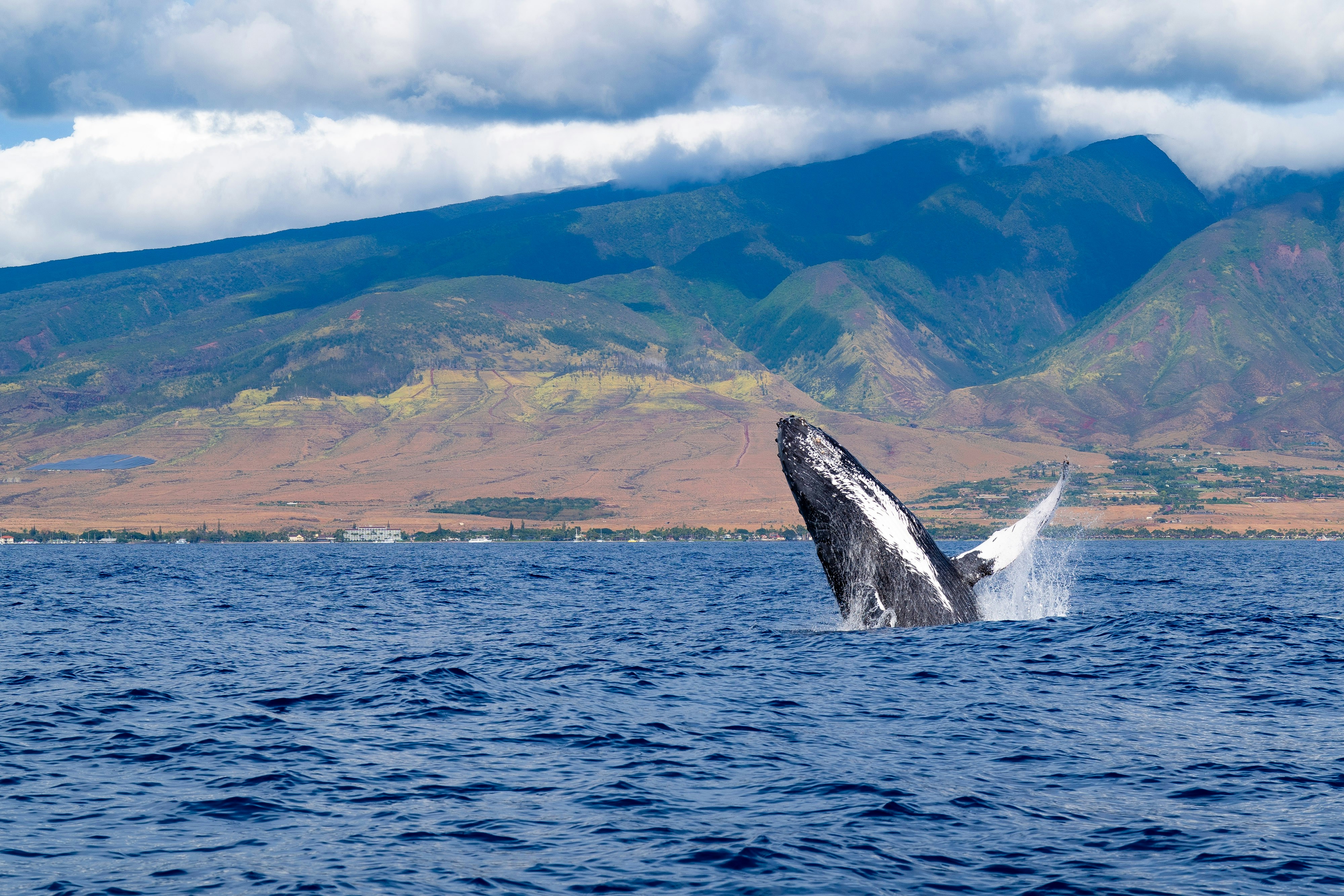
Timing: the Hawaiian Islands Humpback Whale National Marine Sanctuary puts humpbacks in Hawaiʻi from November through April, with the peak from January through March — so the whale window opens before winter does and closes after it.
Spring — April and May
Our favourite window for a flexible trip, and the one that asks least of your planning.
- Comfortable temperatures and an island still green from the winter rain.
- Away from the holiday crush, with easier booking on almost everything.
- Strong beach, hiking and Upcountry days across the board.
- Swell is easing, so the north-facing spots start coming back into play.
Timing: April and May are the last two months before summer pricing and school holidays arrive, which is most of why they are this easy.
Summer — June Through August
The settled beach season, and the straightforward one for families.
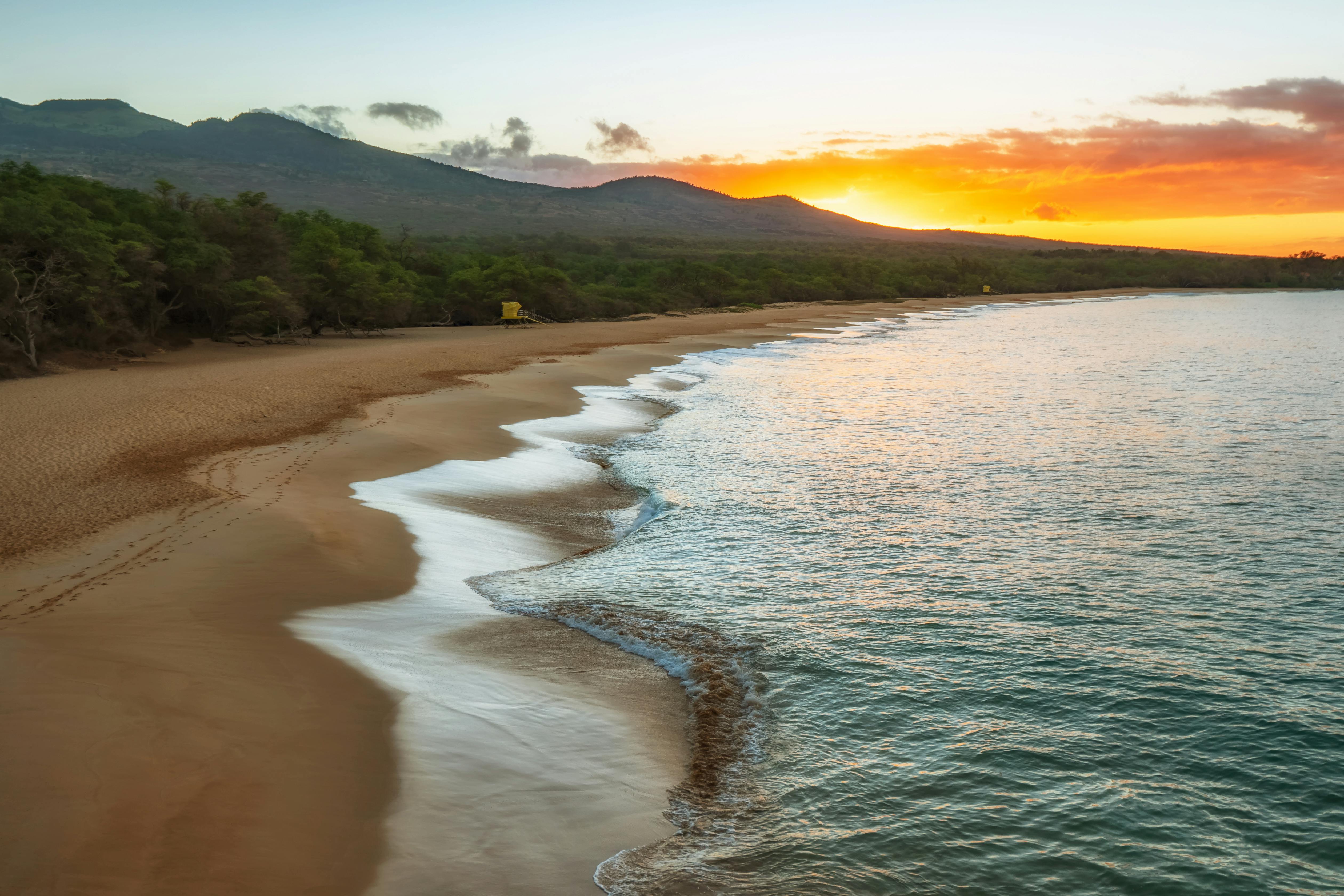
Summer is the settled beach season on the leeward side.
- Warm, long days and generally straightforward beach weather.
- Trade winds build in the afternoon, which is the one reliable pattern to plan around.
- Upcountry and Haleakalā are the temperature change when the coast gets heavy.
- South swell replaces north swell, so the exposure flips sides of the island.
Timing: get in the water in the morning. The wind is the clock here, not the sun.
Fall — September Through November
The other shoulder season, and the quietest stretch of the year on the island.
- Relaxed and uncrowded, especially September and early October.
- Warm water holding over from summer.
- Good for combining beach days, Hāna, Upcountry and restaurants in one trip.
- Best value, if you are not tied to a school calendar.
Timing: September and October are the gap between the summer families and the winter arrivals, which is exactly what makes them worth taking.
Where You Are Beats What Month It Is
Maui's microclimates matter more than the calendar, in every single month.
- South Maui — Kīhei, Wailea and Mākena, the driest visitor area in most months.
- West Maui — Lāhainā and Kāʻanapali are sunny; Kapalua is greener and wetter.
- North Shore and East Maui — more wind, more rain, and the reason the island is green.
- Upcountry — cooler by elevation rather than by season.
Timing: check the forecast for your region on the morning of, not for 'Maui' the week before. The island is small enough to drive out of the weather.
Practical Tips
Check the forecast by region rather than by island. A rainy Maui forecast is often a dry Kīhei day.
Snorkel in the morning in every month. Wind builds through the day and it costs you nothing to start early.
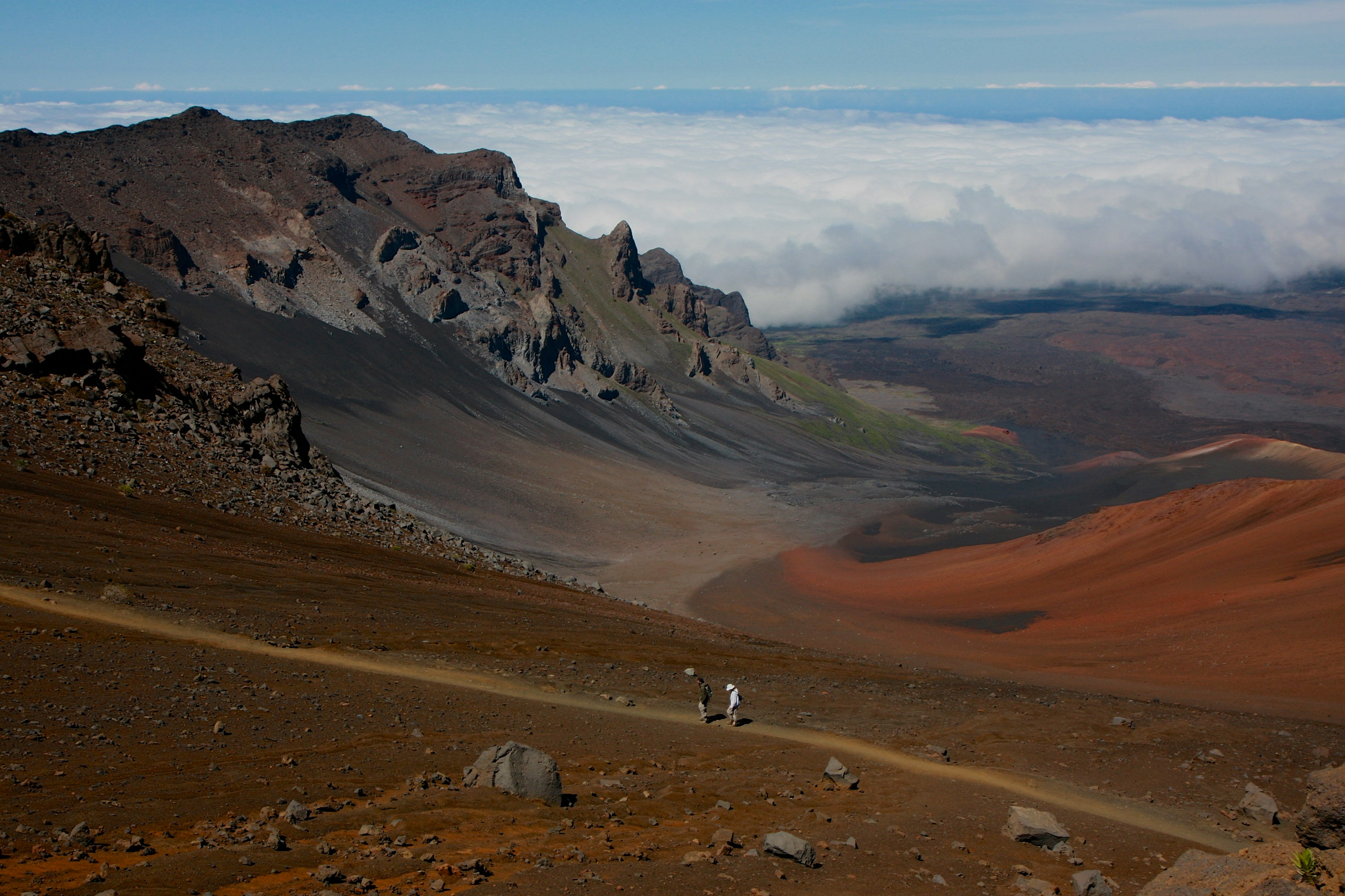
Bring warm layers for Haleakalā year-round. The summit is cold and windy in August as well as January.
Never enter streams or waterfalls during heavy rain. Flash flooding does not care what month it is.
Do not plan a trip around a forecast more than a few days out. Pick the region on the day and let the month set expectations only.
Frequently Asked Questions
Does Maui have a rainy season?
Winter is generally wetter, especially on windward slopes, but Maui's microclimates matter more than a simple wet/dry label. A rainy week in Hāna can be a dry week in Kīhei.
What month is best for snorkeling?
There is no guaranteed best month. Calm conditions that morning matter more than the calendar, though north-facing spots are least reliable December through March.
When should I visit for whales?
November through April, with the peak from January through March, per the Hawaiian Islands Humpback Whale National Marine Sanctuary.
Which months are cheapest and quietest on Maui?
September and early October, and the April–May shoulder if you are not tied to a school calendar.
What is the best month for a family beach holiday?
June through August. Long warm days, settled leeward beach weather and the most predictable ocean of the year.
Which region of Maui is driest?
South Maui — Kīhei, Wailea and Mākena — in most months of the year.