What to Do on Maui When It Rains or Gets Windy


At a Glance
First: Check Another Part of Maui
Maui has completely different weather from one side of the island to another.
It can be raining in Hāna, cloudy Upcountry and sunny in Wailea at the same time.
Before changing the entire day, check the weather where you're actually planning to go.
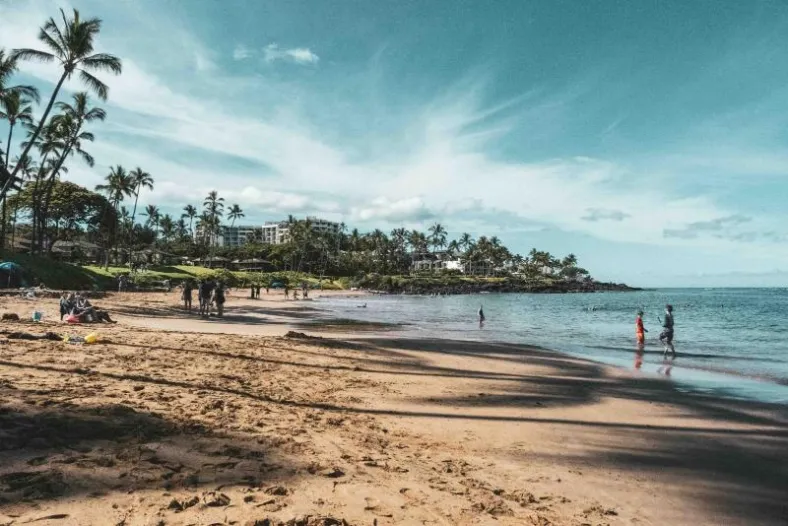
South Maui is usually the first place we'd look for better beach weather. Kīhei, Wailea and Mākena tend to be drier than East Maui, the North Shore and the greener parts of West Maui.
If West Maui is rainy, look south.
If North Shore is windy or rough, check South Maui.
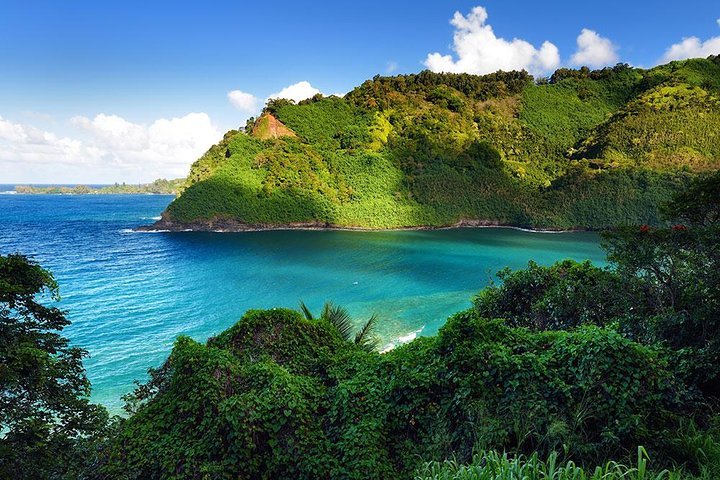
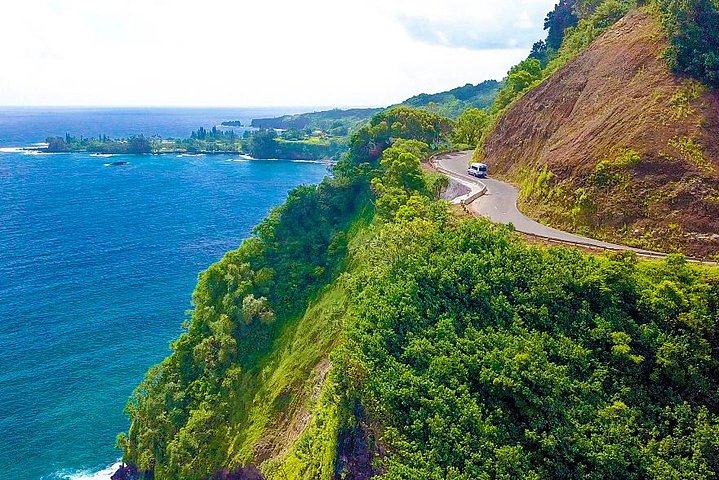
And don't drive toward Hāna hoping to escape rain — East Maui is one of the wettest parts of the island.
Make the decision early. Driving across Maui at noon chasing a patch of blue sky usually isn't worth it.
When Wind Is the Problem
Wind can affect a beach day more than a passing shower — but some beaches are much better protected than others.
During normal trade-wind conditions, Nāpili Bay and Kapalua Bay are two of the most sheltered ocean bays on Maui. Their curved shorelines offer considerably more protection than many of Maui's long, exposed beaches, making them two of the first places we'd look when the trades are blowing.
In South Maui, Maluaka Beach is our favorite option for protection from the trade winds. It's more sheltered than many beaches farther north, although it generally doesn't offer quite the same protection you'll find inside Nāpili or Kapalua Bay.
That doesn't mean any of these beaches are automatically safe. Swell, currents and other ocean conditions still matter, and winter north swells can dramatically change conditions in West Maui.
But on a typical breezy trade-wind day, our order would be:
- West Maui → Nāpili Bay or Kapalua Bay
- South Maui → Maluaka Beach
And whenever possible, go early. Maui mornings are generally your best opportunity for calmer water before the trades strengthen later in the day.
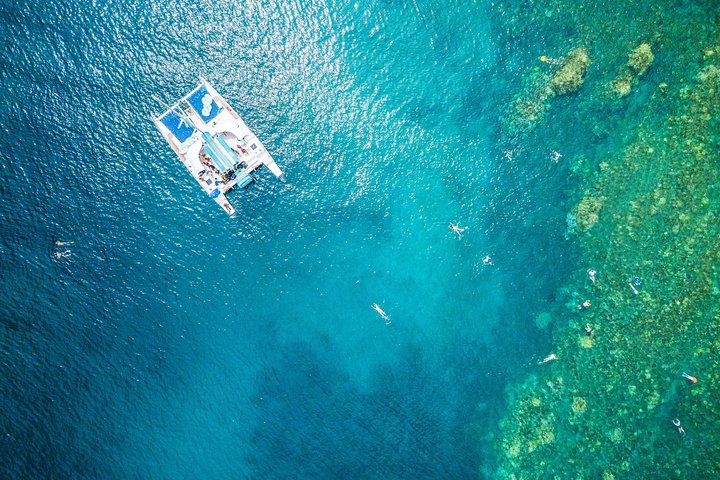
Don't force snorkeling because it's on the itinerary.
Look at the water. If it doesn't look right, tomorrow morning may be completely different.
Maui Ocean Center
Our first choice for a real rainy day — especially with kids.
Maui Ocean Center in Māʻalaea is the obvious indoor backup because it still feels connected to the Maui experience rather than simply being something to do because it's raining.
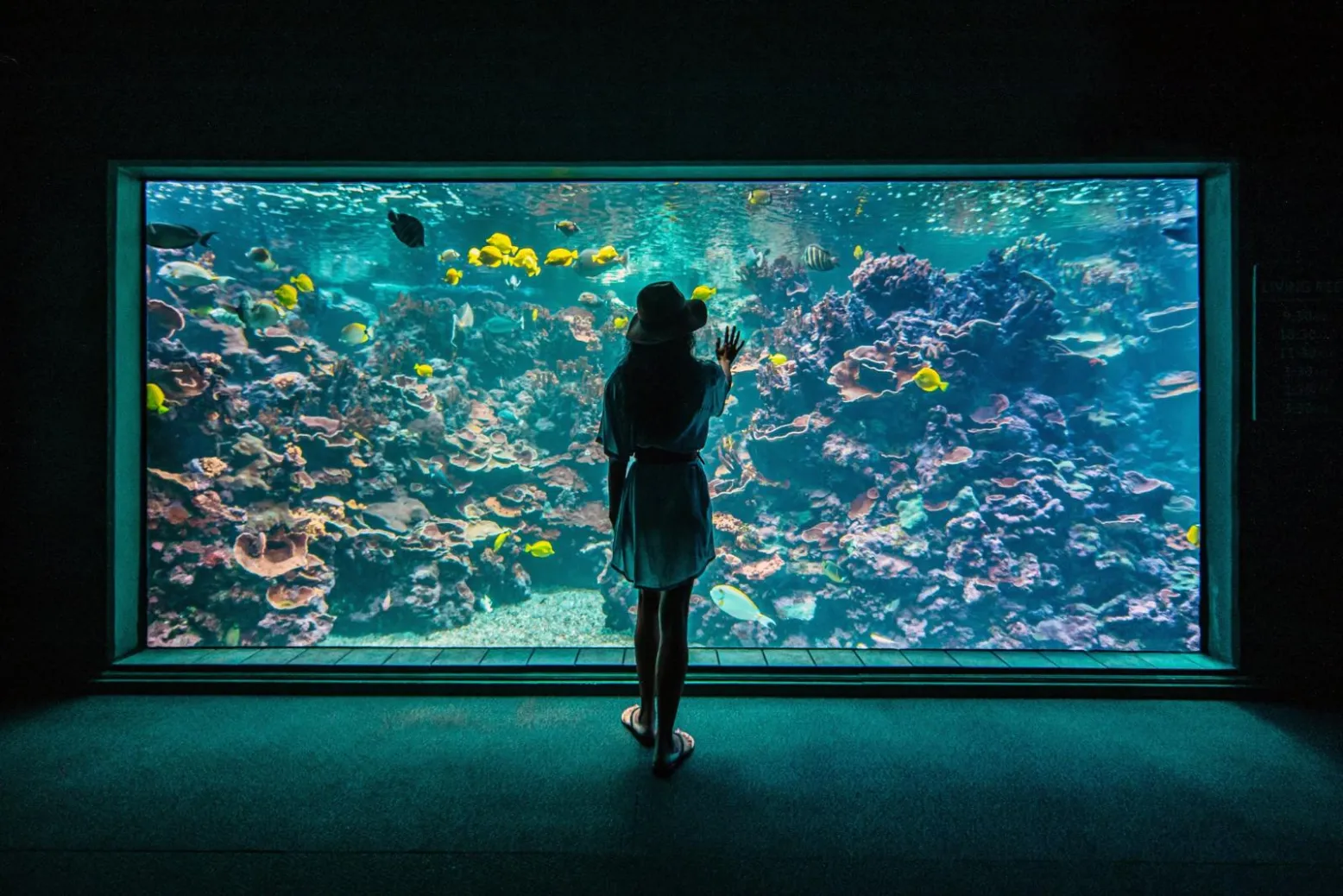
Maui Ocean Center, Māʻalaea. Photo: Hawaii Tourism Authority (HTA)
You'll see sharks, rays, reef fish and other Hawaiian marine life, along with the underwater tunnel and Humpbacks of Hawaiʻi Sphere.
Plan on roughly two to three hours.
It's also centrally located between South and West Maui, so it's relatively easy to reach from either resort area.
If the weather improves afterward, great. Grab lunch and head back outside.
If it doesn't, continue toward Kahului or Wailuku and make a full indoor day out of it.
Indoor Activities With Kids
Maui has more rainy-day kid options than it used to.
Ultimate Air Maui
Our pick for kids who need to burn off energy.
The Maui trampoline park in Wailuku is exactly what you want when the kids have been stuck inside watching the rain.
It's an indoor trampoline park with open-jump sessions and activities for different ages.
This isn't a Maui sightseeing experience — and that's perfectly fine.
Sometimes everyone just needs to jump around for an hour and reset the day.
Aloha Rock Gym
A great choice for active older kids, teens and parents.
Aloha Rock Gym in Kahului is Maui's indoor climbing gym, with bouldering and roped climbing.
First-timers can participate, making it one of our favorite rainy-day choices for school-age kids, teens and active families.
It's also something parents can do with the kids rather than simply watching from the sidelines.
Top Shot Maui
Our pick for Nerf-loving kids — with something for the little ones too.
Top Shot in Kahului is an indoor family entertainment center built around a foam-dart arena.
Kids, teens and adults can play Nerf-style games, while younger children have a separate play area.
That makes it particularly useful for families with kids of different ages.
Check Your Resort First
You may not need to leave the hotel at all.
Many of Maui's larger resorts offer rotating activities for kids and families, and a rainy day is a good time to actually use them.
Depending on the resort and schedule, you may find lei making, hula, crafts, cultural activities, games, ukulele lessons or other children's programs and workshops.

Lei making, Maui. Photo: Hawaii Tourism Authority (HTA)
Ask the concierge or front desk what's happening that day.
And don't automatically abandon the pool because of a little rain. If conditions are safe and the resort keeps the pool open, your kids may care considerably less about the weather than you do.
Turn It Into a Central Maui Day
Maui Ocean Center + Kahului/Wailuku works well together.
If the forecast looks bad across most of the island, stop trying to save the original beach plan and build a different day:
Maui Ocean Center → Lunch → Trampoline Park / Rock Gym / Top Shot
You probably didn't fly to Maui to visit an indoor trampoline park or Nerf arena.
But on the one day the weather isn't cooperating?
They're great to have.
Shopping, Food & Towns
Sometimes lunch and a little wandering are enough.
In South Maui, The Shops at Wailea and Wailea Village are easy options.
On a windy day, The Shops at Wailea also runs keiki-friendly sessions: ʻUkulele Lessons on Fridays, 3 to 4 p.m., and Lei Poʻo Making on Mondays, 2:30 to 3:30 p.m. Both are first come, first served.
Around Kāʻanapali, Whalers Village is the obvious choice.
Makawao and Wailuku give you more of a town experience, with local shops, galleries and food.
Just remember that Upcountry has its own weather. Don't assume Makawao will be sunny because Wailea isn't.
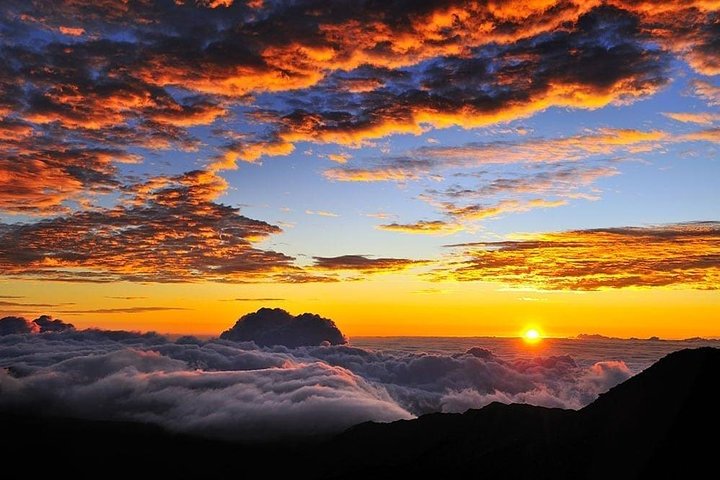
What About Haleakalā?
Haleakalā needs its own weather check, separate from the rest of Maui.
Clouds and rain at sea level don't necessarily tell you what's happening 10,000 feet above it.
Haleakalā can sometimes sit above the cloud layer while much of Maui below is gray.
But don't blindly drive up hoping for better weather. Check summit conditions first.
With Kids
Don't try too hard to rescue the day.
Our order would generally be:
1. Check another region for sunshine.
2. If it's mainly wind, check a protected beach — Nāpili or Kapalua in West Maui, Maluaka in South Maui.
3. Check what the resort is offering.
4. Maui Ocean Center.
5. Add Ultimate Air, Aloha Rock Gym or Top Shot if the kids still need something to do.
Then call it a day.
You don't need to turn bad weather into an eight-hour sightseeing marathon.
Heavy Rain Is Different
Heavy rain isn't just inconvenient.
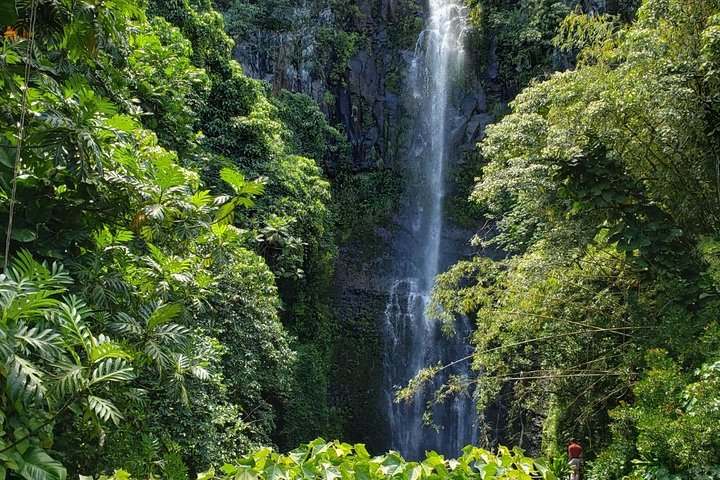
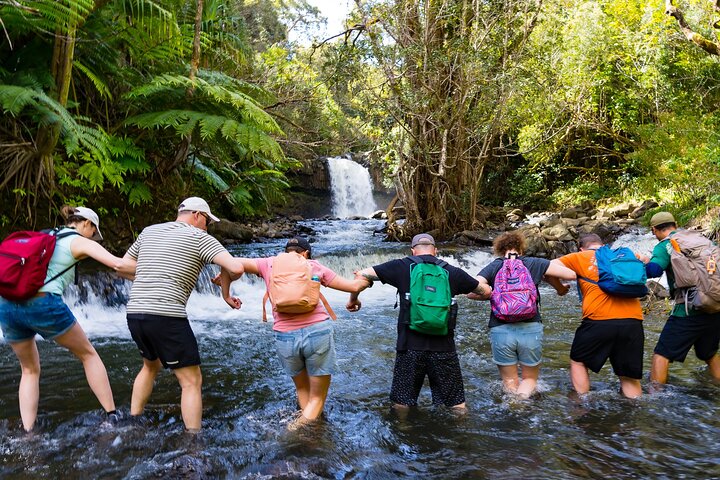
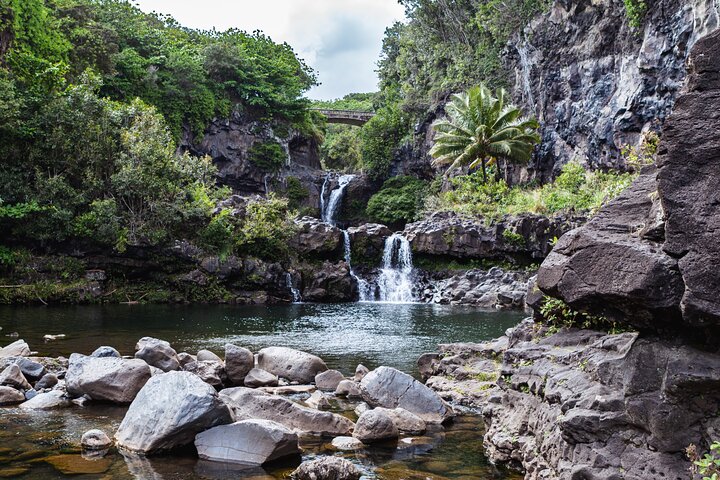
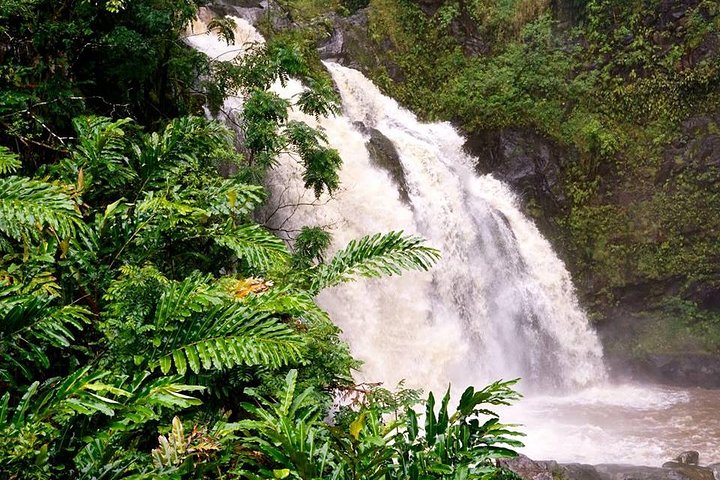
Flash flooding can make streams, waterfalls, trails and sections of the Road to Hāna dangerous.
Never enter a stream during flash-flood conditions, respect road and trail closures, and don't go waterfall hunting because heavy rain has made them larger.
More water does not mean safer.
Practical Tips
Check weather by region, not simply “Maui.”
If rain is the problem, check another region.
If wind is the problem, look for a protected bay.
Nāpili and Kapalua are two of our favorite sheltered bays during normal trade winds.
In South Maui, we'd check Maluaka first.
Do ocean activities early whenever possible.
Keep Maui Ocean Center in your back pocket.
Ask your resort about same-day kids activities and workshops.
For active kids, remember Ultimate Air, Aloha Rock Gym and Top Shot.
Never ignore flash-flood warnings or closures.
One Last Tip
A rainy or windy Maui day doesn't mean you need to give up on the day.
Rain? Check another part of the island.
Wind? Look for a protected bay.
Bad everywhere? Visit the aquarium, let the kids climb or jump, have a good lunch and enjoy the resort.
Then wake up tomorrow and look at the ocean again.














Frequently Asked Questions
What is the best rainy-day activity with kids?
Maui Ocean Center is the best rainy-day activity with kids.
Does rain mean I should cancel Hāna?
Light rain is normal; heavy rain, flooding or closures are different and can make stream stops unsafe.
What should I do if it is windy in Kīhei?
Check conditions elsewhere, use the pool/beach for land time, or switch to a non-ocean afternoon.