Best Whale Watching on Maui

At a Glance
Most popular on Maui
 Central Maui
Maui Snorkeling Adventure to Molokini and Turtle Town
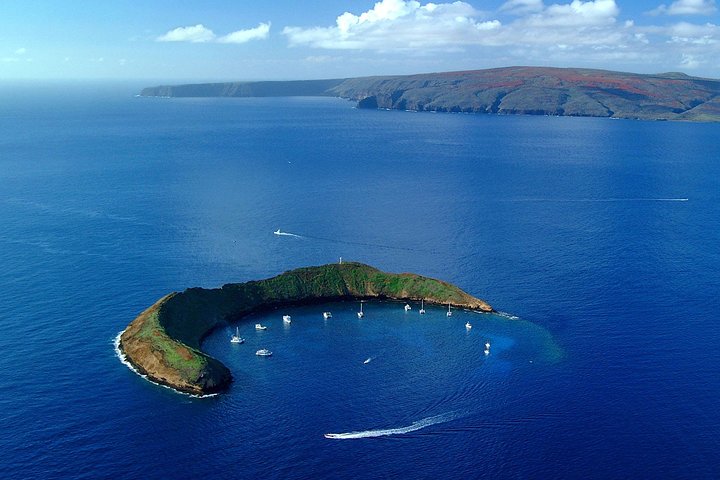
Visit Maui's famous snorkeling and diving destinations Molokini Crater and Turtle Town on a snorkeling catamaran, with visibility of 100 feet or more.
 South Maui
Feast at Mokapu Luau in Wailea
Discover Hawai'i's most authentic luxury luau at Andaz Maui at Wailea Resort — a curated cultural evening with a three-course plated dinner on Mokapu beach.
 South Maui
Gilligans' Island Luau in Kihei
An intimate luau experience and the only luau in Kihei — less than a quarter the size of the average Maui luau, so every seat has a great view of the show.
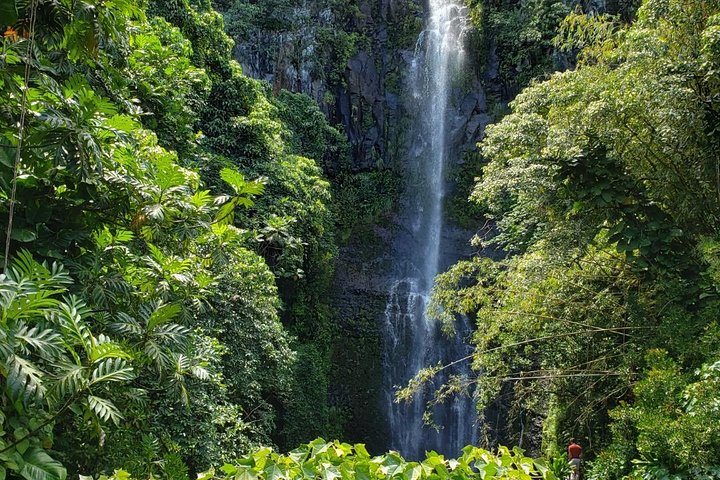 Road to Hāna
Small-Group Road to Hana Adventure Tour with Pickup & Lunch
Watch the waterfalls, black-sand beaches and rainforest go by without anyone in your group behind the wheel.
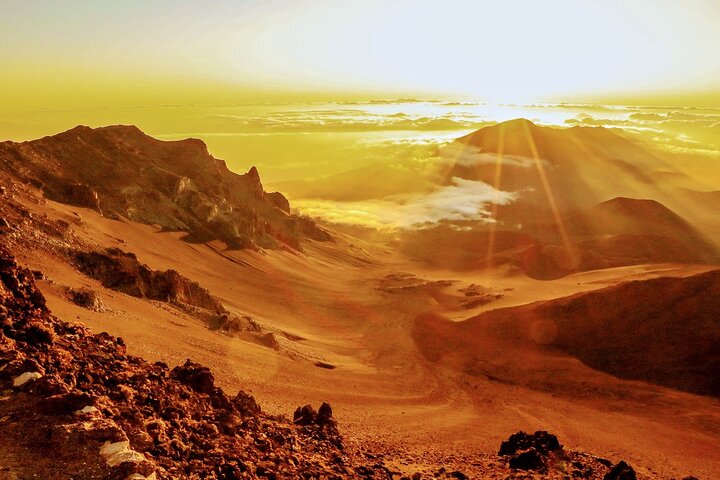 Upcountry
Majestic Haleakalā Sunrise Tour with Pick-up
Ride to the summit for sunrise above the clouds, then unwind over a hot breakfast on the way back down.
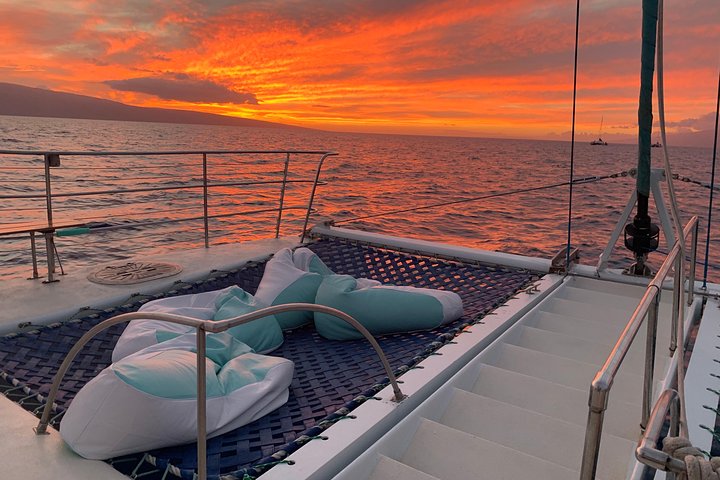 West Maui
Original Sunset Cruise with Open Bar from Kaʻanapali
Sip an unlimited open bar while the sun drops behind Lānaʻi, with pupus and live music twice a week.
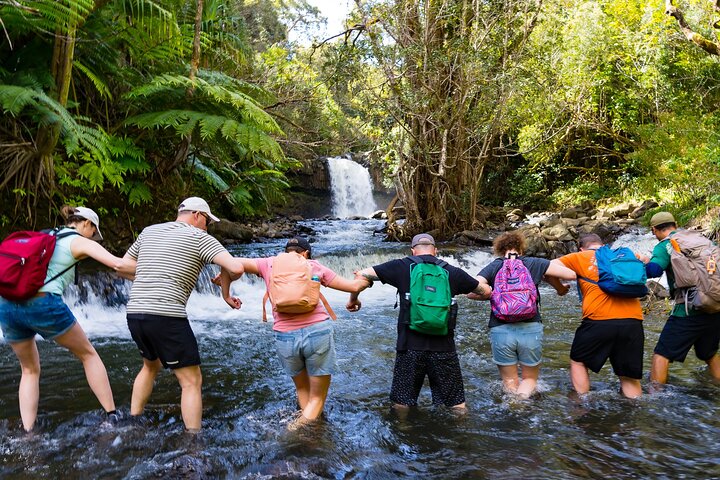 Central Maui
Small Group Waterfall and Rainforest Hiking Adventure
A guided rainforest hike to East Maui waterfalls, with time to swim beneath the falls and a trail lunch included.
 South Maui
Two Hour Beginner Group Surf Lesson in Kihei
A two-hour beginner lesson in calm South Maui water — board, gear and instruction all included.
 Upcountry
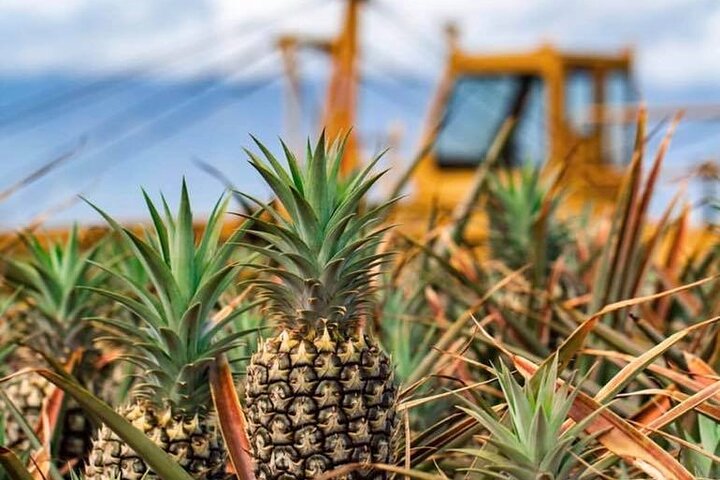
Maui Pineapple Farm Tour in Haliimaile
Tour a working pineapple farm and packing house upcountry, with tastings and a fresh pineapple to take home.
Why Maui Is Special
Roughly half the North Pacific humpback population spends its winter in Hawaiian waters, and the shallow channels around Maui are where a lot of it ends up.
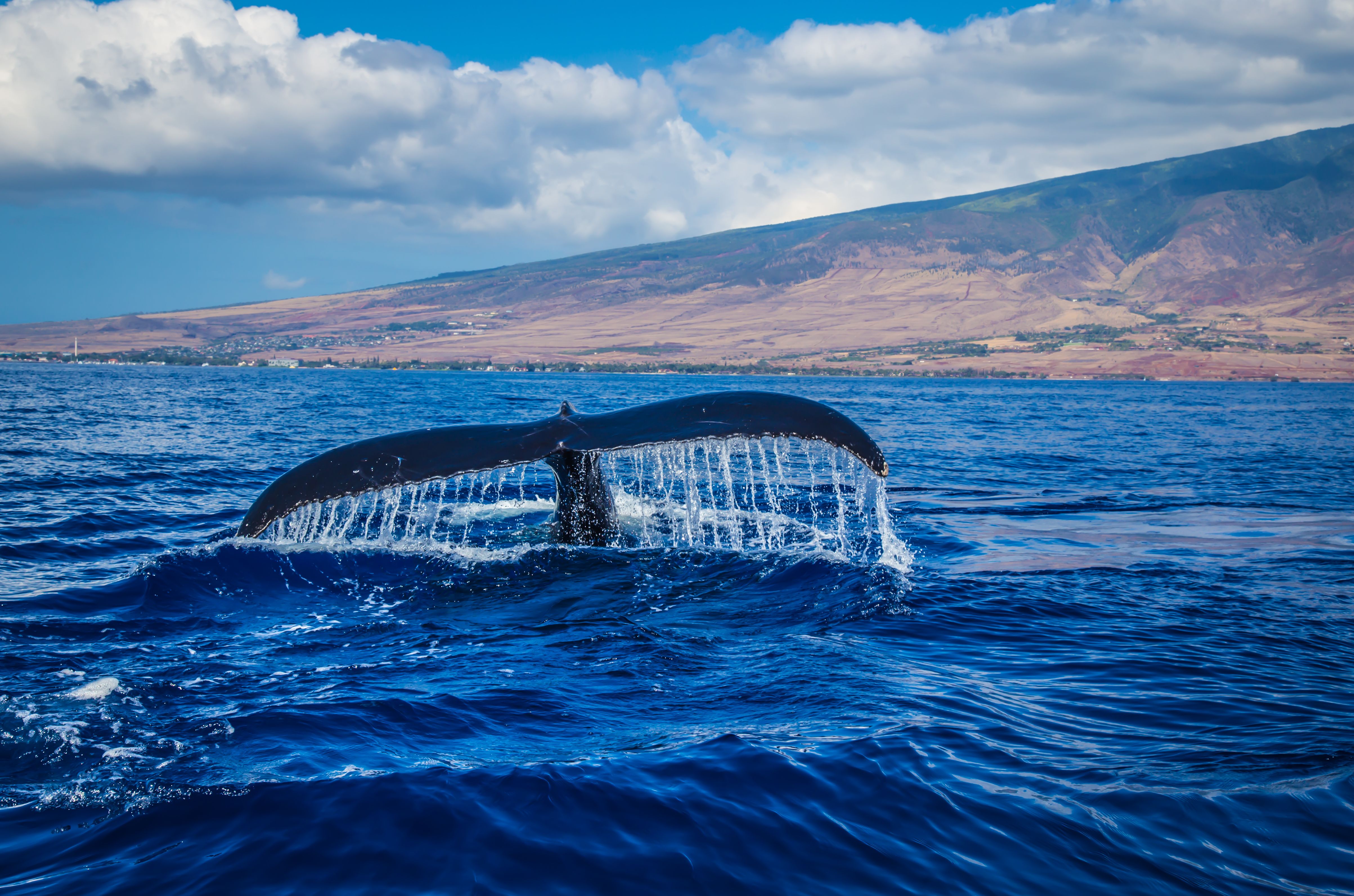
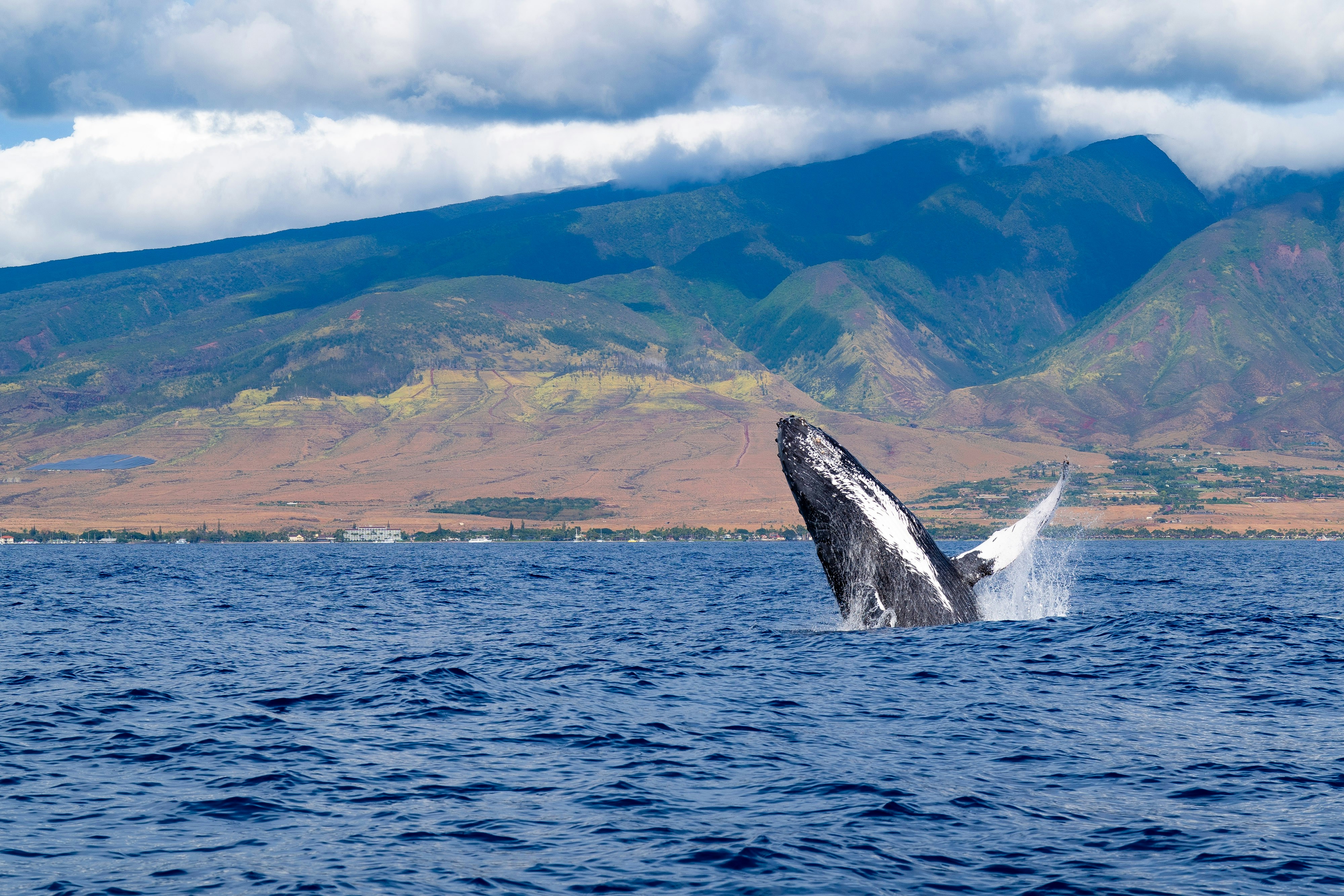
Humpbacks come into the shallow water between Maui, Lānaʻi, Molokaʻi and Kahoʻolawe to calve. Photo: Hawaii Tourism Authority (HTA)
- Approximately half of the North Pacific humpbacks — thousands of animals — visit the waters around the Hawaiian Islands.
- Maui Nui is Maui, Lānaʻi, Molokaʻi and Kahoʻolawe, and the water between them is shallow and protected.
- They come to calve, which is why mothers and calves are the common sighting rather than the exception.
- November through April, with the peak from January through March.
All of that is from the Hawaiian Islands Humpback Whale National Marine Sanctuary, which is the authority worth reading before any operator's page.
Māʻalaea
The practical default, and the one that puts you closest to the channel.
- Closest to the channel, which is the whole reason the fleet is here.
- The widest choice of boats on the island, by some distance.
- Budget the harbour — parking and check-in swallow 30 to 45 minutes before departure.
- Easy from South Maui, and a real drive from anywhere else.
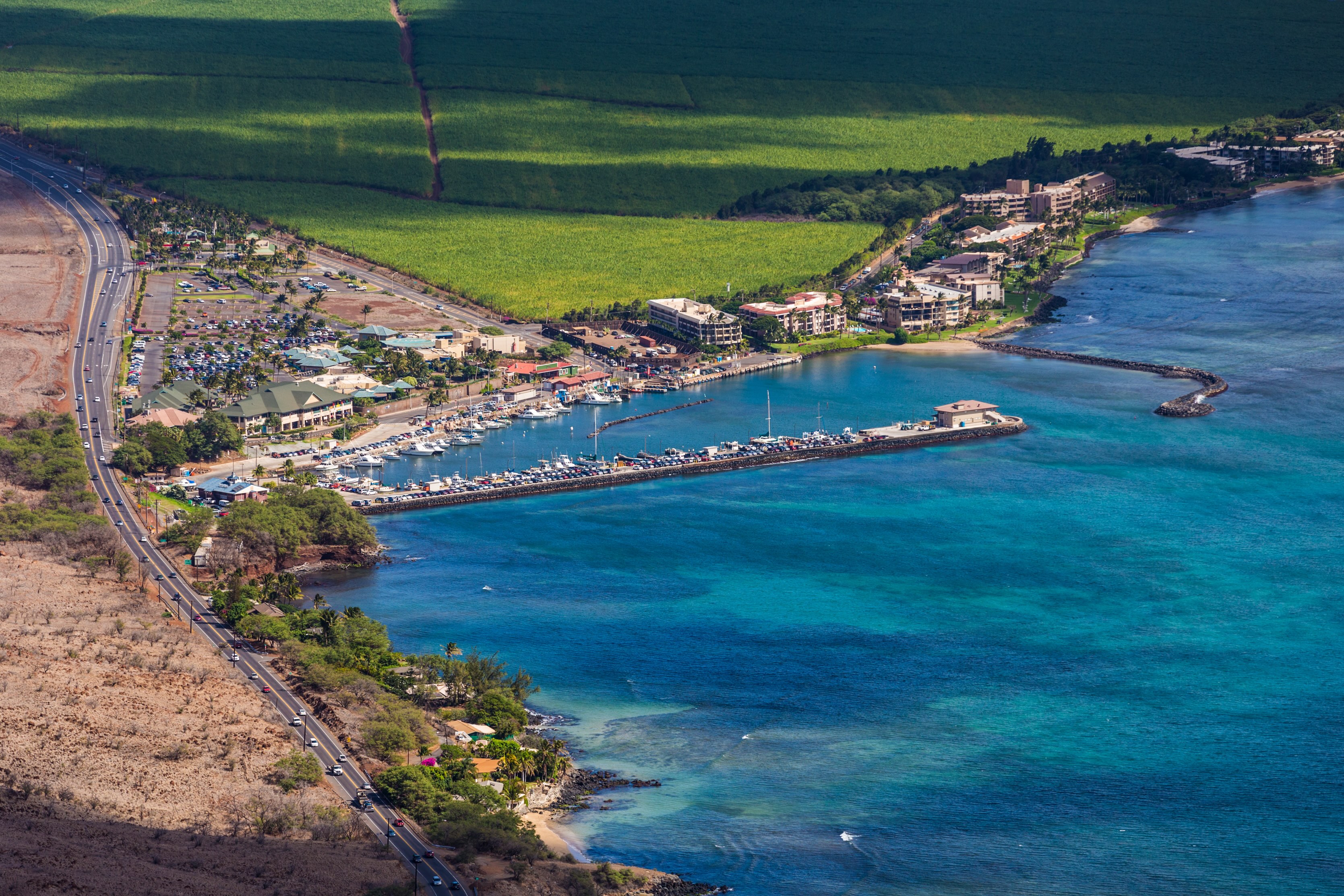
Māʻalaea puts you closest to the channel, which is why so many boats leave from here. Photo: Hawaii Tourism Authority (HTA)
Convenient from South Maui and central to a large amount of boat inventory. It is the practical default if you are based in Kīhei or Wailea. Choose a West Maui departure only when it genuinely reduces your driving and the operator is strong — crossing the island for a harbor name is not worth it.
West Maui
Convenient if you are already staying West, and a longer drive if you are not.
- Kāʻanapali-area departures can be extremely convenient from a West Maui base.
- Most boat inventory leaves from Māʻalaea, so the choice is usually wider there.
- Judge the operator, not the harbour — the boat and the crew decide the trip.
If you are staying West and a strong operator leaves from near you, take it. If you are not, the drive is rarely repaid.
Seeing Whales From Shore
In peak season you barely need a boat, and this is the cheapest whale watch on the island.
- Spouts and breaches are visible from the South and West Maui coasts in peak season.
- Binoculars matter more than elevation. A pair in the car changes every drive along the coast.
- Give it time — fifteen patient minutes beats a quick scan from a pull-out.
This is a supplement rather than a substitute. A boat gets you the scale and the sound; the shore gets you the surprise on an ordinary afternoon.
Which Boat
The vessel decides your comfort, not your odds.
- Larger catamarans — more stability, shade and bathrooms. Easier for families and anyone prone to motion sickness.
- Rafts — more physical, closer to water level, and a smaller group.
- Smaller sail or raft — the couples' answer, for the group size more than the boat.
- Private charter — control of the pace, which is what larger groups and celebrations are actually buying.
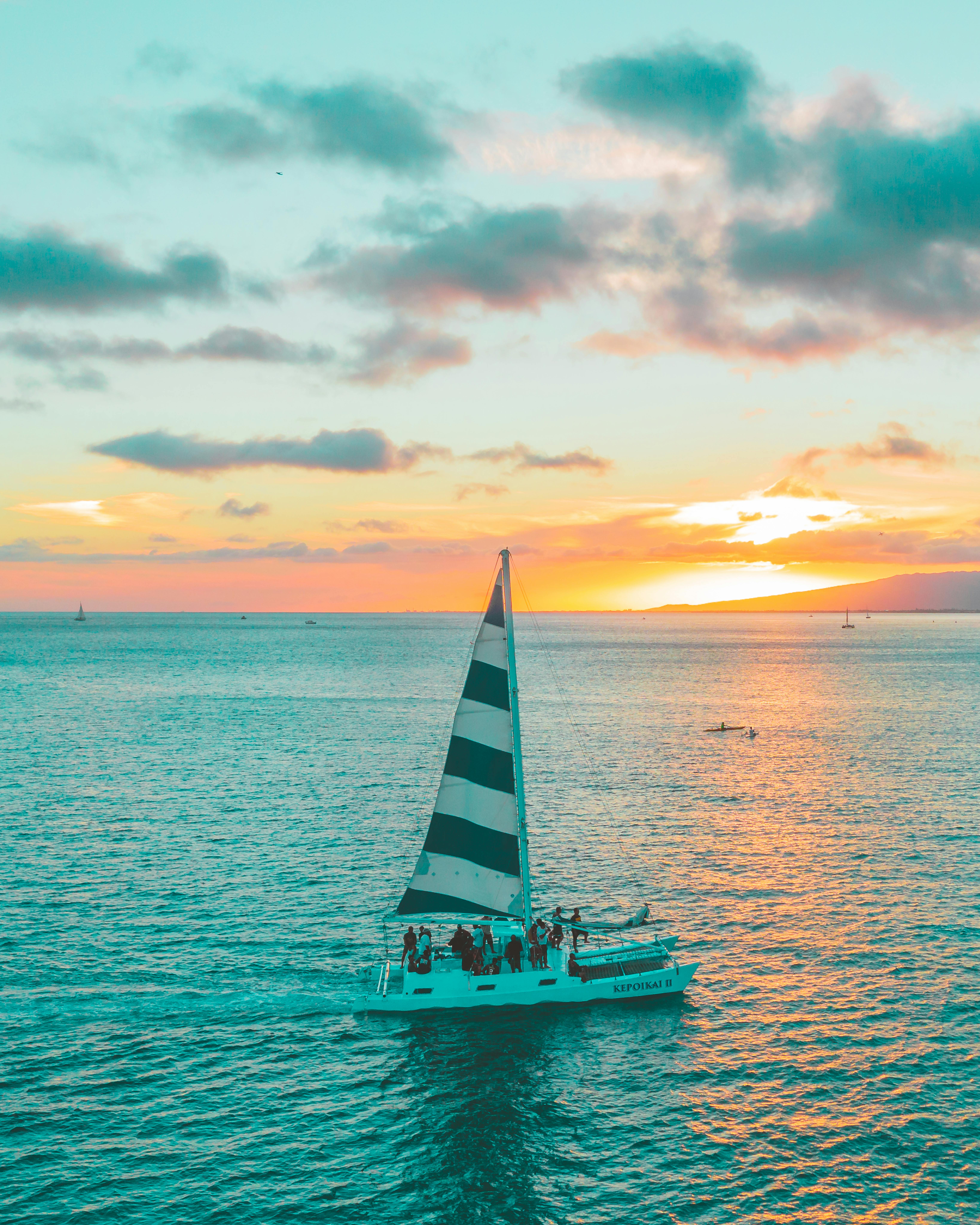
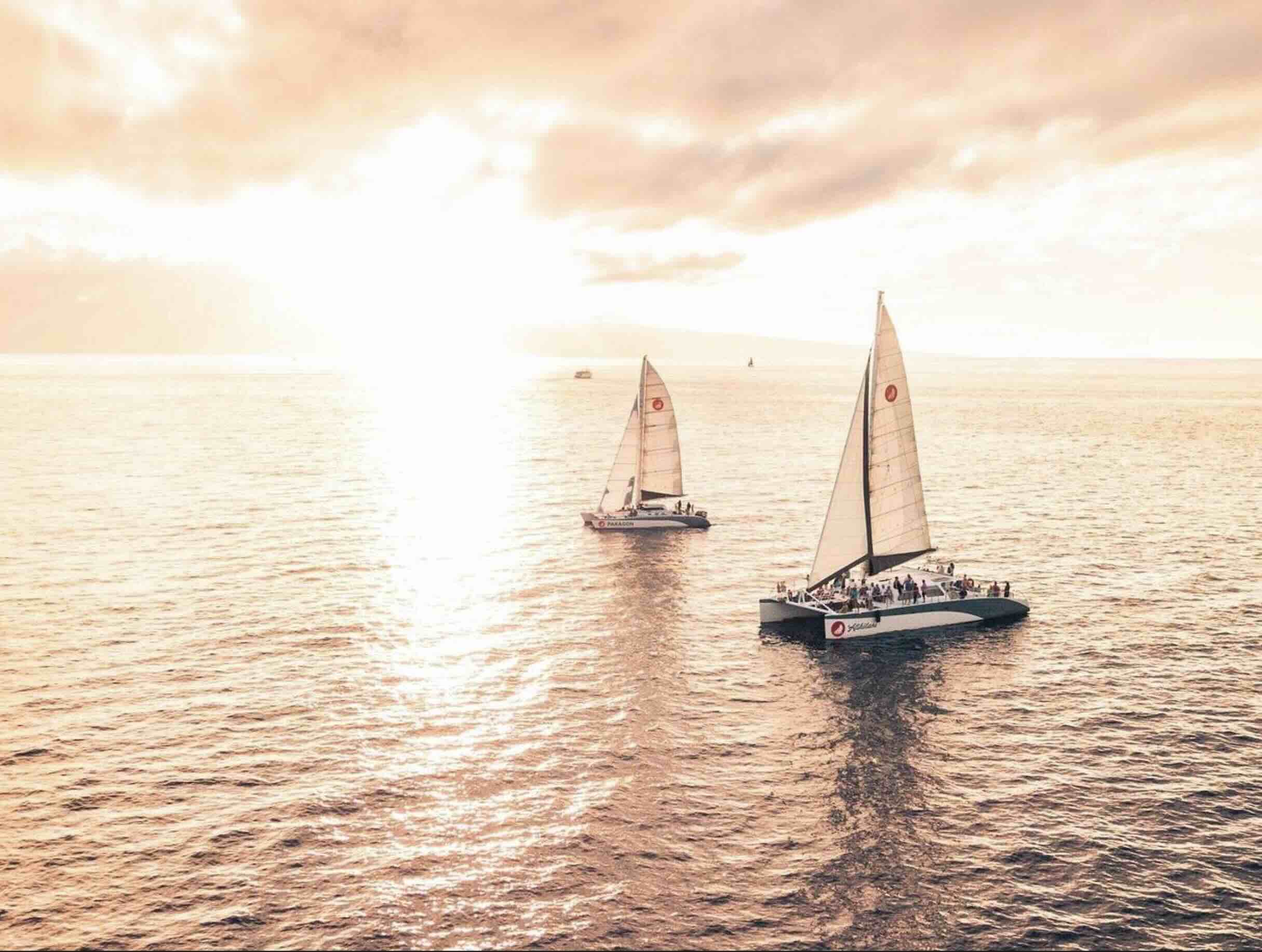
Sailing off Maui. Photo: Hawaii Tourism Authority (HTA)
Neither vessel guarantees better whales. Pick the one your group will still be enjoying ninety minutes in.
The 100-Yard Rule
Federal law sets the distance, and a boat that closes it is breaking the law rather than giving you a better trip.
- 100 yards (90 m) on or in the water — approaching a humpback by any means is prohibited inside that, and that includes swimmers, standup paddleboards, kayaks, canoes, vessels and drones.
- 1,000 feet (300 m) by aircraft.
- Year-round, all ocean users, throughout Hawaiian waters and out to 200 nautical miles.
- Report a violation to the NOAA Fisheries Enforcement Hotline on 1-800-853-1964.
In practice a good captain positions the boat, cuts the engine and lets the whales decide how close the encounter gets — which is also how the best encounters happen. The rules are published by the sanctuary.
What to Book
Dedicated whale watch, November through April.
Private whale charter, for a group or a celebration.
Practical Tips
Book a dedicated whale watch rather than hoping. A snorkel or sunset cruise that happens to see whales is not the same trip.
Book it early in your stay. Weather cancels boats and an early booking leaves room for a second attempt.
Bring a light layer and take the motion sickness seriously. Wind on the water feels cooler than it looks from the harbour.
Do not book a whale watch outside November through April. There is nothing dishonest about the boat, there are simply no whales.
Put binoculars in the car for the whole trip. In peak season the coast road does a lot of the work for free.
Frequently Asked Questions
When is whale season on Maui?
November through April, with the peak from January through March, per the Hawaiian Islands Humpback Whale National Marine Sanctuary.
Can I see whales from shore?
Yes, in peak season, from the South and West Maui coasts. Binoculars matter more than elevation, and a boat still gives you the scale and the sound.
Which harbor should I leave from?
Māʻalaea for most people, and especially from Kīhei or Wailea. Take a West Maui departure only if you are staying West and the operator is strong.
What boat is best for kids?
A larger catamaran — stability, shade, bathrooms and easy boarding. Rafts are the wrong choice for young children.
How close can a boat get to a whale?
No closer than 100 yards, by federal law, year-round and throughout Hawaiian waters. A captain who closes that distance is breaking the law.
Will I definitely see whales?
No ethical wildlife experience is guaranteed. Inside the peak months the odds are very good, which is not the same as a promise.