Honolua Bay Snorkeling Guide


At a Glance
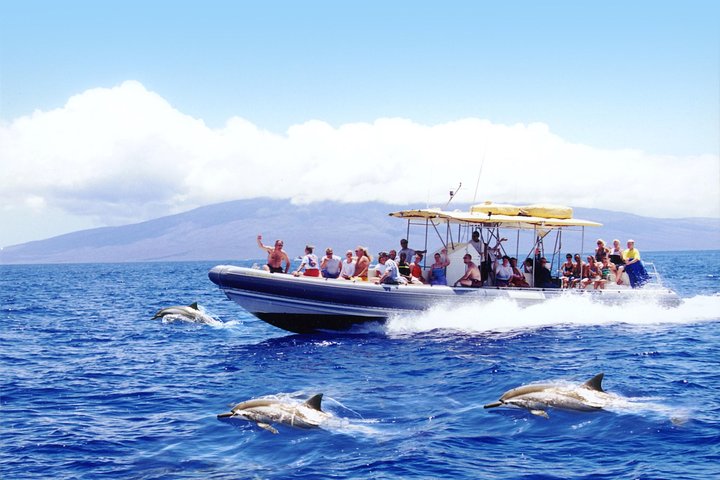
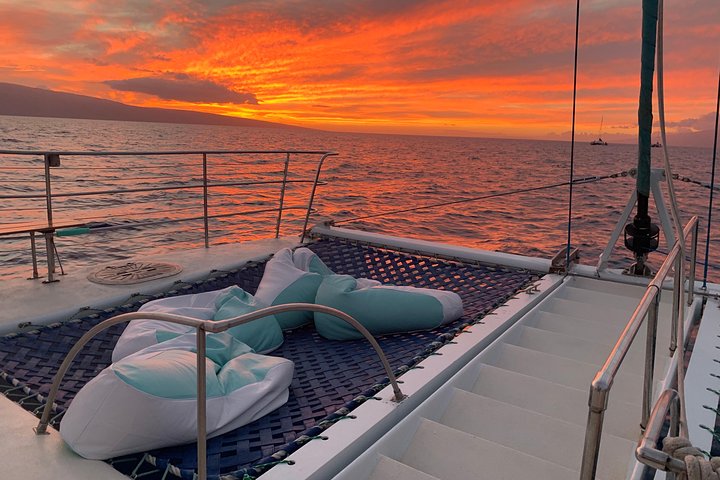
Our pick: West Maui Half Day Snorkel from Ka’anapali Beach
Best for families who want a catamaran snorkel straight from Kāʻanapali Beach.
Our pick: Ultimate 4 Hour Lanai Snorkel and Dolphin Encounter
Best for active snorkelers who want a fast rescue-style boat from Mala Ramp with 2 stops and a smaller-group feel.
What Honolua Bay Is
A protected reef with no beach infrastructure attached — which is both why it is good and why it catches people out.
- Best for — confident snorkelers on a calm day
- Not for — beginners, small children or a beach day
- Best season — summer, when the north swell is down
- Facilities — none
Where: the northwest coast, about ten miles north of Lāhainā along Honoapiʻilani Highway.
Honolua–Mokulēʻia Bay is a Marine Life Conservation District covering 45 acres, established in 1978. DLNR lists facilities: none, and says parking is available only alongside the highway.
There is no sandy beach, no restroom, no shower and no lifeguard. The shoreline is rock, the walk in is through trees, and nothing about the arrival is polished.
That is the trade. The reason the reef is worth the effort is closely related to the reason there is nothing here.
For where turtles show up along this coast, see Where to See Turtles in West Maui.
The Conservation District
The rules are short, they are the point, and they are why the fish are still here.
- Prohibited — fishing for, taking or injuring any marine life, including eggs
- Prohibited — possessing in the water any device that could take marine life
- Prohibited — taking or altering any sand, coral or other geological feature
- Permitted — carrying legal gear and fish taken outside the district, aboard a boat
In practice this means: look, do not collect. No shells, no coral, no rocks, nothing off the bottom. The abundance you came to see is a direct product of nobody taking any of it for nearly fifty years.
Getting There and Getting In
Two bays share the conservation district, and they are reached completely differently.
Honolua Bay
The snorkel. Rocky entry, short walk in, and worth every bit of it when the water is right.
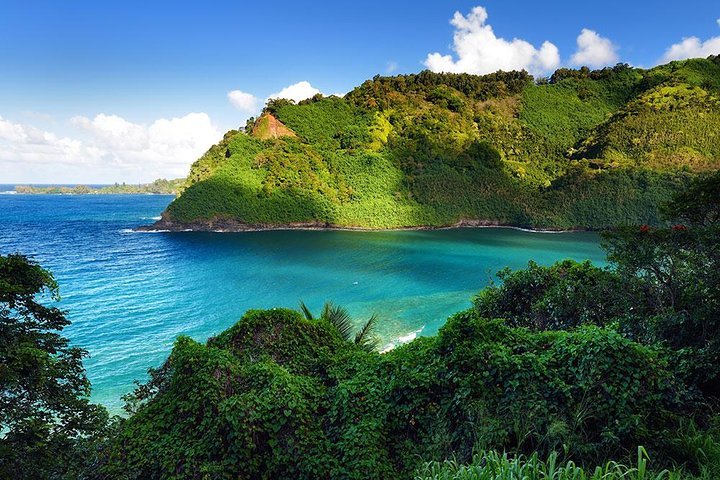
You reach the shoreline on a short walk through a lush wooded stretch below the highway. The entry is over rock, so wear something on your feet and take your time getting in.
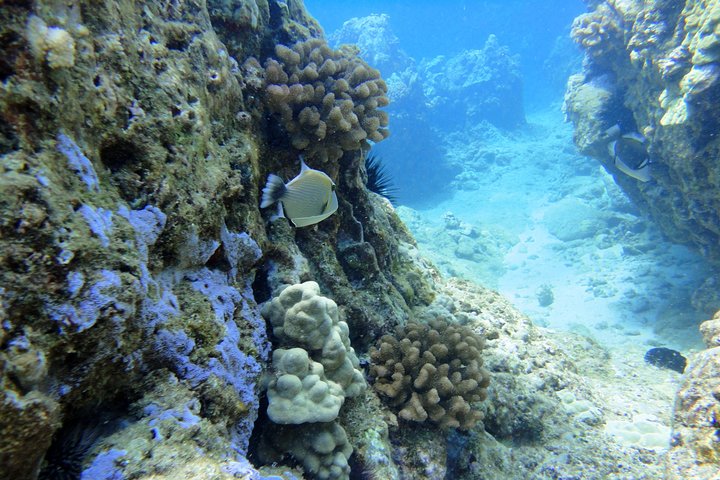
Marine life concentrates around the rocky sides. Work along an edge rather than pushing out into the middle of the bay — the visibility and the fish are both better close in, and there is no reason to add distance.
Strong swimmers can range farther on a genuinely flat day. That is a decision to make in the water, not in the parking lot.
Mokulēʻia Bay
The other half of the district, and a different proposition entirely.
DLNR describes Mokulēʻia Beach as accessible along a stairway down the cliffs, with parking again found only along the highway.
It is a more committing arrival than Honolua and it takes swell harder. Most visitors should treat it as somewhere to look at rather than somewhere to get into the water.
Reading the Day
There is no version of this guide that works without you looking at the bay first.
- Good sign — flat water, no whitewater in the bay, clear from the bluff
- Bad sign — surfers in the water
- Bad sign — brown water after heavy rain
- Bad sign — anything breaking across the mouth
The bluff above the bay is the best free piece of information available. Look before you commit to the walk down, because the view from up there tells you the answer.
Rain matters as much as swell. Runoff from the valley behind the bay kills visibility and there is no point snorkeling water you cannot see through.
We do not use a date to call the season. We use the bay: whitewater inside the mouth, surfers in the lineup, brown runoff or any obvious surge from the bluff means no snorkel. DLNR advises avoiding these waters in winter because high surf is common.
When to Skip It
DLNR's own advice is the clearest line anyone has drawn here.
The state's guidance for these waters is direct: avoid them during winter months, when high surf is common.
In a north swell Honolua becomes a serious surf break. If surfers are out, the answer is no — not a careful yes, not a quick look. The bay is not big and there is nowhere to be out of the way.
There is also no lifeguard and no facilities, which means there is no margin. Hawaiʻi Ocean Safety's advice is to use lifeguarded beaches, swim with a buddy and obey posted warnings — none of which you can do here except the second.
Never snorkel this bay alone, and do not leave anything visible in the car.
Snorkel Honolua by Boat
If the rocky walk-in is the problem, a boat removes it.
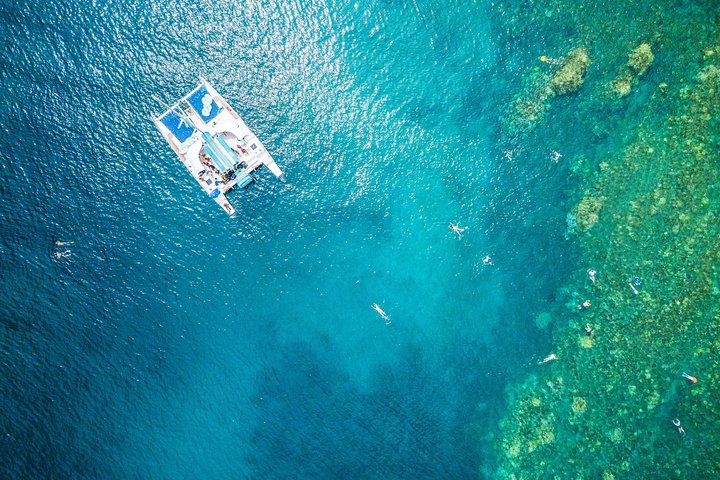
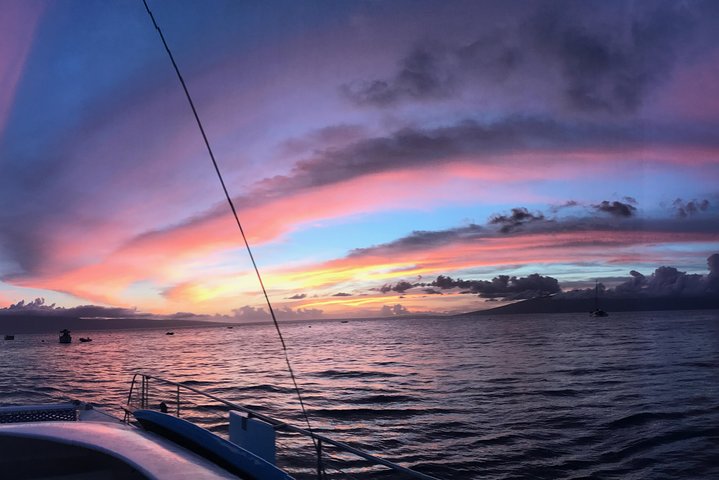
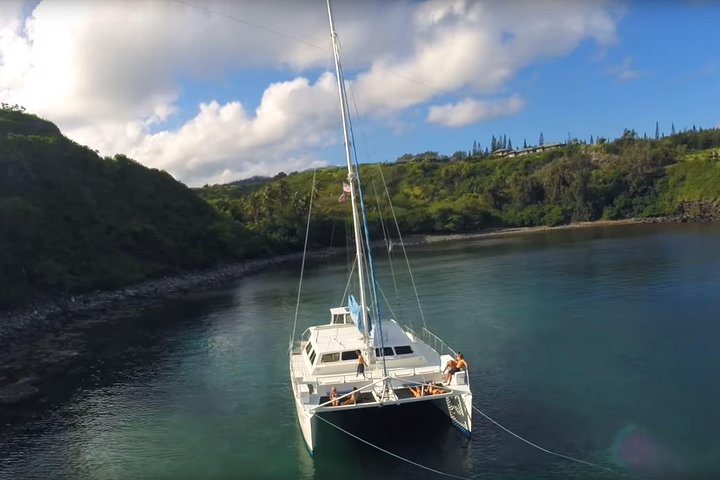
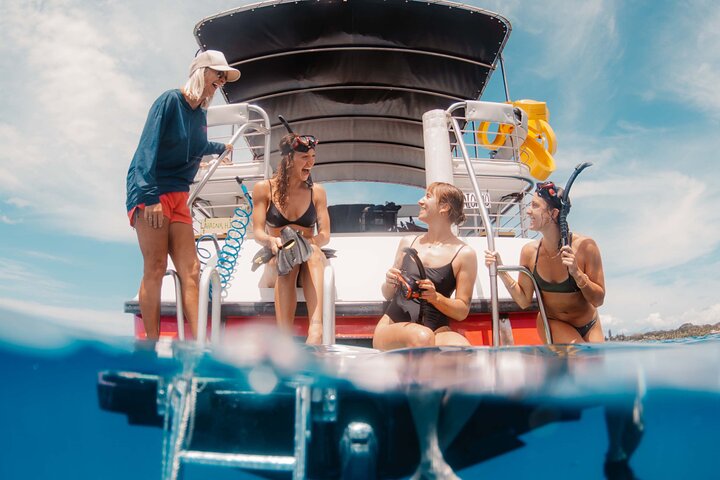
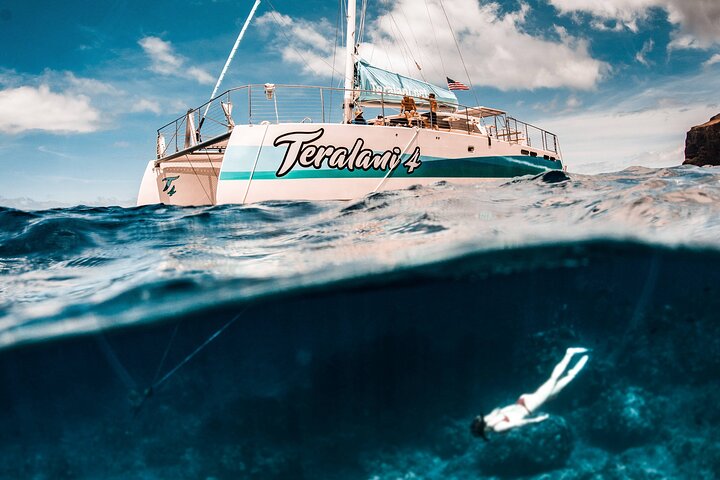
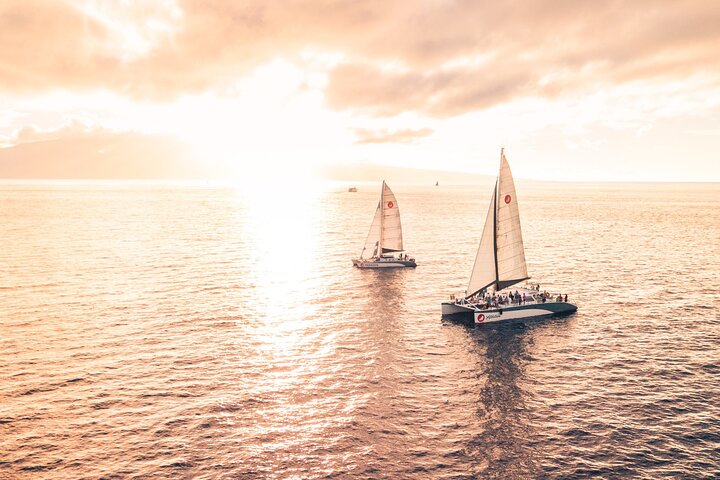
One tour on our site snorkels here: the Honolua Snorkel Sail from Lāhainā with Pacific Whale Foundation. It boards at Lāhainā Harbor, sails up the Kāʻanapali coast and gives you two snorkel spots in the area, about an hour at each. Plan on five hours. The crew meets you at the A-frame sign in the Shaw Street lot and walks you to the harbor.
In winter the trip is weather-dependent. When the north swell is up, the captain moves the snorkel to another spot, so Honolua itself is not guaranteed. May to September is the most reliable time to book it.
To see Honolua without getting in the water, the Shaka Shuttle open-air tour stops at the Honolua Bay lookout, and our private air tours fly over the bay.
Where to Go Instead
On the days Honolua says no — which is most winter days — West Maui still has good water.
- Easiest swap — Kapalua Bay, ten minutes south
- Most reef — Kahekili (airport beach)
- Best plain beach — Nāpili Bay
- Guarded option — D.T. Fleming, conditions permitting
Kapalua Bay is the beginner-friendly protected version of the same idea and it is the obvious replacement. Kahekili has the most reef per minute of swimming on this coast.
Treating Honolua as a bonus rather than a plan is the right way around. Go when the ocean offers it, and enjoy somewhere else when it does not.
Practical Tips
- Check the bay from the bluff first. The view decides the day better than any forecast.
- If surfers are out, do not snorkel. In a north swell this is a surf break, not a reef.
- DLNR advises avoiding these waters in winter, when high surf is common. Take that at face value.
- Wear something on your feet. The entry is over rock and the walk in is not paved.
- Work the rocky edges, not the middle of the bay.
- Take nothing. No shells, no coral, no sand — it is a conservation district and that is the whole point.
- Skip it after heavy rain. Runoff kills the visibility you came for.
- Bring everything you need. There are no facilities of any kind.
- Never snorkel alone here, and leave nothing visible in the car.
One Last Tip
Honolua is the only place in West Maui where we would tell you to drive up, look, and be genuinely willing to drive away.
On the right summer morning it is one of the best shore snorkels on the island.
On the wrong winter morning it is a surf break with a crowd on the bluff — and standing there watching it is still a good hour.



Frequently Asked Questions
Is Honolua Bay good for beginners?
No, Honolua Bay is not good for beginners. The shoreline is rock rather than sand, the walk in is unpaved, there are no facilities and no lifeguard, and the bay changes dramatically with swell. Kapalua Bay, ten minutes south, is the beginner version of the same idea — a sandy entry, a protected shape and reef along both rocky sides.
When is Honolua Bay best for snorkeling?
Honolua Bay is best for snorkeling on a flat day, most commonly in summer. DLNR advises avoiding these waters during winter months, when high surf is common. The practical test is to look at the bay from the bluff before you walk down: flat water and no whitewater means go, surfers in the water means no.
What are the rules at Honolua Bay?
It is a 45-acre Marine Life Conservation District established in 1978. Fishing for, taking or injuring any marine life is prohibited, as is possessing in the water any device that could be used to take marine life, and taking or altering any sand, coral or other geological feature. Look, do not collect — the abundance is a direct result of nearly fifty years of nobody taking anything.
Are there facilities or parking at Honolua Bay?
No facilities at all — DLNR lists none, which means no restroom, no shower and no lifeguard. Parking is available only alongside the highway, about ten miles north of Lāhainā on Honoapiʻilani Highway. Bring everything you need, leave nothing visible in the car, and do not plan a long day around the site.
What is Mokulēʻia Bay and can I snorkel there?
It is the other half of the same conservation district, just south of Honolua. DLNR describes the beach as accessible along a stairway down the cliffs, with parking again only along the highway. It is a more committing arrival than Honolua and takes swell harder, so most visitors should treat it as a place to look at rather than a place to get in.
Where should I snorkel if Honolua is out?
Kapalua Bay is the easiest swap and the beginner-friendly version of the same protected-reef idea. Kahekili, sometimes called airport beach, gives you the most reef per minute of swimming on this coast, with a proper beach-park setup behind it. Nāpili Bay is the better plain beach morning if the snorkeling is secondary.