Best Things to Do on Maui


At a Glance
Most popular on Maui
 Central Maui
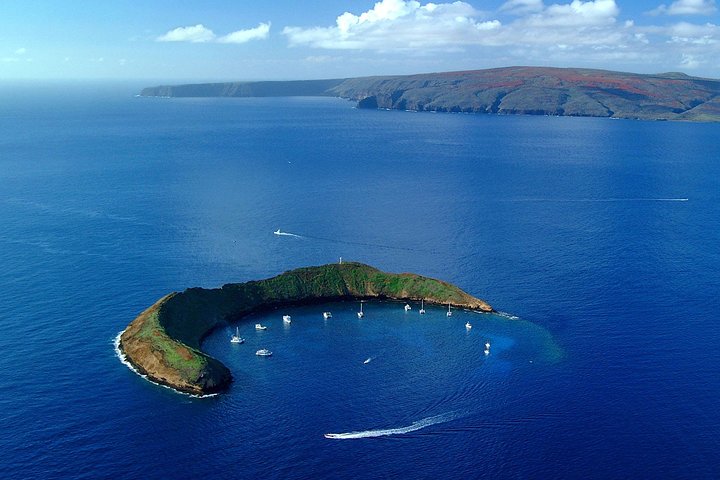
Maui Snorkeling Adventure to Molokini and Turtle Town
Visit Maui's famous snorkeling and diving destinations Molokini Crater and Turtle Town on a snorkeling catamaran, with visibility of 100 feet or more.
 South Maui
Feast at Mokapu Luau in Wailea
Discover Hawai'i's most authentic luxury luau at Andaz Maui at Wailea Resort — a curated cultural evening with a three-course plated dinner on Mokapu beach.
 South Maui
Gilligans' Island Luau in Kihei
An intimate luau experience and the only luau in Kihei — less than a quarter the size of the average Maui luau, so every seat has a great view of the show.
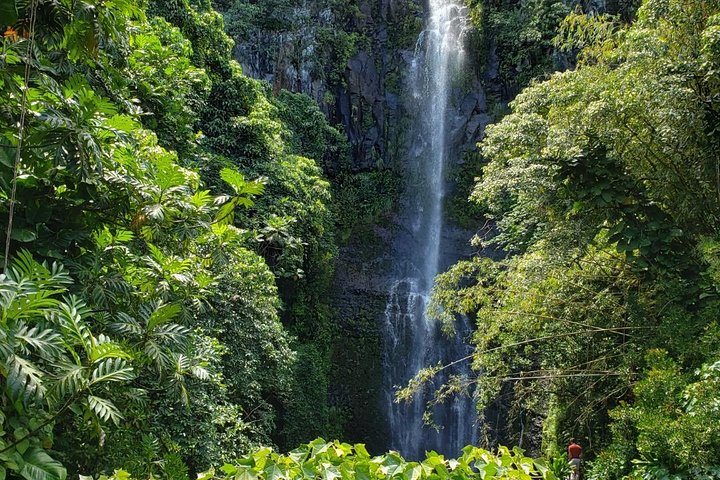 Road to Hāna
Small-Group Road to Hana Adventure Tour with Pickup & Lunch
Watch the waterfalls, black-sand beaches and rainforest go by without anyone in your group behind the wheel.
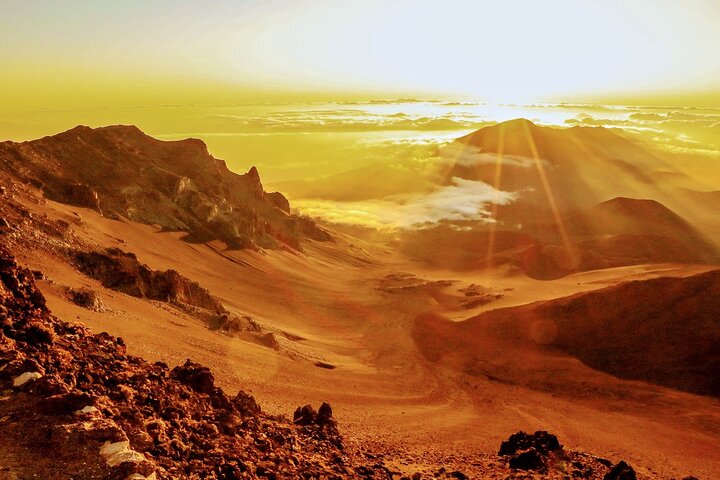 Upcountry
Majestic Haleakalā Sunrise Tour with Pick-up
Ride to the summit for sunrise above the clouds, then unwind over a hot breakfast on the way back down.
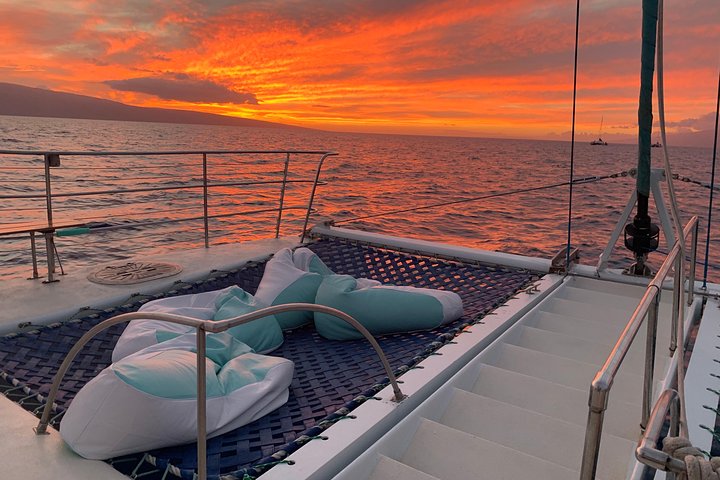 West Maui
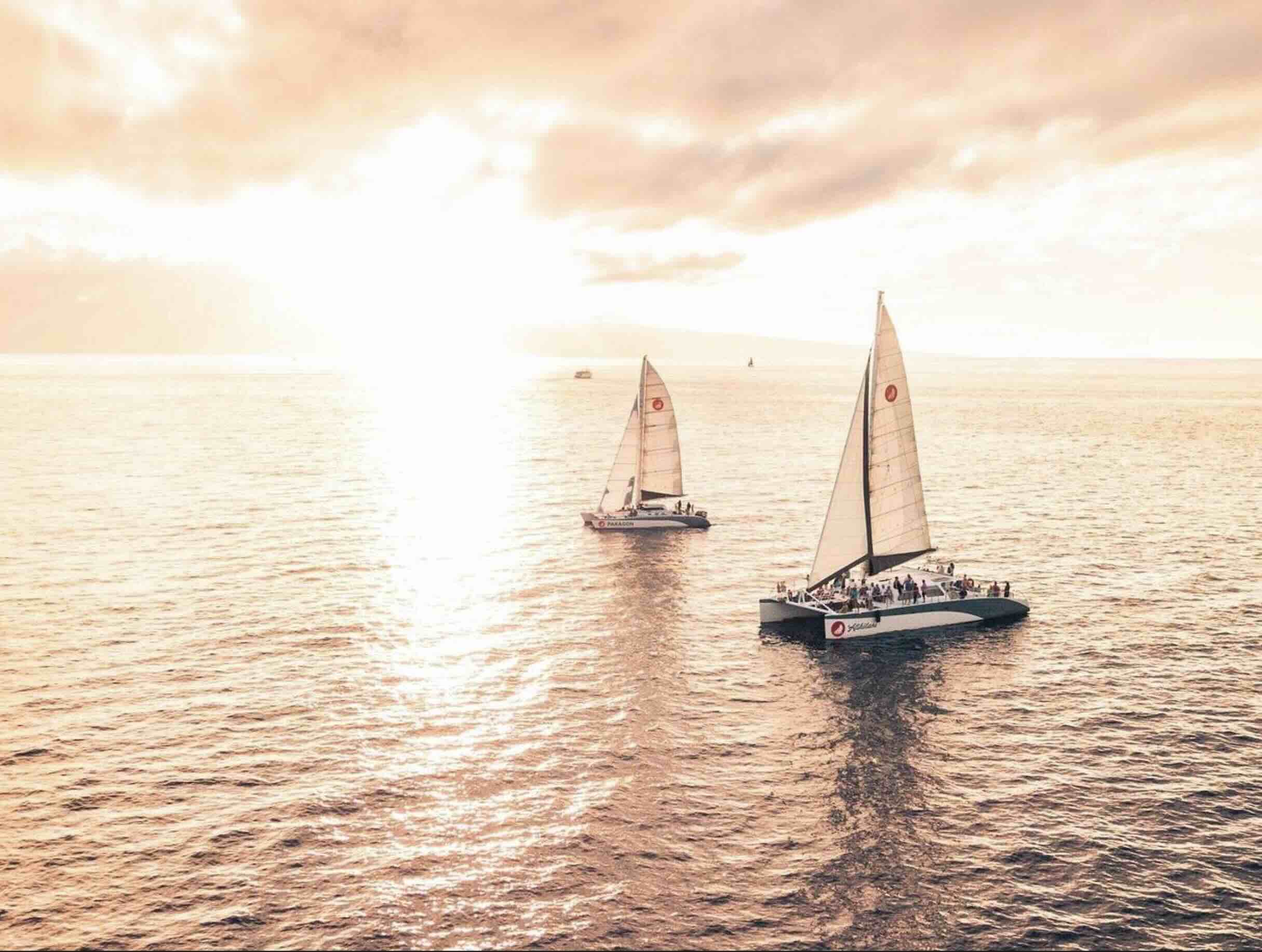
Original Sunset Cruise with Open Bar from Kaʻanapali
Sip an unlimited open bar while the sun drops behind Lānaʻi, with pupus and live music twice a week.
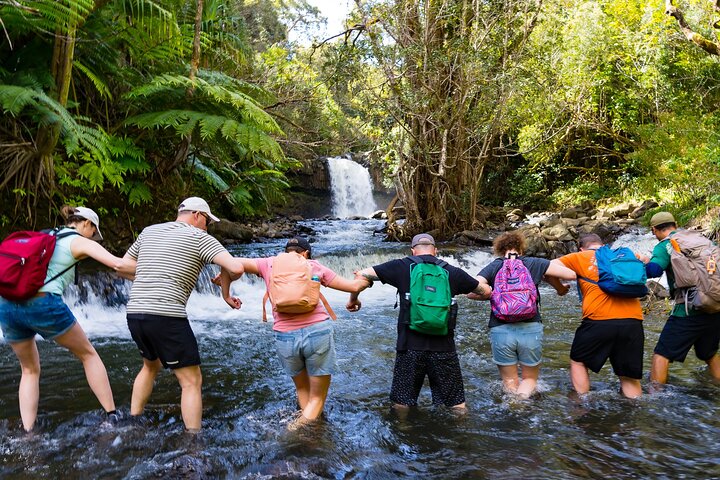 Central Maui
Small Group Waterfall and Rainforest Hiking Adventure
A guided rainforest hike to East Maui waterfalls, with time to swim beneath the falls and a trail lunch included.
 South Maui
Two Hour Beginner Group Surf Lesson in Kihei
A two-hour beginner lesson in calm South Maui water — board, gear and instruction all included.
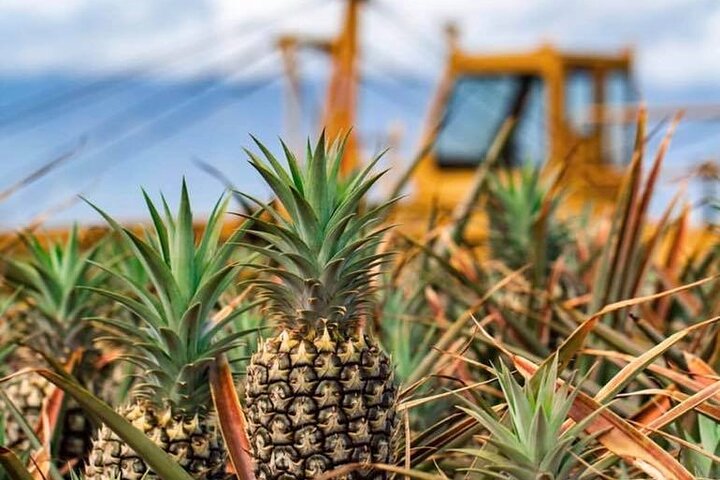 Upcountry
Maui Pineapple Farm Tour in Haliimaile
Tour a working pineapple farm and packing house upcountry, with tastings and a fresh pineapple to take home.
Start With the Water
One unhurried beach day and one snorkel morning outrank almost anything you could book. Do those first and the rest of the trip has something to be built around.
- Why first — It is the thing Maui does better than anywhere you could have gone instead.
- The experience — A beach with nothing scheduled at 10:30, 1:00 and 4:00 around it.
- The tradeoff — It photographs less well than a helicopter and you will remember it longer.
- The risk — Treating the beach as the gap between attractions.
Wherever you are based, the nearest good beach is the right one. Which beach suits which day is the job of our best beaches on Maui guide, and the reefs are in our best snorkeling on Maui guide.
See Haleakalā
Sunrise is iconic, sunset is easier, and daytime is better if hiking is the priority.
Haleakalā is a two-hour drive from the coast and the summit landscape is what you are going for. It is genuinely cold and windy before sunrise, and the wind does more to how it feels than the temperature does, so a windproof layer matters more than a thick one. Sunrise needs a reservation booked in advance — the rules are in our Haleakalā guide.
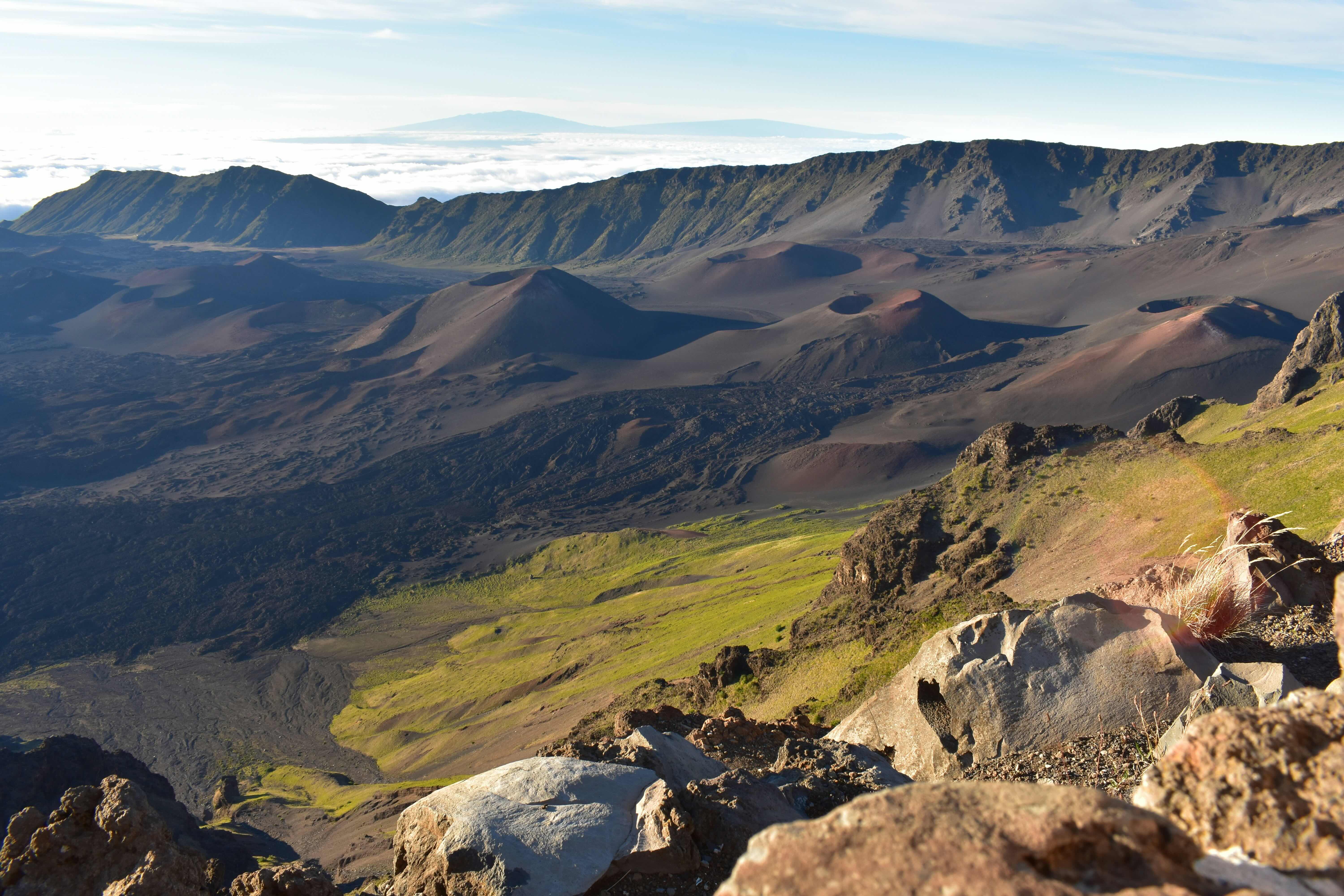
Haleakalā crater floor. Photo: Hawaii Tourism Authority (HTA)
Do the Road to Hāna Slowly
The road is the destination. Treating it as transport to Hāna is the mistake.
Pick four or five stops and let the rest go. Keʻanae, Waiʻānapanapa, Hāna town and Kīpahulu are the usual candidates, and you will not do all of them well in one day.
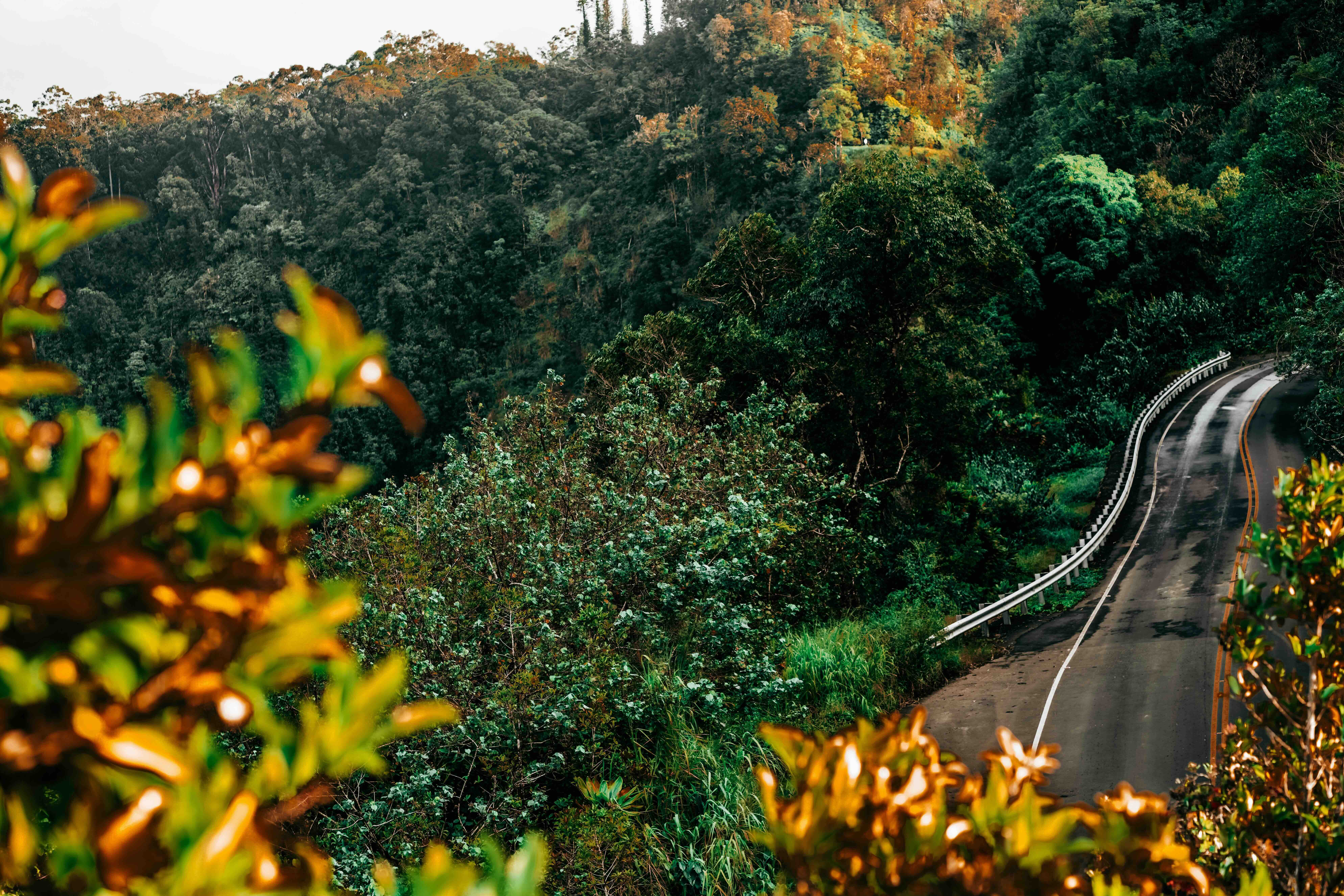
Hāna Highway, East Maui. Photo: Hawaii Tourism Authority (HTA)
Walk or Hike Something That Fits Your Energy
Two very different options, and the gap between them is bigger than the mileage.
The Easy One
The Wailea Beach Path is the easy South Maui walk: shoreline, resort beaches and sunset over roughly 1.5–1.6 miles one way, on pavement, in whatever you are already wearing.
The Real One
Hoapili Trail (King's Trail) from La Pérouse Bay is the opposite: hot, exposed lava and a historic coastal route with no shade at all. Treat the heat and the footing as the challenge rather than the distance.
Upcountry and the North Shore
The half-day that shows you a Maui not organised around a resort pool.
Makawao, Kula, Pāʻia and Hoʻokipa are cooler, slower and built around farms, food and surf rather than beaches. Half a day covers any two of them comfortably.
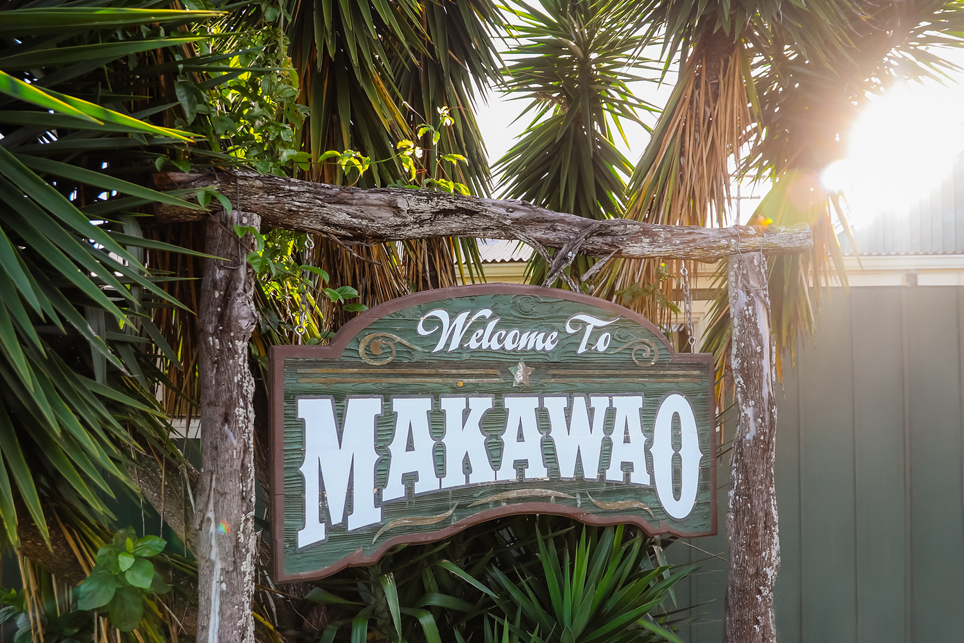
Makawao, Upcountry. Photo: Hawaii Tourism Authority (HTA)
When the Weather Turns
The one indoor answer worth having in your pocket.
Maui Ocean Center at Māʻalaea is the best family introduction to Hawaiian reef life, honu and humpbacks, and it pairs naturally with a Māʻalaea boat day. The Maui Ocean Center says its average park visit is 2–2.5 hours and the park is open 9 a.m. to 5 p.m. with final entry at 4 p.m.
The Order We Would Do Them In
If you only get three, take them in this order.
- First — A real beach day, on the calmest morning you get.
- Second — A snorkel or boat morning, booked early in the trip so weather can take one attempt.
- Third — Haleakalā or the Road to Hāna, not both in the same week unless the week is long.
- Then — A half-day Upcountry or on the North Shore, and one entirely open day.
Everything else is a bonus rather than a gap. Which of these are worth paying for is in our Maui tours and activities guide, and what genuinely costs nothing is in our free things to do on Maui guide.
What to Book
Snorkel or boat day.
Whale watch, in season.
Guided Road to Hāna, if nobody wants to drive.
Luau, if that matters to you.
Practical Tips
Do the ocean early. Wind builds through the day and it costs you nothing to start at eight.
Book Haleakalā sunrise before you fly. Reservations are required and they go before the flights do.
Check state park reservations before driving to ʻĪao or Waiʻānapanapa. Both require one and neither takes walk-ups from visitors.
Treat Hoapili as exposed lava, not a beach walk. Shade does not exist out there and the footing is sharp.
Leave one day with nothing in it. It is reliably the day people describe when they get home.
Frequently Asked Questions
What should a first-time Maui visitor absolutely not miss?
One unhurried beach and ocean day, one mountain or Upcountry day, and one major East Maui or scenic day. Three things done properly beats six done badly.
What is the best thing to do on Maui with kids when the weather is bad?
Maui Ocean Center at Māʻalaea. The aquarium says the average visit runs 2–2.5 hours, which fills a wet morning without eating the day.
What are the best easy walks on Maui?
The Wailea Beach Path in South Maui and the Kapalua Coastal Trail in West Maui. ʻĪao Valley is the third, but it needs a reservation.
What is the best real hike in South Maui?
Hoapili Trail (King's Trail) from La Pérouse Bay. It is exposed lava with no shade, so treat heat and footing as the difficulty.
Should I do Haleakalā or the Road to Hāna if I only have time for one?
Haleakalā if you want the landscape and a shorter day. The Road to Hāna if your group genuinely enjoys a long drive with stops.
How many activities should a week on Maui include?
Two or three big ones, a half-day Upcountry or on the North Shore, and one day with nothing in it at all.