Best Things to Do in South Maui

At a Glance
Most popular on Maui
 Central Maui
Maui Snorkeling Adventure to Molokini and Turtle Town
Visit Maui's famous snorkeling and diving destinations Molokini Crater and Turtle Town on a snorkeling catamaran, with visibility of 100 feet or more.
 South Maui
Feast at Mokapu Luau in Wailea
Discover Hawai'i's most authentic luxury luau at Andaz Maui at Wailea Resort — a curated cultural evening with a three-course plated dinner on Mokapu beach.
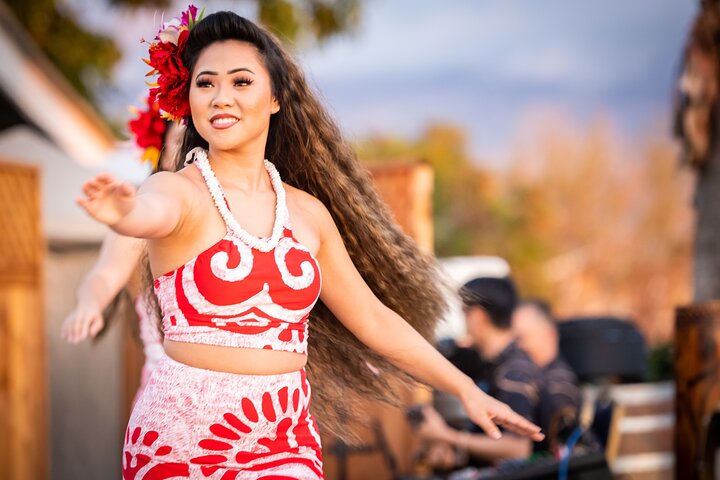 South Maui
Gilligans' Island Luau in Kihei
An intimate luau experience and the only luau in Kihei — less than a quarter the size of the average Maui luau, so every seat has a great view of the show.
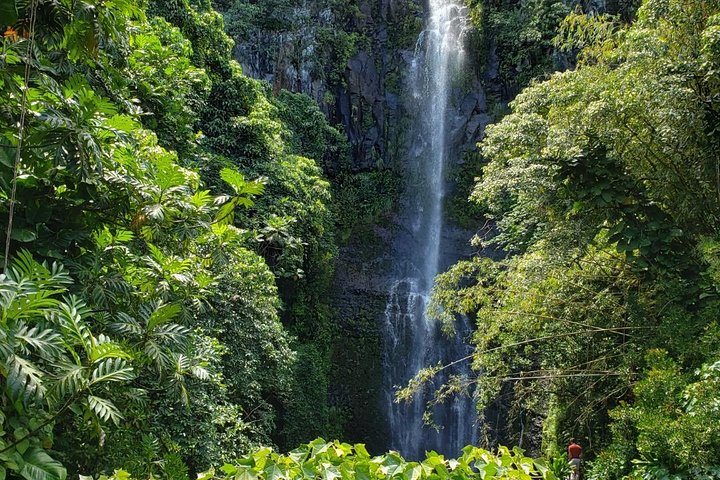 Road to Hāna
Small-Group Road to Hana Adventure Tour with Pickup & Lunch
Watch the waterfalls, black-sand beaches and rainforest go by without anyone in your group behind the wheel.
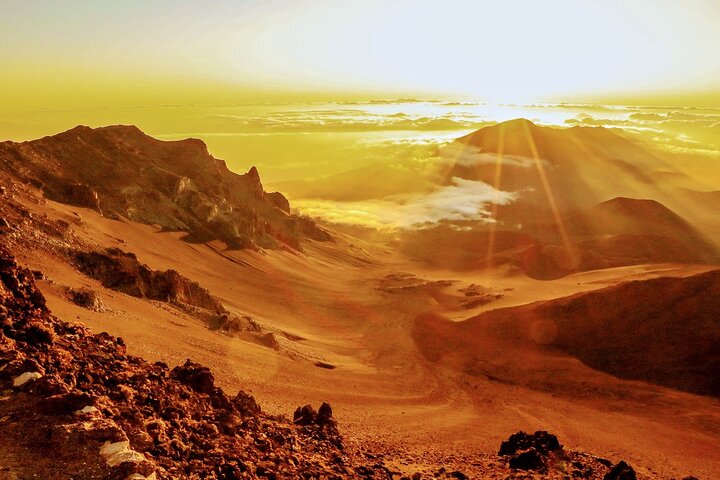 Upcountry
Majestic Haleakalā Sunrise Tour with Pick-up
Ride to the summit for sunrise above the clouds, then unwind over a hot breakfast on the way back down.
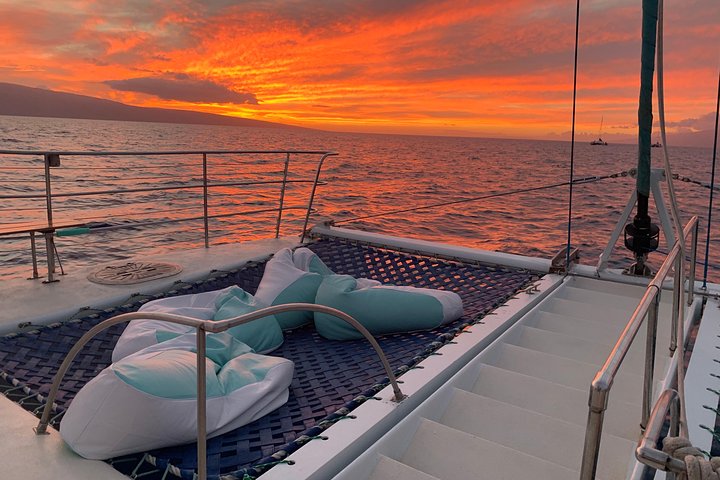 West Maui
Original Sunset Cruise with Open Bar from Kaʻanapali
Sip an unlimited open bar while the sun drops behind Lānaʻi, with pupus and live music twice a week.
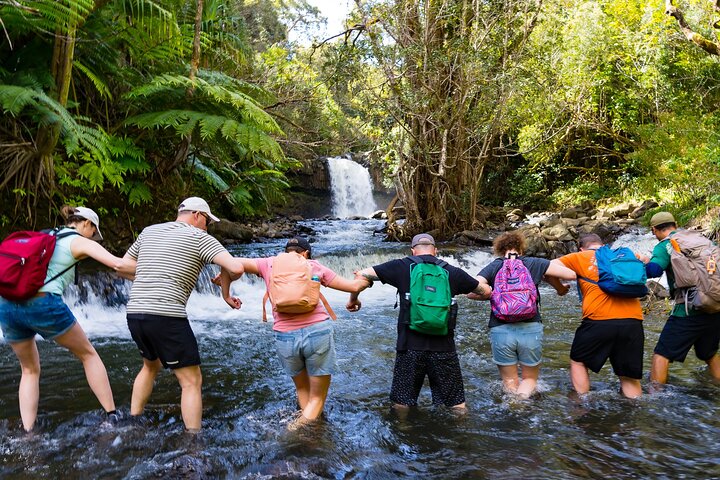 Central Maui
Small Group Waterfall and Rainforest Hiking Adventure
A guided rainforest hike to East Maui waterfalls, with time to swim beneath the falls and a trail lunch included.
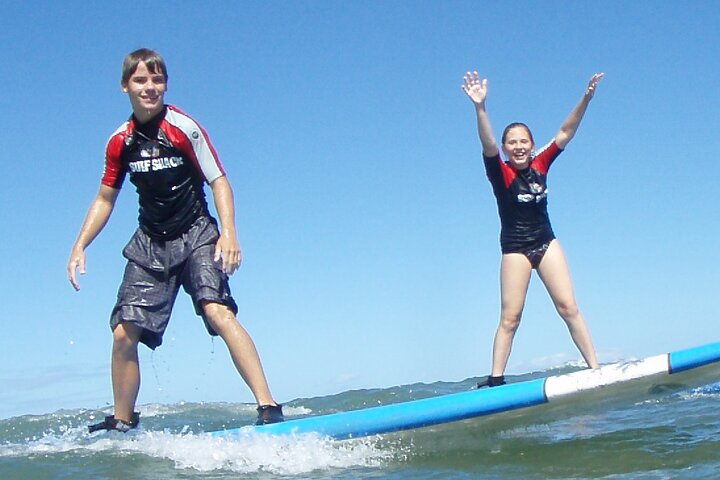 South Maui
Two Hour Beginner Group Surf Lesson in Kihei
A two-hour beginner lesson in calm South Maui water — board, gear and instruction all included.
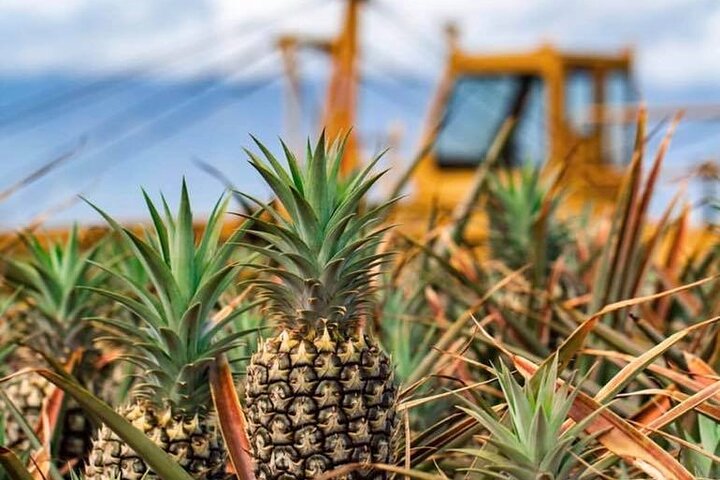 Upcountry
Maui Pineapple Farm Tour in Haliimaile
Tour a working pineapple farm and packing house upcountry, with tastings and a fresh pineapple to take home.
Start With the Beach
South Maui has enough good beaches that you should choose for the kind of day you want, not chase a ranking.
- Best all-around — Keawakapu
- Best with younger kids — Kamaʻole II or III
- Best resort convenience — Wailea Beach
- Best quiet Mākena morning — Maluaka
Where: Kīhei south through Wailea and Mākena.
Keawakapu is our all-around choice because it works even when you are not trying to do anything. It is long enough for a real walk, sits between Kīhei and Wailea and is easy to pair with lunch or sunset.
The Kamaʻole beaches are the practical family choice. Kamaʻole II and III are the only lifeguarded beaches in South Maui. Wailea Beach is the resort version, while Maluaka gives you a quieter Mākena beach with reef in front of you.
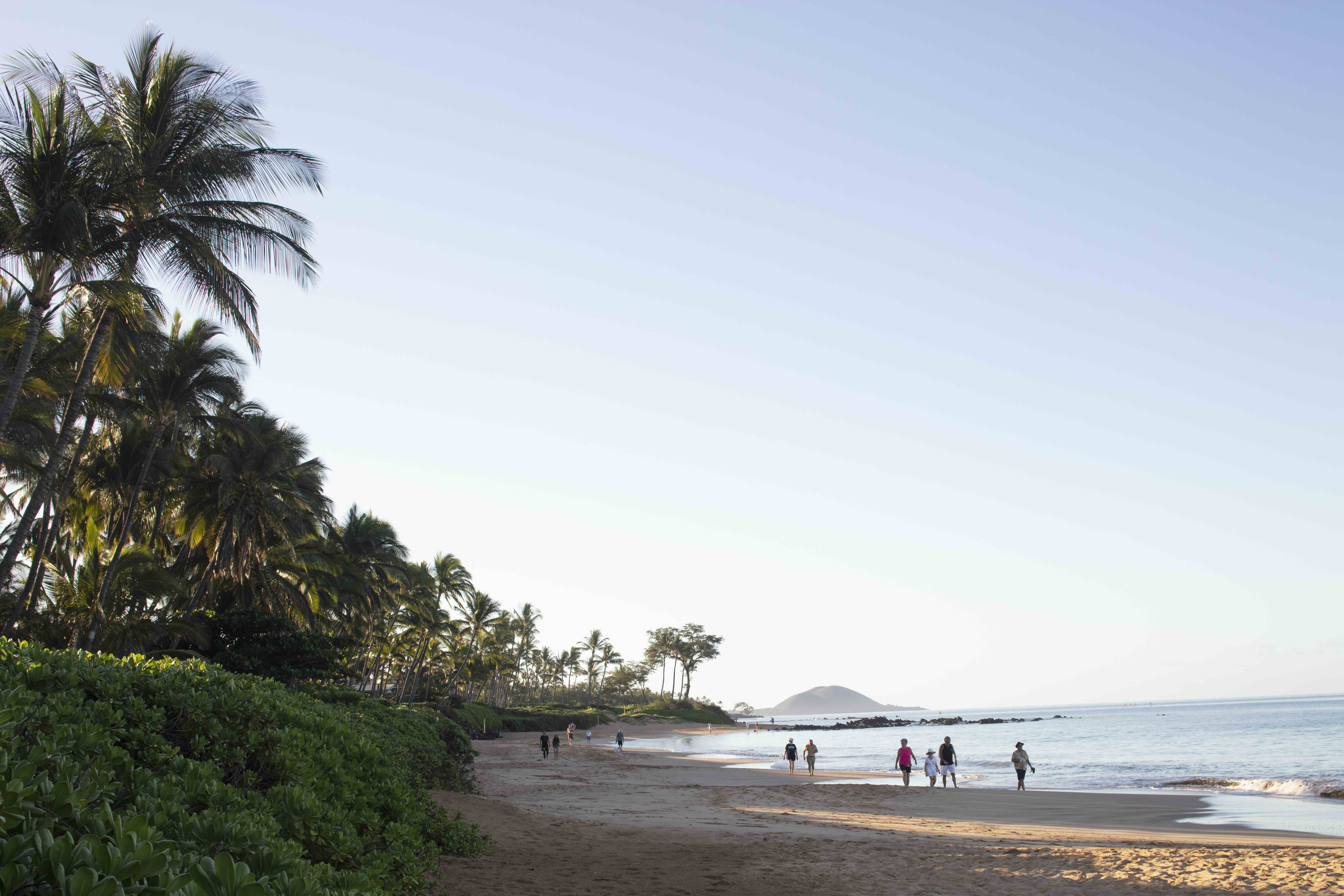
Keawakapu, Kīhei. Photo: Olivier Koning
Snorkel Early
Every South Maui water plan gets easier in the morning.
- Best easy start — Ulua + Mōkapu
- Best reef + turtles — Maluaka + Turtle Town
- Best offshore day — Molokini
Ulua and Mōkapu are the easy Wailea choices: sandy entries, reef close to shore and straightforward public access. Maluaka adds a more natural beach and the broader Turtle Town reef system.
If snorkeling matters to you, add one Molokini boat morning rather than trying to turn every beach into a snorkel expedition. South Maui departures leave from Kīhei and Māʻalaea.
Spend Time in Kīhei
Kīhei is where South Maui feels most like a town instead of a resort.
- Best local hangout — South Maui Gardens
- Best public park — Kalama Park
- Best first surf lesson — the Cove
- Best shopping stroll — Kalama Village + South Maui Gardens market
South Maui Gardens is one of the easiest places to spend a casual hour or two: shade, a relaxed garden setting, local food trucks and a Thursday market. Kalama Park gives families a playground plus skate and roller areas, while the Cove next door is the standard beginner surf lesson spot.
For a longer beach stroll, choose Sugar Beach when distance is the point or Keawakapu when you want a prettier walk with easy swimming and snorkeling nearby.
Walk the Wailea Beach Path
One of South Maui’s easiest experiences — and you never need to walk the whole thing.
- Best morning use — exercise + coffee
- Best evening use — sunset promenade
- Full out-and-back — roughly 3.2 miles
The path is paved and mostly flat, connecting the Wailea resort coastline from around the Andaz south toward the Fairmont Kea Lani. Twenty minutes and a turnaround is just as legitimate as doing the full route.
It is also the reason a Wailea stay can go car-free for a day.
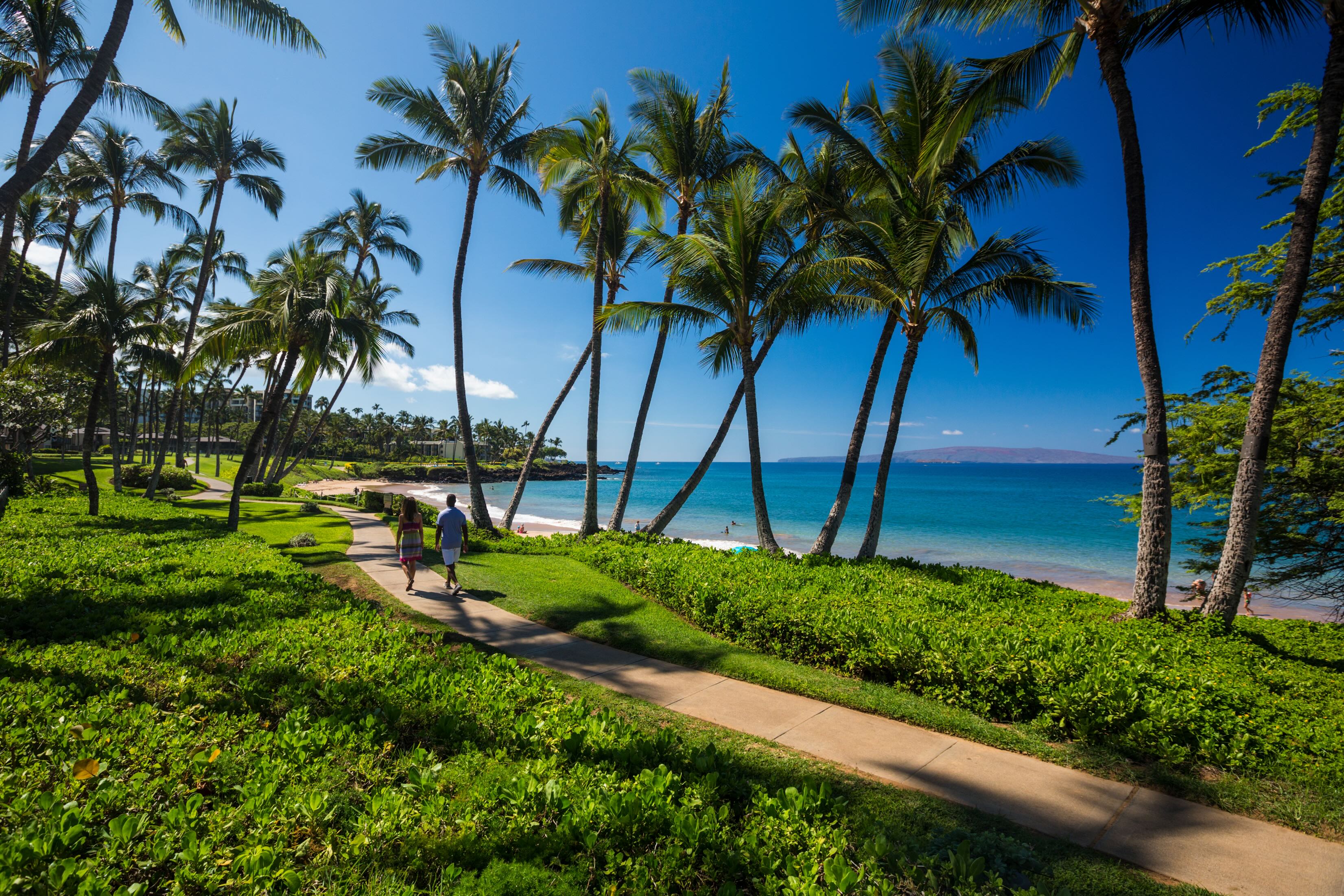
Wailea Beach Path. Photo: Hawaii Tourism Authority (HTA)
Go Farther South to Mākena
Mākena is where the coastline gets wilder — choose one or two things instead of trying to collect all of them.
- Best beach + snorkel — Maluaka
- Best kayak start — Mākena Landing
- Biggest scenery — Big Beach
- Best protected reef — ʻĀhihi-Kīnaʻu for confident snorkelers
- Best real hike — Hoapili Trail
Mākena Landing is a natural kayak launch for Turtle Town and also has a shaded grassy area overlooking the bay. Big Beach is spectacular, but its shorebreak can be dangerous. ʻĀhihi-Kīnaʻu is a protected reserve, not a casual roadside snorkel stop. Hoapili gives you lava, history and exposure instead of another beach chair.
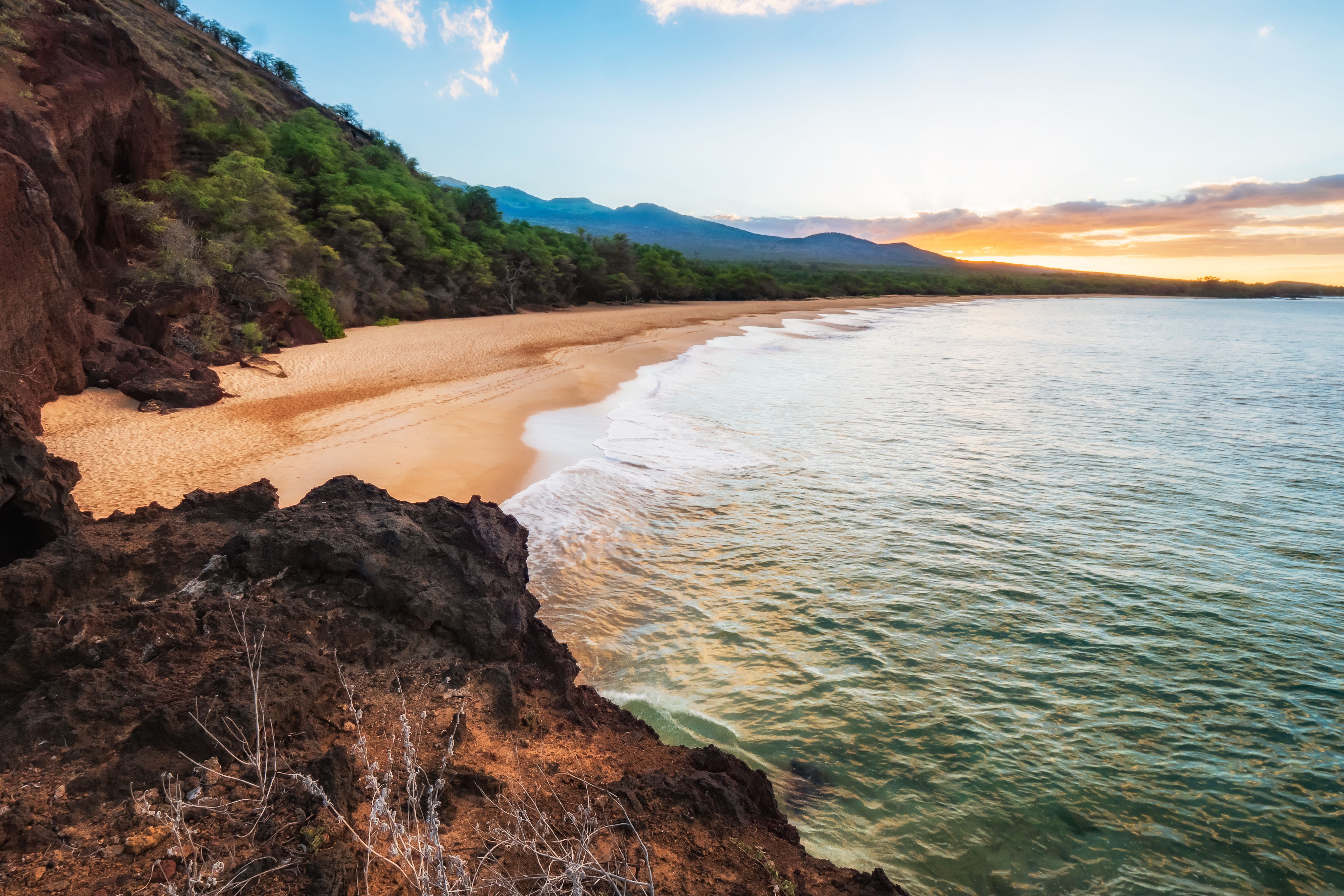
Big Beach, Mākena. Photo: Hawaii Tourism Authority (HTA)
Book One Good Water Experience
Pay for the things where a boat or an instructor genuinely changes the day.
- Best all-around boat — Molokini + Turtle Town
- Best first-time lesson — surfing at the Cove
- Best seasonal add — whale watch
- Best evening — sunset sail or lūʻau
- Best cultural-on-water option — an outrigger canoe excursion from Wailea
Humpbacks are generally around Hawaiʻi from November through April, with the strongest part of the season usually January through March. For a whale-focused morning, take a dedicated whale watch instead of hoping to see them from another tour.
Wailea resorts also offer outrigger canoe experiences, and private canoe outings are available for travelers who want a smaller cultural ocean experience.
If You Prefer Grass to Sand
South Maui has several excellent oceanfront lawns where you can enjoy the view without spending the day in the sand.
- Kamaʻole III — shaded grass overlooking the beach, with a large park behind it.
- Keawakapu by the Mana Kai — park nearby, set up on the grass, or walk north toward the Kihei Surfside lawn for one of our favorite South Maui sunset spots.
- Mākena Landing — shaded grass overlooking the bay with parking close by.
- South end of Maluaka — one of the best shady grassy areas overlooking a beach in South Maui; parking is a walk, but the setting is worth it.
Let the Afternoon Slow Down
When the trades build, change the activity instead of fighting the ocean.
Use midday for pool, spa, shopping, South Maui Gardens, a long lunch or the Wailea path. Repeat the beaches you liked instead of driving around collecting new ones.
If you have young kids and need a non-beach backup, Māʻalaea is close enough for the Maui Ocean Center or Maui Golf & Sports Park without turning the day into a cross-island mission.
Practical Tips
- Go early for ocean activities. Calm water, parking and visibility usually get worse together.
- Only Kamaʻole II and III are lifeguarded in South Maui.
- Big Beach can have dangerous shorebreak. If you are in doubt, do not go out.
- Bring real shoes and water for Hoapili. The lava and heat make it harder than the mileage suggests.
- Ulua and Mōkapu can fill by mid-morning.
- Do not cross the island just to find another beach. South Maui already has enough variety for a full week.
One Last Tip
A great South Maui week does not need to be busy.
Beach mornings, one or two snorkeling days, a walk, a surf lesson or boat trip, some time in Kīhei and one Mākena adventure are enough. Leave room to repeat the places you liked.
Frequently Asked Questions
What is the best all-around South Maui beach?
Keawakapu. It works even when you are not trying to do anything: long enough for a real walk, sitting between Kīhei and Wailea, and easy to pair with lunch or sunset. The Kamaʻole beaches are the practical family choice, and Kamaʻole II and III are the only lifeguarded beaches in South Maui.
Where do I take a first surf lesson in South Maui?
The Cove, next door to Kalama Park in Kīhei. Surf schools use it because the protected setup works well for first-timers. It is a better place to learn and hang out than to plan a normal swimming beach day.
How long is the Wailea Beach Path?
Roughly 3.2 miles as a full out-and-back. It is paved and mostly flat, connecting the Wailea resort coastline from around the Andaz south toward the Fairmont Kea Lani, and twenty minutes with a turnaround is just as legitimate as doing the whole thing. It is also the reason a Wailea stay can go car-free for a day.
When is whale season in South Maui?
Humpbacks are generally around Hawaiʻi from November through April, with the strongest part of the season usually January through March. For a whale-focused morning, take a dedicated whale watch instead of hoping to see them from another tour.
What should I do in Mākena if I only have one morning?
Choose one or two things instead of trying to collect all of them. Maluaka gives you beach and snorkel together and Mākena Landing is the natural kayak start; Big Beach is spectacular, but its shorebreak can be dangerous. ʻĀhihi-Kīnaʻu is a protected reserve rather than a casual roadside snorkel stop, and Hoapili gives you lava, history and exposure instead of another beach chair.
Where can I sit on grass instead of sand?
Kamaʻole III has shaded grass overlooking the beach with a large park behind it. Keawakapu by the Mana Kai lets you park nearby and set up on the grass, or walk north toward the Kihei Surfside lawn. Mākena Landing has shaded grass overlooking the bay with parking close by, and the south end of Maluaka is one of the best shady grassy areas overlooking a beach in South Maui.