Best Things to Do in West Maui

At a Glance
Most popular on Maui
 Central Maui
Maui Snorkeling Adventure to Molokini and Turtle Town
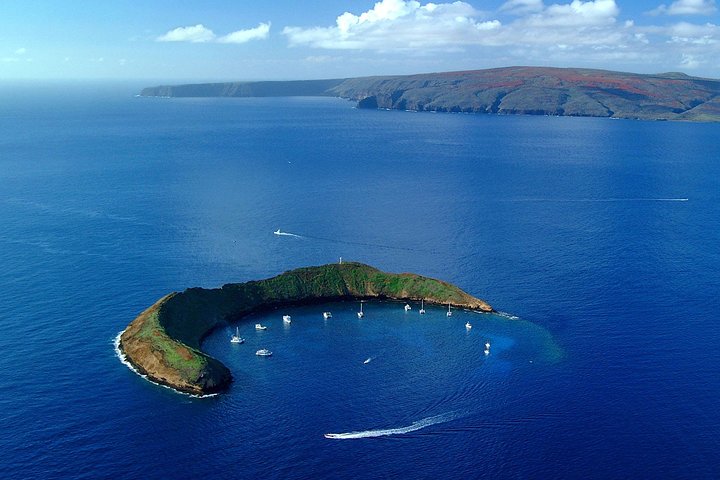
Visit Maui's famous snorkeling and diving destinations Molokini Crater and Turtle Town on a snorkeling catamaran, with visibility of 100 feet or more.
 South Maui
Feast at Mokapu Luau in Wailea
Discover Hawai'i's most authentic luxury luau at Andaz Maui at Wailea Resort — a curated cultural evening with a three-course plated dinner on Mokapu beach.
 South Maui
Gilligans' Island Luau in Kihei
An intimate luau experience and the only luau in Kihei — less than a quarter the size of the average Maui luau, so every seat has a great view of the show.
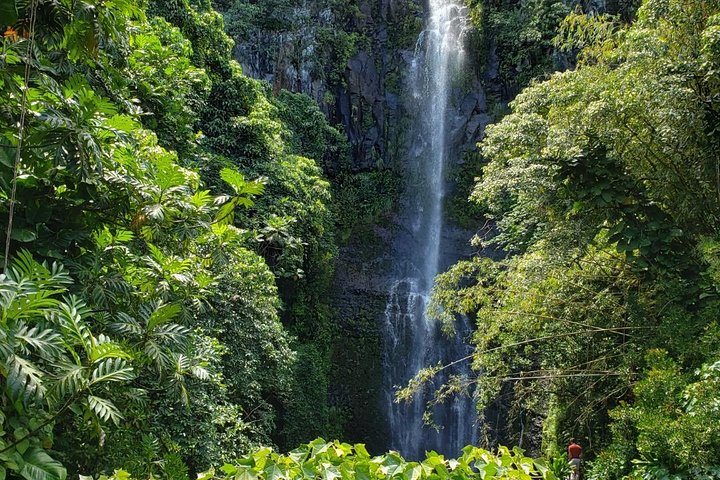 Road to Hāna
Small-Group Road to Hana Adventure Tour with Pickup & Lunch
Watch the waterfalls, black-sand beaches and rainforest go by without anyone in your group behind the wheel.
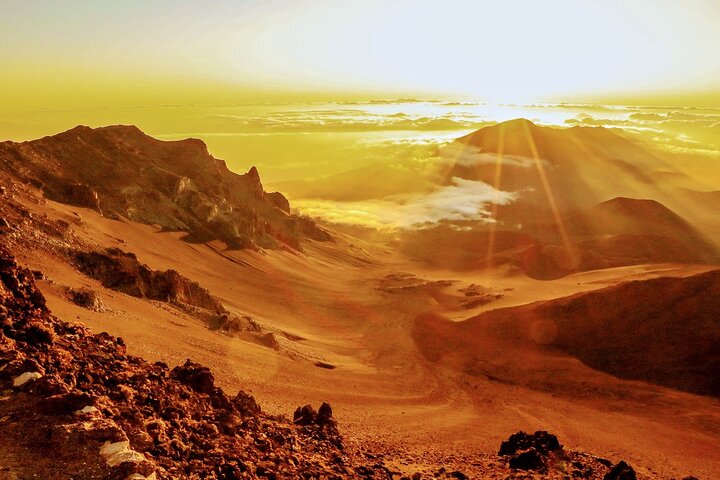 Upcountry
Majestic Haleakalā Sunrise Tour with Pick-up
Ride to the summit for sunrise above the clouds, then unwind over a hot breakfast on the way back down.
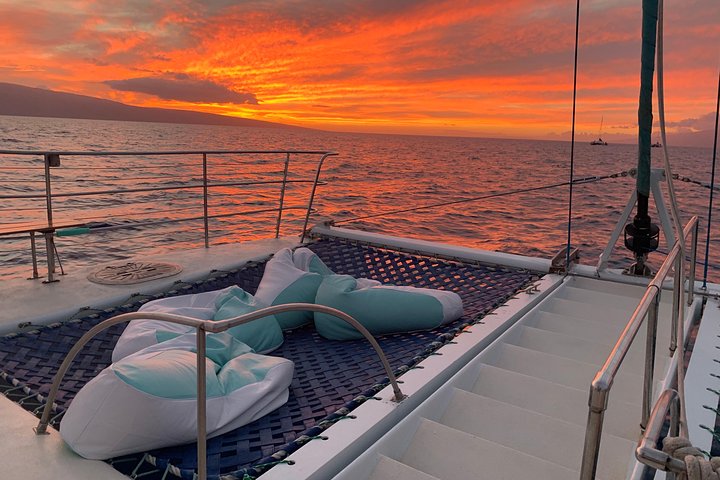 West Maui
Original Sunset Cruise with Open Bar from Kaʻanapali
Sip an unlimited open bar while the sun drops behind Lānaʻi, with pupus and live music twice a week.
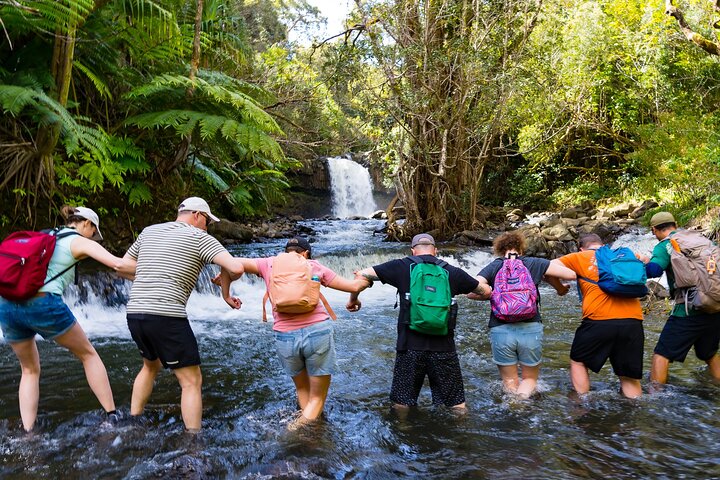 Central Maui
Small Group Waterfall and Rainforest Hiking Adventure
A guided rainforest hike to East Maui waterfalls, with time to swim beneath the falls and a trail lunch included.
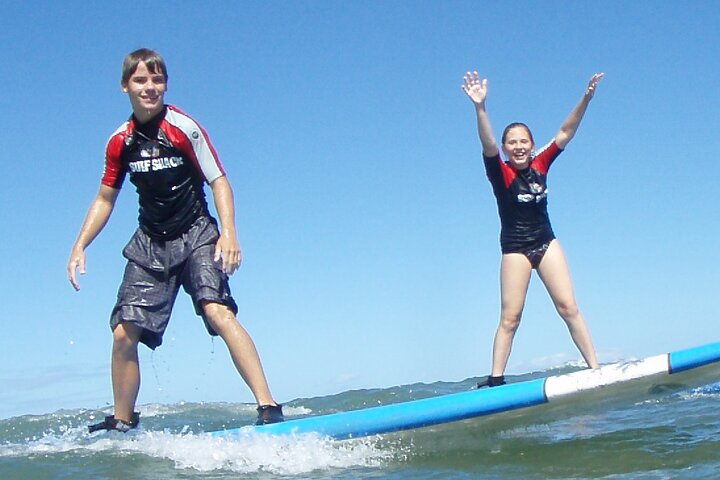 South Maui
Two Hour Beginner Group Surf Lesson in Kihei
A two-hour beginner lesson in calm South Maui water — board, gear and instruction all included.
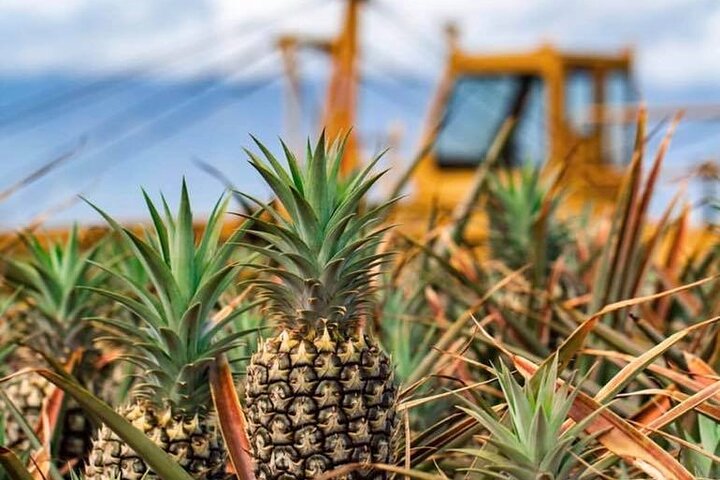 Upcountry
Maui Pineapple Farm Tour in Haliimaile
Tour a working pineapple farm and packing house upcountry, with tastings and a fresh pineapple to take home.
Snorkel Early
The single best habit in West Maui. Calm water, clear water and a parking space are all the same decision.
- Best all-around start — Kahekili Beach Park (Airport Beach). Reef close to shore with a park behind it.
- Best for beginners — Kapalua Bay. Protected on both sides, sandy walk-in entry.
- Best when it is flat — Honolua Bay. The specialist pick, and only in calm summer conditions.
Where: the coast from Kāʻanapali north to Honolua, off Honoapiʻilani Highway.
West Maui rewards people who get in the water before the trades fill in. By late morning the same reef is choppier, the visibility is down and the car parks are full. If you do one thing on this list properly, make it this one.
Kahekili Beach Park (Airport Beach)
The practical first morning.
Reef straight off the sand, gentle entry, and a county park rather than a hotel frontage behind you. Swim parallel to shore. There is no lifeguard, and current parking and facility details are not published by the managing agency in a form we can verify.
Kapalua Bay
Where to take someone who has never snorkelled.
Rocky points at both ends knock the swell down and the reef runs along both sides, so you can stay shallow and close in and still see plenty. The lot is small and fills early. No lifeguard.
Honolua Bay
Outstanding in summer, and genuinely the wrong place in winter.
Honolua–Mokulēʻia Bay is a Marine Life Conservation District: taking or injuring marine life is prohibited, and so is altering or taking coral, sand or any geological feature. Hawaiʻi’s Division of Aquatic Resources states there are no facilities and advises avoiding the water in winter, when high surf is common. Check the north swell before you drive up.
Walk the Coast
Two very different walks, both best near sunrise or sunset.
- Easiest, resort-side — Kāʻanapali Beachwalk. Paved, flat and lined with places to stop.
- Most scenic — Kapalua Coastal Trail. Rugged in places, and the better one for a view.
Where: Kāʻanapali for the paved walk, Kapalua for the coastal trail.
Kāʻanapali Beachwalk
The car-free spine of a Kāʻanapali stay.
A paved walk running the length of the beach above the sand, with hotels, shops and restaurants opening onto it. It is the reason you can spend days here without driving anywhere.
Kapalua Coastal Trail
The best short walk in West Maui.
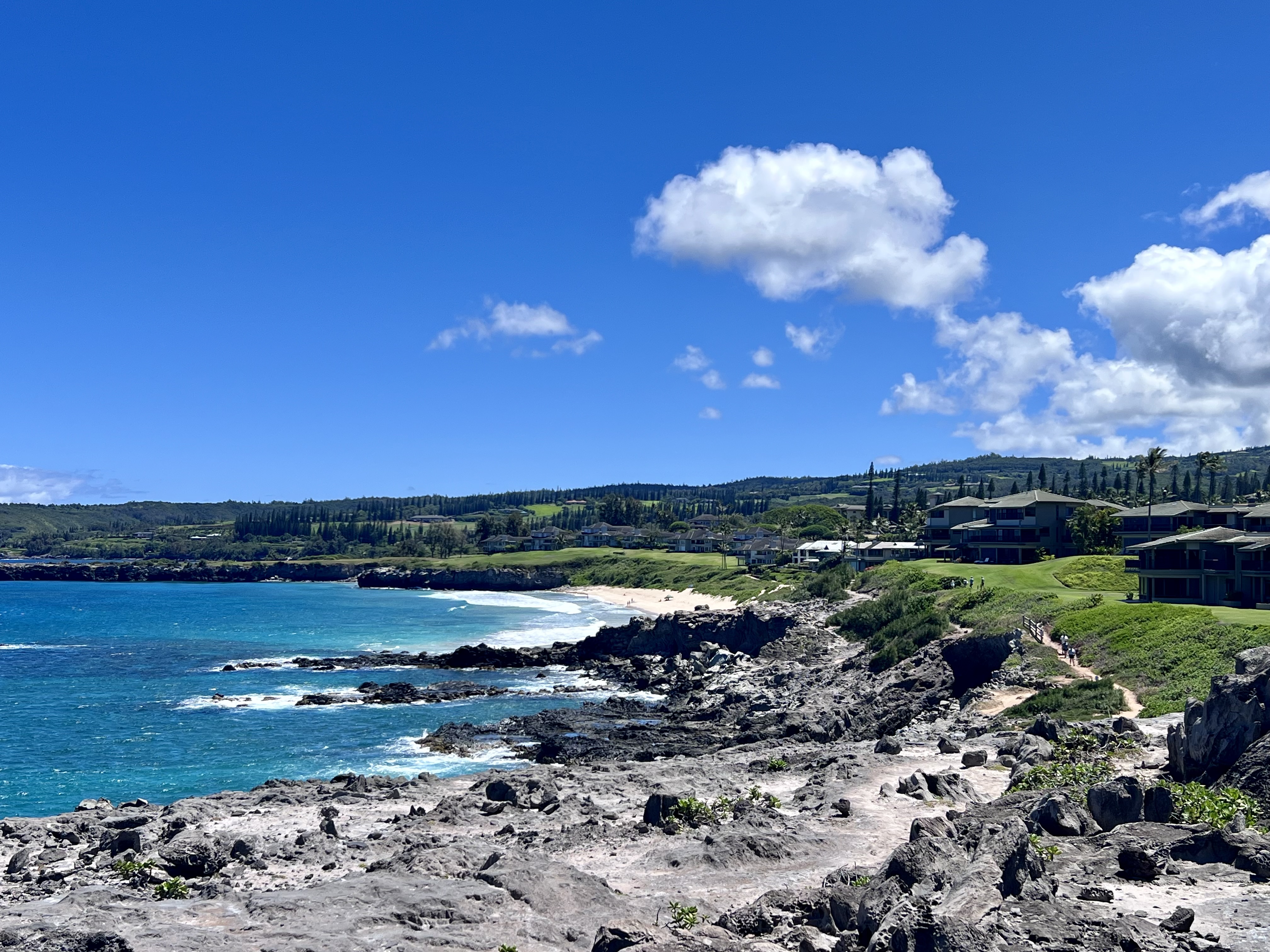
It runs along the bluffs between the bays with real coastline underneath it rather than a resort frontage. Wear proper shoes — it is rugged in spots, and parts are on uneven lava rather than pavement.
Kapalua Coastal Trail, West Maui. Photo: MauiBookIt
Have a Real Beach Day
Repeat the beach you liked instead of forcing a new one every morning.
- Best low-effort beach day — Nāpili Bay. Small, sheltered, with food a short walk away.
Where: between Kahana and Kapalua, off the highway.
Kāʻanapali, Nāpili and Kapalua each produce a different kind of beach day — busy and walkable, small and relaxed, or quiet and green. Most people find the one that suits them on day two and then feel obliged to keep trying new ones. Do not. Going back to the beach you liked is the whole point of staying a week.
Nāpili Bay
The one most people end up repeating.
A golden crescent with low-rise condos behind it, calm water when there is no swell, and dinner within walking distance. There is no lifeguard — it does not appear on Hawaiʻi Ocean Safety’s list of lifeguarded beaches.
Drive the Northwest Coast
A scenic half-day, and the one part of West Maui that asks for real caution.
- Most striking stop — Makāluapuna Point (Dragon’s Teeth). Wind-carved lava at the end of a short walk.
- Best beach stop — D.T. Fleming Beach Park. Dramatic, and one of only two lifeguarded beaches in West Maui.
- Furthest and roughest — Nākālele Point. A blowhole reached by a rough unmarked scramble over lava.
Where: north from Kapalua along the highway as it narrows.
Do not underestimate the drive time. The road past Kapalua narrows, winds and slows right down, and a loop that looks short on a map takes most of a morning.
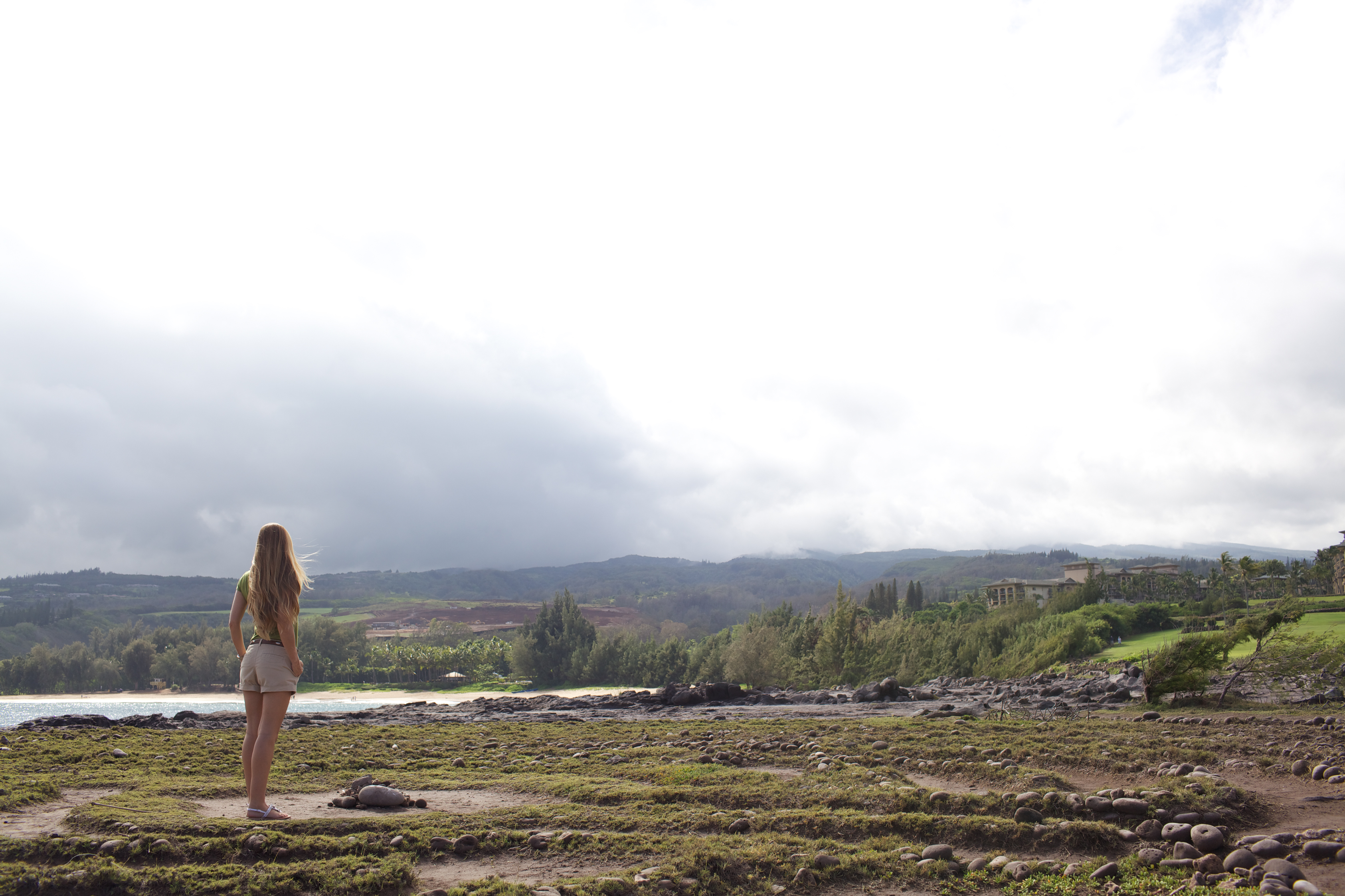
Makāluapuna Point (Dragon’s Teeth). Photo: Hawaii Tourism Authority (HTA)
Makāluapuna Point (Dragon’s Teeth)
Short walk, big reward — and stay on the marked path.
The lava at the end of the point has been carved by wind into jagged spines. The Honokahua burial grounds adjoin the route, so stay on the marked trail and off the grass.
D.T. Fleming Beach Park
The stop worth building the drive around.
Big, open and often rough, with a heavy shorebreak when there is any north in the swell. Hawaiʻi Ocean Safety lists it as a lifeguarded beach, staffed 8 a.m. to 4:45 p.m. daily — one of only two on this coast, the other being Hanakaʻōʻō.
Nākālele Point
Impressive, and not a casual stop.
The blowhole fires when the surf is right, and the walk down is a rough unmarked scramble over lava with no railings and no facilities. Never stand between the blowhole and the ocean, and never turn your back on the water. In rough surf, look from above and leave it at that.
Get On the Water
The paid add-ons that earn their money here.
Whale watching is the strongest one in season. Humpbacks are generally in Hawaiian waters from November through April, with the peak from January through March, and the channel off West Maui is one of the best places in the islands to see them.
Outside whale season, a sunset sail or a snorkel boat is the better spend. A boat gets you to reef you cannot reach from shore and takes the parking problem off the table entirely.
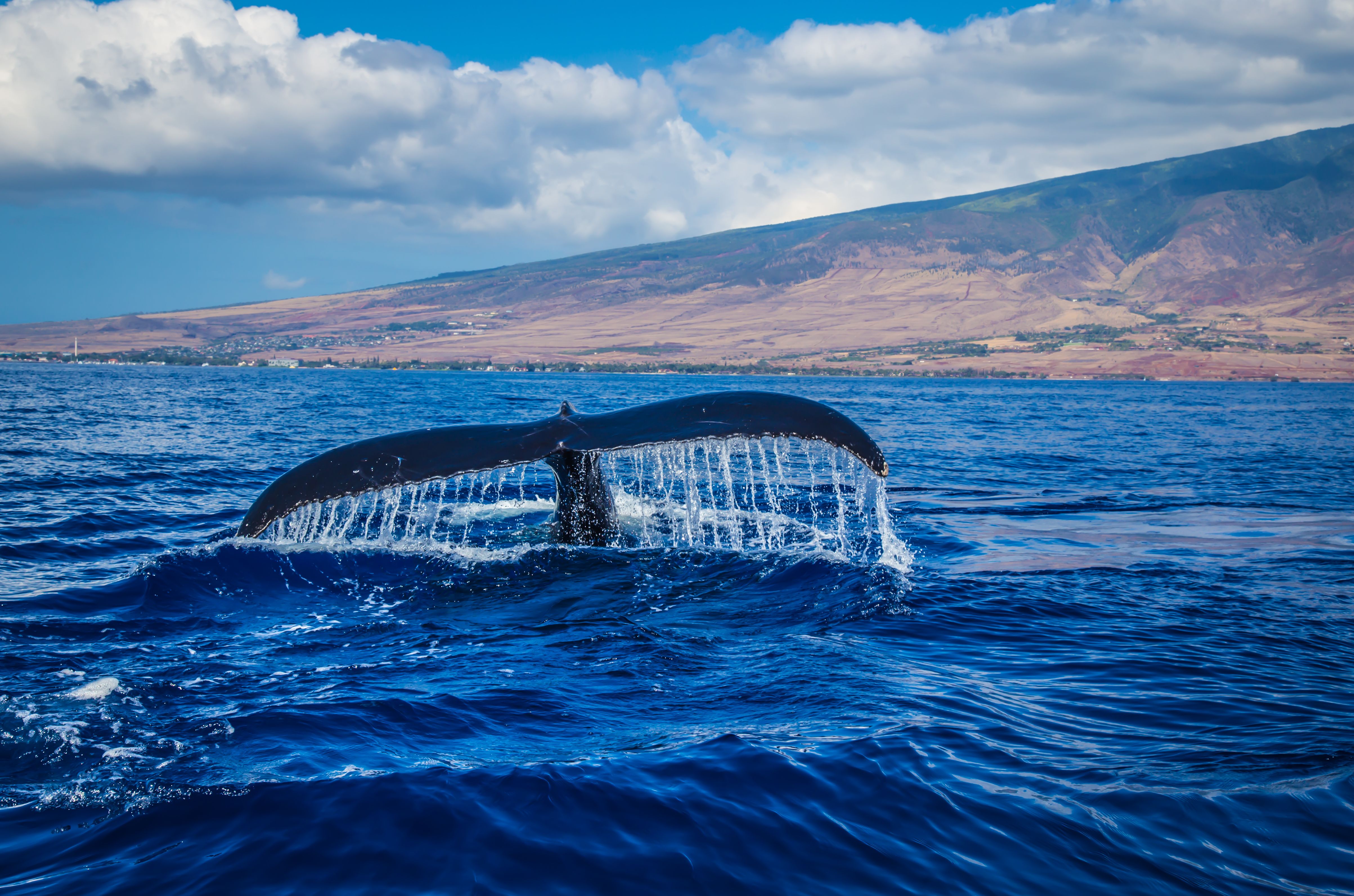
Humpbacks come into the shallow water between Maui, Lānaʻi, Molokaʻi and Kahoʻolawe to calve. Photo: Hawaii Tourism Authority (HTA)
Lahaina, As It Stands Now
More is open than most visitors assume, and the specifics matter.
As of 1 August 2026, Maui County reopened Front Street from Pāpalaua to Shaw, along with Dickenson and Prison, to vehicle traffic. Market, Papelekane and Mokuhinia remained closed for ongoing work including harbour dredging.
The County asks the public to stay off private property and out of fenced areas. Recovery is still underway, and access guidance changes — check the current position before you plan a day around a particular street or business.
Frequently Asked Questions
Can I spend a full week just in West Maui?
Easily. Between beach days, snorkeling, the two coastal walks, the northwest drive and a boat trip, a week fills itself without commuting anywhere.
What should I do on a first day?
A morning at Kahekili or Kāʻanapali, lunch nearby, an afternoon at the pool, then sunset. Do not schedule a drive on the day you land.
Should I drive to South Maui for the beaches?
Not usually. West Maui has enough excellent beaches of its own, and the drive eats the part of the day the beaches are best.
When can I see whales?
Generally November through April, with the peak January through March — that is NOAA’s window for humpbacks in Hawaiʻi. The channel off West Maui is among the best places in the islands to watch them.
Is Lahaina open?
Partly, and more than most people expect. Front Street from Pāpalaua to Shaw plus Dickenson and Prison reopened to vehicles on 1 August 2026; Market, Papelekane and Mokuhinia stayed closed. Stay off private property and out of fenced areas.