Best Beaches in South Maui


At a Glance
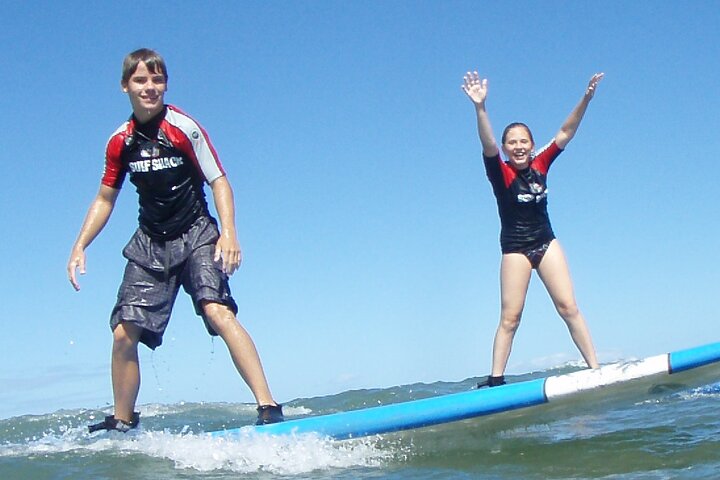
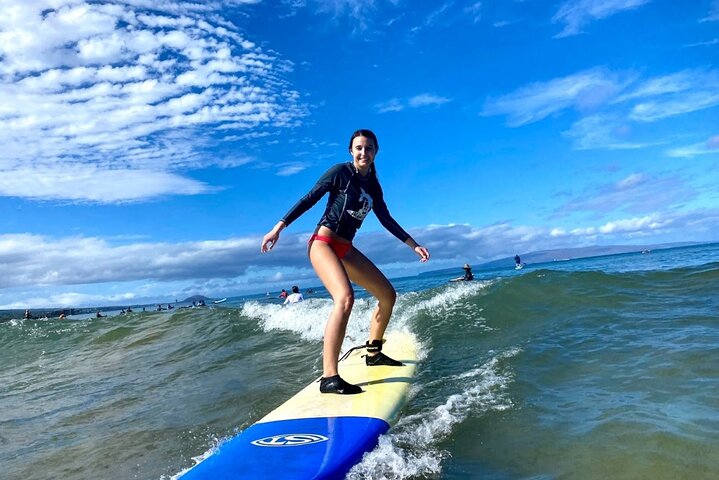
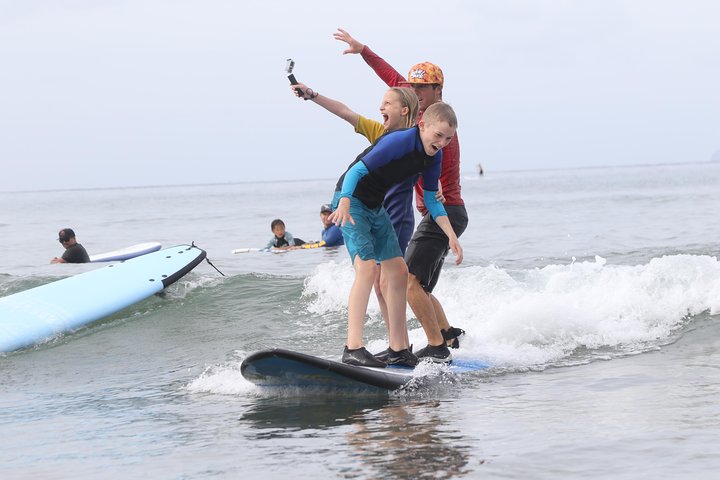
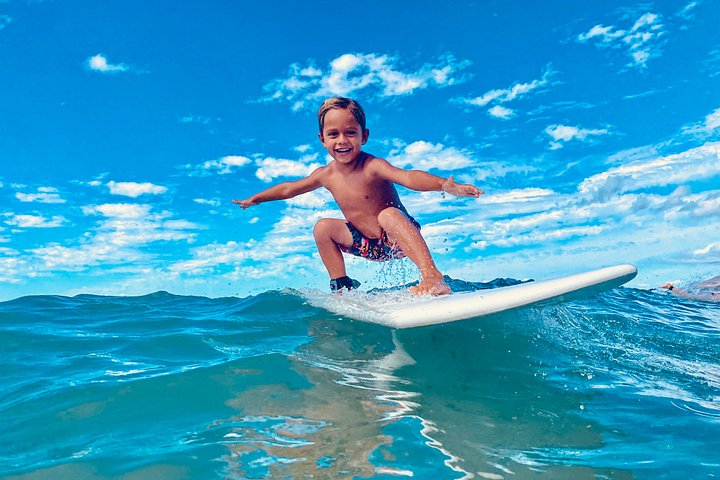
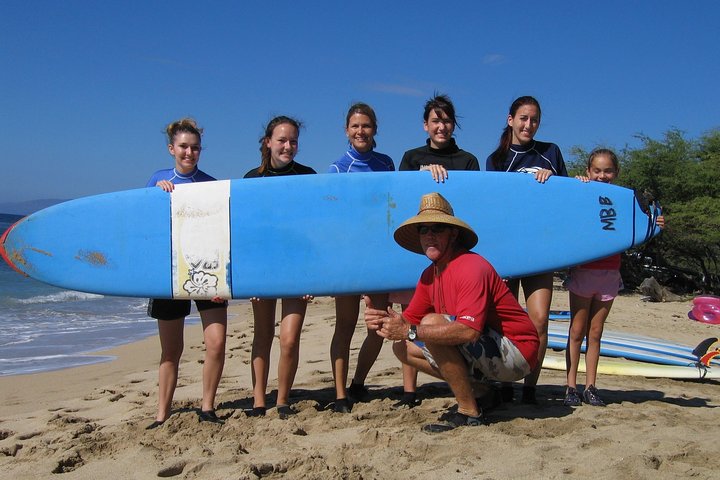
Our pick: Maui: Two Hour Beginner Group Surf Lesson in Kihei
Best for first-time surfers who want a small lesson at Kalama Park; groups max at 6 and most beginners get standing quickly.
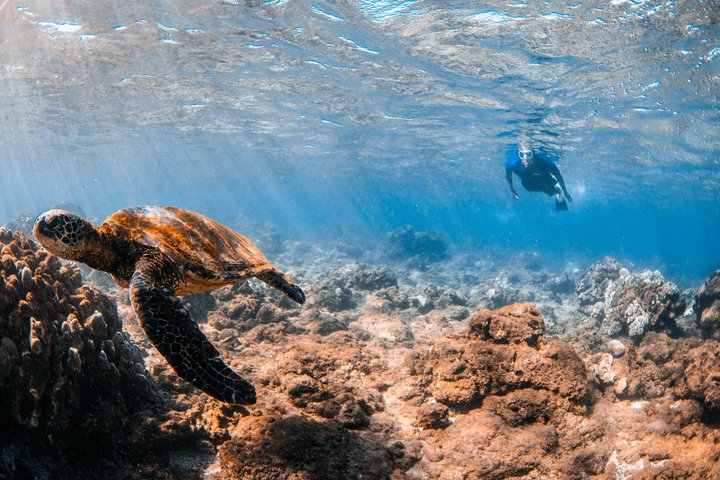
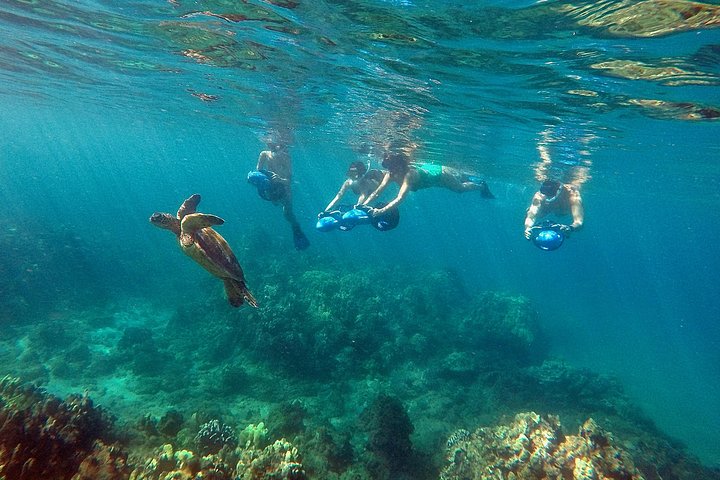
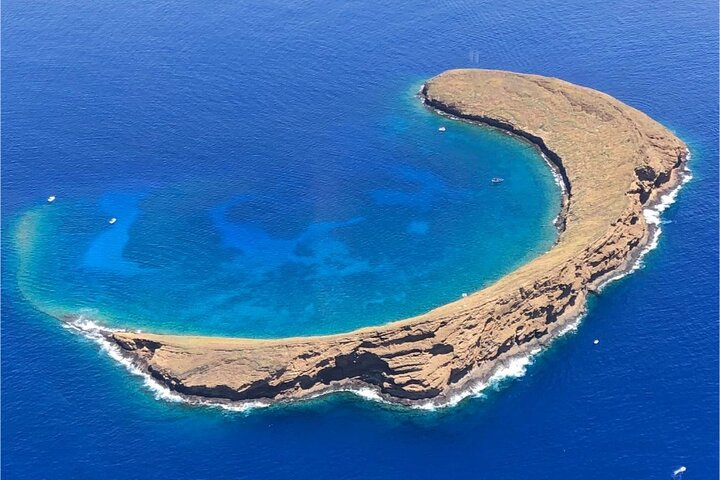
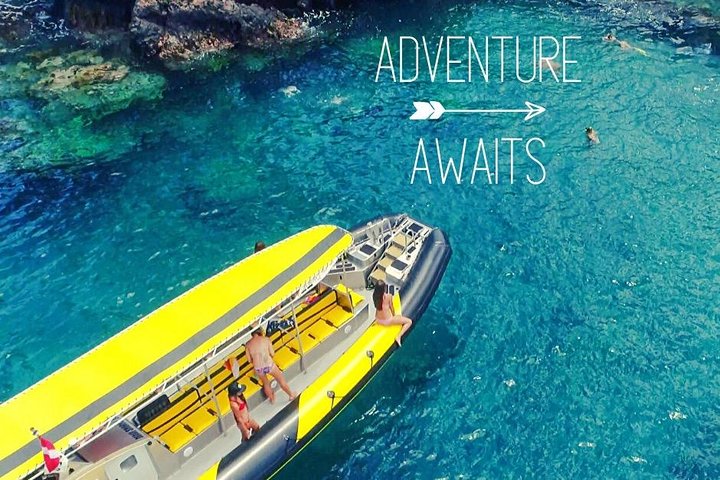
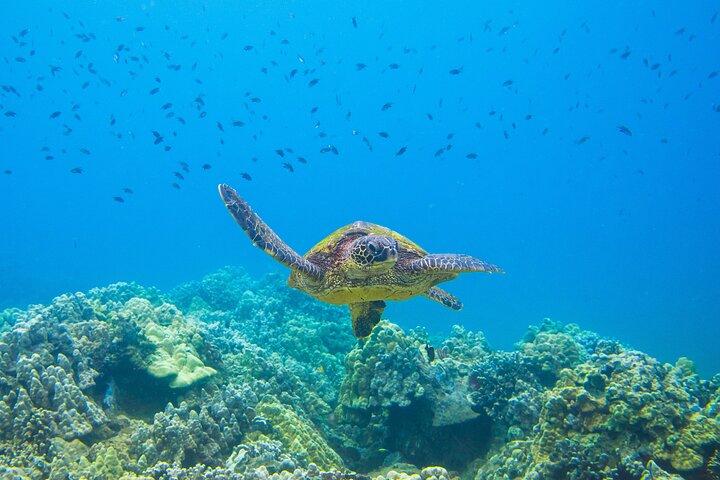
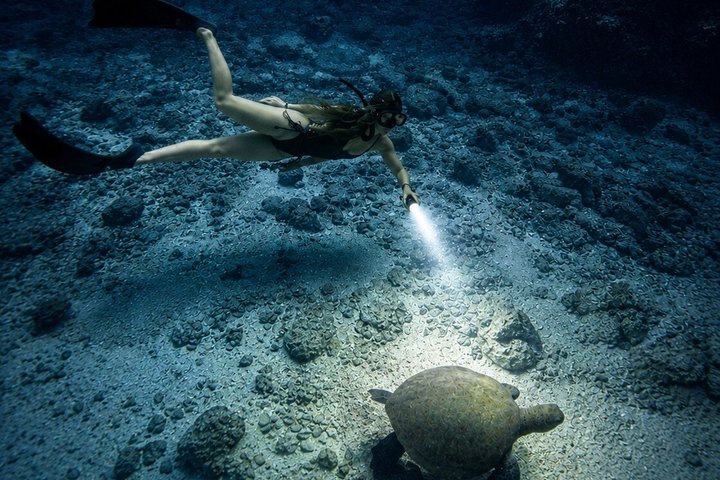
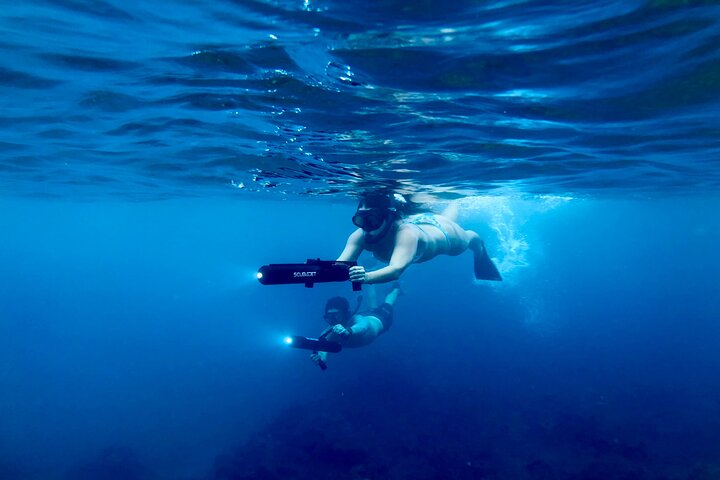
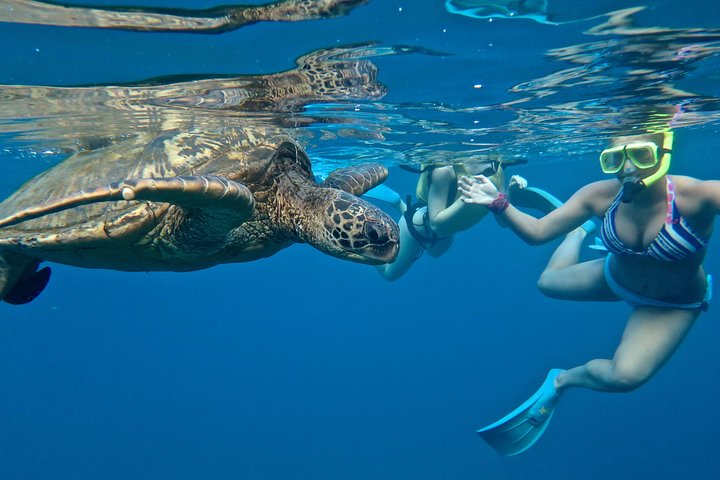
Our pick: Maui: Molokini Crater and Turtle Town Snorkeling From Kihei
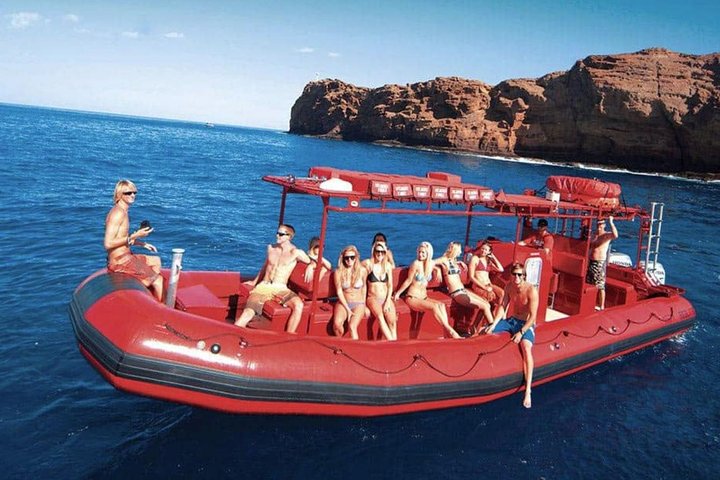
Best for snorkelers who want a small 19-guest raft from Kīhei Boat Ramp and an early 7 a.m. start.
Kīhei: The Dependable Stretch
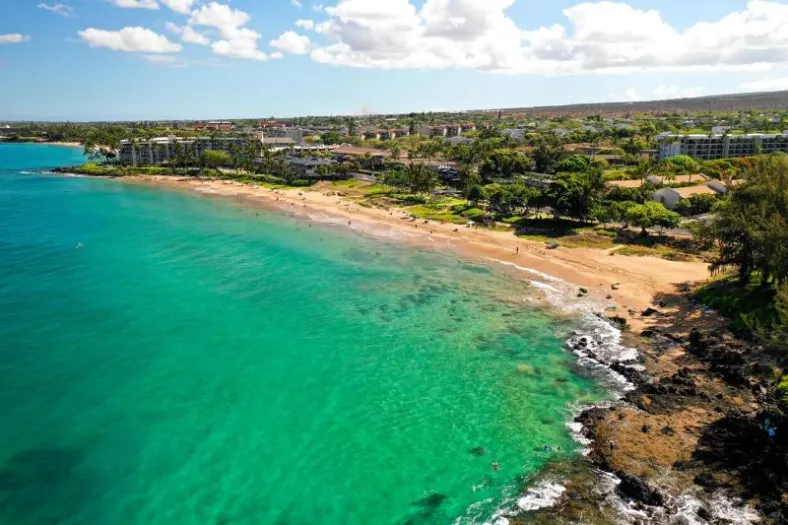
Kīhei is where South Maui is easiest: guarded water, useful facilities and condos close enough to walk from. Maui County still lists Kamaʻole II as a long-term storm-related closure, so plan around Kamaʻole I or III until that notice is removed.
- Best open swim morning — Kamaʻole I
- Best whole-family setup — Kamaʻole III
- Best small local beach — Charley Young
- Best grassy park — Kalama Beach Park
Where: the South Kīhei Road coastline, from Kalama south through the three Kamaʻole beaches.
Hawaiʻi Ocean Safety lists towers at Kamaʻole I, II and III from 8 a.m. to 4:45 p.m. daily. Maui County, however, still lists Kamaʻole Beach Park II as a long-term storm-related closure. For a current trip, use Kamaʻole I or III and verify the County closure page before treating Kam II as available.
Go in the morning. Kīhei's afternoon wind is dependable enough to plan around, and it ruins snorkeling long before it ruins swimming.
Kamaʻole I
The straightforward open swim beach. When the water is calm, this is where we would take a family that simply wants to get in the ocean.
The County lists a lifeguard tower, a comfort station, three outdoor showers and a small paved lot with additional parking across the street.
The paved lot uses PARK MAUI and fills early. In return, you get the simplest open Kīhei swim beach in this guide.
Kamaʻole III
The better answer when the beach is only half the outing. Kam III is a park that happens to have a beach attached.
The County lists an 82-space lot, a lifeguard, a comfort station plus two portable toilets, three outdoor showers and a playground swing set. The grass matters more than the numbers: when children are finished with sand, there is somewhere else to be.
The paved lot is part of PARK MAUI — see the parking section below before you plan a weekend morning here.
Charley Young Beach
The one locals use and visitors drive past. Quieter, smaller and reached down a set of steps at the north end of the Kamaʻole stretch.
Hours are 7 a.m. to 8 p.m. There is no lifeguard, a city lot at Kaiʻau Place off South Kīhei Road, one portable restroom and one outdoor shower.
We like it for a late afternoon when the Kamaʻole lots are full and nobody wants a production.
Keawakapu: The One-Beach Answer
If someone gave us no other information and asked for one South Maui beach, this is it.
- Best for — a long beach day, a walk and sunset
- Not for — anyone who wants a lifeguard
Where: between the south end of Kīhei and the start of Wailea.
Keawakapu
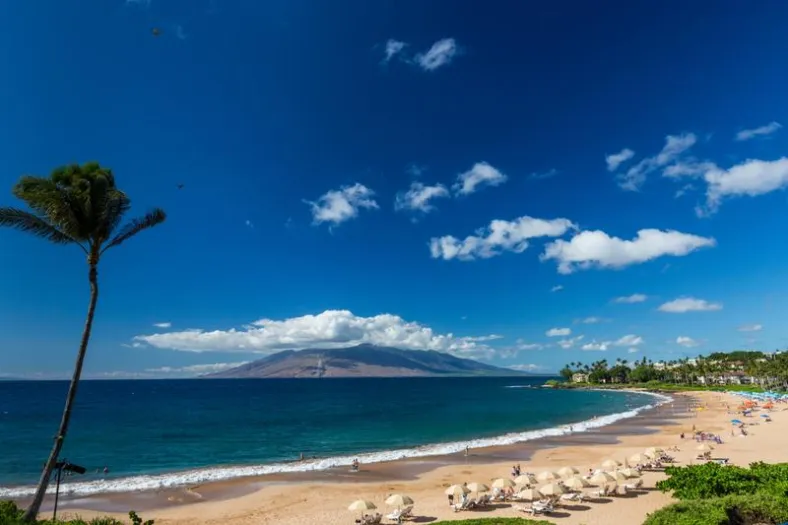
The best all-round beach in South Maui, and the least resort-feeling of the good ones.
It is long enough to walk, sandy enough to swim from almost anywhere along it, and somehow reads as less built-up than either side of it. Sunset here is the reason we send people.
Hours are 7 a.m. to 8 p.m., with parking across Kilohana Drive, a portable restroom at the Keawakapu II lot and an outdoor shower. There is no lifeguard.
That last point is the trade. Keawakapu is a better beach than Kamaʻole III and a worse choice for a nervous swimmer.
Wailea: Public Beaches, Resort Setting
Every Wailea beach is public and none of them is lifeguarded — a combination worth understanding before you assume the resorts imply supervision.
- Best easy snorkel — Ulua and Mōkapu
- Best classic resort beach — Wailea Beach
- Quietest of the three — Polo Beach
- Least developed — Palauea Beach
Where: the Wailea resort coastline, linked end to end by the Wailea Beach Path.
Ulua and Mōkapu
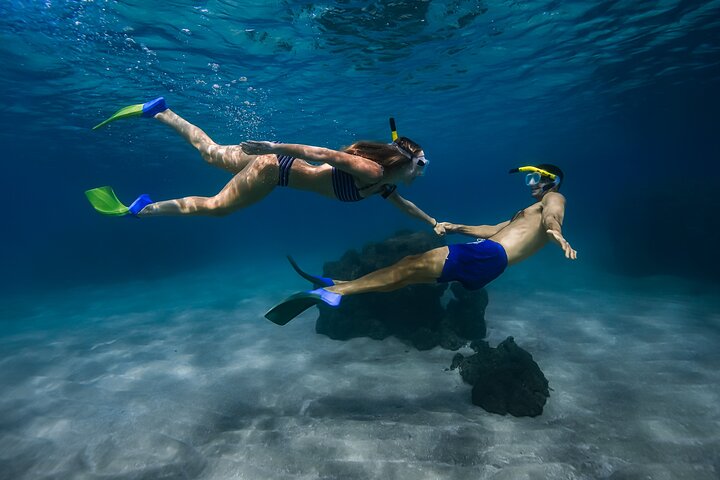
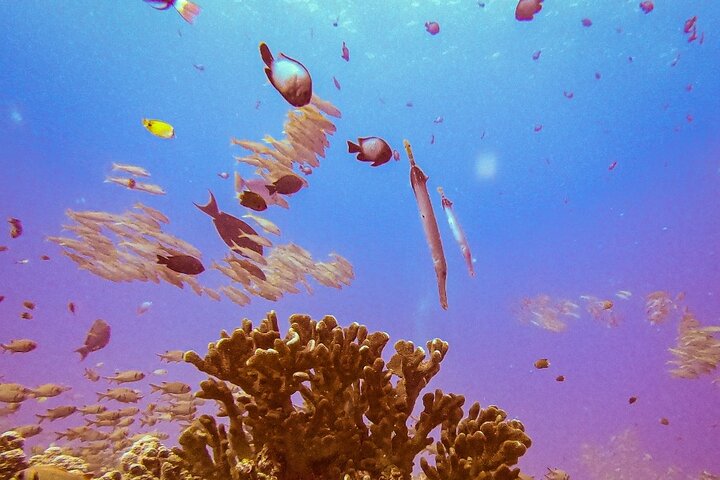
The most practical shore snorkel in South Maui. Two connected beaches with reef around the rocky edges and a sandy entry in the middle.
The County lists public parking, restrooms and showers, partial ADA access and no lifeguard; the beaches are privately maintained by the Wailea Community Association.
The lot is the limiting factor, not the water. It is small and it fills early, which is most of the argument for snorkeling here at eight rather than ten.
Wailea Beach
The postcard, and a better swim than a snorkel. Wide, polished and lined with the big resorts.
Come for the setting and the walk. If reef is what you want, Ulua and Mōkapu are two minutes up the path and considerably better.
No lifeguard, as everywhere in Wailea.
Polo Beach
The quieter end of Wailea. Smaller, calmer in feel, with the same public access and the same lack of supervision.
The County lists public parking, restrooms, one shower, ADA access and no lifeguard.
Palauea Beach
Undeveloped by Wailea standards, and it shows in both directions. Beautiful, and short on everything else.
Hours are 7 a.m. to 7 p.m. Street-side parking, one portable restroom, no shower, no ADA access and no lifeguard.
Worth the stop if you want sand without a resort behind it. Not the beach for a day with toddlers or a long list of needs.
Mākena: More Space, More Consequence
South of Wailea the coastline opens up, the crowds thin and the ocean stops being polite.
- Best beach-and-snorkel combination — Maluaka
- Best quiet cove — Poʻolenalena
- Best scenery — Big Beach at Mākena State Park
Where: south of Wailea along Mākena Road and Mākena Alanui.
Maluaka
Our favorite Mākena morning — a genuinely good beach with reef at the edges.
This is the practical shore access point for the broader reef zone operators call Turtle Town, and honu are commonly encountered along the rocky sides. It is also just a nice beach, which matters on the mornings the water is not cooperating.
Parking at Maluaka is limited and fills early. Current official pages do not provide a dependable stall count, so arrive early and plan to be flexible.
Poʻolenalena
Space without the shorebreak. A wide, quiet crescent between Wailea and Mākena proper.
No lifeguard and no facilities. Bring what you need, and treat it as a beach-and-walk stop rather than a base for the day.
Big Beach
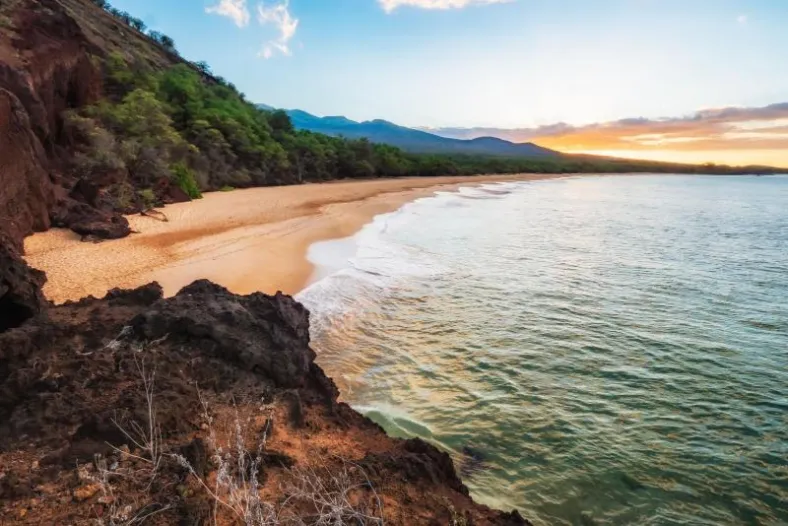
Go for the scale. Let the water decide whether you swim.
Mākena State Park is open daily 5 a.m. to 7 p.m., with extended hours to 7:45 p.m. in May, June and July. Puʻu Olaʻi closes at 4 p.m. on Saturdays and Sundays. Nonresidents pay $5 per person plus $10 per noncommercial vehicle; Hawaiʻi residents are free with a state license or ID. There is no drinking water.
The park's own page carries the warning in capitals: shore break can be very dangerous. Big Beach is one of the currently open staffed choices in South Maui, and that is emphatically not the same as gentle. The wave breaks onto sand, hard, and it hurts people every year.
Our rule here is simple. If the shorebreak is thumping, it is a beach to look at.
Parking, Fees and the Rules That Changed
South Maui's beaches are free. Two of its parking systems are not, and one of them has a rule that will catch you out on a Saturday.
- PARK MAUI — launched 15 July 2026 at the paved Kamaʻole I and III lots
- Nonresident rates — $10 a day, $50 a week, $150 a month
- Residents — free after validation
- The catch — on weekends and County holidays, those paved lots are resident-only before 10 a.m.
- Mākena State Park — $5 per person entry plus $10 per vehicle for nonresidents
The resident-only window is the rule that breaks visitor mornings. Do not hunt for a workaround. Keawakapu is the cleanest early alternative when conditions are calm and your group does not need a lifeguard; otherwise wait until 10 a.m. for the paved Kamaʻole lots.
Kamaʻole II remains on Maui County's long-term storm-damage closure list as of September 2026. South Kīhei Road has reopened, but the park closure is a separate issue. Recheck the County page before treating Kam II as an option.
On a south swell, Big Beach and the Mākena coastline are the first recommendations we drop. If whitecaps are already building off Kīhei, check Wailea before committing; once Ulua and Mōkapu are chopped up, we stop chasing better water farther south.
Practical Tips
- Go early for beaches outside the PARK MAUI lots. At Kamaʻole I and III, visitors cannot use the paved lots before 10 a.m. on weekends and County holidays.
- For a current open lifeguarded choice, use Kamaʻole I, Kamaʻole III or Mākena State Park. Kamaʻole II remains listed closed.
- Avoid the paved Kamaʻole lots before 10 a.m. on weekends and County holidays. They are resident-only then.
- Do not treat Wailea's polish as safety. Every Wailea beach is public and none has a lifeguard.
- Take the Big Beach shorebreak warning literally. The state posts it for a reason.
- Bring water to Mākena State Park. There is none there.
- Snorkel Ulua and Mōkapu early — the lot decides your morning more than the reef does.
- Pick two beaches for the trip and repeat them. You will have a better week than the people collecting nine.
One Last Tip
South Maui has the deepest beach bench on the island, which is exactly why people overcomplicate it.
Use Keawakapu when you want a beach day, Kamaʻole III when the family needs somewhere to be, Ulua and Mōkapu when you want reef, and Big Beach when you want to be impressed.
That is four beaches and about as much planning as this coast deserves.

Frequently Asked Questions
Which South Maui beaches are the current lifeguarded choices?
Hawaiʻi Ocean Safety lists towers at Kamaʻole I, II and III and Mākena State Park from 8 a.m. to 4:45 p.m. daily. Maui County still lists Kamaʻole Beach Park II as closed, so the dependable current choices are Kamaʻole I, Kamaʻole III and Mākena State Park. Keawakapu and every Wailea beach remain unguarded.
Kamaʻole I or Kamaʻole III for a family beach day?
Kamaʻole I if the point is a straightforward swim in calm water; the County lists a lifeguard, comfort station and three showers. Kamaʻole III if the beach is only part of the outing: an 82-space lot, lifeguard, three showers, playground and enough grass for the day to keep working once the kids are done with sand.
What does it cost to park at South Maui beaches?
Most South Maui beaches are free to park at. The paved Kamaʻole I and III lots joined PARK MAUI on 15 July 2026, where nonresidents pay $10 a day, $50 a week or $150 a month and residents park free after validation. On weekends and County holidays those two paved lots are resident-only before 10 a.m. Mākena State Park charges nonresidents $5 per person plus $10 per vehicle.
Is Big Beach safe to swim?
Big Beach is sometimes safe to swim, and you have to look at the water before you decide. Mākena State Park's own page warns that shore break can be very dangerous, and the beach being lifeguarded does not make the wave gentle — it breaks directly onto sand. Go for the scale and the scenery, then judge the water on the day. Bring your own drinking water; there is none in the park.
Where is the easiest shore snorkeling in South Maui?
The easiest shore snorkeling in South Maui is at Ulua and Mōkapu in Wailea. Reef sits close in around the rocky edges, the middle of the beach gives you a sandy entry, and there is public parking with restrooms and showers. There is no lifeguard, and the small lot fills early — the parking is what decides your morning, not the reef.
Which South Maui beach would you pick if you could only have one?
If we could only have one South Maui beach, it would be Keawakapu. It is long enough to walk, easy to swim from, less built-up in feel than either Kīhei or Wailea, and the best sunset on this coast. The trade is that there is no lifeguard, so Kamaʻole I or III is the stronger choice for a nervous swimmer.