
At a Glance
3 Days: Keep It Tight
Three days is a highlights trip, not an island tour. Pick one base, choose what matters most and protect your beach time.
- Best base — South or West Maui. Pick one and stay there.
- Choose one half-day experience — Snorkeling, whale watching, a sunset cruise or a luau.
- Keep the priority — Beach time.
- Avoid — Zigzagging around the island. Maui rewards fewer regions and longer stops.
Realistically: spend most of the trip near where you're staying, add one half-day experience and leave room for one excellent beach morning. Three days is not the time to see the entire island.

Mōkapu Beach, Wailea. Photo: Kenneth Oh / Unsplash
5 Days: Enough for a Real Maui Trip
Five full days is where Maui starts to breathe. You have enough time for a couple of bigger adventures without turning every day into an excursion.
- Best balance — Two or three days around your home base, plus two bigger experiences.
- Good rhythm — Beach, Haleakalā, ocean day, Hāna, flexible day.
- First thing to cut — One big drive. If the itinerary already feels busy, it probably is.
Realistically: plan a local beach day, Haleakalā and Upcountry, an ocean or activity day, the Road to Hāna and one flexible day near where you're staying.
Below five days, we stop suggesting you shorten the list and start suggesting you add days.
7 Days: Our Sweet Spot
Seven days is our favorite length for a first Maui trip. You can see the highlights and still have enough time to actually feel like you're on vacation.
- Best balance — Three excursion days, three local days and one open day.
- Protect — At least two relaxed, mostly unscheduled days.
- Big advantage — Weather flexibility. If the ocean or mountain conditions aren't right, you can move things around.
Realistically: Haleakalā, the Road to Hāna, a boat or whale-watching day, and several genuinely relaxed days around your home base.
The extra breathing room is what makes seven days work.
10 Days: Maui Starts to Feel Different
At ten days, Maui stops feeling like a checklist. You can slow down, explore farther and go back to places you loved.
- Best addition — An overnight in Hāna, which starts making sense around seven or eight nights.
- Best split stay — South and West Maui, especially with nine nights or more.
- Best use of an extra day — Go back to your favorite beach. No guilt and no schedule.
Realistically: add an overnight in Hāna, spend meaningful time Upcountry, explore both South and West Maui, or simply slow everything down.
On a shorter trip, changing hotels usually costs more time than it saves. With ten days, a split stay can actually make sense.
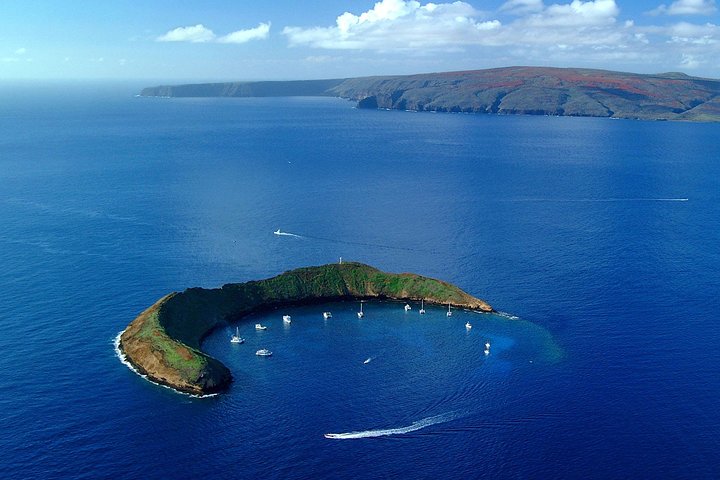
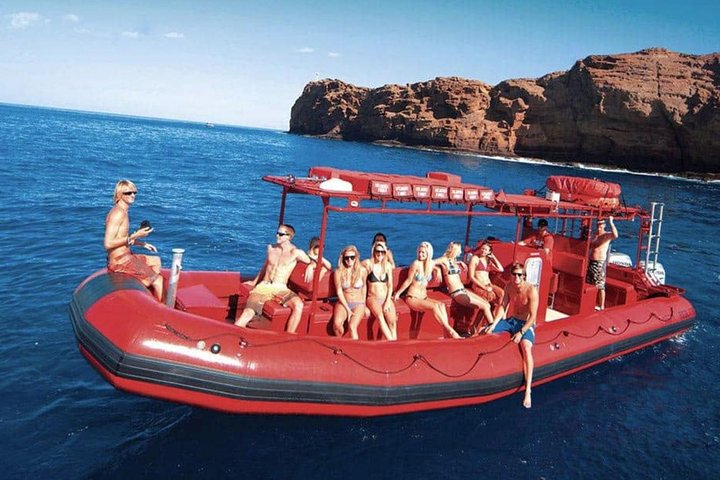
Don't Overlook a Boat Day
A boat trip deserves the same place in your itinerary as the Road to Hāna or Haleakalā.
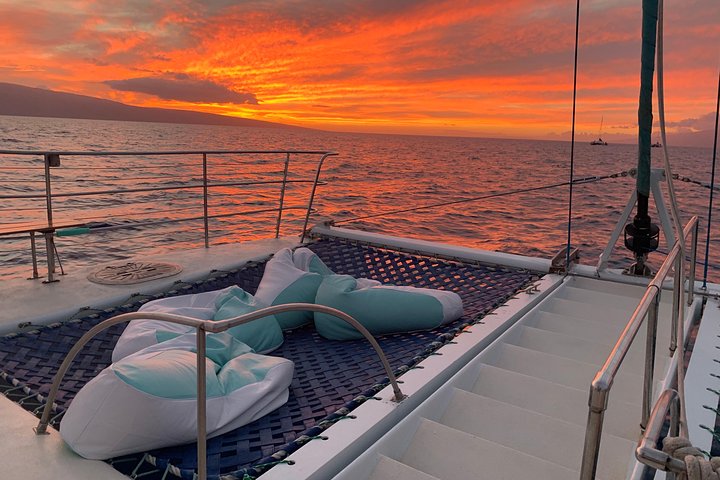
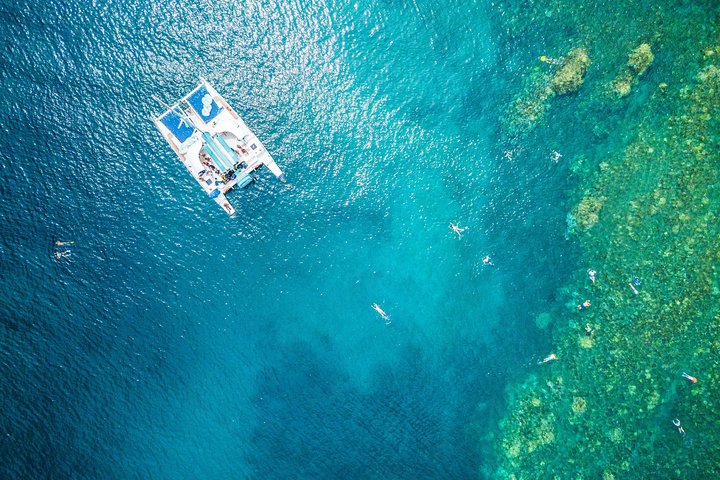
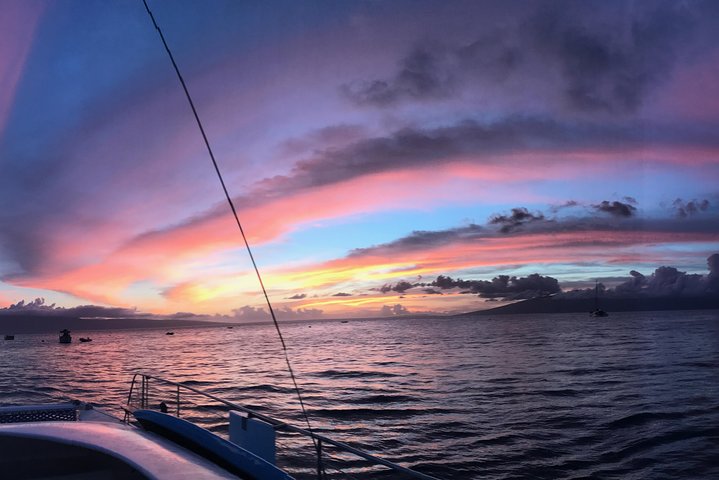
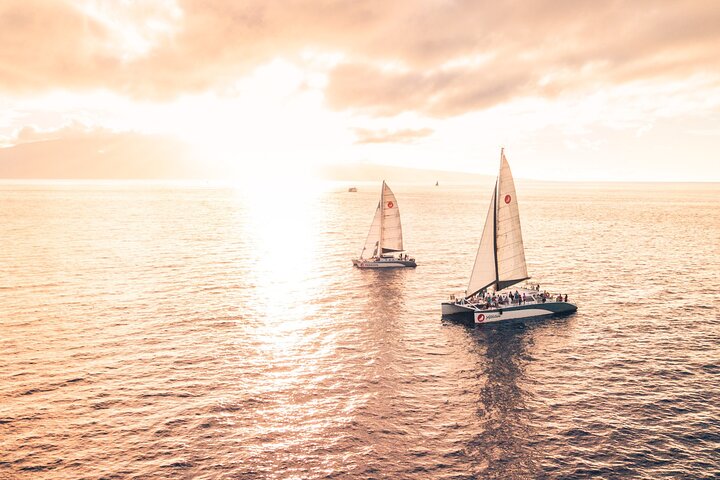
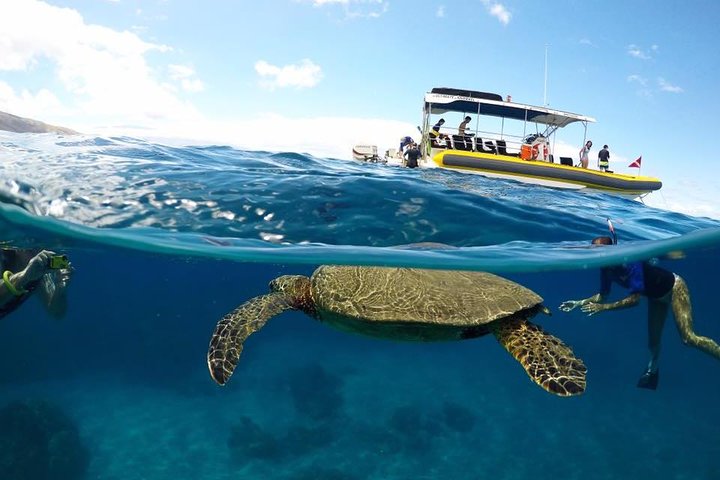
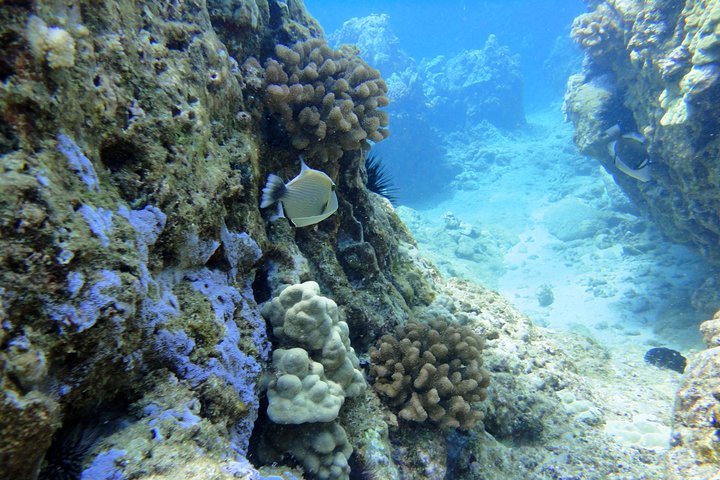
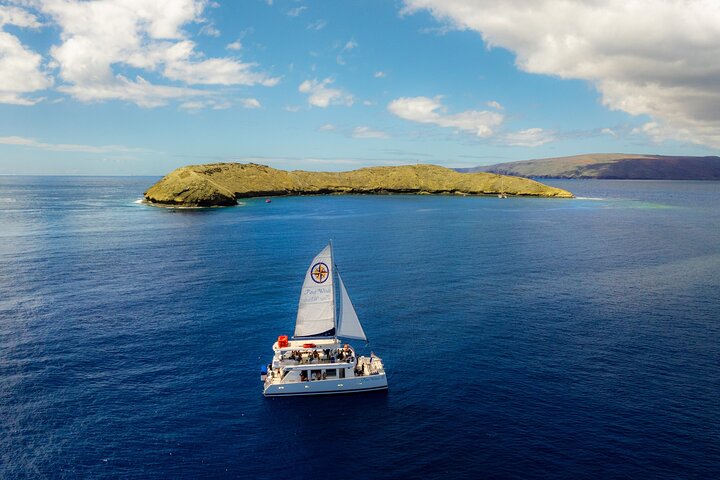
If snorkeling is important, make it a morning boat trip. During whale season, make it a whale watch. A sunset cruise is an easy way to get out on the water without giving up a beach day.
On a short trip, we'd even choose a good boat morning over a Haleakalā sunrise. Sunrise requires a very early start and can leave you tired for the rest of the day. A morning on the water gives you the ocean, coastline and whales in season, while still leaving much of the afternoon open.
If you want Haleakalā without the 3 a.m. wake-up, go for sunset instead.

Snorkel boat. Photo: Jake Houglum / Pexels
A boat day can be one of the anchors of the trip without taking over the entire itinerary.
Some Days Shouldn't Touch
The easiest way to ruin a good Maui itinerary is stacking two demanding days back-to-back.
Hāna and a Haleakalā sunrise should not be consecutive. Neither should a late luau followed by a dawn boat or summit departure.
Deep West Maui and Upcountry don't pair well in one day. Neither does a long boat morning followed by a major afternoon drive.
The basic rule: don't plan a second major activity that depends on the first one ending perfectly on time.
Protect the Beach Time First
This is the part people underestimate — and often the part they miss most once they're home.
Nobody gets back from Maui wishing they had squeezed in one more attraction. They wish they'd spent another morning at the beach.
Build your trip around your beach days, then fit the excursions between them. Don't treat the beach as whatever time is left over.

Keawakapu, Kīhei. Photo: Hawaii Tourism Authority (HTA)
The beach is the trip, not the gap between activities. On a seven-day trip, protect at least two days for it.
The Rule We Use
For every major excursion or driving day, give yourself a lower-effort day.
Maui works best with a simple rhythm:
Explore → Beach → Explore → Relax
Families with young kids may want even more breathing room.
Practical Tips
Don't count a late arrival as a sightseeing day. Get settled and start fresh the next morning.
Protect the day before an early flight home. Don't finish the trip with a huge driving day.
Keep departure day close to Kahului. Remote beaches, hikes, Hāna and Upcountry detours can leave you rushing — or parked somewhere with luggage in the car.
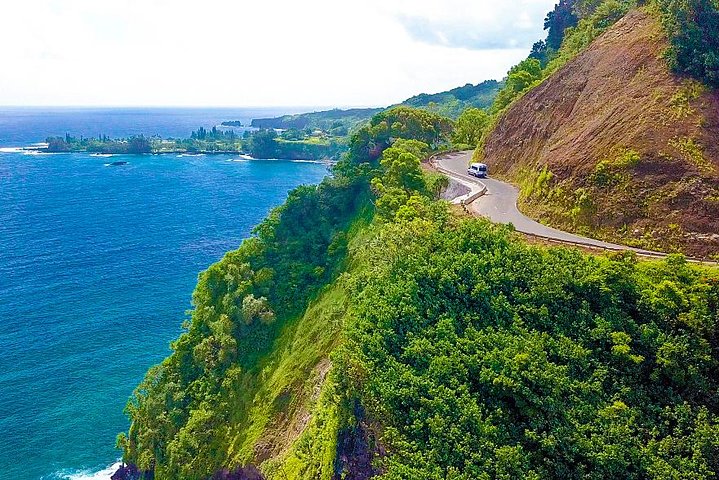
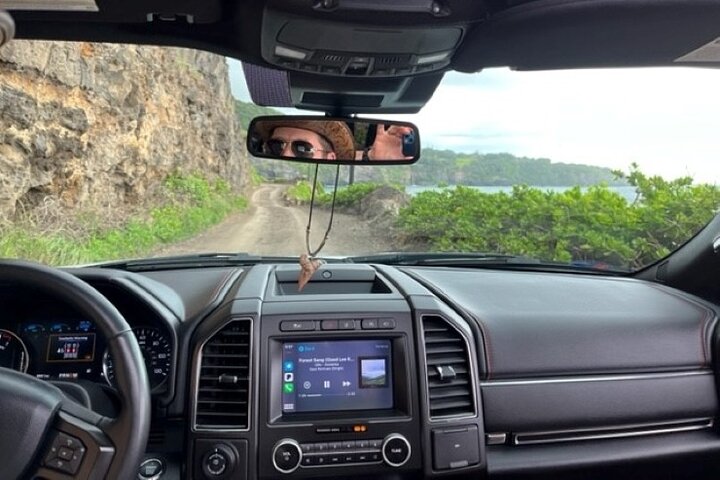
Treat the Road to Hāna as a full day. It can easily consume the entire day once you include stops.
Count a hotel change as part of the itinerary. Packing, checking out, driving and checking back in take meaningful time.
Seven days gives you weather flexibility. It's much easier to move a boat trip, Haleakalā or another weather-dependent activity.
Don't try to see the entire island in one week. It's one of the most common first-trip mistakes. Maui is better with fewer regions per day and more time at each stop.
One Last Tip
Seven days is the sweet spot because it leaves room to change your mind.
The extra value is not one more attraction. It is the beach morning you repeat and the open day you never had to rescue.



































Frequently Asked Questions
Is 5 days enough on Maui?
Yes, and five full days is roughly the floor. Stay focused on one base and choose your two biggest priorities. Seven is much better for a first trip.
Is 7 days too long on Maui?
No, 7 days is not too long on Maui. Seven days is one of the easiest lengths for a first Maui trip because it leaves room for both sightseeing and actual vacation time.
Is 14 days too many on Maui?
No, 14 days is not too many on Maui if you like beaches, food, hiking and a slower pace. Repeat visitors often enjoy Maui more when they stop treating every day as a sightseeing day.
Should I split my stay on a 7-day trip?
Usually not, a 7-day trip rarely needs to be split. The packing and hotel change rarely pay for themselves on a week unless you specifically want two distinct resort experiences. A split starts making sense at around nine or ten nights and up, or when you want Hāna or Upcountry to feel like a stay rather than a day trip.