Where to See Turtles in West Maui

At a Glance
Most popular on Maui
 Central Maui
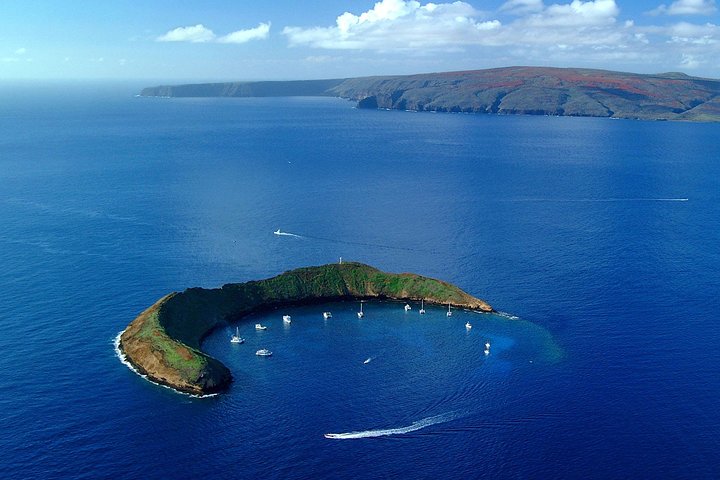
Maui Snorkeling Adventure to Molokini and Turtle Town
Visit Maui's famous snorkeling and diving destinations Molokini Crater and Turtle Town on a snorkeling catamaran, with visibility of 100 feet or more.
 South Maui
Feast at Mokapu Luau in Wailea
Discover Hawai'i's most authentic luxury luau at Andaz Maui at Wailea Resort — a curated cultural evening with a three-course plated dinner on Mokapu beach.
 South Maui
Gilligans' Island Luau in Kihei
An intimate luau experience and the only luau in Kihei — less than a quarter the size of the average Maui luau, so every seat has a great view of the show.
 Road to Hāna
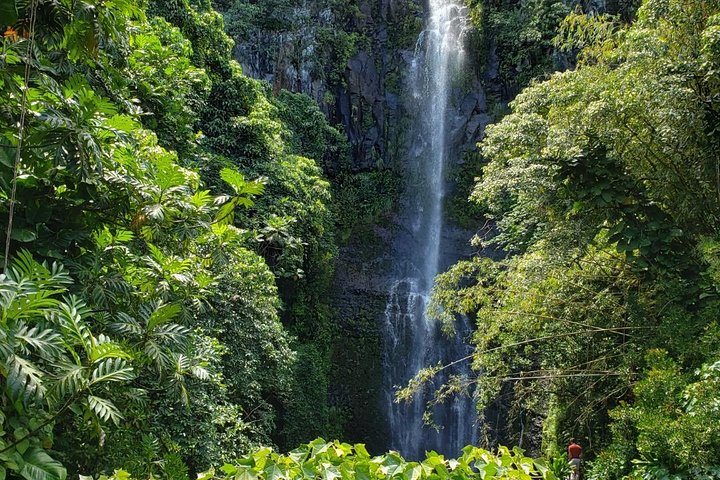
Small-Group Road to Hana Adventure Tour with Pickup & Lunch
Watch the waterfalls, black-sand beaches and rainforest go by without anyone in your group behind the wheel.
 Upcountry
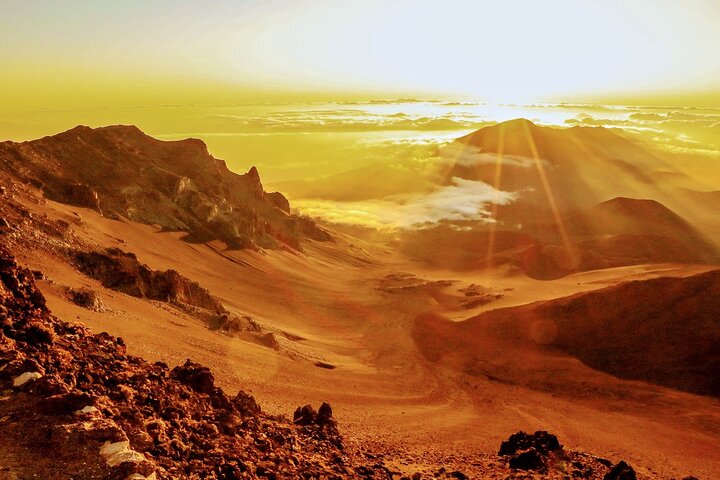
Majestic Haleakalā Sunrise Tour with Pick-up
Ride to the summit for sunrise above the clouds, then unwind over a hot breakfast on the way back down.
 West Maui
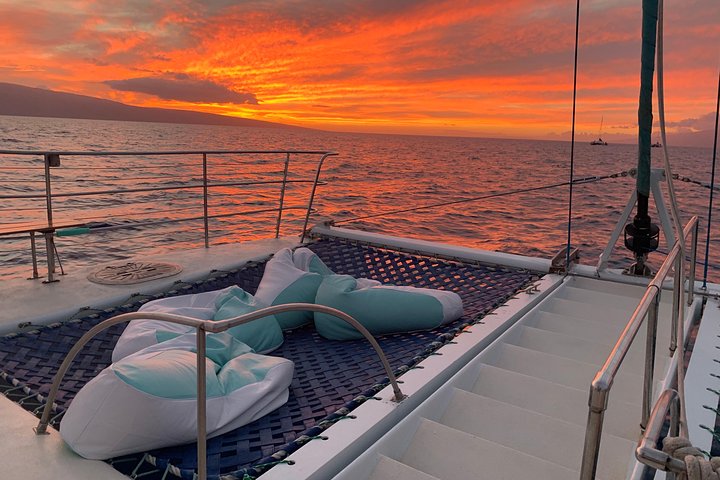
Original Sunset Cruise with Open Bar from Kaʻanapali
Sip an unlimited open bar while the sun drops behind Lānaʻi, with pupus and live music twice a week.
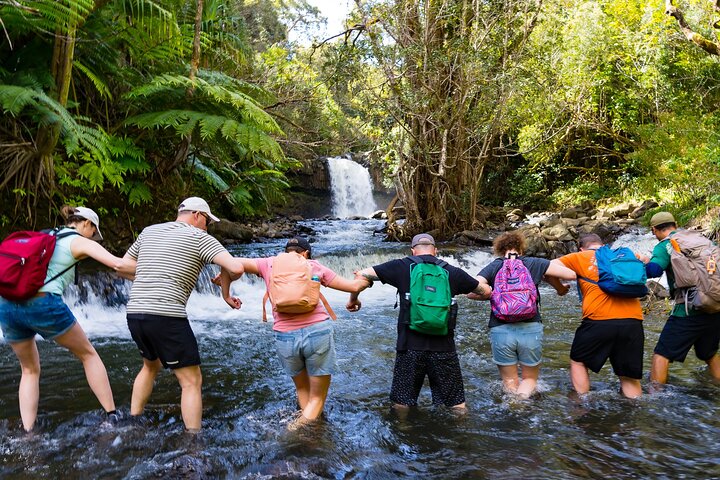 Central Maui
Small Group Waterfall and Rainforest Hiking Adventure
A guided rainforest hike to East Maui waterfalls, with time to swim beneath the falls and a trail lunch included.
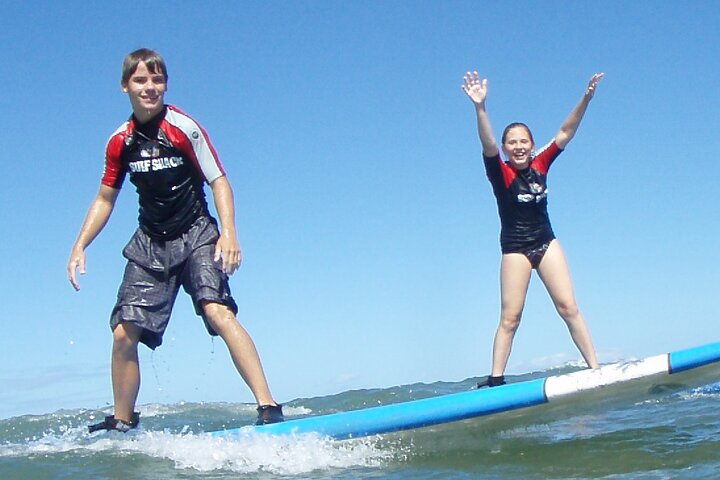 South Maui
Two Hour Beginner Group Surf Lesson in Kihei
A two-hour beginner lesson in calm South Maui water — board, gear and instruction all included.
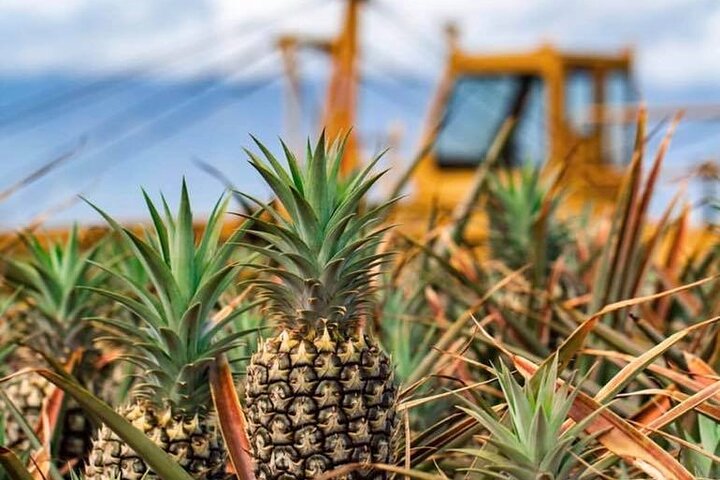 Upcountry
Maui Pineapple Farm Tour in Haliimaile
Tour a working pineapple farm and packing house upcountry, with tastings and a fresh pineapple to take home.
Where Honu Actually Turn Up
Pick the reef for the snorkeling and treat the turtle as the bonus. That is the only approach that reliably works.
- Best habitat with easy logistics — Kahekili Beach Park (Airport Beach). Long reef close to shore and a county park behind it.
- Best relaxed bay — Nāpili Bay. Rocky edges either side of a small sheltered crescent.
- Best protected bay — Kapalua Bay. Reef along both sides, easy sandy entry.
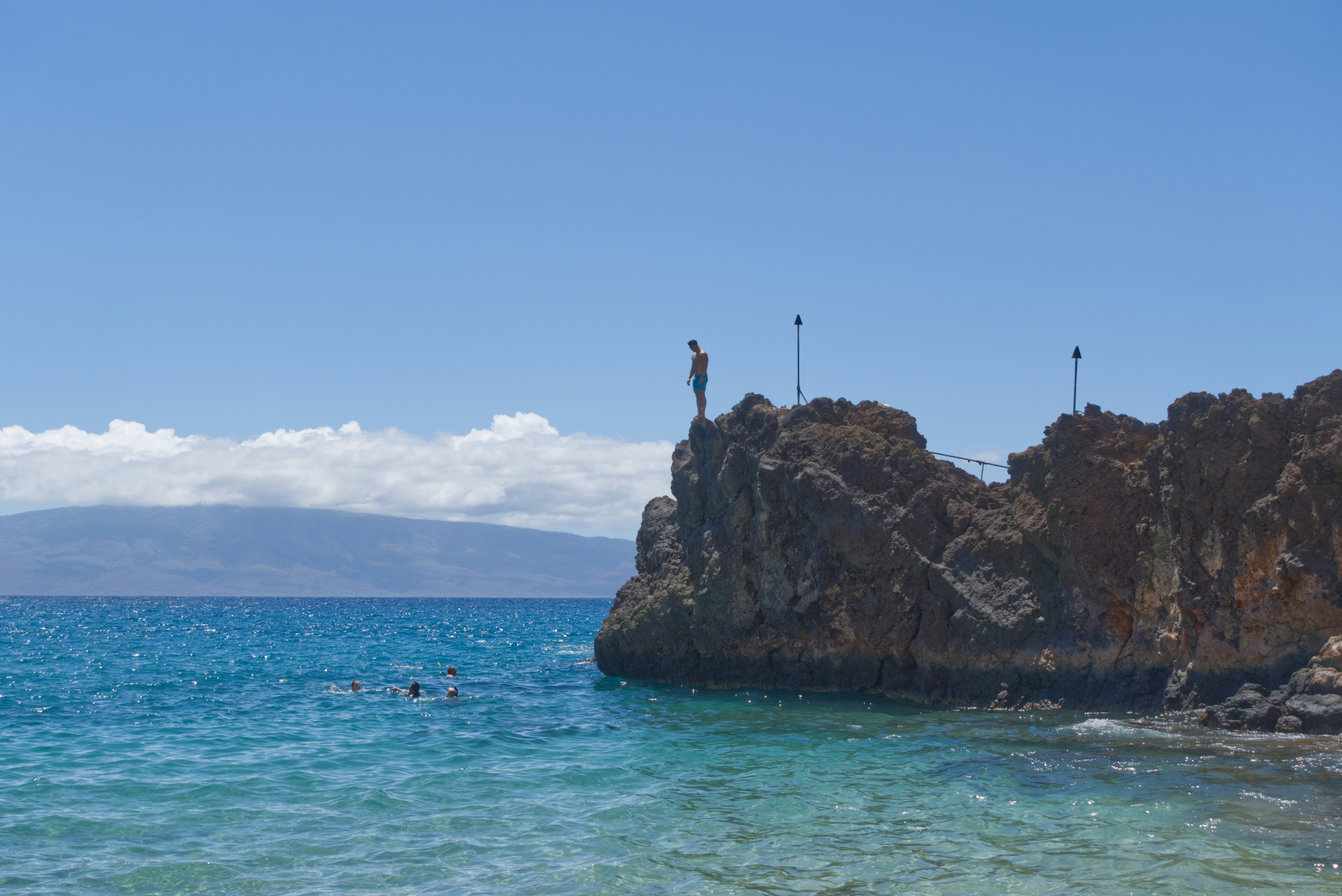
- Best from a Kāʻanapali base — Puʻu Kekaʻa (Black Rock). Walkable from the hotels, busy, and productive.
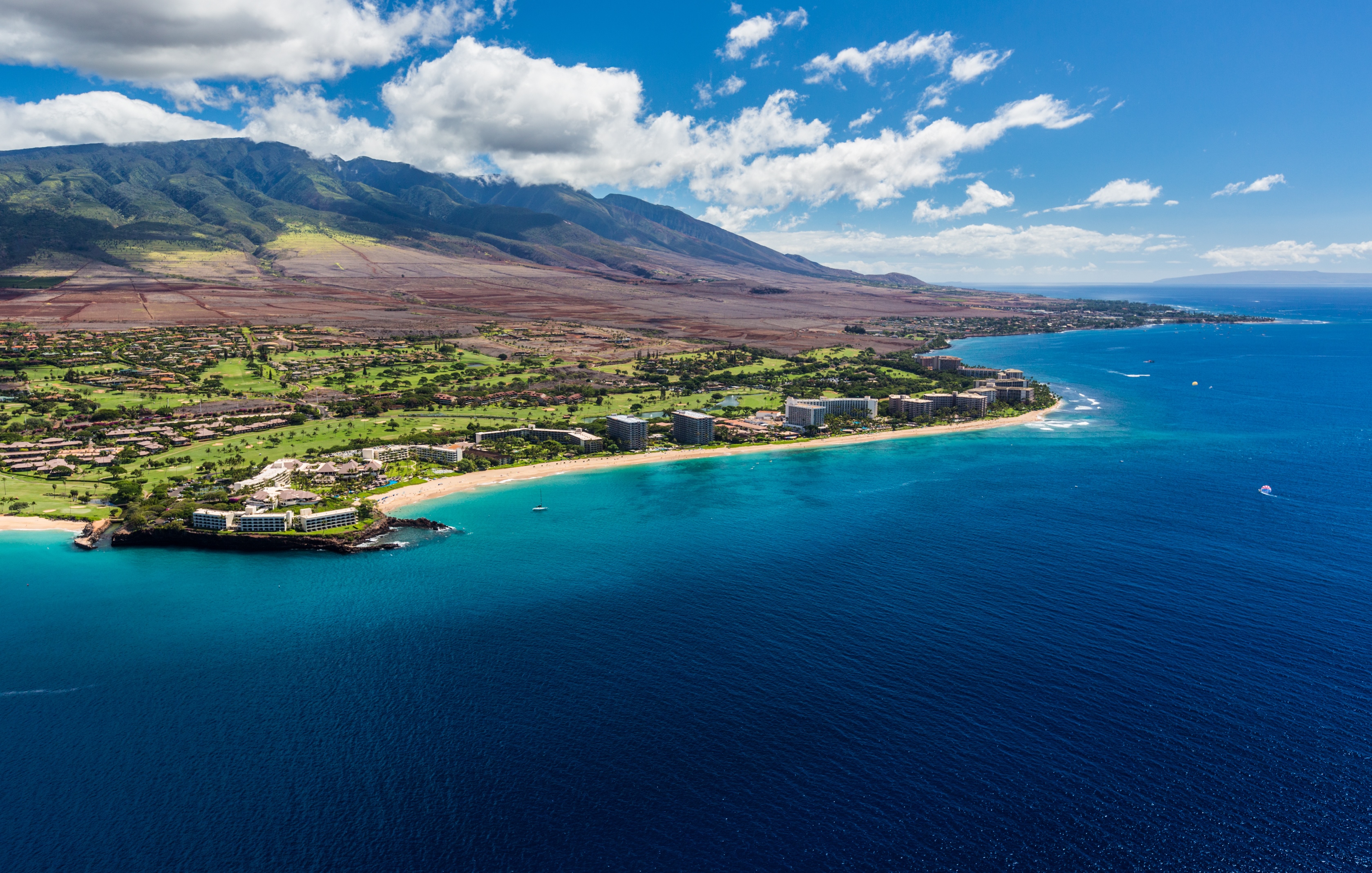
Where: the coast from Kāʻanapali north to Kapalua, off Honoapiʻilani Highway.
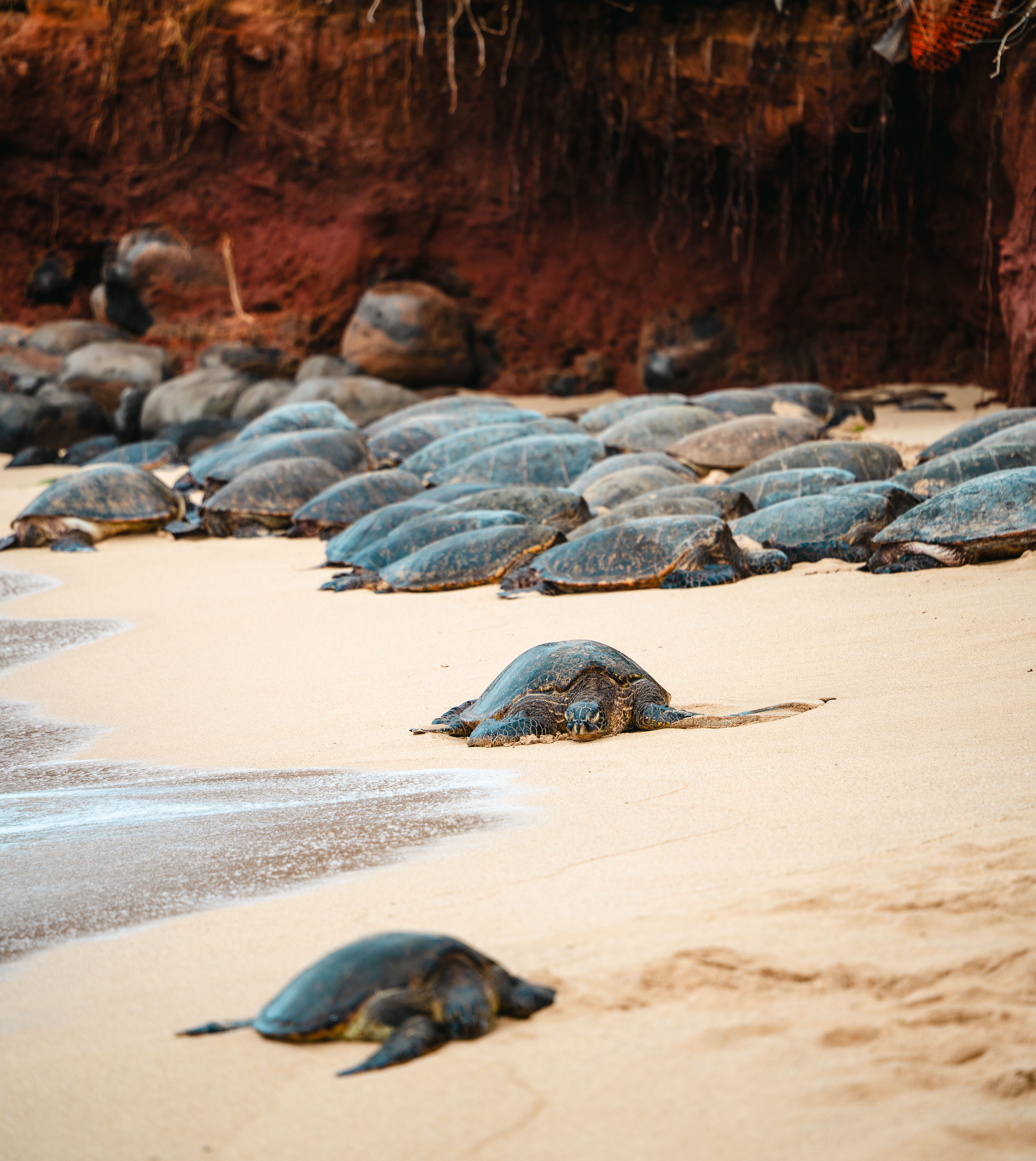
Hawaiian green sea turtles — honu — feed on algae growing on shallow reef, so they turn up where that reef is: along rocky edges, over coral shelves and in the sheltered corners of bays. That is why the same handful of West Maui spots come up again and again, and why nobody can promise you a sighting on any given morning.
Go early, snorkel slowly, and stay in one area rather than covering ground. Turtles are far more likely to come to a person who is drifting quietly than to one swimming laps.
The Rule That Matters More Than the Spot
Stay at least 10 feet away. About 3 metres. On land and in the water.
That is NOAA’s guidance for viewing sea turtles in Hawaiʻi, and it is not a suggestion about etiquette — it is the distance at which a turtle stops having to account for you. Never touch, chase or feed them.
If a turtle swims toward you, hold still and let it pass. Back away rather than reverse into it. Use zoom rather than getting closer for the photograph, and if a turtle is resting on the sand, do not stand between it and the ocean — that is the one position that turns a resting animal into a trapped one. Where volunteers are on the beach, do what they ask.
Our own test for a good encounter: the turtle never had to react to you.
Kahekili
The most reliable combination of turtle habitat and straightforward logistics in West Maui.
Kahekili Beach Park (Airport Beach)
Good reef, easy public-park access, turtles common but never guaranteed.
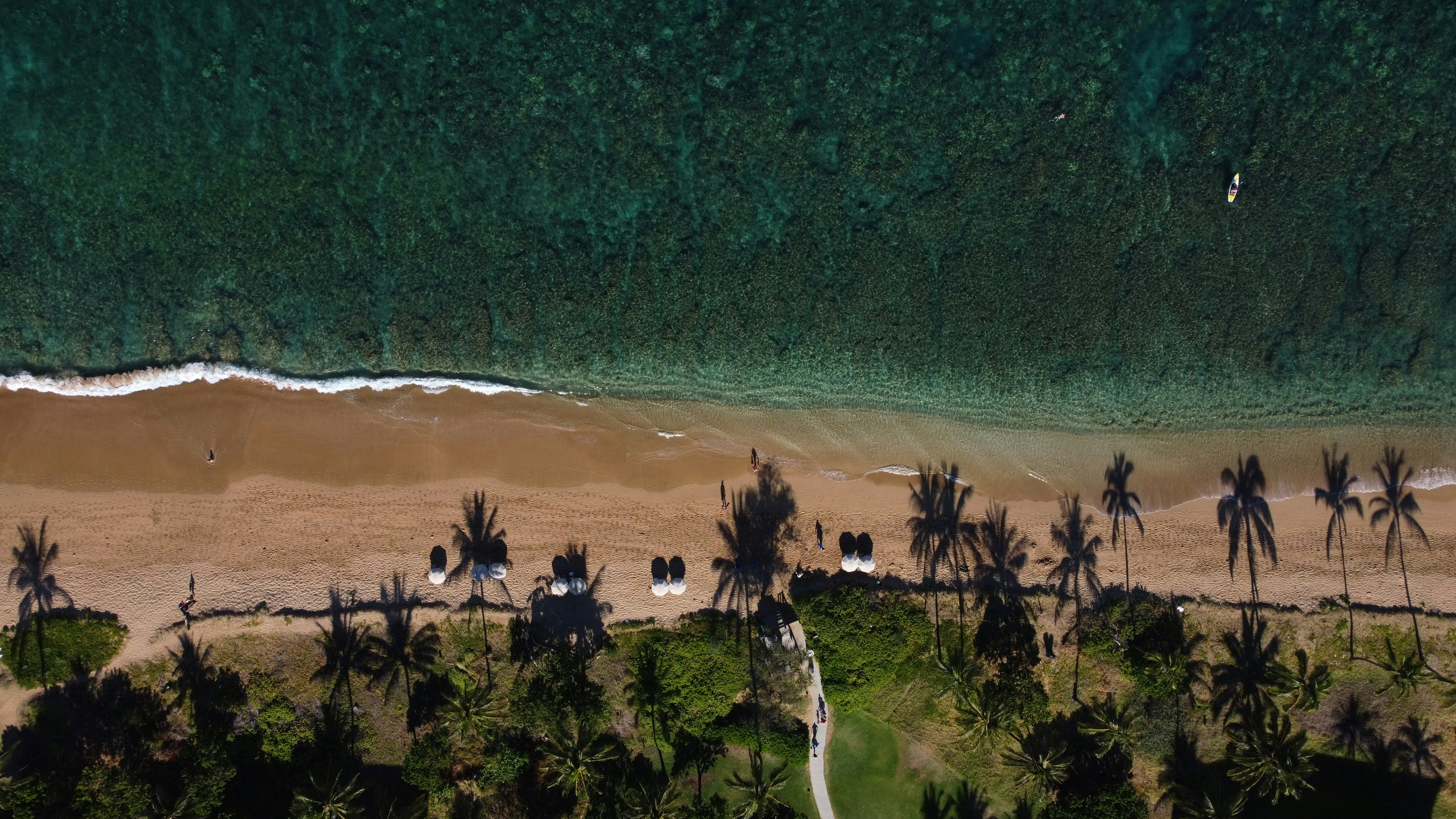
The reef runs parallel to the beach and starts close in, so you can work along it slowly in shallow water — which is exactly the way to see turtles rather than startle them. Swim parallel to shore, not out to sea.
There is no lifeguard here, and current parking, restroom and shower details are not published by the managing agency in a form we can verify. Come early.
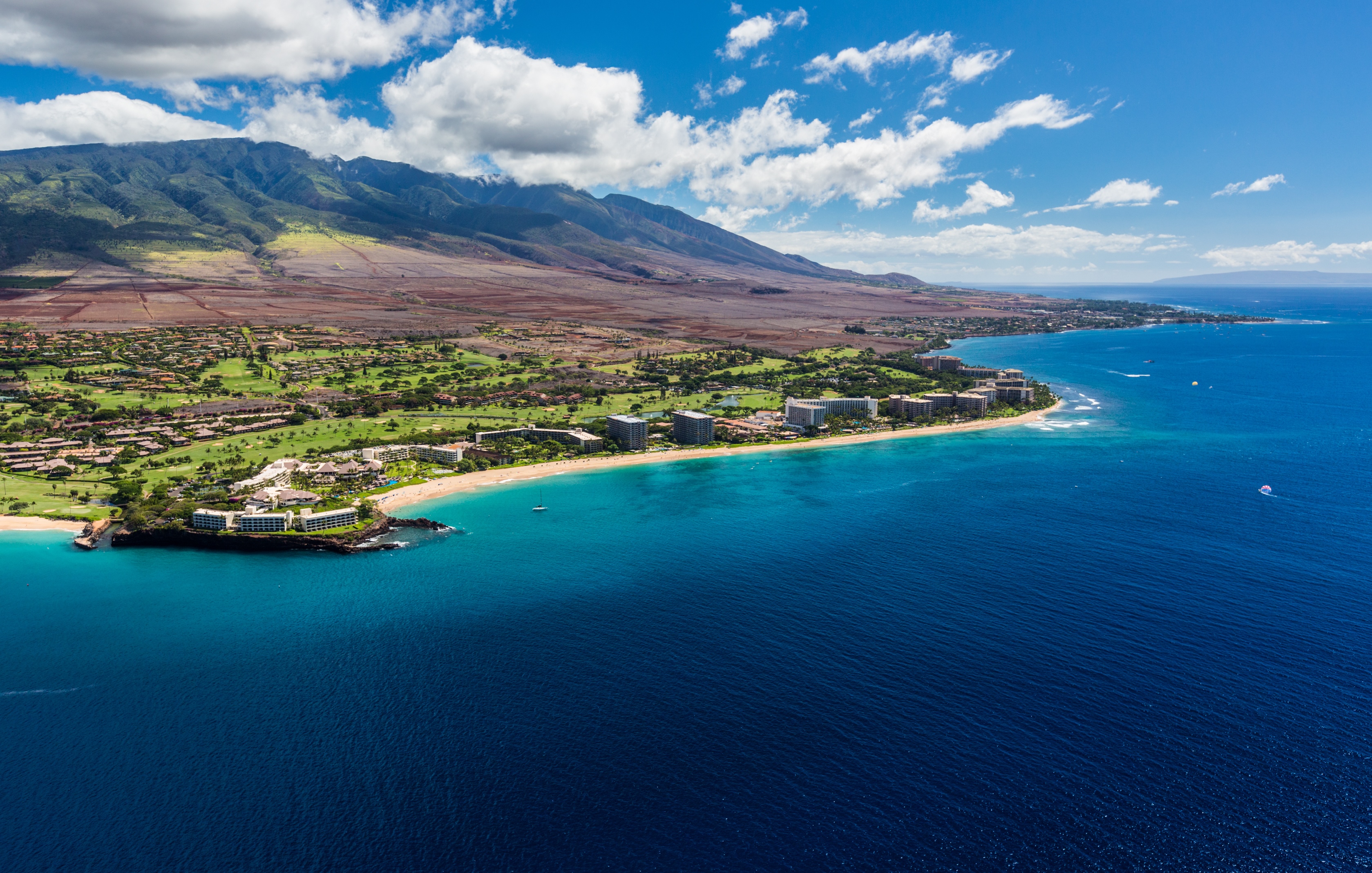
Kāʻanapali, West Maui. Photo: Hawaii Tourism Authority (HTA)
Nāpili and Kapalua
Two small bays whose rocky edges are exactly the habitat honu use.
Nāpili Bay
The easy one — in the water two minutes after parking.
Snorkel the rocks along either side of the crescent rather than the sandy middle. Turtles come through regularly, often close to the rocks on the northern edge. The shorebreak at the sand can be abrupt when a swell is running, so get in and out at the calmer end.
There is no lifeguard at Nāpili — it does not appear on Hawaiʻi Ocean Safety’s list of lifeguarded beaches.
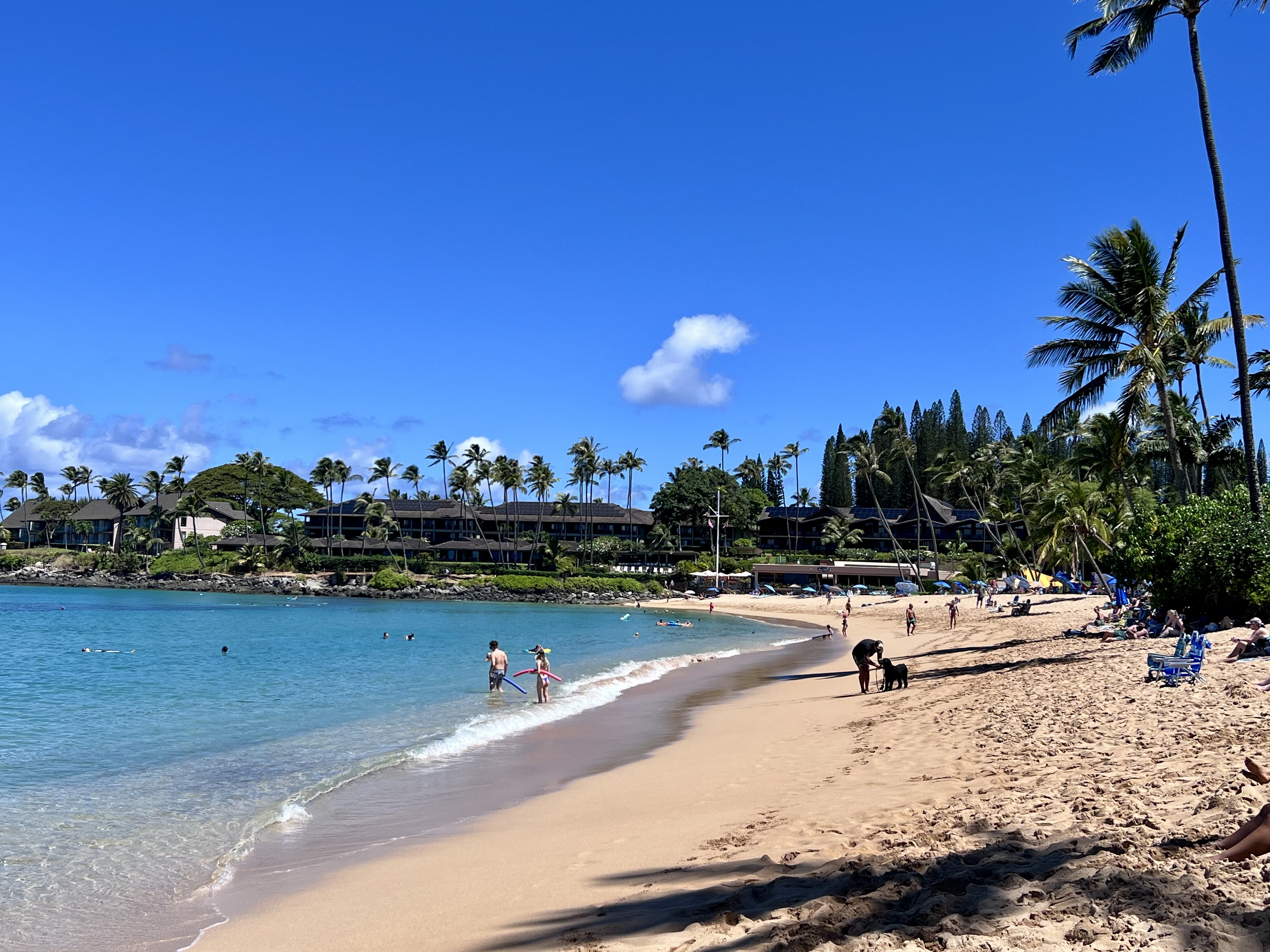
Nāpili Bay, West Maui. Photo: MauiBookIt
Kapalua Bay
The most protected water on this coast, and a good place to wait quietly.
Rocky points at both ends and reef along both sides make this bay calm when the rest of the coast is not, and calm water is what lets you hold position and let a turtle come to you. Start close to shore and follow the rocks.
Parking is the constraint. The public lot is small and fills early, and the only official stall counts we could find date from a 2005 state document, so we will not repeat them as current. There is no lifeguard.
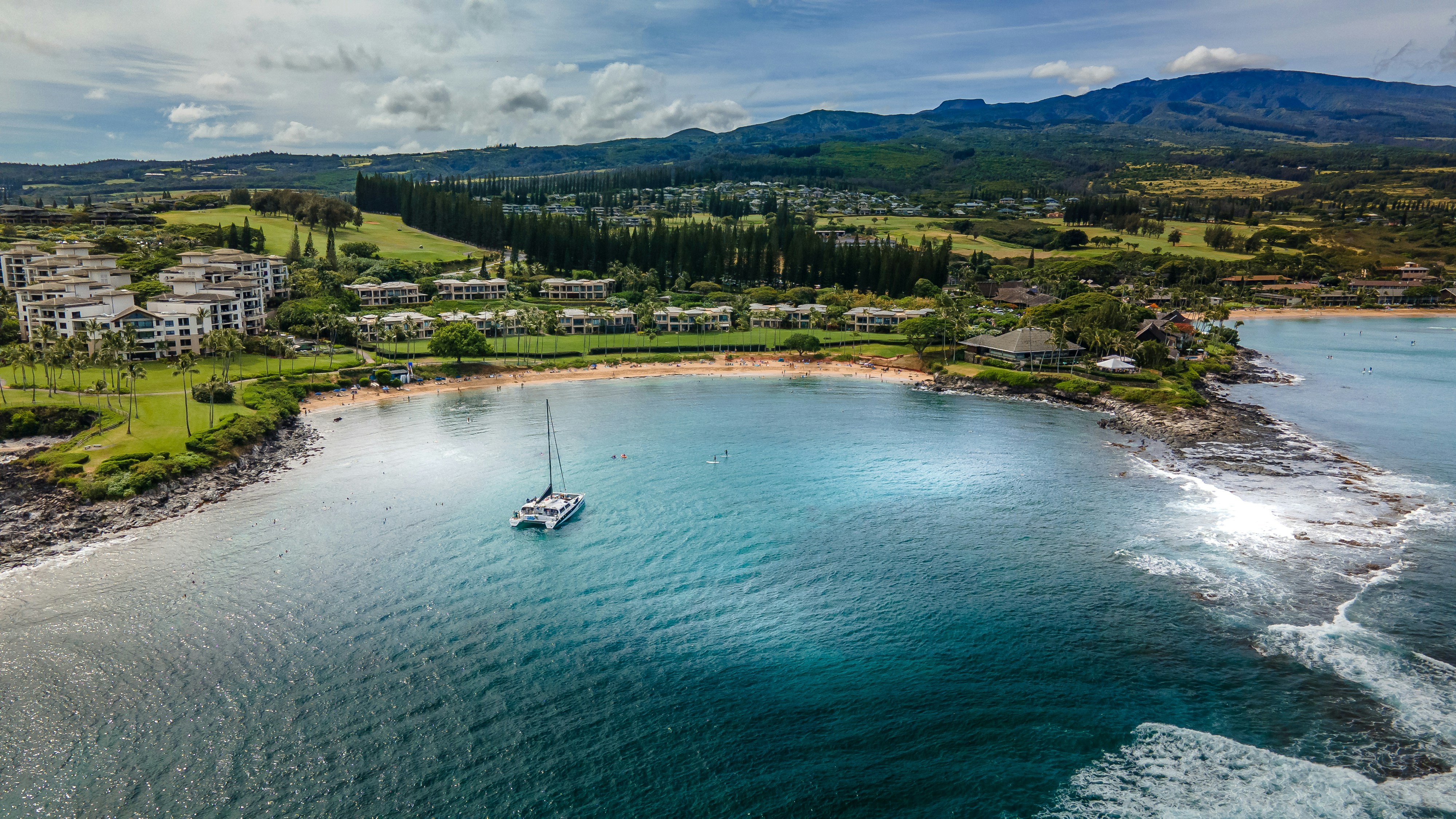
Kapalua Bay, West Maui. Photo: John Bell / Unsplash
Black Rock
Convenient from the Kāʻanapali resorts, and the crowding is the thing to manage.
Puʻu Kekaʻa (Black Rock)
Fish, turtles and a lot of other people.
Sightings here are genuinely common, but so are swimmers, and a turtle with six people around it has nowhere to go. If a group has formed, wait or move on rather than adding to it — the 10-foot rule applies per person, not per group.
Current can run around the point when there is swell, and the rock is a cliff-jumping spot, so stay clear of its base. There is no lifeguard on this stretch; the nearest lifeguarded sand is Hanakaʻōʻō at the south end of Kāʻanapali.
Before You Go
Three things make a turtle morning work.
Morning conditions are the better starting point — calmer, clearer, and quieter in every sense.
No sighting is guaranteed. Anyone promising you one is selling something. Choose a reef you would be happy snorkeling anyway.
Hawaiʻi Ocean Safety asks visitors to use lifeguarded beaches, swim with a buddy, obey posted signs and ask about conditions before entering. On this coast only Hanakaʻōʻō and D.T. Fleming have lifeguards, so on the turtle beaches you are your own safety net.
Frequently Asked Questions
Are turtles guaranteed?
No, and nowhere on Maui can promise one. Pick a reef worth snorkeling on its own terms — Kahekili or Kapalua Bay — and treat a sighting as the bonus it is.
What time of day is best?
Morning. Calmer water and better visibility make every part of it easier, and the beaches are quieter, which matters more than most people expect.
How close can I get?
No closer than about 10 feet — 3 metres — on land or in the water. That is NOAA’s guidance for Hawaiʻi. Never touch, chase or feed a turtle, and use zoom instead of swimming closer.
Can turtles be on the beach?
Yes, and a turtle resting on the sand is behaving normally, not stranded. Give it room, never stand between it and the water, and follow any posted or volunteer guidance.