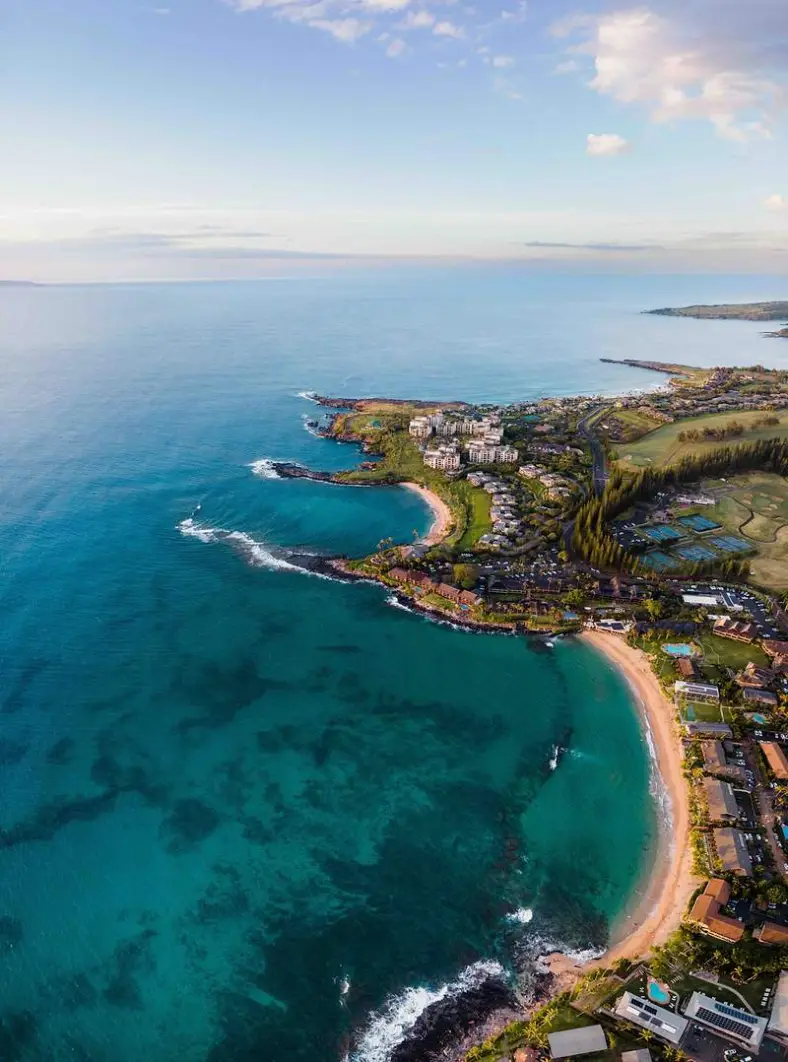
Best Things to Do in Nāpili and Kapalua

At a Glance
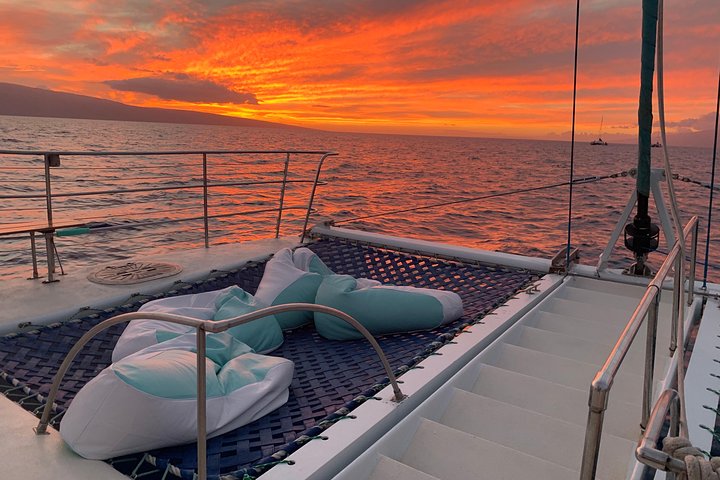
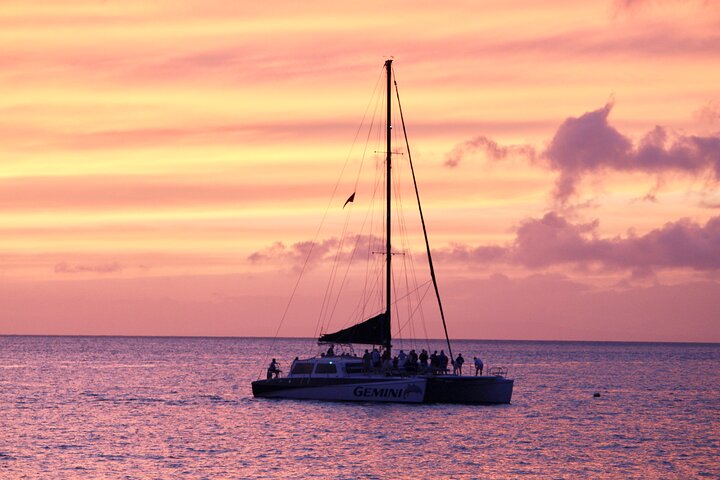
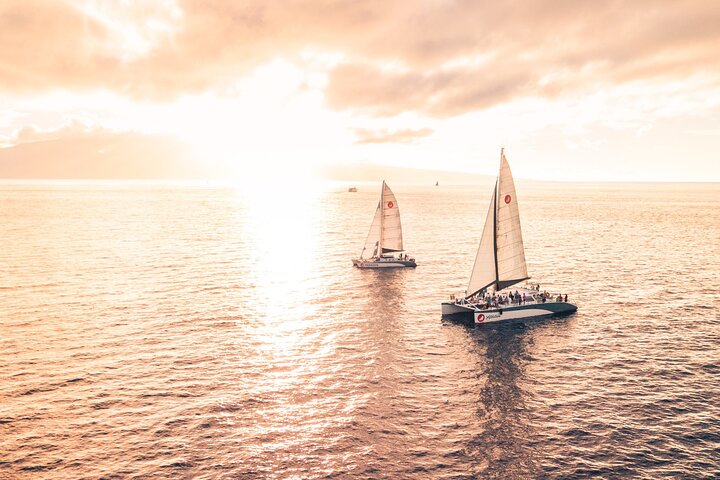
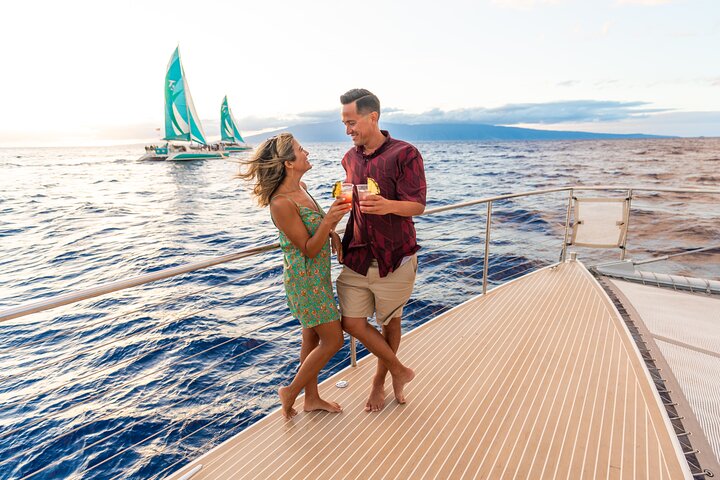
Our pick: Maui: Original Sunset Cruise with Open Bar from Ka’anapali Beach
Best for couples and groups who want a lively Kāʻanapali sunset sail with open bar and heavy pupus.
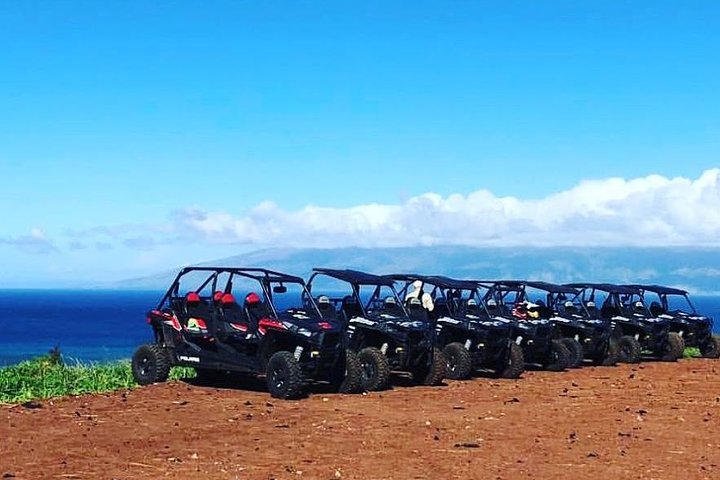
Our pick: Maui: Lahaina ATV Adventure
Best for families and first-time UTV drivers who want a 2-hour small-group ride in 4-seat Can-Am Sport Max 1000s.
The Quiet End of West Maui
Nāpili and Kapalua sit close enough together to do in one day and feel nothing like the resort corridor below them.
- Best relaxed beach morning — Nāpili Bay
- Best snorkel — Kapalua Bay, when calm
- Best walk — the Kapalua Coastal Trail
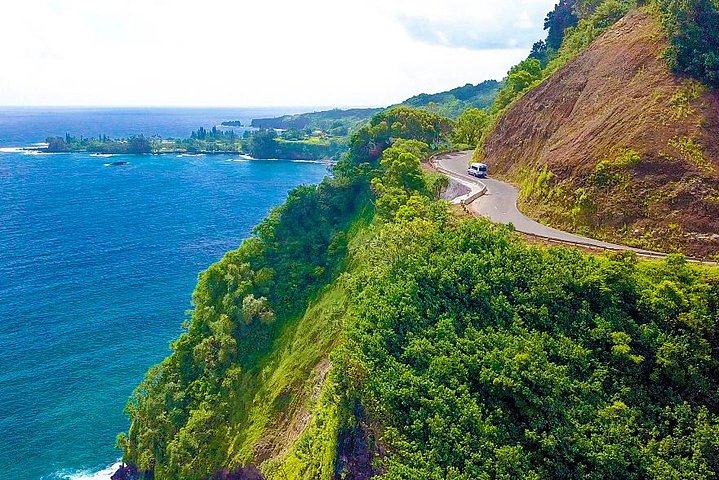
- Best scenery beyond the resorts — the road north
- Best afternoon — deliberately nothing
Where: north of Kāʻanapali through Nāpili and Kapalua, then on toward Honolua and Nākālele.
The two areas are a five-minute drive apart and combine easily, which is why we treat them as one day rather than two.
Kapalua is also greener for a reason: it is breezier and wetter than Kāʻanapali, with more passing cloud. Plan the walk for a break in it rather than assuming resort weather.
For the bay itself, see the Kapalua Bay Guide.
The Bays
Two very different mornings, both worth having, both needing an early start for the same reason.
Nāpili Bay
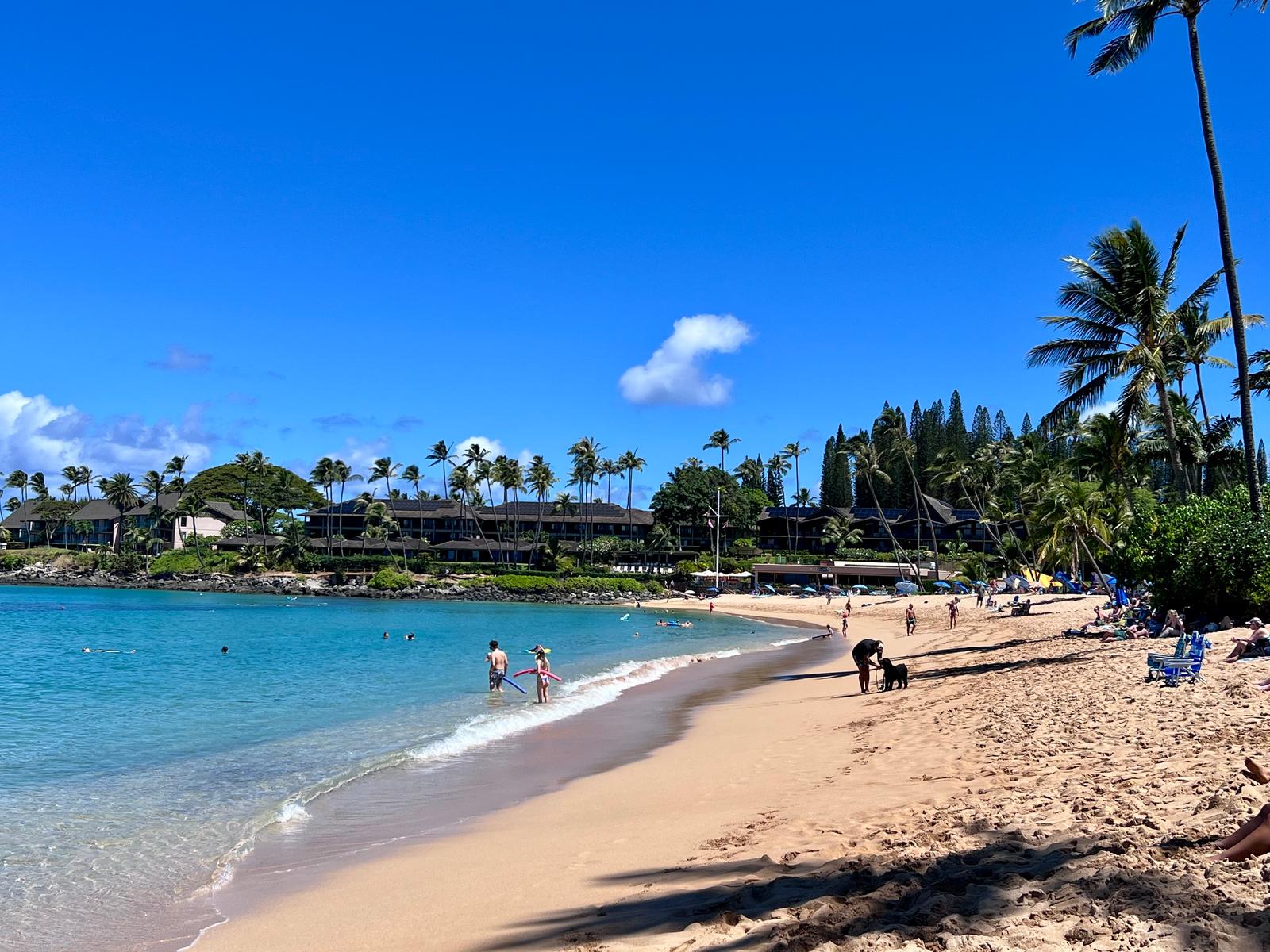
The better plain beach morning. A golden crescent with low-rise buildings behind it and nothing resort-scale in sight.
Swimming in the middle, reef and fish around the rocky edges, and a genuinely relaxed feel to the whole area. Food is close enough to walk to.
There is no lifeguard, and the shorebreak sharpens when a swell is running. The bay itself is popular even though the area feels quiet — go early if the beach or the parking matters.
Kapalua Bay
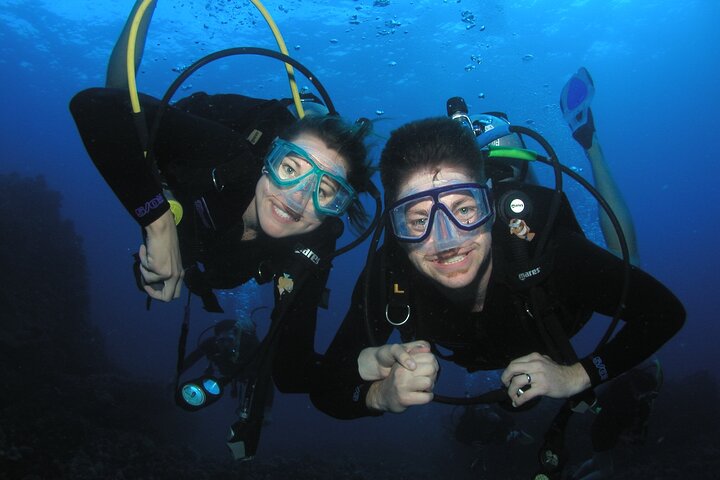
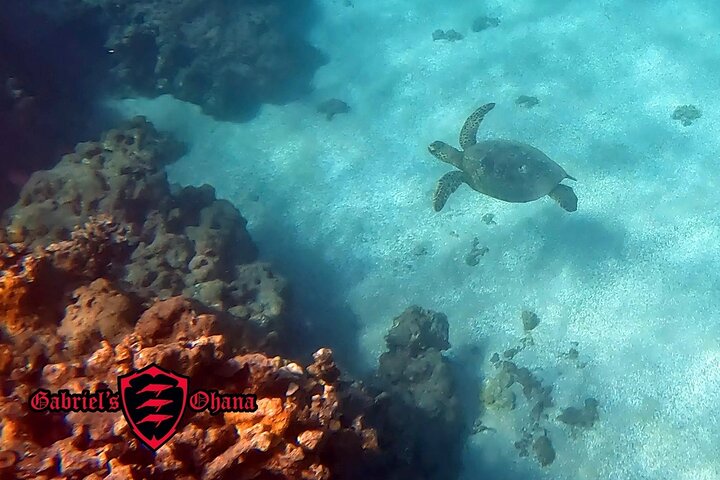
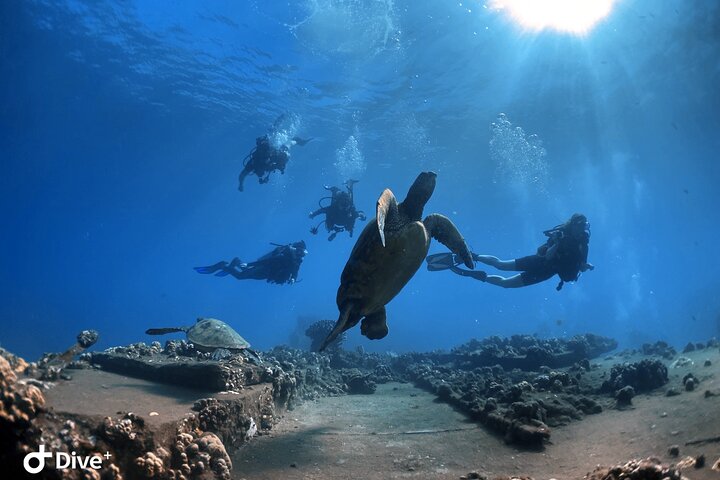
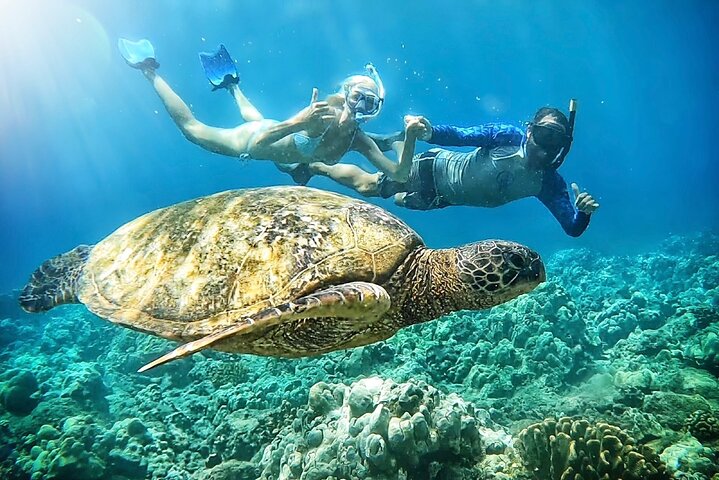
The better snorkel, and our favorite beginner bay in West Maui when it is calm.
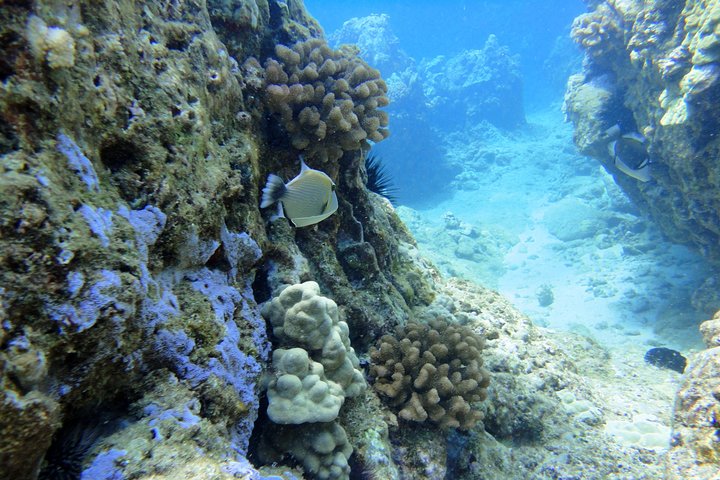
A protected crescent with a sandy entry in the middle and reef along both rocky sides. You do not need to swim far, which is what makes it work for a first-timer.
Public shoreline parking is small and fills early. Current official sources do not provide a dependable stall count, which is another reason to make this an early-morning stop.
No lifeguard. Calm conditions still matter, because the bay opens to the ocean.
Oneloa Beach (Ironwoods)
Where to go when both bays are full. Wide, open and usually much quieter than either.
The coastal trail runs along the bluff above it, so this is the beach that pairs naturally with the walk. It is more exposed than the bays and the shorebreak can be stronger — think of it as a beach for space and scenery rather than an easy swim.
D.T. Fleming Beach Park
Big, well equipped and one of only two lifeguarded beaches in West Maui.
Lifeguard hours are 8 a.m. to 4:45 p.m. daily. It is also the most exposed beach on this page — shorebreak can be powerful when north swell is running, and the tower does not change that.
Come for the beach and the scale, then decide about swimming once you have looked at the water.
Walk the Coast
The Kapalua Coastal Trail is the best short walk in West Maui, and it is the thing most people staying here never do.
- Best time — early morning or near sunset
- Footwear — closed shoes, not flip-flops
- Pairs with — Oneloa or Kapalua Bay
Kapalua Coastal Trail
Easy in the sense that it is flat, not in the sense that it is smooth.
The trail follows the coastline past bays, lava and open ocean. Parts of it are rougher underfoot than they look from a distance, which is the whole argument for sneakers.
Go early or late. There is very little shade and it is a considerably less pleasant walk at one in the afternoon.
Makāluapuna Point (Dragon's Teeth)
A short walk to the strangest coastline on this side of the island.
Jagged lava formations shaped by years of wind and ocean sit out on the point, reachable on a brief walk from the public-access area.
The neighboring Honokahua burial grounds are culturally significant. Stay on the marked route, stay off the golf course, and treat the whole point as somewhere you are a guest.
Farther North
Past Kapalua the development stops, the road narrows and the coast gets dramatic. Give it a half-day rather than an hour.
Honolua Bay
One of Maui's best reefs when it is flat, and completely the wrong place when it is not.
Honolua–Mokulēʻia Bay is a 45-acre Marine Life Conservation District established in 1978. DLNR lists no facilities, says parking is only alongside the highway, and advises that the waters should be avoided during winter months when high surf is common.
Taking or injuring marine life is prohibited, as is taking or altering sand, coral or other geological features.
In summer, on a calm morning, this is a remarkable snorkel. In winter it is a surf break. If surfers are out, it is not a snorkeling day — and it is still a fine place to stand on the bluff and watch.
There is no honest calendar cutoff for Honolua. We stop recommending the water when the swell forecast turns north, whitewater shows inside the bay or surfers are in the lineup. DLNR's broader rule is simpler: avoid the water in winter, when high surf is common.
Nākālele Point
Worth the drive for the coastline. Treat the ocean seriously.
The blowhole performs when swell and tide line up, but the route crosses exposed lava and this is not a developed attraction with railings and staff.
Stay well back from the blowhole opening and the ocean edge, watch your footing, and do not move closer just because somebody else has. If waves are washing across the rock, watch from further up.
Afternoons and Evenings
Kapalua's resort infrastructure means the second half of the day can happen without another drive.
- Golf — on site
- Spa — on site
- Dinner — resort dining, and it books up
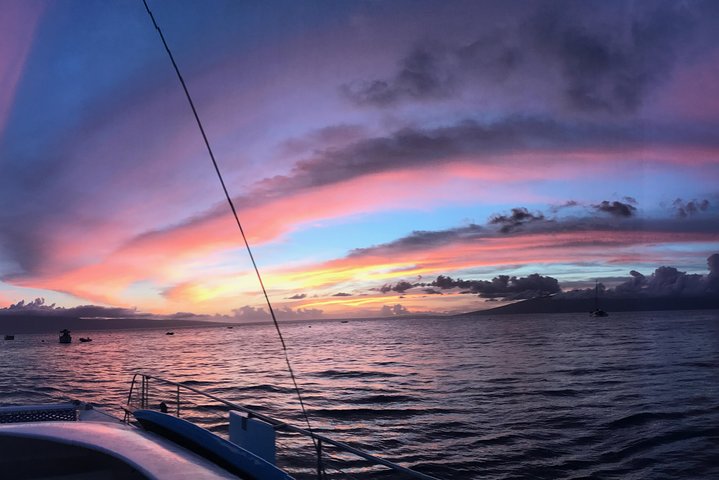
- Sunset — wherever you already are
Book dinner before you arrive. The Kapalua restaurants open their reservation books well ahead — check the specific restaurant's own booking window rather than assuming you can walk in.
Kapalua Resort hosts the Kapalua Wine & Food Festival each June, and The Ritz-Carlton Maui, Kapalua hosts Celebration of the Arts, an annual Hawaiian arts and culture festival, next on 25 to 26 September 2027.
That is the rhythm this end of the coast rewards: one thing in the morning, one walk, and an evening you did not have to organize.
Practical Tips
- Go early for both bays. Nāpili and Kapalua fill long before the water changes.
- Wear closed shoes on the coastal trail and around any lava, including Dragon's Teeth and Nākālele.
- Walk early or near sunset. There is very little shade on the trail.
- Stay on the marked route at Makāluapuna Point and away from the Honokahua burial grounds.
- Check north swell before driving to Honolua. DLNR advises avoiding the water in winter, when high surf is common.
- Do not expect facilities at Honolua. There are none, and parking is highway shoulder only.
- Stay well back at Nākālele. Exposed lava, no railings, no staff.
- Book Kapalua dinner ahead, and check that restaurant's own reservation window.
- Expect more cloud and wind than Kāʻanapali. That is why this end is green.
One Last Tip
The point of Nāpili and Kapalua is that less happens here.
Take one bay in the morning, walk a piece of the coast, eat somewhere slow, and let the afternoon go.
If you find yourself building an itinerary for this end of the coast, you have accidentally turned it back into Kāʻanapali.




Frequently Asked Questions
Can I do Nāpili and Kapalua in the same day?
Easily — they are about five minutes apart, which is why we treat them as one day. A typical shape is a morning at one of the bays, a piece of the Kapalua Coastal Trail before it gets hot, a long lunch, and either an afternoon doing nothing or the drive north. Fitting more than two real things into the day misses the point of this end of the coast.
Nāpili Bay or Kapalua Bay?
Kapalua for snorkeling — a protected crescent with a sandy entry and reef along both rocky sides, and our favorite beginner bay in West Maui when it is calm. Nāpili for a plain beach morning, with swimming in the middle, reef around the rocky edges and a genuinely relaxed area around it. Neither has a lifeguard and both fill early.
Is the Kapalua Coastal Trail hard?
It is flat, but it is not smooth. The trail follows the coastline past bays and lava, and parts are rougher underfoot than they look, so sneakers beat flip-flops. There is very little shade, which makes early morning or near sunset the right times to walk it.
Is Honolua Bay worth driving to?
In summer on a calm morning, absolutely — it is a 45-acre Marine Life Conservation District established in 1978 and one of the best reefs on Maui. But DLNR lists no facilities, says parking is only alongside the highway, and advises avoiding the waters in winter when high surf is common. If surfers are out, it is not a snorkeling day.
What should I know before walking out to Dragon's Teeth?
Before walking out to Dragon's Teeth, know that you are a guest. The jagged lava formations at Makāluapuna Point are a short walk from the public-access area, and the neighboring Honokahua burial grounds are culturally significant. Stay on the marked route, stay off the golf course, and wear closed shoes — the lava is not forgiving.
Is there a lifeguard at this end of West Maui?
D.T. Fleming Beach Park is the one lifeguarded beach at this end of West Maui, staffed 8 a.m. to 4:45 p.m. daily. It is also the most exposed beach here, with shorebreak that can be powerful when north swell is running, so the tower is not an all-clear. Nāpili Bay, Kapalua Bay, Oneloa and Honolua are all unguarded.