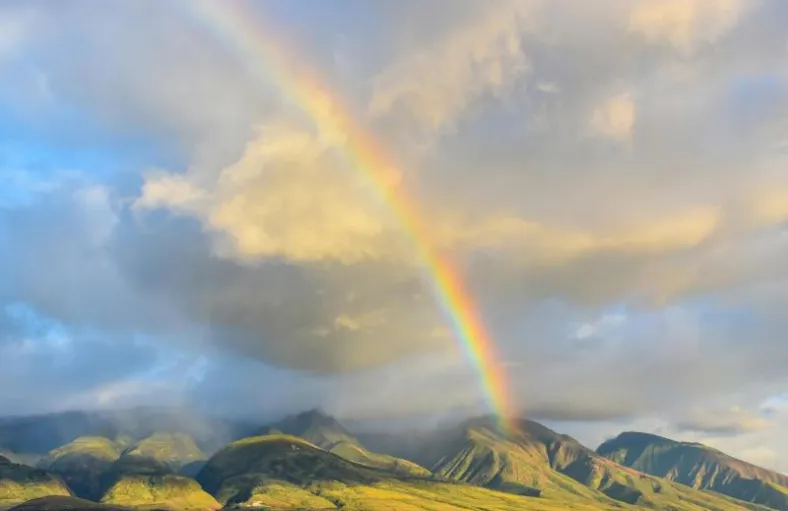
Best Things to Do in Kāʻanapali

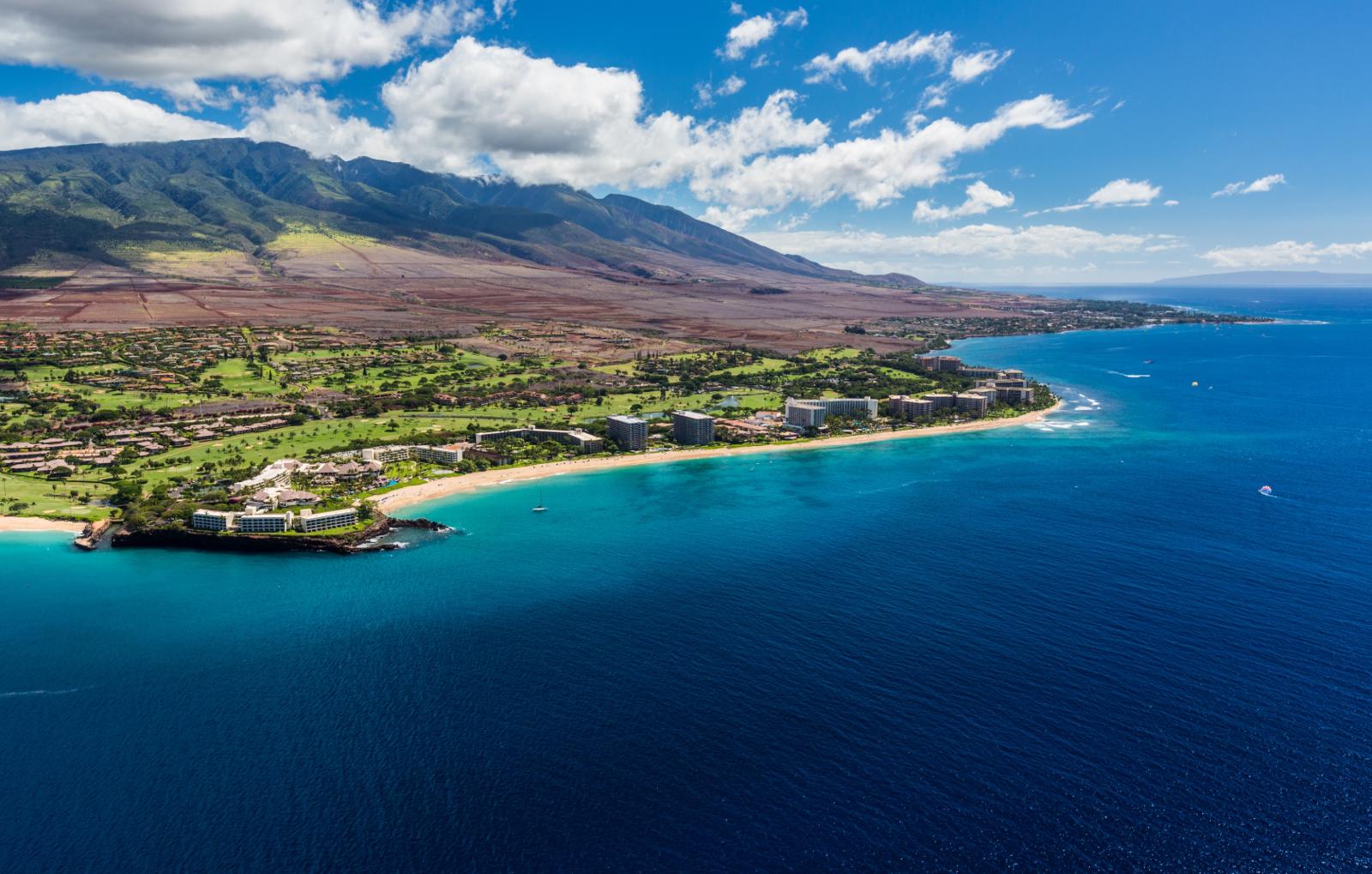
At a Glance
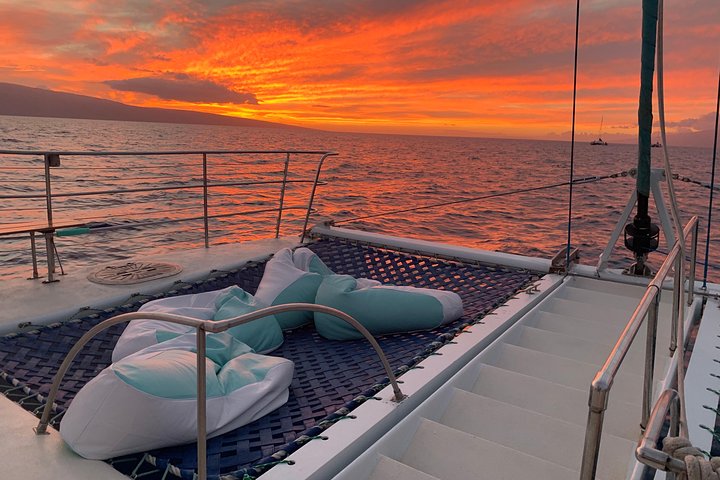
Our pick: Maui: Original Sunset Cruise with Open Bar from Ka’anapali Beach
Best for couples and groups who want a lively Kāʻanapali sunset sail with open bar and heavy pupus.
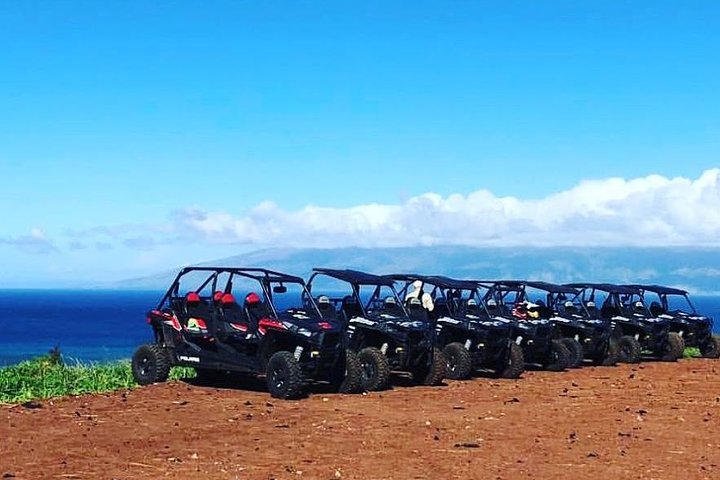
Our pick: Maui: Lahaina ATV Adventure
Best for families and first-time UTV drivers who want a 2-hour small-group ride in 4-seat Can-Am Sport Max 1000s.
The Car-Free Day
If you are staying on this beach, the best version of Kāʻanapali is the one where the car does not move.
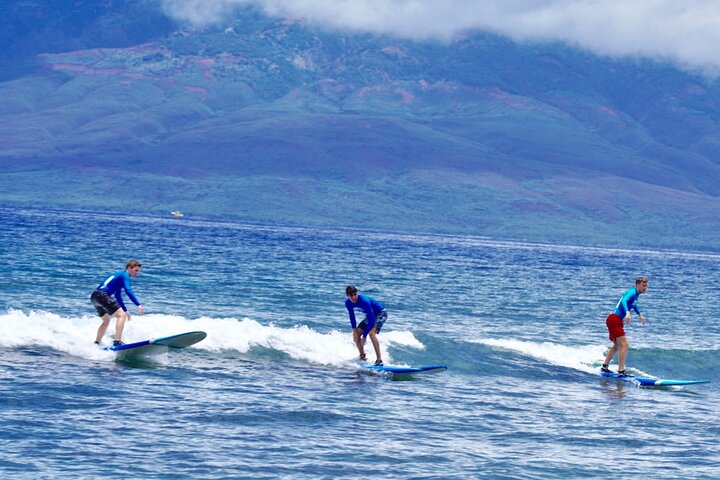
- Morning — water, before the wind
- Midday — the beachwalk and lunch
- Afternoon — pool, shade, nothing
- Evening — sunset and the cliff-diving ceremony
- One paid anchor — a whale watch in season, a sail otherwise
Where: the Kāʻanapali resort coastline north of Lāhainā, from Hanakaʻōʻō through the main beach and Black Rock to Kahekili.
Everything above is walkable from most of the beachfront properties. That is the actual attraction here — not any single thing on the list, but the fact that you can string them together without logistics.
Save the driving days for the northwest coast, Kapalua and Honolua. Trying to do both from a Kāʻanapali base every day is how people end up tired and underwhelmed.
Morning: Get in the Water
Kāʻanapali's water is best early, and it is not close. Afternoon trades add chop and take the visibility with them.
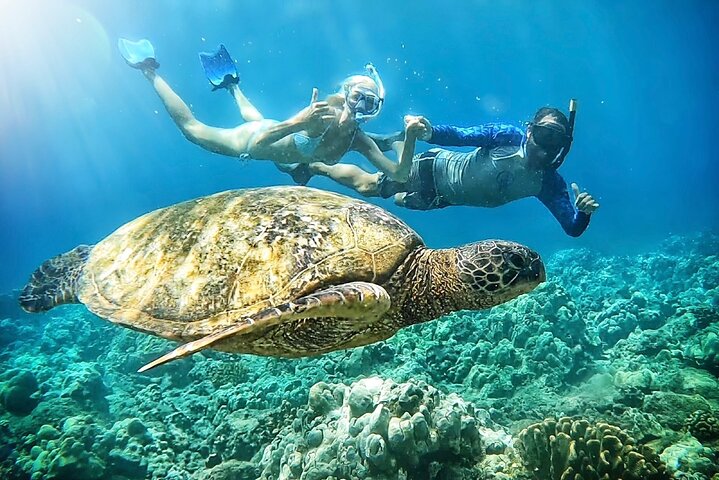
- Most convenient snorkel — Puʻu Kekaʻa (Black Rock)
- Better snorkel — Kahekili (airport beach)
- Lifeguarded option — Hanakaʻōʻō Beach Park
Puʻu Kekaʻa (Black Rock)
The convenient one, and the one to snorkel because you are already here rather than because it is the best.
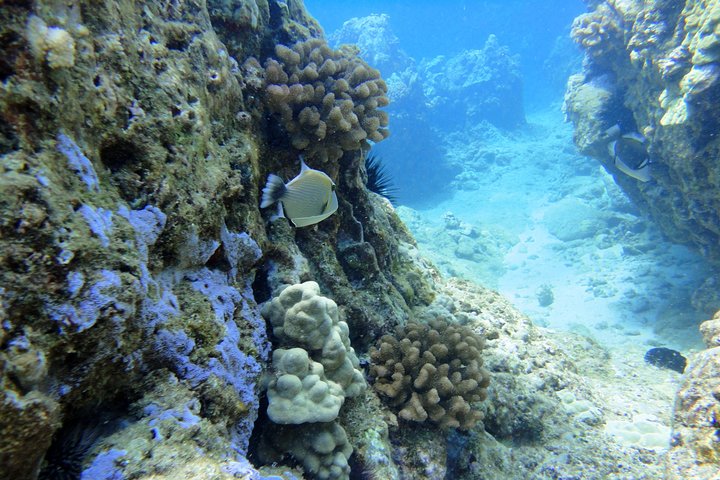
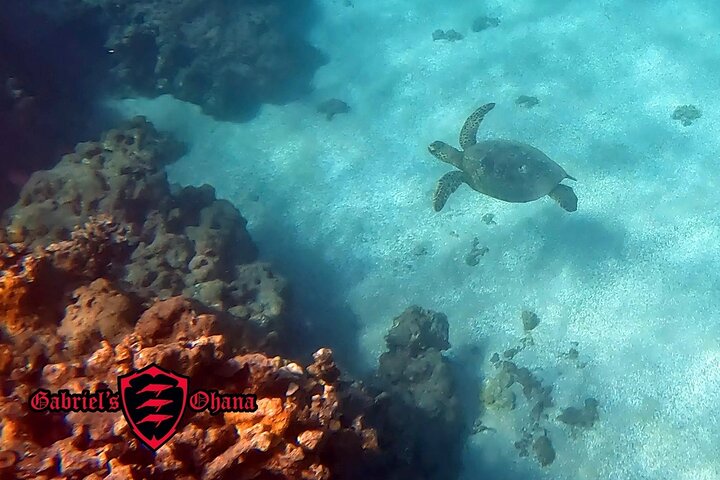
The lava point at the north end of the main resort beach holds reef and plenty of fish, and you can walk to it from many of the hotels with a mask in your hand.
It is also culturally significant — this is the site of the nightly cliff-diving ceremony — and it gets busy. Swimmers, snorkelers and jumpers share the same small area, and current can move around the point when swell is present.
Stay on the protected side, give the base of the rock room, and do not crowd the entry. There is no lifeguard on this stretch.
Kahekili (airport beach)
Five minutes north, and a genuinely better snorkel. The one time we would move the car in the morning.
Reef starts close to shore and runs along a long stretch of sand, so you get more to look at with less swimming and far fewer people around you. It is a proper beach park, which makes a full morning easy.
No lifeguard. Work parallel to the shore rather than heading offshore, and go early.
Hanakaʻōʻō Beach Park
The lifeguarded beach at the south end — useful if you are not staying on the sand.
Open 7 a.m. to 8 p.m. with a lifeguard, a 33-space paved lot, a 20-space gravel lot by the canoe pavilions, additional gravel parking, public restrooms and two outdoor showers. Lifeguard coverage runs 8 a.m. to 4:45 p.m.
There is no lifeguard tower on the main resort stretch itself, which is the reason to know this beach exists.
Midday: The Beachwalk
The paved path along the resort coast is the reason a Kāʻanapali day holds together.
- Best for — getting to lunch without the car
- Best time — early morning or late afternoon
- Not — a hike, and not trying to be
Kāʻanapali Beachwalk
The spine of the whole day. Flat, paved and lined with beach access, restaurants and shops.
Walk it in the morning before the sun is high, or use it as transport between the beach, lunch and the pool. It is one of the easiest strolls on Maui and it is what makes a car-free day possible.
Whalers Village
Convenient infrastructure, not a destination. Lunch, shade, a bathroom and shops, right on the path.
Treat it as the thing that lets you stay on the beach all day rather than a reason to leave it. We would not spend a morning here — but a midday hour out of the sun is exactly what it is good for.
Evening: Sunset and the Ceremony
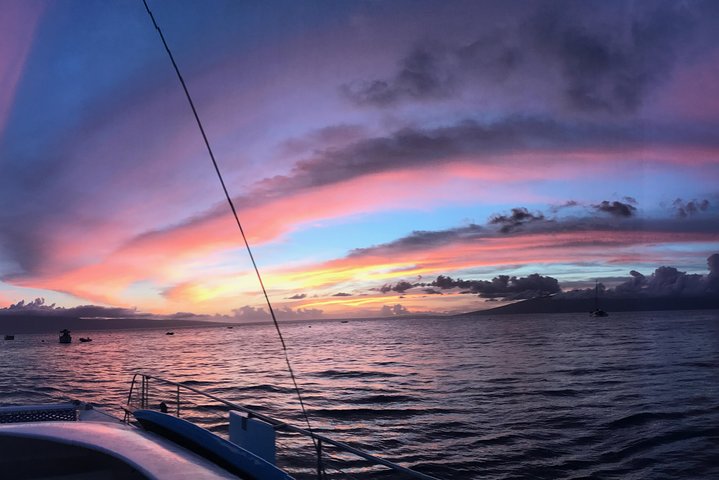
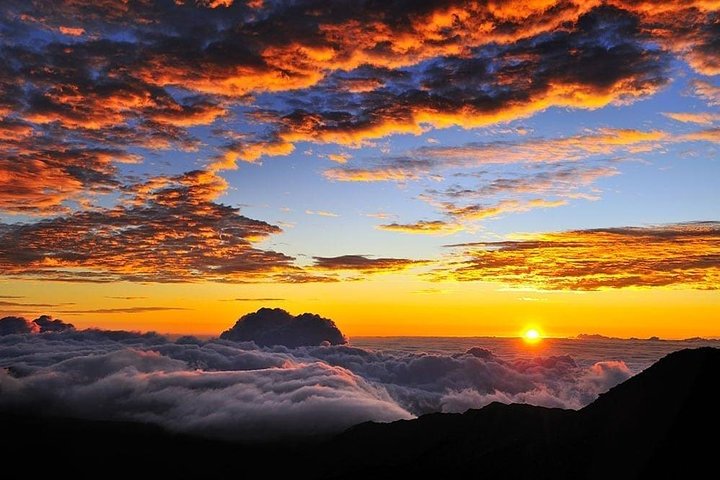
Kāʻanapali faces the right way, and it has one genuinely distinctive evening.
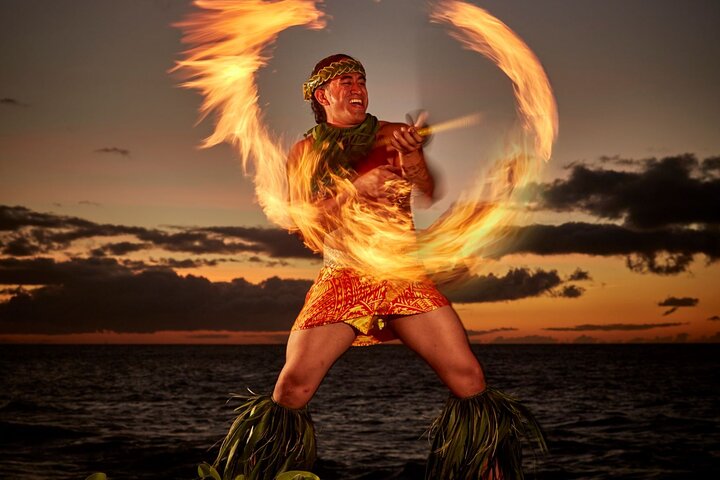
The Sheraton's nightly cliff-dive ceremony takes place at sunset, so the time shifts through the year. The resort tradition dates to 1963 and honors the legendary leap of Maui chief Kahekili. Verify the current timing locally on the day.
For a couples trip based here, see West Maui for Couples and Honeymoons.
It is a short ceremony and it is worth being there for properly — arrive early enough to be settled, and watch it as something that belongs to this place rather than as a photo opportunity.
Afterwards, dinner is a walk away. That is the whole argument for this coast.
One Paid Anchor
One booked thing per stay is about right here, and the season decides what it should be.
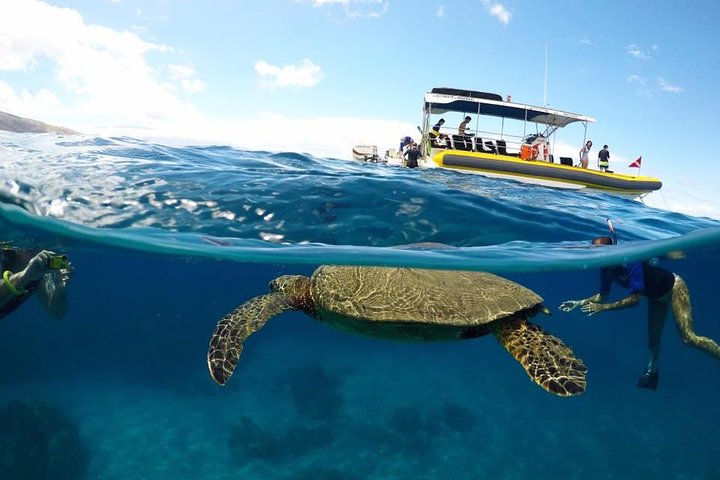
- November to April — a whale watch
- Peak — January through March
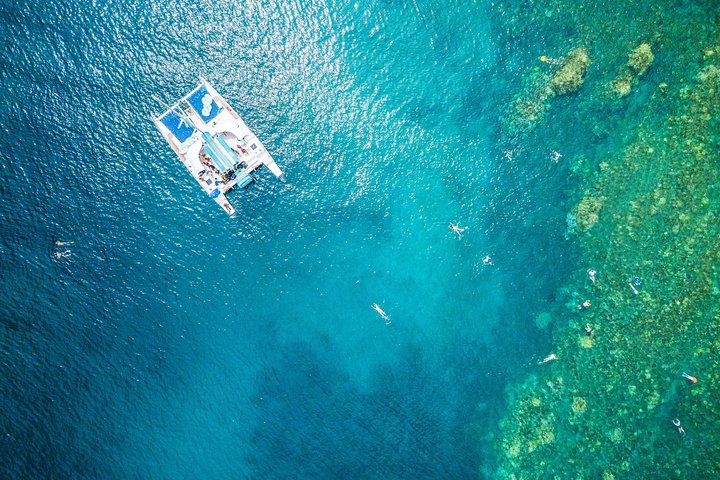
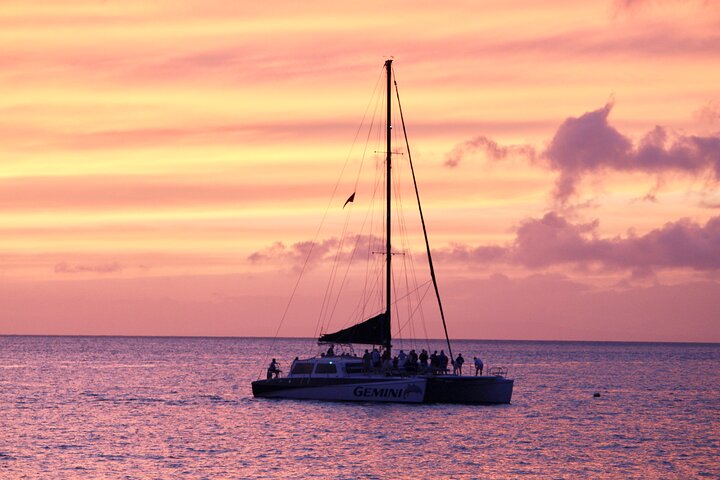
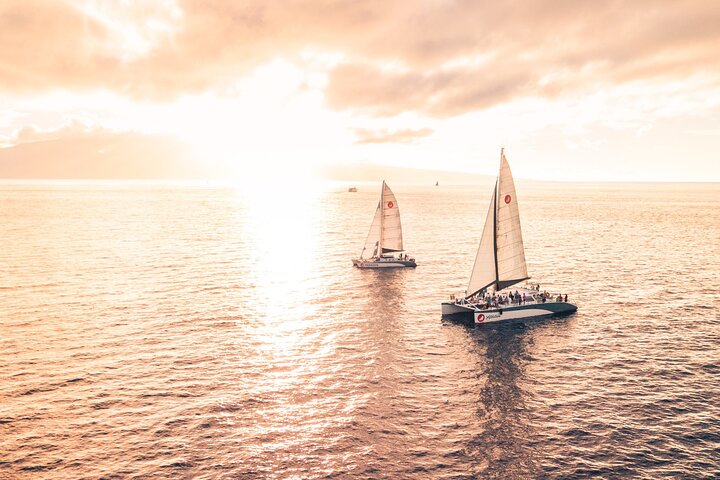
- Any time of year — a sunset sail
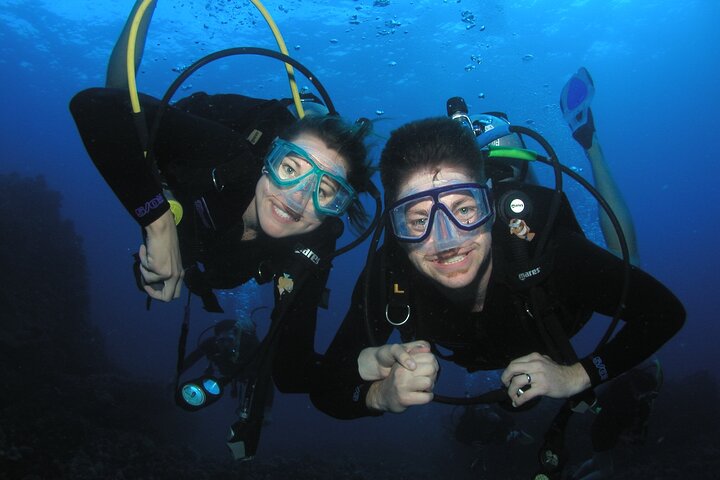
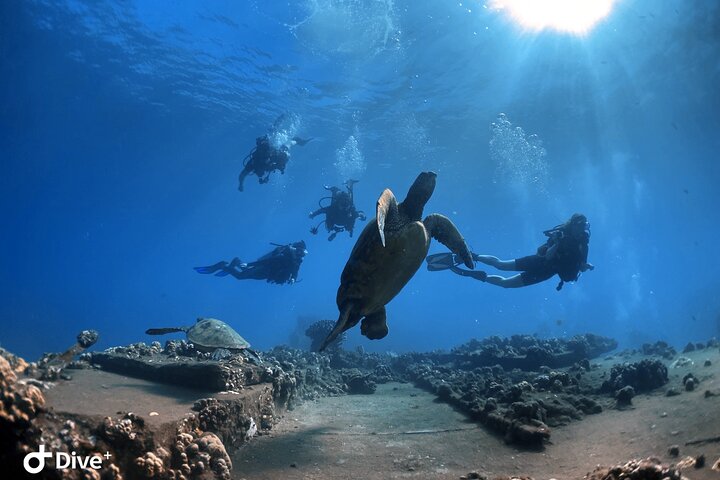
- If snorkeling matters more — a snorkel boat
Humpbacks are generally around Hawaiʻi from November through April, with the peak January through March, on NOAA sanctuary figures.
Boats leave from West Maui harbors and get you back in time for the rest of a normal day, which is why they pair so well with a base here. In whale season, this is the one we would book first.
Lāhainā from Kāʻanapali
Lāhainā is a few minutes south and it is reopening in stages. Go thoughtfully or do not go.
Front Street from Pāpalaua to Shaw reopened to vehicle traffic on 1 August 2026, along with Dickenson and Prison streets. Market, Papelekane and Mokuhinia remained closed for ongoing recovery work including harbor dredging, and the County asks the public to stay off private property and out of fenced areas.
Verify that the specific restaurant or shop you are driving to is open before you leave. The situation keeps changing, and an outdated listing is the most common way visitors end up somewhere they should not be.
Park only in a signed public lot or in parking designated by the open business you are visiting. Do not use empty parcels, private property or fenced areas as informal parking, and follow temporary signs even when they conflict with an older map.
Practical Tips
- Snorkel before the wind. By early afternoon the chop has taken the visibility.
- Drive five minutes to Kahekili if snorkeling is the point of the morning.
- Do not crowd Black Rock. Swimmers, snorkelers and jumpers share a small area, and current moves around the point on swell.
- Remember there is no lifeguard on the main resort beach. Hanakaʻōʻō at the south end is the guarded option.
- Use the beachwalk as transport, not as a hike — it is what makes the car-free day work.
- Check the ceremony time locally on the day. It moves with sunset.
- Book the whale watch first if you are here between November and April.
- Save the northwest coast for a separate day. Do not try to do Kāʻanapali and Kapalua properly in the same one.
- Verify a Lāhainā business is open before driving down, and stay out of fenced areas.
One Last Tip
Kāʻanapali is at its best on the day you do not plan.
Get in the water early, walk to lunch, waste the afternoon, and be back on the sand before the sun goes down.
Everything else on this coast will still be there tomorrow, and you will enjoy it more having had a day like that first.






Frequently Asked Questions
Can I spend a whole day in Kāʻanapali without a car?
Yes, and that is the strongest argument for staying here. The beach, the paved beachwalk, restaurants, shops at Whalers Village, the pool and the sunset ceremony at Puʻu Kekaʻa are all reachable on foot from most beachfront properties. Save the car for a separate day on the northwest coast.
Is Black Rock the best snorkel in Kāʻanapali?
It is the most convenient, not the best. The reef around the lava point holds plenty of fish and you can walk there with a mask in hand, but it gets busy with swimmers, snorkelers and cliff jumpers, and current can move around the point when swell is present. Kahekili, five minutes north, has reef closer to shore along a much longer beach with far fewer people.
Is there a lifeguard on Kāʻanapali Beach?
There is no lifeguard on the main resort stretch of Kāʻanapali Beach. The lifeguarded beach at this end of the coast is Hanakaʻōʻō Beach Park (Canoe Beach) at the southern end, staffed 8 a.m. to 4:45 p.m. daily, with a paved lot, gravel parking, restrooms and two outdoor showers. Pay attention to posted warnings along the resort beach, because nobody is watching the water for you.
What time is the cliff-diving ceremony at Black Rock?
It is tied to sunset, so the time moves through the year. Verify the current time locally on the day rather than relying on a figure published in advance, arrive early enough to be settled, and treat it as a ceremony that belongs to this place rather than a photo stop.
What is the one thing worth booking from Kāʻanapali?
The one thing worth booking from Kāʻanapali is something on the water. Between November and April that is a whale watch — humpbacks are generally around Hawaiʻi through that window with a January-to-March peak, on NOAA sanctuary figures. Outside the season, a sunset sail. Boats leave from West Maui harbors and get you back for a normal evening, which is why they suit a base here.
Can I visit Lāhainā from Kāʻanapali right now?
You can visit parts of Lāhainā from Kāʻanapali right now, carefully. Front Street from Pāpalaua to Shaw reopened to vehicle traffic on 1 August 2026, along with Dickenson and Prison streets, while Market, Papelekane and Mokuhinia remained closed for ongoing recovery work. Verify that the specific business you are heading to is open before you drive down, stay off private property and keep out of fenced areas.