Where to See Turtles in South Maui

At a Glance
Most popular on Maui
 Central Maui
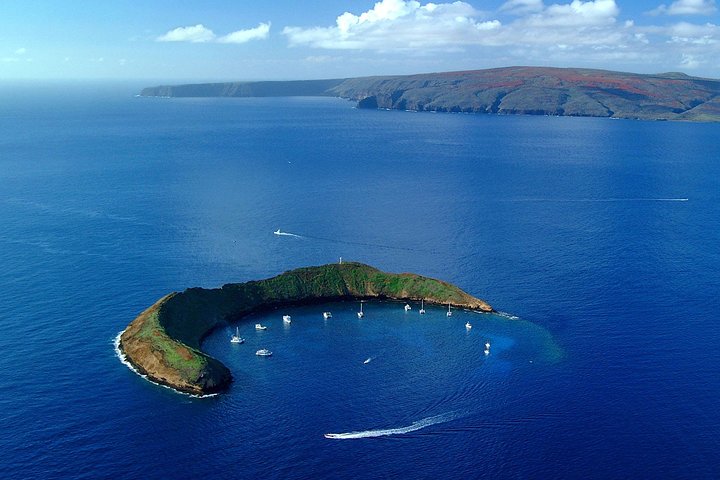
Maui Snorkeling Adventure to Molokini and Turtle Town
Visit Maui's famous snorkeling and diving destinations Molokini Crater and Turtle Town on a snorkeling catamaran, with visibility of 100 feet or more.
 South Maui
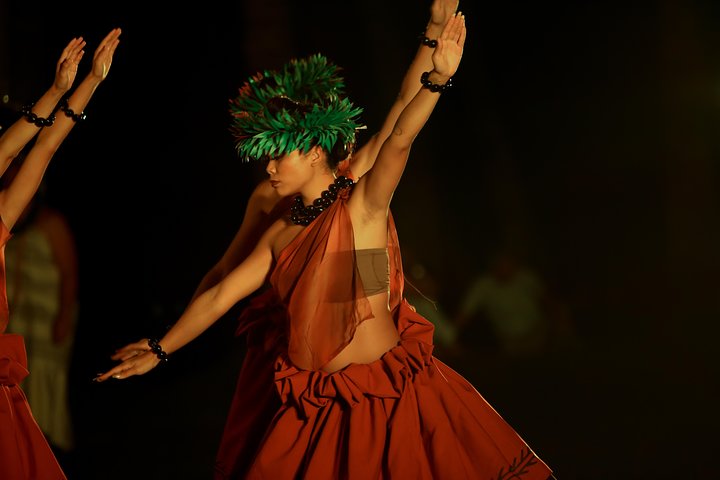
Feast at Mokapu Luau in Wailea
Discover Hawai'i's most authentic luxury luau at Andaz Maui at Wailea Resort — a curated cultural evening with a three-course plated dinner on Mokapu beach.
 South Maui
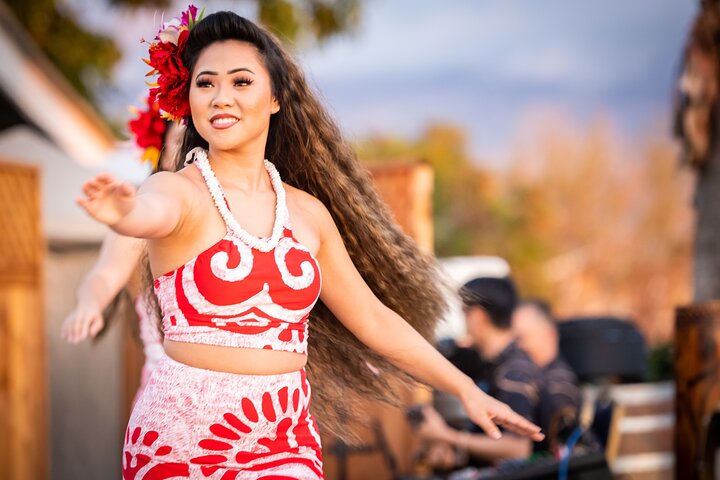
Gilligans' Island Luau in Kihei
An intimate luau experience and the only luau in Kihei — less than a quarter the size of the average Maui luau, so every seat has a great view of the show.
 Road to Hāna
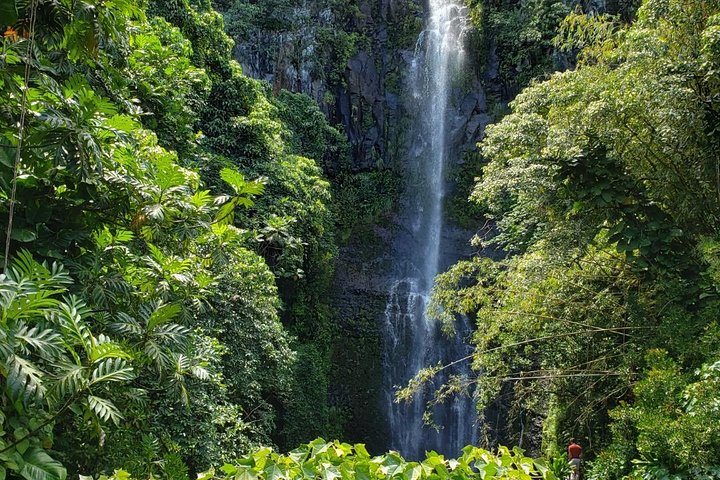
Small-Group Road to Hana Adventure Tour with Pickup & Lunch
Watch the waterfalls, black-sand beaches and rainforest go by without anyone in your group behind the wheel.
 Upcountry
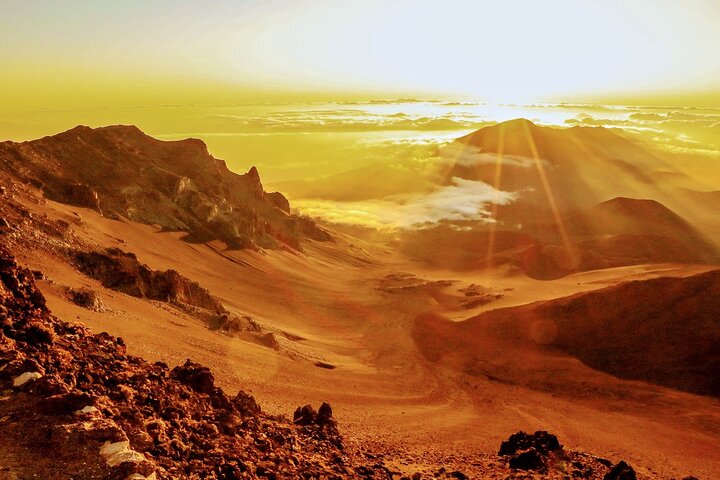
Majestic Haleakalā Sunrise Tour with Pick-up
Ride to the summit for sunrise above the clouds, then unwind over a hot breakfast on the way back down.
 West Maui
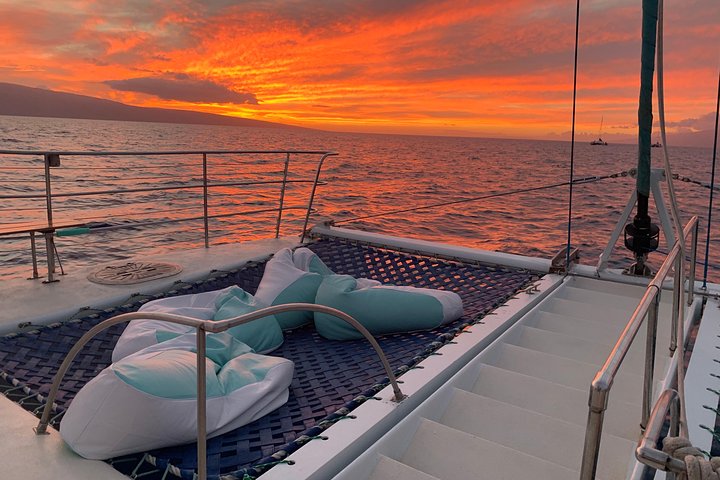
Original Sunset Cruise with Open Bar from Kaʻanapali
Sip an unlimited open bar while the sun drops behind Lānaʻi, with pupus and live music twice a week.
 Central Maui
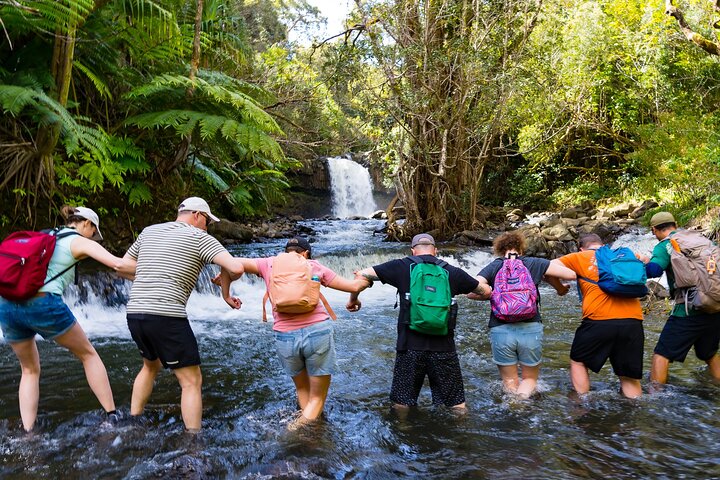
Small Group Waterfall and Rainforest Hiking Adventure
A guided rainforest hike to East Maui waterfalls, with time to swim beneath the falls and a trail lunch included.
 South Maui
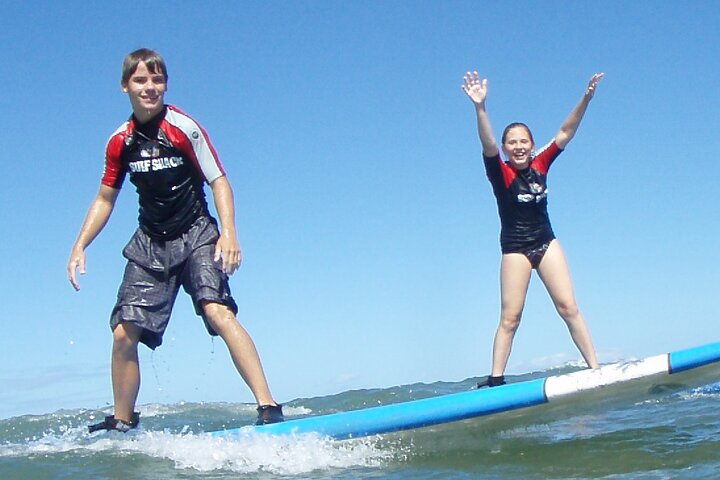
Two Hour Beginner Group Surf Lesson in Kihei
A two-hour beginner lesson in calm South Maui water — board, gear and instruction all included.
 Upcountry
Maui Pineapple Farm Tour in Haliimaile
Tour a working pineapple farm and packing house upcountry, with tastings and a fresh pineapple to take home.
What “Turtle Town” Actually Means
Turtle Town is a nickname for a stretch of reef, not one marked attraction or one exact pin on a map.
- Best shore base — Maluaka
- Best launch / alternate entry — Mākena Landing
- Broader zone — the reefed Mākena coastline between Mākena Landing and the southern end of Maluaka
Where: the Mākena coastline immediately south of Wailea.
Boat crews and visitors use “Turtle Town” for the reef areas along this stretch where honu are regularly encountered. Different boats may stop at different reefs depending on wind, swell and visibility, and that is normal.
The useful way to think about it is simple: Mākena Landing and Maluaka are the two shore reference points, and the reef between them is the broader Turtle Town zone.
Maluaka
Our favorite South Maui place to combine a real beach day with turtle snorkeling.
Maluaka gives you a beautiful beach, a straightforward sandy entry and reef access along the broader Turtle Town coastline. When conditions are calm, it is one of the easier places for weaker or less-confident swimmers to look for honu without committing to a long offshore swim.
Parking, showers and beach facilities are available at both ends, but expect a walk from parking to the sand. The beach fronts the private Mākena Golf & Beach Club, but the beach itself is public. There is no lifeguard.
Go early, snorkel slowly and let the reef be the experience. If the turtles show up, even better.
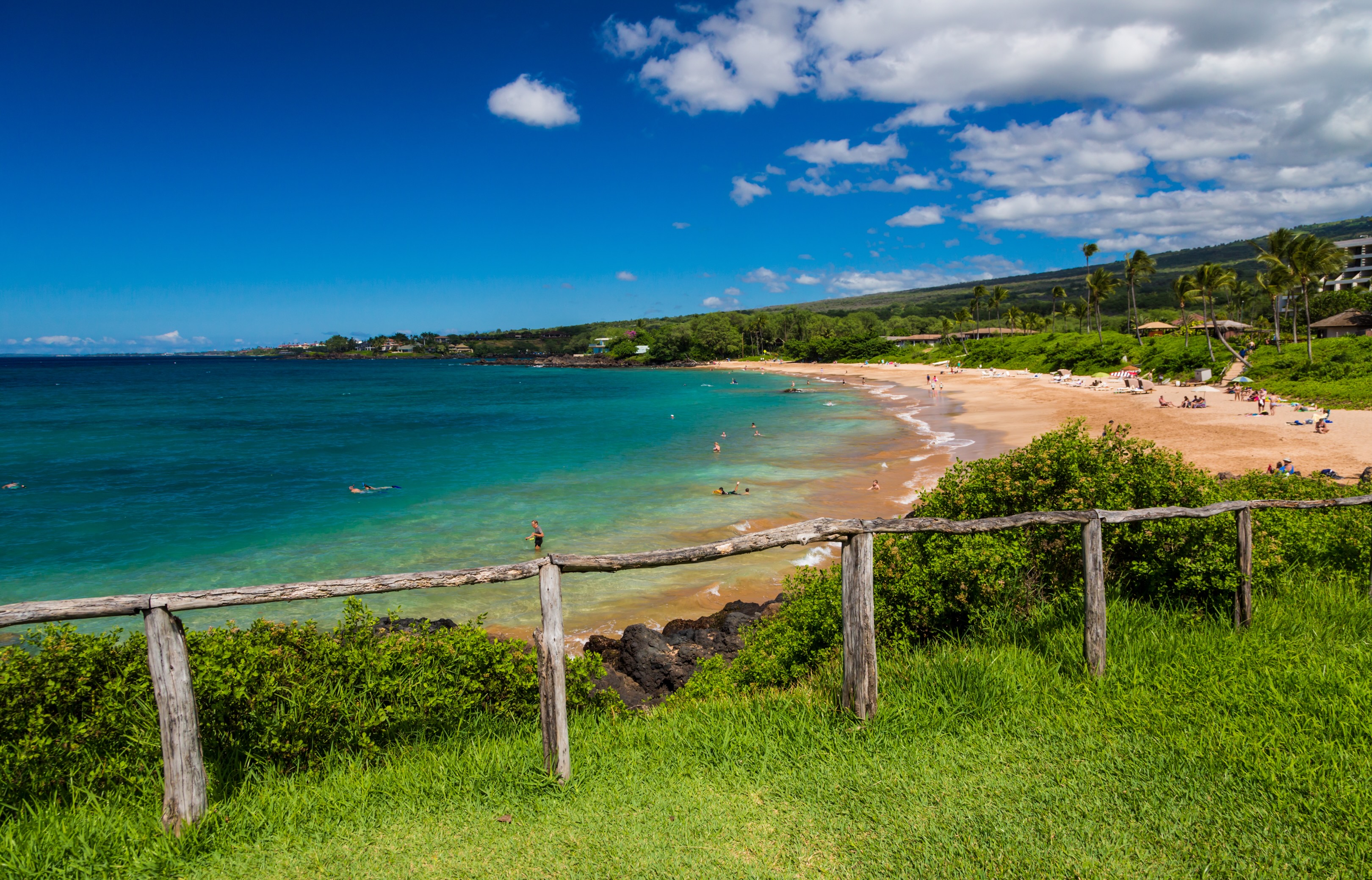
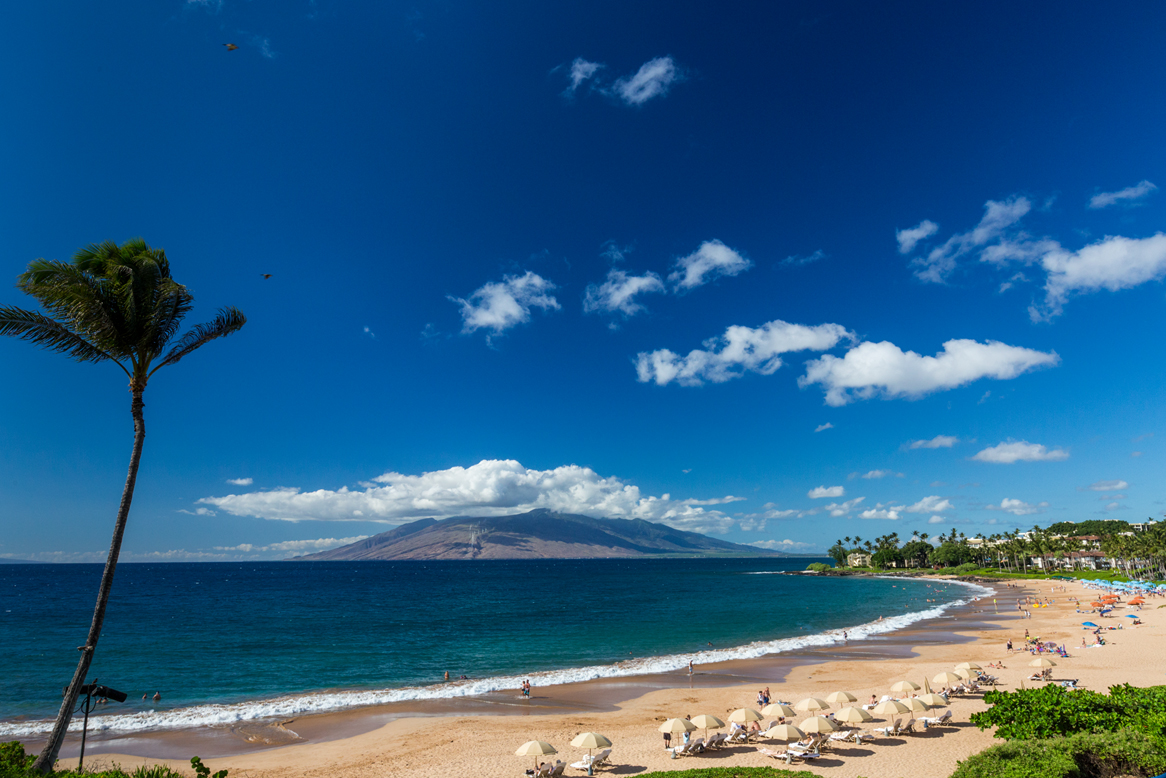
Maluaka, Mākena. Photo: Hawaii Tourism Authority (HTA)
Mākena Landing
A second Turtle Town access point — and one of our favorite places to kayak the Mākena coastline.
Mākena Landing gives you a protected bay, rocky shoreline and easy access to the same broader reef system. It is a natural starting point for kayak-and-snorkel outings and works especially well for travelers who want to explore more coastline than they would from a single beach entry.
It also has a shaded grassy area overlooking the bay with parking close by, making it one of the easiest South Maui spots to enjoy the ocean without spending the whole morning in the sand.
Ulua + Mōkapu
The easy Wailea alternative when you want simple logistics and reef close to shore.
These neighboring Wailea beaches have sandy entries, public parking, restrooms and showers, with reef close enough that you do not need a long swim. They are excellent choices when you are already staying in Wailea or when a Mākena morning feels like more effort than you want.
There is no lifeguard at Ulua or Mōkapu. Honu are possible anywhere along a healthy reef here, but go for the snorkeling first and treat the turtle as the bonus.
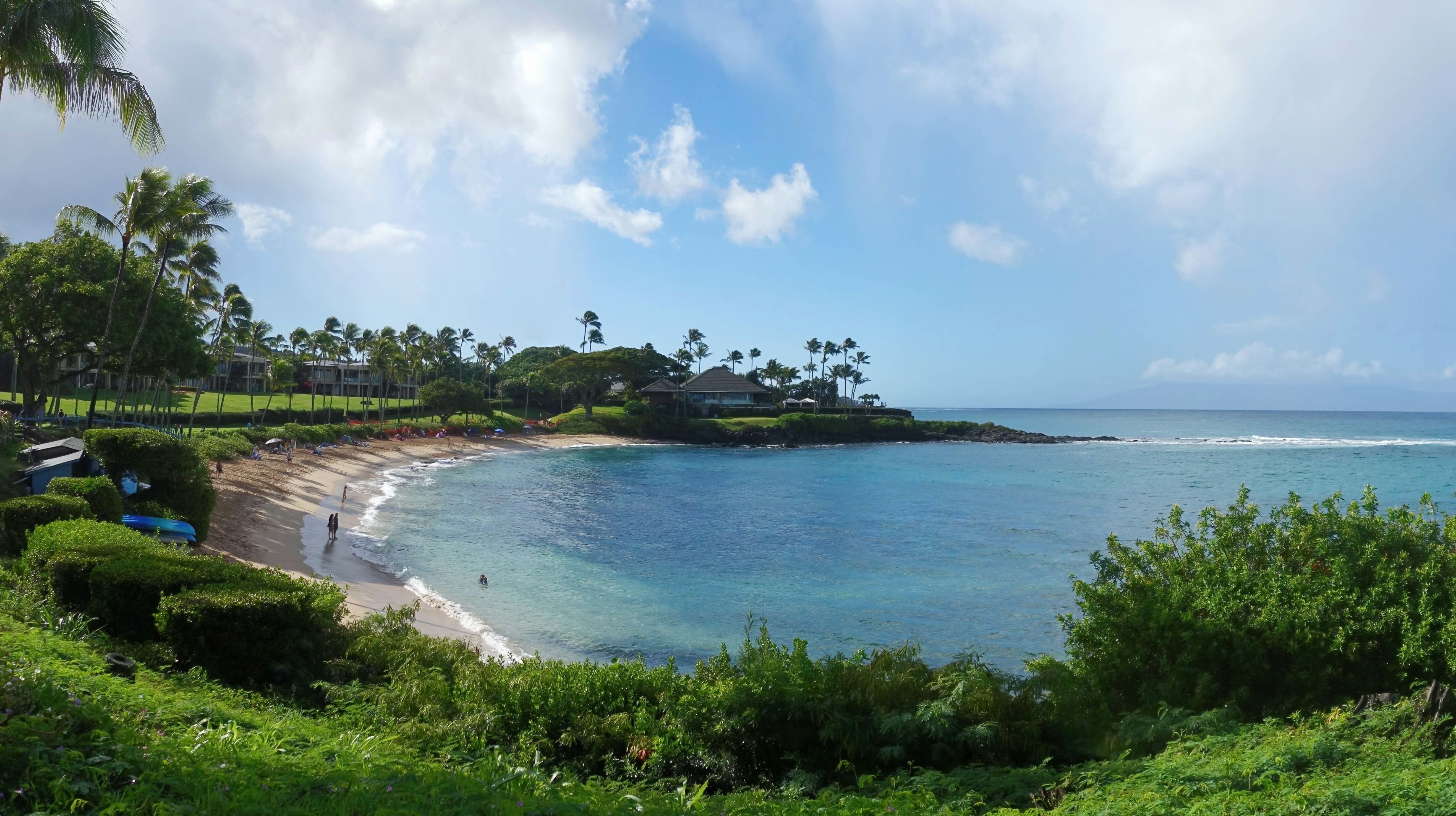
Ulua Beach, Wailea. Photo: Hawaii Tourism Authority (HTA)
Boat or Shore?
A boat buys support and site choice. Shore snorkeling buys flexibility and control over when you are done.
- Best for gear + flotation — a guided snorkel boat
- Best for flexibility — Maluaka, Mākena Landing or Ulua from shore
- Best two-stop boat morning — Molokini + Turtle Town
A boat makes sense for families or nervous swimmers who value equipment, flotation and a crew choosing the reef for the day’s conditions. It also commits you to the boat for several hours.
Shore snorkeling is cheaper and lets you stop the moment someone gets cold, tired or uncomfortable. You do not need to book a “turtle tour” simply because turtles are the goal.
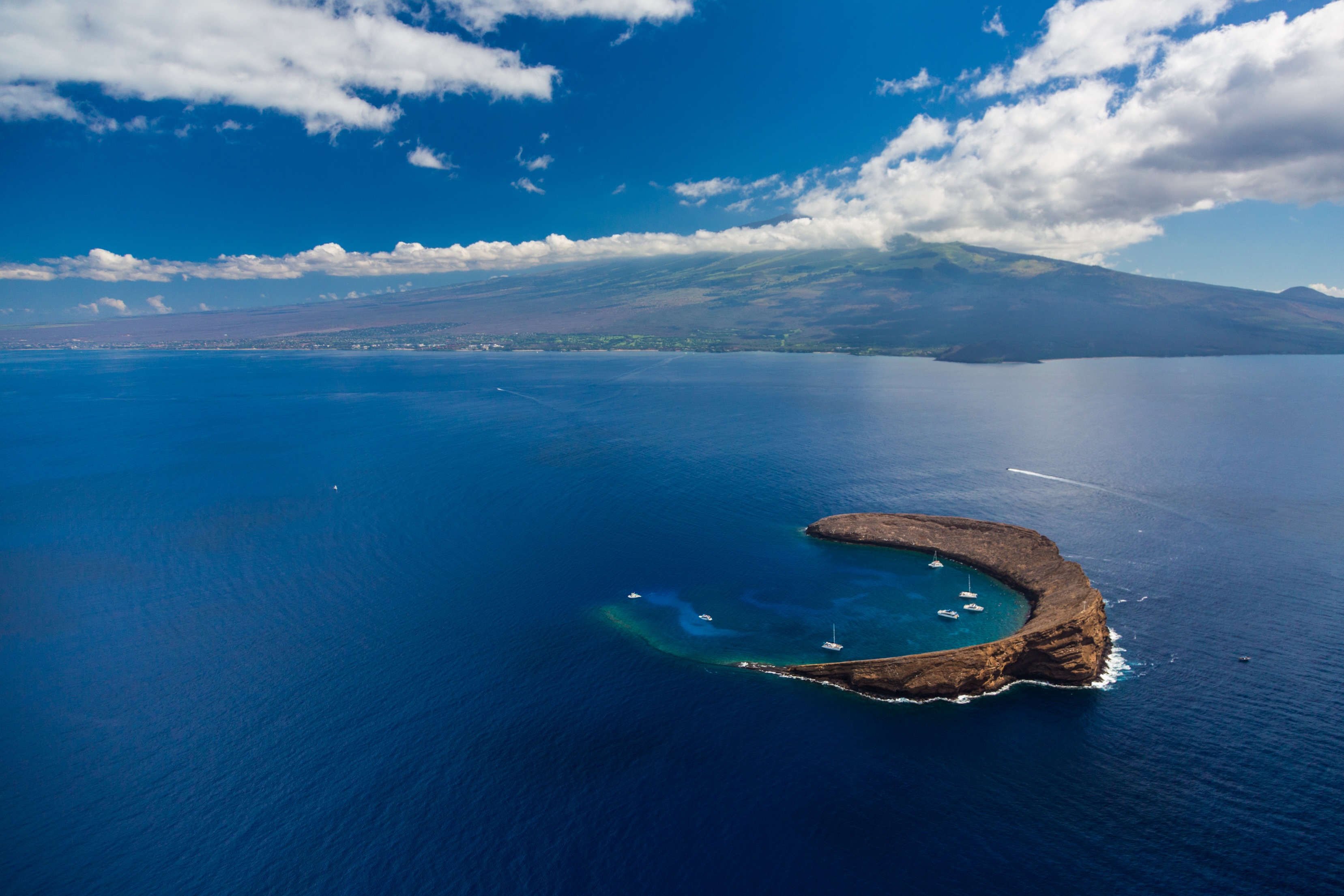
Molokini, off South Maui. Photo: Hawaii Tourism Authority (HTA)
Seeing Honu Without Swimming
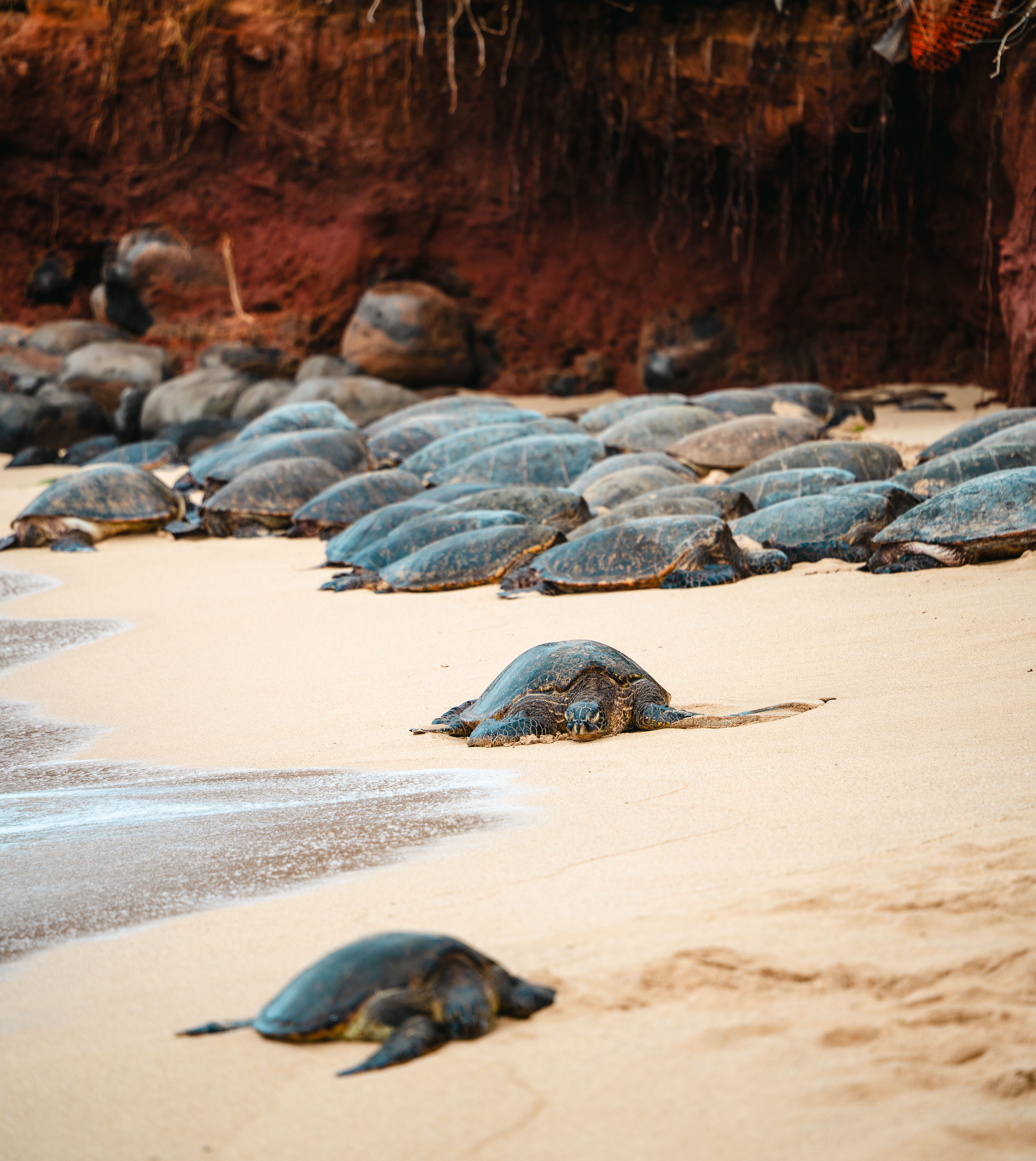
If nobody wants to snorkel, Hoʻokipa on the North Shore is the easiest place on Maui to see turtles resting from shore.
This is particularly useful for young children, nervous swimmers and anyone who wants the wildlife encounter without putting on a mask. Give resting turtles plenty of room, follow signs or volunteer guidance and never stand between a turtle and the ocean.
Give Turtles Space
The encounter you want is the one where the turtle never has to react to you.
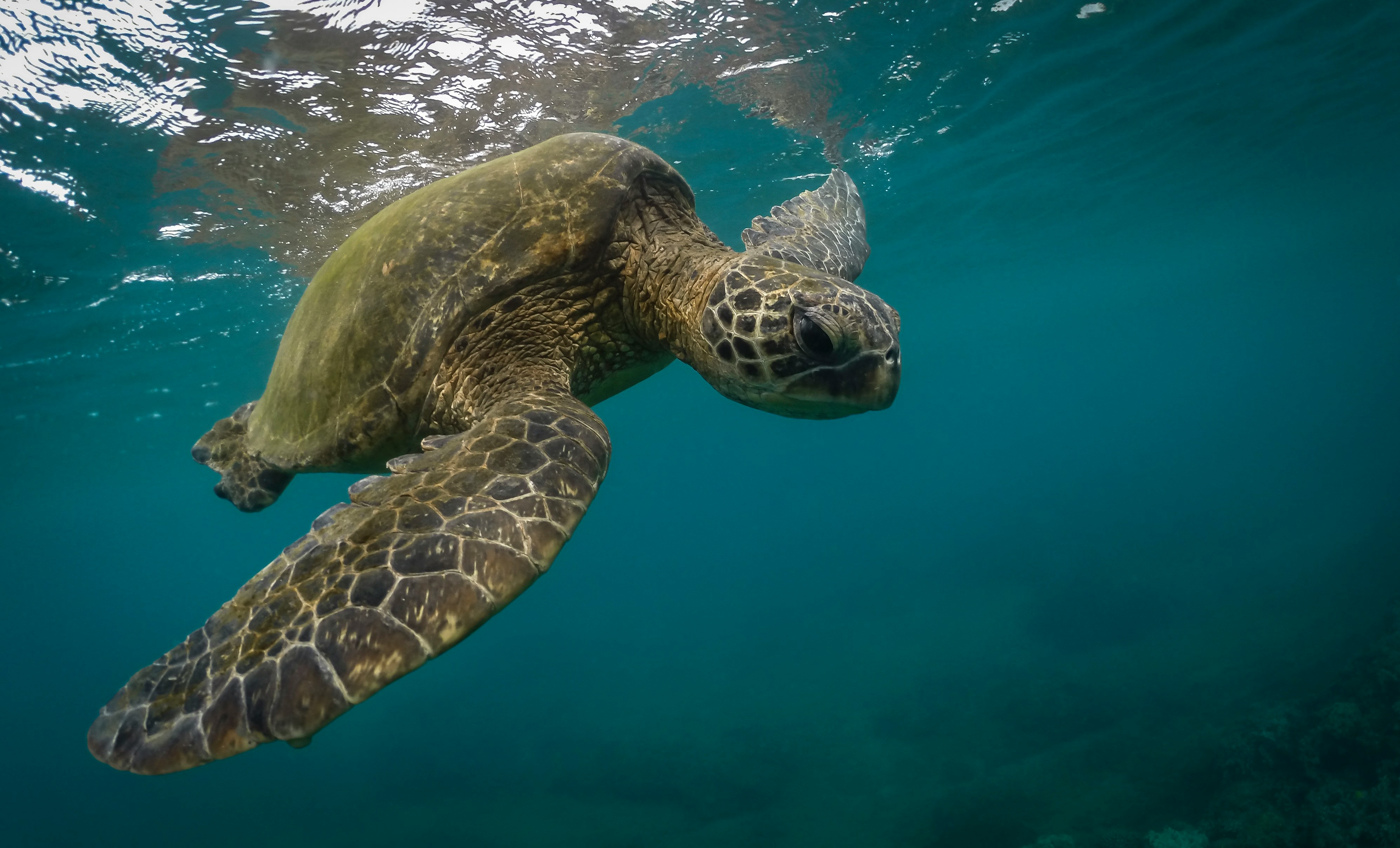
Stay at least 10 feet — about 3 metres — away from sea turtles on land and in the water. Never touch, chase, feed or surround one.
If a turtle swims toward you, stop and let it pass. If it changes direction, speeds up or has to weave around people, give it more room. Use zoom rather than moving closer for a photo.
Practical Tips
- Go early. Morning usually brings calmer water, better visibility and easier parking.
- Wildlife is never guaranteed. Build the morning around a beach you would enjoy anyway.
- Never stand on coral. Return to sand or shore if you need to rest.
- Maluaka has no lifeguard. Neither do Ulua, Mōkapu or Mākena Landing.
- Choose conditions over yesterday’s sighting. If the ocean looks wrong, try another reef or another morning.
- Let the turtle choose the distance. Ten feet is the minimum, not a target.
One Last Tip
Choose the reef first and let the turtle be the bonus.
A morning built entirely around a guaranteed sighting can fail. A morning built around Maluaka, Mākena Landing or Ulua is a good morning either way — and honu show up often enough that you may get both.
Frequently Asked Questions
What does “Turtle Town” actually mean?
It is a nickname for a stretch of reef, not one marked attraction or one exact pin on a map. Mākena Landing and Maluaka are the two shore reference points, and the reef between them is the broader Turtle Town zone. Different boats may stop at different reefs depending on wind, swell and visibility, and that is normal.
Which South Maui beach gives the best turtle odds from shore?
Maluaka is our favorite place to start: a beautiful beach, a straightforward sandy entry and reef access along the broader Turtle Town coastline. When conditions are calm it is one of the easier places for weaker or less-confident swimmers to look for honu without committing to a long offshore swim. There is no lifeguard.
Do I need a boat to snorkel with turtles?
No. You do not need to book a “turtle tour” simply because turtles are the goal. A boat buys gear, flotation and a crew choosing the reef for the day's conditions, but it also commits you to the boat for several hours; shore snorkeling is cheaper and lets you stop the moment someone gets cold, tired or uncomfortable.
Can I see honu without getting in the water?
Yes. If nobody wants to snorkel, Hoʻokipa on the North Shore is the easiest place on Maui to see turtles resting from shore. Give resting turtles plenty of room, follow signs or volunteer guidance, and never stand between a turtle and the ocean.
How much space do I have to give a turtle?
At least 10 feet — about 3 metres — on land and in the water. Never touch, chase, feed or surround one, and use zoom rather than moving closer for a photo. If a turtle changes direction, speeds up or has to weave around people, give it more room.
Are Ulua and Mōkapu a good alternative to Mākena?
Yes, when you want simple logistics and reef close to shore. These neighboring Wailea beaches have sandy entries, public parking, restrooms and showers, with reef close enough that you do not need a long swim. There is no lifeguard at either, so go for the snorkeling first and treat the turtle as the bonus.