Hoʻokipa Beach & Lookout Guide

At a Glance
Most popular on Maui
 Central Maui
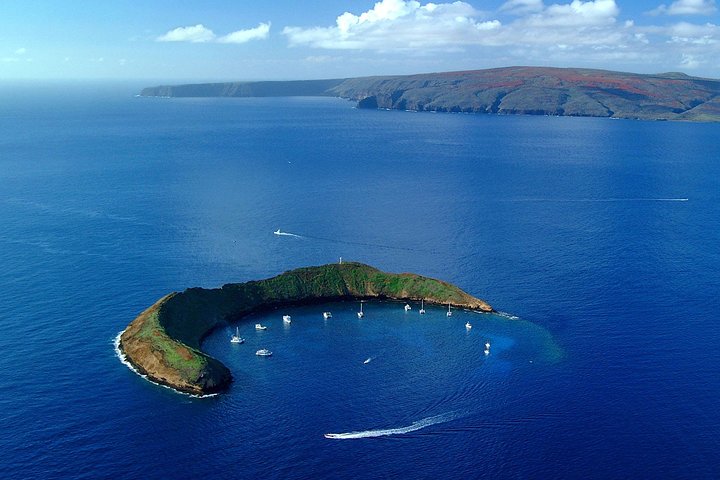
Maui Snorkeling Adventure to Molokini and Turtle Town
Visit Maui's famous snorkeling and diving destinations Molokini Crater and Turtle Town on a snorkeling catamaran, with visibility of 100 feet or more.
 South Maui
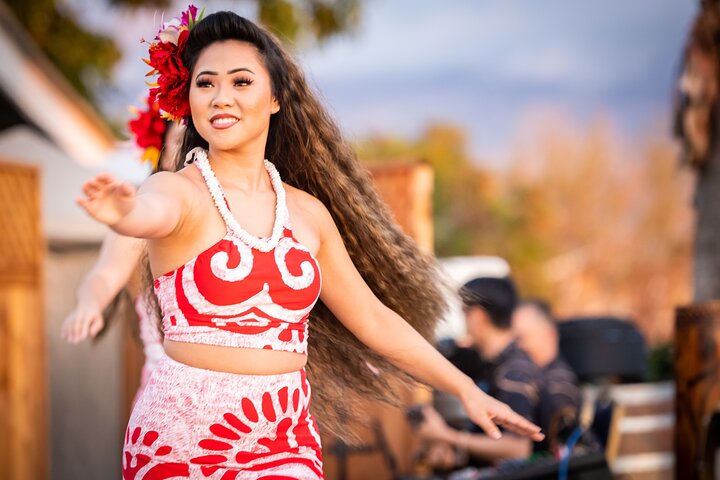
Feast at Mokapu Luau in Wailea
Discover Hawai'i's most authentic luxury luau at Andaz Maui at Wailea Resort — a curated cultural evening with a three-course plated dinner on Mokapu beach.
 South Maui
Gilligans' Island Luau in Kihei
An intimate luau experience and the only luau in Kihei — less than a quarter the size of the average Maui luau, so every seat has a great view of the show.
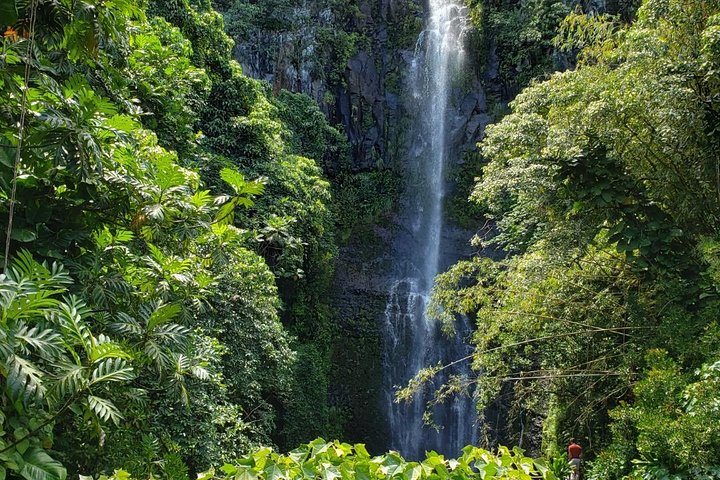 Road to Hāna
Small-Group Road to Hana Adventure Tour with Pickup & Lunch
Watch the waterfalls, black-sand beaches and rainforest go by without anyone in your group behind the wheel.
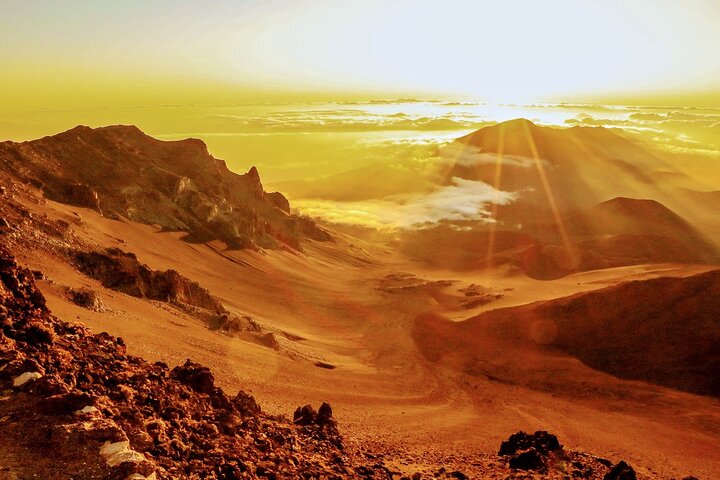 Upcountry
Majestic Haleakalā Sunrise Tour with Pick-up
Ride to the summit for sunrise above the clouds, then unwind over a hot breakfast on the way back down.
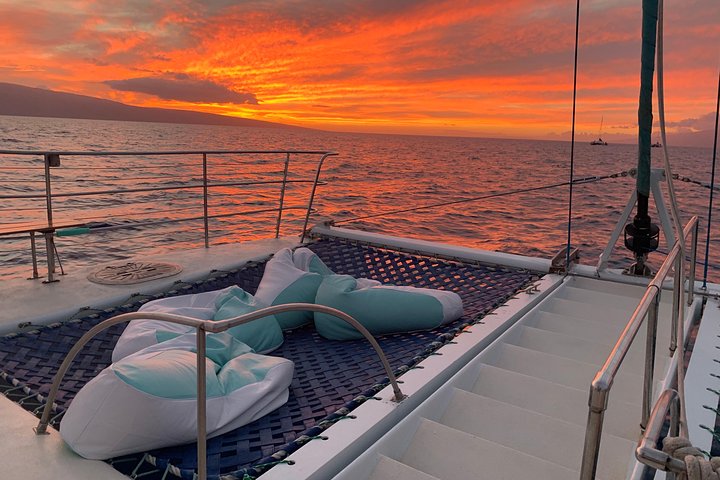 West Maui
Original Sunset Cruise with Open Bar from Kaʻanapali
Sip an unlimited open bar while the sun drops behind Lānaʻi, with pupus and live music twice a week.
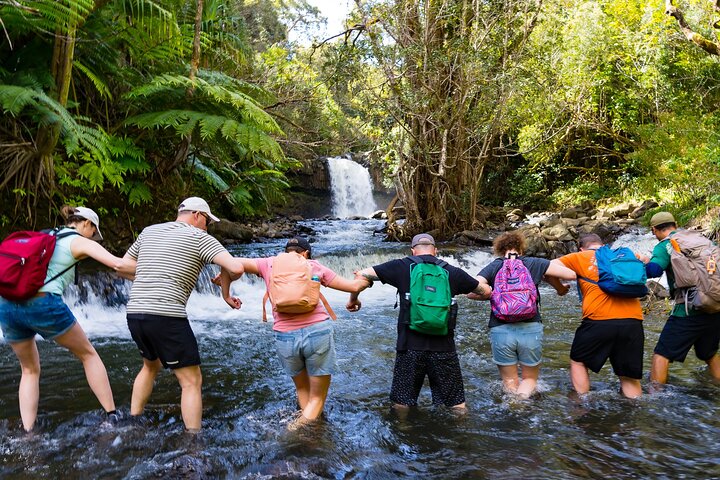 Central Maui
Small Group Waterfall and Rainforest Hiking Adventure
A guided rainforest hike to East Maui waterfalls, with time to swim beneath the falls and a trail lunch included.
 South Maui
Two Hour Beginner Group Surf Lesson in Kihei
A two-hour beginner lesson in calm South Maui water — board, gear and instruction all included.
 Upcountry
Maui Pineapple Farm Tour in Haliimaile
Tour a working pineapple farm and packing house upcountry, with tastings and a fresh pineapple to take home.
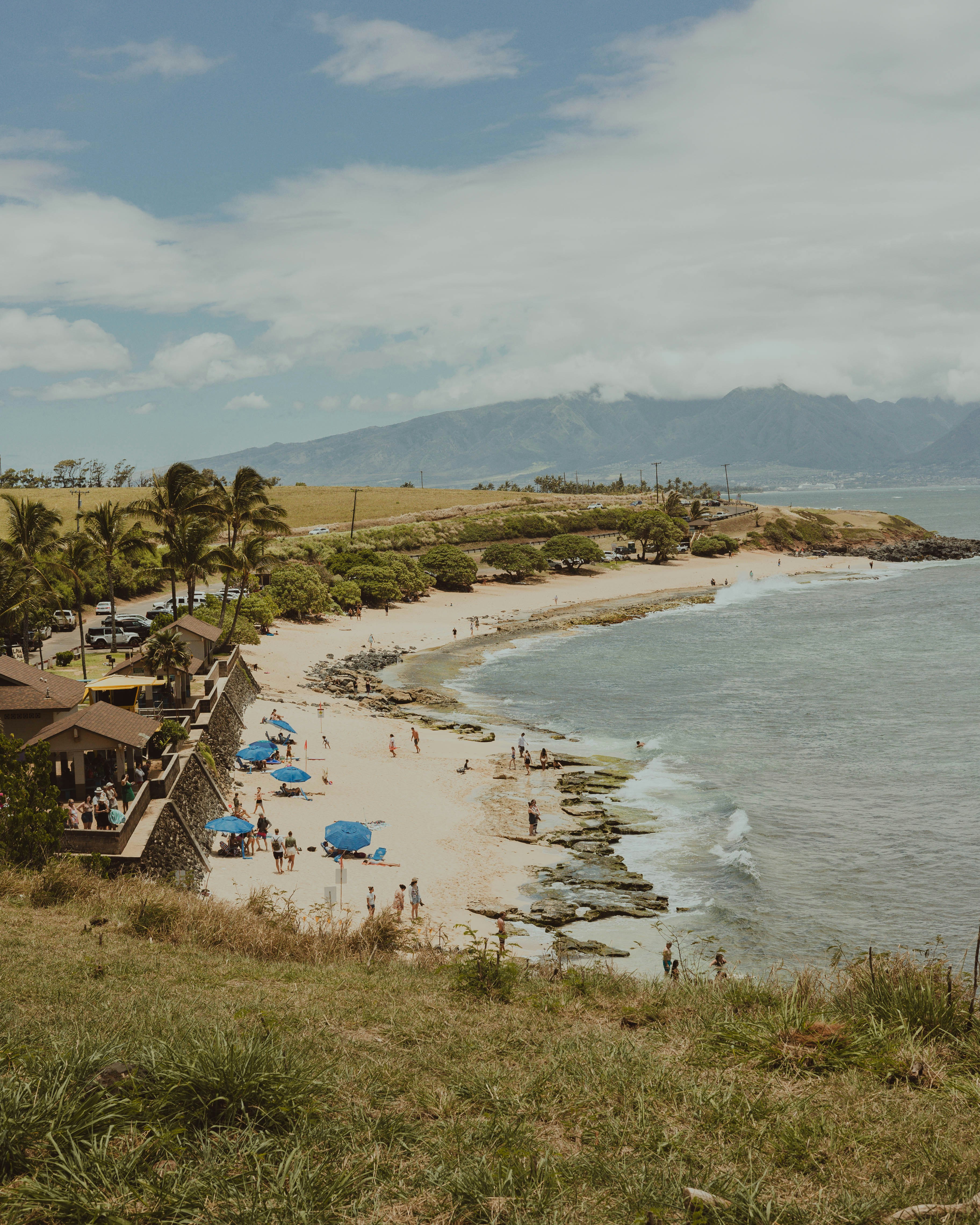
Start at the Lookout
The elevated parking area is the reason most visitors should come.
- Best view — the rail above the beach
- Best time — afternoon when the trades build
- Best minimum stop — 30 minutes
Where: on Hāna Highway a few minutes east of Pāʻia.
From the overlook you can read the entire beach: wave size, wind direction, the number of riders and whether the ocean looks playful or serious. On a good afternoon it feels more like a sporting event than a beach stop.
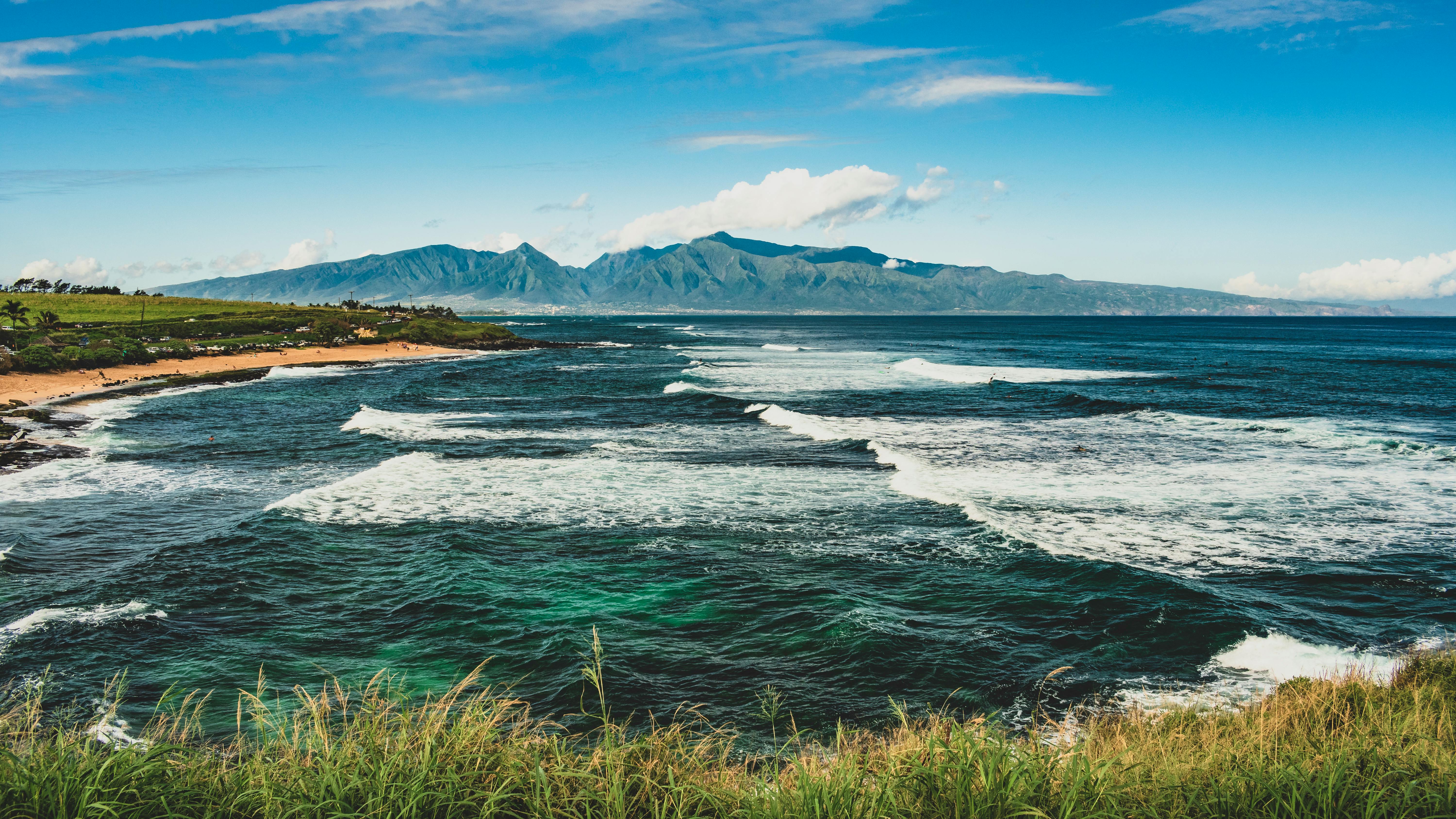
Hoʻokipa, North Shore. Photo: Tae Fuller / Pexels
Parking is much easier here than in Pāʻia, with multiple lots and dedicated lookout spaces. Hoʻokipa also has restrooms, outdoor showers and lifeguard coverage.
Surf + Windsurfing
This is one of the best places on Maui to watch people who actually know what they are doing.
Surfers work the waves closer to shore while windsurfers come alive as the trades build. If you are new to either sport, watching from the rail is useful education: you can see how quickly conditions change and how much local knowledge matters.
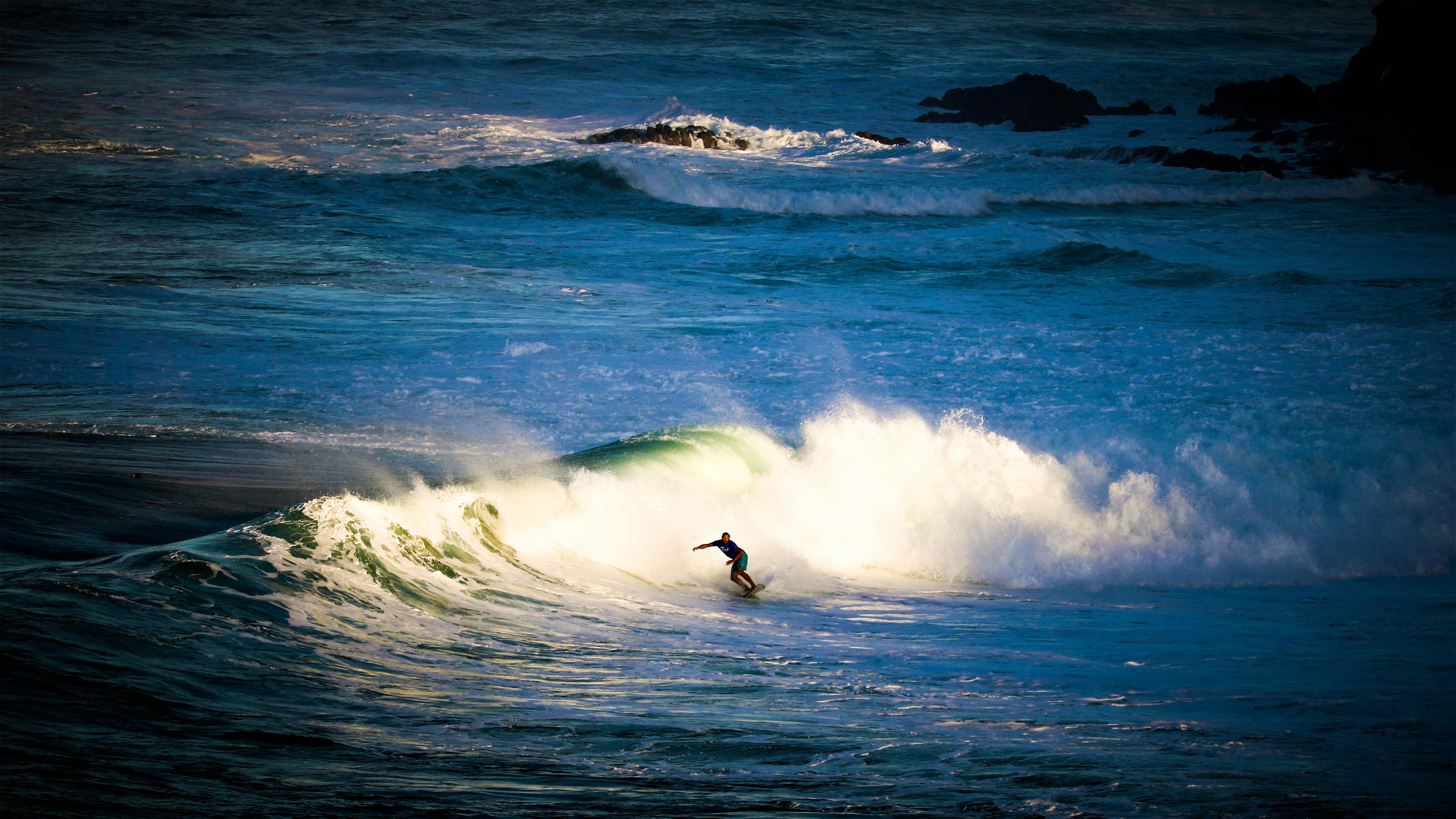
North Shore surf. Photo: Hawaii Tourism Authority (HTA)
Do not translate “people are out” into “the water is safe for me.” Skill level at Hoʻokipa varies enormously, and the riders making it look easy are often experts.
Turtles on the Beach
Hoʻokipa is our favorite place on Maui to see green sea turtles without getting in the water.
Honu regularly haul out on the north end of the sand to rest. Depending on the day, volunteers or signs may establish a buffer around them.
Stay at least 10 feet away, use zoom for photos, never touch or feed a turtle and never stand between a resting animal and the ocean. If the turtle has to react to you, you are too close.
Should You Go Down to the Beach?
Only if the beach itself adds something to the stop that day.
The overlook gives you the safest and clearest view. Walking down can be worthwhile for the sand, the turtles or a closer look at the park, but the shorebreak and wind can be much stronger than they appear from above.
If you want a North Shore swim, Baldwin is usually the better visitor choice. Ask a lifeguard before entering anywhere on this coast.
When Peʻahi (Jaws) Is Breaking
Do not assume a big-wave day means you should drive to Jaws.
The Peʻahi spectator approach is rough, informal and historically constrained by private-property access. On the biggest days traffic and crowds make it worse.
Unless you have a legitimate local access plan, skip the Jaws road. Hoʻokipa remains the easy North Shore place to watch serious surf and wind sports from a proper public park.
Local Etiquette
Respect the fact that Hoʻokipa is a working local surf beach, not a performance staged for visitors.
- Do not block beach or rigging areas with chairs, coolers or photo sessions.
- Give surfers and windsurfers space to carry boards and sails between parking and the water.
- Keep children back from wave-washed rocks and the cliff edge.
- Hold onto hats and car doors when the wind is strong.
- Follow turtle-volunteer guidance without arguing about the exact line.
- If the lot is busy, be patient — do not invent parking.
Practical Tips
- Come for the lookout first; decide on the beach second.
- Afternoon is often the best show because the trades are stronger.
- Morning is easier if you want calmer air, photographs or a quieter stop.
- Use a lifeguard conversation as the first step before any swim.
- Pair Hoʻokipa with Pāʻia, Kūʻau Cove, Mama’s Fish House or Twin Falls.
- Thirty minutes is enough when the surf is average; stay longer when it is firing.
One Last Tip
Hoʻokipa is better when you do less.
Park, walk to the rail, watch the riders, find the turtles, and leave when you have had enough. You do not need to get wet for this to be one of the best North Shore stops.
Frequently Asked Questions
How long should I stay at the Hoʻokipa Lookout?
Thirty minutes is enough when the surf is average; stay longer when it is firing. From the rail you can read the entire beach — wave size, wind direction, the number of riders and whether the ocean looks playful or serious. On a good afternoon it feels more like a sporting event than a beach stop.
What is the best time of day at Hoʻokipa?
Afternoon is often the best show because the trades are stronger and the windsurfers come alive. Morning is easier if you want calmer air, photographs or a quieter stop. Parking is much easier here than in Pāʻia, with multiple lots and dedicated lookout spaces.
Where do the turtles rest at Hoʻokipa?
Honu regularly haul out on the north end of the sand. Depending on the day, volunteers or signs may establish a buffer around them. Stay at least 10 feet away, use zoom for photos, never touch or feed a turtle and never stand between a resting animal and the ocean.
Should I walk down to the beach at Hoʻokipa?
Only if the beach itself adds something to the stop that day. The overlook gives you the safest and clearest view, and the shorebreak and wind can be much stronger than they appear from above. If you want a North Shore swim, Baldwin is usually the better visitor choice.
Should I drive to Jaws when it is breaking?
No. The Peʻahi spectator approach is rough, informal and historically constrained by private-property access, and on the biggest days traffic and crowds make it worse. Unless you have a legitimate local access plan, skip the Jaws road and watch from Hoʻokipa instead.