Kīhei vs. Wailea vs. Mākena

At a Glance
Most popular on Maui
 Central Maui
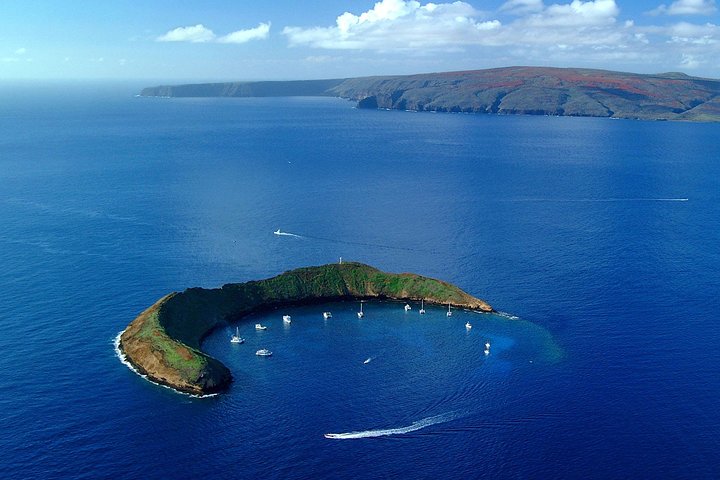
Maui Snorkeling Adventure to Molokini and Turtle Town
Visit Maui's famous snorkeling and diving destinations Molokini Crater and Turtle Town on a snorkeling catamaran, with visibility of 100 feet or more.
 South Maui
Feast at Mokapu Luau in Wailea
Discover Hawai'i's most authentic luxury luau at Andaz Maui at Wailea Resort — a curated cultural evening with a three-course plated dinner on Mokapu beach.
 South Maui
Gilligans' Island Luau in Kihei
An intimate luau experience and the only luau in Kihei — less than a quarter the size of the average Maui luau, so every seat has a great view of the show.
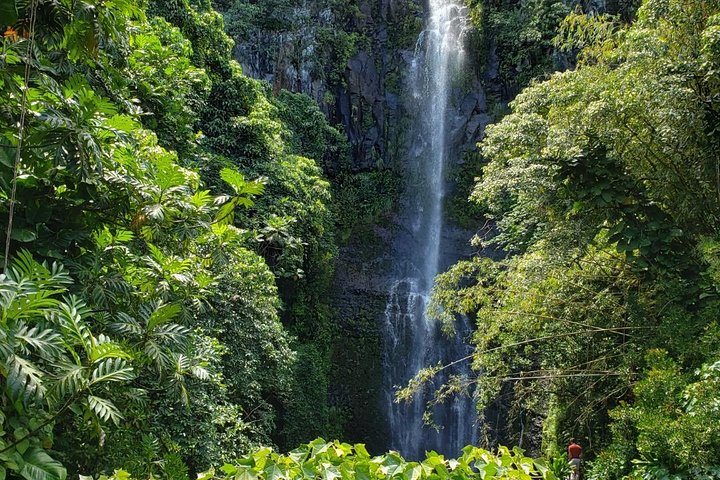 Road to Hāna
Small-Group Road to Hana Adventure Tour with Pickup & Lunch
Watch the waterfalls, black-sand beaches and rainforest go by without anyone in your group behind the wheel.
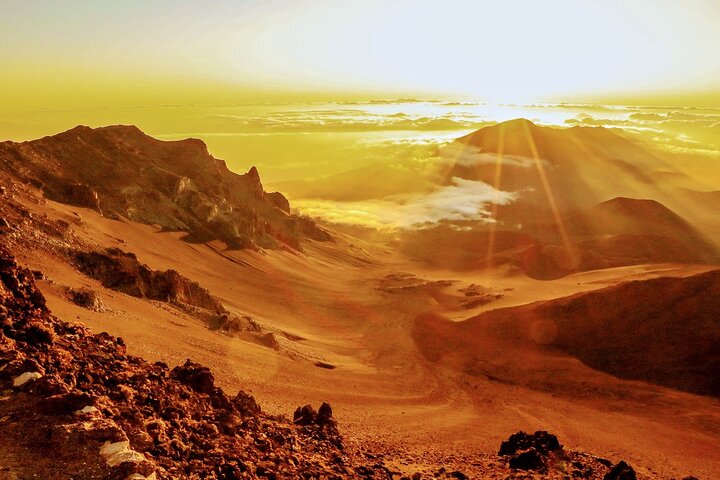 Upcountry
Majestic Haleakalā Sunrise Tour with Pick-up
Ride to the summit for sunrise above the clouds, then unwind over a hot breakfast on the way back down.
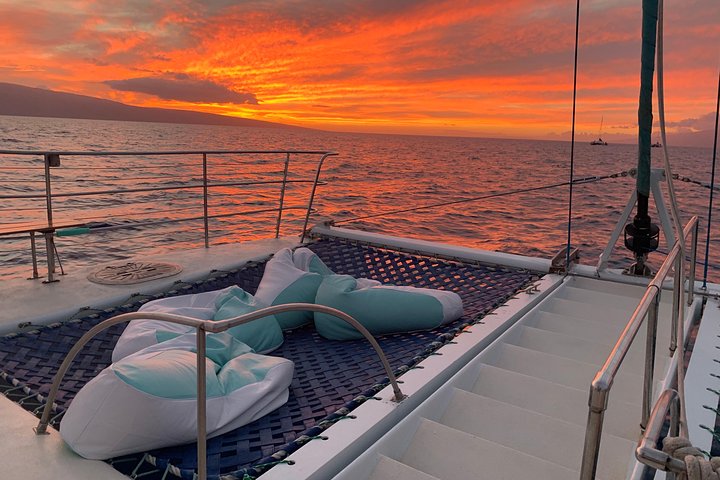 West Maui
Original Sunset Cruise with Open Bar from Kaʻanapali
Sip an unlimited open bar while the sun drops behind Lānaʻi, with pupus and live music twice a week.
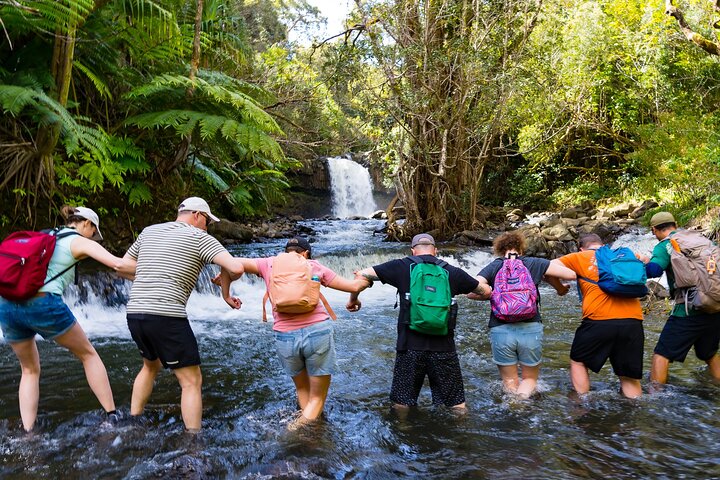 Central Maui
Small Group Waterfall and Rainforest Hiking Adventure
A guided rainforest hike to East Maui waterfalls, with time to swim beneath the falls and a trail lunch included.
 South Maui
Two Hour Beginner Group Surf Lesson in Kihei
A two-hour beginner lesson in calm South Maui water — board, gear and instruction all included.
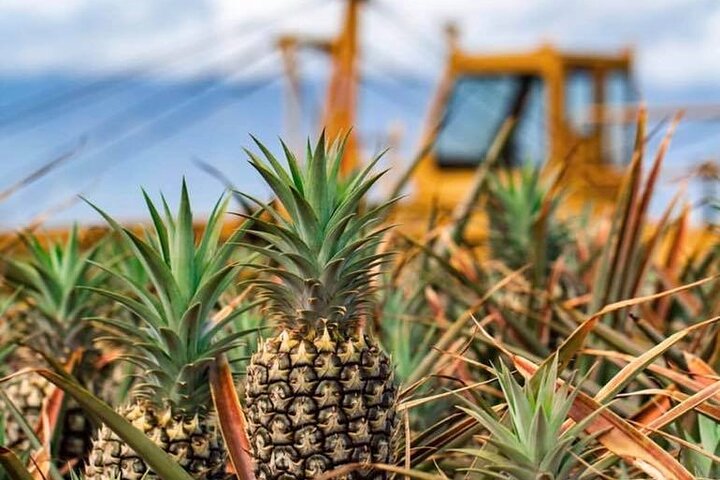 Upcountry
Maui Pineapple Farm Tour in Haliimaile
Tour a working pineapple farm and packing house upcountry, with tastings and a fresh pineapple to take home.
Kīhei, Wailea + Mākena: The Deeper Dive
These three sit along the same South Maui coast, but they create very different everyday vacations.
- Best for value + flexibility — Kīhei
- Best for an easy resort trip — Wailea
- Best for quiet + coastline — Mākena
- Best condo base — Kīhei
- Best honeymoon base — Wailea
Where: South Maui, running south from Kīhei through Wailea to Mākena.
The good news is that you are not choosing between distant parts of the island. You are really choosing what your ordinary morning and evening feel like.
Kīhei is spread out and casual. Wailea is compact and polished. Mākena gets quieter and more natural the farther south you go.
Kīhei
The casual South Maui choice — and usually the best value.
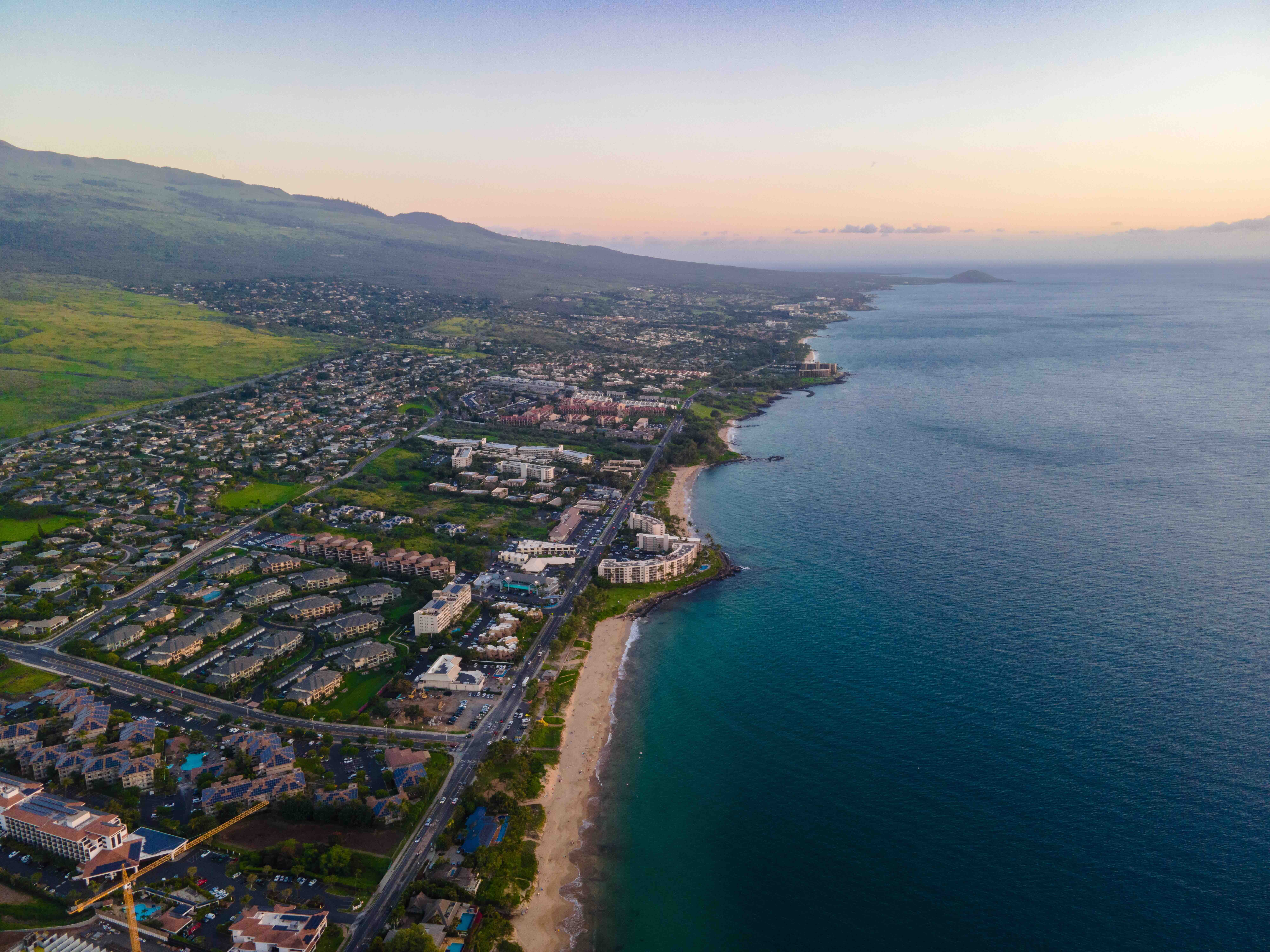
Kīhei mixes condos, beaches, coffee shops, casual food, parks and everyday businesses along several miles of coastline. A condo can give families a kitchen, laundry and more living space while keeping beaches and errands close.
Kīhei also has places you will actually use between beach sessions: Kalama Park, the Cove for surf lessons, South Maui Gardens and the Kamaʻole beaches.
The tradeoff is consistency. The exact property matters more here than the town name. South Kīhei Road is busy, lodging varies enormously and north Kīhei feels different from staying across from the Kamaʻole beaches.
Kamaʻole II and III are the only lifeguarded beaches in South Maui, which is a meaningful advantage for families with young swimmers.
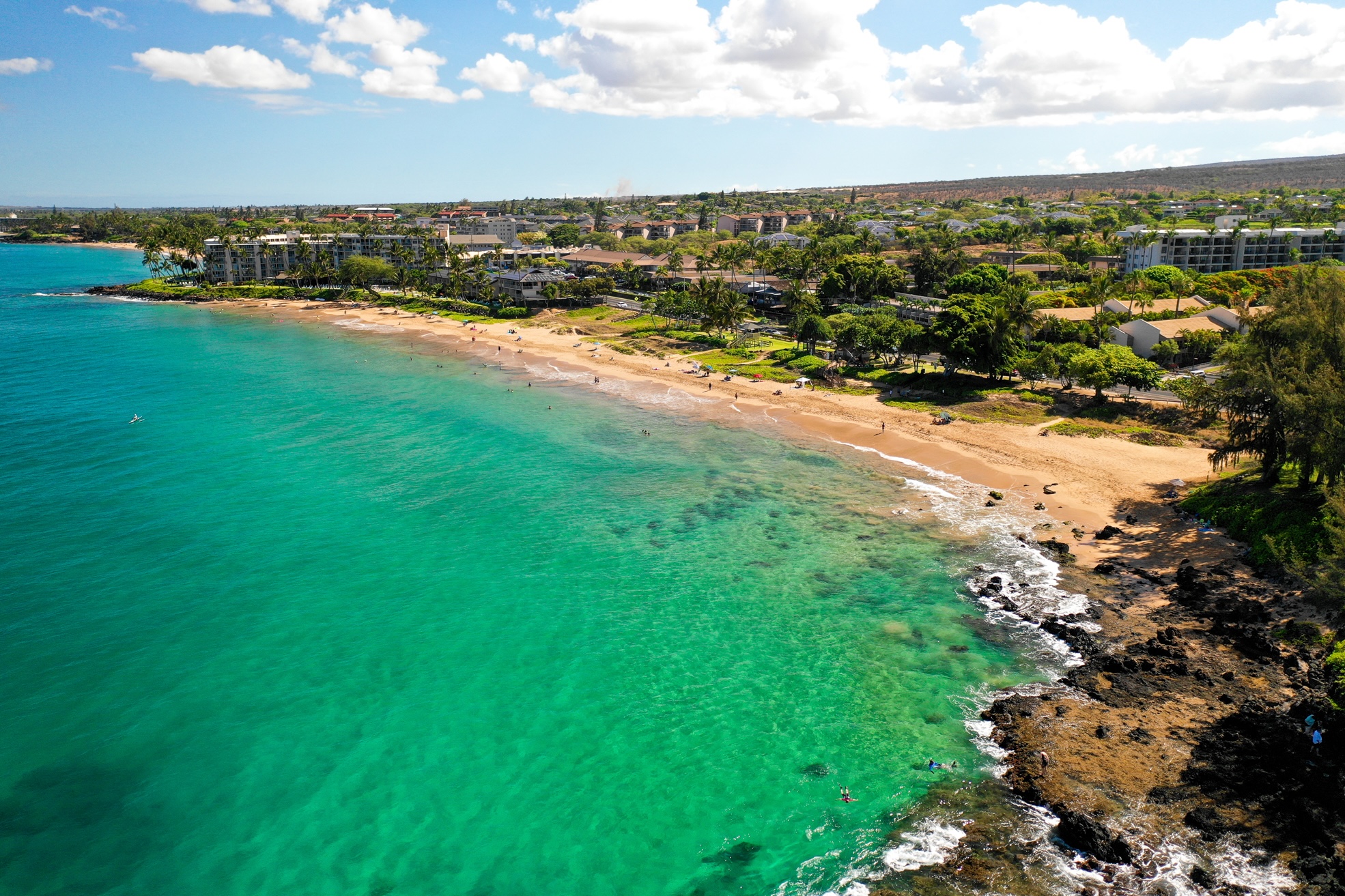
Kamaʻole II, Kīhei. Photo: Hawaii Tourism Authority (HTA)
Wailea
The polished version of South Maui — and the easiest first-trip choice when the budget supports it.
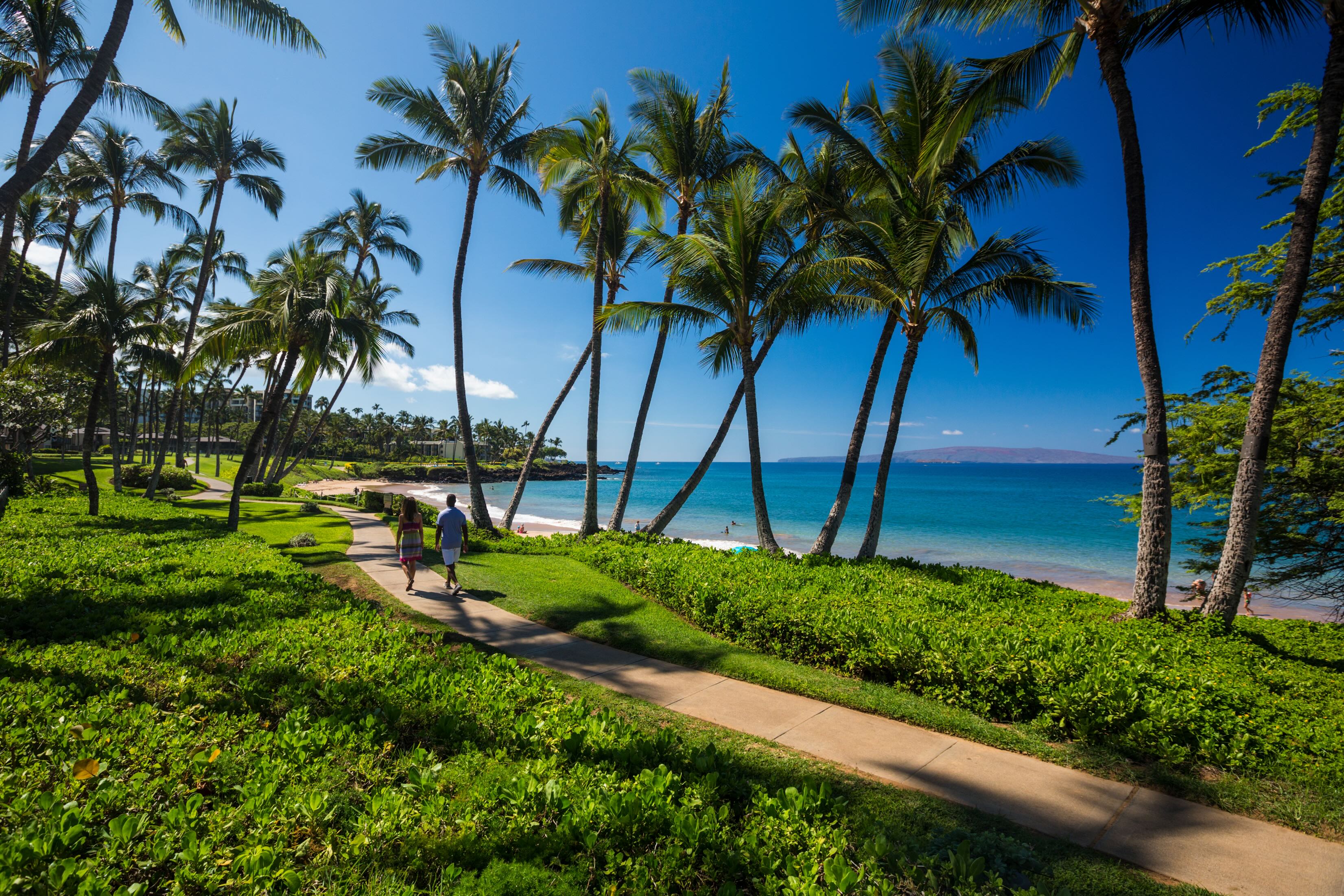
Luxury resorts, landscaped grounds, golf, spas, shopping, restaurants and public beaches are concentrated into a relatively compact district. The Wailea Beach Path ties much of it together.
You can build an excellent day without much driving: snorkel early, return to the pool, use the spa or golf course through midday, walk the coast near sunset and have dinner nearby.
The tradeoff is price and atmosphere. You pay for the resort environment, and it can feel more removed from everyday Maui life than Kīhei.
Every Wailea beach is public, but none is lifeguarded.
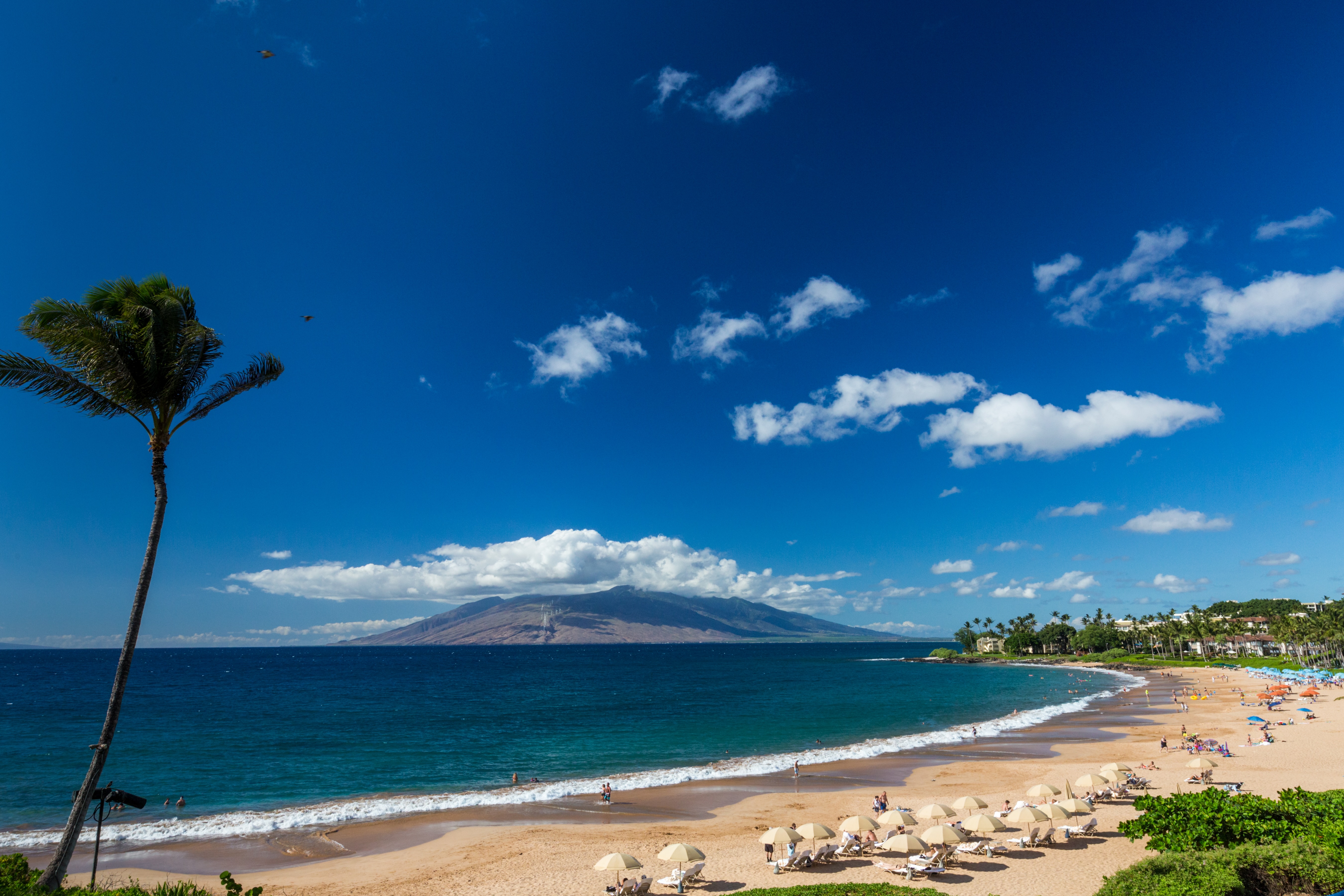
Wailea Beach, Wailea. Photo: Hawaii Tourism Authority (HTA)
Mākena
Where South Maui becomes more natural, dramatic and less convenient.
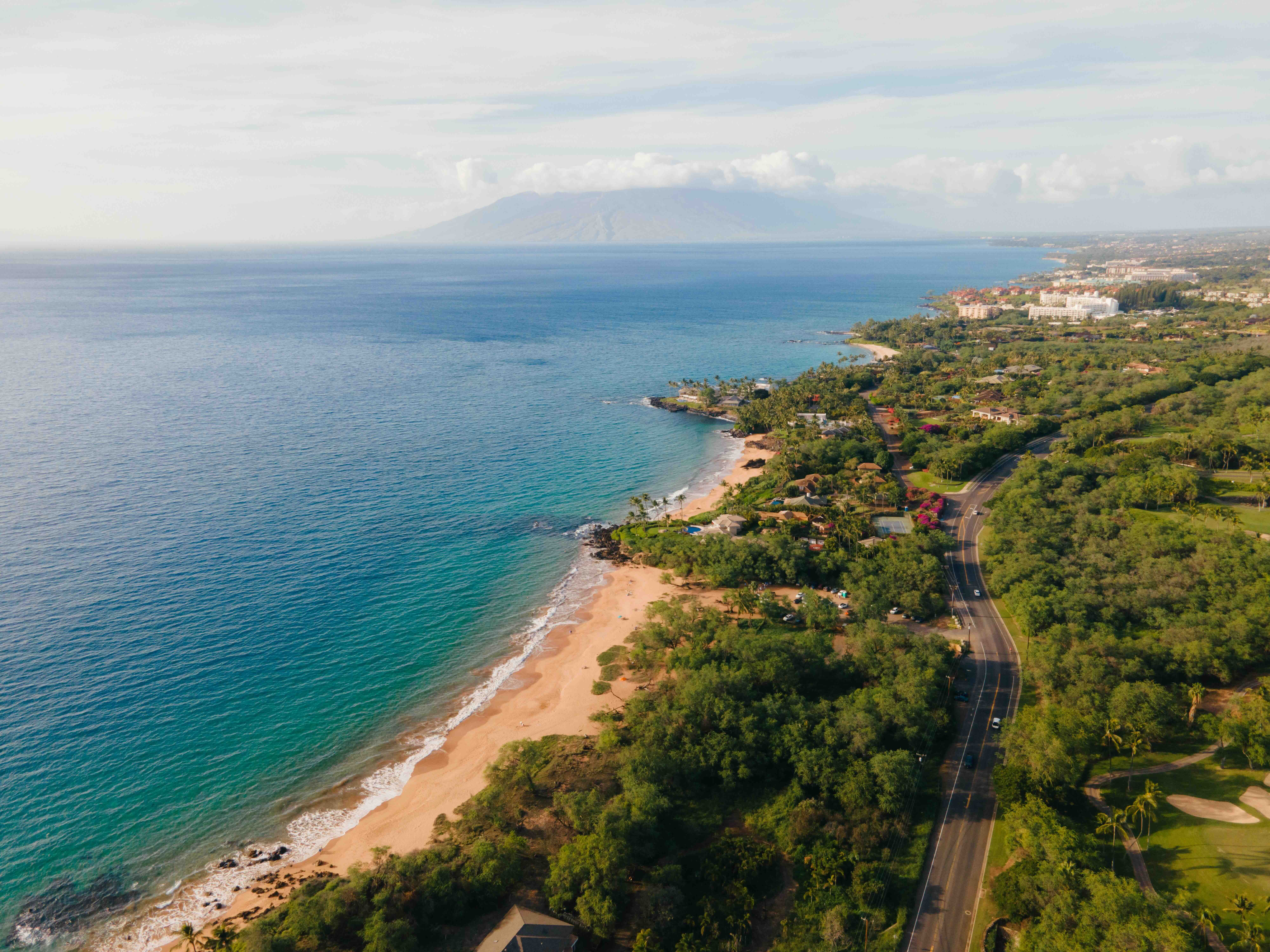
Development thins quickly south of Wailea. You are closer to Maluaka and Turtle Town, Mākena Landing, Big Beach, ʻĀhihi-Kīnaʻu and the lava coast toward La Pérouse Bay.
The advantage is the setting. The tradeoff is everything else: fewer restaurants, fewer shops and more driving whenever you need something.
Mākena is not automatically better because it is quieter. It is better only when quiet is what you actually want.
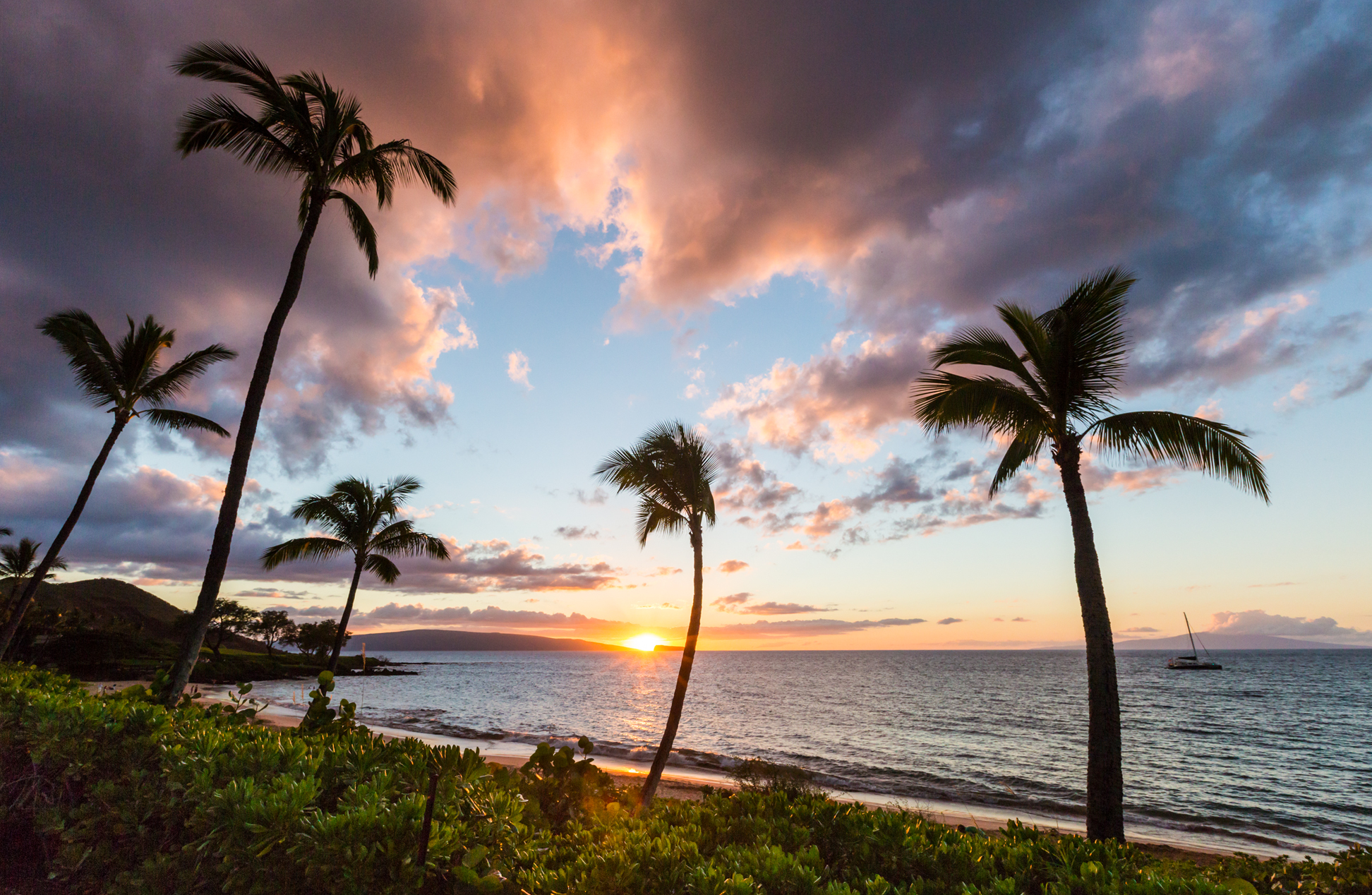
Maluaka, Mākena. Photo: Hawaii Tourism Authority (HTA)
Parking + Getting Around
South Maui is easy to move around, but Kīhei parking rules and peak traffic can still shape the day.
The paved Kamaʻole I and III lots moved to PARK MAUI in July 2026. Nonresidents pay $10 a day, and on weekends and County holidays those paved lots are resident-only before 10 a.m. Kamaʻole I and III usually still have parking options, including overflow across the street, but do not plan on ignoring the resident-only rule.
Ulua and Mōkapu are the lots most likely to fill by mid-morning on a beautiful day. Go early if one of those beaches matters to you.
Piʻilani Highway is usually the faster route between Kīhei and Wailea, although peak traffic can slow it. South Kīhei Road is slower but much more scenic and is part of the pleasure of staying in South Maui.
Who Should Stay Where?
Picture an ordinary day, not the one excursion you are most excited about.
Families With Young Children
Kīhei for condo space and value; Wailea for resort ease.
Kīhei gives you kitchens, groceries and the two lifeguarded South Maui beaches. Wailea removes more logistics by putting food, bathrooms, pools and resort amenities within a few minutes of the sand. Mākena makes sense only if privacy clearly matters more than convenience.
Families With Older Children
Wailea for easy resort days; Kīhei for flexibility; Mākena for an ocean-focused family.
Once kids are comfortable in the ocean and the family does not mind driving to dinner, Mākena becomes a much more realistic option.
Couples + Honeymoons
Wailea is our first choice; Mākena is the secluded alternative.
Wailea gives you easy romance, the shoreline path, spas and dining. Mākena is better for couples deliberately seeking quiet. Kīhei still works if you would rather spend the money on experiences than the room.
Beaches + Snorkeling
Do not choose your base solely for snorkeling — the whole coast is close and conditions matter more than the address.
- Kīhei — Kamaʻole beaches + Keawakapu nearby
- Wailea — Ulua + Mōkapu for easy shore snorkeling
- Mākena — Maluaka + the Turtle Town reefs
Keawakapu sits between Kīhei and Wailea and is our all-around South Maui beach: long enough for a real walk, easy to combine with either area and not tied to one resort. It has no lifeguard.
Three Sample Days
The same coastline creates three different rhythms.
A Kīhei Day
Coffee, Kamaʻole, casual lunch, pool or nap, Keawakapu at sunset.
A Wailea Day
Ulua or Mōkapu early, pool, spa or golf, then the beach path before dinner.
A Mākena Day
Maluaka early, Big Beach for scenery, then head north when you want lunch or more services.
Before You Book
The area matters, but the exact property matters just as much.
Check exactly where a condo or resort sits relative to the beach, South Kīhei Road and the things you actually want to walk to. Two properties in the same town can produce completely different vacations.
Do not split a seven-night stay because you cannot decide. These areas are close enough that moving hotels usually costs more vacation time than it saves.
Practical Tips
- Check the exact address in Kīhei. It stretches for miles.
- Go early for Ulua and Mōkapu. Their public lots can fill by mid-morning.
- Kamaʻole II and III are the lifeguarded South Maui beaches. Most Wailea and Mākena beaches are not.
- Use Piʻilani for speed and South Kīhei Road for the coastline.
- Take a car in Kīhei and Mākena. In Wailea you can realistically leave it parked for a day.
- Choose where you would be happiest doing nothing. That is usually the right base.
One Last Tip
The ordinary day matters more than ten minutes saved on the way to an excursion.
If you want a condo, kitchen and beaches woven into town life, choose Kīhei. If you want to walk from resort to beach to dinner, choose Wailea. If you want the coast itself to be the destination, choose Mākena.
Frequently Asked Questions
Why would I choose Kīhei?
Value and flexibility. Kīhei mixes condos, beaches, coffee shops, casual food, parks and everyday businesses along several miles of coastline, and a condo can give families a kitchen, laundry and more living space while keeping beaches and errands close. The tradeoff is consistency: the exact property matters more here than the town name.
Is Wailea worth the extra cost?
What you are buying is how little logistics a good day needs. Luxury resorts, landscaped grounds, golf, spas, shopping, restaurants and public beaches are concentrated into a relatively compact district, tied together by the Wailea Beach Path. The tradeoff is price and atmosphere — you pay for the resort environment, and it can feel more removed from everyday Maui life than Kīhei.
Who should stay in Mākena?
People who already know they want quiet and nature more than convenience. Development thins quickly south of Wailea, putting you closer to Maluaka and Turtle Town, Mākena Landing, Big Beach, ʻĀhihi-Kīnaʻu and the lava coast toward La Pérouse Bay. The tradeoff is everything else: fewer restaurants, fewer shops and more driving whenever you need something.
Which South Maui beaches have lifeguards?
Kamaʻole II and III, in Kīhei — the only two in South Maui. Every Wailea beach is public, but none is lifeguarded, and Keawakapu has no lifeguard either. For families with young swimmers that is a meaningful advantage for a Kīhei base.
What changed about parking at the Kamaʻole beaches?
The paved Kamaʻole I and III lots moved to PARK MAUI in July 2026. Nonresidents pay $10 a day, and on weekends and County holidays those paved lots are resident-only before 10 a.m. Both areas usually still have parking options, including overflow across the street, but do not plan on ignoring the resident-only rule.
Can I manage South Maui without using the car much?
In Wailea you can realistically leave it parked for a day. Take a car in Kīhei and Mākena. Piʻilani Highway is usually the faster route between Kīhei and Wailea, although peak traffic can slow it, while South Kīhei Road is slower but much more scenic.