Best Things to Do in Makawao

At a Glance
Most popular on Maui
 Central Maui
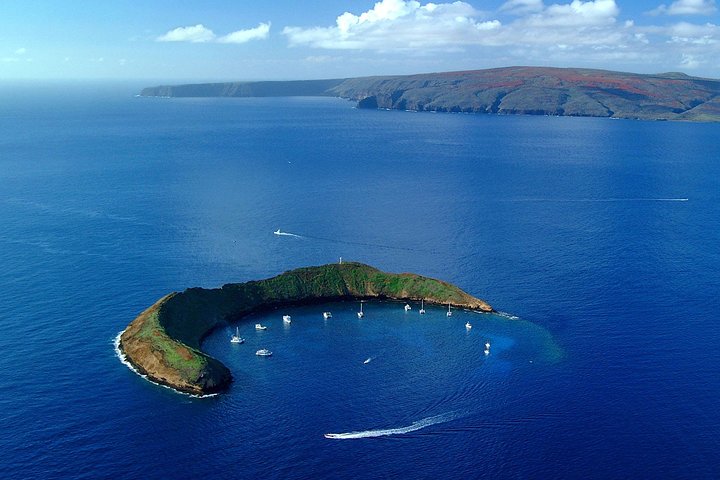
Maui Snorkeling Adventure to Molokini and Turtle Town
Visit Maui's famous snorkeling and diving destinations Molokini Crater and Turtle Town on a snorkeling catamaran, with visibility of 100 feet or more.
 South Maui
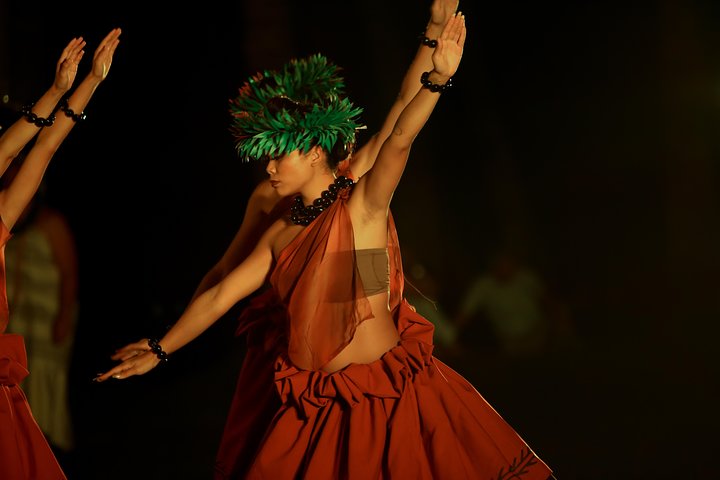
Feast at Mokapu Luau in Wailea
Discover Hawai'i's most authentic luxury luau at Andaz Maui at Wailea Resort — a curated cultural evening with a three-course plated dinner on Mokapu beach.
 South Maui
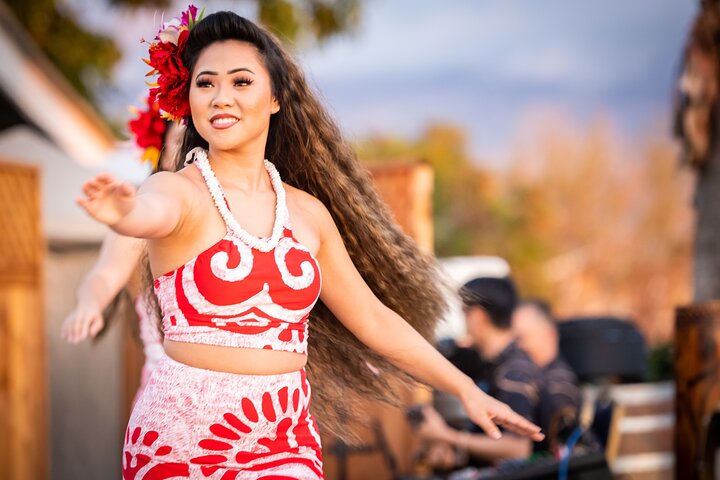
Gilligans' Island Luau in Kihei
An intimate luau experience and the only luau in Kihei — less than a quarter the size of the average Maui luau, so every seat has a great view of the show.
 Road to Hāna
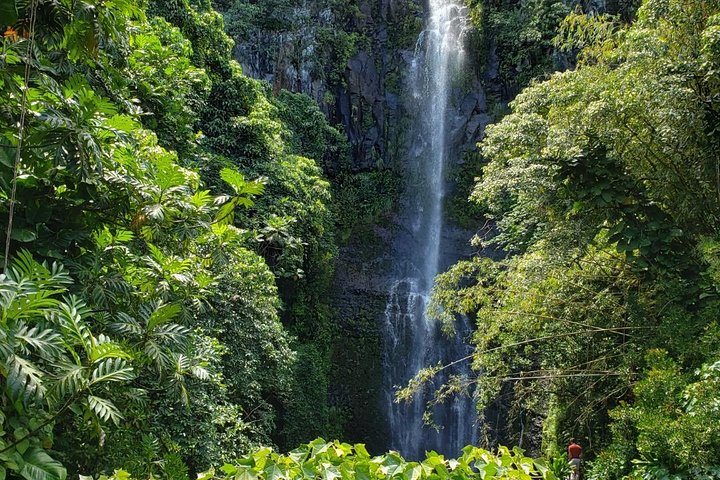
Small-Group Road to Hana Adventure Tour with Pickup & Lunch
Watch the waterfalls, black-sand beaches and rainforest go by without anyone in your group behind the wheel.
 Upcountry
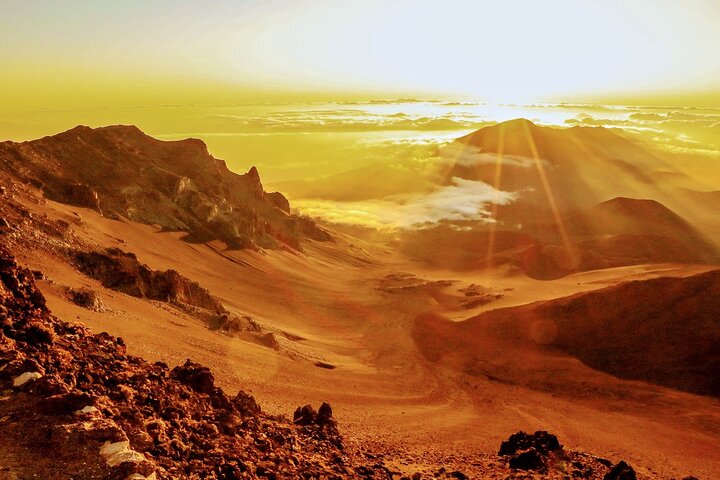
Majestic Haleakalā Sunrise Tour with Pick-up
Ride to the summit for sunrise above the clouds, then unwind over a hot breakfast on the way back down.
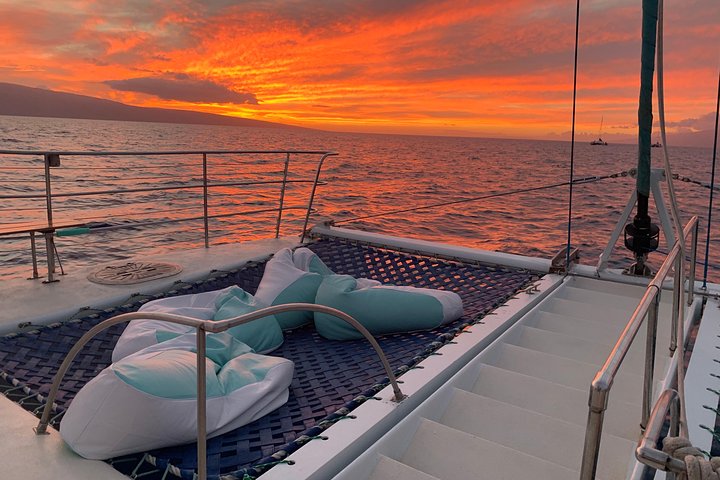 West Maui
Original Sunset Cruise with Open Bar from Kaʻanapali
Sip an unlimited open bar while the sun drops behind Lānaʻi, with pupus and live music twice a week.
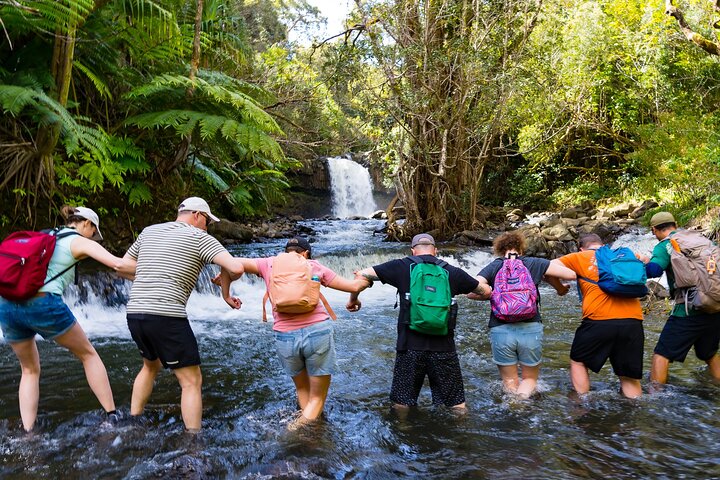 Central Maui
Small Group Waterfall and Rainforest Hiking Adventure
A guided rainforest hike to East Maui waterfalls, with time to swim beneath the falls and a trail lunch included.
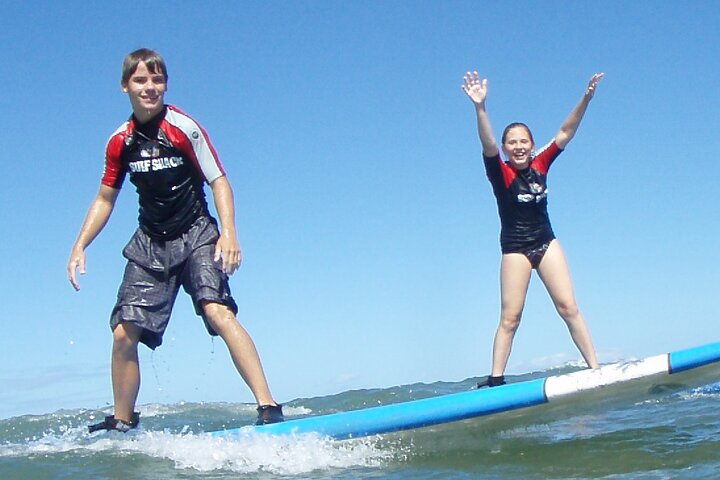 South Maui
Two Hour Beginner Group Surf Lesson in Kihei
A two-hour beginner lesson in calm South Maui water — board, gear and instruction all included.
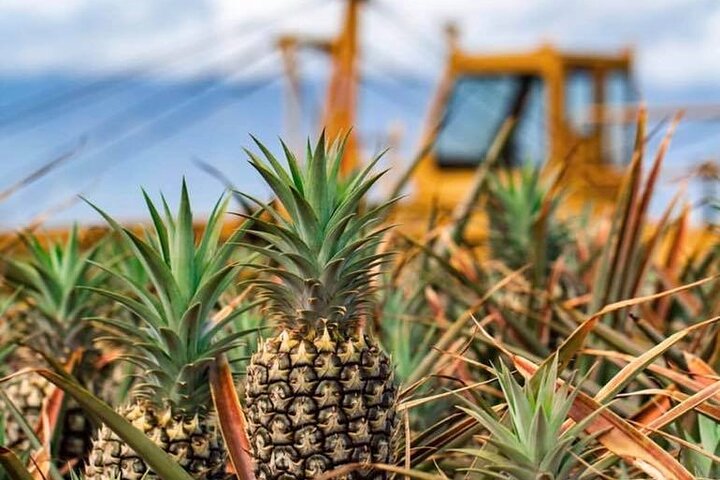 Upcountry
Maui Pineapple Farm Tour in Haliimaile
Tour a working pineapple farm and packing house upcountry, with tastings and a fresh pineapple to take home.
Walk Makawao Town
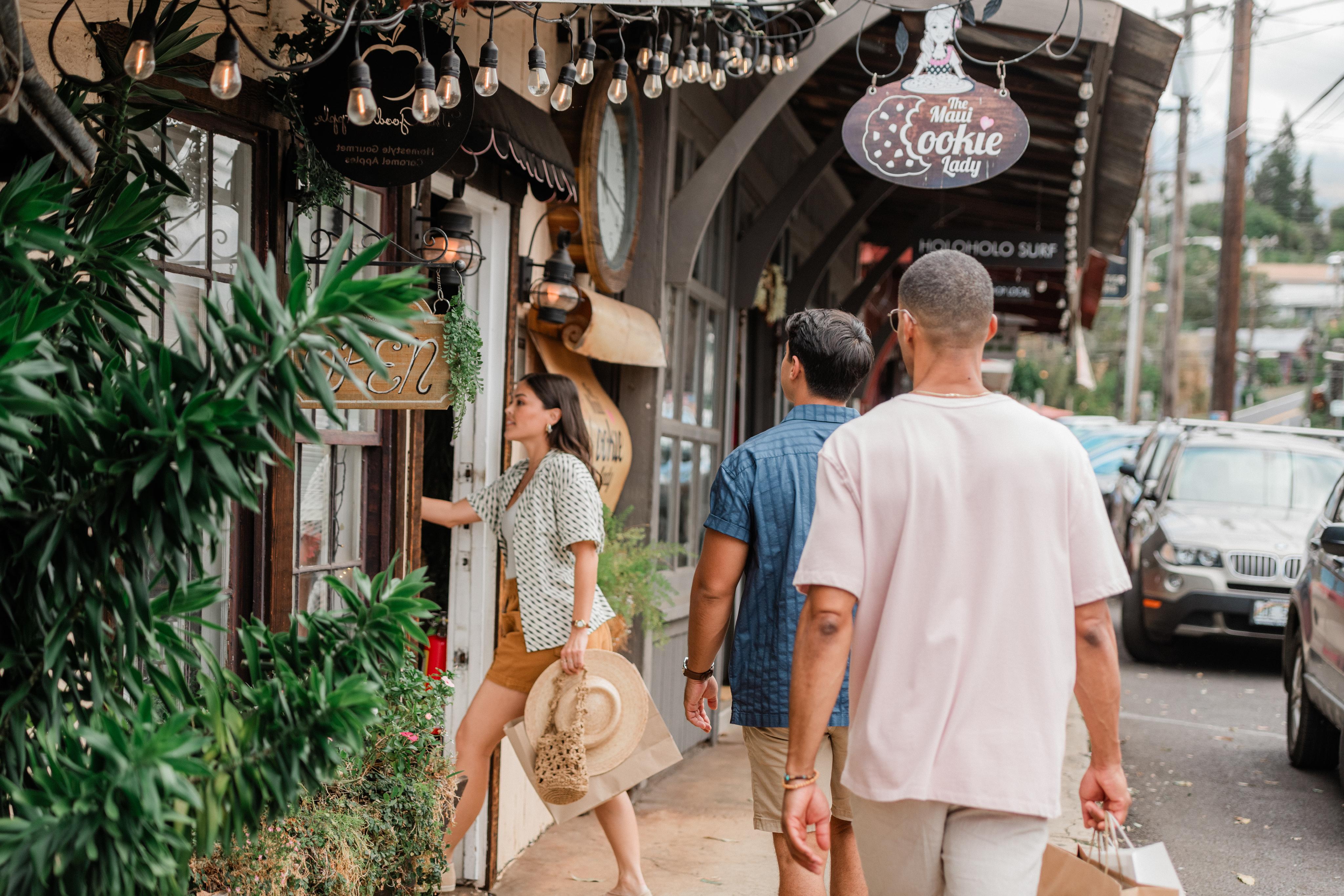
Makawao is one of the best places on Maui to shop for local art, design and gifts — and the town is compact enough to do it all on foot.
- Best for — galleries, boutiques + local character
- Best timing — morning through lunch
- Best strategy — park once and wander
Where: where Baldwin Avenue and Makawao Avenue meet, about 10 minutes uphill from Pāʻia.
Makawao has the same historic small-town appeal that makes Pāʻia fun, but the personality is completely different. This is paniolo country: ranching history, old storefronts, artists and makers all share the same few blocks.
Don’t turn it into a shopping checklist. Walk, look in whatever catches your eye and give yourself time for coffee or lunch.
Komoda Bakery is still part of Makawao lore for cream puffs and stick donuts, but hours and sellouts can be unpredictable. If it matters to you, check before building the morning around it.
Paniolo Culture + Fourth of July
If your trip overlaps with Fourth of July weekend, Makawao becomes one of the most culturally interesting places on Maui.
- Best parade — Makawao town
- Best rodeo experience — Makawao Stampede
- Best for — seeing the whole island show up
The parade and rodeo are not tourist productions pasted onto the town. They are community traditions built around Upcountry’s ranching culture, and the atmosphere is part of what makes the holiday special.
If you are here at that time of year, check the current schedule and plan parking and traffic early. The town gets busy for good reason.
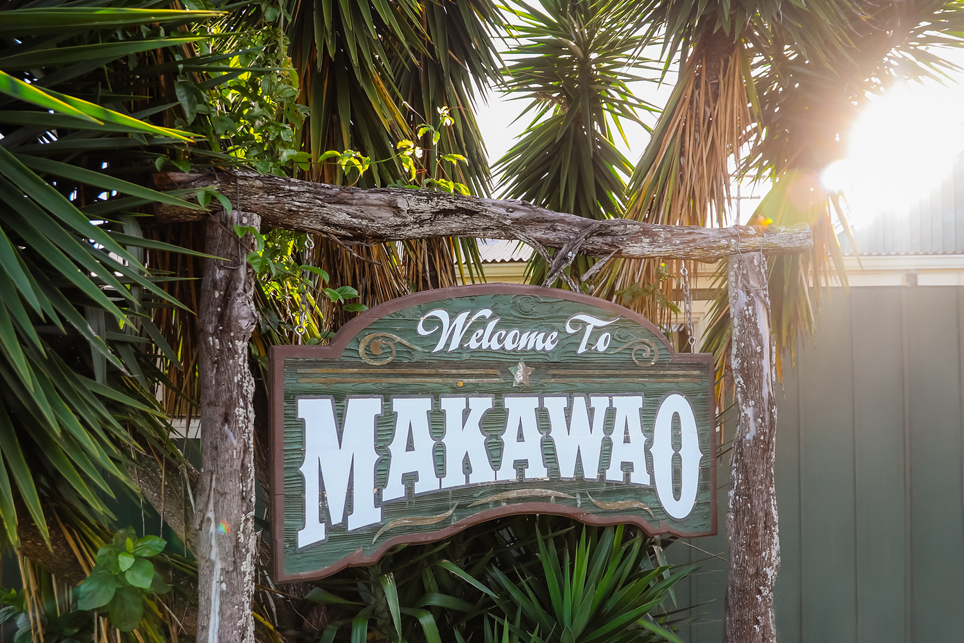
Makawao, Upcountry. Photo: Hawaii Tourism Authority (HTA)
Makawao Forest Reserve
This is the trail stop that makes Makawao more than a town visit.
- Best hiking loop — Kahakapao Loop
- Best for mountain biking — Kahakapao recreation area
- What it is not — a big-view summit hike
Where: above Makawao in the forest reserve.
Kahakapao Loop
A real forest hike with shade, cooler air and almost none of the exposed Maui scenery people expect.
The loop is roughly 6 miles and runs through a dense, cool forest. It is a moderate outing rather than a casual stroll, but it is not a technical hike.
The reserve has become one of Maui’s best-known mountain-bike areas, with trails specifically designed for bikes as well as hiking. Stay on the trail appropriate to your activity and expect to share the area with riders.
Waihou Spring Trail
A short forest walk when you want something easier than Kahakapao.
- Best for — shade + a quick nature stop
- Distance — about 1 mile
- Expectation — forest, not a dramatic lookout
Where: Olinda, above Makawao.
The trail follows an old plantation road through reforested land and drops toward the gulch. It is easy to access and usually takes about an hour, though the terrain is hilly enough that we would call it easy-to-moderate rather than flat.
This is a good reset walk, not a bucket-list viewpoint. If you want a big visual payoff, keep driving toward Kula or Haleakalā instead.
Hāliʻimaile: Add One More Stop
Hāliʻimaile is only a few minutes from Makawao and gives you several very different reasons to extend the day.
- Best farm tour — Maui Pineapple Tour
- Best tasting stop — Hāliʻimaile Distilling
- Best art stop — Makai Glass
- Best meal — Hāliʻimaile General Store
Where: downhill from Makawao in the old pineapple district.
Maui Pineapple Tour
One of the clearest ways to connect Upcountry scenery with Maui agriculture.
The tour visits a working Maui Gold pineapple farm, explains the growing cycle and includes pineapple to take home. The standard tour is open to ages 3 and up, which makes it workable for families with older toddlers.
Hāliʻimaile Distilling
A compact distillery tour and tasting in the same activity cluster.
Tours run during the week, with weekend groups available by request. This is easiest to pair with the pineapple tour or lunch rather than as a reason to make a separate Upcountry drive.
Makai Glass
A good stop when the shopping side of Makawao is what brought you Upcountry.
The Hāliʻimaile studio and gallery showcases Maui-made blown glass, and visitors can often see the hot shop in action. It feels like a natural extension of a Makawao art-and-design morning.
Where to Eat
Keep the meal close to whatever part of the day you are already doing.
In Makawao, Casanova and Polli’s are longtime local choices. In Hāliʻimaile, the General Store is our favorite destination meal in this part of Upcountry.
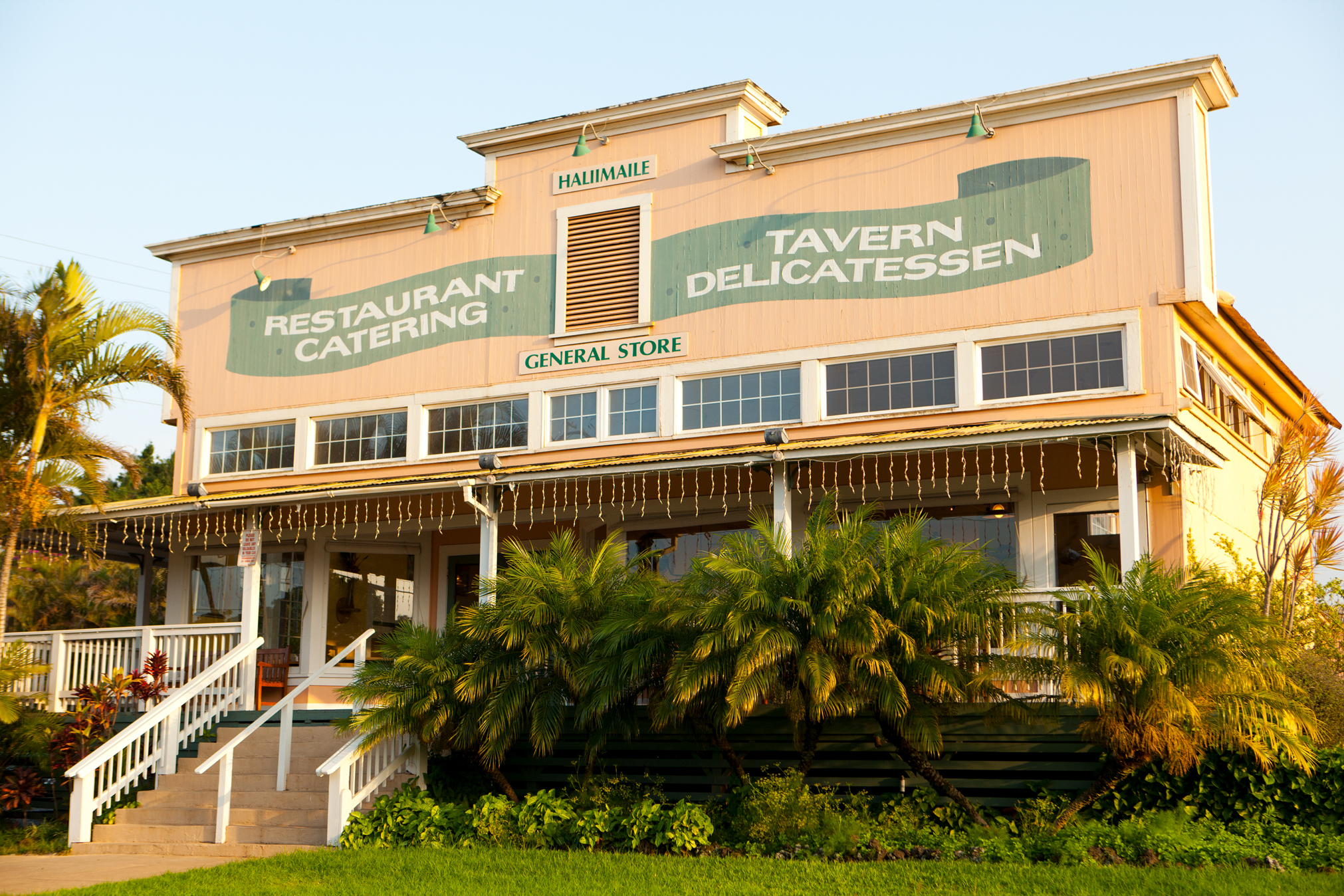
Upcountry dining is a drive, and the drive is part of the evening. Photo: Hawaii Tourism Authority (HTA)
If you are continuing toward Kula, Marlow and Kula Bistro are better saved for the next leg rather than driving back and forth.
Make It Part of a Bigger Day
Makawao pairs better with one nearby region than with five more Upcountry stops.
- North Shore pairing — Pāʻia or Hoʻokipa in the morning → Makawao after
- Upcountry pairing — Makawao → Hāliʻimaile → Kula
- Outdoor pairing — Makawao town → Kahakapao Loop
- Haleakalā pairing — Makawao early → lunch → continue uphill
Practical Tips
- Go earlier. Parking, shopping and bakery timing all get easier.
- Bring trail shoes if you might hike. Makawao Forest can be muddy even when town is dry.
- Do not confuse Kahakapao with a scenic-lookout hike. The forest is the point.
- Check event dates if you are coming around July 4. Parade and rodeo weekends change traffic completely.
- If you are drinking at the distillery, plan the driver first.
One Last Tip
Treat Makawao as the beginning of an Upcountry day, not something you need to stretch into a full one.
An hour or two in town, then one nearby experience, is enough.
The town is better when you leave with somewhere else to wander next.
Frequently Asked Questions
How long should I give Makawao town?
An hour or two, morning through lunch. The town is compact enough to do on foot, so park once and wander rather than turning it into a shopping checklist — and leave time for coffee or lunch.
How long is the Kahakapao Loop?
Roughly 6 miles through a dense, cool forest. It is a moderate outing rather than a casual stroll, but it is not a technical hike. The reserve is also one of Maui’s best-known mountain-bike areas, so stay on the trail appropriate to your activity and expect to share the area with riders.
Is Waihou Spring Trail an easy walk?
It is about 1 mile and usually takes about an hour, but the terrain is hilly enough that we would call it easy-to-moderate rather than flat. The payoff is forest and gulch, not a dramatic lookout.
What else is there to do near Makawao?
Hāliʻimaile is only a few minutes away and holds the Maui Pineapple Tour, Hāliʻimaile Distilling, Makai Glass and Hāliʻimaile General Store — four very different reasons to extend the day.
What age is the Maui Pineapple Tour open to?
The standard tour is open to ages 3 and up, which makes it workable for families with older toddlers. It visits a working Maui Gold pineapple farm, explains the growing cycle and includes pineapple to take home.
Should I plan the morning around Komoda Bakery?
Only loosely. It is still part of Makawao lore for cream puffs and stick donuts, but hours and sellouts can be unpredictable. If it matters to you, check before building the morning around it.