North Shore Maui for Adventure Travelers

At a Glance
Most popular on Maui
 Central Maui
Maui Snorkeling Adventure to Molokini and Turtle Town
Visit Maui's famous snorkeling and diving destinations Molokini Crater and Turtle Town on a snorkeling catamaran, with visibility of 100 feet or more.
 South Maui
Feast at Mokapu Luau in Wailea
Discover Hawai'i's most authentic luxury luau at Andaz Maui at Wailea Resort — a curated cultural evening with a three-course plated dinner on Mokapu beach.
 South Maui
Gilligans' Island Luau in Kihei
An intimate luau experience and the only luau in Kihei — less than a quarter the size of the average Maui luau, so every seat has a great view of the show.
 Road to Hāna
Small-Group Road to Hana Adventure Tour with Pickup & Lunch
Watch the waterfalls, black-sand beaches and rainforest go by without anyone in your group behind the wheel.
 Upcountry
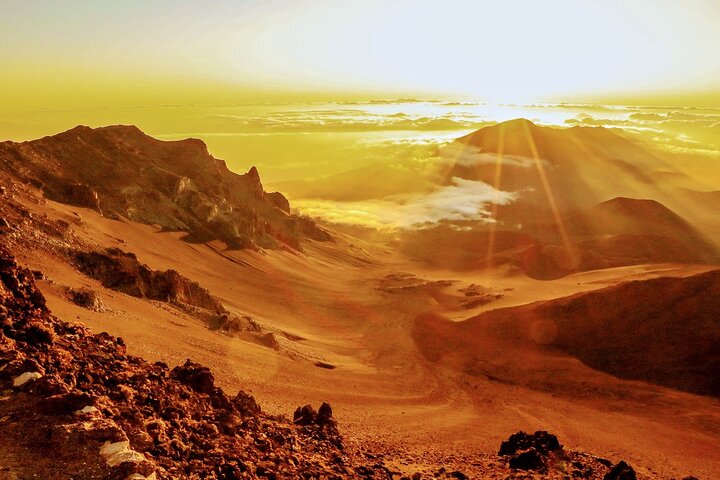
Majestic Haleakalā Sunrise Tour with Pick-up
Ride to the summit for sunrise above the clouds, then unwind over a hot breakfast on the way back down.
 West Maui
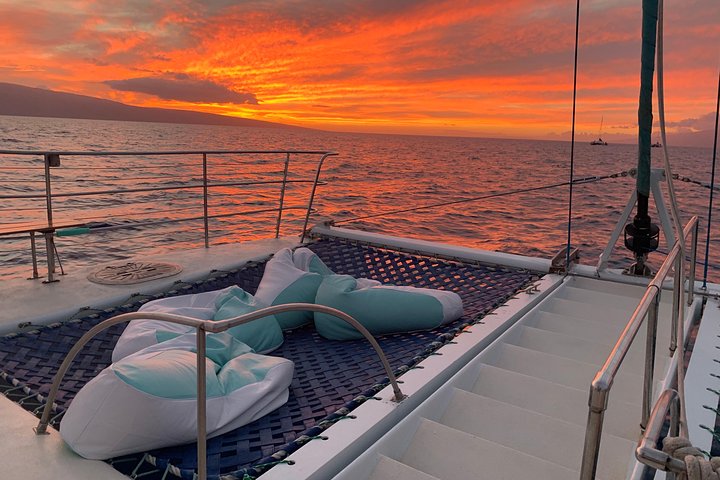
Original Sunset Cruise with Open Bar from Kaʻanapali
Sip an unlimited open bar while the sun drops behind Lānaʻi, with pupus and live music twice a week.
 Central Maui
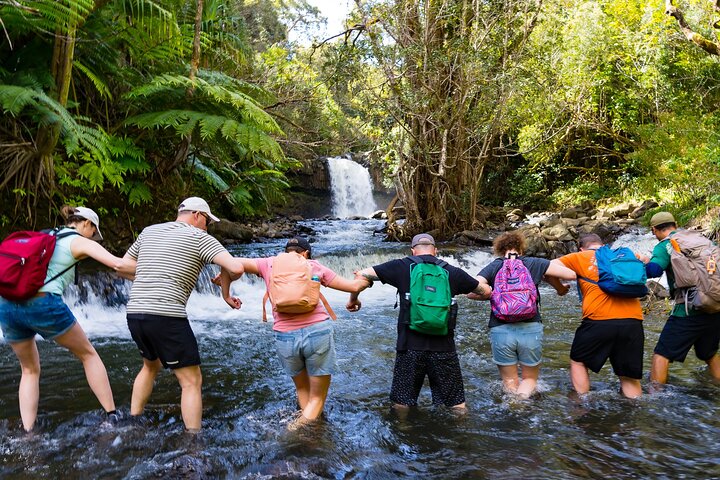
Small Group Waterfall and Rainforest Hiking Adventure
A guided rainforest hike to East Maui waterfalls, with time to swim beneath the falls and a trail lunch included.
 South Maui
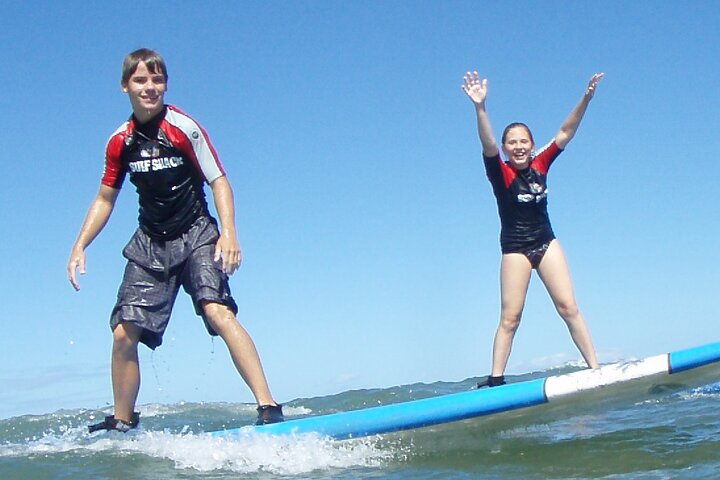
Two Hour Beginner Group Surf Lesson in Kihei
A two-hour beginner lesson in calm South Maui water — board, gear and instruction all included.
 Upcountry
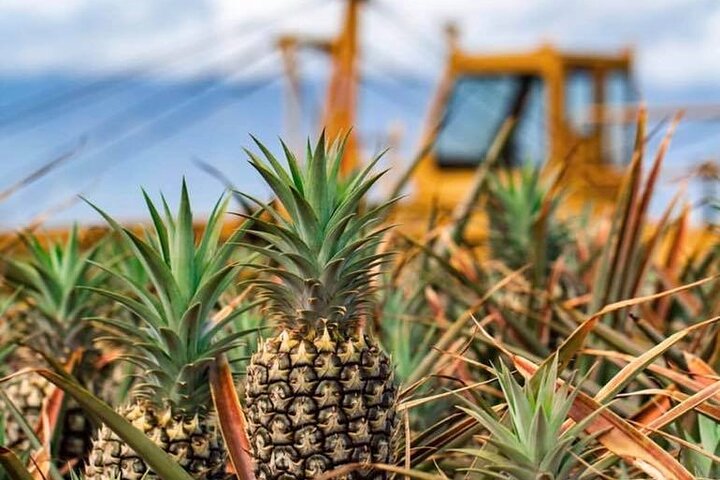
Maui Pineapple Farm Tour in Haliimaile
Tour a working pineapple farm and packing house upcountry, with tastings and a fresh pineapple to take home.
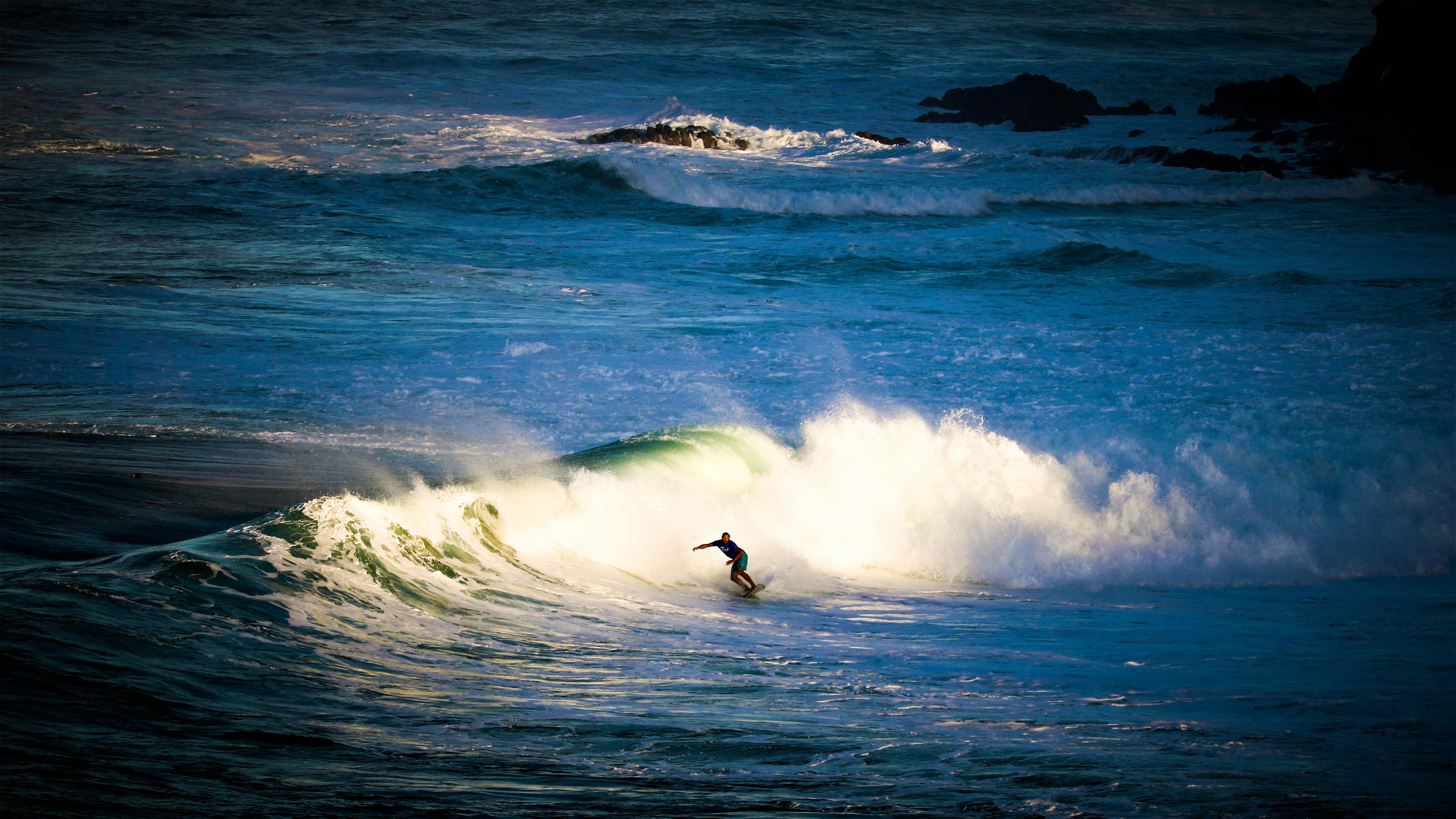
Surf: Book Instruction if You Are New
A lesson buys you the local read on conditions — not just a board.
North Shore surf changes quickly with swell and wind, and the right beginner spot can move. A good school may change your meeting point based on the morning forecast; that is a feature, not disorganization.
If you already surf, ask locally, watch before paddling out and respect the lineup. Do not assume a famous break is a visitor challenge you need to complete.
Windsurf + Kite at Kanahā
This is where Maui’s wind becomes the activity.
Kanahā Beach Park is one of the island’s major windsurfing and kiteboarding zones, with large parking areas, restrooms and showers. The trade winds that make a normal beach day harder are exactly what make the park world-class for wind sports.
Beginners should take a lesson. Windsurf and kite schools use Kanahā because the setup works, but the launch zones, wind direction and right-of-way rules are not something to learn by trial and error.
Hoʻokipa: Read the Ocean
The best free lesson is half an hour at the rail watching people who know the water.
The overlook gives you a clean read on swell size, wind and how much skill is in the lineup. When the coast is firing, watching is not a consolation prize — it is the right activity.
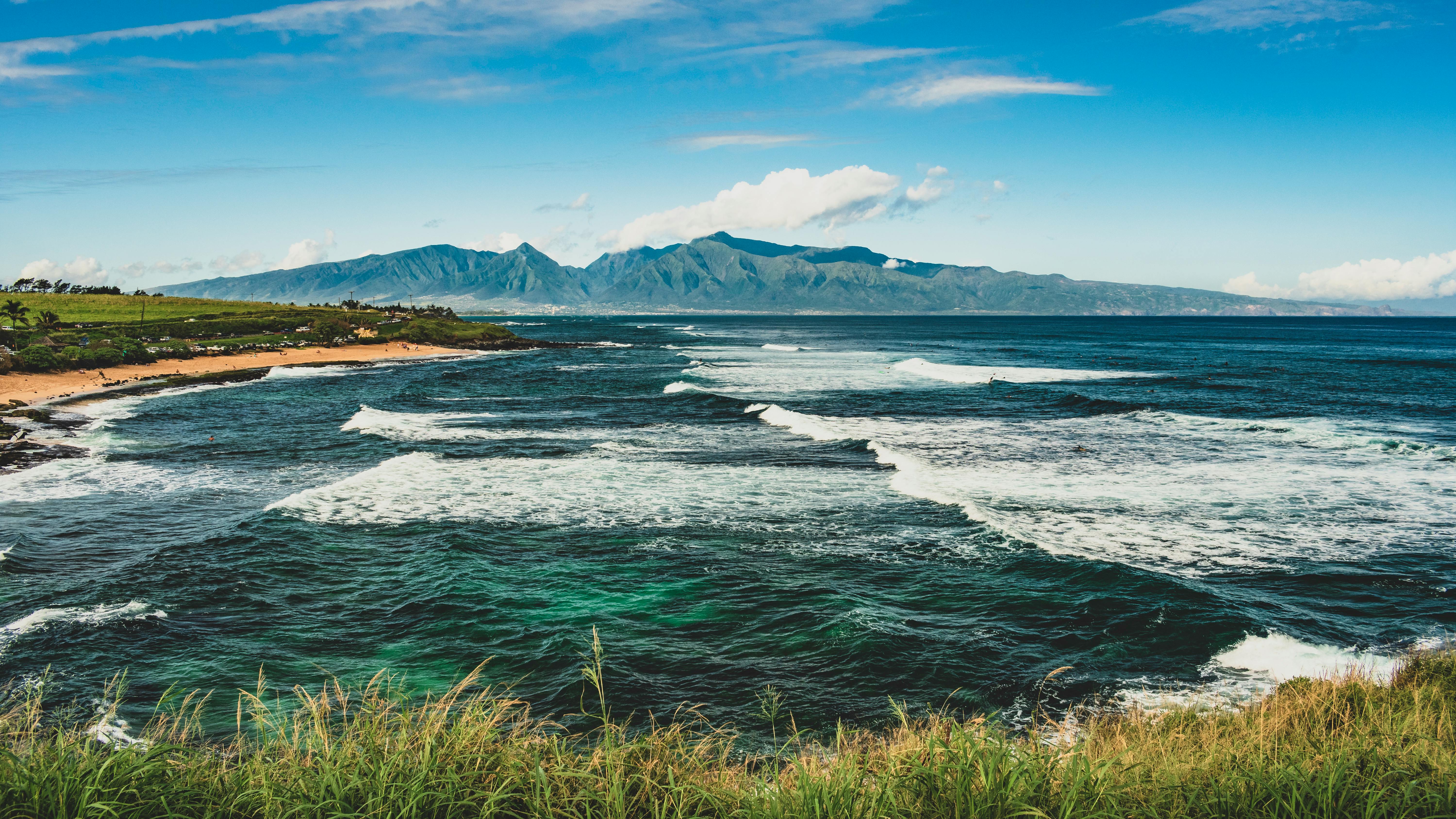
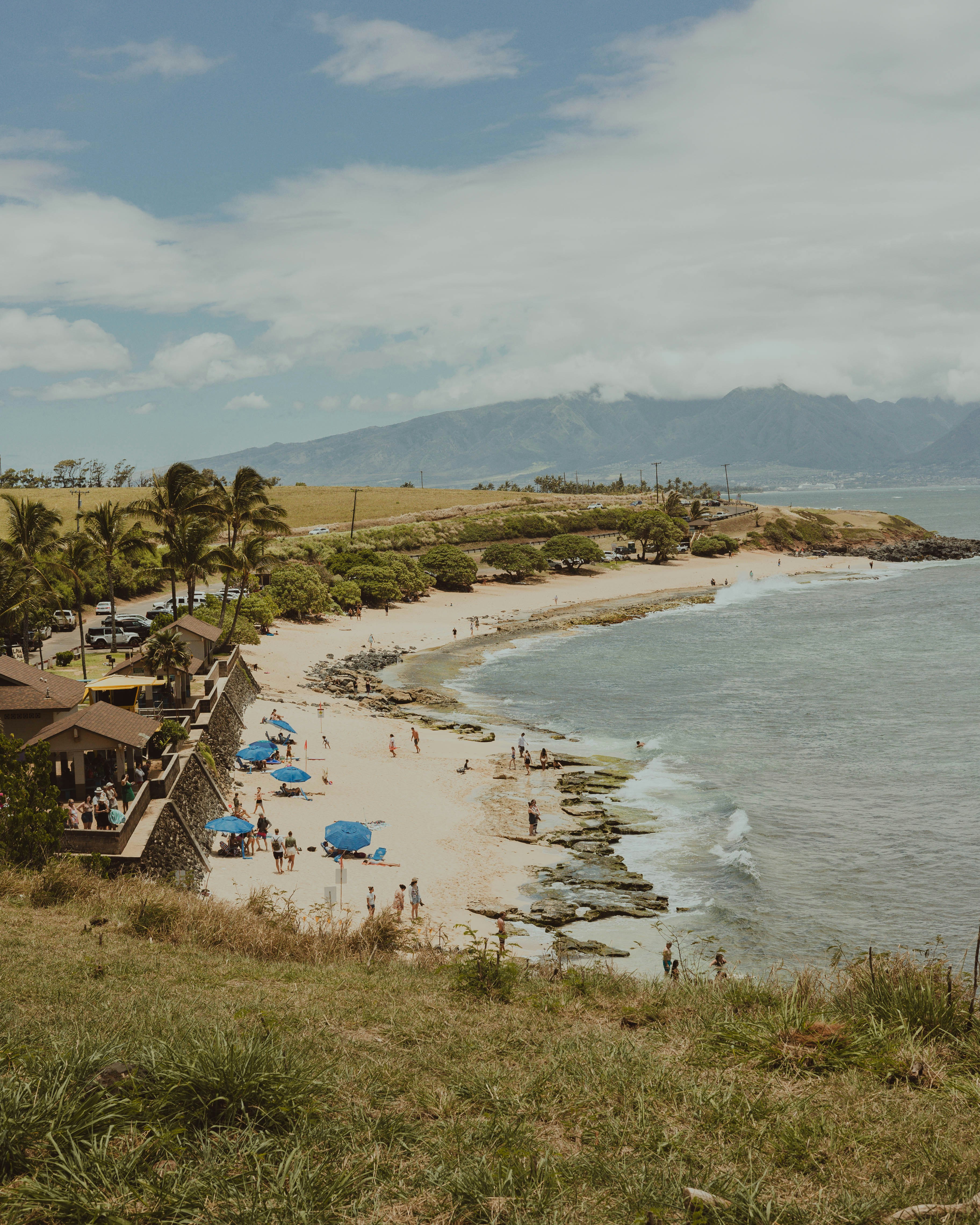
Hoʻokipa, North Shore. Photo: Tae Fuller / Pexels
Respect local rigging and access areas, keep out of surfers’ way, and do not swim just because experienced riders are in the water.
Bike or Run the North Shore Greenway
A rare dedicated route where you can build mileage without sharing the shoulder with highway traffic.
The North Shore Greenway links the Kanahā/Kahului side toward Spreckelsville and Pāʻia/Baldwin. It works for running, walking and biking, and makes a strong active morning when the ocean is not cooperating.
The airport-side section has managed gate hours around daylight, so plan it as a daytime route rather than an evening return.
Twin Falls
A quick jungle-and-waterfall adventure at the beginning of the Hāna Highway.
Go early, walk the lower farm path and treat swimming as optional. Twin Falls gets crowded quickly and should be skipped after heavy rain or whenever high-water conditions are posted.
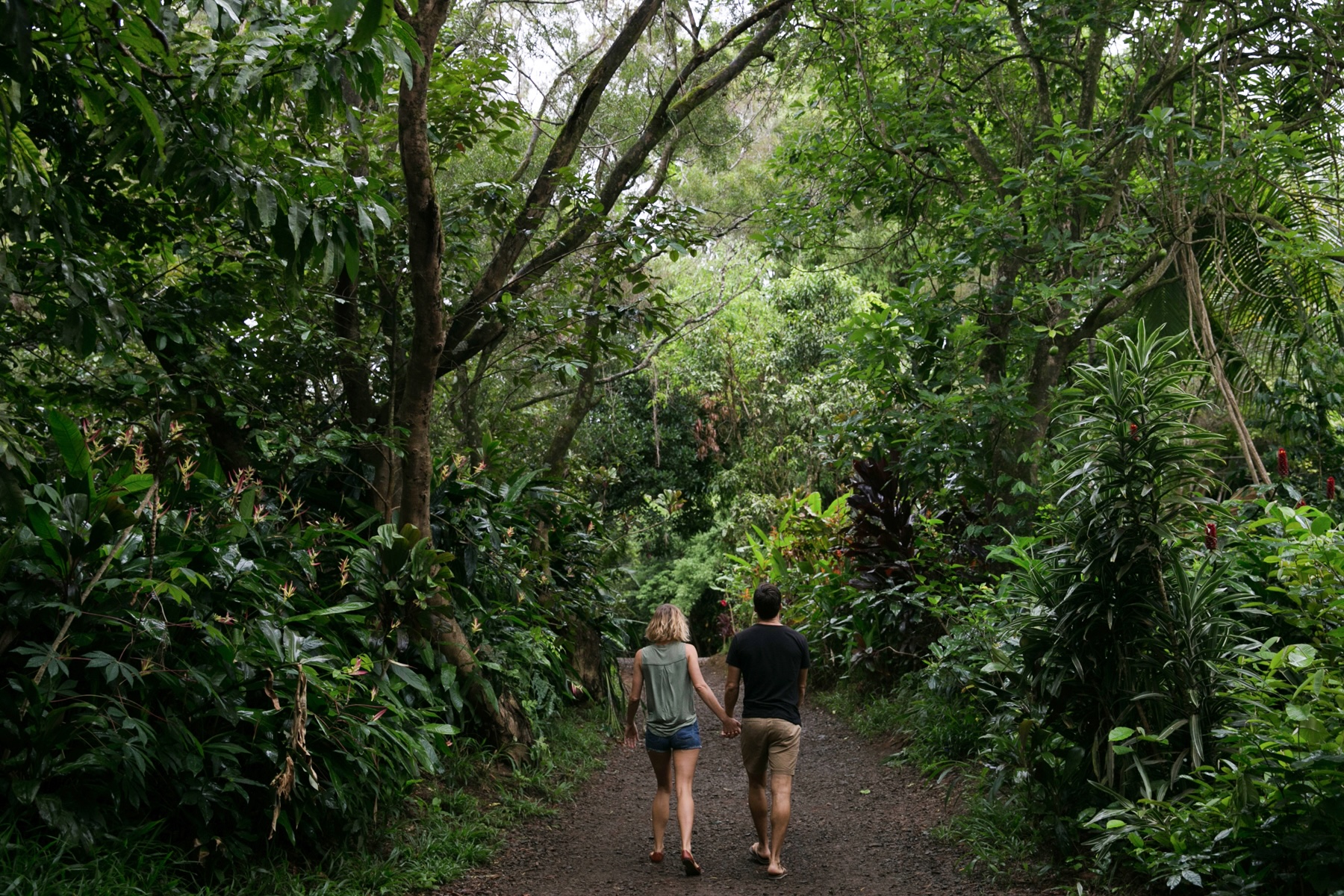
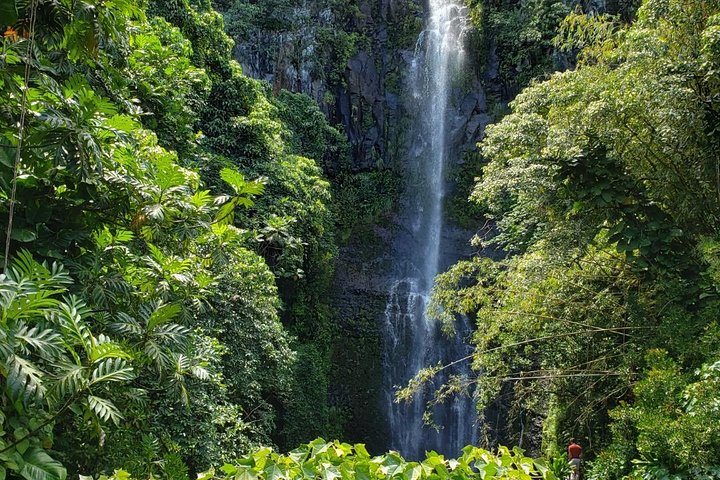
Twin Falls is the easiest waterfall walk on Maui — a flat farm path, with the lower falls close enough that small children manage it. Photo: Hawaii Tourism Authority (HTA)
The first Saturday of each month is currently reserved for Hawaiʻi residents, and last entry is 4:30 p.m.
Zipline in Haʻikū
A good land-based adrenaline option when you want a scheduled adventure.
NorthShore Zipline runs a seven-line course through the Haʻikū landscape and currently allows participants from age five who meet its weight and health restrictions. It is an easy add-on to a Haʻikū or Twin Falls day.
The Hāna Highway
The biggest adventure that starts on the North Shore — and the one that deserves its own day.
Start early from Pāʻia and treat the road as the destination. If you stop at Twin Falls, keep it short enough that you still have time for the rest of East Maui.
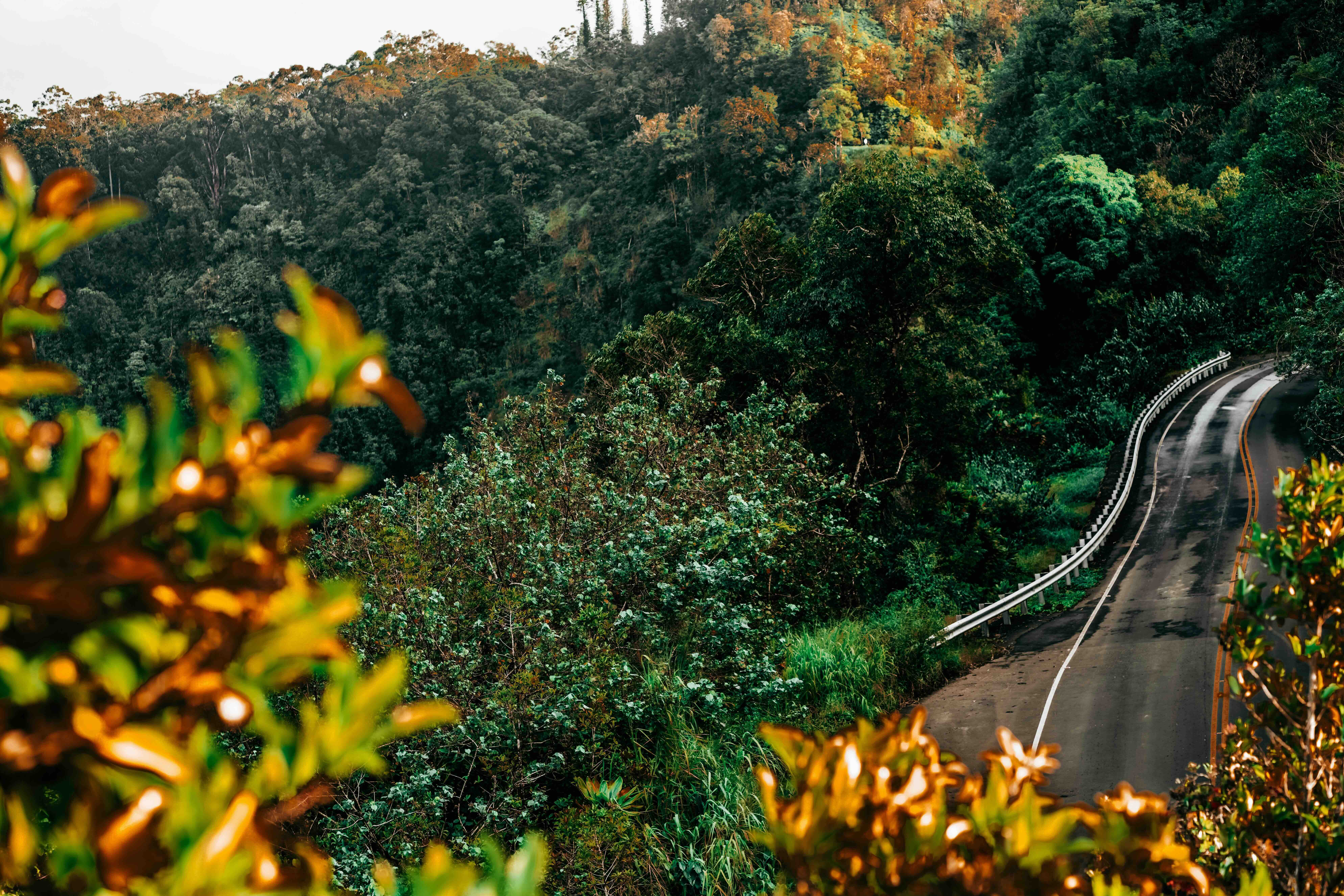
Hāna Highway, East Maui. Photo: Hawaii Tourism Authority (HTA)
If you do not want to drive a long winding road, a guided Hāna day can be worth the cost simply because someone else handles the road while you look out the window.
Peʻahi (Jaws): Do Not Make Access the Adventure
Jaws is for serious surfers and properly planned spectators — not a spontaneous rental-car mission.
The approach is rough, formal access is limited and big-swell crowds can make the dirt road chaotic. Historical County access documents describe no formally acknowledged public spectator access to the break.
Unless you have a legitimate plan with local knowledge, stay off the Jaws road. When the North Shore is huge, use Hoʻokipa for accessible public surf viewing.
Weather Is the Plan
Choose the adventure that fits what Maui is doing that morning.
- Ocean too big — watch from Hoʻokipa, bike or zipline
- No wind — surf, bike or waterfall instead of kite
- Heavy rain — stay out of streams and move Upcountry or south
Practical Tips
- Book instruction for surf, windsurf or kite if you are new.
- Watch a break before entering it.
- Do not use Peʻahi/Jaws as a casual sightseeing drive.
- Go early for Twin Falls.
- Carry water even on short outings; humidity adds up.
- Check stream conditions after rain.
- Use the greenway for a low-logistics active morning.
- Let conditions beat the itinerary. That is the North Shore rule.
One Last Tip
The North Shore is most adventurous when you respect what you are seeing.
Read the ocean, read the clouds, ask locals when skill matters, and change the plan before the conditions change it for you.
Frequently Asked Questions
Should I book a surf lesson on the North Shore?
If you are new, yes — a lesson buys you the local read on conditions, not just a board. North Shore surf changes quickly with swell and wind, and the right beginner spot can move, so a good school may change your meeting point based on the morning forecast. That is a feature, not disorganization.
Where do I learn to windsurf or kite on Maui?
Kanahā Beach Park. It is one of the island’s major windsurfing and kiteboarding zones, with large parking areas, restrooms and showers. Beginners should take a lesson: the launch zones, wind direction and right-of-way rules are not something to learn by trial and error.
When can I ride or run the North Shore Greenway?
Plan it as a daytime route. The airport-side section has managed gate hours around daylight, so it is not an evening return. The path links the Kanahā/Kahului side toward Spreckelsville and Pāʻia/Baldwin, and it works for running, walking and biking.
Is Peʻahi (Jaws) a spectator stop?
No. The approach is rough, formal access is limited and big-swell crowds can make the dirt road chaotic; historical County access documents describe no formally acknowledged public spectator access to the break. Unless you have a legitimate plan with local knowledge, stay off the Jaws road and use Hoʻokipa for accessible public surf viewing.
What should I do when the ocean is too big?
Watch from Hoʻokipa, then bike or zipline. The overlook gives you a clean read on swell size, wind and how much skill is in the lineup, and when the coast is firing, watching is not a consolation prize — it is the right activity. Let conditions beat the itinerary; that is the North Shore rule.