Best Maui Tours & Activities

At a Glance
Most popular on Maui
 Central Maui
Maui Snorkeling Adventure to Molokini and Turtle Town
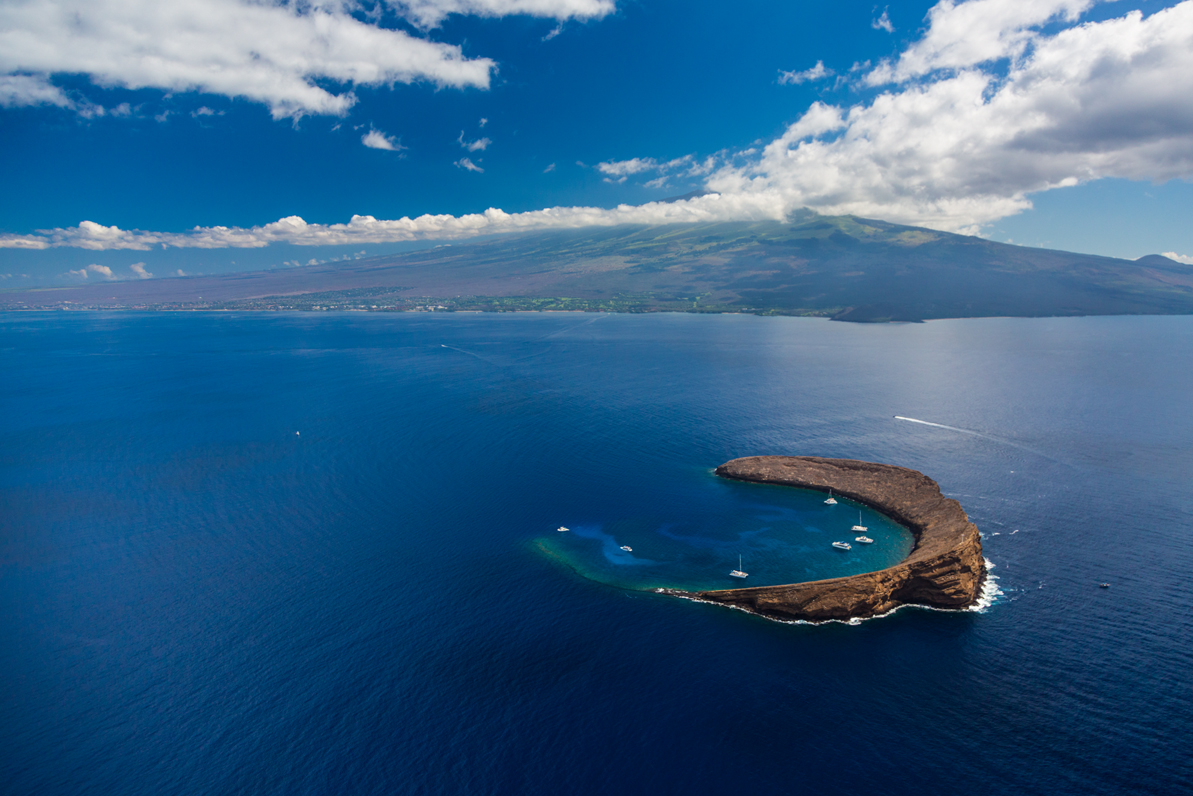
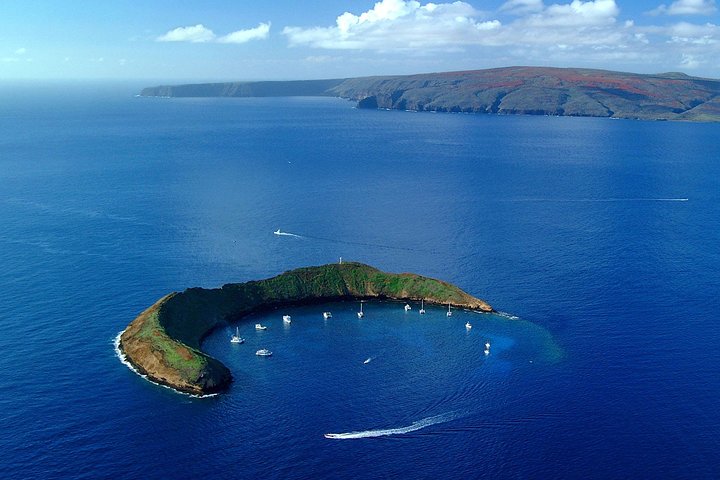
Visit Maui's famous snorkeling and diving destinations Molokini Crater and Turtle Town on a snorkeling catamaran, with visibility of 100 feet or more.
 South Maui
Feast at Mokapu Luau in Wailea
Discover Hawai'i's most authentic luxury luau at Andaz Maui at Wailea Resort — a curated cultural evening with a three-course plated dinner on Mokapu beach.
 South Maui
Gilligans' Island Luau in Kihei
An intimate luau experience and the only luau in Kihei — less than a quarter the size of the average Maui luau, so every seat has a great view of the show.
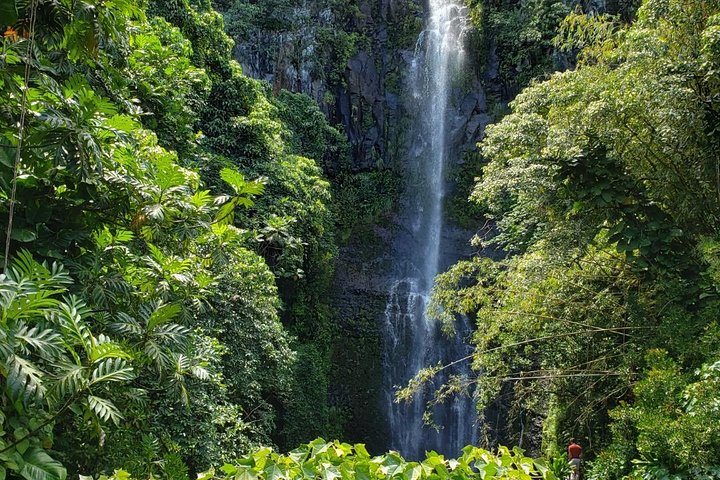 Road to Hāna
Small-Group Road to Hana Adventure Tour with Pickup & Lunch
Watch the waterfalls, black-sand beaches and rainforest go by without anyone in your group behind the wheel.
 Upcountry
Majestic Haleakalā Sunrise Tour with Pick-up
Ride to the summit for sunrise above the clouds, then unwind over a hot breakfast on the way back down.
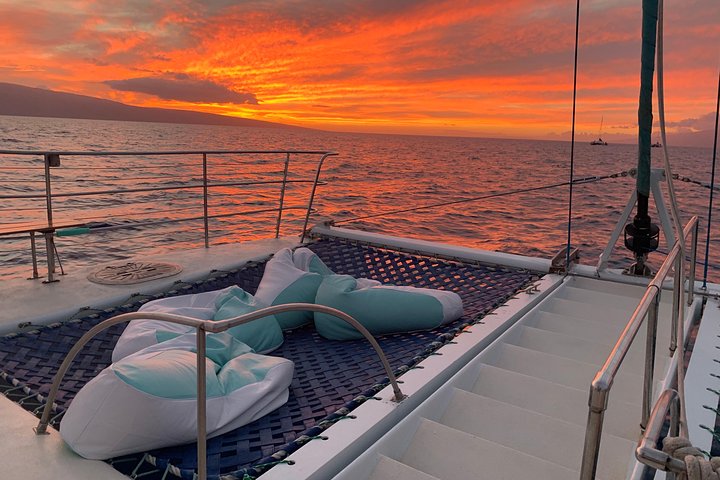 West Maui
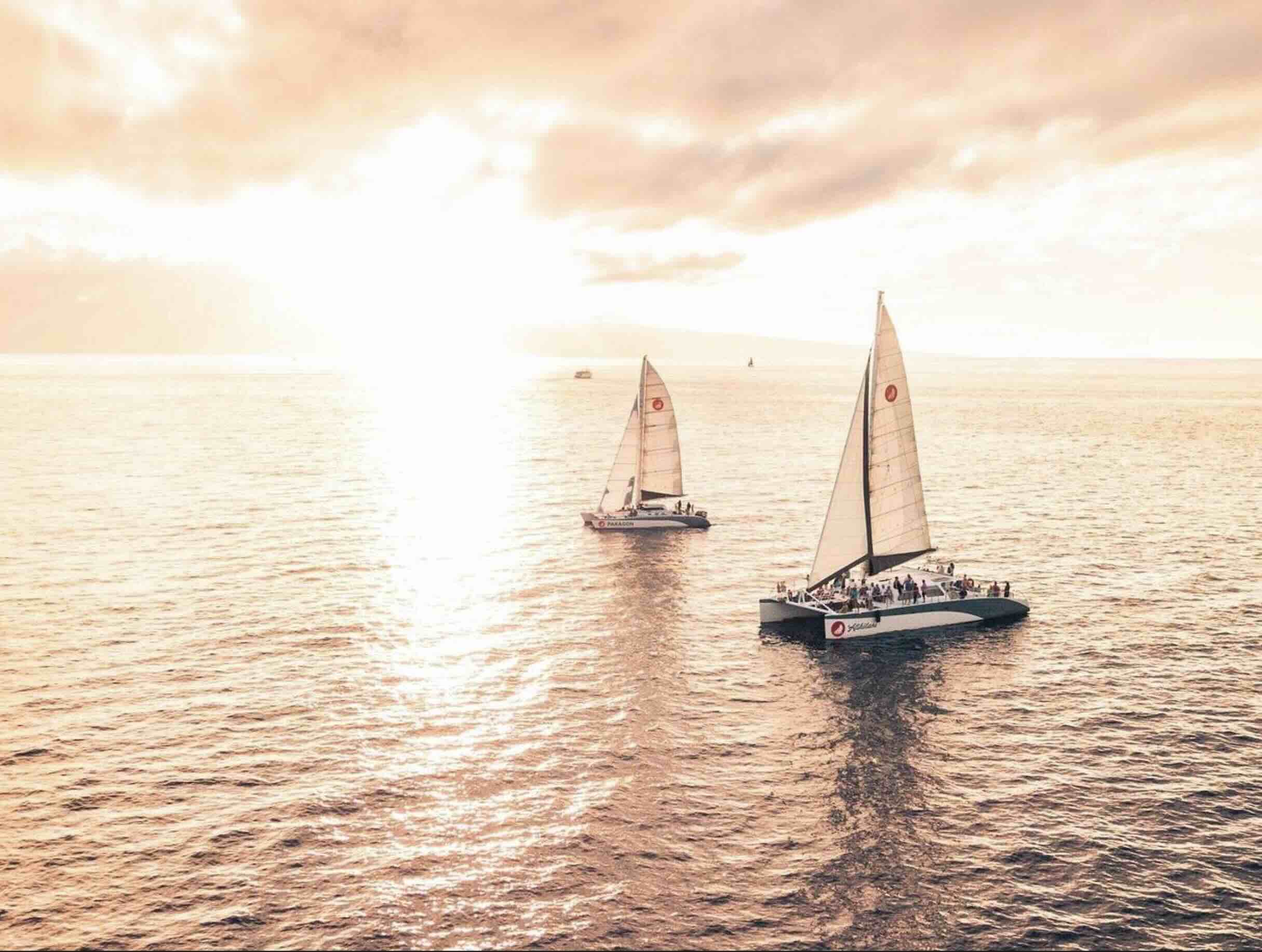
Original Sunset Cruise with Open Bar from Kaʻanapali
Sip an unlimited open bar while the sun drops behind Lānaʻi, with pupus and live music twice a week.
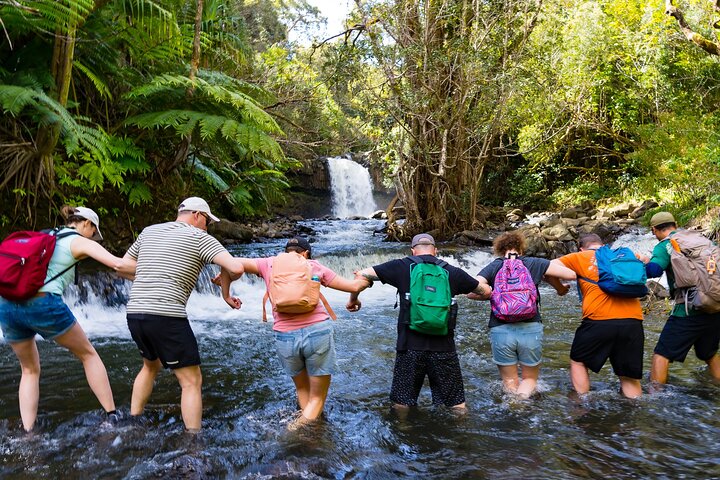 Central Maui
Small Group Waterfall and Rainforest Hiking Adventure
A guided rainforest hike to East Maui waterfalls, with time to swim beneath the falls and a trail lunch included.
 South Maui
Two Hour Beginner Group Surf Lesson in Kihei
A two-hour beginner lesson in calm South Maui water — board, gear and instruction all included.
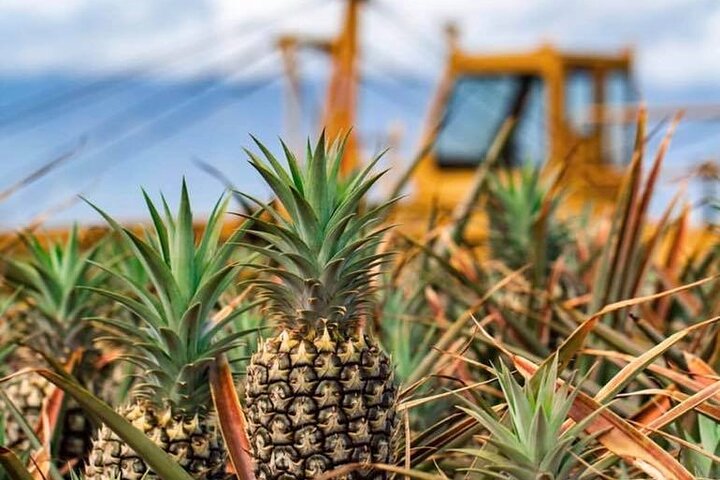 Upcountry
Maui Pineapple Farm Tour in Haliimaile
Tour a working pineapple farm and packing house upcountry, with tastings and a fresh pineapple to take home.
When Paying Actually Changes the Day
Pay for access, equipment, instruction or expertise. Do not pay to be driven somewhere you could have driven yourself.
- Access — Offshore water and aerial views you cannot reach any other way.
- Equipment and crew — Gear, flotation and somebody watching while you are in the water.
- Instruction — Skills that a rental and a guess will not give you.
- The risk — Buying an activity because you are afraid of missing Maui.
Two to four paid experiences is plenty for a week. The rest of the island is free and better unscheduled.
Boat and Snorkel Tours
The clearest case for paying: water you cannot reach from any beach.
You are buying offshore access, gear, flotation, crew support and a structured half-day. Most trips leave from Māʻalaea Harbor or the Kīhei boat ramp, and the boat shapes the morning more than the reef does.
What Changes the Price
Group size, vessel type and how much in-water time you actually get at each stop. Ask for time per stop rather than trip length, and compare the departure harbour before you compare the price — it decides your drive.
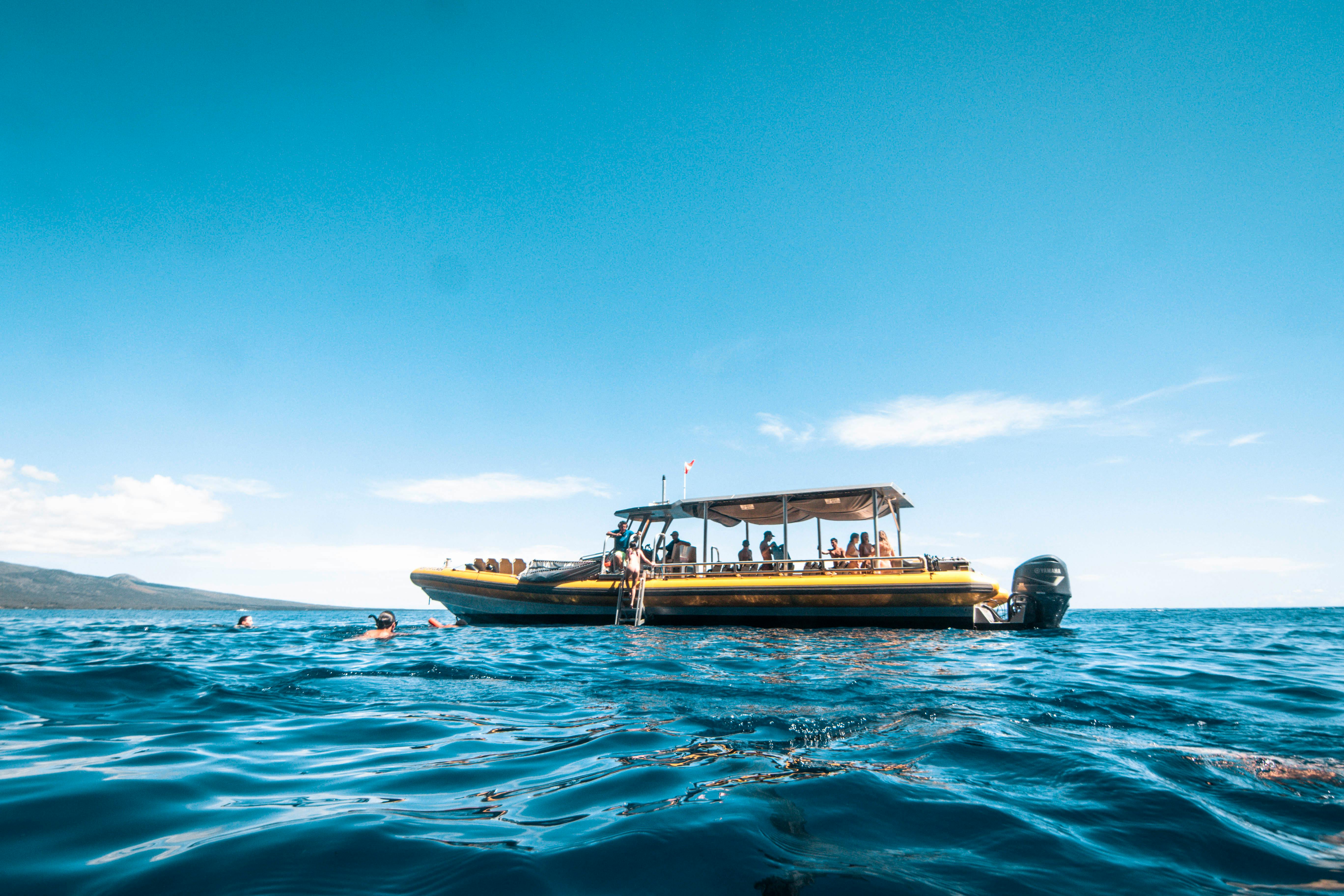
A snorkel raft offshore. Photo: Jake Houglum / Pexels
Whale Watching
In season this is the least arguable booking on the island.
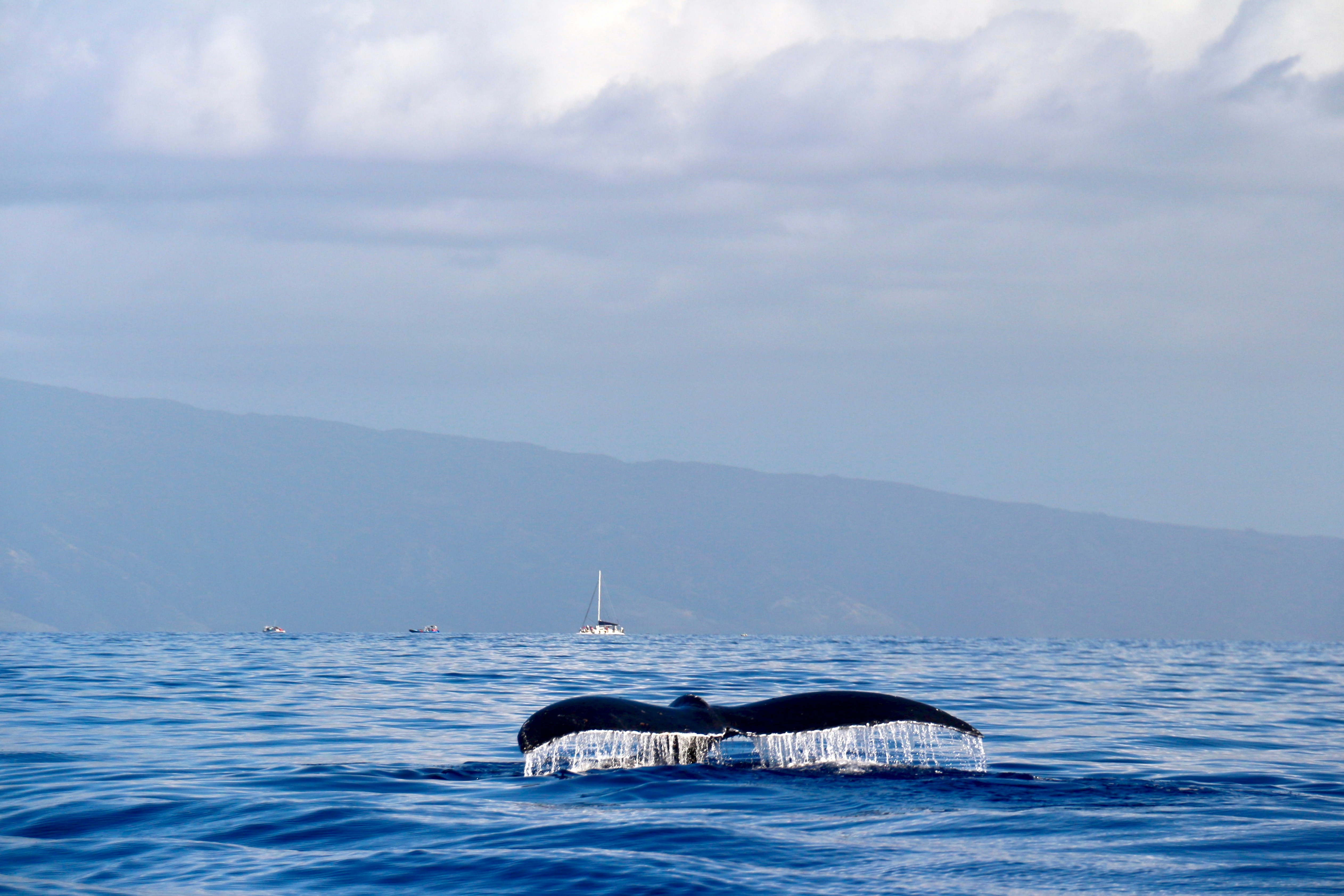
The Hawaiian Islands Humpback Whale National Marine Sanctuary states that humpback whales are generally seen in Hawaiʻi from November through April each year, with the peak season from January through March. Inside that window a dedicated whale watch is a straightforward yes; outside it, nobody can sell you one honestly.
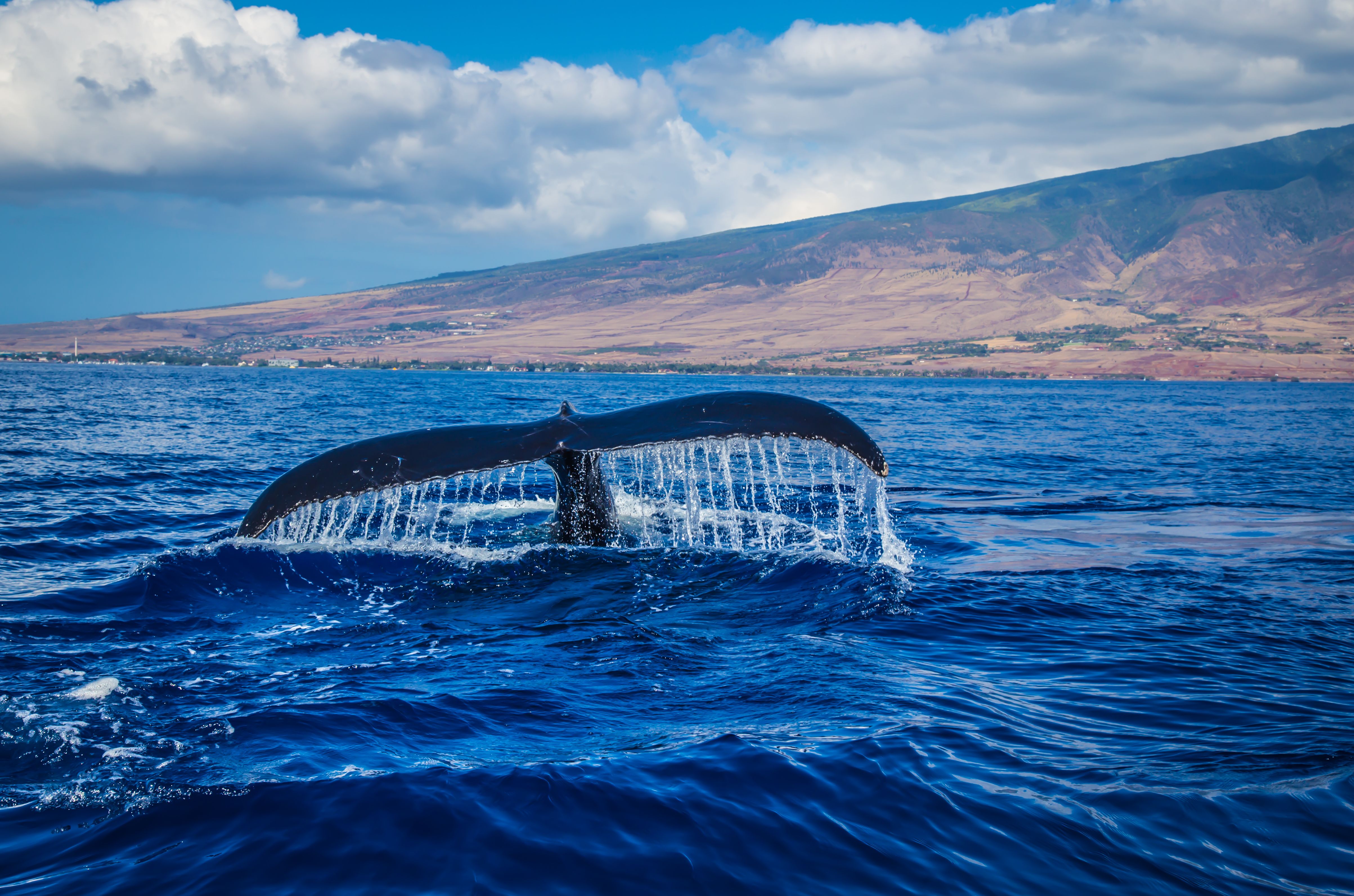
Humpback whale, West Maui. Photo: Hawaii Tourism Authority (HTA)
Surf Lessons
The best value on this page, and it is not close.
An hour of instruction changes a beginner's experience completely, and it is a far better use of money than renting a board and guessing. You are paying for somebody to pick the right break, push you into the right wave and stop you learning three bad habits on day one.
Guided Road to Hāna
Worth it when the driving is the problem, not the destination.
The real value is that everybody gets to look out of the window, including whoever would otherwise have spent six hours on six hundred curves. Book it for a group where nobody wants to drive, or where somebody gets carsick. If your group enjoys road trips, drive to Hāna yourselves and keep the money.
Helicopters
A true splurge, and the only way to see the parts of Maui with no road.
Remote valleys and waterfalls on the windward side are genuinely unreachable from the ground. That is real access rather than a view you could have driven to, which is what separates this from the tours that simply move you around.
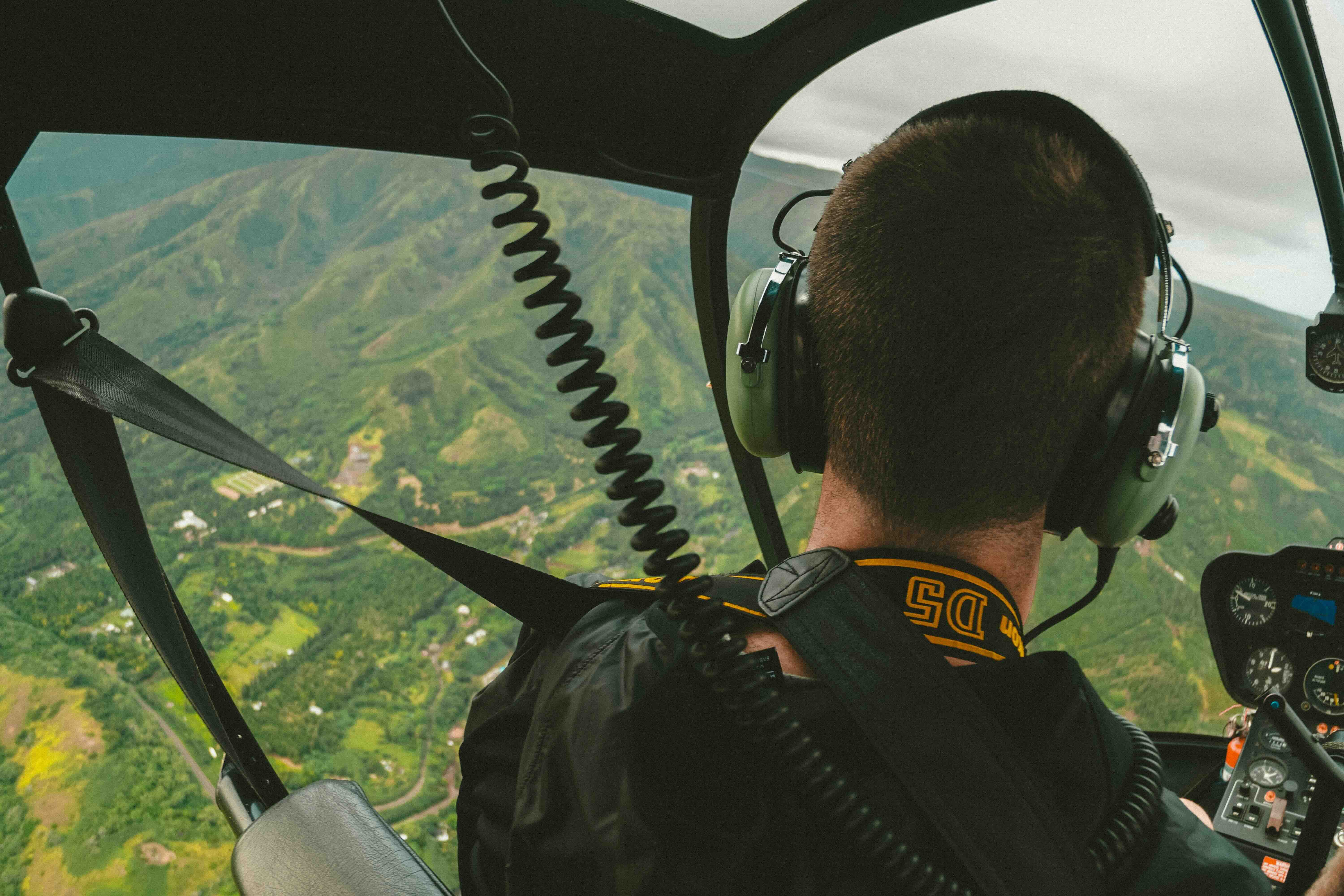
Helicopter tour over Maui. Photo: Hawaii Tourism Authority (HTA)
Luaus
A planned cultural evening, and the differences between them are not the price.
Compare intimacy, seating, food service, setting and show style rather than the ticket. The cheapest luau and the best luau are rarely the same evening.
When Not to Pay
If the tour is mostly a driver, you are buying a taxi with commentary.
Beach days, sunsets, coastal walks and most shore snorkelling are better on your own and cost nothing. So is any tour whose itinerary is a list of places with public parking. The test is simple: take away the vehicle and ask what is left.
What to Book
Snorkel or boat day.
Whale watch, November through April.
Surf lesson.
Guided Road to Hāna, if nobody wants to drive.
Luau, or a private charter or helicopter as the splurge.
Practical Tips
Add 30–45 minutes for Māʻalaea harbour parking and check-in. With a family and unfamiliar parking it is more, and being on time there is effectively late.
Read the weather cancellation policy before you pay. Ocean tours get cancelled and the policy is the whole difference.
Check age and swimming requirements before booking for children. Some boats have a hard minimum and will not bend it at the dock.
Do not stack a sunrise, a long tour and a late dinner into one day. Something in that sequence gets ruined and it is usually the dinner.
Book the thing you would be disappointed to miss and leave the rest open. Two to four paid experiences is a full week.
Frequently Asked Questions
How many tours should I book for a week on Maui?
Two to four paid experiences is plenty for most travellers. Past that you are buying back time you came here to have.
Should I book Maui tours before arriving?
Book the ones you would be genuinely disappointed to miss, and leave the flexible days open. Weather-sensitive trips are worth booking early in the stay so a cancellation still has a second chance.
Are private Maui tours and charters worth it?
For larger groups, celebrations or anyone who values control over the pace, often yes. For two people on a first trip, usually not.
When is whale watching season on Maui?
November through April, with the peak from January through March, per the Hawaiian Islands Humpback Whale National Marine Sanctuary.
Is a guided Road to Hāna tour worth it?
Yes if nobody in the group wants to drive it or somebody gets carsick. If your group enjoys road trips, drive it and keep the money.
Which Maui activities are not worth paying for?
Beach days, sunsets, coastal walks and most shore snorkelling. Take the vehicle away from any tour and ask what is left.