Best Free Things to Do on Maui

At a Glance
Most popular on Maui
 Central Maui
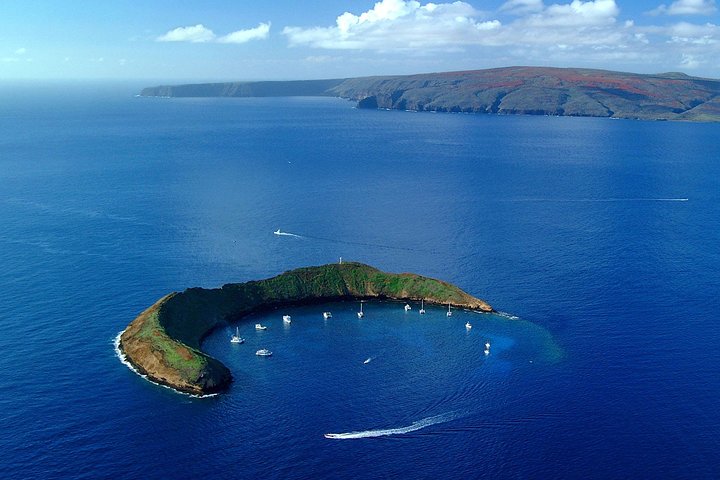
Maui Snorkeling Adventure to Molokini and Turtle Town
Visit Maui's famous snorkeling and diving destinations Molokini Crater and Turtle Town on a snorkeling catamaran, with visibility of 100 feet or more.
 South Maui
Feast at Mokapu Luau in Wailea
Discover Hawai'i's most authentic luxury luau at Andaz Maui at Wailea Resort — a curated cultural evening with a three-course plated dinner on Mokapu beach.
 South Maui
Gilligans' Island Luau in Kihei
An intimate luau experience and the only luau in Kihei — less than a quarter the size of the average Maui luau, so every seat has a great view of the show.
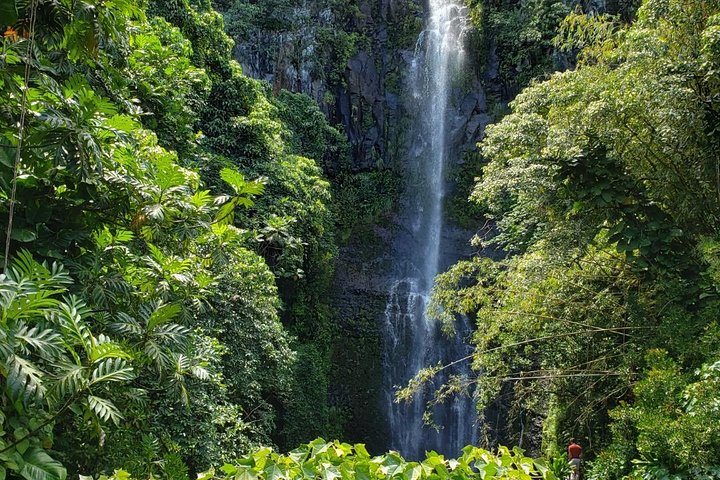 Road to Hāna
Small-Group Road to Hana Adventure Tour with Pickup & Lunch
Watch the waterfalls, black-sand beaches and rainforest go by without anyone in your group behind the wheel.
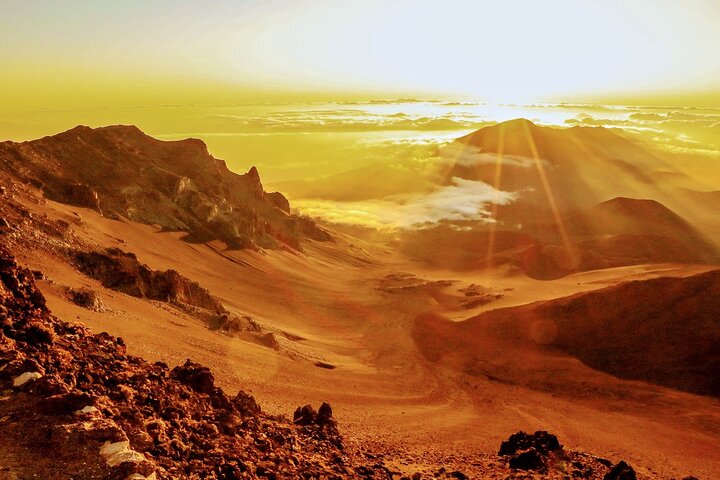 Upcountry
Majestic Haleakalā Sunrise Tour with Pick-up
Ride to the summit for sunrise above the clouds, then unwind over a hot breakfast on the way back down.
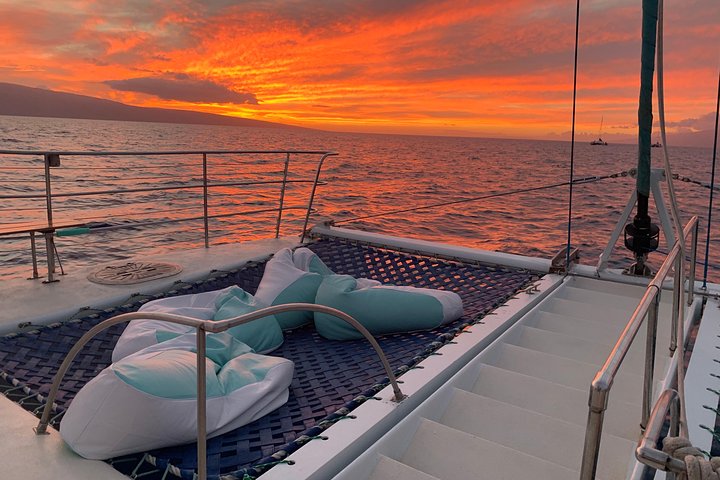 West Maui
Original Sunset Cruise with Open Bar from Kaʻanapali
Sip an unlimited open bar while the sun drops behind Lānaʻi, with pupus and live music twice a week.
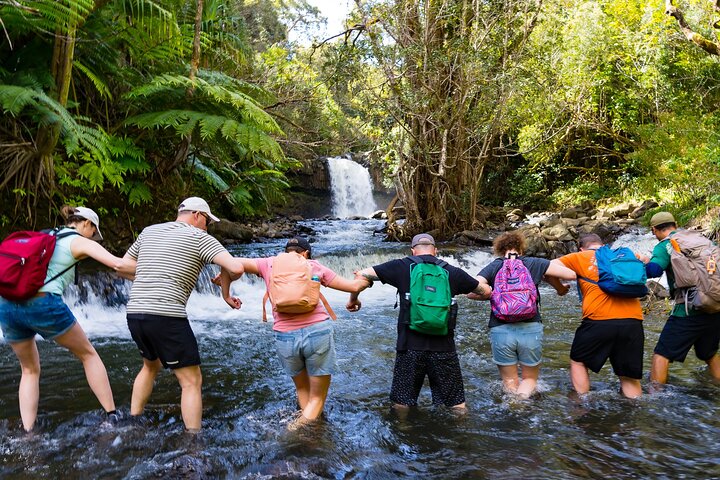 Central Maui
Small Group Waterfall and Rainforest Hiking Adventure
A guided rainforest hike to East Maui waterfalls, with time to swim beneath the falls and a trail lunch included.
 South Maui
Two Hour Beginner Group Surf Lesson in Kihei
A two-hour beginner lesson in calm South Maui water — board, gear and instruction all included.
 Upcountry
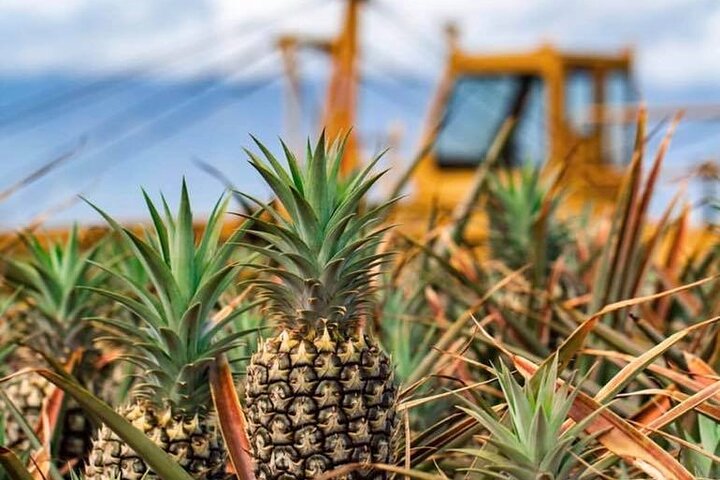
Maui Pineapple Farm Tour in Haliimaile
Tour a working pineapple farm and packing house upcountry, with tastings and a fresh pineapple to take home.
Beach Days
Every beach on Maui is public. The parking is not, and that is where a free day quietly stops being free.
- Always free — The sand, the water and the access itself. Public shoreline is public.
- Sometimes not — The paved lot behind it, at a growing number of County beaches.
- The workaround — Street parking, or a beach whose lot is still free.
- The risk — Budgeting for a free day and paying for parking at both ends of it.
Bring lunch and make the beach the plan rather than the gap between plans.
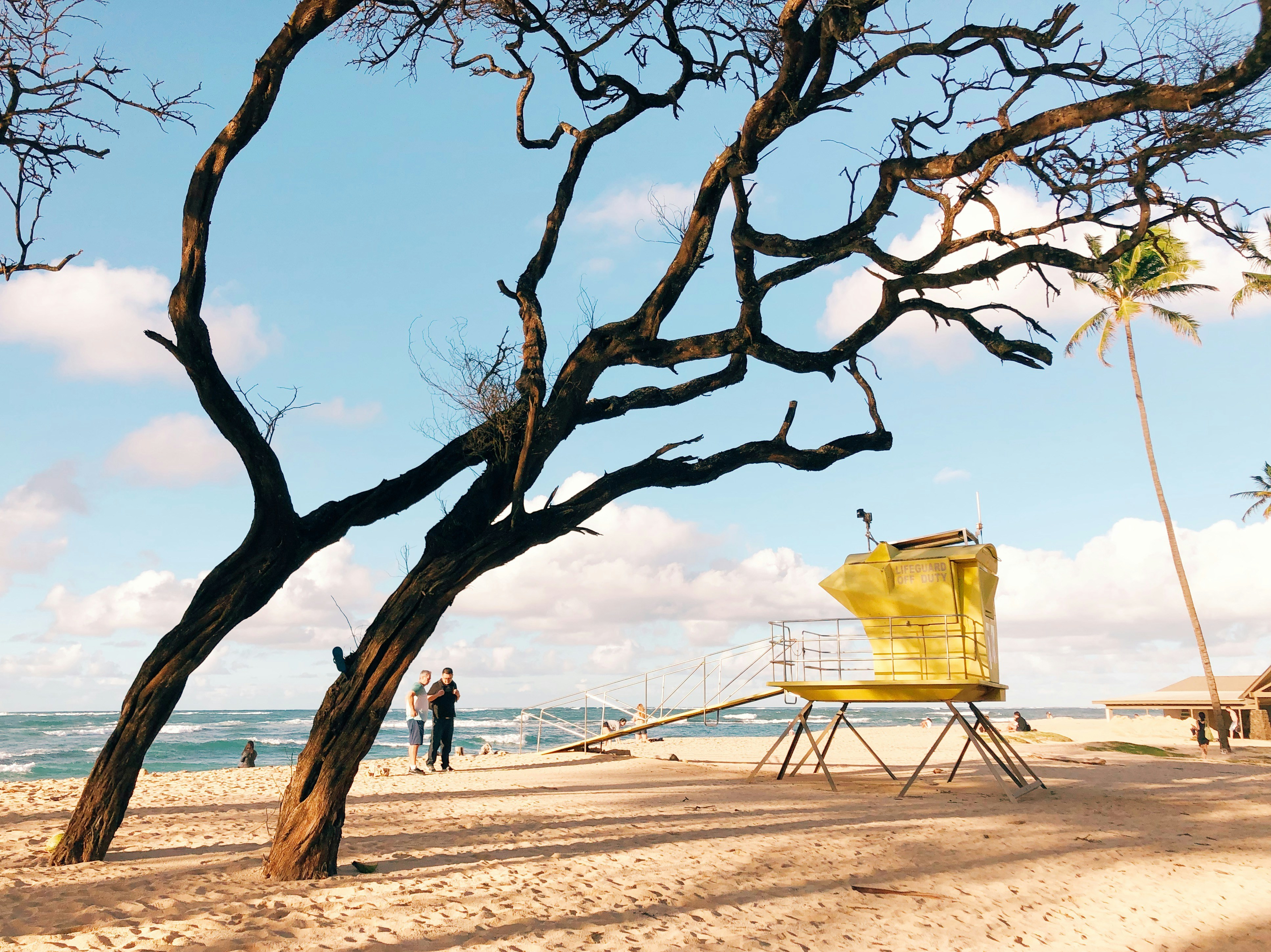
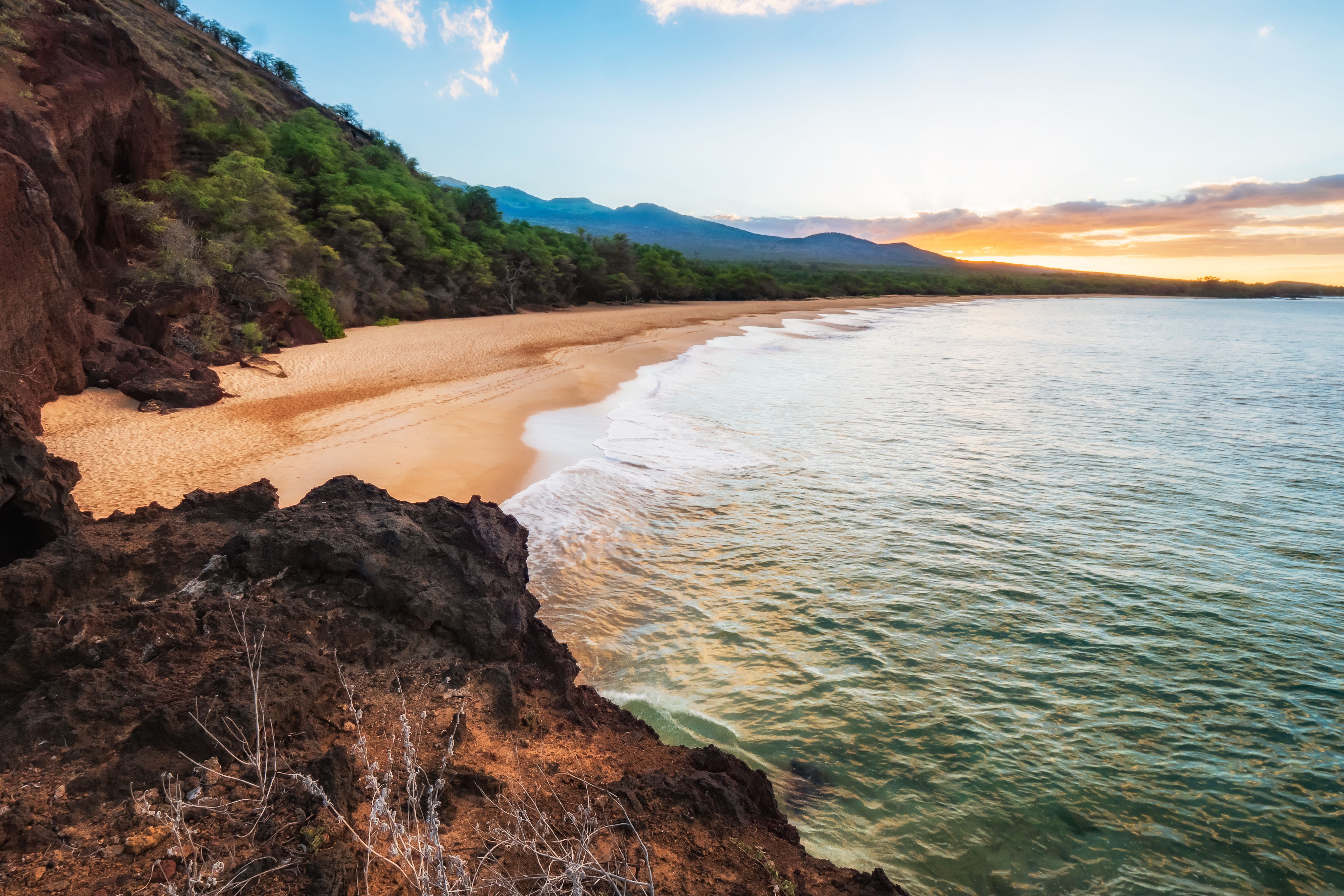
Baldwin Beach, North Shore. Photo: Paul Matheson / Unsplash
What PARK MAUI Actually Costs
PARK MAUI launched on 15 July 2026 at the paved lots at Kamaʻole I and Kamaʻole III in Kīhei. Nonresidents pay $10 a day, $50 a week or $150 a month. Hawaiʻi residents park free by scanning a Hawaiʻi licence at a pay station or in the app. On weekends and County holidays those paved lots are resident-only before 10 a.m.
Kamaʻole II has street parking only and no lot at all, which makes it the free one of the three and the awkward one if you are carrying gear. All the Kamaʻole lots open at 7 a.m. and close at 8 p.m.
Keawakapu and Baldwin are both still free to park at, and Baldwin is lifeguarded, which is the part worth knowing on a day you are not paying for supervision anywhere else.
Coastal Walks
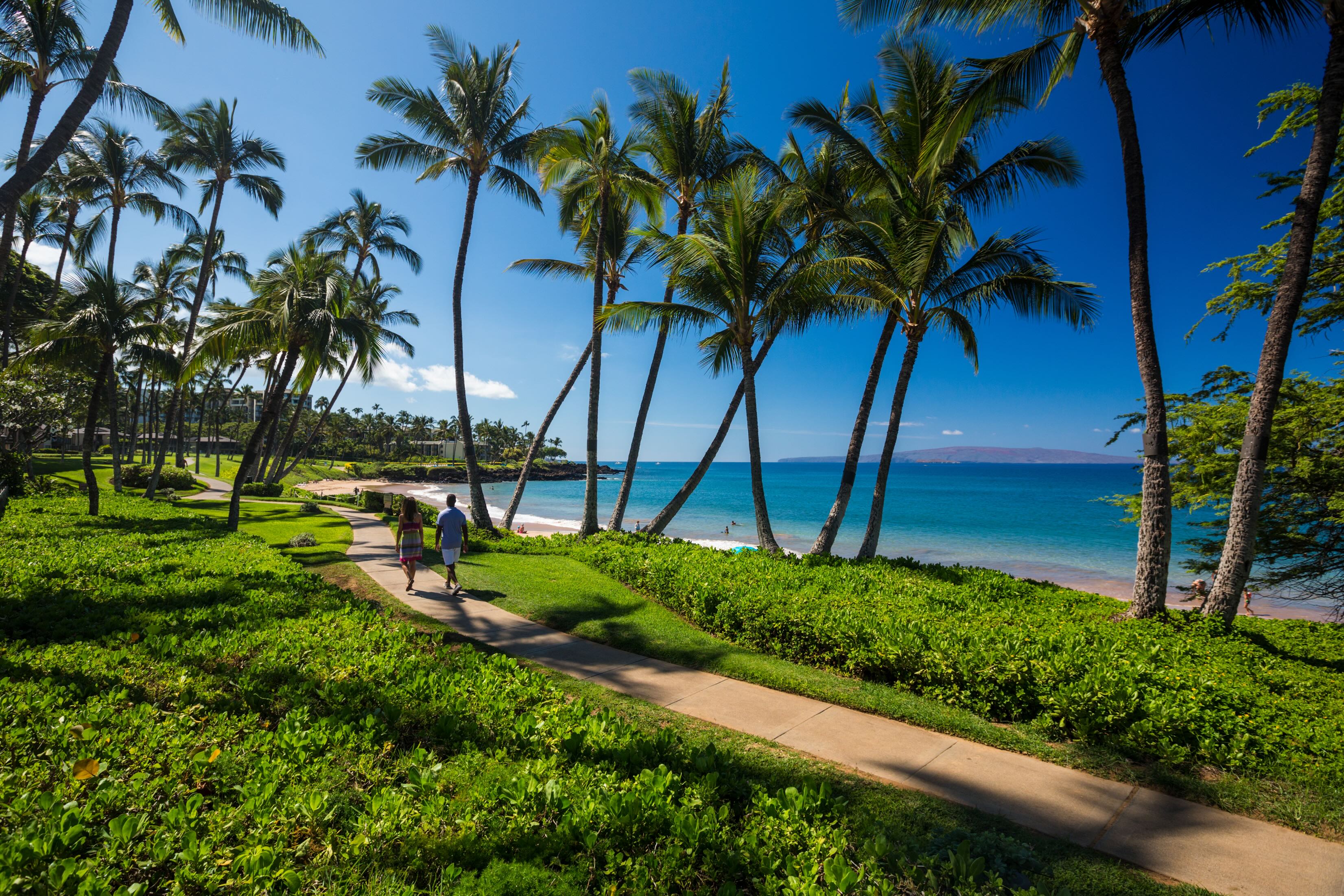
Two paved walks that deliver resort scenery with no activity fee and no ticket.
The Wailea Beach Path runs the South Maui resort coast and the Kapalua Coastal Trail does the West Maui equivalent. Both are free, both are best early or at sunset, and neither asks anything of you but shoes.
Towns
An hour walking a town beats an hour looking for a free attraction.
Pāʻia is the easiest one to spend that hour in — a few blocks of shopfronts, a surf town that still works as one, and a beach at either end. Makawao and Wailuku reward the same treatment Upcountry and in Central Maui. Buy the coffee and the lunch; the walking is the free part and the businesses are the reason it is worth walking.
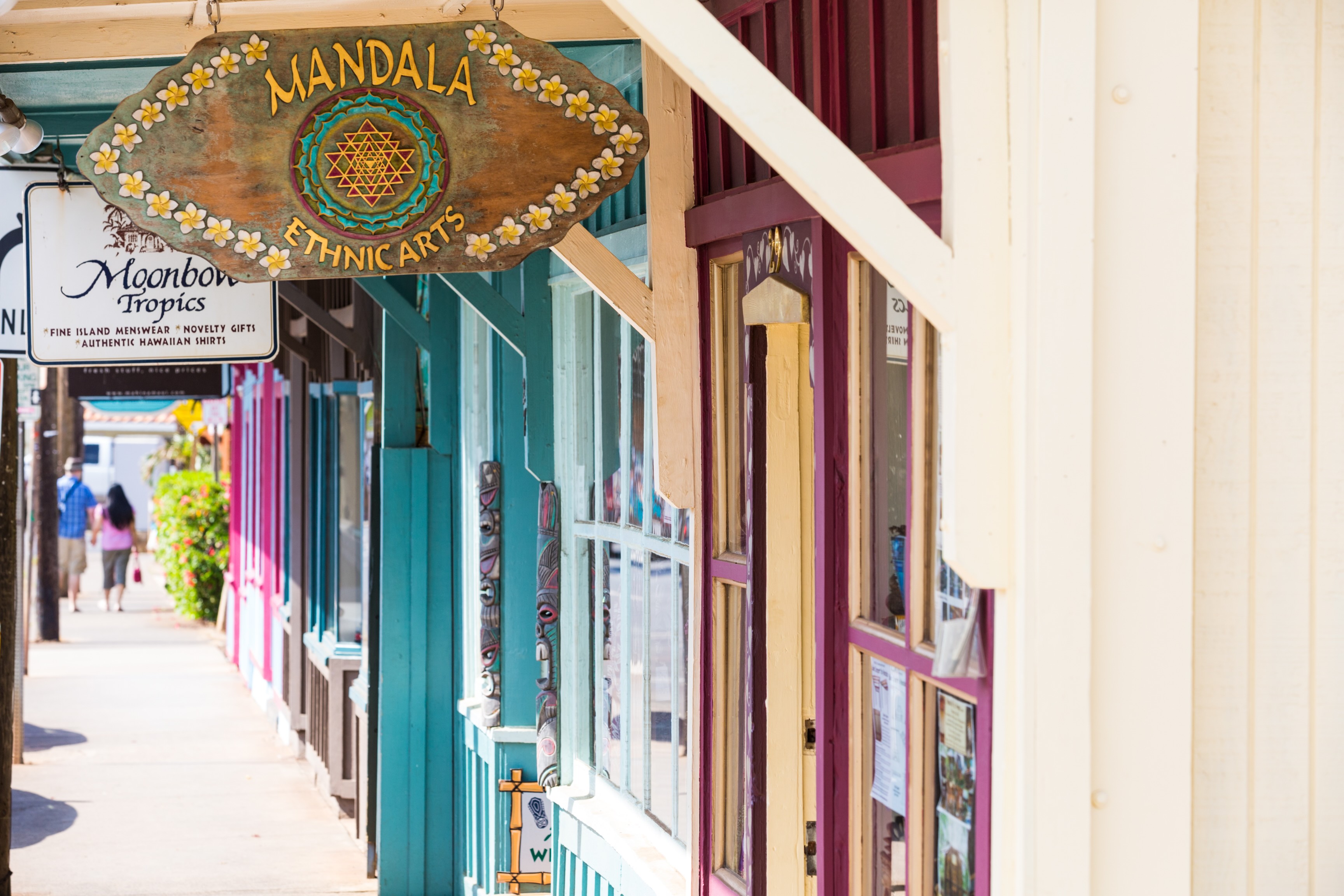
Pāʻia, North Shore. Photo: Hawaii Tourism Authority (HTA)
Viewpoints and Sunsets
World-class scenery with no ticket, and the best of it is watching other people work.
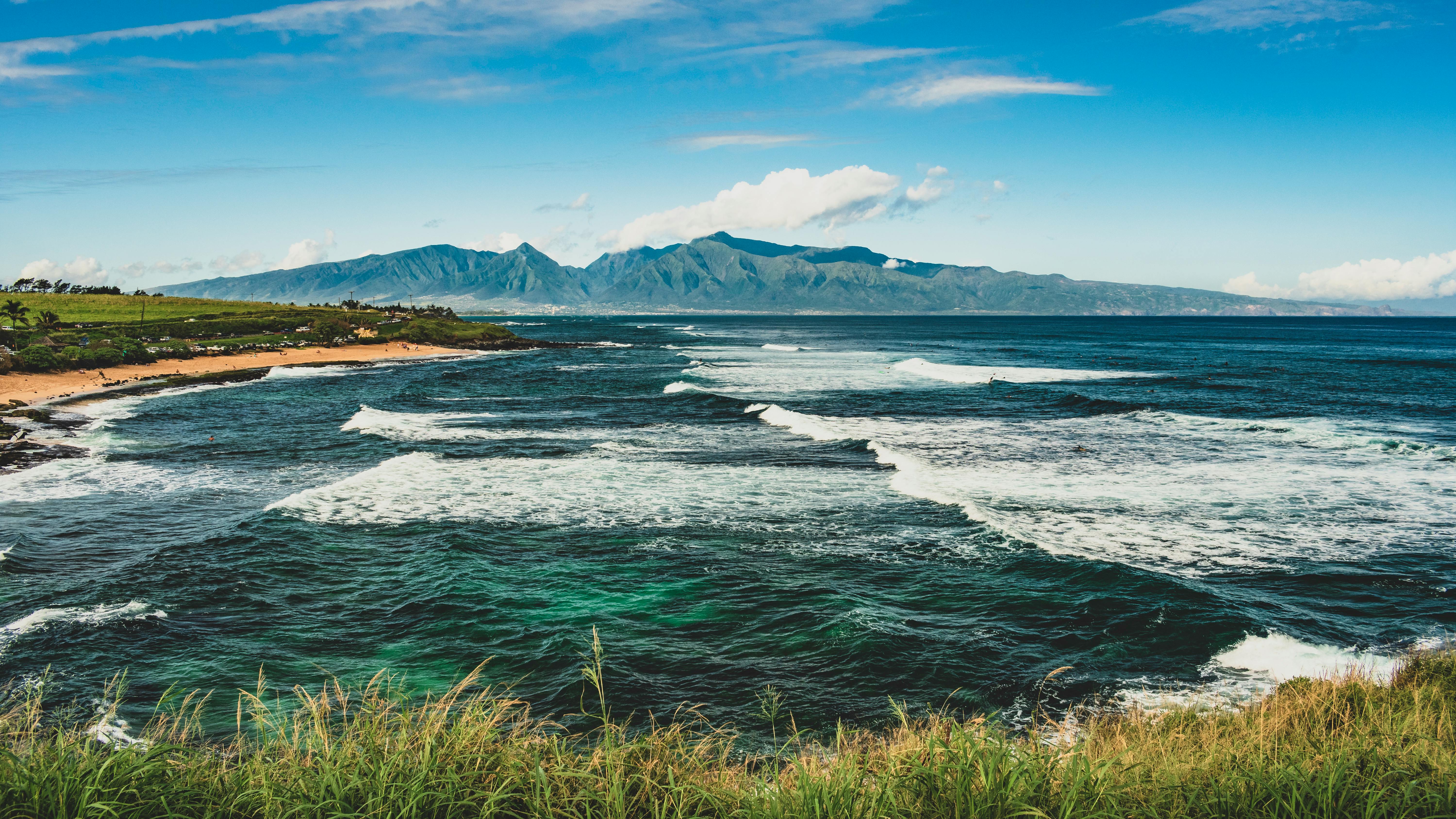
Hoʻokipa is the one to drive to: a headland lookout above a bay where surfers and windsurfers are usually doing something worth stopping for. For sunset, the best free one is almost always the west-facing beach closest to where you are staying, because you will stay for the whole thing instead of driving home in the middle of it.
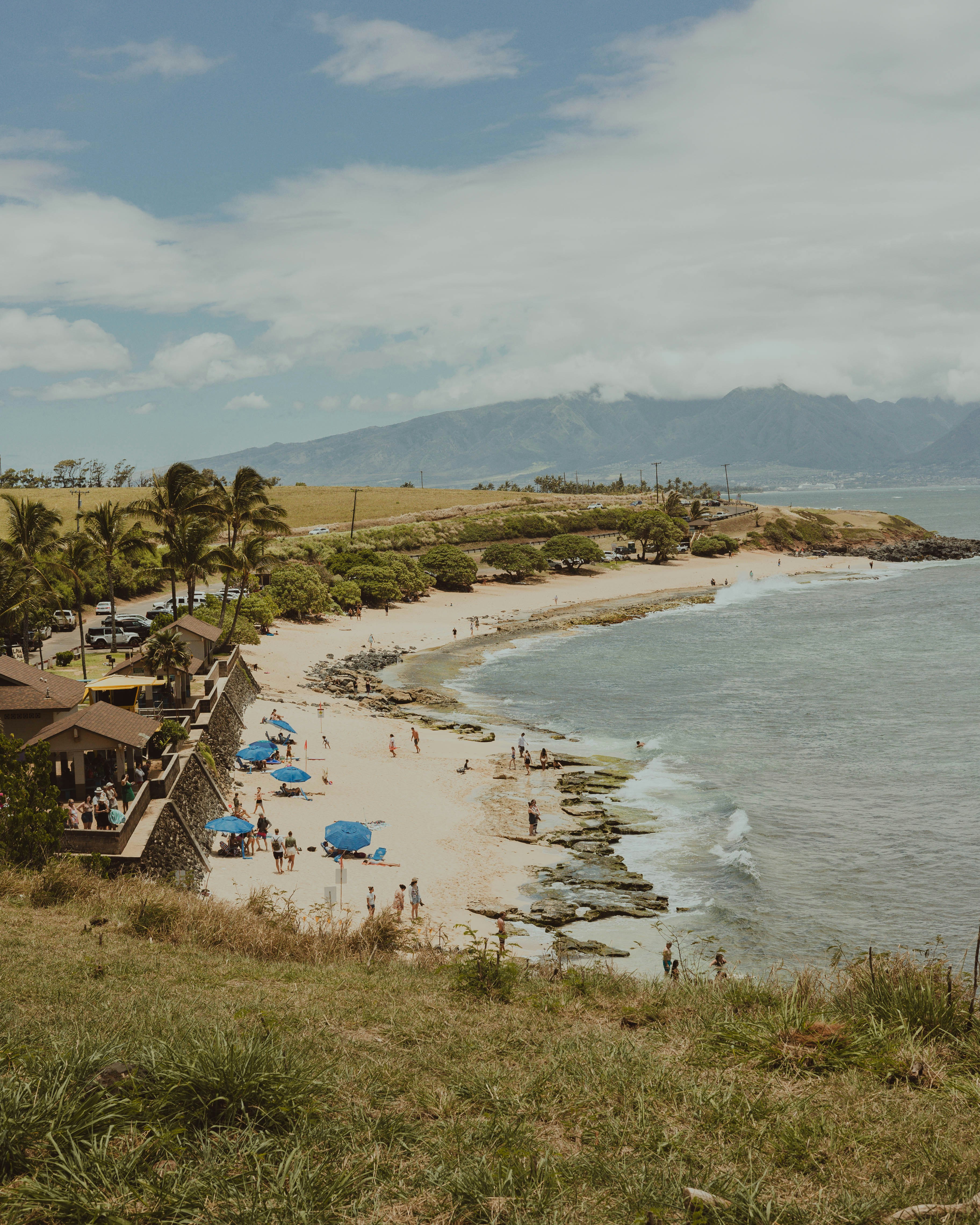
Hoʻokipa, North Shore. Photo: Hawaii Tourism Authority (HTA)
What Is Not Actually Free
Two of Maui's most-listed free attractions are neither free nor walk-up for visitors.
ʻĪao Valley requires a reservation, and the state parks page is blunt about it: anyone without one will be turned away, except Hawaiʻi residents with a valid State ID. ʻĪao Valley State Monument takes reservations from 7 a.m., with the last at 4:30 p.m. and entry no later than 5 p.m.
Waiʻānapanapa works the same way — "persons without a reservation will be turned away", and Waiʻānapanapa State Park states that Hawaiʻi residents are exempt from the fee and reservation requirement with proof of residency. Arrive within the first 30 minutes of your slot.
Both charge nonresidents an entry and parking fee. We are not quoting the amounts because neither state parks page publishes them, and a wrong fee on a free-things guide is worse than no fee — book through the official site and the current price is the one you pay.
Practical Tips
Check whether the lot charges before you call the day free. The beach is public; the paved lot behind it increasingly is not.
Carry a card for parking. PARK MAUI runs through a pay station or the app, not through a coin slot.
Book ʻĪao and Waiʻānapanapa before you drive out. Both turn visitors away without a reservation.
Take sun protection and water on the free days too. Nothing about a free day makes the sun easier.
Respect private property and posted access. A shoreline being public does not make the driveway to it public.
Frequently Asked Questions
Can you do Maui cheaply once you are on the island?
Yes. Lodging and getting here are the expensive parts; beaches, coastal walks, towns and sunsets cost little or nothing once you are on the ground.
Are Maui beaches free?
The beaches are, always — public shoreline is public. The parking is the part that increasingly is not.
How much is PARK MAUI parking at the Kamaʻole beaches?
$10 a day, $50 a week or $150 a month for nonresidents at the paved Kamaʻole I and III lots. Hawaiʻi residents park free by scanning a licence.
Which Kīhei beach has free parking?
Kamaʻole II, which has street parking only and no lot. Keawakapu is the other South Maui option that is still free to park at.
What is the best free sunset on Maui?
The west-facing beach nearest your room. You will stay for the whole thing instead of driving home in the middle of it.
Are ʻĪao Valley and Waiʻānapanapa free?
Not for visitors. Both require a reservation and charge nonresidents entry and parking; Hawaiʻi residents are exempt with State ID.