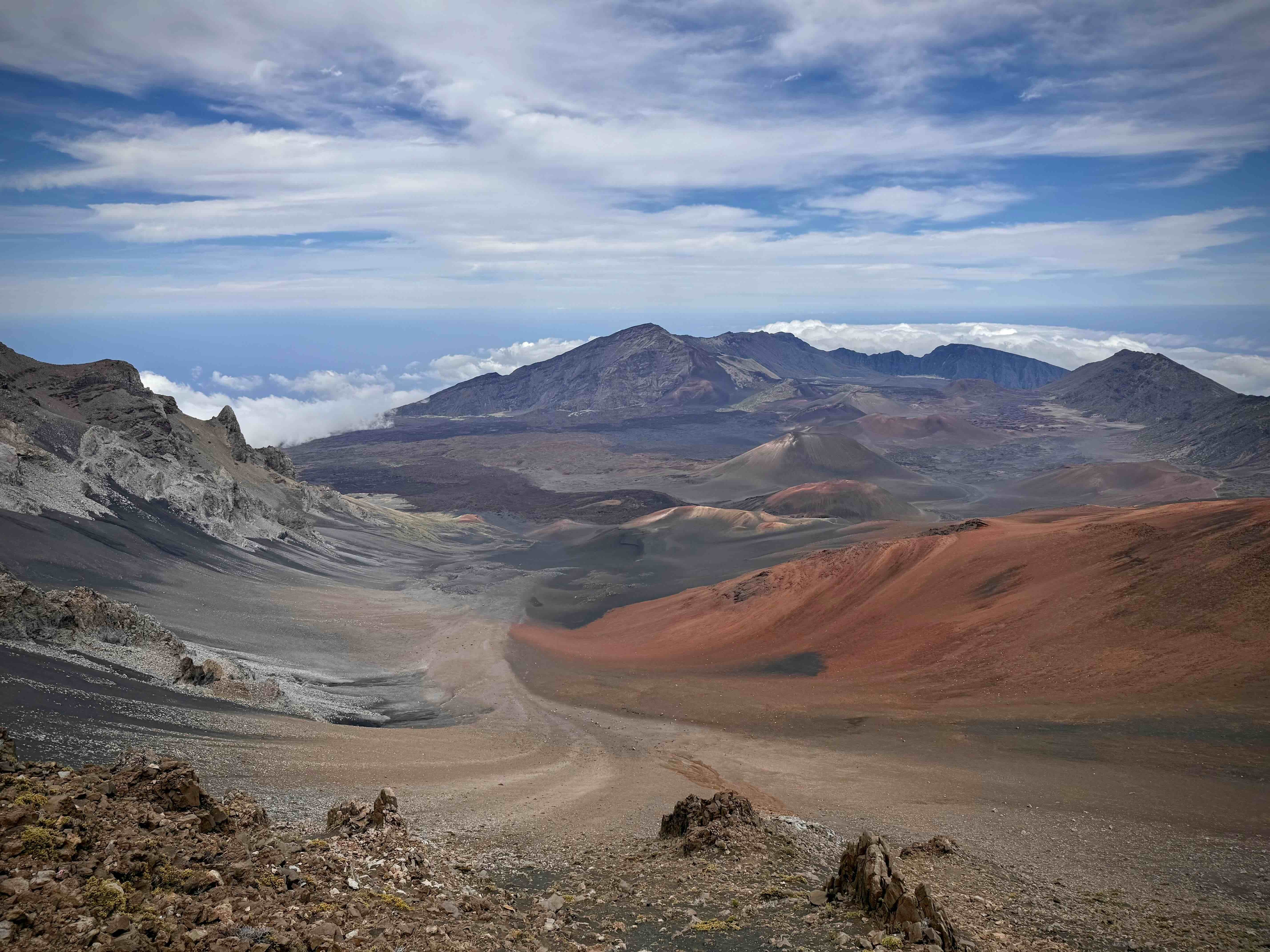
Haleakalā Sunrise vs. Sunset

At a Glance
Most popular on Maui
 Central Maui
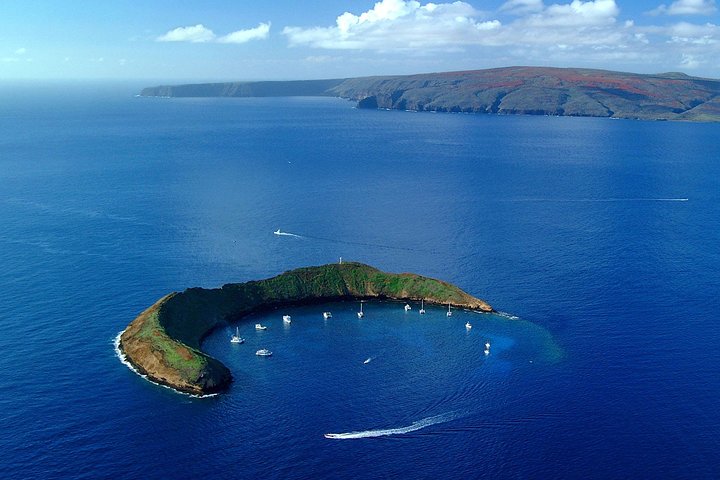
Maui Snorkeling Adventure to Molokini and Turtle Town
Visit Maui's famous snorkeling and diving destinations Molokini Crater and Turtle Town on a snorkeling catamaran, with visibility of 100 feet or more.
 South Maui
Feast at Mokapu Luau in Wailea
Discover Hawai'i's most authentic luxury luau at Andaz Maui at Wailea Resort — a curated cultural evening with a three-course plated dinner on Mokapu beach.
 South Maui
Gilligans' Island Luau in Kihei
An intimate luau experience and the only luau in Kihei — less than a quarter the size of the average Maui luau, so every seat has a great view of the show.
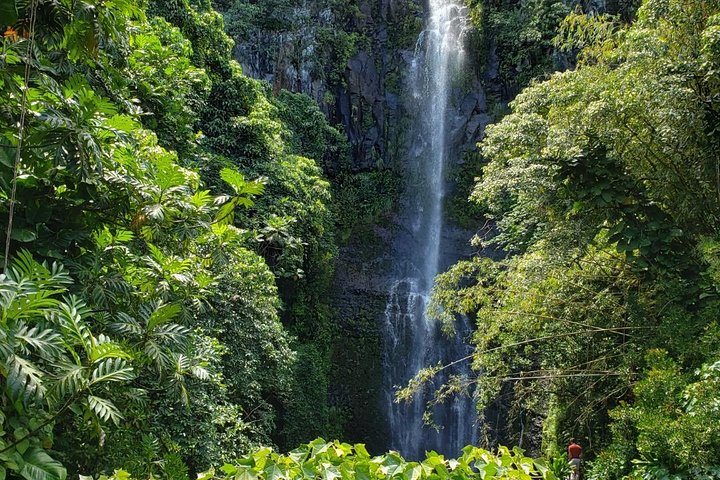 Road to Hāna
Small-Group Road to Hana Adventure Tour with Pickup & Lunch
Watch the waterfalls, black-sand beaches and rainforest go by without anyone in your group behind the wheel.
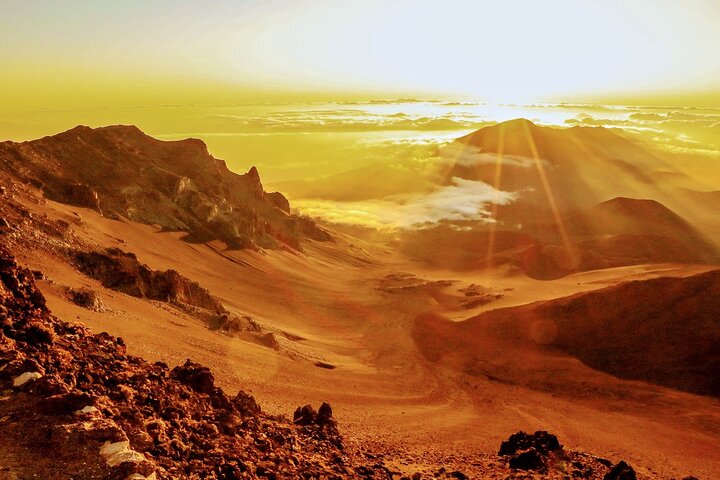 Upcountry
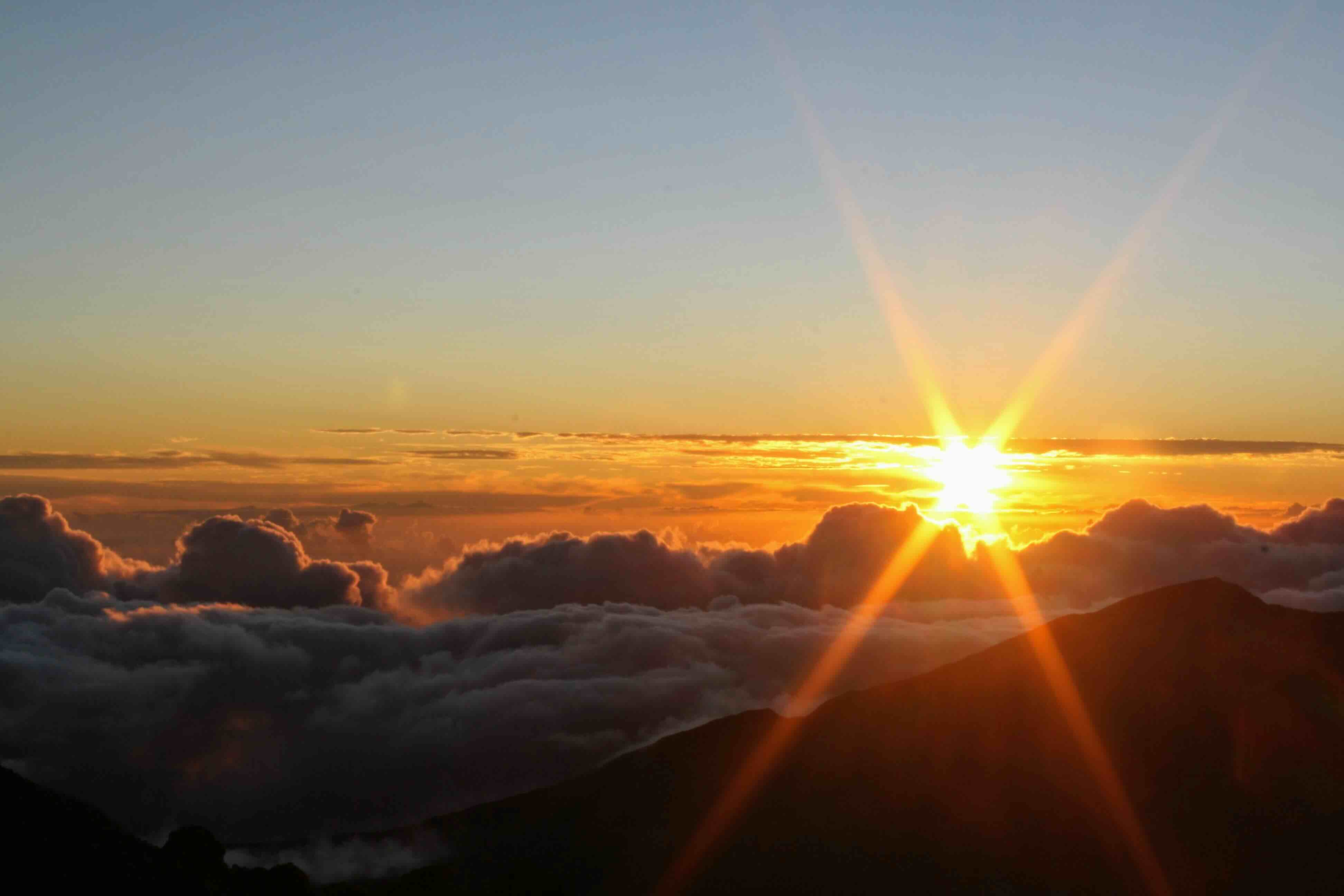
Majestic Haleakalā Sunrise Tour with Pick-up
Ride to the summit for sunrise above the clouds, then unwind over a hot breakfast on the way back down.
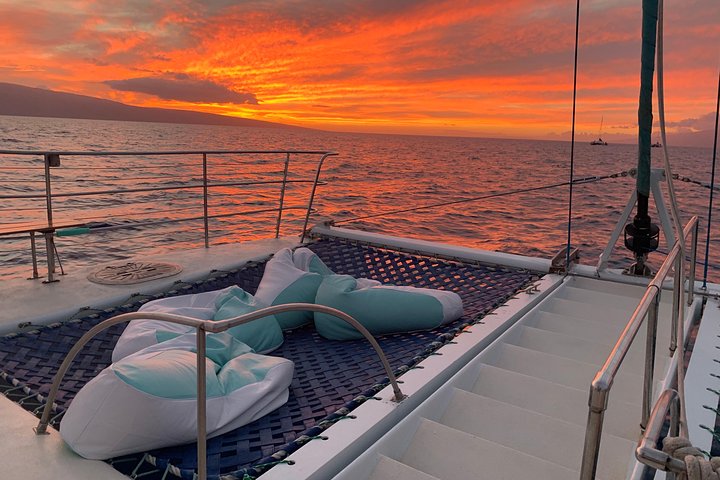 West Maui
Original Sunset Cruise with Open Bar from Kaʻanapali
Sip an unlimited open bar while the sun drops behind Lānaʻi, with pupus and live music twice a week.
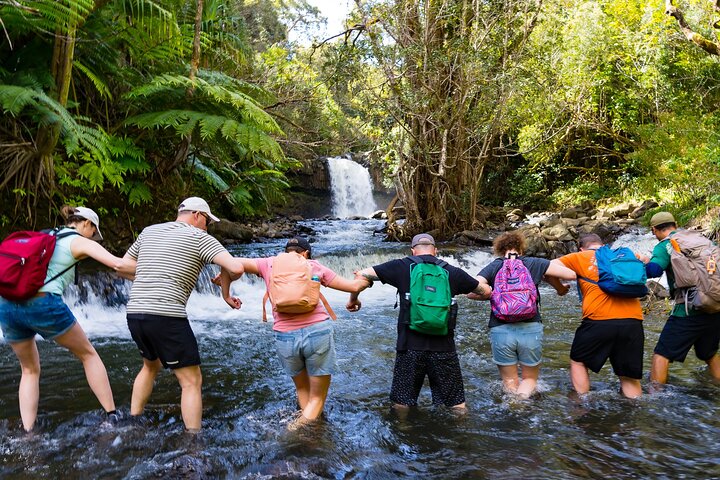 Central Maui
Small Group Waterfall and Rainforest Hiking Adventure
A guided rainforest hike to East Maui waterfalls, with time to swim beneath the falls and a trail lunch included.
 South Maui
Two Hour Beginner Group Surf Lesson in Kihei
A two-hour beginner lesson in calm South Maui water — board, gear and instruction all included.
 Upcountry
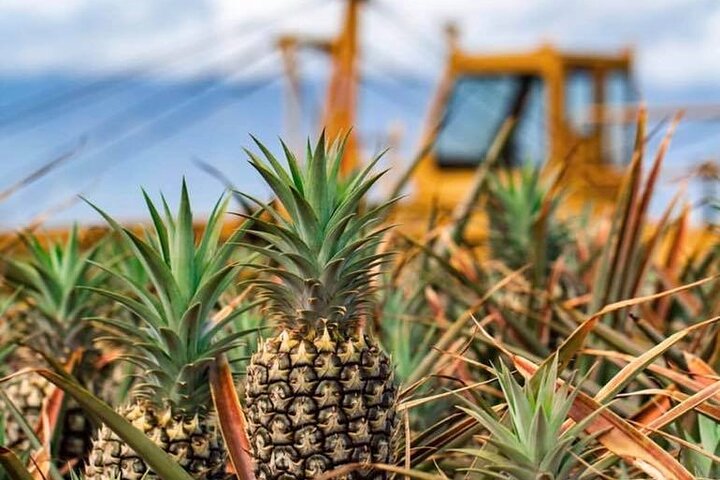
Maui Pineapple Farm Tour in Haliimaile
Tour a working pineapple farm and packing house upcountry, with tastings and a fresh pineapple to take home.
Who Should Take Sunset
Sunset is the right answer for most people who are not specifically chasing the dawn ritual.
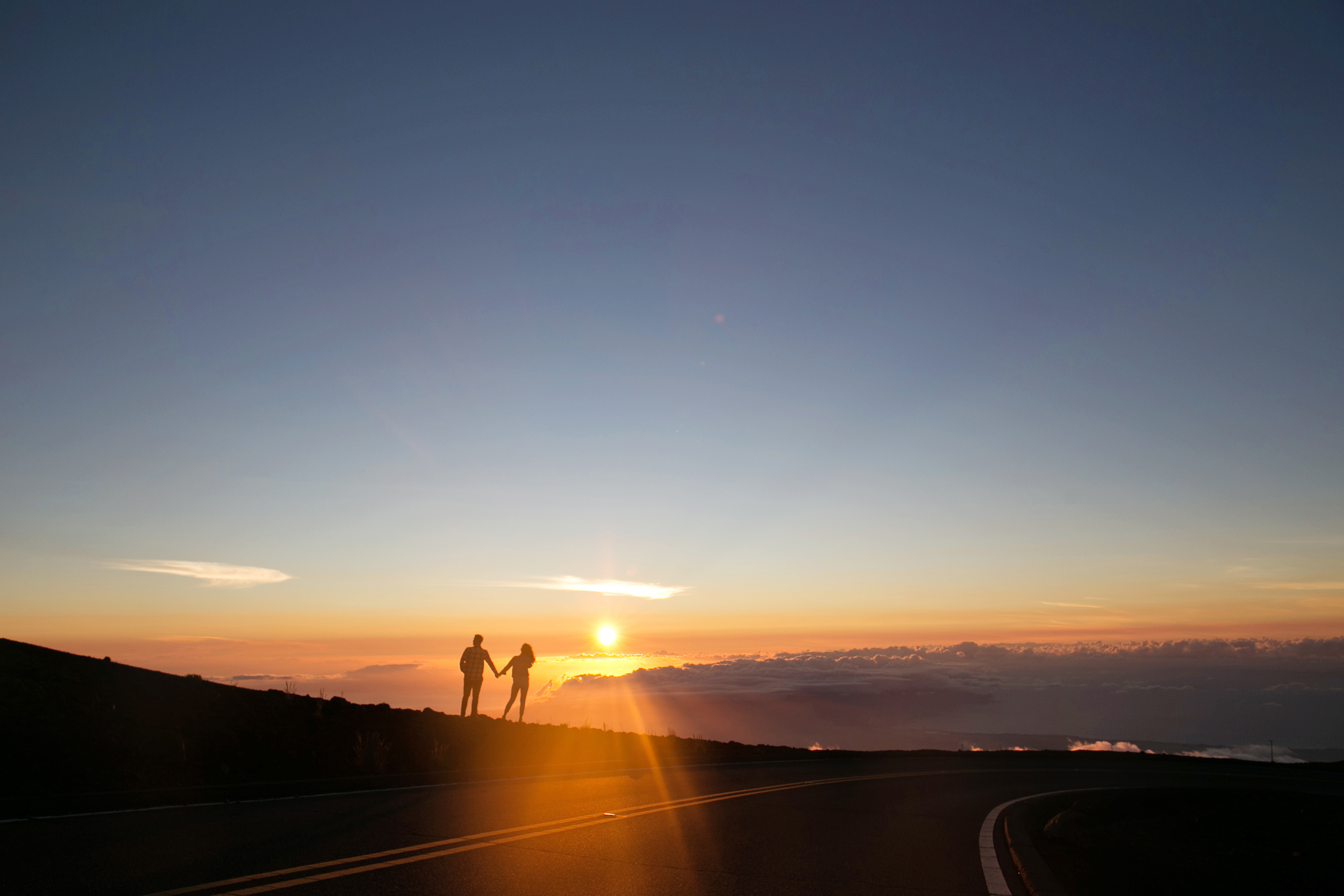
Sunset needs no reservation and no 2 a.m. alarm — you drive up in daylight, and nothing makes you leave afterwards. Photo: Hawaii Tourism Authority (HTA)
- Families — no 2 a.m. alarm, and nobody spends the following day recovering from one.
- Couples and anyone on a short trip — you get the day back. Sunrise costs you the morning after as well as the night before.
- Late-night arrivals — a red-eye or a luau the evening before rules sunrise out. Do not stack them.
- Anyone without a reservation — sunset needs none at all.
On a clear, busy evening, be at the summit 60 to 90 minutes before sunset. That covers parking, the walk and the weather changing its mind, and it is the difference between watching the light and arriving in it.
Who Should Take Sunrise
Sunrise earns the wake-up for first-time visitors who want the ritual itself and can absorb a broken night.
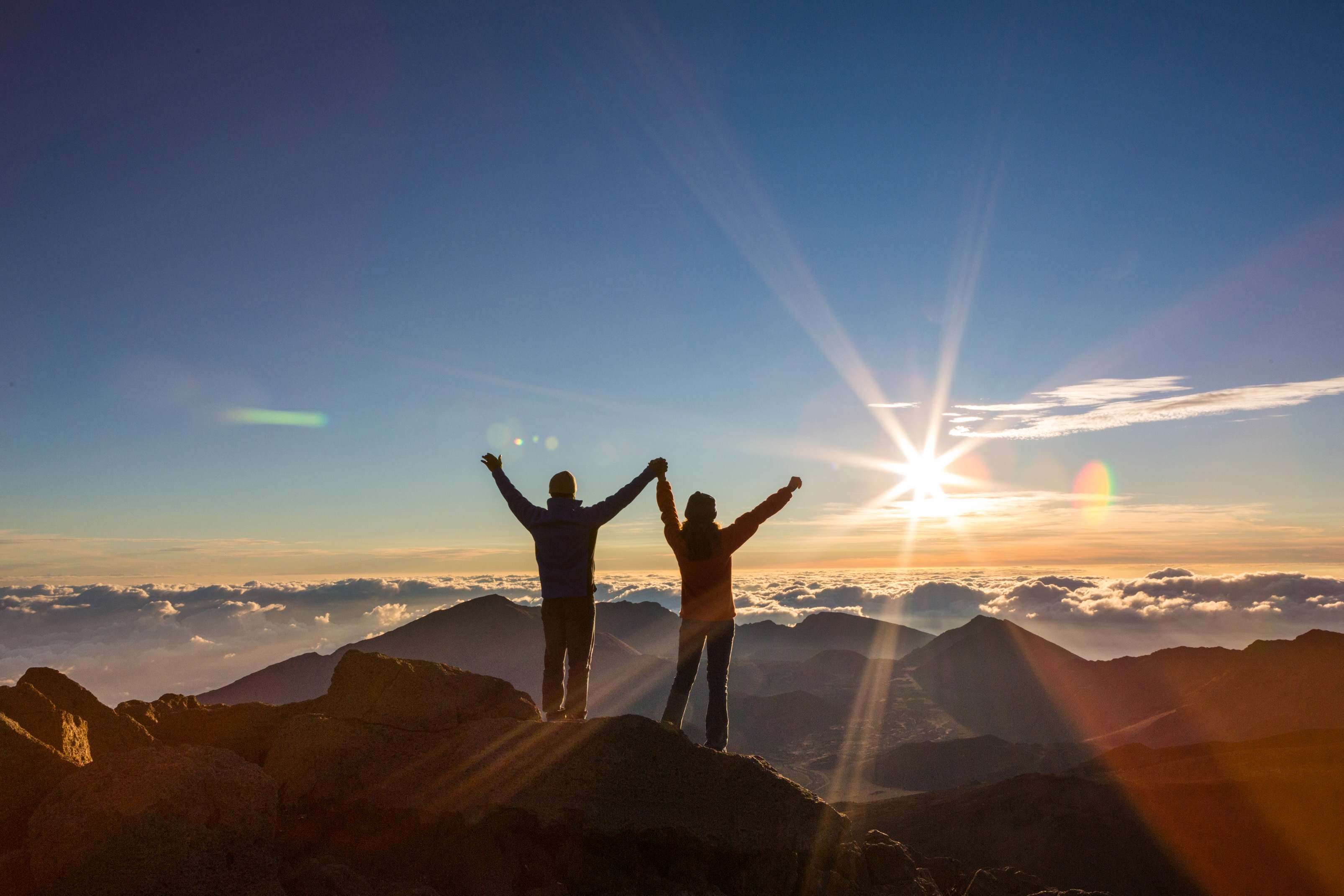
Sunrise needs a reservation booked 60 days ahead. Sunset does not. Photo: Hawaii Tourism Authority (HTA)
It is worth being honest about what you are buying. The view is not better than sunset — it is earlier, colder and harder to get, and the thing that makes it memorable is having been there for it. If that is the appeal, it is a real one. If you are doing it because it is the famous version, sunset gives you the same mountain.
What the Cold Actually Decides
Cold is the single input that changes the answer most for families and older travellers, and it is not symmetrical between the two.
Hawaiʻi's official visitor information puts summit conditions in the 40s Fahrenheit or lower. Sunrise means standing still in that, in the dark, before the sun does anything — and you left a warm resort in darkness, which is exactly why sunrise visitors are the ones who underestimate how much clothing they need. Sunset gets you there in daylight, moving, with the temperature falling rather than already at its floor.
What to actually wear is in our Haleakalā guide. The point here is only that the same forecast is a much bigger deal at 4 a.m. than at 6 p.m.
Peak Dates Change the Answer
Over Christmas and New Year, spring break and the peak summer weeks, sunrise stops being a choice and becomes a competition.
On those dates treat the release like a limited ticket drop rather than a casual reservation. And decide in advance what you do if you lose: the answer is sunset or daytime, not rebuilding the trip around a reservation you do not have.
If You Want to Hike the Same Day
Hiking pushes the answer toward daytime, and it changes the order of the day either way.
- Daytime or after sunrise — the better window for a short descent. You have light and you have energy, and both matter more than the view does.
- Pairing with sunset — hike first and be back near the summit well before the light starts changing. Do not plan to be below the rim as it goes.
What Neither One Guarantees
Neither sunrise nor sunset is a sure thing, and that is not a reason to pick one over the other.
The summit can be clear above a lower cloud layer, or the weather can close in and take the whole thing. That uncertainty is part of mountain travel rather than a fault in the plan — which is another argument for the version that costs you less when it does not pay off.
Frequently Asked Questions
Which is better with children?
Sunset for most families.
Which has fewer crowds?
It varies, and both are popular. Crowd levels are not a good reason to choose between them.
Can I do both?
Yes, but we would not sacrifice sleep just to check both boxes.
What if I cannot get a sunrise reservation?
Take sunset or daytime. On peak dates that is the likely outcome, so plan for it rather than around it.
Is the sunrise view actually better?
No. It is earlier.